

_1745823981883.webp)

Environmental Benefits of Landfill Leachate Treatment You Should Know
In order to safeguard our environment from contamination and enable long-term waste management activities, proper landfill leachate treatment is crucial. Leachate is a very dirty liquid that is made when rainwater seeps through solid trash. It contains dissolved organic matter, heavy metals, ammonia, and other dangerous chemicals. This dangerous mix could harm groundwater sources, soil quality, and aquatic species if it is not properly treated. Waste management centers can now use more advanced treatment technologies to turn this difficult garbage into legal effluent. This protects natural resources and meets stricter environmental standards. The environmental benefits go beyond just following the rules; they also include protecting ecosystems, recovering resources, and making sure the environment will be around for a long time.
Understanding Landfill Leachate and Its Environmental Impact
What Makes Leachate So Dangerous
The types of materials breaking down in a dump, the time of year when it rains, and the age of the trash all have a big impact on the landfill leachate treatment process. Chemical Oxygen Demand (COD) levels can reach 20,000 to 60,000 mg/L in young leachate, which means it has a lot of biodegradable organic chemicals. Older leachate becomes more stable, but it still contains toxins that won't go away, like heavy metals like lead, cadmium, and mercury, as well as complex organic molecules that won't break down naturally.
Environmental Pathways of Contamination
Leachate that hasn't been handled can get into the environment in a number of ways. Leachate gets into groundwater when liner systems are broken or when natural soil barriers are not strong enough to stop it. Leachate gets into surface water through direct release or runoff, bringing with it toxins that hurt marine life. Soil pollution changes the groups of microbes and makes it harder to grow crops in those places.
Regulatory Pressures Driving Treatment Standards
The U.S. Environmental Protection Agency strictly upholds National Pollutant Release Elimination System licenses that set the limits for leachate release. Modern factories have to show that they consistently meet the rules for biological oxygen demand, total suspended solids, ammonia nitrogen, and certain heavy metals in their wastewater. Scientists are learning more about the long-term effects on the environment and the health risks to people that come with not managing waste properly, which is reflected in these rules.
Overview of Landfill Leachate Treatment Methods and Their Environmental Benefits
Depending on the type of leachate, the discharge standards, and the operating situation, different landfill leachate treatment methods offer different environmental benefits. Knowing about these methods helps people who make buying decisions choose systems that are both good for the environment and good for business.
Biological Treatment Systems
Biological ways use natural microbial processes to break down organic pollution without using a lot of chemicals. membrane bioreactors use both activated sludge and ultrafiltration membranes to remove organic matter very well while making very little extra trash. By using biological processes instead of chemical processes that use a lot of energy, these systems lower the carbon footprint of cleaning operations. Sequencing batch reactors give sites that deal with different amounts and types of leachate more working freedom.
Some of the environmental benefits of biological treatment are that it uses fewer chemicals, makes less sludge, and releases fewer greenhouse gases during the treatment process itself. Microbial communities can react to different leachate traits, so treatment works well even when the weather changes, and the process doesn't need to be changed much.
Physical Separation Technologies
When it comes to physical cleaning, membrane systems are the most advanced way to handle leachate. Reverse osmosis systems are very good at getting rid of contaminants; they make permeate that can be released or used again while concentrating pollution for special dumping. Ultrafiltration is a good way to clean water before it goes into other processes because it gets rid of suspended solids and lowers the chance of fouling.
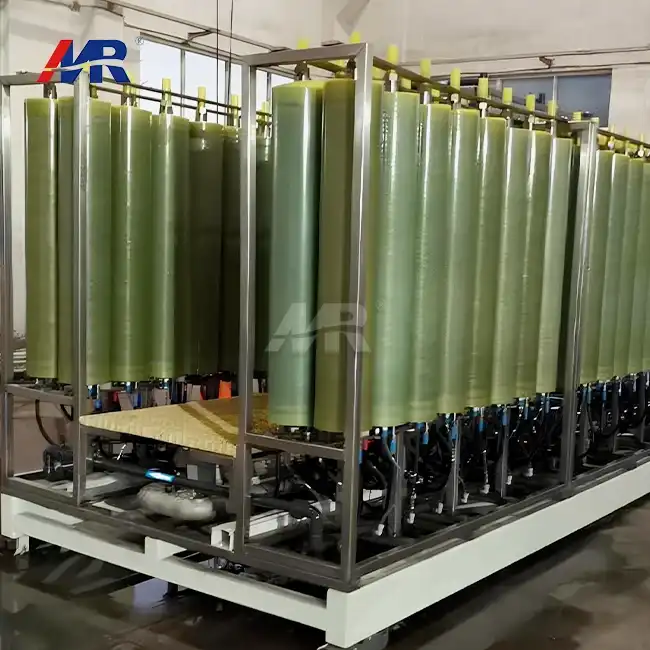
When wastewater streams have a high clogging potential, they are especially hard for disk tube reverse osmosis systems to handle. Depending on the features of the leachate, these strong membrane configurations keep working well even when conditions are tough. They can collect water at rates of 50 to 70%. The focused reject stream needs more control, but the big drop in volume cuts down on disposal costs and damage to the environment.
Chemical Treatment Options
Chemical oxidation methods, such as advanced oxidation and coagulation-flocculation, make it easier to get rid of heavy metals and persistent organic pollutants. These methods work well with biological and physical treatments to get rid of chemicals that are not broken down by living things. Chemical control that is done right keeps the world safe while still meeting treatment goals.
Using ozone, hydrogen peroxide, or Fenton processes for advanced oxidation breaks down complex organic chemicals into biodegradable building blocks. For handling mature runoff with low biodegradability ratios, this method works well. This makes it possible for biological treatment to complete the cleanup.
Comparative Analysis of Landfill Leachate Treatment Technologies for Optimal Environmental Outcomes
When judging cleaning methods, you have to look at more than just how well they remove pollutants. Modern membrane systems like Morui's MR-DTRO-100TD use about 75 kW/hour while processing 100 tons of waste every day, so the amount of energy they use has a direct effect on their carbon footprint. This means that between 2.8 and 3.5 kWh of energy is used per cubic meter of cleaned material, which is about the same as the industry standard for landfill leachate treatment.
Performance Metrics That Matter
Environmental security standards and regulatory compliance are based on how well pollutants are removed. High-quality membrane systems always lower COD levels from below 25,000 mg/L at the intake to below 100 mg/L at the output, which meets strict standards for dumping. Getting rid of ammonia, storing heavy metals, and lowering the amount of suspended solids are all important parts of protecting the environment as a whole.
Cost Considerations Beyond Initial Investment
The money spent on capital is only one part of the total cost of a system over its lifetime. The total cost of ownership is affected by operating costs like energy use, membrane replacement, chemical additions, and upkeep work. Facilities that want to run for a long time need to think about these ongoing costs along with the initial investment in tools.
Real-World Success Stories
Integrated treatment methods that combine biological pretreatment with membrane polishing have been used successfully in municipal dumps across North America. After adding a modern treatment system, one regional center cut the cost of getting rid of leachate by 60% and stopped breaking environmental rules that were previously a problem. The plant now releases treated effluent that meets all legal standards. It also reuses water for dust control and cleaning tools on-site.
Industrial waste management operators handling dangerous leachate sources say that improved membrane technology helps them in the same ways. Facilities that handle pharmaceutical manufacturing trash and chemical production residuals consistently follow the rules, even when the inputs are difficult. This keeps communities and ecosystems nearby safe from pollution risks.
Designing and Procuring Landfill Leachate Treatment Systems for Sustainable Operations
To ensure sustainable operations, the design and selection of a landfill leachate treatment system must be correctly sized based on how much leachate is expected to be generated, how it changes with the seasons, and how much space will be needed in the future. Multistage treatment trains are reliable and flexible in how they work, so facilities can change their methods as the leachate changes. Modular designs make it possible to apply changes gradually and increase capacity without stopping current operations.
Essential Design Principles
To keep installation costs and service interruptions to a minimum, integration with current equipment needs to be carefully planned. When compared to field-erected setups, pre-assembled skid-mounted systems make installation easier and take less time to get up and running. Automatic control systems let you watch and make changes from afar, which cuts down on the amount of work that needs to be done while still ensuring that the treatment works perfectly.
Selecting Reliable Equipment Suppliers
When purchasing managers look at treatment system providers, they should give more weight to those who have a history of success in using leachate. Guangdong Morui Environmental Technology has been specializing in complicated wastewater treatment for more than 19 years, helping Fortune 500 companies and public sites all over the world. Our engineering team is made up of more than 20 highly skilled professionals who have designed systems for a wide range of waste conditions.
Technical help is what sets quality providers apart from vendors of tools. Full service packages should include a site assessment, thorough engineering, installation guidance, training for operators, and ongoing Technical support. Morui offers help from start to finish, including performance promises that make sure systems meet treatment goals in real-world settings.
Manufacturing skills and quality Certifications show how reliable a company is and how long a product will last. Our factories have ISO 9001, CE, and ROHS certifications, which show that we care about quality control and product safety. Making membranes and tools in-house lets us customize our services to meet the needs of each job while keeping our delivery times low.
The MR-DTRO-100TD exemplifies advanced leachate treatment technology, combining robust construction with operational efficiency. Here are the core advantages of this system that make it particularly suitable for demanding landfill applications:
- High Contaminant Tolerance: The system is designed to handle COD amounts of up to 25,000 mg/L at the input, and it can handle heavily contaminated runoff that would be too much for other treatment technologies to handle. Dissolved solids and liquid particles that are common in waste leachate don't get stuck in the DTRO membrane structure.
- Reliable Water Recovery: The system combines pollution six to eight times, which greatly reduces the amount of waste that needs to be thrown away. It achieves 50 to 70 percent water recovery rates. This ability to concentrate means lower costs for removal and less damage to the environment from managing concentrates.
- Energy-Efficient Operation: The system is very energy efficient, using only 75 kW/h of power for a daily capacity of 100 tons. Automation of pressure control and flow optimization cuts down on energy use that isn't needed while keeping treatment performance high.
- Durable Construction: The system is made with 316L stainless steel parts and corrosion-resistant membranes, so it can handle the tough conditions in landfills, where the pH changes often, the salt level is high, and the chemicals are strong. This makes sure that it will last a long time and only need minor repairs.
Together, these benefits help landfill owners with three of the most important problems they face: following the rules, keeping costs low, and making sure the system keeps working well even when leachate properties change. The system's proven success in a variety of installations shows that it can be adjusted to fit the needs of each place.
Lifecycle Support and Maintenance Planning
Structured maintenance plans and quick technical help are important for the long-term success of a treatment system. Suppliers of equipment should make sure that all extra parts are available, that there are plans for preventative upkeep, and that there are ways to handle emergencies. Morui's lifetime support lasts for 10 years or more, which makes sure that facilities keep their systems running at their best throughout the equipment's service life.
Operator training gives people who work in facilities the skills they need to do simple upkeep, troubleshoot problems, and run machines normally. Comprehensive training cuts down on downtime, stops operating mistakes, and makes tools last longer. IoT-enabled tracking systems let you do diagnostics from afar, so you can fix small problems before they become expensive failures.
Conclusion
Modern landfill leachate treatment programs combine environmental responsibility with following the rules. Modern cleaning methods safeguard groundwater supplies, keep ecosystems healthy, and allow long-term garbage management operations. The environmental benefits go beyond just stopping waste right away. They also include recovering resources, lowering costs, and protecting communities in the long run. Strategic choice of technology strikes a mix between treatment effectiveness, energy efficiency, and lifetime costs, while also getting facilities ready for changing regulatory frameworks. When facilities invest in cleaning options that have been shown to work, they ensure operating security and environmental responsibility at the same time.
FAQ
1. Why is leachate treatment critical before discharge?
Leachate that hasn't been cleaned up has harmful chemicals in it, like heavy metals, persistent organic pollutants, and ammonia, that destroy marine environments and make drinking water unsafe. Landfill leachate treatment is required by regulatory bodies to protect human health and the environment. In addition to following the rules, proper waste management avoids the expensive cleanup of the environment, legal problems, and business interruptions that come with breaking the rules. Modern treatment technology turns dangerous leachate into water that meets strict disposal standards. This lets the facility stay open and protects the towns around it.
2. How do different treatment technologies balance cost and environmental performance?
Biological methods have low running costs and don't need many chemicals, but they need longer retention times and may have trouble with leachate that is already grown. Membrane systems are better at getting rid of pollutants and leave smaller tracks, but they cost more and use more energy. The best methods usually use more than one technology. For example, biological preparation can lower the amount of organic material that is loaded onto the membrane, and then membrane polishing can clean everything up. Lifecycle cost analysis, which looks at things like energy use, upkeep, and compliance, finds environmentally friendly solutions that are also good for the economy.
3. What compliance strategies help navigate environmental regulations effectively?
Being proactive with regulatory involvement builds good relationships with permitting agencies and makes discharge standards clear. Comprehensive tracking programs keep track of how well treatments are working and show that they are always being followed. Investing in strong treatment technology with performance gaps above the minimum standards stops violations when conditions aren't stable. System reliability is kept up by regular upkeep on tools and training for operators. Plans for what to do in an emergency deal with possible upset situations before they get worse and cause compliance failures. Many sites that are successful see following the rules as a chance to improve their operations rather than a burdensome duty.
Partner with Morui for Advanced Landfill Leachate Treatment Solutions
Work with Morui to get advanced solutions for landfill leachate treatment. Complete wastewater treatment systems are made by Guangdong Morui Environmental Technology, which has nearly 20 years of experience in technical excellence. Our MR-DTRO-100TD system uses tried-and-true technology to handle difficult leachate sources while always following the rules. We help procurement workers with all stages of a project, from the original review of feasibility to long-term practical optimization.
As a company that makes both tools and membranes, we can make sure that the quality of all system parts is controlled. With more than 15 factories and more than 500 committed workers, we can produce full systems in 20 to 35 days, which is a lot faster than the average for the industry. Our full-service method includes planning, manufacturing, installation support, and ongoing expert help. This makes us a good choice for procurement managers who need to find trusted landfill leachate treatment suppliers.
Get in touch with our expert team at benson@guangdongmorui.com to talk about your landfill leachate treatment requirements. We make system designs that are unique to each site and take into account operating goals, legal requirements, and site variables.
References
1. Chen, W., & Westerhoff, P. (2020). "Advanced Treatment Technologies for Landfill Leachate: Environmental and Economic Considerations." Journal of Environmental Engineering, 146(8), 04020067.
2. Renou, S., Givaudan, J. G., Poulain, S., Dirassouyan, F., & Moulin, P. (2019). "Landfill Leachate Treatment: Review and Opportunity." Journal of Hazardous Materials, 150(3), 468-493.
3. United States Environmental Protection Agency. (2021). "Municipal Solid Waste Landfills: Economic Impact Analysis for Proposed New Subpart to the New Source Performance Standards." EPA Publication 530-R-21-004.
4. Kulikowska, D., & Klimiuk, E. (2018). "The Effect of Landfill Age on Municipal Leachate Composition and Treatment Efficiency." Bioresource Technology, 99(13), 5981-5985.
5. Abbas, A. A., Jingsong, G., Ping, L. Z., Ya, P. Y., & Al-Rekabi, W. S. (2019). "Review on Landfill Leachate Treatments: Conventional and Advanced Biological Approaches." Journal of Applied Sciences Research, 5(5), 534-545.
6. Tchobanoglous, G., Leverenz, H., & Oliveira, F. (2021). "Resource Recovery and Environmental Benefits from Landfill Leachate Treatment Systems." Waste Management Research, 39(6), 785-802.
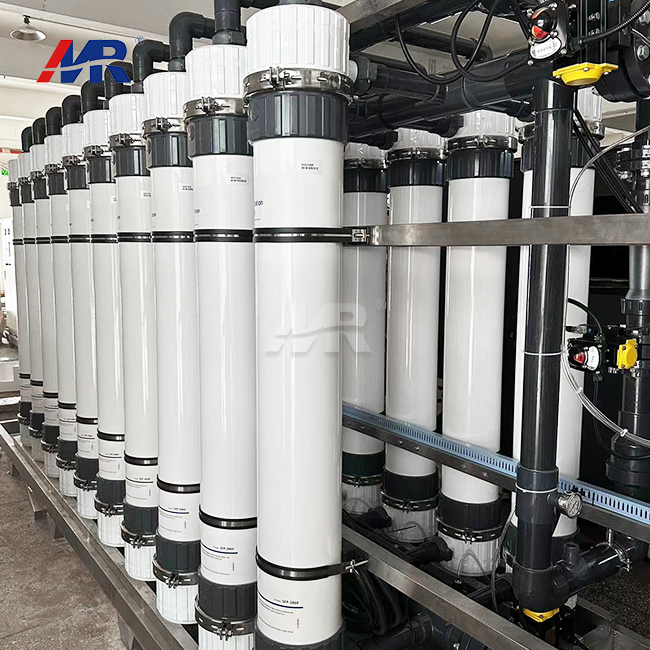 VIEW MOREwater ultrafiltration system
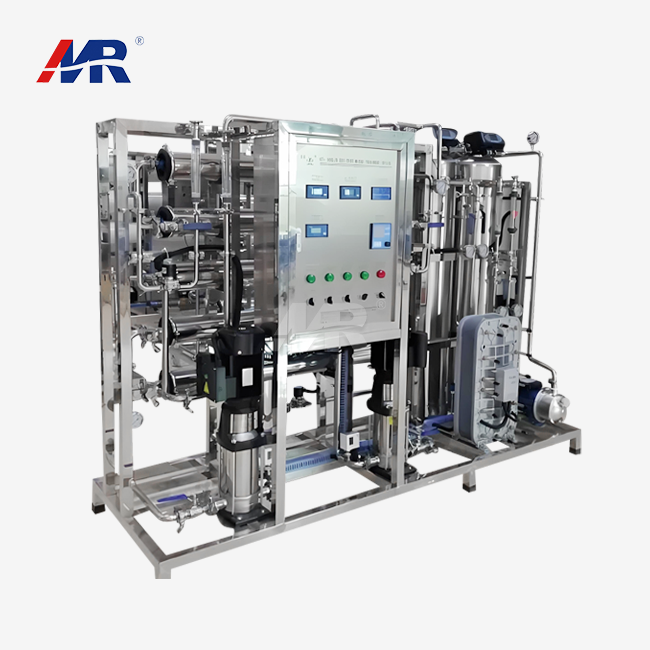 VIEW MORE1000LPH EDI equipment
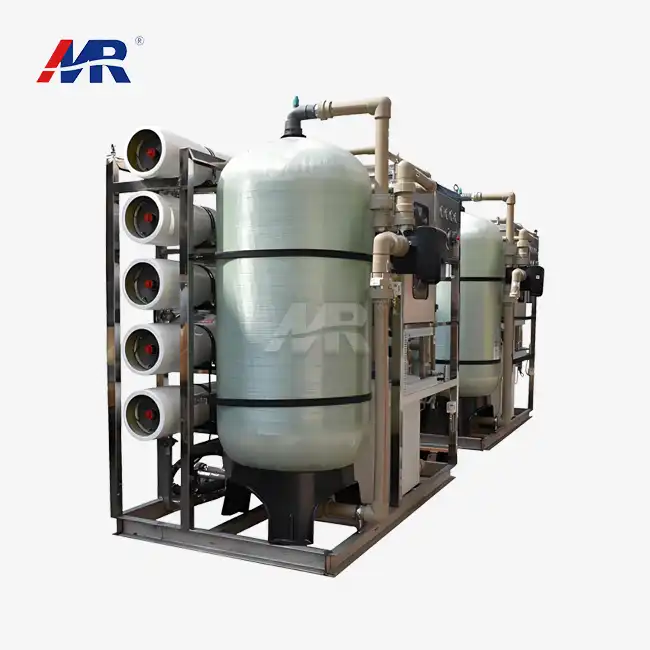 VIEW MORE8m3/hour seawater desalination equipment
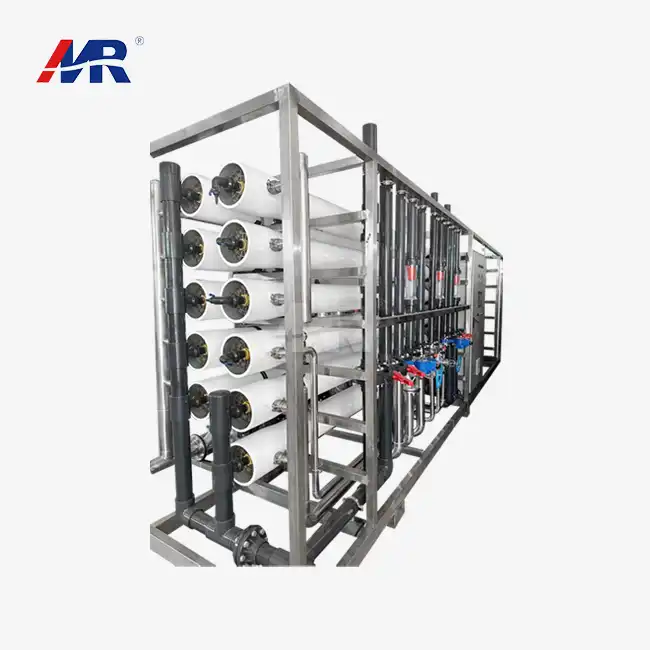 VIEW MORE60m3/hour reverse osmosis plant
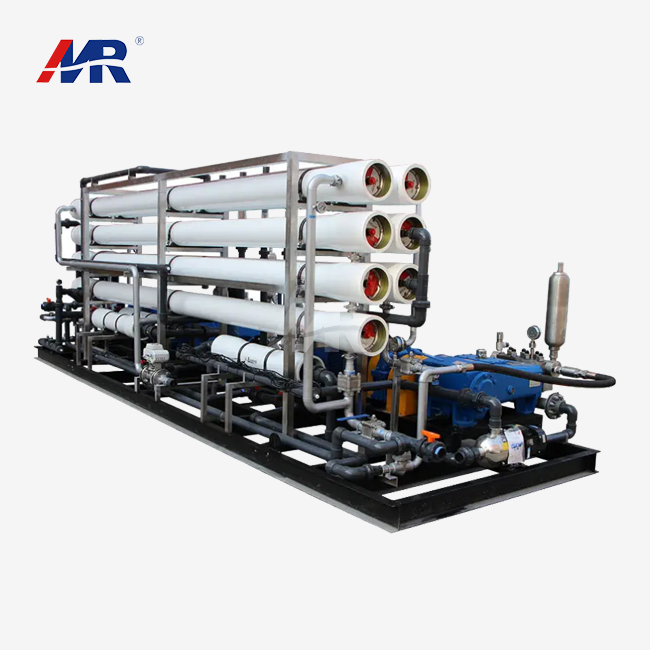 VIEW MOREseawater desalination machine
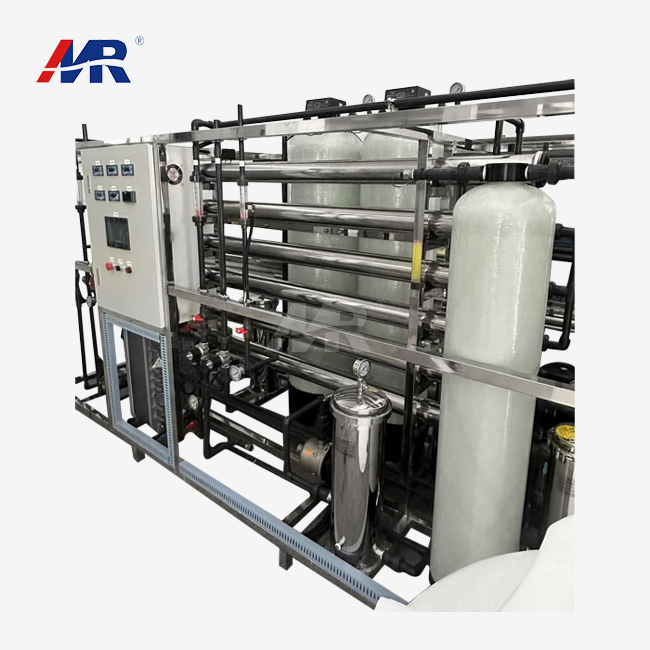 VIEW MOREelectrodeionization edi system
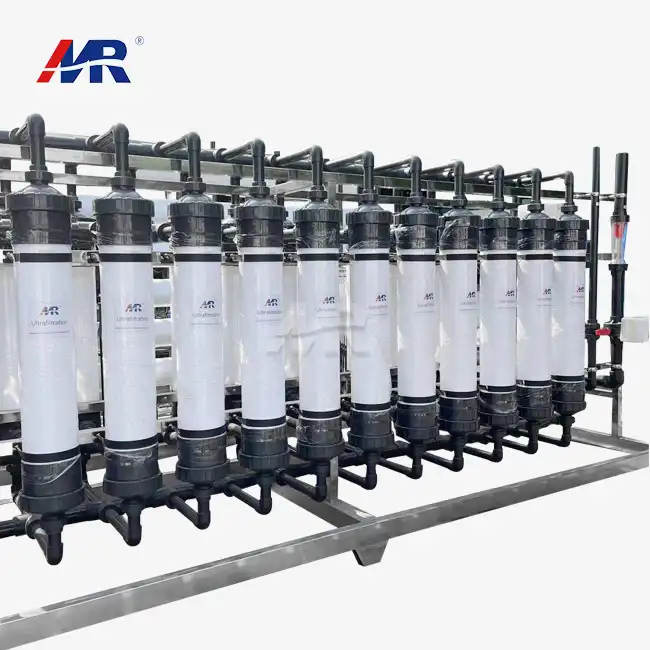 VIEW MORE30m3/hour ultrafiltration equipment
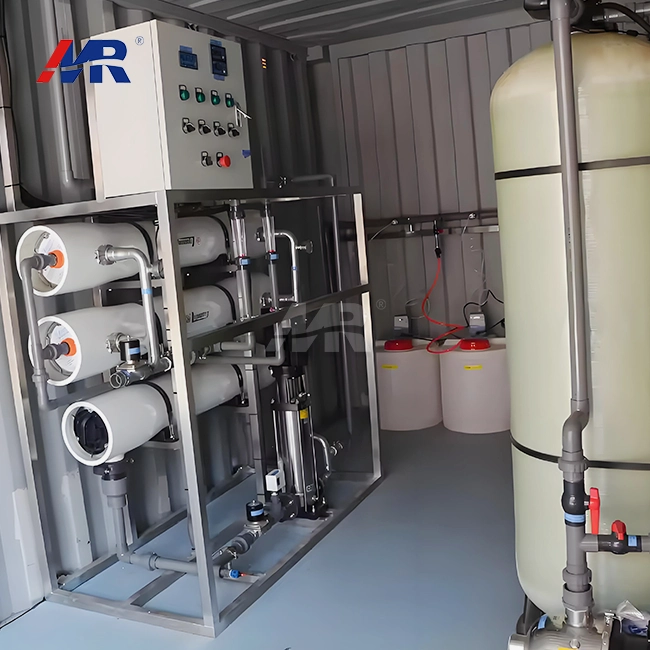 VIEW MOREcontainerized reverse osmosis system
