_1745823981883.webp)

Cost of a reverse osmosis system for industrial water plants
For industrial water plant owners planning upgrades or new installations, understanding the cost of reverse osmosis system purchases is essential. The usual range is from $50,000 for small units that serve small factories to over $2 million for big facilities that desalinate water from the sea or for cities. This wide range of prices is due to changes in size, customization, water quality needs, and the difficulty of installation. Aside from the initial investment, routine costs like energy use, membrane replacement cycles, and preventative maintenance have a big impact on the total purchase cost. By looking at these financial aspects up front, buying teams can make more accurate budgets and choose systems that meet both output needs and long-term financial goals.
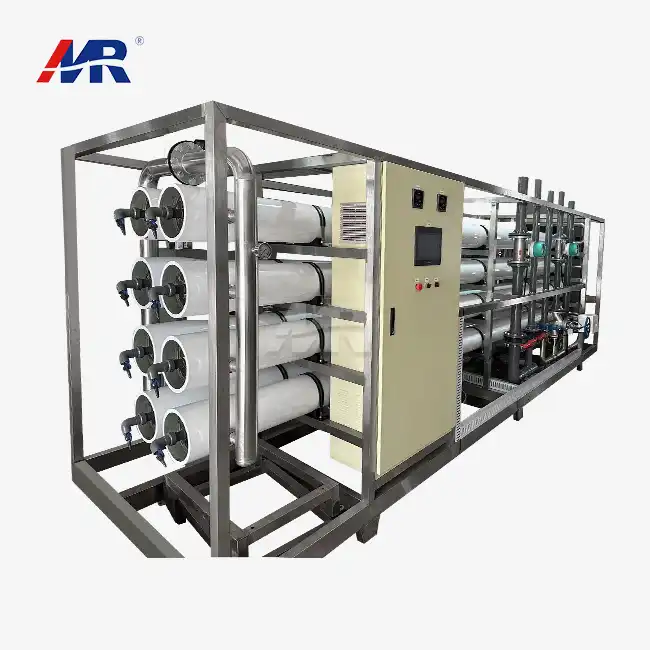
Understanding the Cost Components of Industrial Reverse Osmosis Systems
When you look at how industrial RO systems are paid for, you can see that there are many levels of investment, and each one has its own effect on the total project budget.
Capital Expenditures: The Foundation of Your Investment
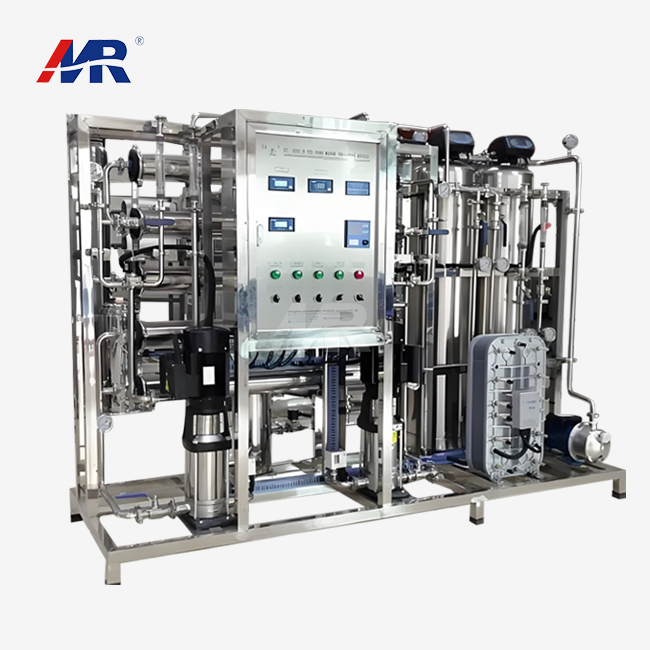
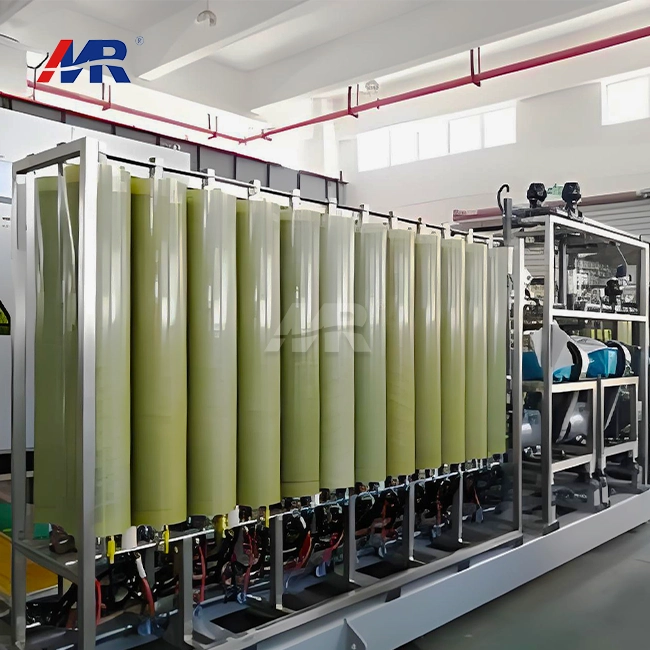
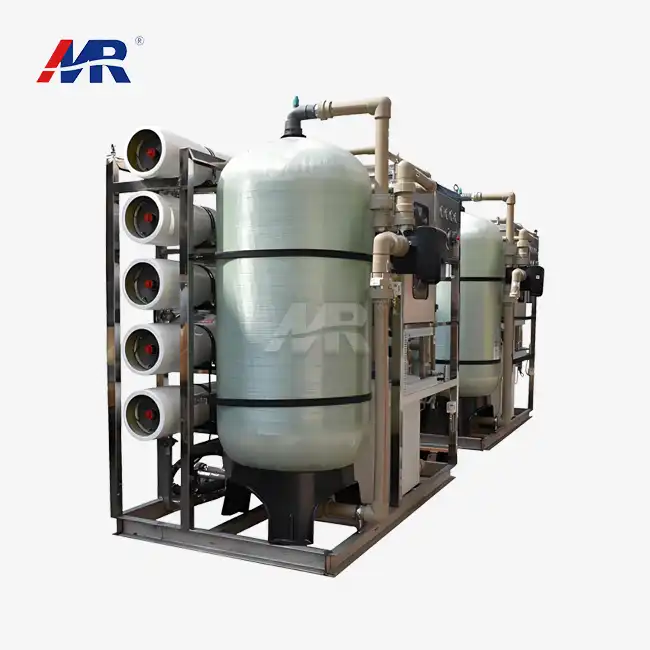
When buying industrial reverse osmosis equipment, the biggest starting cost is the capital cost. About 15 to 25 percent of the total cost of the system goes to the membranes. Depending on their size and use, high-rejection industrial membranes can cost anywhere from $800 to $3,500 per element. Another 20–30% of equipment costs come from high-pressure pumps that are needed to fight osmotic pressure. These costs depend on the salt content of the feed water and the recovery rates that are wanted. The equipment package is made up of pressure tanks, control systems, pre-treatment parts, and cleaning units for after-treatment. A lot of industry buyers don't think about the extra costs that come with instruments, safety systems, chemical dose equipment, and backup parts. These costs usually add 15 to 20 percent to the price of the main piece of equipment.
Installation and Infrastructure Requirements
The cost of installation depends a lot on the factors of the spot and how complicated the system is. The average cost of professional installation for a medium-sized industrial system is between $30,000 and $150,000. This includes the foundation work, the pipe networks, the electrical infrastructure, and the finishing services. We've seen that installing water treatment systems in places that already have them costs 25–40% less than installing systems from scratch. There are big differences in prices across the United States based on things like accessibility, temperature, and the cost of work in each area. Coastal sites that are put in seawater systems have to pay a lot more for civil engineering because they need to use materials that don't rust and build special inlet structures.
Operational Expenses: The Ongoing Financial Commitment
The long-term business success of industrial RO systems depends on how much they cost to run, which is a major part of the cost of reverse osmosis system ownership. Energy use makes up most of the ongoing costs, making up 45 to 60 percent of running costs. For treating salty water, industrial devices use 3 to 6 kWh per thousand gallons. For desalinating seawater, they use 10 to 15 kWh per thousand gallons. Every 3 to 7 years, based on the quality of the feed water and the maintenance schedule, the membrane needs to be replaced. For big installations, the cost of replacement can reach $40,000 to $200,000. Adding another $5,000 to $25,000 a year is routine upkeep, which includes cleaning chemicals, filter cartridges, and other items. Using energy recovery devices in smart buildings cuts power use by 30 to 50 percent, which greatly improves the practical cost of the reverse osmosis system.
Detailed Cost Analysis: Price Ranges and Influencing Factors
Pricing information that is easy to understand helps procurement workers compare bids and negotiate with sellers more effectively.
Small to Medium Industrial Plants
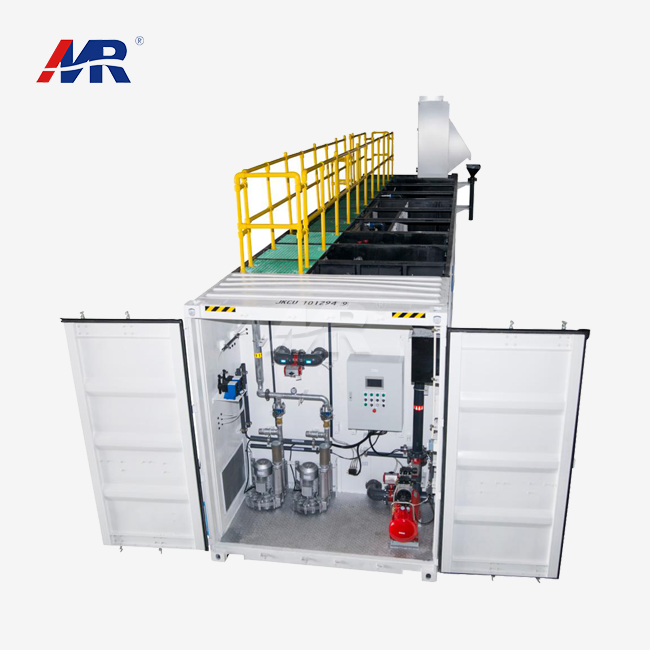
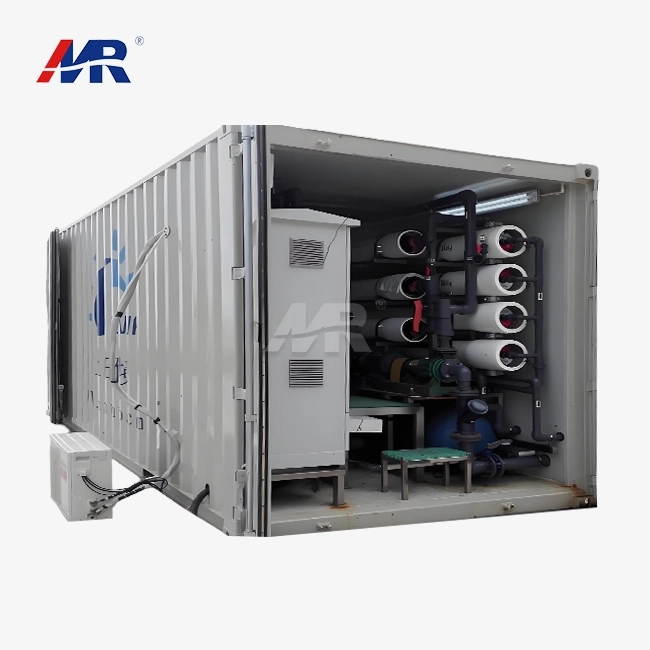
Installing a small system for a medicine lab, a food processing plant, or a small production business usually costs between $50,000 and $250,000. These systems can make between 5,000 and 50,000 gallons of water every day, which is about $8 to $15 per gallon. Modular designs that are placed on skids make assembly easier and cheaper. Pre-engineered systems can be set up more quickly than fully designed solutions, but they can't be changed as much. Many small operators don't realize how much pre-treatment they need at first. Not doing enough pre-treatment speeds up membrane fouling, which raises the need for replacements and costs by 40 to 60 percent.
Large-Scale Water Treatment Facilities
Systems that make 100,000 to several million gallons of water every day are needed by municipal water plants, big beverage makers, and industrial complexes. These systems cost between $500,000 and $5 million to install. The cost of capacity per gallon drops to $3 to $8 at these sites because of economies of scale. Custom engineering solves problems with water quality that are unique to a place, makes sure that regulations are followed, and works with current infrastructure. Professional design-build methods have higher upfront costs (15–20%), but they offer better dependability and performance promises that risk-averse buying teams value.
Total Cost of Ownership Considerations
When you look at lifetime costs instead of just the original purchase price, you can see the real financial picture. A well-kept commercial RO system that works for 20 years will cost two to four times what it cost to buy in the first place. For medium to big buildings, energy-efficient designs with variable frequency drives, energy recovery devices, and better staging cut costs by $15,000 to $75,000 a year. Even though they cost 8–12% more up front, extended membrane warranties and thorough service agreements help you plan your budget and keep you from having to pay $10,000–$50,000 per day for unplanned downtime in applications that are very important to the business.
Selecting the Right Reverse Osmosis Technology for Industrial Applications
Choosing the right technology has an effect on both the original investment and the long-term efficiency of operations. This is why it is important to carefully consider all of the options and providers.
Comparing Filtration Technologies
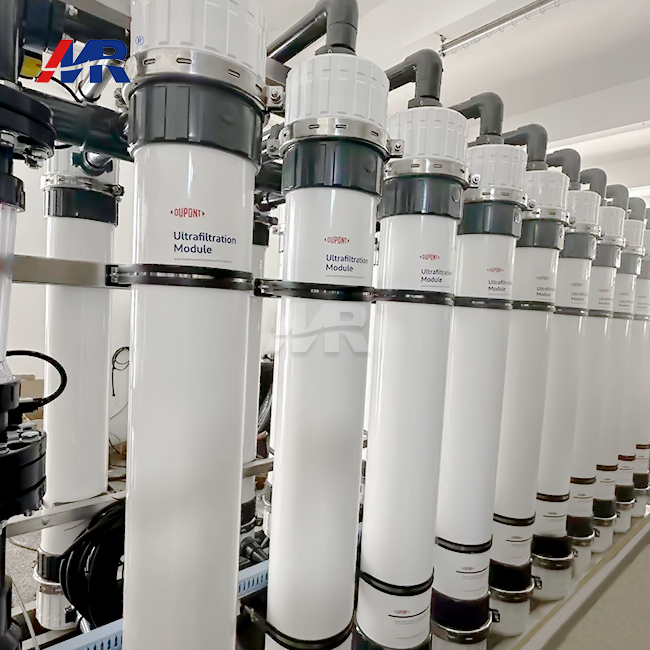
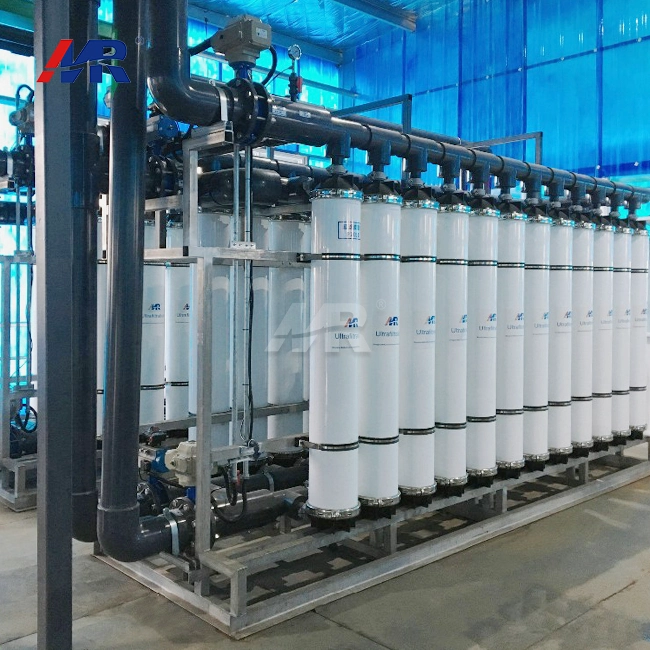
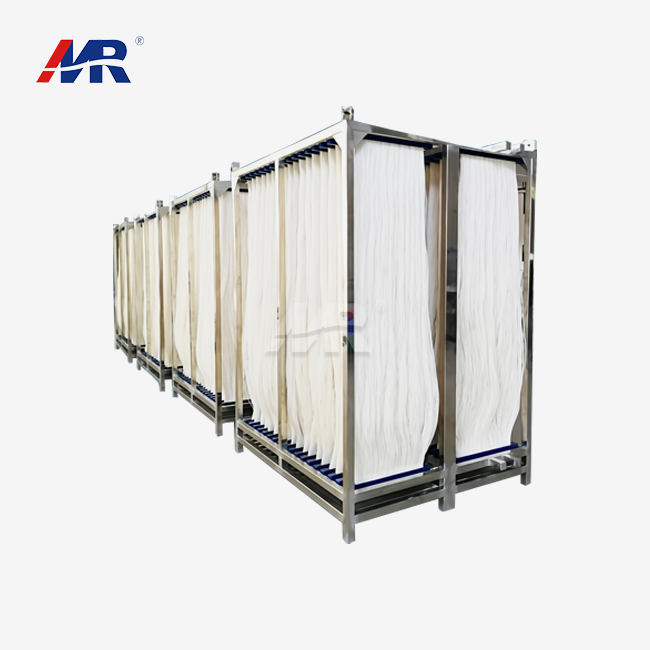
Reverse osmosis is very good at getting rid of dissolved solids; it can reject 95–99.5% of salts, minerals, and chemical compounds. Carbon filtration can get rid of chlorine, taste, and odor, but it can't lower the total dissolved solids. This means it's not a good option for many commercial uses when used on its own. Ultrafiltration is good at getting rid of germs, viruses, and suspended solids, but it lets dissolved salts through. This makes it a good pre-treatment for RO or an option for uses that can handle higher TDS levels. Cost of reverse osmosis system analyses show that RO systems produce better water quality for industries like pharmaceuticals, electronics, and precision production that need ultrapure water for quality Products, even though they cost more to install.
Supplier Comparison and Vendor Selection
You must compare equipment pricing, professional assistance, guarantee duration, and replacement component availability while choosing providers. Established companies give extensive guarantees for membrane performance, equipment problems, and professional assistance. Warranties reduce practical risk, hence higher pricing. The buyers should carefully review contracts that don't cover membrane fouling from poor pre-treatment, the most prevalent cause of failure. Regional service networks enable providers with local expert teams to reduce service response times from days to hours, preventing production stops and costs.
Guangdong Morui Environmental Technology designs industrial RO systems for industry, food preparation, and local administration. Our integrated process combines in-house membrane production with top component suppliers like Shimge Water Pumps and Runxin Valves to obtain the greatest pricing without losing quality.
Customization and Bulk Procurement Advantages
Custom-engineered solutions are made to fit specific water chemistry problems, room limitations, and integration needs that standard goods can't meet. Tailored designs cost 20–35% more than catalog items, but they don't require any practical sacrifices that slow down operations or raise long-term costs. If you buy a lot of tools or installation services for multiple sites or in stages, you can get savings of 15 to 25 percent. Using the same suppliers for all of your sites streamlines your spare parts inventory, makes it easier to train operators, and builds stronger relationships with your suppliers that lead to better prices and faster service.
Procurement Decision Framework for Industrial Reverse Osmosis Systems
Structured decision models help buying teams make the best supplier choice by guiding them through complicated technical and financial assessments.
Defining Requirements and Specifications
For procurement to go well, the production volume, water quality, and price needs must be made clear from the start. Technical teams should do a full study of the feed water chemistry to find out its TDS, hardness, silica, organics, and fouling potential. These factors determine the pre-treatment needs and membrane choice. Specifications for pharmaceutical, food processing, and city uses are based on regulatory compliance. GMP-compliant systems command 25–40% prices because they come with more paperwork, material Certifications, and validation support. To keep things from going wrong during the project, budgets need to include things like capital equipment, installation, setup, user training, and first-year consumables.
Evaluating Vendor Proposals
A full proposal review looks at more than just the price of the tools; it also looks at the total cost of the project and the supplier's skills. When defining the installation scope, hidden costs often show up. For example, site preparation, utility connections, and permits are often listed as things that the owner is responsible for in low-price proposals, but they end up needing expensive changes made by the contractor during the building. There are a lot of different types of warranties. Basic warranties cover problems with the equipment for 12 to 24 months, while extensive plans cover problems with the membrane for 5 to 10 years and include performance guarantees and preventative maintenance. Parts availability and quick response times from technical help are very important for production sites where downtime costs more than $500 to $2,000 per hour.
Risk Mitigation and Quality Assurance
The financial stability and project knowledge of the supplier have a direct effect on the success of the project and the availability of long-term assistance when evaluating the cost of reverse osmosis system solutions. We suggest checking seller references from similar projects and visiting setups that are already up and running. Performance guarantees that include real financial solutions protect buyers from systems that don't work as promised. Good guarantees include promised water quality, recovery rates, and energy use, with liquidated fees for not following through. Factory acceptance testing is done before a package goes out, and thorough commissioning procedures make sure that systems meet specs before they are put into service, helping to justify the cost of reverse osmosis system investments.
Maximizing ROI and Ensuring Long-Term Performance
Strategic operating practices turn industrial RO systems from cost centers into assets that create value and help meet goals for sustainability and efficient production.
Energy Efficiency and Cost Reduction Strategies
Energy optimization gives you instant and long-term cash benefits. High-pressure pumps with variable frequency drives use 15–30% less energy because they match pump output to real demand instead of slowing down constant-speed pumps. In high-pressure processes like desalination of saltwater, energy recovery devices take pressure energy from concentrate streams and use it to lower net energy usage by 40 to 60 percent. Based on real-time tracking of water quality, automation systems find the best cleaning cycles, staging arrangements, and recovery rates. This gets rid of the energy waste that comes from human operation that is too conservative. Most of the time, these efficiency steps pay for themselves in 18 to 36 months by lowering energy costs.
Proactive Maintenance Programs
Preventive maintenance increases the life of membranes by 30–50% compared to reactive maintenance, and it cuts down on unplanned downtime by 60–80%. Regular checks of standard performance measures, planned cleaning before fouling gets too bad, and regular checks of pumps, valves, and instruments are all part of structured programs. Keeping extra parts for important parts like cartridge filters, chemical pumps, and pressure monitors on hand lets operations get back up and running quickly when something goes wrong. We've seen that facilities that use constant tracking and data analytics to do predictive maintenance cut their total maintenance costs by 20 to 35 percent while making their systems 98 to 99 percent available.
Future-Proofing Your Investment
Scalable system designs let production grow without having to update the whole system. This protects capital investments as the needs of the business change. Instead of replacing whole systems, modular designs let you increase throughput by adding more trains running in parallel. Regulatory environments are always making it harder to meet water quality standards and disposal requirements. To keep systems from becoming obsolete too soon, they are built with a cushion above what is currently required. Sustainability concerns lead to the use of concentrate management solutions, water reuse setups, and green energy integration. These are features that should be built in from the start, rather than being added at a later date, which can be expensive.
Conclusion
When investing in industrial reverse osmosis systems, you need to weigh the initial cost of the equipment against its long-term running costs and make sure that the technical specs meet the needs of production. The cost of reverse osmosis system installations can range from $50,000 for small units to several million dollars for big sites, depending on the system's size, purpose, and level of customization. To do a good job of procurement, you need to carefully look at the prices of capital equipment, installation, and ongoing running costs like energy, membrane replacement, and maintenance. Choosing approved providers with full warranties, dependable expert support, and years of experience in your field lowers risk and ensures long-term performance. Strategic operational practices get the best return on investment by saving energy, keeping up with upkeep, and making plans that can be expanded in the future.
FAQ
1. What is the typical lifespan of industrial RO membranes?
Industrial reverse osmosis membranes typically last 5-7 years under normal operating conditions with proper maintenance. Lifespan varies significantly based on feed water quality, pre-treatment effectiveness, and cleaning protocols. High-fouling applications may require replacement every 3-4 years, while well-managed systems with excellent pre-treatment achieve 8-10 years. Regular performance monitoring through normalized flux and rejection rates indicates when replacement becomes necessary before catastrophic failure occurs.
2. How does feed water quality affect system costs?
The quality of the feed water has a big effect on both the capital and operating costs. High TDS, hardness, or fouling potential means that a lot of pre-treatment is needed, which includes softeners, multimedia filters, and antiscalants. This makes the equipment 25–50% more expensive. Bad water quality speeds up membrane fouling, which means that cleaning has to be done more often (every month instead of every three months) and the membranes last 40 to 60 percent less long. A thorough study of the feed water during the planning phase stops undersizing the pre-treatment, which leads to ongoing operational problems that are much more expensive than the initial investment in the right conditioning equipment.
3. Can RO systems be customized for specific industries?
Industrial RO systems accommodate extensive customization, addressing industry-specific requirements. Pharmaceutical applications require GMP-compliant materials, extensive documentation, and validation support. Food processing demands sanitary design with CIP capabilities and FDA-approved materials. Electronics manufacturing needs ultra-low TOC levels, requiring additional polishing. Custom engineering addresses unique water chemistry, space constraints, integration with existing processes, and regulatory compliance, ensuring optimal performance for specialized applications despite 20-35% premiums over standard configurations.
Partner with Morui for Cost-Effective Industrial RO Solutions
For industrial water plants in the energy, municipal, and industry sectors, Guangdong Morui Environmental Technology specializes in providing complete reverse osmosis systems. Our wide range of services, including making membranes in-house and working with top brands like Shimge Water Pumps and Runxin Valves, allows us to cut costs without sacrificing quality or dependability. Our network includes 14 regional offices, over 500 committed professionals, and 20 experienced engineers. We offer full design, installation, and testing services, as well as quick Technical support. Our Team offers clear pricing, tried-and-true technology, and a long-term relationship to help your business succeed, whether you're looking at the cost of reverse osmosis system providers for a new building or to improve an existing one. Get in touch with our experts at benson@guangdongmorui.com right away to get personalized advice and a detailed plan that is made to fit your production needs and budget.
References
1. American Water Works Association. (2020). Reverse Osmosis and Nanofiltration: Manual of Water Supply Practices M46. Denver: AWWA Press.
2. Greenlee, L. F., Lawler, D. F., Freeman, B. D., Marrot, B., & Moulin, P. (2009). Reverse osmosis desalination: Water sources, technology, and today's challenges. Water Research, 43(9), 2317-2348.
3. National Research Council. (2008). Desalination: A National Perspective. Washington, DC: The National Academies Press.
4. Voutchkov, N. (2018). Energy Use for Membrane Seawater Desalination – Current Status and Trends. Desalination, 431, 2-14.
5. Wilf, M., & Bartels, C. (2005). Optimization of seawater RO systems design. Desalination, 173(1), 1-12.
6. Zhu, A., Christofides, P. D., & Cohen, Y. (2009). Energy consumption optimization of reverse osmosis membrane water desalination subject to feed salinity fluctuation. Industrial & Engineering Chemistry Research, 48(21), 9581-9589.