

_1745823981883.webp)

Does Reverse Osmosis Soften Water?
Buyers often ask if reverse osmosis systems can soften water wells when they are looking at different ways to treat water for business use. Yes, reverse osmosis does make water less hard by reverse osmosis water softener, filtering out calcium and magnesium ions through a layer that lets some water through but not all the way through. But it's important to know the difference between a special reverse osmosis water softener and a normal ion exchange softener so that you can buy the right one. RO systems clean water very well because they get rid of solids that have been dissolved, contaminants, and hardness minerals all at the same time. But they aren't used for the same thing as regular water softener equipment. This detailed book discusses these differences and helps professionals choose the best way to clean water.
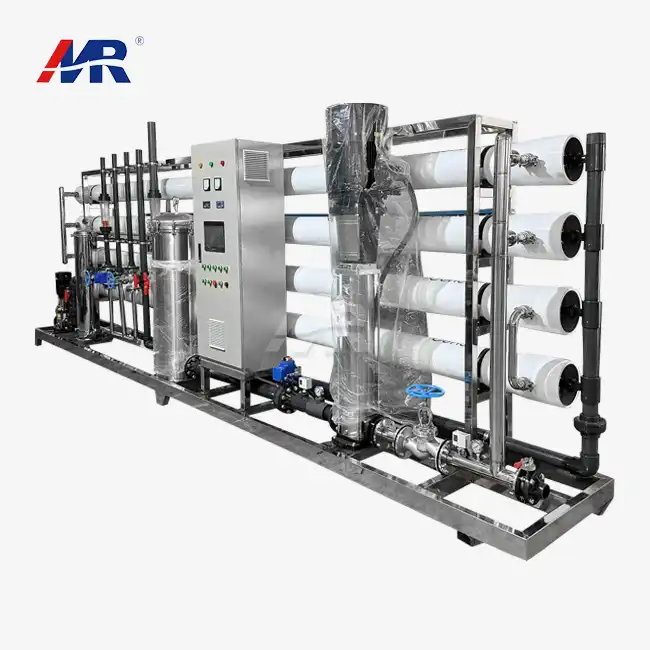
Understanding Reverse Osmosis and Water Softening
This is a complicated membrane filter method for cleaning water that gets rid of heavy metals, dissolved solids, and small contaminants. Water molecules are pushed through a barrier with holes about 0.0001 microns wide by pressure from the outside (40 to 100 psi). This is how a RO system works. Through this process, clean water (permeate) is safely separated from waste water (brine).
The Mechanism Behind RO Filtration
Reverse osmosis works by going against the natural osmotic pressure. Forcing water to move from a solution with more of it to one with less of it is what it does. This process gets rid of germs, viruses, drugs, PFAS (forever chemicals), lead, arsenic, and nitrates, among other things. During this process, minerals like calcium and magnesium are also taken out of the water. However, this is not the main goal of the system; it is just an added bonus.
Traditional Water Softening Explained
Minerals that make water hard are taken care of by ion exchange technology, which is what most water softeners use. These things have plastic beads that are charged with sodium ions. Calcium and magnesium are drawn to and held by the beads as water runs through them. Brine solution is used in renewal processes to get rid of the minerals that are stuck in the resin when it is full. This makes the resin work again. This method is very good at getting rid of hard water without losing any reverse osmosis water softener minerals or other substances that are dissolved.
Impact of Water Hardness on Industrial Operations
How well and how long industrial equipment works depends a lot on how hard the water is. Calcium and magnesium layers build up on pipes and make it harder for water to flow through them. This makes boilers less effective at moving heat, damages membrane systems, and lowers the quality of the goods made in drug and food manufacturing. In fields like making gadgets, ultrapure water is needed for precise cleaning. In power plants, boilers need soft water to keep them from rusting. You can choose the right technology if you know about these real-world effects.
Reverse Osmosis vs Traditional Water Softeners: Key Differences and Benefits
Before you decide between reverse osmosis and other water softening methods, you should carefully consider how you want to run your business, your water quality goals, and the cost. What makes one technology better than another is that it works best in certain types of businesses.
Contaminant Removal Capabilities
In order to clean water entirely, RO systems get rid of up to 99% of dissolved solids. These solids include coarse minerals, heavy metals, bacteria, viruses, and chemical toxins. Because it can clean many kinds of water, RO is very useful for making medicines, electronics, and food. The quality of the end product is directly linked to how clean the water is. Normal softeners only get rid of minerals that are hard, leaving other things alone. Regular softeners may be enough and cheaper for businesses that only want to stop scale.
Operational Efficiency and Resource Consumption
For repeat rounds, ion exchange softeners that have been around for a while only need 8 to 12 gallons of water. Salt has to be added to them often, but they use less power than RO systems. Most reverse osmosis machines waste 20–75% of the water that comes in as concentrate. But new, more efficient models don't lose as much water. To make the pressure they need to work, RO systems also need more power. When financial decision-makers know about these working traits, it's easier for them to figure out the correct total cost of ownership.
Maintenance Requirements and System Longevity
Keeping things in good shape is as easy as changing the plastic every 10 to 15 years and adding salt to normal softeners on a regular basis. Every 6 to 12 months, the pre-filters and membranes need to be changed in RO systems. Every 2 to 5 years, depending on the quality of the feed water, the post-filters need to be changed as well. But if hard water goes into RO systems without being handled first, scale forms on the membranes, which makes them last much less long. Most of the time, you need to use both ways together to get the best results and keep the tools safe.
How to Choose the Best Reverse Osmosis Water Softener System
When picking the right reverse osmosis water softener system, whether it works by itself or with cooling technology, it's important to think about quality standards, long-term goals, and how it will be used. This well-thought-out method makes sure that buying teams spend their money on solutions that give them the most for their money.
Assessing Water Quality and Treatment Objectives
A full water study should be done first. This will check for hardness, total dissolved solids (TDS), certain contaminants, pH, and the right flow rate. If the water is more than 10 grains per gallon (171 mg/L), you might want to soften it that way. There is no need for RO technology in fields that need TDS below 50 ppm, like electronics or drug making, no matter what the hardness level is. To choose the right system size and layout, you need to know the chemistry of the starting water and the conditions you want to achieve with the reverse osmosis water softener.
System Capacity and Flow Rate Requirements
One type of workplace RO system is a small machine that makes 100 gallons of water every day. Making hundreds of thousands of gallons of water every day is another thing that they do. If you guess right about times of high demand, you can avoid either undersizing, which could hurt operations, or oversizing, which would waste money. When factories that make things figure out how much room they need, they should think about how they will work, how often they will clean, and how much they will grow in the future. All the water in a building is cleaned by whole-facility systems. Point-of-use systems, on the other hand, only clean the water that comes into contact with certain tools, like lab equipment. To make sure the right size is picked for the job, it is best to talk to people who have dealt with treating water for commercial use before.
Energy Efficiency and Operating Costs
These days, RO systems have energy recovery parts that use the pressure from the concentrate streams to power the system. This saves between 30 and 60 percent of all the energy used. When you use variable frequency drives, you can make sure that pumps only work at full power when they need to. When buying managers compare different systems, they should find out exactly how much energy is used for each gallon of production. This helps them get a good idea of how much it costs to run. Energy economy makes a big difference in the total cost of ownership over the 15 to 20 years that a system is used. This could make up for the higher cost of starting up the equipment.
Purchasing Guide and Procurement Considerations for B2B Clients
To find your way in the market for industrial water treatment equipment, you need to carefully look at providers, figure out how much they charge, and make good connections with them. Smart people weigh the initial investment against the long-term performance, stability, and quality support when they make decisions about what to buy.
Evaluating Manufacturers and Suppliers
When a maker says that their Products work well in the businesses they work with, they back it up with case studies and customer testimonials. When you have professional know-how, you can get help designing a system, make changes that fit a specific use, and train people who work in facilities. An objective way to show that the quality of the making is good is to get Certifications that meet the right quality standards, such as ISO 9001 for manufacturing processes or NSF/ANSI 58 for drinking water systems. Companies that don't have a presence in the area or are far away from their distributors may not be able to handle urgent issues as quickly as those that do.
Total Cost of Ownership Analysis
The cost of getting tools is only a small part of the reverse osmosis water softener's total cost. There is a wide range of installation costs based on the type of equipment in the building. These costs include simple connections as well as big changes to the pipes and power. Some of the costs of running a business are getting new filters and membranes, using energy, cleaning with chemicals often, and adding renewal salt to built-in softeners. Hiring people to do normal upkeep and keep an eye on things costs money. When you look at how much different methods really cost over the time they are supposed to last, which is usually between 15 and 20 years, you can see the real difference. This is why you should buy better equipment that works better and is more durable.
Financing Options and Budget Planning
A capital equipment loan lets a company save money while they buy the water treatment equipment it needs. A lot of sellers offer easy ways to pay for things up front, like leasing, payment plans with bills, or equipment-as-a-service. For small makers or new companies that don't have a lot of cash on hand, these deals are great. In some places, grant programs and tax breaks that urge people to save water and make it cleaner may help cover the cost of buying. When it comes to money, people should think about all of their options before making a standard total buy.
Conclusion
There is no way that traditional water softeners can match reverse osmosis systems in terms of how well they clean and remove grit from water. The best ways to clean water can be found by buying teams that know how these tools work with each other. For businesses that only need to keep scale from building up, conventional softeners may be cheaper. However, RO systems are better for companies that need very clean water, even though they cost more to set up and run. Many times, the results are better when you use both tools at the same time. To keep expensive ro membranes safe from scale damage, softeners are used. RO systems then get rid of the salt that softeners add. When picking out and setting up a system, it's best to think about the water quality, how it will be used, and how much it will cost to own the whole thing.
FAQ
1. Can reverse osmosis systems completely eliminate water hardness?
Most RO filters get rid of 95–99% of the minerals that cause hard water, leaving water that is almost not hard at all. The exact rate of removal depends on how the membrane is packed, how much pressure is being used, and what kind of water is being fed into it. Normal softeners don't get rid of hardness minerals; instead, they switch them out for sodium. This works better.
2. How often do RO membranes require replacement in industrial settings?
This depends on the feed water quality, how well the pre-treatment works, and how well it is taken care of. The barrier can last between 2 and 7 years. Once the hard water has been weakened, scale starts to grow on the membranes, which makes them last a lot less time. Instead of following strict plans, changing permeate is based on how well it works and how much it makes, which is checked often.
3. What are the energy consumption differences between RO systems and traditional softeners?
Most of the time, traditional softeners only use a small amount of energy when they are renewing. RO systems need to have their high-pressure pumps on all the time. They usually use 3 to 10 kWh for every 1,000 gallons of water they make, but this depends on how the system is set up and how salty the water they start with is. These gadgets cut energy use by 30 to 60 percent on larger sites, which helps the business make more money.
Partner with Morui for Industrial Water Treatment Excellence
You can depend on Guangdong Morui Environmental Technology Co., Ltd. to give you reliable reverse osmosis water softener systems and other ways to treat water for business, industry, and cities. It's common for our engineers to put together systems that use both RO and softening technology to keep membranes as safe as possible while still giving you ultrapure water that meets all of your needs. We make our own membrane goods and work closely with top companies in the field, like Shimge Water Pumps and Runxin Valves, to make sure the quality of our parts and that they work well. With 14 branches, 500 dedicated workers, and 20 specialized engineers, we can help with any job. Some of the things we do for our clients are initial water research, system design, making equipment, installation, testing, and ongoing maintenance. Send an email to benson@guangdongmorui.com to talk to our technical team about your building's needs and get a full plan on how our water cleaning solutions can help you run your business better and make your goods better.
References
1. American Water Works Association. (2022). Water Treatment Plant Design: Membrane Processes. McGraw-Hill Education.
2. Bergman, R. (2021). Reverse Osmosis: Design, Processes, and Applications for Engineers. Wiley-Scrivener Publishing.
3. National Research Council. (2020). Desalination: A National Perspective - Water Softening and Membrane Technologies. National Academies Press.
4. Pharmaceutical Engineering Society. (2023). Good Manufacturing Practice Guidelines: Water Systems for Pharmaceutical Production. International Society for Pharmaceutical Engineering.
5. Water Quality Association. (2023). Technical Application Bulletin: Reverse Osmosis Membrane Performance and Hardness Effects. Water Quality Association Publications.
6. World Health Organization. (2022). Guidelines for Drinking-Water Quality: Chemical and Physical Aspects - Hardness and Treatment Methods. WHO Press.
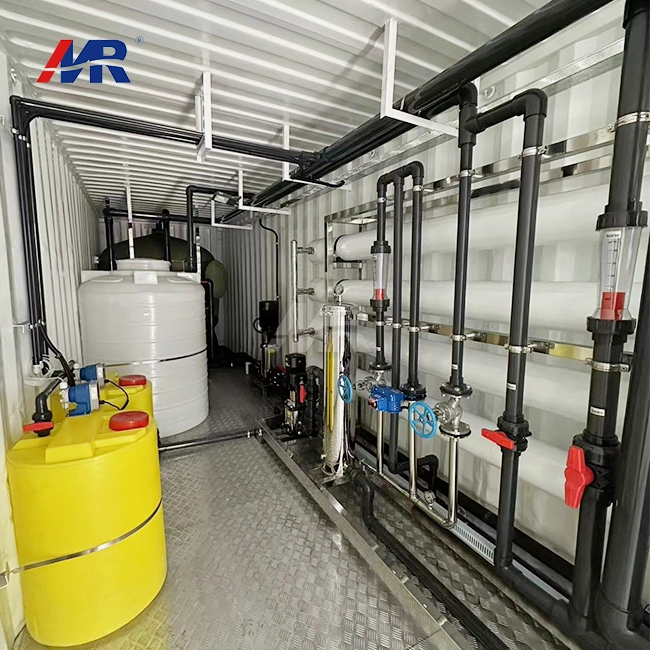 VIEW MOREcontainerized desalination plant
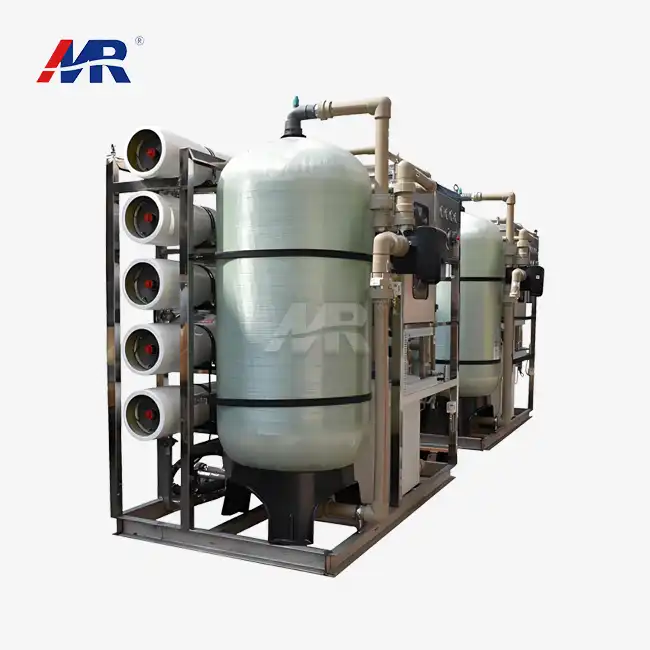 VIEW MORE8m3/hour seawater desalination equipment
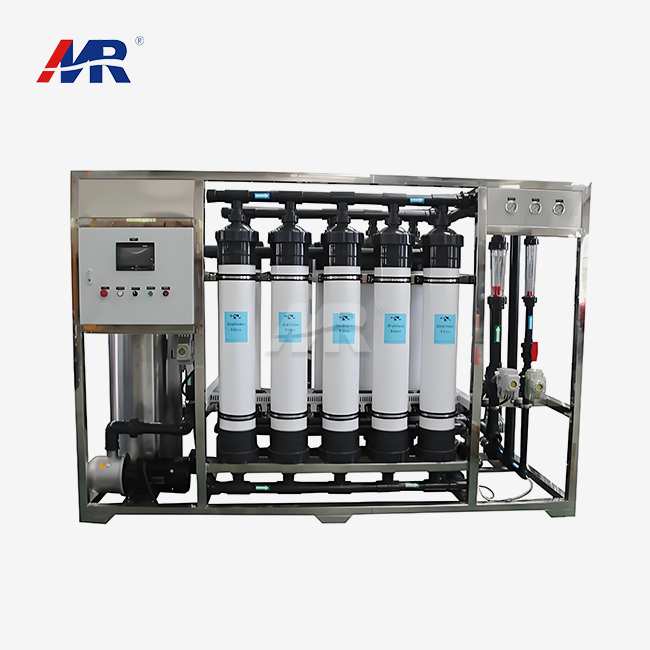 VIEW MOREultrafiltration skid
 VIEW MOREDTRO membrane
 VIEW MOREseawater desalination machine
 VIEW MOREhome wastewater treatment plant
 VIEW MORE30m3/hour ultrafiltration equipment
 VIEW MOREContainerized Reverse Osmosis Systems
