

_1745823981883.webp)

How Ultrafiltration Elevates Water Quality?
Ultrafiltration changes the cleanliness of water by using advanced membrane technology to get rid of suspended solids, bacteria, viruses, and macromolecules. This makes sure that water is clean and safe for use in many commercial settings. In order to create a physical barrier that traps contaminants while allowing water and low-molecular-weight molecules to pass through, an ultrafiltration machine uses semi-permeable membranes with precise hole sizes between 0.01 and 0.1 microns. This pressure-driven process filters water more than 99.9% of the time, which solves important water quality problems in industry, municipal systems, medicines, and food processing. The technology keeps the output the same even when the feed water changes. This makes the pre-treatment for processes further down the line more predictable while also lowering the need for chemicals and making operations simpler.
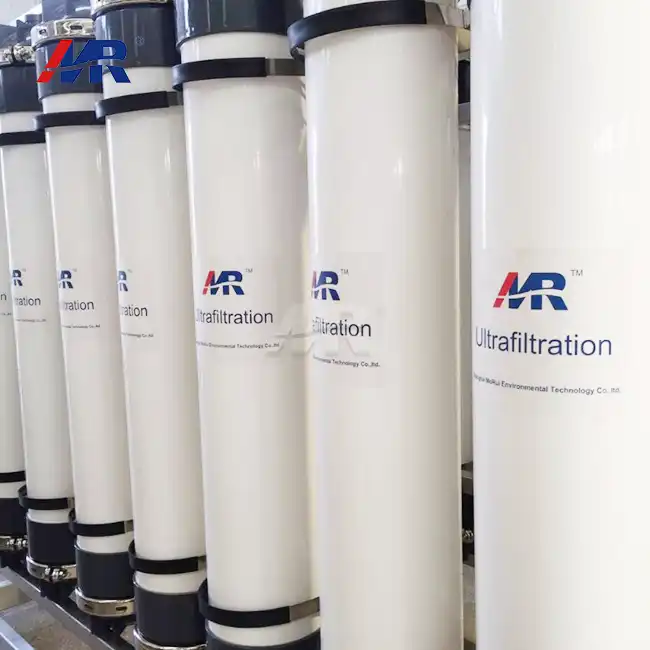
Understanding Ultrafiltration: Principles and Process
How Membrane Filtration Works
Ultrafiltration uses hydraulic pressure between 0.1 and 0.3 MPa to push water through filters that let some things through but not others. The structure of the membrane has carefully placed pores that work as molecular sieves, keeping out particles, colloids, bacteria, and high-molecular-weight chemicals while letting water molecules and dissolved salts pass through. This size-exclusion process separates molecules based on molecular weight cutoff values, which are usually between 10,000 and 100,000 Daltons. The structure of the membrane has a big effect on how well it works. Hollow fiber modules have a lot of surface area packed into a small space, which makes them perfect for places that are limited on space. Spiral-wound designs make cleaning easier in situations where fouling is more likely to happen. Tubular membranes can handle feed streams with a lot of dissolved solids, which is common in industrial wastewater uses. There are different trade-offs between packing density, cleaning speed, and fouling protection for each design.
Core Components of Ultrafiltration Systems
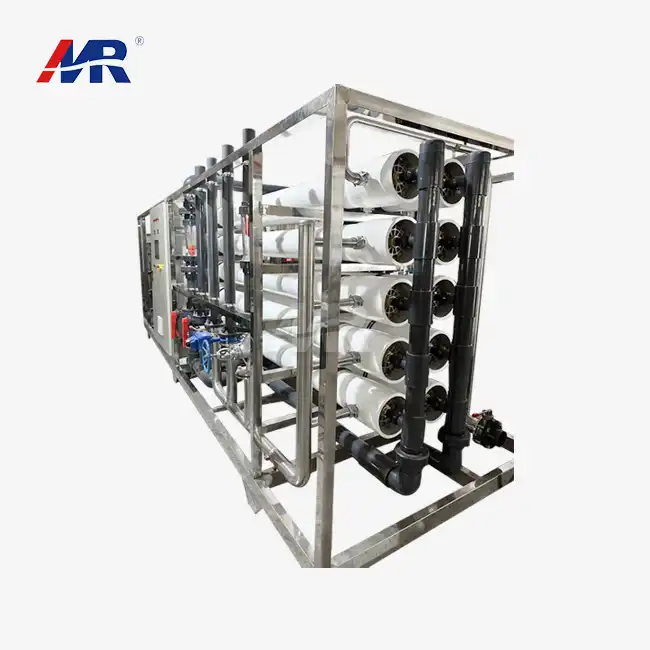
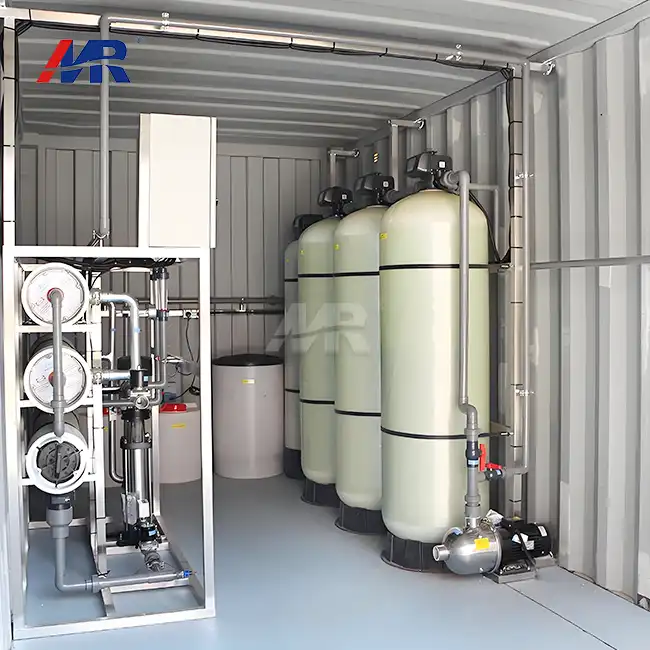
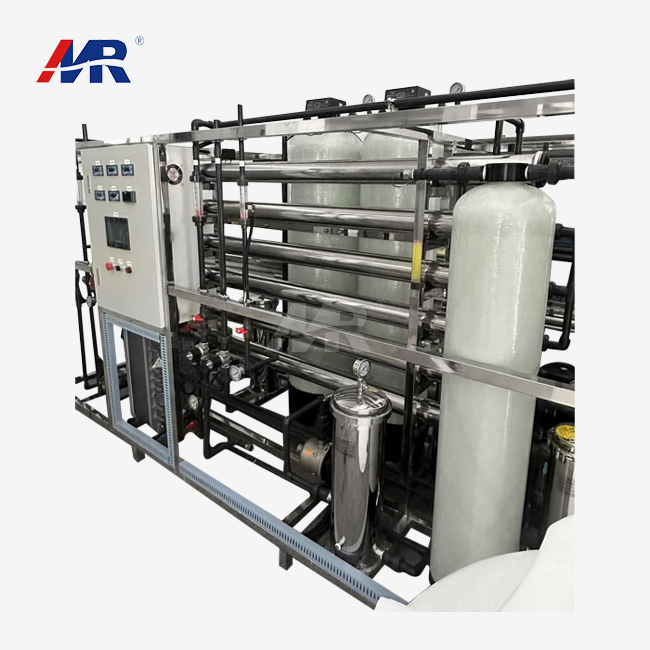
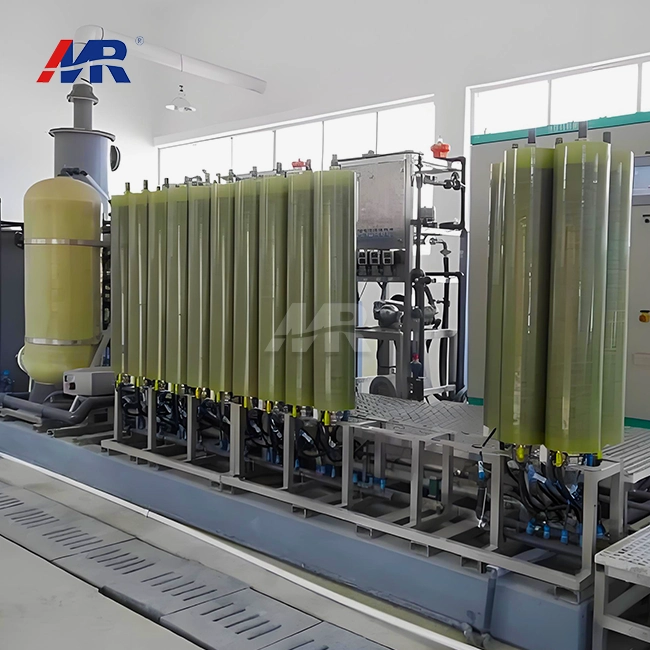
Modern Ultrafiltration Equipment combines several separate systems into one treatment platform. Feed pumps keep the transmembrane pressure steady, which keeps the flux rates fixed during all working cycles. Filtration, backwash, and chemical cleaning are all controlled by automated valve routines that don't need any human input. When paired with human-machine interfaces, programmable logic controllers let workers keep an eye on important factors like differential pressure, permeate flow, and recovery rates in real time. Pre-treatment steps keep membrane surfaces from getting fouled up too quickly. Larger particles that could block membrane holes are taken out by cartridge filters or multi-media beds. When the chemistry of the feed water needs to be changed, chemical dosing methods change the pH or add antiscalants. After the process, UV sterilization or final polishing filtration are two choices, based on the ultrafiltration machine and the needs of the product.
Operational Process Flow
As the first step in the ultrafiltration process, coarse filtration gets rid of any debris that could hurt the membranes. The water then goes into the ultrafiltration units under controlled pressure. Clean permeate is continuously extracted while concentrated retentate flows back or goes to trash treatment. Operating flux rates, which are usually between 50 and 150 liters per square meter per hour based on the feed water, balance how much work gets done with how much fouling happens. Backwashing changes the direction of flow every so often, which pushes particles that have built up on the membrane surfaces back into the feed stream. This physical cleaning happens at set times based on the rise in transmembrane pressure or the passage of time. Chemical cleaning gets rid of things like organic matter, bacterial growth, and mineral scales that can't be removed by backwashing alone. When installed correctly and on time, upkeep can extend the membrane's useful life beyond five years, which lowers the total cost of ownership by a large amount.
Practical Uses and Advantages of Ultrafiltration Systems in Industry
Municipal Water Treatment Applications
Ultrafiltration (UF) systems are increasingly adopted by water treatment facilities worldwide to modernize aging infrastructures and comply with stringent microbial standards. These compact membrane systems can replace traditional multistage processes such as coagulation, flocculation, and sedimentation, occupying only a third of the space. This efficiency is particularly valuable in urban areas where real estate costs are high. UF systems also offer flexibility, maintaining operational effectiveness even when raw water quality fluctuates—a common challenge with conventional treatments. Real-world applications demonstrate significant improvements in treated water quality and operational reliability. Utilities report consistently low turbidity levels, typically below 0.1 NTU, regardless of source water variability, which is an improvement over media filtration methods that often struggle to maintain similar standards during peak demand. Additionally, minimizing filter-to-waste times reduces water losses, and the automated operation enhances process control while decreasing staffing requirements through constant monitoring and data logging.
Food and Beverage Processing
In the food and beverage sector, an ultrafiltration machine is utilized for concentration, clarification, and cold sterilization of Products without exposing sensitive components to heat. Dairy producers, for example, concentrate milk proteins to create high-value whey protein and milk protein concentrates. This technology allows for concentrations of 10 to 30 times in a single pass, significantly reducing the energy consumption associated with evaporation. Beverage and beer manufacturers use UF as an alternative to pasteurization, effectively removing yeast and bacteria while preserving the fresh taste of their products. This cold stabilization process extends shelf life without introducing cooked flavors. Breweries appreciate the ability to process at cellar temperatures, maintaining carbonation and essential aromatic compounds. Moreover, eliminating the need for disposable filter aids aligns with sustainability goals, enhancing brand appeal.
Pharmaceutical and Biotechnology Industries
In the pharmaceutical sector, ultrafiltration is critical for controlling microbes and endotoxins in water systems, ensuring compliance with regulatory standards for Purified Water and Water for Injection. The technology reliably achieves significant reductions in bacteria and pyrogens, essential for maintaining product quality. Membrane integrity testing protocols further ensure system reliability between production runs. Biotechnology firms utilize UF for therapeutic protein purification and virus clearance. By selectively targeting desired molecules while eliminating impurities and potential viral contaminants, ultrafiltration streamlines downstream processing. Techniques like diafiltration facilitate buffer exchange, reducing overall processing time and increasing yield. As global demand for biologics rises, ultrafiltration enables cost-effective production of complex molecules.
Key System Advantages
Ultrafiltration systems offer numerous advantages that enhance industrial performance. High filtration efficiency ensures the removal of over 99.9% of particles, maintaining consistent performance even under varying feed conditions. This reliability helps mitigate quality issues common with older technologies. Additionally, validated microbial log reduction values aid in regulatory compliance. The low energy consumption of UF systems—ranging from 0.1 to 0.3 kilowatt-hours per cubic meter—translates into substantial savings, particularly at industrial flow rates of 50 to 1,000 cubic meters per hour. This efficiency supports sustainability initiatives by reducing environmental impact. Moreover, the compact design minimizes facility footprint, allowing installation within existing structures without major renovations. Skid-mounted setups simplify site preparation and accelerate startup times compared to traditional systems, facilitating scalable capacity increases aligned with production demands.d Buying Ultrafiltration Machines
Critical Evaluation Factors
For ultrafiltration buying to go well, treatment goals and operating limits must be clearly defined. System size is based on the flow rate needs that come from production amounts and times of high demand. Our equipment can handle loads of 50 to 1000 cubic meters per hour, so it can be used in a range of settings, from small businesses to big industrial buildings. Whether you need constant or batch processing affects the setup choices you make and the amount of redundancy you need. Characterizing the feed water helps choose the barrier and plan the pre-treatment. Accurate system design is possible with lab tests that record turbidity, total dissolved solids, organic content, microbial loads, and chemical makeup. Seasonal changes and worst-case situations need to be thought about because equipment that is too small can't handle periodic demand spikes without losing performance. Pilot tests with real feed water give accurate performance information for important uses where there are doubts. The quality of the treated water determines the membrane hole size, the ultrafiltration machine, and other features of the device. For tasks that need to get rid of viruses, pores need to be smaller, around 0.01 microns.
Understanding Total Cost of Ownership
Capital prices are only one part of the total cost of running an ultrafiltration system over its lifetime. Calculating energy use based on power needs and working hours has a direct effect on monthly electricity costs. Our systems use between 0.1 and 0.3 kilowatt-hours per cubic meter, which lets us make accurate predictions about how much energy will cost based on the cost of power in the area and the amount of energy that is produced each year. When you compare these numbers to those of other technologies, you can see that this one has long-term economic benefits that may make the higher initial investment worth it. The highest recurring cost is replacing the membrane, so predictions about service life are very important for financial planning. When quality membranes are used according to their design parameters, they usually last longer than five years. However, aggressive working conditions or not enough pre-treatment can make replacements more necessary sooner. Specifications for buying things should include promises of membrane life that are based on performance data from similar uses, not just guesses. The amount of chemicals needed for cleaning and adjusting the pH depends on the type of water used and how often it needs to be cleaned.
Supplier Selection Criteria
To find trustworthy ultrafiltration suppliers, you need to look at their manufacturing skills, expert help infrastructure, and reputation in the industry. Vertical integration is shown by suppliers who run specialized membrane production sites. This allows for quality control and customization that equipment assemblers who buy standard parts can't do. This integration is shown by Guangdong Morui Environmental Technology, which has a factory that makes membranes and processing facilities for tools that help with the planning and building of whole systems. Certifications and quality guidelines are concrete ways to judge a seller. Having an ISO 9001 quality management certification means that production rules and paperwork procedures are well-established. Industry-specific certificates, like NSF/ANSI 61 for drinking water system parts, make sure that the materials are safe and that they follow the rules. Suppliers that work with controlled industries, like drugs, usually keep validation support tools like Factory Acceptance Testing methods and Installation Qualification paperwork packages. Infrastructure for after-sales help decides the long-term viability of a relationship after the initial delivery of tools.
Conclusion
Ultrafiltration is a mature, tried-and-true technology that solves important water quality problems in a wide range of commercial and urban settings. The physical separation system reliably removes contaminants without using chemical reactions, so it works the same way even when the working conditions change. Ultrafiltration is better than other cleaning methods when looking at the total cost of ownership because it uses less energy, takes up less space, and can be automated. By learning about basic working principles, comparative benefits, and procurement issues, you can choose the right technology for your needs while staying within your budget. As membrane materials get better and digital integration makes systems smarter, ultrafiltration will continue to grow into areas that traditional technologies couldn't reach because it is better at performance, reliability, and sustainability.
FAQ
1. What maintenance schedule should ultrafiltration systems follow?
As part of routine upkeep, operating parameters are checked every day, backwashes are checked every week, and, based on the quality of the feed water, chemicals are cleaned every month. Testing for membrane stability is done every three months or after any kind of damage. Pumps, valves, and sensors are checked thoroughly once a year, and worn parts are replaced before they break. If you take care of your membrane properly, it will last longer than five years and keep working at the same level of quality.
2. Can ultrafiltration remove all water contaminants?
Ultrafiltration separates solids in suspension, bacteria, viruses, colloids, and proteins very well, but it doesn't get rid of dissolved salts or small organic molecules. After ultrafiltration, reverse osmosis or ion exchange is needed for applications that need to remove minerals. The technology is very good at killing microbes and getting rid of particles, which makes it perfect for disinfecting drinking water and pre-treating it with reverse osmosis instead of getting rid of all dissolved solids.
3. How does the cost compare between ultrafiltration and bottled water?
Industrial-scale ultrafiltration makes clean water for a lot less money than buying bottled water—usually less than $0.50 per cubic meter, which includes the cost of energy, chemicals, and capital that has been paid for over time. When the costs of bulk shipping are added up, bottled water costs more than $1,000 per cubic meter. Facilities that use a lot of water see a return on their investment within months of installing ultrafiltration, which also makes the supply more reliable and simplifies logistics.
Partner With Morui for Superior Ultrafiltration Solutions
Guangdong Morui Environmental Technology has a lot of experience treating water. They do this by combining their manufacturing skills with planning services that cover city systems, desalination of seawater, drinking water production, and treating industrial wastewater. Our credentials as an ultrafiltration machine supplier include making our own membranes, building equipment in multiple facilities, and forming smart partnerships with other companies to make sure that all of our parts work together perfectly and that we can provide reliable long-term support.
Our ultrafiltration systems can handle flow rates of 50 to 1000 cubic meters per hour and have an efficiency of more than 99.9%. They also use only 0.1 to 0.3 kilowatt-hours of energy per cubic meter. These performance standards cover demanding uses in the food and drug industries, the electronics manufacturing industry, and public services. We offer global skills along with localized help through our 14 branches, 500 workers, and 20 dedicated engineers.
We offer complete solutions that include supplying the equipment, installing it, commissioning it, and teaching the operators in a way that fits the needs of each location. Email our expert team at benson@guangdongmorui.com to talk about your water quality problems and get personalized system suggestions.
References
1. Membrane Filtration Guidance Manual, United States Environmental Protection Agency Office of Water, EPA 815-R-06-009, 2005.
2. Crittenden, J.C., Trussell, R.R., Hand, D.W., Howe, K.J., Tchobanoglous, G. "MWH's Water Treatment: Principles and Design, Third Edition" John Wiley & Sons, 2012.
3. Zularisam, A.W., Ismail, A.F., Salim, R. "Behaviours of Natural Organic Matter in Membrane Filtration for Surface Water Treatment" Desalination, Volume 194, Issues 1-3, 2006.
4. Huang, H., Schwab, K., Jacangelo, J.G. "Pretreatment for Low Pressure Membranes in Water Treatment: A Review" Environmental Science & Technology, Volume 43, Issue 9, 2009.
5. Van der Bruggen, B., Vandecasteele, C., Van Gestel, T., Doyen, W., Leysen, R. "A Review of Pressure-Driven Membrane Processes in Wastewater Treatment and Drinking Water Production" Environmental Progress, Volume 22, Issue 1, 2003.
6. Cheryan, M. "Ultrafiltration and Microfiltration Handbook, Second Edition" CRC Press, Taylor & Francis Group, 1998.
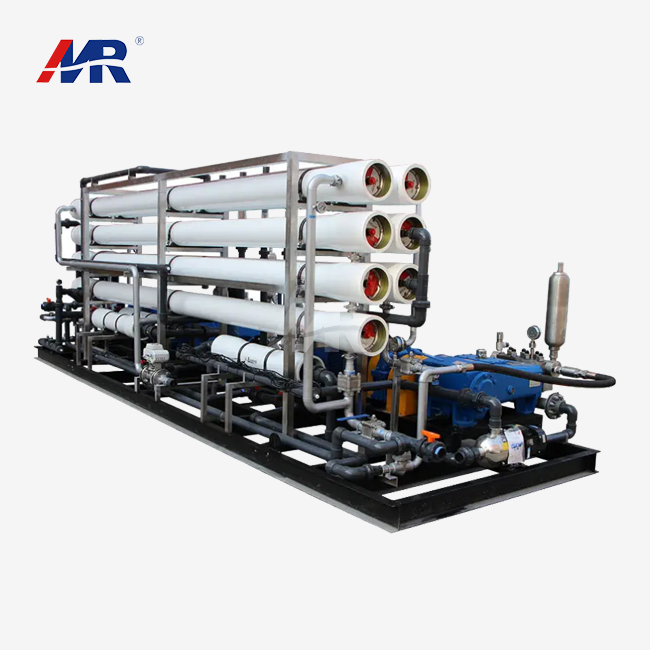 VIEW MOREseawater desalination machine
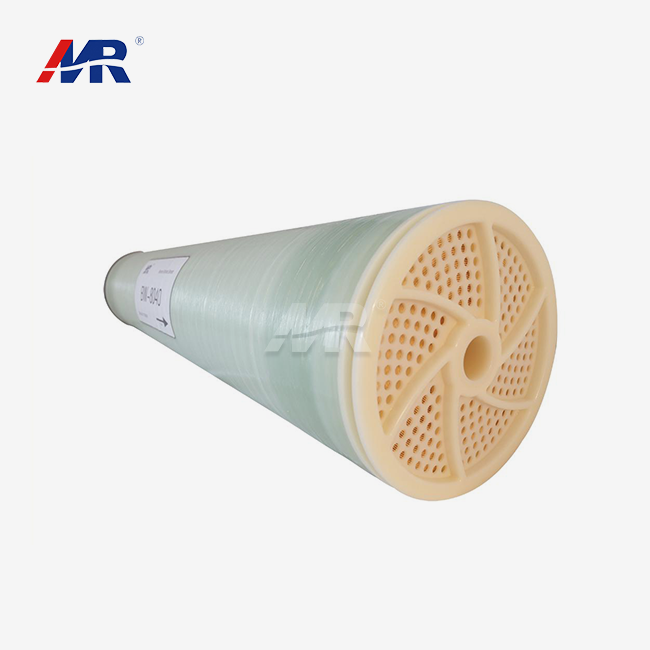 VIEW MOREbrackish membrane
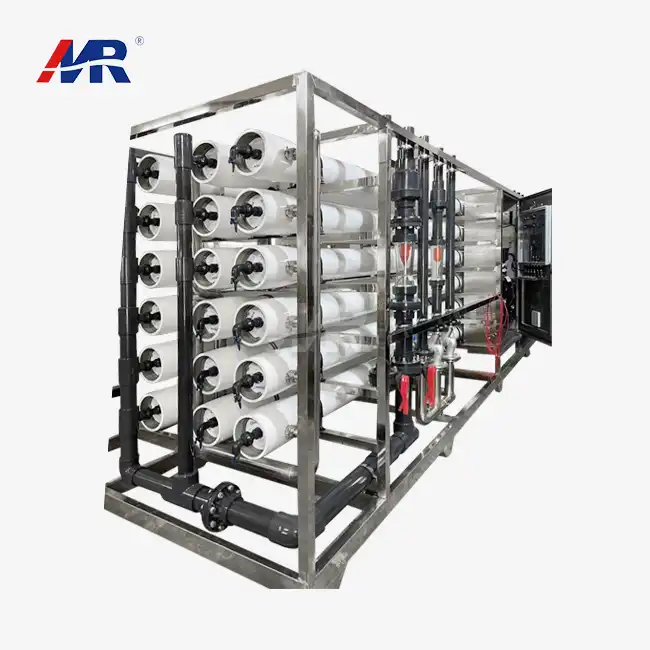 VIEW MORE100m3/hour reverse osmosis equipment
 VIEW MORE50m3/hour reverse osmosis equipment
 VIEW MOREcontainer ro equipment
 VIEW MOREelectrodeionization edi system
 VIEW MOREDTRO Landfill Leachate Treatment
 VIEW MOREContainerized Reverse Osmosis Systems
