

_1745823981883.webp)

All about Ultrafiltration System, Its Mechanism, Process, and Application
Bacteria, viruses, dissolved solids, an ultrafiltration machine, and proteins are just some of the harmful things that ultrafiltration systems get rid of. They're a great new way for businesses to clean their water. An ultrafiltration machine uses pressure to push water through semi-permeable screens with holes that are between 0.01 and 0.1 microns wide. A lot of different businesses use this exact filter to get clean, safe water. These include pharmaceuticals that need GMP-compliant purity and local utilities that are updating old systems. People can make choices that are good for business, follow the law, and save money in the long run when they understand how these systems work, how they're used, and how they can be changed to do different things.
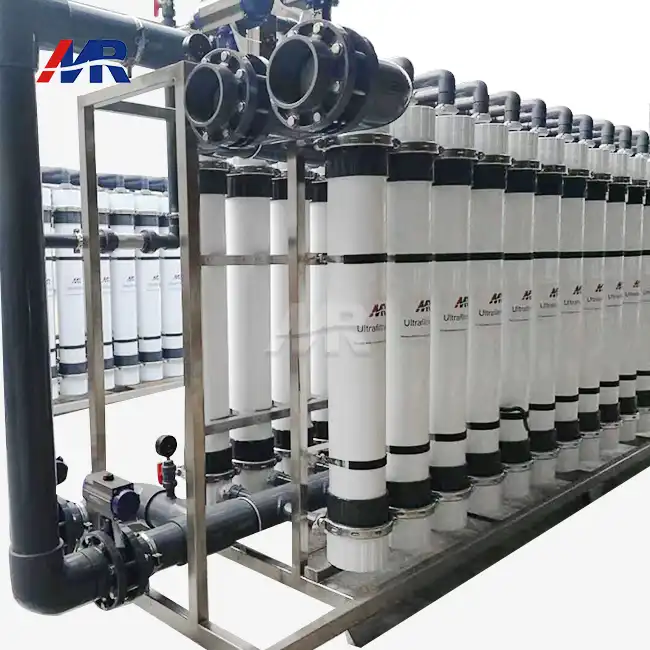
Understanding Ultrafiltration Systems: Principles and Working Mechanism
You should know how ultrafiltration devices work and how they work. Ultrafiltration technology stops molecules from passing through. It is different from other technologies because of how its holes are set up and how they work. These days' systems have advanced membrane modules, automatic control panels, and effective circulation loops that all work together to keep the system running well even if the feed water conditions change.
Core Components of an Ultrafiltration Machine
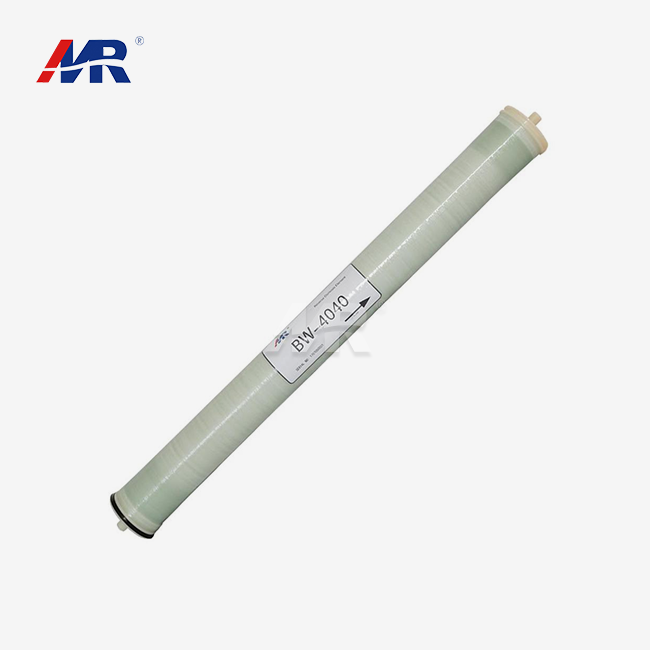
An industrial ultrafiltration machine is made up of a number of built-in parts that all work together. The heart of the filter is made up of membrane modules. These are generally made of polymers like polyvinylidene fluoride or polyethersulfone. These hollow fiber or spiral-wound forms keep the body small while making the most of the surface area. The feed pumps, which work between 0.1 and 0.3 MPa, create the pressure that is needed to move water through the membrane barrier. Automatic valves control the flow direction during the filter and backwashing processes. You can see changes in pressure, flow rates, and water quality in real time on PLC control screens with HMI interfaces. Clean-in-place parts let chemicals be used to clean the membrane without taking it apart. This makes it last longer and cuts down on downtime.
How Membrane Filtration Works: Pore Size and Contaminant Retention
Ultrafiltration works by making sure that particles of certain sizes don't get through. Mesh holes that are 0.01 to 0.1 microns wide let water molecules and salts that have dissolved through, but not bigger particles. Bacteria (0.5 to 10 microns), viruses (0.02 to 0.3 microns), and high-molecular-weight organic molecules tend to gather on the membrane's surface and either cluster or retentate. This physical barrier makes the filter work better than 99.9% of the time, removing turbidity and bacteria regularly, even when the feed water changes. Cross-flow designs create angled flow patterns that keep fouling to a minimum in many systems. Parts get swept off the membrane surface by the fast flow of feed water.
Comparing Ultrafiltration with Reverse Osmosis and Nanofiltration
When looking at membrane technologies, the best one to use depends on the ultrafiltration machine and how well you know how they work in different situations. Ultrafiltration needs between 0.1 and 0.3 kWh per cubic meter, while reverse osmosis needs between 2 and 6 kWh per cubic meter. This is because ultrafiltration needs less air to work. Ultrafiltration gets rid of germs and other unwanted things while saving minerals that are good for you. Reverse osmosis (RO) removes salts from water and makes it less salty. Nanofiltration is in the middle. It needs more pressure than ultrafiltration but gets rid of mixed ions and bigger molecules. If you use ultrafiltration to prepare water for RO, the Silt Density Index stays below 3.0, which keeps expensive membranes from getting clogged later on. The choice will depend on what you want to do with the water quality. Ultrafiltration is the best way to get rid of pathogens and clear water without taking away minerals. This makes it perfect for making drinking water, cleaning wastewater, and using water in factories where minerals are needed to make the end product better.
Benefits and Advantages of Ultrafiltration Systems for B2B Applications
More and more, businesses and cities are using ultrafiltration machine technology because it really helps them run their businesses better, save money, and follow the rules. Many places that need a steady supply of good water can solve important problems thanks to these benefits.
Superior Contaminant Removal and Water Quality Consistency
Ultrafiltration membranes remove all germs and viruses by forming a physical barrier that cuts their numbers by 4 to 6 logs. Get rid of endotoxin and pyrogen to meet USP and EP standards for clean water. This skill is very important when making drugs. Companies that make food and drinks use ultrafiltration to get rid of bugs that make food go bad without using heat. This makes sure that drinks and dairy Products don't change their tastes. Ultrafiltration is used by city water plants to get rid of Cryptosporidium and Giardia bacteria that are resistant to chlorine and that normal media filtration can't always get rid of. There is no difference in performance between sand filters and clarifiers because the wastewater quality stays the same. It keeps the turbidity below 0.1 NTU, no matter what the source water is like at different times of the year.
Energy Efficiency and Sustainability Alignment
Low-pressure systems, like ultrafiltration, need only work at 0.1 to 0.3 MPa, so they use a lot less energy than high-pressure systems. Using between 0.1 and 0.3 kWh of power per cubic meter is better for the environment and saves money on costs. Because it doesn't need coagulants, flocculants, or disinfectants as much, the system uses a lot fewer chemicals than the old way of treating wastewater. When you backwash and clean with chemicals, you can get 90 to 95 percent more water collection, which is a lot more than with a regular clear system. This efficiency is in line with the company's environmental goals, meets the requirements for LEED certification, and cuts down on the amount of trash that needs to be handled in an expensive way before it can be dumped.
Diverse Industrial Applications and Case Evidence
There are a lot of different ways that ultrafiltration technology can be used. To make electronics, ultrafiltration comes before reverse osmosis and electrodeionization systems. These make the very pure water that is needed to make semiconductors. Ultrafiltration cleans the water that goes into boilers so that scale and rust don't form in high-pressure steam systems. Biological treatment and ultrafiltration separation are both done in membrane bioreactors in wastewater treatment plants. This makes runoff that can be used again for things like cooling buildings or watering plants. Some companies, like Pentair, say that their ultrafiltration systems are 20 to 30 percent cheaper to own than standard preparation systems. It is claimed by Alfa Laval that their methods increase process water return by more than 25% when used in food preparation. The fact that performance has gone up shows that planned ultrafiltration usage can really pay off.
Comparing Ultrafiltration Machines: How to Choose the Best System for Your Needs
A lot of science and financial things need to be thought about in order to pick the best ultrafiltration machine. The choice affects not only the cost of cash at the start, but also the costs of running the business, the need for maintenance, and how reliable the production is.
Critical Decision Factors for Procurement Teams
The most important thing is the flowability. Industrial systems can handle anywhere from 50 to 1000 cubic meters per hour, depending on what the building needs. Modular skid-mounted units that can handle 50 to 100 cubic meters per hour are a good choice for small businesses. Multi-train systems that can handle 500 to 1000 cubic meters per hour are used in big city plants. The shape of the membrane changes the size and the efficiency. One example is hollow-fiber modules, which can fit a lot of them into a small space, and spiral-wound designs, which are easy to clean. More or less technology in a system means more or less work needs to be done. Fully automated PLC-controlled systems need the least amount of work from a user because they clean and backwash themselves automatically with chemicals. It's very important that systems work with the power sources, control systems, and pipe setups that the ultrafiltration machines are already in place. This means that big building changes don't have to be made.
Evaluation Criteria: System Footprint and Integration Potential
When upgrading, the space available often limits the types of tools that can be used. Ultrafiltration skids that are containerized offer fully integrated systems that can fit in standard shipping containers. They can be set up quickly and with little work because of this. These pre-made units already have all of the pumping, valving, control, and cleaning parts connected and tested. This means that they can be put in place in weeks instead of months. Integration includes ways of communicating as well as real aspects. Modbus, Profibus, and OPC standards are supported by modern systems. This makes it easy for data to move between platforms for data collection and supervisory control. This link lets one place watch over multiple treatment processes at the same time, plan maintenance based on how things are going, and change the settings immediately when the feed water quality changes.
Supplier Reliability and Service Support Considerations
It's not enough to just look at a vendor's tool specs to choose one. It also means checking out their business terms and service choices. Some of the information that well-known companies give out is full operation and repair guides, piping and instrumentation plans, and electrical models that can help you find problems and extra parts. Technical help through regional service centers or plant hotlines cuts down on downtime as much as possible when there are problems with operations. Most guarantees cover how stable the membrane is and how reliable the parts are for 12 to 24 months. A long-term service deal can give you peace of mind for a longer time. It's important for providers to have worked in certain fields before. For instance, vendors who work with drug companies know how to follow validation steps and what information is needed. Vendors who focus on city applications know how to deal with public procurement rules and the government clearance process. Setting up references can help you learn how things work in the real world and how fast a provider is during the training and promise periods.
Ultrafiltration Machine Operation and Maintenance Best Practices
To keep the ultrafiltration machine running at its best, you need to stick to set routines and plans for preventative maintenance. Good system management keeps the water quality fixed, makes the membrane last longer, and avoids having to make costly fixes in an emergency.
Daily Operational Monitoring and Key Performance Indicators
Operators should keep an eye on the transmembrane pressure difference because it shows how membrane fouling is getting worse. Baseline values set at launch are used as guides; slow rises show that fouling is building up and needs to be cleaned with chemicals or backwashing. It can handle its full capacity, as shown by the flow rate numbers. However, a drop in permeate output means that the membrane isn't letting as much water through. Many signs of good water quality, like turbidity, total organic carbon, and microbe counts, show that contaminants are being cleared well. It is important to keep an eye on the temperature because changes in viscosity affect how well the fluid filters. Adjusting factors are used to make performance data look more like it should. These things are always being watched by modern control systems, which make trend reports and sound alarms when numbers go above certain limits. This gives workers a chance to act before bad performance hurts production.
Membrane Fouling Prevention and Backwashing Protocols
When you backwash, you change the flow direction on the ultrafiltration machine on a regular basis. This gets rid of particles that have built up on barrier surfaces. Backwash processes begin on their own based on timers, the amount of permeate that needs to be handled, or the pressure difference limits. All of the time, routines use filtered permeate that is kept in special tanks and run for 30 to 60 seconds every 30 to 60 minutes. Air scrubbing is a part of improved backwashing. It uses short bursts of compressed air to make turbulence that lifts tough layers. Chemical-enhanced backwashing adds cleaning agents with low concentrations to help get rid of more living things. The membrane stays open between deep cleans thanks to these regular cleaning steps. This keeps output high and energy use low.
Scheduled Maintenance and Professional Service Importance
If you clean the membrane with chemicals once a month or every three months, depending on the feed water, it works better after organic fouling, biological growth, or metal scaling has hurt it. Cleaners that are acidic get rid of mineral layers, while cleaners that are alkaline get rid of biofilms and organic matter. To keep the membrane from getting damaged, make sure you follow the manufacturer's guidelines for the right amount of chemicals, touch times, and temperatures. Once a year, the pump seals, valves, pressure gauge accuracy, and control system functions should all be checked to make sure they are in good shape. When you check the health of the membrane with pressure decay or bubble point, you can see which fibers are broken and need to be changed. The right commissioning is done by professional installation services, who check the hydraulics, set up the control system, and teach the user how to use it. Expert help from trained service teams takes care of hard issues, makes things run more smoothly, and fixes big problems while still following the guarantee rules.
Conclusion
Businesses and towns have been using ultrafiltration machine technology to clean water for a long time. It works well in many Cases and doesn't use a lot of energy. You can choose a system that meets both your performance goals and your budget worries if you know about membrane principles, operational processes, and the needs of your individual application. Some of the known benefits are better pollution removal, lower energy use, smaller areas, and less chemical use. These benefits directly solve big problems in areas like making medicines, processing food, protecting local water supplies, and reusing industrial wastewater. You should carefully look at the providers, do a full lifecycle cost analysis, and commit to good running practices and preventative maintenance if you want the execution to go well. When companies buy ultrafiltration technology, they can meet tougher standards for water quality, cut their costs by a lot, and work toward being more environmentally friendly.
FAQ
1. What distinguishes ultrafiltration from reverse osmosis technology?
Ultrafiltration machine technology gets rid of germs, viruses, particles, and big molecules. It only lets salts and minerals that have been broken down through, though. More pressure is needed for reverse osmosis to work, and it gets rid of things that dissolve, like salts. This makes it a good way to get rid of salt. To keep RO filters from getting stuck, ultrafiltration is often used first. It uses a lot of different amounts of energy. For every cubic meter of water, ultrafiltration only needs 0.1 to 0.3 kWh, but reverse osmosis systems need 2 to 6 kWh.
2. How long do ultrafiltration membranes typically last before replacement?
Based on the feed water quality, how it is used, and how well it is taken care of, the barrier can last anywhere from 5 to 8 years. Membranes can last longer if they are backwashed often, chemically cleaned at the right time, and the right sealer is used to get rid of big particles. Every three to four years, systems that treat water that is very dirty or that aren't cleaned properly may need to be changed. But systems that are well taken care of and use good feed water can last longer than eight years.
3. Can ultrafiltration systems integrate with existing treatment infrastructure?
Modern Ultrafiltration Equipment integrates readily with existing water treatment facilities through standard piping connections and electrical interfaces. Modular skid-mounted designs simplify retrofit installations, requiring minimal civil works. Control systems support common communication protocols enabling connection to existing SCADA platforms. Engineering support during design phases ensures compatibility with current infrastructure and identifies any necessary modifications to accommodate new equipment footprints or utility requirements.
Partner with Morui for Advanced Ultrafiltration Solutions
For more than 14 years, Guangdong Morui Environmental Technology has been making ultrafiltration machine solutions. They have a network of 20 skilled engineers who work together to give full answers. Flow rates of 50 to 1000 cubic meters per hour can be handled by our equipment. These filters have holes that are 0.01 to 0.1 microns wide, which lets them work over 99.9 percent of the time while only using 0.1 to 0.3 kWh per cubic meter. We have our own factories where we make membranes, and we use process tools in a number of building sites. We can keep an eye on quality and keep our prices low this way. Our Team can do all of these things: city water treatment systems, industrial wastewater recycling equipment, or purification solutions that are strong enough for medicinal use. We build it, get the tools, set them up, and turn them on. We sell well-known brands like Createc Instruments, Runxin Valves, and Shimge Water Pumps. We also have choices that make it easier to buy by bundling products. Get in touch with our technical experts at benson@guangdongmorui.com to talk about your needs with a reliable ultrafiltration machine manufacturer committed to delivering customized, cost-effective water treatment systems that meet your operational objectives and regulatory standards.
References
1. Baker, R.W. (2012). Membrane Technology and Applications (3rd ed.). John Wiley & Sons, Chichester, UK.
2. Cheryan, M. (1998). Ultrafiltration and Microfiltration Handbook. CRC Press, Boca Raton, Florida.
3. Li, N.N., Fane, A.G., Ho, W.S.W., & Matsuura, T. (2008). Advanced Membrane Technology and Applications. John Wiley & Sons, Hoboken, New Jersey.
4. Mallevialle, J., Odendaal, P.E., & Wiesner, M.R. (1996). Water Treatment Membrane Processes. McGraw-Hill, New York.
5. Singh, R. (2015). Membrane Technology and Engineering for Water Purification: Application, Systems Design and Operation (2nd ed.). Butterworth-Heinemann, Oxford, UK.
6. Zeman, L.J., & Zydney, A.L. (2017). Microfiltration and Ultrafiltration: Principles and Applications. CRC Press, Boca Raton, Florida.
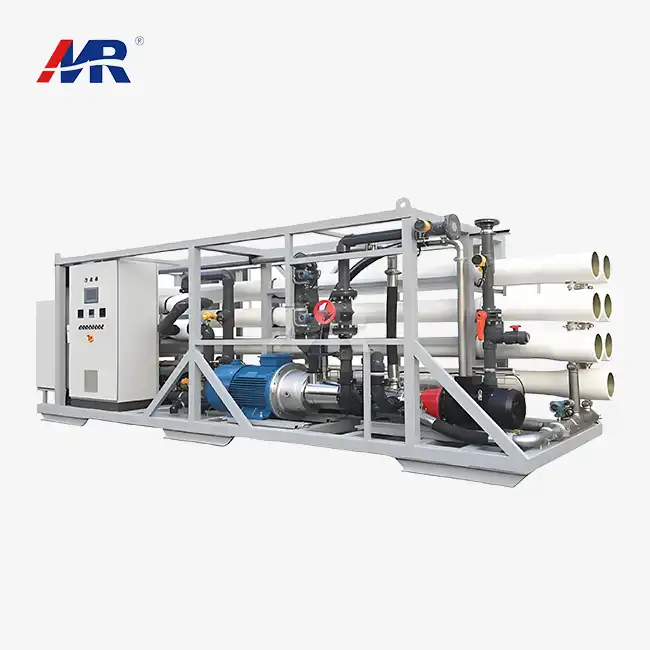 VIEW MORE20m3/hour seawater desalination equipment
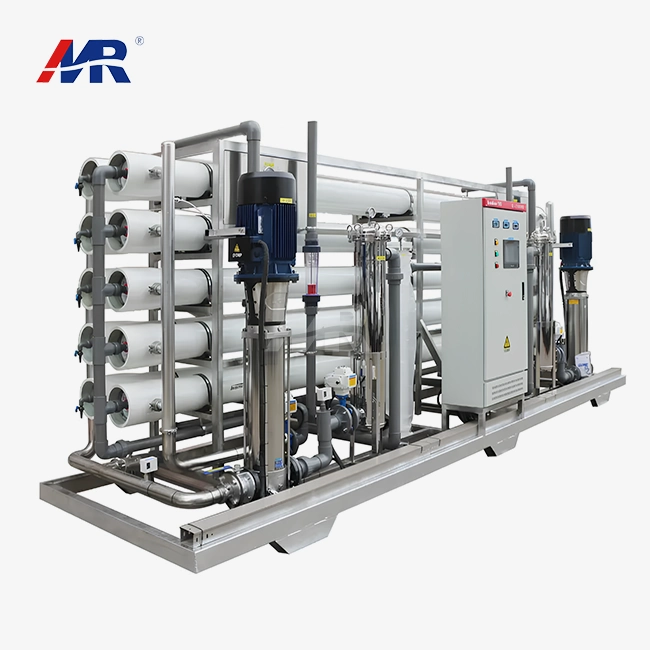 VIEW MOREreverse osmosis water purification plant
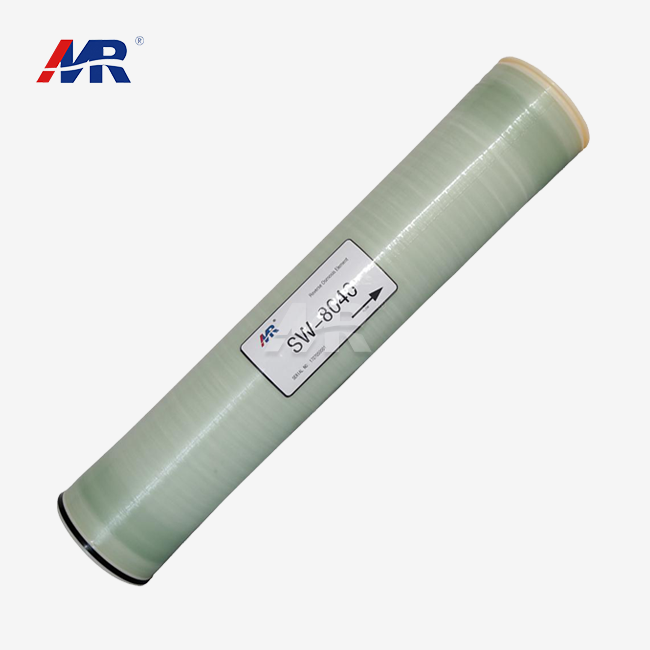 VIEW MORE8040 seawater reverse osmosis membrane
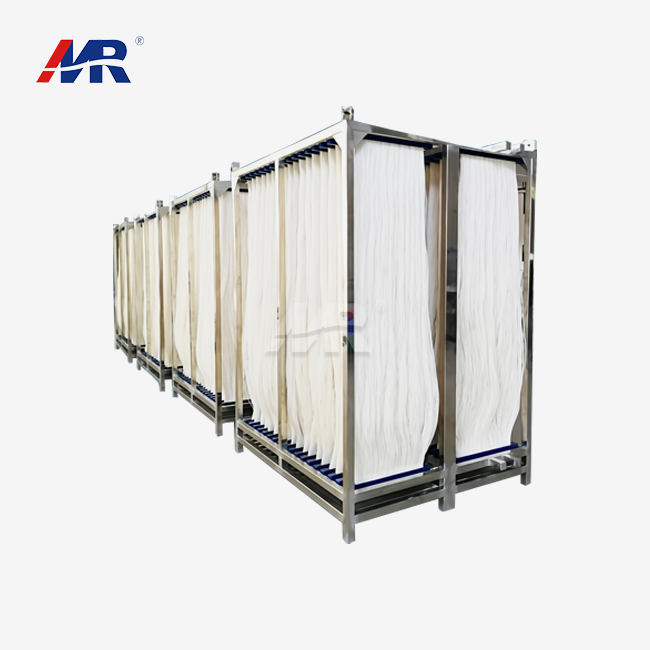 VIEW MOREbioreactor wastewater treatment
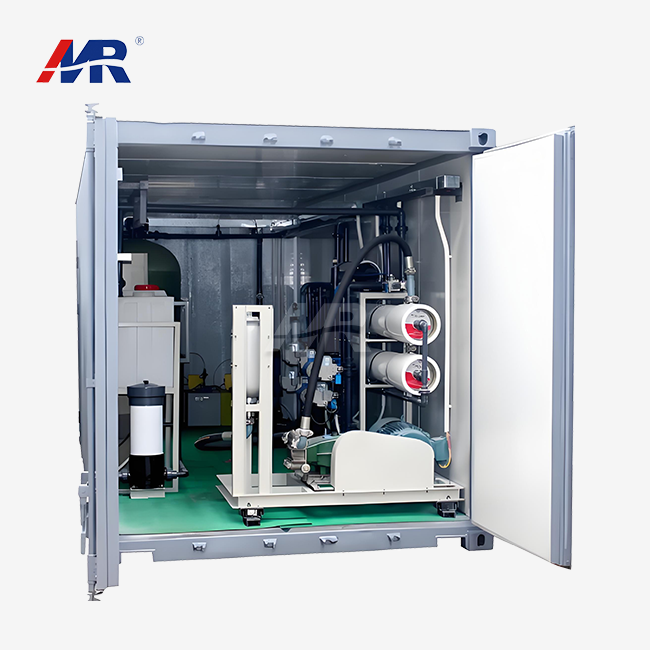 VIEW MOREcontainerized UF+RO system
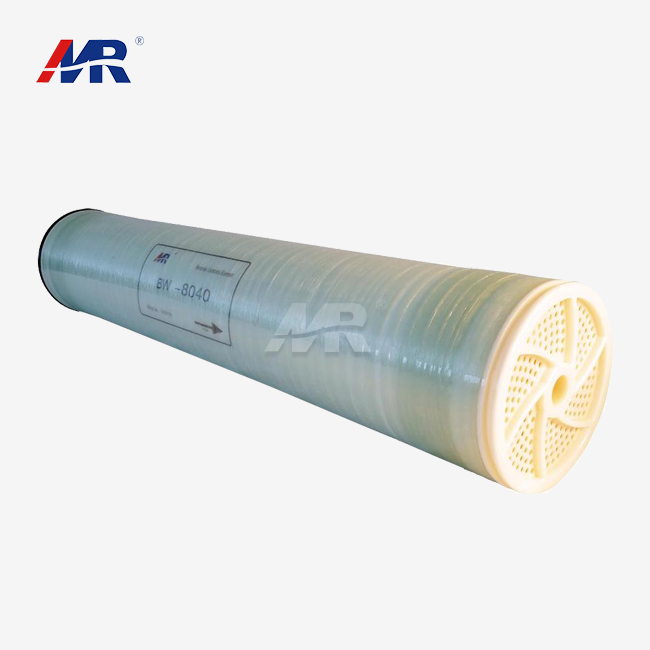 VIEW MORE8040 reverse osmosis membrane
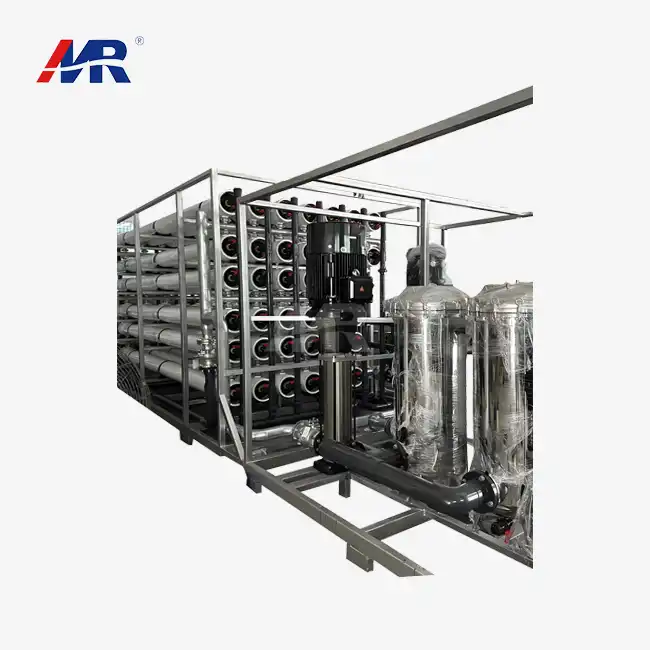 VIEW MORE150m3/hour reverse osmosis plant
 VIEW MOREindustrial ro membrane
