

_1745823981883.webp)

Cost of reverse osmosis system breakdown for OEM projects
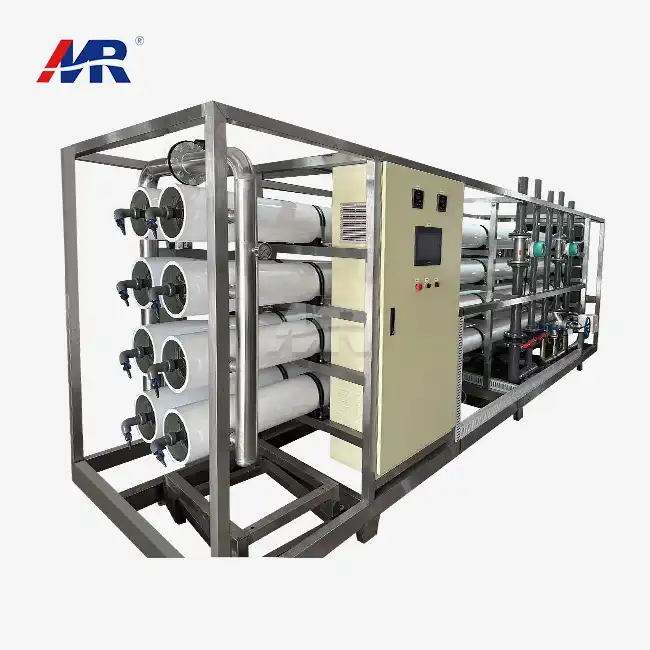
You need to look at a lot more than just the buying price when you figure out how much reverse osmosis costs for OEM projects. Capital Expenditures (CAPEX), like membranes, pumps, and pressure tanks, are part of the Total Cost of Ownership. Operational Expenditures (OPEX) include things like energy use, membrane repair, and chemical pretreatment. When OEM partners understand this complete cost structure, they can make more accurate budgets, avoid secret costs, and choose systems that balance the initial investment with long-term operating efficiency in industrial, pharmaceutical, food processing, and city settings.
Introduction
Reverse osmosis systems are crucial in OEM drug, food, beverage, technology, and municipal water treatment projects. Procurement workers and plant owners may struggle to obtain high-quality water purification equipment within budget and quality norms.
For over 10 years, we've worked with OEM partners in a variety of sectors and found that understanding all expenses is crucial to picking the proper solution. The sticker price is only one financial factor. Without your knowledge, energy utilisation, membrane repair plans, and system downtime may hurt your bottom line.
RO system prices for OEM usage are broken out below. We'll discuss the key pricing variables, compare system settings, and discuss our partners' strategies for maximising their investments. You'll learn how to make business-friendly choices and achieve your practical objectives, whether you're adding water treatment to semiconductor manufacturing or growing bottled water production.
Understanding the Core Components Affecting Reverse Osmosis System Costs
Knowing what you're paying for and how each part of the system affects both the initial and ongoing costs is the first step in buying a water treatment system.
Membrane Technology and Material Selection
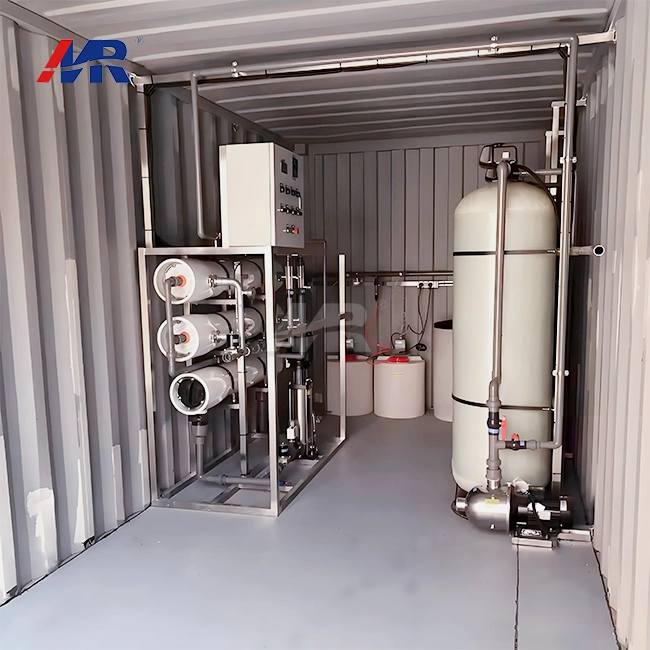
The semi-permeable membranes are the most important part of any RO system, and they usually cost 20 to 35 percent of the total cost of the equipment. Thin-Film Composite (TFC) membranes have salt rejection rates of 95 to 99.8%, which has a direct effect on the cleanliness of the water and the efficiency of production. High-quality membranes cost more, but they often pay for themselves through longer operating life and better performance. In pharmacy settings where we've put in systems that need USP-grade water, the choice of membrane can affect whether you meet legal requirements without having to make constant changes.
Pumps and Pressure Vessels
Osmotic pressure must be defeated by high-pressure pumps, and the quality of these pumps affects how well they work and how much energy they use, directly influencing reverse osmosis cost. Variable Frequency Drives (VFDs) make the best use of energy by changing the pump speed to match changes in demand. This lowers power costs by 15 to 30 percent compared to fixed-speed options. Pressure vessels made of stainless steel 316L don't rust as easily as vessels made of other materials. This means they last longer in harsh settings like chemical processing or treatment of seawater, helping reduce long-term reverse osmosis costs.
Control Systems and Automation
Advanced tracking and control tools cost more up front, but they save a lot of money in the long run. Programmable logic controllers (PLCs) with touchscreen displays let you track performance in real time, set up automatic cleaning processes, and get alerts for planned maintenance. Energy Recovery Devices take pressure from concentrate streams and use it again. This makes the energy-to-water ratio much better. Within the first year after we put ERD technology to use for a power plant client, their cost per cubic meter of clean water dropped by 27%.
Installation and Integration Complexity
For OEM jobs, it's common to need custom configurations that work well with current production lines. Compared to field-assembled options, pre-engineered skid-mounted systems require less installation work and less time to get up and running. But sites that don't have a lot of room, have specific needs for their feedwater, or need a certain amount of output, may need custom designs. We've found that spending money up front on careful site surveys and detailed engineering keeps us from having to make expensive changes during installation.
Maintenance and Operational Expenses
While procurement teams naturally focus on prices, ongoing costs over the 15 to 20 years that a system is used usually go over the original CAPEX by 200 to 400%. Replacement rounds for membranes range from 3 to 7 years, based on the quality of the feedwater and how the system is used. Chemical treatment to stop scale buildup and clean membranes adds to ongoing costs. One of the highest ongoing costs is energy use, so improving efficiency is very important for long-term financial health.
Comparison of Reverse Osmosis System Costs for Different OEM Project Scenarios
System requirements are very different for each industry and application. These differences lead to big price differences that buying teams need to carefully manage.
Capacity and Production Volume
The tools for small systems that can make 500 to 2,000 gallons per day and are good for labs or small factories usually cost between $3,000 and $15,000. Mid-range industrial systems that make 10,000 to 50,000 gallons of water a day for making food or medicines cost between $25,000 and $150,000. Big city or desalination projects that use more than 100,000 gallons of water every day can cost between $500,000 and $5,000,000, based on how complicated they are and how much treatment they need. Cost and capacity don't go up and down in a straight line. Bigger systems get better economies of scale, which lowers the cost of production per gallon.
Water Quality Requirements
For applications that need ultrapure water, like making semiconductors or injecting medicines, more than just simple RO treatment is needed. When you combine reverse osmosis with Electrodeionization (EDI) and UV sterilization, you can get resistivity values higher than 18 megohm-cm. These systems can cost 40–60% more than normal setups, increasing reverse osmosis cost. We just finished designing an ultrapure water system for a company that makes electronics. The extra requirements raised the base price by $85,000, but they got rid of quality problems that were costing them $200,000 a year in reverse osmosis cost savings.
Feedwater Source Characteristics
Due to the high salt ratios that need special high-pressure parts, seawater desalination systems are much more expensive than brackish water or city supply treatment. Systems that deal with difficult feedwater that is likely to foul need strong preparation trains that include multistage filtering, softening, or ultrafiltration. A marine aquaculture facility that we work with spent an extra $40,000 on prep equipment, but changed how often the membranes were replaced from every 3 years to every 6 years, which saved a lot of money over the life of the facility.
Modular Versus Custom-Engineered Solutions
Pre-engineered modular systems are great for simple tasks because they come in standard setups, and their performance and cost are always known. Custom-engineered options are good for meeting specific needs, but they usually cost 20–35% more and come with engineering design fees and longer wait times. When it's possible, we suggest modular methods. Custom designs should only be used when working limits or performance needs really call for them.
Key Decision-Making Criteria for Selecting RO Systems in OEM Procurement
To do a good job of procuring things, you need to look at systems through a number of different views that affect their long-term operating and financial success.
Total Cost of Ownership Analysis
Smart buyers think about more than just the buying price when they look at lifetime economics. A system that costs $50,000 up front but $15,000 a year in energy and maintenance costs will not make as much money over 15 years as a system that costs $75,000 and has yearly running costs of $8,000. We've made TCO calculators that help our OEM partners model different situations. These show that better systems usually pay for themselves in three to five years by saving money on running costs.
Supplier Reliability and Technical Support
When the equipment gets to your building, the interaction doesn't end. Downtime that costs a lot of money can be avoided by having quick access to technical help, replacement parts, and skilled service technicians. Our clients keep telling us that the name of the supplier and the level of service after the sale are more important than small price differences. A pharmaceutical company once told us that picking a cheap provider without enough help caused three weeks of production delays that cost $400,000, which was a lot more than the initial savings.
Regulatory Compliance and Certification
Industries with a lot of rules to follow include medicines, food processing, and public water supply. Depending on the use, systems must meet NSF/ANSI standards, FDA rules, or EPA guidelines. Compliance risks and possible project delays can happen when equipment doesn't have the right licenses. Systems should be bought only after they have been checked to make sure they meet ISO 14001 environmental standards and any other rules that apply to the business.
Scalability and Future Expansion
Because businesses are growing and their production needs are changing, the capacity that is available today might not be enough tomorrow. Modular designs that let you add more storage without replacing the whole system give you a lot of freedom. We've helped a number of food and drink companies that are growing add capacity in stages. As production grew, they added membrane tanks and pumps to avoid the high cost of installing systems that are too big at first.
Supplier and Brand Cost Overview – OEM-Focused Market Insights
There are many supply choices, from well-known international names to specialized regional makers. Each has its own cost-benefit profile for OEM uses. Established overseas brands have extensive histories and excellent support networks, but often charge more. High-tech features and high-quality components allow their systems to be employed in tough settings when performance dependability is worth the additional expense. Regional manufacturers may provide better pricing and make decent items for less significant needs.
Guangdong Morui Environmental Technology treats industrial wastewater, potable water, and saltwater as a full-service provider. Our integrated technique combines our unique membrane-making methods with toolmaking and installation services. Separate equipment vendors struggle to optimise costs like this vertical combination. With fourteen offices and over twenty engineers, we provide expert advice at competitive pricing.
Partnership agreements provide OEM buyers with even greater cost reductions when they purchase in bulk or form long-term connections. Discounts for bulk purchases range from 10 to 25%, depending on order quantity and commitment length. We have framework agreements with many major manufacturing customers that secure their rates, allow them priority access to services, and significantly cut their per-unit expenses.
System costs are also affected by component supplier relationships. We partner with Shimge Water Pumps, Runxin Valves, and Createc Instruments. These partnerships let us utilise the finest parts at reduced rates. In this manner, our OEM partners can trust the parts' quality without paying more for fully-branded systems.
Best Practices to Optimize Reverse Osmosis Costs in OEM Projects
Strategic buying teams lower both the original investment and the long-term reverse osmosis cost of running the business without affecting performance or dependability.
Accurate Requirement Definition
Too much detail leads to extra costs, and not enough definition causes problems with how things work. The right system size is guaranteed by a clear description of the water quality, output amount, and operational factors that are needed. Before we suggest options, we do thorough water studies that look at the characteristics of the feedwater, how it is used, and the quality standards that need to be met. A company that makes drinks that we work with found that by optimizing production schedules, they could cut system capacity by 30%, which saved them $45,000 in equipment costs.
Strategic Component Selection
The cost-performance relationship works best when the specs of each part are balanced. Premium parts make sense for things that wear out quickly, like membranes and pumps, where dependability has a direct effect on keeping operations going. Standard-grade materials are often enough for extras like storage tanks and pipes. This tiered method puts money where it will do the most good.
Preventive Maintenance Programs
Regular maintenance keeps parts from breaking down and saves you money on expensive fixes. Regularly cleaning the membrane, replacing the filters when they need to be replaced, and keeping an eye on the system's performance can catch problems before they get worse. We help OEM partners set up effective repair plans by giving them training and schedules. Through focused preventive practices, one petrochemical client cut their yearly maintenance costs by 40% and added two years to the life of their membrane.
Energy Efficiency Optimization
Electricity is the most expensive thing that most RO systems have to pay for every month. Lowering energy costs can be done by adjusting working pressure, reusing energy, and arranging production for times when rates are not as high. When compared to traditional methods, variable frequency drives, high-efficiency motors, and improved system design all work together to cut energy use by 25–40%. We work with a local water plant that made huge changes to its efficiency and saved more than $30,000 a year on energy costs.
Conclusion
OEM procurement teams may reconcile short-term budget demands with long-term company efficiency by knowing reverse osmosis system costs. The most successful ventures consider more than the purchasing price. They also consider the Total Cost of Ownership, which includes energy usage, maintenance, and part replacement.
Price is crucial when seeking partners, but component quality, source dependability, and professional assistance are too. Generic solutions cost more and don't work as well as application- and operating-specific solutions. Strategic procurement approaches, such as clearly defining what is required, choosing the proper parts in balance, and creating long-term supplier relationships, may save money while fulfilling high-quality and reliability criteria for critical industrial needs.
FAQ
1. What factors have the biggest effect on the price of a reverse osmosis system?
Costs are mostly affected by how much water the system can handle, how clean the water needs to be, and how the water comes in. Pricing is also affected by the type of membrane technology used, the specs of the pump, and the level of automation. Treatment capacity is most strongly linked to cost—systems that can produce 50,000 gallons per day usually cost 8–12 times more than 5,000-gallon units, though costs per gallon go down as scale goes up.
2. How do I figure out the Total Cost of Ownership for an RO system?
TCO covers both the original CAPEX and the ongoing costs of running the system. For immediate spending, add the cost of buying the equipment, installing it, and getting it up and running. Ongoing project costs include energy use, replacing the membrane every 3–7 years, changing the pre-filter, adding chemicals, and upkeep workers. Most systems work for 15 to 20 years, and during that time, OPEX usually goes over the original CAPEX by 200 to 400%.
3. Can smaller businesses get RO systems at prices that are competitive?
Of course. Large buyers can get savings for buying in bulk, but there are several ways for smaller businesses to get low prices. By choosing the right-sized flexible systems, you can avoid spending too much on extra space. Better results come from working with makers who offer flexible purchasing terms and are focused on lifecycle value instead of just original price. A lot of providers, including Our Team at Morui, make Products that are perfect for small to medium-sized businesses.
Partner with Morui for Cost-Effective Reverse Osmosis Solutions
The process of buying a reverse osmosis system is complicated, and you need a provider who knows both the technical needs and budget limits of OEM users. Morui offers cost-effective solutions without sacrificing quality or dependability by combining fully integrated manufacturing with a wide range of engineering skills.
Our membrane production facility and equipment-making operations allow us to offer prices that other providers can't match. Twenty experienced engineers work directly with your team to specify systems that exactly meet your needs. This cuts down on wasteful over-specification and makes sure that performance meets daily needs. We offer complete turnkey solutions for treating wastewater in factories, making drinking water, and desalinating seawater. These solutions include planning, equipment supply, installation, and testing.
We've worked with over 500 OEM partners in the pharmaceutical, food and beverage, electronics, and public sectors as a reliable reverse osmosis cost provider. Our fourteen regional branches offer local help while keeping technical knowledge and the ability to source parts centrally. We build solutions that balance current budget needs with long-term operating efficiency, no matter if you need a small lab system or a large industrial installation.
Email our expert team at benson@guangdongmorui.com to talk about the specifics of your project. We'll give you a thorough cost analysis, system suggestions, and clear price information that will help you make smart choices about what to buy.
References
1. American Water Works Association. (2021). "Reverse Osmosis and Nanofiltration Manual of Water Supply Practices." AWWA Manual M46, Third Edition.
2. Greenlee, L.F., Lawler, D.F., Freeman, B.D., Marrot, B., & Moulin, P. (2009). "Reverse osmosis desalination: Water sources, technology, and today's challenges." Water Research, 43(9), 2317-2348.
3. Byrne, W. (2002). "Reverse Osmosis: A Practical Guide for Industrial Users." Tall Oaks Publishing, Second Edition.
4. National Research Council. (2008). "Desalination: A National Perspective." The National Academies Press, Washington, DC.
5. Wilf, M. & Bartels, C. (2005). "Optimization of seawater RO systems design." Desalination, 173(1), 1-12.
6. Fritzmann, C., Löwenberg, J., Wintgens, T., & Melin, T. (2007). "State-of-the-art of reverse osmosis desalination." Desalination, 216(1-3), 1-76.
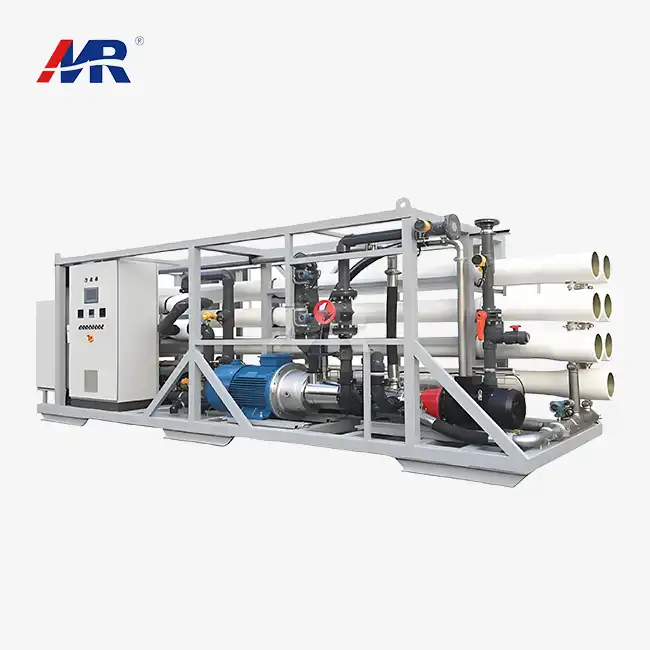 VIEW MORE20m3/hour seawater desalination equipment
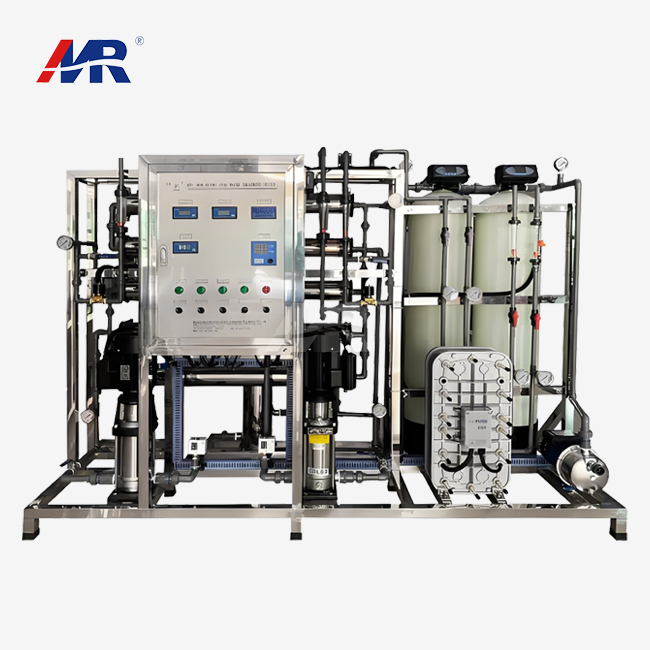 VIEW MORE500LPH EDI equipment
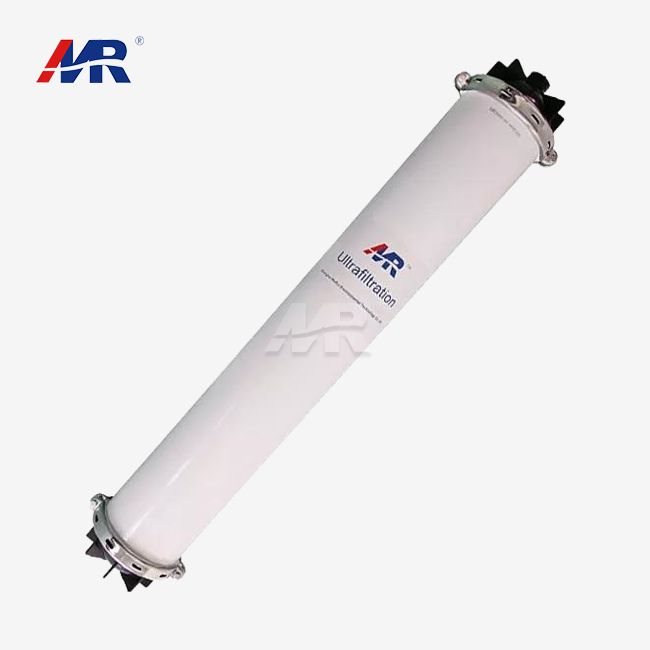 VIEW MOREultrafiltration membranes for water treatment
 VIEW MOREindustrial ro membrane
 VIEW MOREsewage treatment plant MBR system
 VIEW MORE1T/H EDI system
 VIEW MOREUltrafiltration Systems
 VIEW MOREcontainerized water treatment systems
