

_1745823981883.webp)

Electrodeionization Module Selection for Industrial Projects
For businesses that need to consistently make ultrapure water, choosing the right electrodeionization module is very important. Ion-exchange resins and electrical fields work together in these high-tech devices to remove ionic contaminants constantly, so there is no need for dangerous chemical renewal. Whether you're improving the operations of a power plant, upgrading a pharmaceutical production line, or finding the best ways to make semiconductors, knowing how to evaluate and pick the right EDI technology has a direct effect on the quality of the water, the speed of operations, and the long-term cost savings.
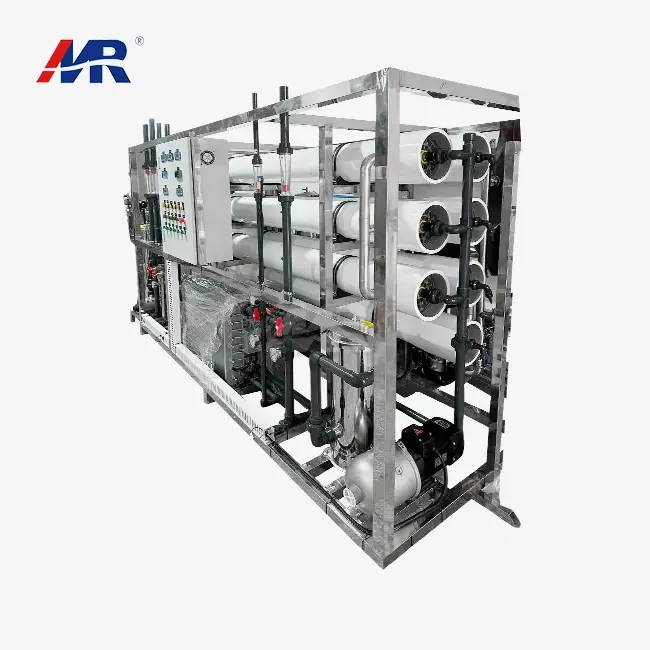
Understanding Electrodeionization Modules and Their Industrial Role
Ion exchange membranes, special resins, and direct current electrical fields all come together in a very complex way in an electrodeionization module. Normal deionization systems need to be regenerated chemically every so often with acids and bases. These modules, on the other hand, work all the time by using electricity to move ions around and split water molecules into H+ and OH- ions for continuous plastic renewal. This chemical-free method solves important problems in industry, like long breaks, getting rid of dangerous waste, and the large size of standard mixed-bed vessels.
Core Technology and Component Functions
The inside of an EDI stack is made up of anion and cation exchange membranes that split the dilute and concentrated sections. When a voltage is applied, resin beads fill the weak spaces and make it easier for ions to move around. When feed water comes into the dilute chamber, cations move toward the cathode through membranes that only let cations pass through, and anions move toward the anode through membranes that only let anions pass through. The constant electrical renewal keeps the resin's capacity up without stopping production runs. This keeps the water resistivity at up to 18.2 MΩ·cm.
Industrial Relevance Across Critical Sectors
Pharmaceutical companies use EDI technology to make Purified Water and Water for Injection that meet the strict standards set by the USP and EP pharmacopeias. These systems are used as polishing steps in the production of ultrapure water by semiconductor fabrication facilities. Even small amounts of ionic contamination can lower chip yields and manufacturing accuracy. Power plants use EDI units to prepare high-pressure boiler feed water. This keeps the amounts of silica and sodium very low, which stops turbine corrosion. By getting rid of chemical waste lines, these uses show how the technology helps with working efficiency, following the rules, and protecting the environment.
Comparing Electrodeionization Modules to Alternative Water Treatment Methods
Knowing how EDI technology stacks up against tried-and-true methods of cleaning helps purchasing teams make smart choices that fit the needs of the project and the budget.
Reverse Osmosis Systems
Through semi-permeable membranes that are pushed by hydraulic pressure, RO technology is very good at getting rid of dissolved solids, organics, and bigger molecules. Even though reverse osmosis works well for initial purification, it usually isn't enough to get the ionic purity levels needed for semiconductor or pharmaceutical uses. When you use RO as a preparation step before EDI, the two work together to make a system that works better. RO lowers the ionic load, and EDI polishes the material to ultrapure standards. This pair arrangement gets the most water back while using the least amount of energy per cubic meter of clean water made.
Traditional Ion Exchange Resins
Conventional mixed-bed deionization produces very pure output, but it needs to be regenerated offline using sulfuric acid and caustic soda, which causes problems with running the system and getting rid of dangerous waste. Depending on the quality of the feed water and the flow rate, regeneration can happen as often as once a day or once a week. An electrodeionization module gets rid of these problems by electrically renewing resins all the time. This cuts down on labor costs and the cost of chemicals while keeping the water quality of the product uniform from batch to batch.
Modular Components Versus Integrated Systems
When making a purchase decision, people often have to pick between separate electrodeionization module parts and full packaged systems. Modular parts give facilities that already have infrastructure or limited room the freedom to make custom configurations that meet their individual capacity needs. Integrated systems offer standard solutions that have been tried and proven to work, are easier to install, and come with full guarantee coverage. This strategic choice is based on how hard the job is, how much professional help is available, and how much room there is for growth in the future.
Key Selection Criteria for Electrodeionization Modules in Industrial Procurement
If you want to choose the right electrodeionization modules for your project, you need to carefully look at them from a number of scientific, practical, and business points of view.
Water Quality Specifications and Performance Indicators
Product water resistivity is the most important performance measure, and the best units always get 16 to 18 MΩ·cm output. For electronics and power generation uses, where these contaminants cause specific process problems, it is necessary to remove silica and boron with an efficiency of more than 95%. Feed water needs are also very important. Most units need RO effluent with a conductivity below 40 μS/cm and a hardness below 1.0 ppm as CaCO3 to keep the membrane from scaling and losing its performance too soon.
Capacity, Recovery Rate, and Energy Use
Modules can usually hold between 0.5 and 10 cubic meters of material per hour per stack. For bigger setups, multiple stacks can be set up in parallel. Water recovery rates of 85% to 95% balance the amount of waste that needs to be thrown away with how efficiently the business runs. The amount of energy used per cubic meter affects the ongoing costs of running the system. Energy-efficient systems use between 0.3 and 0.7 kWh/m³, based on the quality of the feed water and the output resistivity that is needed. Comparing these factors to the expected production levels ensures that the chosen part meets both current needs and those that are expected to grow.
Supplier Reliability and After-Sales Support
Long-term operating risks can be reduced by working with makers who have strong quality control systems, appropriate Certifications (such as CE, ISO 9001, and FDA compliance for pharmaceutical uses), and well-established service networks. Delivery times for modules and replacement parts have an effect on project schedules and plans for upkeep. Full expert help, including performance issues fixing, advice on how to make things work better, and training programs, protects capital investments and keeps productivity high throughout the lifecycle of equipment.
Cost factors and strategies for buying things
The initial capital costs are very different depending on the number of modules, the materials used to build them, and the amount of automation. When you buy in bulk for big projects or operations across multiple sites, you can often get better prices. It is more true to compare prices based on the total cost of ownership, which includes things like energy use, upkeep needs, replacement parts, and estimated lifespan. Equipment makers who want to add EDI technology to a wider range of systems may benefit from customized OEM solutions.
Maintenance, Troubleshooting, and Lifespan Optimization of EDI Modules
To make equipment last as long as possible and keep its performance stable, you need to follow proactive maintenance practices and a methodical approach to fixing an electrodeionization module.
Routine Maintenance Tasks
Setting up regular check times keeps small problems from getting worse and turning into expensive failures. Keeping an eye on things like product water resistance, pressure differences between modules, and stack voltage can help you spot problems before they get worse. Organic fouling and mineral layers that build up even with prepping systems can be removed by cleaning the membranes on a regular basis with the right chemical solutions. When you write down operational factors, you have a starting point from which to find slow performance trends that need fixing.
Common problems with operations and how to fix them
Sudden rises in stack voltage usually mean that there is scaling or resin fouling in the concentrate chambers. This is usually caused by poor preparation or changes in the quality of the feed water. Flow problems can happen when distributors get clogged or when the membrane gets damaged, which means the module needs to be taken apart and parts replaced. If the quality of the product water goes down even though the electrical factors are normal, it means that the glue or membrane is wearing out and needs to be replaced or fixed. Keeping strict standards for the quality of the feed water cuts down on these problems by a huge amount and increases the time between big service actions.
Impact of Feed Water Quality on Module Lifespan
If the feed conditions are just right, high-quality modules can last anywhere from 5 to 10 years before they need major repairs. But changes in hardness, chemical pollution, or chlorine can drastically shorten the useful life. Putting in strong pretreatment systems like softeners, carbon filters, and RO systems saves investments made later in EDI. Automatic shutdown interlocks and continuous tracking stop operation when feed conditions are not met, which would cause damage that cannot be fixed.
Why Partner with Established Water Treatment Technology Providers
To get access to cutting-edge cleaning technology, you need to work with partners who can show they have proven knowledge, a wide range of Products, and a dedication to customer success. Accessing a high-quality electrodeionization module requires working with providers who understand complex industrial needs.
Innovations in technology and quality control
Leading makers keep putting money into research and development, which is how they come up with new membrane materials, better glue formulations, and smart control systems that make products work better and last longer. Modules are made to meet published specs by strict quality control methods that include hydrostatic pressure testing, electrical insulation resistance verification, and performance validation under standard circumstances. Industry guidelines and third-party certifications make sure that the quality of the production process and the safety of the products are checked by a third party.
Customized Answers to Unique Business Problems
For complicated uses, custom designs are often needed to deal with process limits, space issues, or the need to integrate multiple systems with an electrodeionization module. Suppliers with a lot of experience offer engineering help throughout the whole project lifecycle, from the original feasibility studies and system design to overseeing the installation and making sure it works properly. Access to pilot testing programs lets you check how well an electrodeionization module technology works with real feed water before committing to full-scale setups. This lowers technical risks and makes sure the project succeeds.
Support networks around the world and a history of success
Established makers keep service networks that cover major industry areas. This way, they can provide quick technical help no matter where the installation is located. Written case studies showing successful deployments in many different industries give customers faith in the technology's dependability and the vendor's ability to deliver it. Long-term relationships make it easier to share knowledge, improve operations, and get new technologies. This protects capital investments and helps the business adapt to changing output needs and government rules.
Conclusion
To choose the right edi system, you have to weigh the technical performance requirements against operational needs, spending limits, and long-term strategic goals. By learning about basic technology principles, comparing different ways to clean water, and carefully checking each electrodeionization module against important selection criteria, procurement teams can make smart choices that improve water quality, operational efficiency, and environmental sustainability. When you work with experienced providers, you can get access to tested technology, full support, and custom solutions that solve problems that are unique to your industry. This makes sure that your projects are completed successfully and that you get a good return on your investment.
FAQ
1. What kind of feed water does an electrodeionization module require?
Most units need RO permeate that has a conductivity of less than 40 μS/cm, a hardness of less than 1.0 ppm as CaCO3, and limited carbon dioxide levels to keep the electrical efficiency at its best. An electrodeionization module performs best when these feed parameters are strictly maintained.
2. In general, how long does an electrodeionization module last?
With the right preparation and care, high-quality modules can work for 5 to 10 years before they need to be replaced or fixed up in a big way.
3. Can EDI modules remove dissolved gases like carbon dioxide?
Yes, but high levels of CO2 make the power load and operating prices go up. When feed water has a lot of dissolved gas, degassing upstream with membrane contactors is suggested.
4. What causes electricity to rise quickly during operation?
Voltage jumps generally mean that there is scaling or resin fouling in the concentrate chambers. This is usually caused by poor pretreatment or changes in the quality of the feed water that are outside of what is expected.
Partner with Morui for Advanced Water Purification Solutions
Guangdong Morui Environmental Technology has been specializing in commercial water treatment devices for more than ten years. As a full-service electrodeionization module provider, we offer full solutions that include buying equipment, designing systems, supervising installations, and starting up systems. These services are specifically made for pharmaceutical, semiconductor, power generation, and industrial uses. Our twenty-person engineering team works with reputable part suppliers like Shimge Water Pumps, Runxin Valves, and Createc Instruments to set up systems that meet your exact needs for water quality and output capacity. With 14 regional offices and 500 committed professionals serving clients in a wide range of industries, we can provide quick technical help and dependable service after the sale. Get in touch with benson@guangdongmorui.com right away to talk about your project needs and get a personalized plan that shows how our proven water purification knowledge can help your business run more smoothly and make better products.
References
1. American Water Works Association. (2021). Electrodeionization Systems for Water Treatment: Design and Operation Guidelines. AWWA Manual M61, Denver, Colorado.
2. Ganzi, G.C., et al. (2019). "High Purity Water Production Using Continuous Electrodeionization Technology." Ultrapure Water Journal, Vol. 36, No. 4, pp. 24-31.
3. International Water Association. (2020). Membrane Technologies for Industrial Water Treatment: Comparative Analysis and Selection Criteria. IWA Publishing, London.
4. Strathmann, H. (2018). Ion-Exchange Membrane Processes in Water Treatment. Elsevier Science, Amsterdam, Netherlands.
5. U.S. Pharmacopeial Convention. (2022). Water for Pharmaceutical Purposes: Production and Quality Standards. USP 43-NF 38, Rockville, Maryland.
6. Wood, J. and Gifford, J. (2020). "Electrodeionization Module Performance Optimization in Semiconductor Manufacturing." Semiconductor International, Vol. 43, No. 8, pp. 52-58.
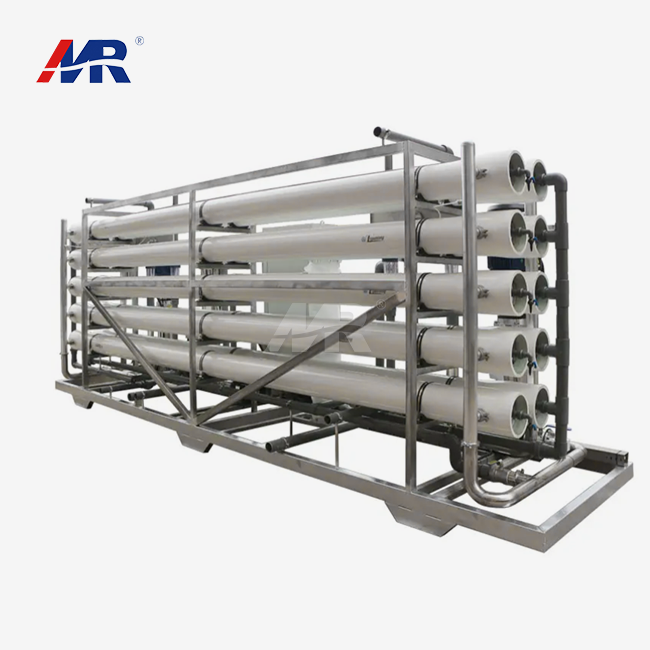 VIEW MOREbrackish water reverse osmosis systems
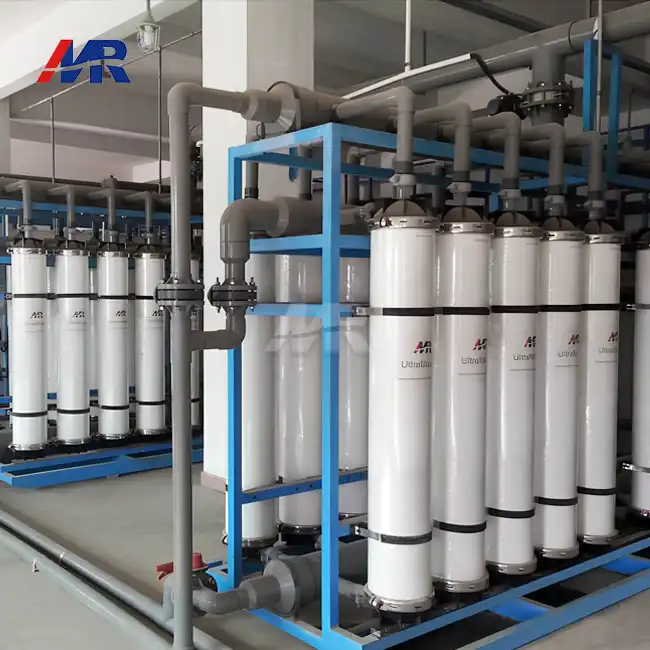 VIEW MORE200m3/hour ultrafiltration equipment
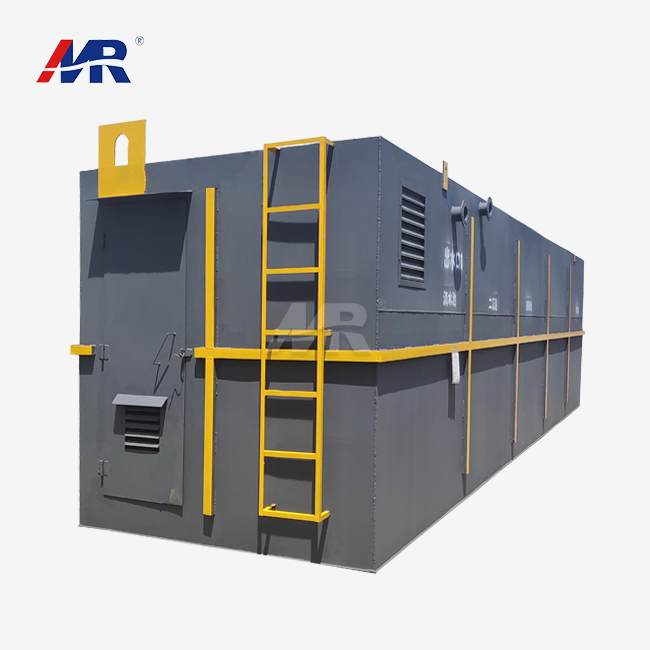 VIEW MOREhome wastewater treatment plant
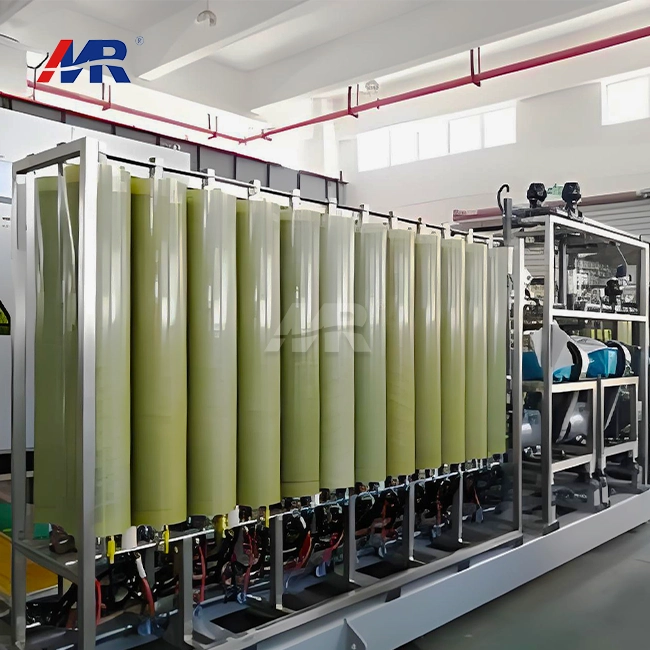 VIEW MOREDTRO plant
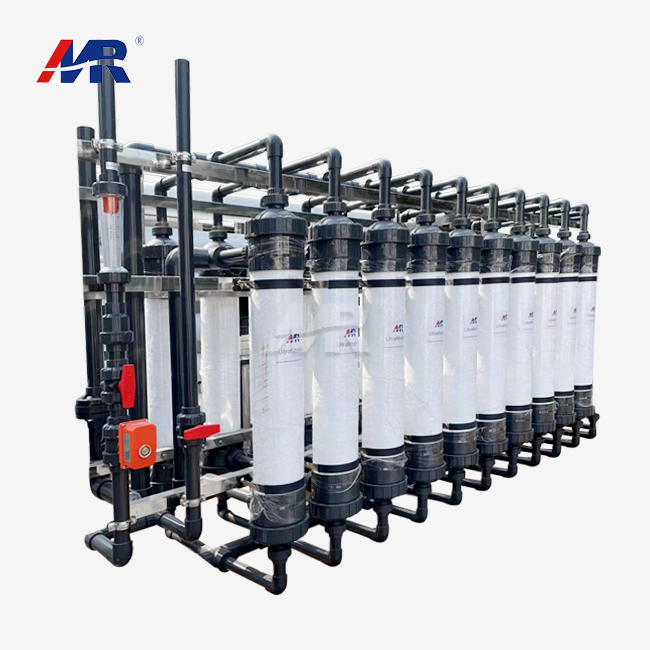 VIEW MOREultrafiltration drinking water system
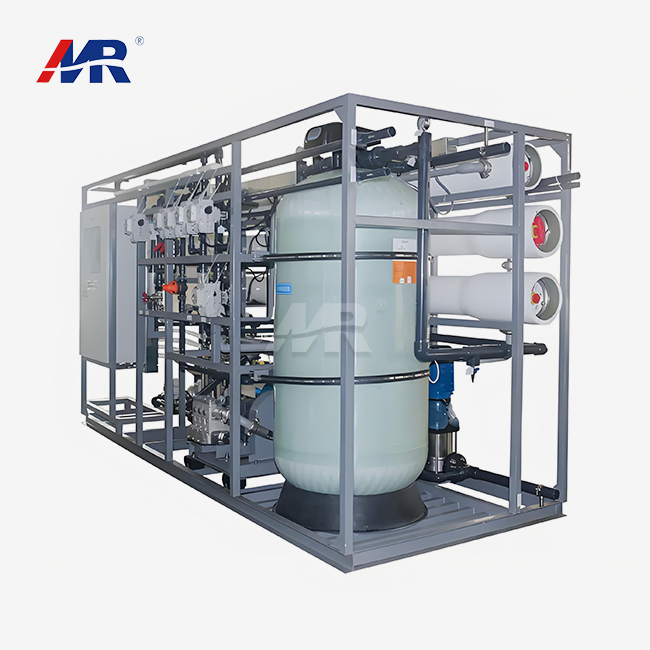 VIEW MOREswro desalination plant
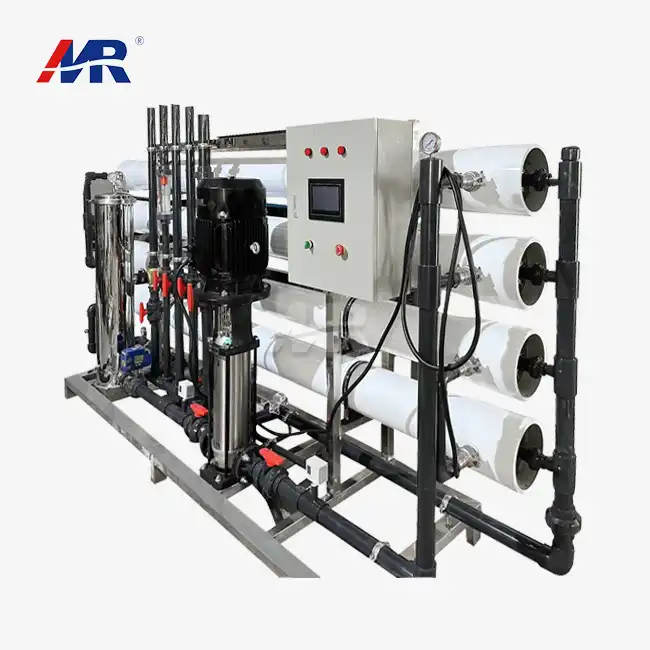 VIEW MORE12m3/hour reverse osmosis BWRO system
 VIEW MOREcontainerized water treatment systems
