_1745823981883.webp)

Why Choose a Reverse Osmosis System With Remineralization?
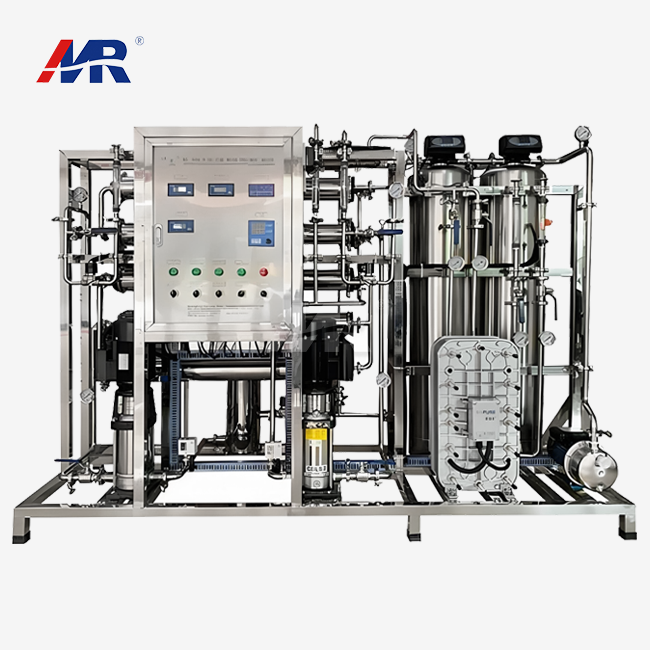
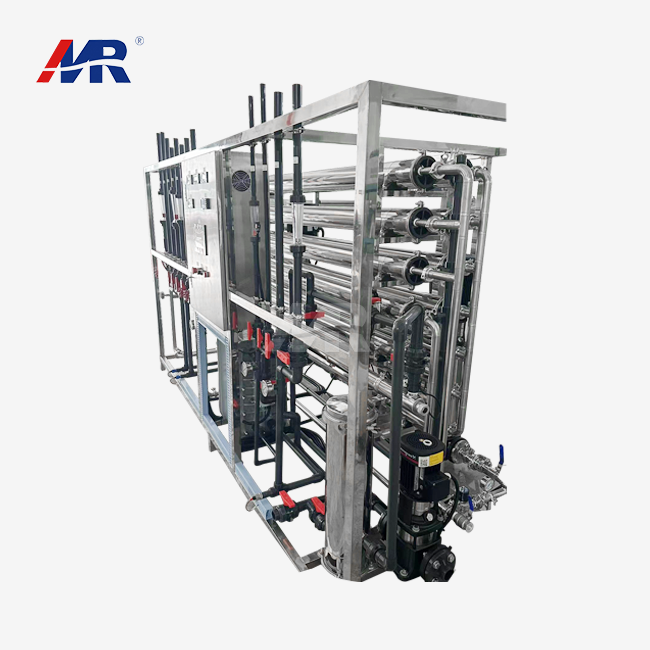
A reverse osmosis system with remineralization addresses a critical limitation in traditional water purification technology. While standard RO systems excel at removing contaminants, they simultaneously eliminate beneficial minerals like calcium and magnesium. By incorporating remineralization stages, these advanced systems restore essential minerals post-filtration, delivering water that meets stringent purity standards while maintaining optimal pH balance and mineral composition. This technology offers industrial and commercial operations a practical solution that balances water safety with quality enhancements essential for employee health, product manufacturing standards, and infrastructure protection.
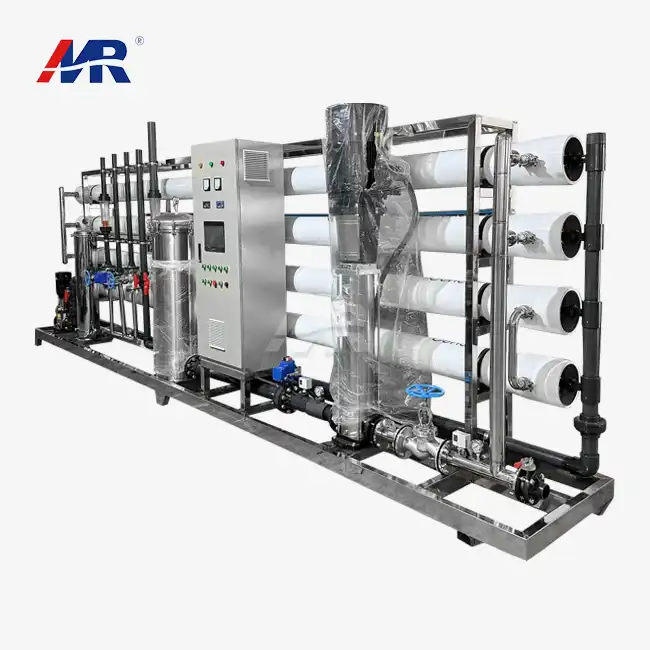
Understanding Reverse Osmosis Systems With Remineralization
The Mechanics of Reverse Osmosis Filtration
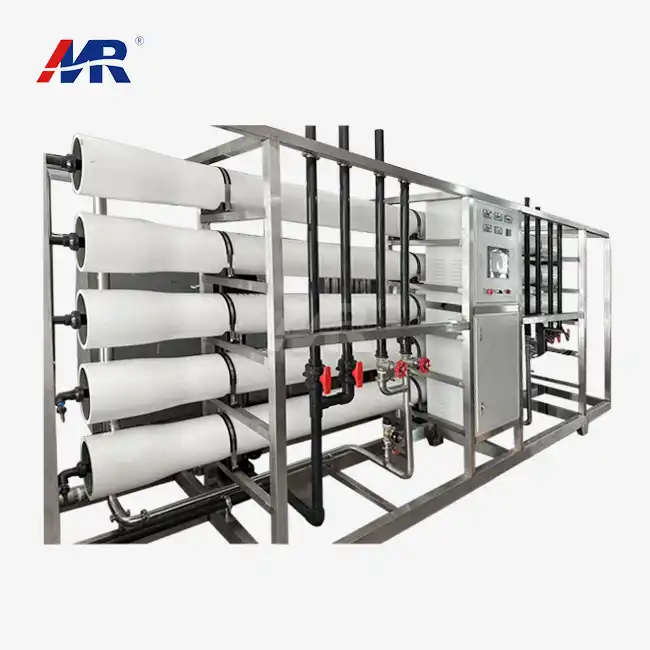
Partially porous membranes stop 0.0001-micron pollutants. This is reverse osmosis. These membranes remove heavy metals, microorganisms, dissolved materials, and chemicals. Water molecules pass across membranes during this process. The impurities stay and are flushed. This technique cleans over 95% of water, making it vital for pharmaceuticals, electronics, and beverage production.
Why Mineral Rebalancing Matters in Industrial Settings
Normal RO systems provide mineral-free, aggressive water. Water may damage pipes, tanks, and transport systems. Without minerals, the water pH is lower than usual. This makes maintenance tougher and breaks down metals faster. With remineralized water, pH is 7.0–8.5. This makes it less likely to corrode and meets drinking water regulations. Remineralization can provide clean water to companies without the building damage hazards of very acidic demineralized water.
Key Benefits of Using RO Systems With Remineralization
Enhanced Water Quality for Commercial Applications
Remineralized, mineral-balanced water improves several quality areas. Restoring calcium and magnesium makes water alkaline, which improves flavor. This improves worker water stations, cafeterias, and food service. Food and drink firms use remineralized water to improve taste without contaminating.
Buying managers can understand how quality changes benefit operations:
- Infrastructure Protection: Water systems live longer when pH is normal, and replacing pipes, fittings, and holding tanks costs 40% less than with demineralized water.
- Regulatory Compliance for reverse osmosis systems with remineralization: Health officials established drinking water mineral ranges. Public water suppliers and schools may obey the requirements more simply when these levels are satisfied by reverse osmosis systems with remineralization.
- Employee Wellness: Drinking adequate mineral water refreshes and hydrates your body. This may reduce work-related health issues and time missed.
- Process Optimization: Consistent water chemistry simplifies water quality checks and reduces run variances in medication preparation.
Remineralization technology will assist the building in achieving its short- and long-term management goals. Since these procedures were implemented, technology has lasted longer, and repair calls have decreased.
Cost-Effectiveness Through Extended Equipment Lifespan
A reverse osmosis system with remineralization costs more upfront but protects infrastructure and saves money over time. That convinces most firms that the extra expense is worth it. Daily, facilities that treat thousands of gallons of water discover that clean water is safe and reduces annual repair expenses. During typical equipment deterioration, ROI is clear. Remineralization systems are useful for saving money.
Comparing Reverse Osmosis Systems With and Without Remineralization
Technical Performance Differences
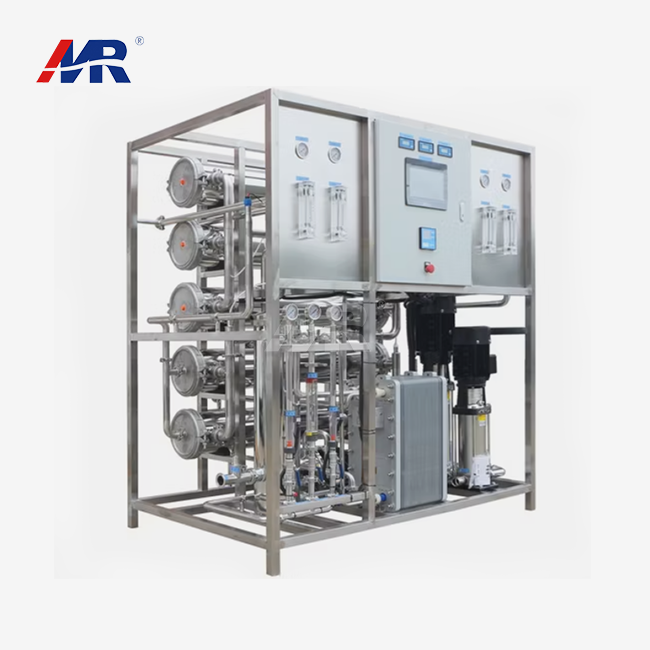
Most RO systems produce water with less than 10 ppm TDS. Nearly no minerals remain in the water. A reverse osmosis system with remineralization carefully adds minerals to water to boost TDS to 30–80 ppm. This balances purifying water with adding healthy minerals. Remember that basic RO water has a pH range of 5.5 to 6.5, and remineralized water is 7.0 to 8.0. This small variation impacts everything from food flavor to air conditioning chemicals.
Investment Analysis for Decision Makers
Remineralization adds 15–25% to most systems' prices. This one-time fee pays for itself in several ways. Less rust means more infrastructure repairs, which may delay capital expenditure for years. Workplace water purchases may decrease if individuals appreciate water more. Simplifying regulatory compliance reduces effort and fines. For most commercial and industrial usage, remineralization makes sense when equipment lasts 10–15 years.
How to Choose the Right Reverse Osmosis System With Remineralization for Your Needs
Matching System Capacity to Operational Demands
Consider how much water is used daily, when demand is highest, and how the business wants to develop to choose the optimal system size for reverse osmosis systems with remineralization. Specifications vary for sites and small enterprises that utilize 500 to 2,000 gallons daily with reverse osmosis systems with remineralization. These sites process 10,000+ gallons daily with reverse osmosis systems with remineralization. A reverse osmosis system with remineralization must consider flow, holding tank capacity, and system pressure. Work takes longer and costs more with tiny reverse osmosis systems with remineralization. Large reverse osmosis systems with remineralization waste time and money.
Evaluating Certification Standards and Compliance
Third-party Certifications are one of the greatest ways to ensure water cleaning equipment operates as advertised. One approval, NSF/ANSI Standard 58, indicates RO systems remove pollutants. Others, including NSF/ANSI Standard 61, state that the Products fulfill drinking water safety criteria. WQA Gold Seal confirms quality work. Buying specifications should contain these tests to ensure the gear operates and fulfills the standards. When doing business abroad, you must consider CE marking for European and other markets with similar standards.
Procurement and Installation Best Practices for RO Systems With Remineralization
Strategic Sourcing Approaches
Good purchasing for reverse osmosis systems with remineralization begins with finding merchants who sell more than tools. Manufacturers who provide installation, user training, and fast technical assistance for reverse osmosis systems with remineralization are more valuable than stock vendors who merely compete on price. Asking for technical specs, performance statistics, and client examples for reverse osmosis systems with remineralization might reveal a seller's expertise. Buy reverse osmosis systems with remineralization in bulk or deploy software on many sites to save money and make the operation more profitable.
Professional Installation Requirements
It's crucial to install a reverse osmosis system with remineralization properly, so it functions and lasts. Professionals position the membrane, pre-treatment, pressure, and remineralization cartridge. Before and after setting up the system, check the water pH to ensure that adding minerals satisfies goals. Recording installation and initial performance phases helps with maintenance.
Maintenance Protocols and Quality Assurance
Organized repair programs prolong life and prevent breakdowns. As instructed by the manufacturer, monitor membrane element pressure, water quality, leaks, and worn parts like any other task. To ensure mineral addition, check the remineralization filter's pH and TDS periodically. Good service records make warranty claims and finding new issues before they become costly failures simpler.
Conclusion
Choose a reverse osmosis system with remineralization for the best cleaning and regular usage. Systems supply clean water with healthy compounds. They improve water flavor, safeguard infrastructure, and help individuals accomplish their health objectives. Mineral-balanced water makes the following rules simpler and improves food and drug quality. Most industries utilize the technique because it prevents corrosion. Other benefits, like water compatibility and process improvement, strengthen the commercial case. Remineralization should be the first option when purchasing decisions are made to cure water, since it has numerous practical uses.
FAQ
1. What minerals are added during the remineralization process?
Most remineralization methods restore calcium and magnesium. Some add potassium and other beneficial substances in modest amounts. The remineralization cartridge medium determines the minerals utilized. Minerals like magnesium oxide and calcium carbonate are prevalent here. These minerals degrade slowly when water flows through the step. These nutrients, like spring water, naturally raise pH and are healthy.
2. How often do remineralization filters need replacement?
Replenishing cartridges every 12–18 months is typical. Real replacement times depend on how much water is used, what compounds are in the water going in, and how many minerals must depart. Traffic-intensive systems may need more frequent replacement. However, smaller systems frequently outlast their replacement date. By monitoring pH and TDS levels, maintenance crews may change filters based on performance rather than chance.
3. Can these systems handle high-capacity commercial demands?
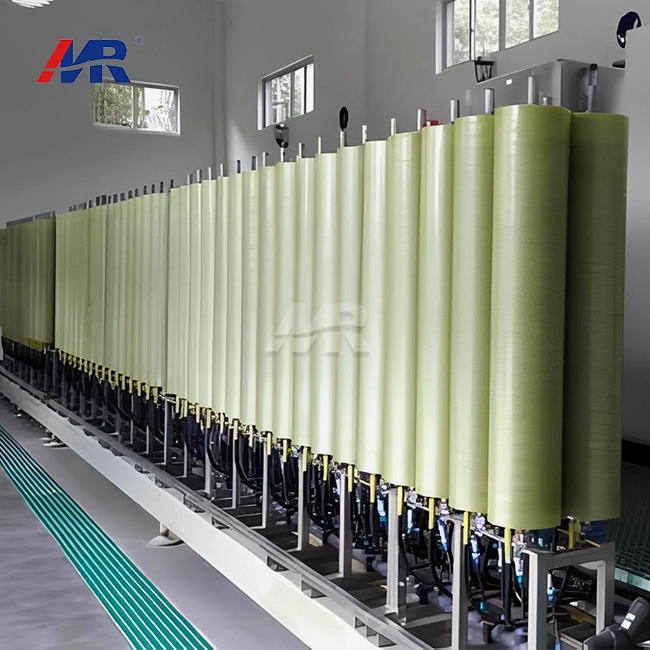
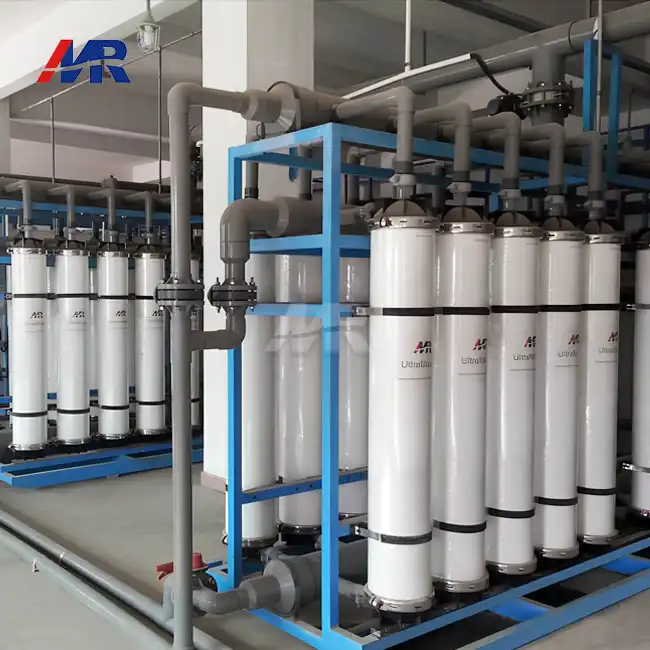
Modern RO systems may be expanded for massive industrial water output. Small businesses that create 500 gallons per day to large ones that make 100,000 gallons or more exist. Multiple membrane grids working in parallel boost flow rates for large-scale operations without reducing filter efficiency. Remineralization stages add minerals even when working circumstances and manufacturing rates alter, making them ideal for huge designs.
Partner With Morui for an Advanced Reverse Osmosis System With Remineralization Solutions
Companies that require reliable reverse osmosis systems with remineralization may get water treatment from Guangdong Morui Environmental Technology Co., Ltd. Our engineers provide creative solutions to operational issues in manufacturing, medicine, food preparation, and city governance. We offer high-quality combination solutions since we have over 500 employees, 20 qualified engineers, and a membrane manufacturing. As a reputable reverse osmosis system with remineralization provider, we design, install, test, and maintain the equipment. Our staff at benson@guangdongmorui.com can discuss your water treatment needs and provide customized solutions.
References
1. National Research Council. "Drinking Water Quality and Contaminant Removal Technologies." National Academies Press, 2020.
2. Water Quality Association. "Reverse Osmosis Systems: Performance Standards and Best Practices." WQA Technical Publication Series, 2021.
3. American Water Works Association. "Membrane Technology Applications in Water Treatment." AWWA Manual M46, 2019.
4. International Desalination Association. "Industrial Water Treatment Systems: Design and Operation Guidelines." IDA Technical Report, 2022.
5. NSF International. "Drinking Water Treatment Units: Certification Standards and Testing Protocols." NSF/ANSI Standards Documentation, 2021.
6. Environmental Protection Agency. "Point-of-Use Water Treatment Technologies for Commercial and Industrial Applications." EPA Technical Guidance Document, 2020.