_1745823981883.webp)

Reverse Osmosis System With Remineralization Benefits Explained
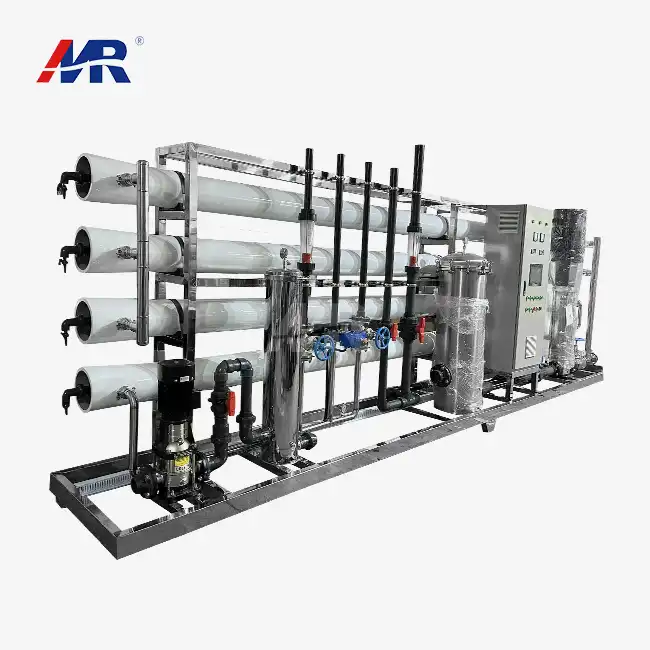
A reverse osmosis system with remineralization may transform clean water into controlled, mineral-rich output by replenishing minerals lost during filtering. Standard RO removes pollutants and beneficial minerals like calcium and magnesium. This produces acidic water that damages pipes and blandifies food. Special filters reintroduce these vital minerals during remineralization. Water with a balanced pH, better flavor, and less corrosive potential is crucial for industry processes and customer satisfaction.
Introduction
We've worked with several producers, water suppliers, and medicinal businesses who have the same issue: standard reverse osmosis systems with remineralization purify water but remove all minerals. This causes acidic corrosion in distribution lines and raises concerns about drinking water minerals. Our 14 offices serve a variety of organizations, and procurement teams are increasingly seeking RO alternatives that purify water and restore minerals.
Direct remineralization fills this void. A mineral filter step following membrane filtering restores calcium, magnesium, and minor minerals lost by RO. Though it improves flavor, this is more. The equipment's lifespan, compliance, and process stability determine its worth. Mineral profiles must be homogeneous for optimum beverage production. Hospitals need neutral pH water for dialysis. Municipal water plants must safeguard buildings and fulfill EPA drinking water standards.
This article covers technical operation, quantifiable advantages, and purchase criteria for corporate executives considering reverse osmosis systems with remineralization. Knowing about these systems can help you choose water and operate your business, whether you run a semiconductor production that needs ultrapure water with regulated mineral reintroduction or a bottled water plant that needs continuous mineral content.
How Does a Reverse Osmosis System With Remineralization Work?
The Sequential Filtration Process
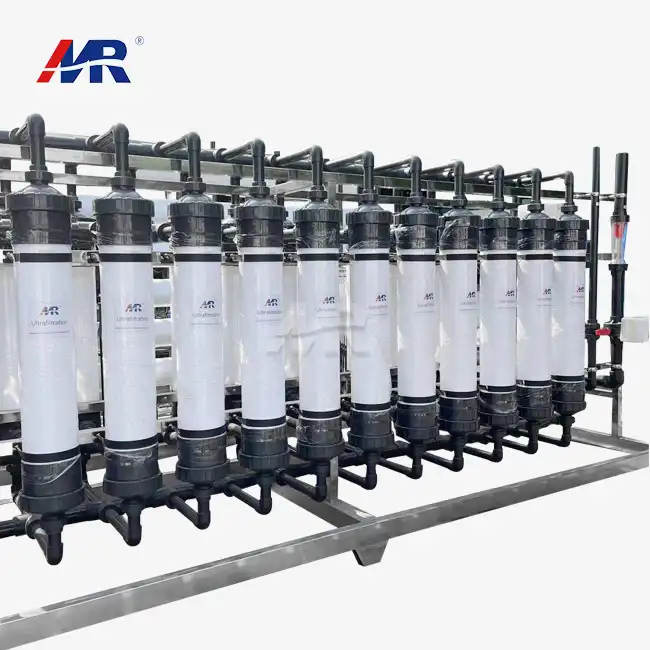
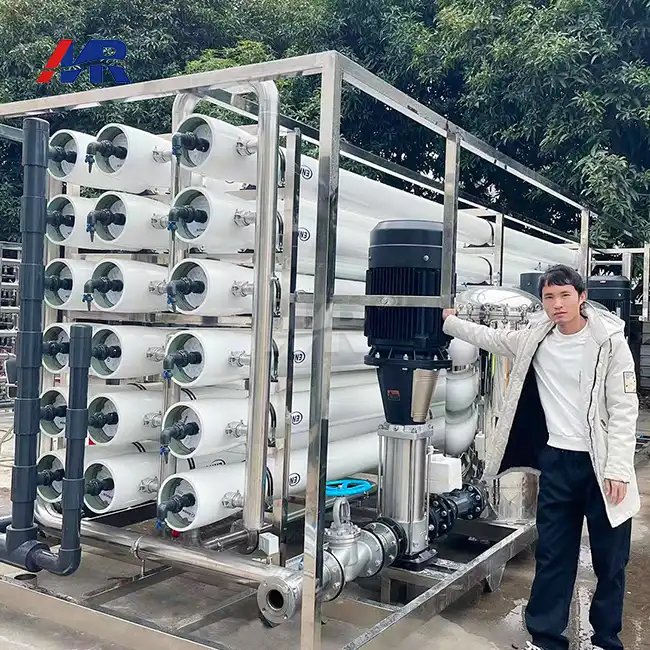
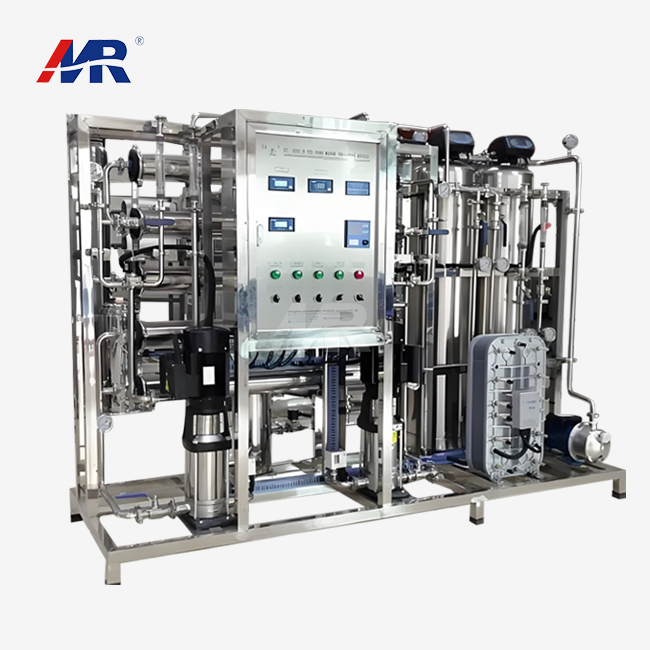
Normal reverse osmosis in reverse osmosis systems with remineralization has various barriers. Pre-filtration in reverse osmosis systems with remineralization removes silt and membrane-damaging substances. The semi-permeable ro membrane in reverse osmosis systems with remineralization, with pores around 0.0001 microns wide, blocks heavy metals, dissolved salts, bacteria, and viruses under pressure. Clean water runs through reverse osmosis systems with remineralization, flushing unwanted impurities down the toilet. For flavor, activated carbon is applied after filtering in reverse osmosis systems with remineralization.
Water science shows the danger of being careful. Most public water has 200–600 ppm total dissolved solids, whereas RO filtrate contains 5–20 ppm. Rough removal decreases pH to 5.5–6.5, making the environment mildly acidic. Despite being chemically pure, this water corrodes and lacks minerals humans evolved to ingest.
The Remineralization Stage
Mineral media in mineral repair filters target the RO membrane and include calcite, corosene, or both. Through controlled disintegration, this bed releases magnesium and calcium carbonate into solution when clean water passes through it. The method restores pH to 7.0–8.0 and adds 30–80 ppm of beneficial minerals. Unlike synthetic chemicals, these minerals are natural and resemble spring water.
Dosing control is technically brilliant. Concentration depends on contact duration and flow rate, whereas mineral ratios depend on filter medium composition. Industrial flow restrictors modify material volumes for specialized usage. Pharmaceutical facilities may seek restricted remineralization to fulfill USP criteria, while beverage companies modify mineral profiles to achieve their particular tastes.
Key Benefits of Reverse Osmosis System With Remineralization for B2B Clients
Knowing the actual rewards makes spending appear smart. Here are the primary benefits that affect operations and product quality:
- Infrastructure Protection: Acidic RO percolate erodes copper pipes, stainless steel tanks, and process equipment. A reverse osmosis system with remineralization, with a normal pH, reduces this acidic potential, saving food sector businesses 40 to 60% on pipe replacement. The calcium carbonate coating within pipes prevents corrosion without action.
- Regulatory Compliance: The EPA's Safe Drinking Water Act mandates mineral content in public water. Some governments set a minimal pH to prevent lead leaching from distribution systems. The Joint Commission regulates hospital and clinic water. Remineralization systems ensure consistent and verifiable mineral levels for regulatory inspectors.
- Process Stability: Manufacturing requires consistent water chemistry. To prevent waste from clinging to semiconductors, ultrapure water with regulated mineral return is needed. Recipe stability in beverage production requires predictable mineral baselines. Agricultural systems need a stable pH to avoid stressing cultivated animals. Integrated remineralization provides consistency instantly.
- Equipment Longevity: Mineral content prevents corrosion and scaling in downstream equipment. Mineral deposits are less likely in boilers, heat exchangers, and spray nozzles supplied with appropriately adjusted water. Power firms using remineralized RO for boiler feed claim 25–35% longer descale intervals.
These benefits for reverse osmosis systems with remineralization immediately reduce ownership costs. Remineralization filters in reverse osmosis systems with remineralization cost 8–12% of the system cost, but they increase equipment life, save maintenance, and prevent fines for violating regulations in reverse osmosis systems with remineralization.
Comparing Reverse Osmosis Systems With and Without Remineralization
Water Chemistry Differences
Standard RO flow is practically mineral-free with TDS below 20 ppm and pH between 5.5 and 6.5. Lab research that needs deionized water or electronics where mineral contamination might harm sensitive parts benefits from this high level of purity. This feature complicates drinking water and most commercial procedures that need a neutral pH.
A reverse osmosis system with remineralization produces 40–80 ppm TDS and 7.0–8.5 pH, depending on medium and contact period. Returning calcium and magnesium buffers pH when water and industrial chemicals are combined. Mineral-restored water tastes clean and fresh, but standard RO water tastes flat, according to taste groups.
Cost Structure Analysis
Adding minerals raises equipment costs. An industrial water treatment system that processes 5,000 gallons per day costs $12,000 without minerals and $13,500 with minerals. Installation remains tough.
The practical difference is filter replacement frequency. Mineral cartridges typically need to be replaced every 12–18 months, costing $200–$400 per year, depending on system size. However, long-term savings frequently offset these higher expenditures. Reduced pipe rust extends plumbing life by 5–10 years. Technology breaks less often, reducing emergency repair visits. Drink makers avoid rejecting batches due to uneven mineral profiles. When considering lifetime expenditures, remineralized systems can offer a superior ROI.
Buying and Procurement Guide for Reverse Osmosis Systems With Remineralization
Critical Technical Specifications
Purchase choices should prioritize capacity. Choose the peak hourly demand above the average daily consumption. Small systems impede peak-hour production. For repair freedom, flow rates should approximate downstream flow rates + 15–20%. Pharmaceutical manufacturing may need two systems while the primary system is maintained.
Standards determine membrane rejection rates and service lifetimes. If prepared before use, thin-film hybrid membranes may reject 96–98% of pollutants and survive 3–5 years. Although they reject fewer, cellulose acetate screens perform effectively in chlorine-rich environments.
Industry uses low-energy membranes because they reduce operating pressure and electricity utilization by 20–30%. Choice of remineralization medium impacts water composition. Pure calcite screens add calcium and minimal magnesium. Like pure spring water, corrosive medium has equal calcium-magnesium levels. Blended media mixtures can match process or recipe mineral ratios. Request an analytical certificate, media composition evidence, and NSF clearance.
Supplier Evaluation Criteria
Beyond tool requirements, supplier skills for reverse osmosis systems with remineralization affect project success. Ask whether the company gives skilled help for reverse osmosis systems with remineralization. Do they offer application engineering to ensure the reverse osmosis system with remineralization is the proper size? Does their service for reverse osmosis systems with remineralization include on-site operator training? Our experience in several firms demonstrates that complete aid for reverse osmosis systems with remineralization lowers startup time by 30 to 50% compared to buying equipment alone.
Warranty terms indicate manufacturer confidence. Top vendors provide longer membrane and control system warranties than standard one- to three-year warranties. Clarify what the guarantee doesn't cover—usually incorrect operation or pretreatment. Mission-critical programs lose thousands of dollars every hour without service response commitments.
OEM customisation can help businesses with private name tools or process control system integration. Can the vendor adjust cabinet sizes for a small space? Will they provide custom SCADA-connected control displays for your building? These qualities distinguish turnkey vendors from conventional tool sellers.
Budget Planning Essentials
The total cost of ownership includes purchase, installation, supplies, maintenance, and energy usage. Installation adds 15–25% to equipment prices, depending on site preparation and local labor expenses. Save for prep systems. Public water may need softening and chlorine removal before RO treatment.
Consumable costs include membrane replacement every three to five years, prefilter refills every three months, remineralization filters every year, and cleaning chemicals every six months. A 10,000 GPD commercial system may spend $2,500–$3,500 on consumables annually.
The kind of water and recovery rate determine energy usage. City-source systems require less energy than brackish water systems. You can negotiate cheaper costs when buying in bulk. Ordering many units saves 10–15%, while multi-year service contracts reduce maintenance costs. Request comprehensive cost breakdowns from at least three vendors whose Products satisfy the same requirements to discover the best price, not simply the cheapest.
Conclusion
The optimum balance of clean water and utility is a reverse osmosis system with remineralization. Standard RO eliminates pollutants well, but it quickly removes minerals and acidifies the pH, making downstream processes tougher. Adding regulated remineralization restores calcium and magnesium, neutralizing the pH while retaining the RO's purifying features that make it the top technology in many sectors.
The benefits are tool safety, regulation compliance, process stability, and decreased operating costs. Remineralization costs a little upfront, but longer infrastructure life and reduced care generally pay for it within two to three years. To execute good procurement, look beyond the purchase price. Be sure to evaluate technical standards, supplier expertise, and lifetime costs. This strategy assures that your water cleaning investment will operate properly and help your business succeed for years.
FAQ
1. Does remineralized RO water provide health benefits compared to standard RO water?
Remineralized water contains essential minerals like calcium and magnesium, whereas RO water does not. Drinking demineralized water may make you need more minerals in your meals, which is dangerous for individuals who don't receive enough. Remineralized reverse osmosis provides electrolytes to keep the body hydrated while maintaining its purity. Highly acidic water can cause gastrointestinal troubles, although a normal pH reduces this risk. Industrial facilities that provide clean drinking water benefit from this nutritional increase.
2. How often do remineralization filters require replacement?
Water production and mineral percentage determine how frequently they must be replenished. Residential systems that treat 10 to 15 gallons of water daily need replacement filters annually. Businesses using 1,000 to 5,000 gallons of water per day should replace every 12 to 18 months. Water flow meters and frequent checks determine the ideal time. A decline in pH or mineral content suggests empty media. Bulk filter purchases reduce unit costs and ensure supplies. In certain industrial systems, regenerable mineral tanks just need media refills instead of cartridge replacements. Service periods are increased to 2–3 years.
3. Can I taste the difference between regular RO and remineralized RO water?
Changes in sensation are obvious in blind tasting testing. Regular RO water tastes flat or somewhat acidic due to its low pH and lack of minerals. Remineralized water tastes like fresh spring water. The flavor and sensation are deeper with calcium and magnesium than with plain water. This distinction is essential to the beverage industry because remineralized water makes coffee and tea taste stronger. Bottled water firms aim for mineral content levels that improve flavor and purity compared to tap water.
Partner With Morui for Your Industrial Water Treatment Needs
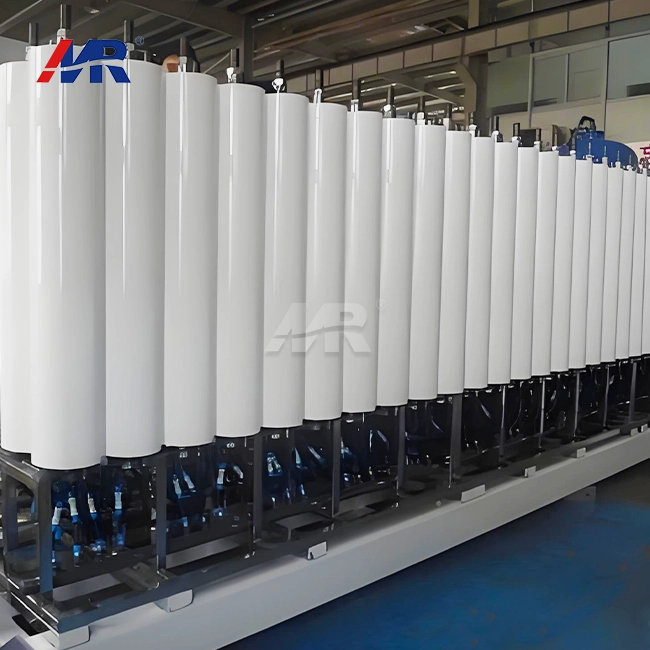
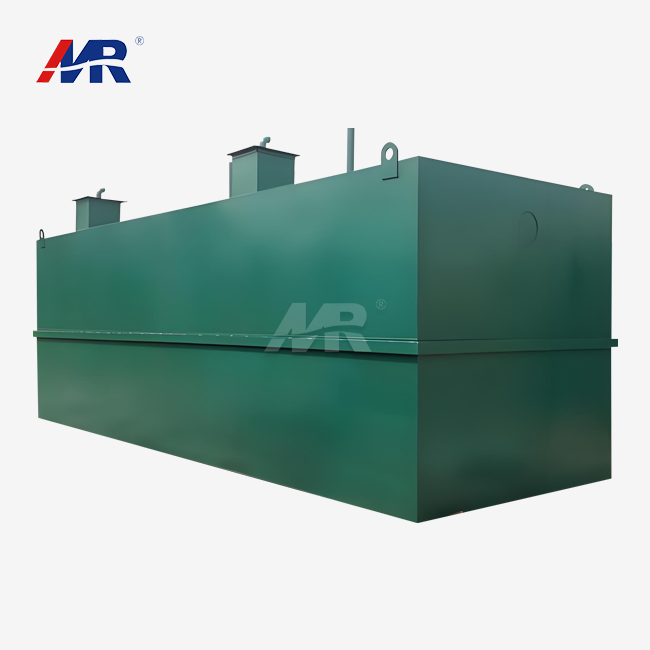
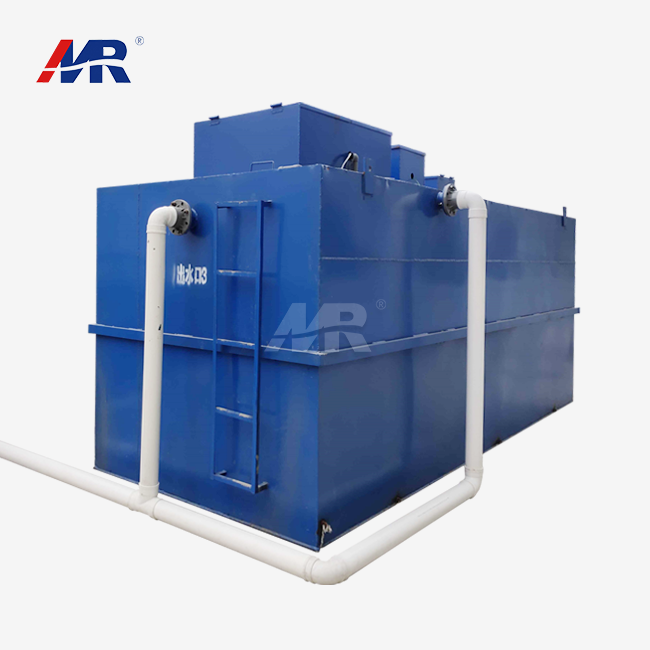
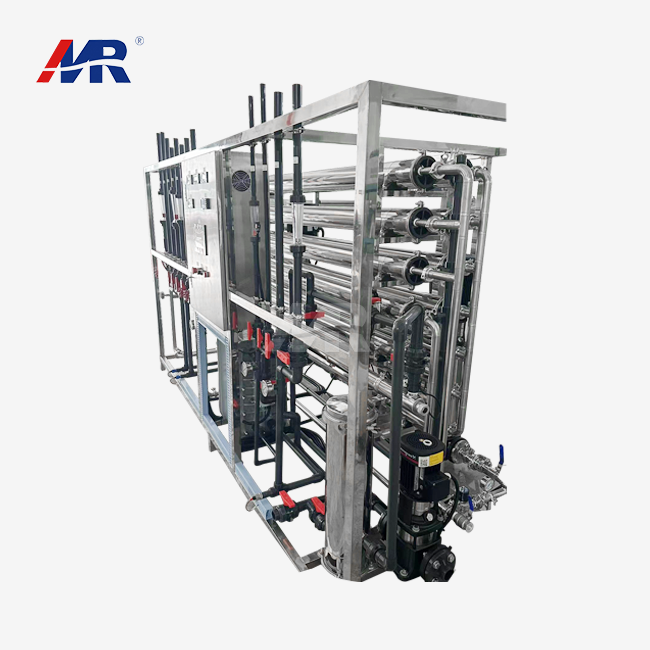
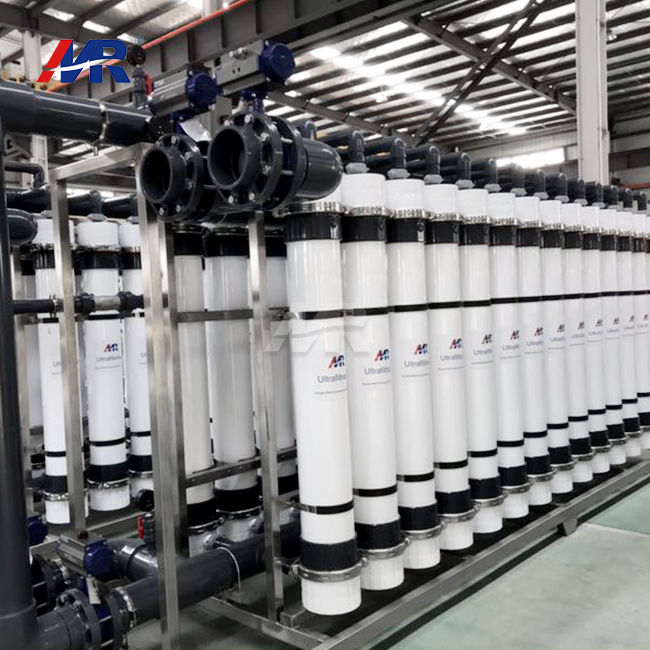
The medical, food processing, technology, and city government industries have given Guangdong Morui Environmental Technology extensive water treatment experience. Our reverse osmosis system with remineralization solves all water quality issues. It purifies water and adds healthy minerals to keep infrastructure safe and fulfill government regulations. Our trusted reverse osmosis system with remineralization manufacturer works with Shimge Water Pumps and Runxin Valves to develop customized systems.
Our 20-person engineering team assists with application sizing, installation, and improvement. Our 14 branches provide comprehensive solutions that include tools, installation, and operator training. Whether you require modest saltwater desalination units for offshore locations or large city water treatment systems that process millions of gallons per day, our knowledge ensures reliability. Contact benson@guangdongmorui.com for a detailed technical plan and price for water treatment.
References
1. World Health Organization. "Nutrients in Drinking Water: Health Implications of Mineral-Deficient Water." Geneva: WHO Press, 2005.
2. American Water Works Association. "Reverse Osmosis and Nanofiltration: Manual of Water Supply Practices M46." Second Edition, Denver: AWWA, 2007.
3. National Sanitation Foundation International. "NSF/ANSI Standard 58: Reverse Osmosis Drinking Water Treatment Systems - Requirements and Testing Protocols." Ann Arbor: NSF International, 2021.
4. United States Environmental Protection Agency. "Secondary Drinking Water Standards: Guidance for Nuisance Chemicals Including pH and Total Dissolved Solids." Washington: EPA, 2019.
5. Cotruvo, Joseph A. "Desalination Guidelines Development for Drinking Water: Background on Membranes, Health Concerns, and Remineralization." Geneva: World Health Organization, 2004.
6. Water Quality Association. "Technical Application Bulletin: Post-Treatment Considerations for Reverse Osmosis Systems Including Remineralization Strategies." Lisle: WQA, 2018.