_1745823981883.webp)

Leachate Treatment Solutions for Industrial Effluent: Meeting Environmental Standards
Manufacturing, chemical processing, and waste management firms are under increasing pressure to adequately treat dirty wastewater with a leachate treatment system. Heavy metals, dissolved organics, ammonia, and other harmful compounds are collected by a leachate treatment system, which treats one of the most challenging forms of industrial wastewater. Effective treatment with a leachate treatment system saves groundwater, ensures EPA and state release permit compliance, and indicates a corporation cares for the environment. Disk Tube Reverse Osmosis (DTRO) and other sophisticated membrane technologies within a leachate treatment system have transformed how facilities handle these complex waste streams, boosting concentrations by 6 to 8 times while cutting costs and extending equipment life
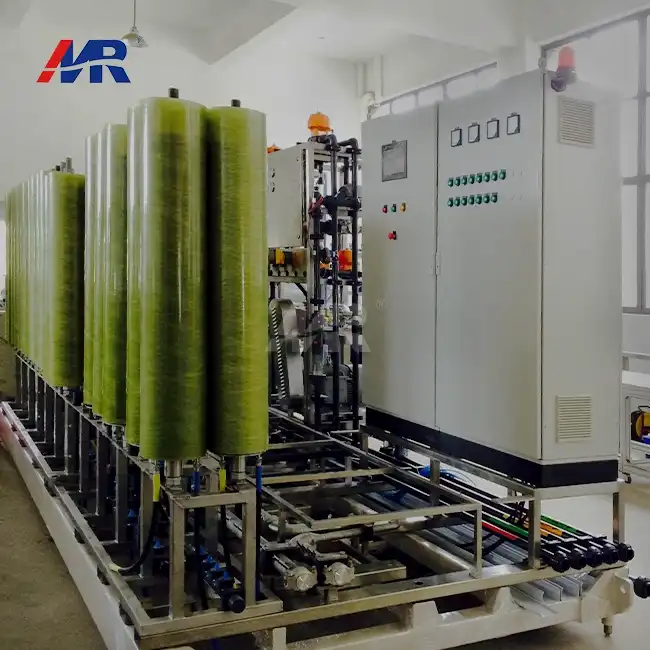
Understanding Leachate Treatment Systems: Principles and Processes
Industrial leachate requires a multi-step cleanup process. Building engineers and procurement managers may make wise investment decisions that follow standards and run smoothly by understanding these systems.
Multi-Stage Treatment Architecture
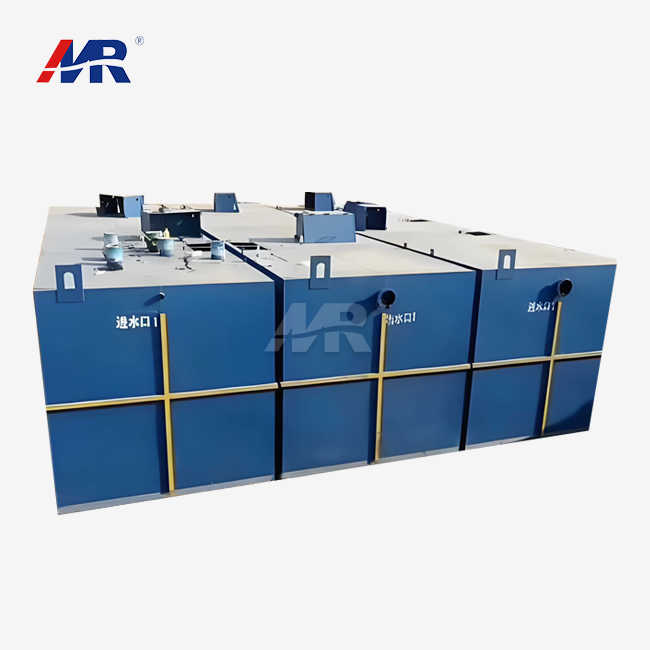
Modern cleaning technologies remove impurities one by one in a certain order. Basket filters remove large particles and dissolved materials during the first screening process. This prevents downstream equipment damage. Equalization tanks stabilize flow rates and chemical composition, preventing shock loads from reducing treatment efficacy. This initial stage maintains influent characteristics, which improves system stability and reduces maintenance.
Chemical preconditioning increases coagulants and lowers pH, making colloidal particles less stable. This process settles dissolved metals before they reach membranes that are readily damaged, making it useful for electroplating and metal finishing wastewater treatment. Sand filtration removes 50-micron particles and protects high-pressure pumps and membranes.
Advanced Membrane Separation Technology
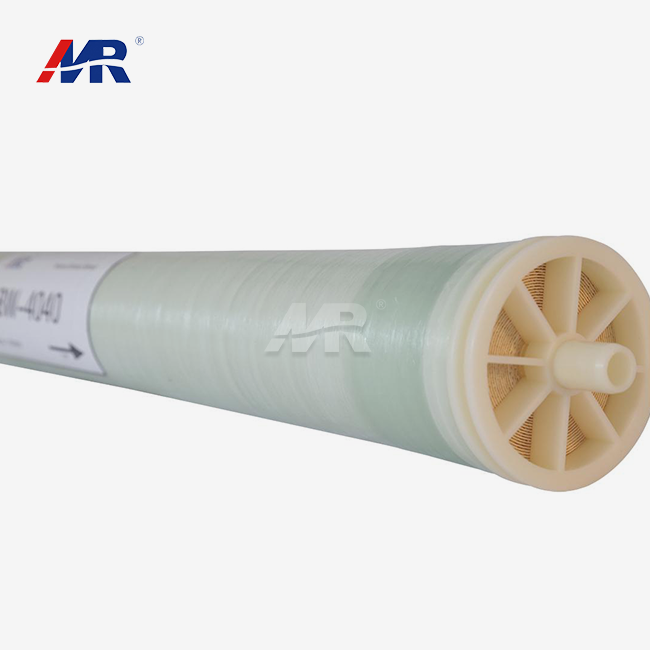
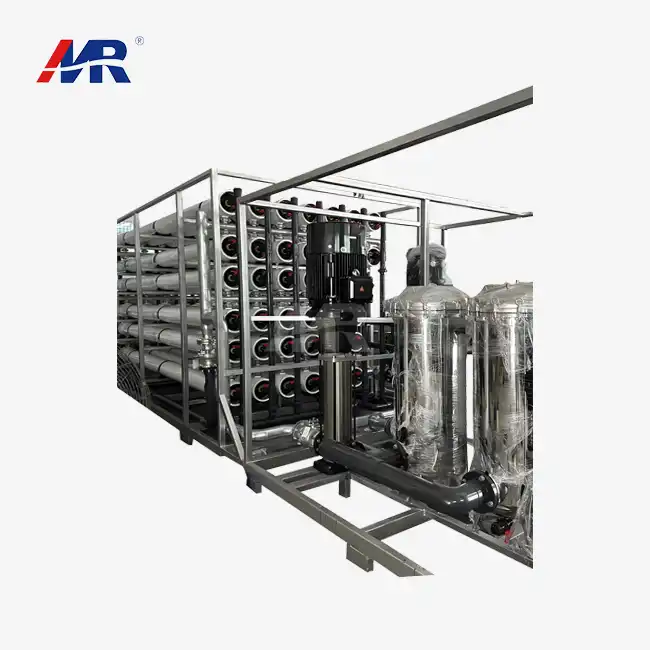
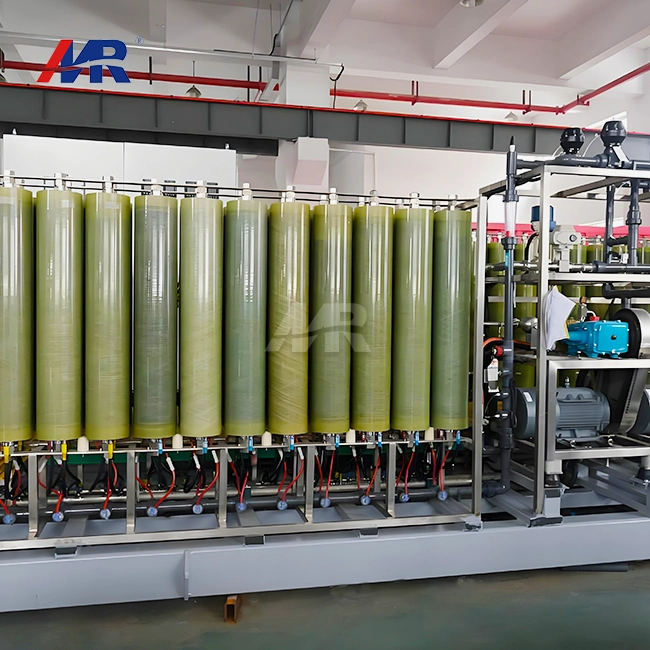
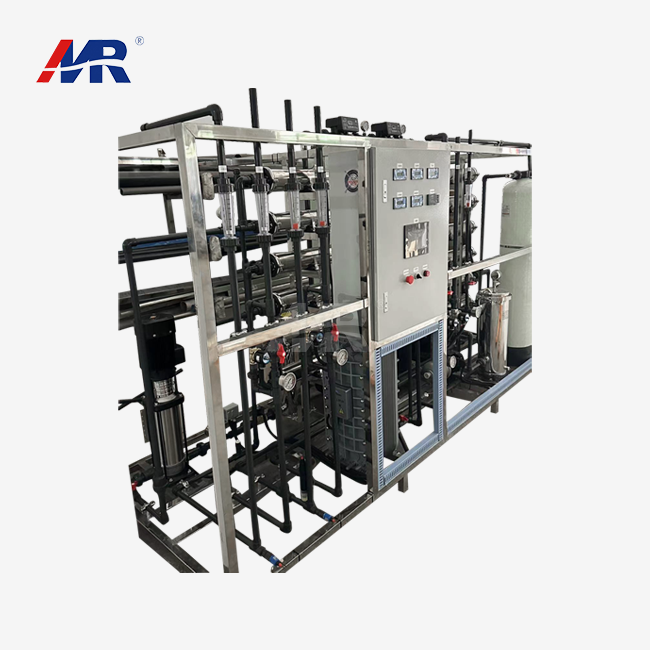
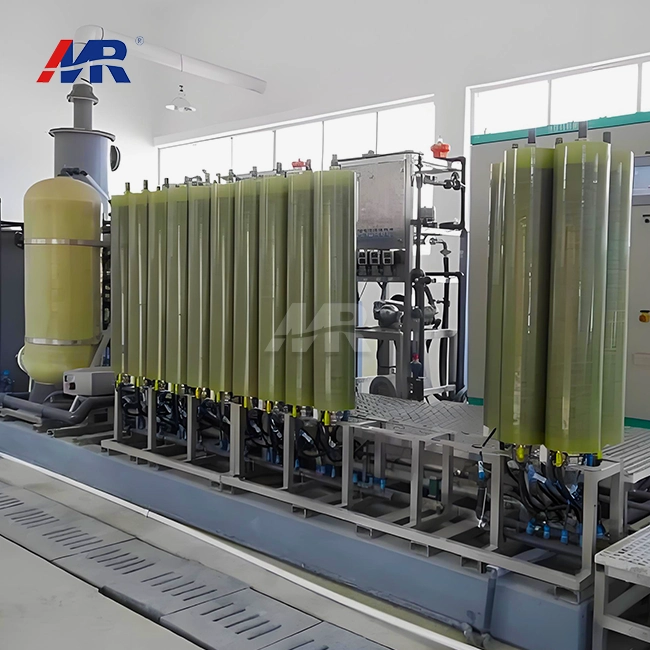
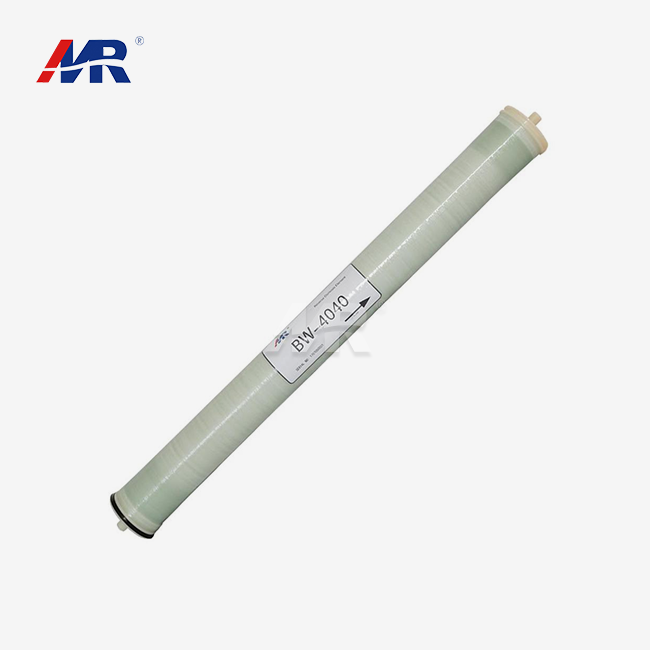
Good waste management relies on reverse osmosis. DTRO systems employ disk-shaped membrane units to manage high total dissolved solids. Due to its open-channel architecture, DTRO doesn't get clogged with particles and scaling chemicals like spiral-wound membranes. Permeate flow is steady even in rough feedwater.
Water molecules are pushed through semi-permeable barriers at 400–1000 psi in these systems without impurities. On average, 12–20% of influent flow is concentrated reject stream, which has 6–8 times more pollutants. Whether facilities evaporate concentrate, pump it deep underground, or transport it away, this significant volume reduction reduces dumping costs.
Secondary DTRO stages in a leachate treatment system polish the first-pass penetration for tight discharge quality. The U.S. limits biochemical oxygen demand, total suspended solids, and top pollution for a leachate treatment system under the Clean Water Act. Two-stage membrane treatment in a leachate treatment system always generates wastewater below 10 mg/L BOD and 5 mg/L TSS, meeting tight requirements.
Comparing Leachate Treatment Technologies for Industrial Applications
To choose the correct cleaning procedure, consider the pollutants, water outflow, and total cost of ownership. Varied approaches have varied benefits depending on building circumstances.
Biological Treatment Methods
Aerobic systems break down organic compounds with air-dependent bacteria. These systems perform well for biodegradable wastewater but struggle with industrial runoff with a lot of ammonia or organic compounds. Capital costs are still modest, but they require a lot of space and are sensitive to shock loads, making them unsuitable for tiny industrial districts.
Anaerobic digestion generates biogas from vast volumes of organic matter, lowering energy costs. Startup takes 3–6 months and requires rigorous weather management. Food and beverage processors produce high-strength effluent; thus, anaerobic pretreatment and aerobic cleaning are preferred.
Membrane Technology Advantages
Reverse osmosis and nanofiltration remove more pollutants. Membrane systems require roughly 40–60% less area than biological alternatives, which is significant in small spaces. Automation reduces labor, and flexible design enables the system's capacity to increase without replacing it.
Membranes worked in Winsonda, where the DTRO concentration was multiplied by 6–8 times, decreased evaporation volume. Equipment, energy, and chemical costs dropped significantly. This reduced running expenses and extended system life.
Choosing the Right Leachate Treatment Solution: A Practical Guide
Purchase decisions have long-term implications on operations and should be carefully considered. Before choosing tools or providers, decision-makers should consider many variables.
Effluent Characterization and Regulatory Requirements
Effective system design requires a complete water quality evaluation. Total dissolved solids, molecular oxygen requirement, heavy metals, and pH affect technology choice. Instead of spot samples, facilities should test during all operational cycles to determine the worst-case scenario.
Discharge permits limit pollutants, affecting cleaning requirements. Most municipalities allow more when sewers empty than when open water does. Knowing a permit's bounds prevents over- or under-designing, which can result in federal fines of up to $50,000 per day.
Customized Versus Standardized Solutions
Complex leachate from chemical or pharmaceutical production requires specialized leachate treatment systems to manage pollutants. Custom trash-based designs for the leachate treatment system involve preparation, membrane selection, and polishing following treatment. Engineering expenditures for the leachate treatment system add 15–25% to project budgets, but enhanced performance and dependability are worth it.
When wastewater is relatively strong and consistent, standardized approaches work well. Packaged DTRO units are assembled, reducing installation time from 4–6 months to 6–8 weeks. Standardized designs are 30–40% cheaper than custom choices and perform well for food processors, small producers, and local landfills.
Leveraging Latest Technologies and Innovations in Leachate Treatment
Technology improves treatments, lowers prices, and extends their lifespan. Knowing new choices helps facilities keep ahead of the competition and satisfy environmental criteria.
Advanced Biological and Chemical Processes
New bacterial groups created for industrial wastewater break down difficult compounds better. High-profile colleges have discovered microorganisms that can degrade non-biodegradable medications, insecticides, and synthetic plastics. Bioaugmentation Products with these organisms reduce organic loads 30–50% better than activated sludge.
Electrochemical oxidation is another intriguing discovery. Low-voltage electricity sent through specific electrodes produces hydroxyl radicals that disrupt complicated organic bonds. Pharmaceutical firms claim 90% or more elimination of non-biodegradable antibiotics from wastewater.
Integrated Membrane Systems
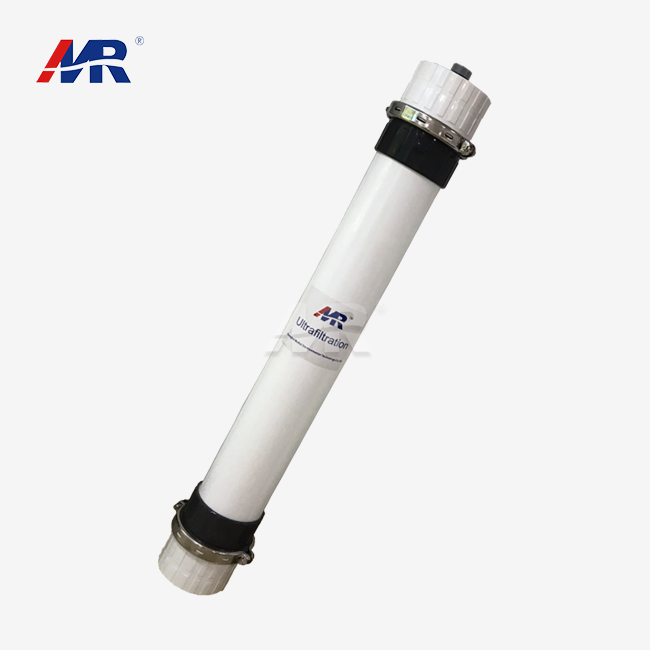
Ultrafiltration membrane bioreactors treat live matter and remove contaminants. Submerged membranes provide high-quality effluent from small systems without clarifiers. Upgraded biological plants using MBR technology may boost capacity by 200 to 300 percent in the same space and remove trash.
Nanofiltration is between ultrafiltration and reverse osmosis. It lets monovalent salts through but eliminates divalent ions and organic compounds. This selective separation consumes 20–30% less energy than RO without complete demineralization. It's helpful for dyeing fabrics and tanneries.
Best Practices for Maintaining and Optimizing Leachate Treatment Systems
Maintenance affects treatment efficacy, equipment lifespan, and legal compliance. Strict standards prevent costly mistakes and ensure systems perform the same throughout their lifespan.
Routine Inspection and Preventive Maintenance
Check the pump weekly for leaks, pressure readings, and chemical input levels. Oiling motors, testing high-pressure pump seals, and calibrating scientific equipment monthly are required. Every three months, the membrane is cleaned to eliminate foulants before they cannot be reversed, keeping permeate flow between 10–15% of typical rates.
Part replacement schedules for a leachate treatment system prevent unexpected breakdowns. Cartridge filters in a leachate treatment system should be replaced every 30–90 days, depending on how dirty the water is. Membrane units in a leachate treatment system endure three to five years if cleaned correctly and examined annually for soundness. In case of failure in a leachate treatment system, having adequate spare pump seals and control valves reduces downtime.
Performance Optimization Through Data Analysis
You can improve by monitoring key performance indicators. Flux decrease rates indicate fouling severity and cleaning effectiveness. Energy usage per gallon handled indicates poor working conditions that can be improved by process modifications. Monitoring recovery rates ensures systems perform as anticipated and don't drift toward less-than-ideal situations.
Regular third-party checks provide fair assessments. Experts evaluate chemical consumption, energy savings, and maintenance. Small process modifications can save expenses by 10–20%. Their knowledge enhances ours, especially for complex commercial usage.
Regulatory Compliance and Documentation
Discharge permits need periodic sampling and reporting. Facilities usually monitor pH, temperature, flow rate, and pollutants daily. They must transmit complete parameter panels to a lab for analysis monthly. Electronic record-keeping systems promptly report infractions and simplify compliance.
Annual compliance certificates need detailed working summaries, repair records, and upset incident reports. Keep paperwork organized to save facilities during regulatory reviews and demonstrate good faith if regulations are ignored.
Conclusion
Industrial leachate removal needs sophisticated technologies that balance compliance, efficiency, and profit. Modern DTro membrane systems remove impurities better, generate less waste, and cost less to operate. To pick the proper technology, consider effluent characteristics, discharge standards, and site limits. New membrane design, biological treatment, and digital technologies improve and extend life. Data-driven maintenance and enhancement ensure systems perform reliably and lawfully throughout their lifecycles, protecting commercial interests and natural resources.
FAQ
1. What is the typical installation timeline for industrial leachate treatment systems?
From delivery to completion, standard DTRO kits take 6–8 weeks to build foundations, equipment, pipes, power, and start up. Custom-engineered systems require 4–6 months to ship due to meticulous planning, specific parts, and plant testing. Permits add two to four months in most regions.
2. Which environmental regulations govern leachate discharge in the United States?
The Clean Water Act provides nationwide release regulations through the National Pollutant Discharge Elimination System permit structure. Facilities that discharge garbage into open seas must meet guidelines concerning waste volume and water cleanliness. State environmental agencies normally have stricter permission regulations than the feds. The Resource Conservation and Recovery Act regulates harmful waste leachate.
3. Can leachate treatment integrate with existing wastewater infrastructure?
Current system design and ability determine integration. Membrane cleansing following biological processes improves waste quality without buying new equipment. Hydraulic, electrical, and room availability determine feasibility. Engineering assessments identify upgrades, which cost 40–60% less than new systems.
Partner With Morui for Advanced Leachate Treatment System Solutions
Guangdong Morui Environmental Technology has 14 offices and 20 trained engineers who supply leachate treatment system solutions. Our comprehensive approach comprises DTRO membrane technology, building-specific installation, and commissioning. To ensure the reliability of our leachate treatment systems, we construct our own membranes and collaborate with Shimge Water Pumps and Runxin Valves. Morui's turnkey solutions solve the toughest industrial effluent problems while minimizing life cycle costs. Many North American factories, pharmaceutical, chemical, and local clients employ these solutions. Email our technical staff at benson@guangdongmorui.com for a complete system analysis and customized designs that match your financial and environmental compliance requirements.
References
1. Chen, X., Huang, C., and Zhang, W. (2021). "Advanced Membrane Technologies for Industrial Leachate Treatment: Performance Evaluation and Economic Analysis." Journal of Environmental Engineering, 147(8), 04021032.
2. U.S. Environmental Protection Agency. (2019). "Industrial Wastewater Treatment Technology Database: Leachate Management Best Practices." EPA-821-R-19-006, Office of Water, Washington, DC.
3. Renou, S., Givaudan, J.G., Poulain, S., Dirassouyan, F., and Moulin, P. (2008). "Landfill Leachate Treatment: Review and Opportunity." Journal of Hazardous Materials, 150(3), 468-493.
4. Wang, L.K., Shammas, N.K., and Hung, Y.T. (2020). "Advanced Biological Treatment Processes for Industrial Wastewaters: Principles and Applications." Humana Press, New York.
5. Kurniawan, T.A., Lo, W.H., and Chan, G.Y. (2006). "Physico-Chemical Treatments for Removal of Recalcitrant Contaminants from Landfill Leachate." Journal of Hazardous Materials, 129(1-3), 80-100.
6. National Research Council. (2018). "Membrane Technology Innovations for Industrial Wastewater Treatment: Assessment of Current Practice and Future Directions." National Academies Press, Washington, DC.