

_1745823981883.webp)

Purified by Reverse Osmosis: Process and Water Quality Explained
In both commercial and industrial settings, water purified by reverse osmosis is one of the greatest techniques to eliminate impurities and achieve high water quality with a filter press machine. Water is filtered to remove some contaminants using a filter press machine. Up to 99% of water salts, bacteria, viruses, and pollutants are removed by a filter press machine. This technology is needed to create medications, electronics, food, beverages, and clean public water with a filter press machine. This is because clean water affects product quality, compliance, and operational security for a filter press machine.
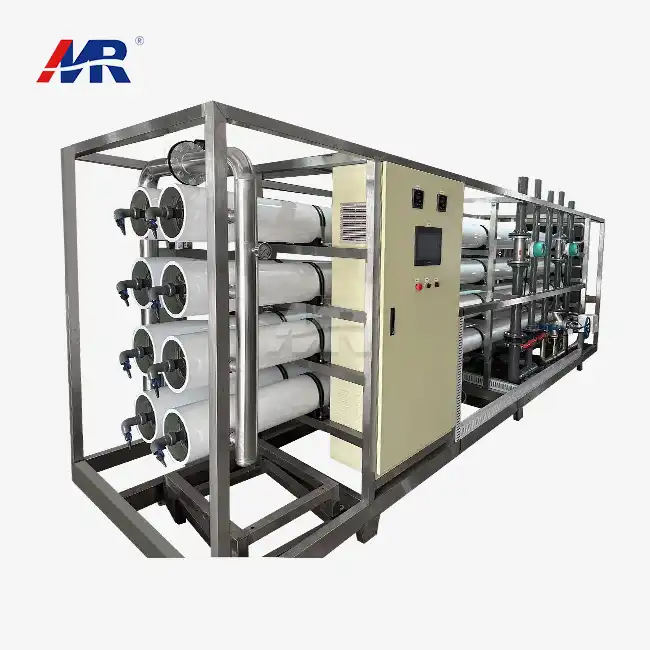
Understanding the Reverse Osmosis Purification Process
After reverse osmosis, numerous stages filter the water to ensure quality. These techniques help buying experts understand a system and match tool specs to their needs.
The Multi-Stage Filtration Architecture
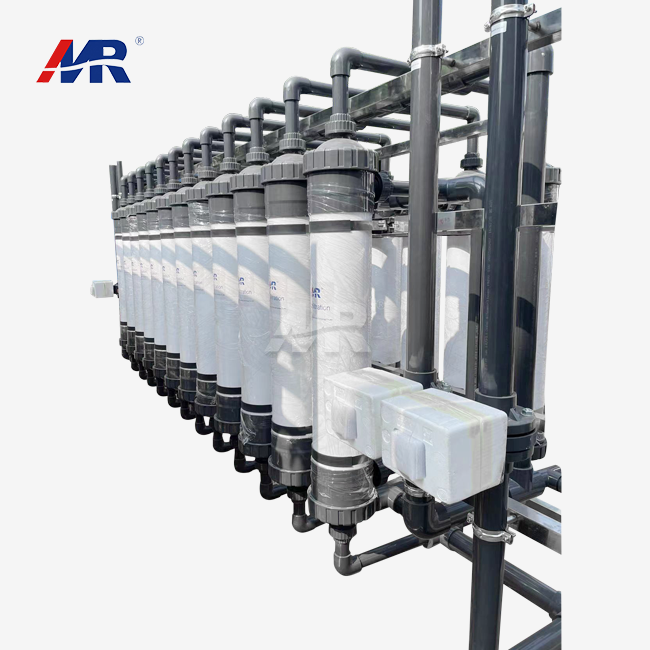
Contemporary RO systems feature three to five cleaning phases. Each step eliminates various impurities. Pre-filtration pieces safeguard the sensitive RO membrane from damage or clogging early in the construction process. Material filters capture debris, rust, and sand that may block membrane openings. Then, carbon filters remove chlorine, volatile organic compounds, and other pollutants that damage membranes or alter flavor.
Scientists value the semipermeable barrier highly. The holes are 0.0001 microns wide. It is so thin that only water molecules may pass. Dissolved salts, minerals, and microorganisms cease. Pressurized water flows through the screen. 60–80 psi is usually suitable for local water uses. However, ocean cleaning requires larger pressures.
Technical Performance Specifications
Many critical factors can determine reverse osmosis system performance. The rejection rate shows how many poisons were removed. Bacteria and viruses reject almost 100%, whereas dissolved salts reject 95–99%. Clean water from feed water: how much? This is represented by the recovery ratio. The ratios for modern systems are 1:1, whereas previous ones were 1:3. These advancements greatly reduce costs and environmental impact by making enterprises more efficient.
Thin-film hybrid polyamide films purified by reverse osmosis are common in business. Their chemical resistance is better than that of cellulose acetate variants. System water capacity purified by reverse osmosis is measured in gallons per day. Small usage can have 50 GPD, whereas light corporate use can have over 1,000 GPD or greater for industrial settings purified by reverse osmosis. A third party verifies quality systems' structural stability and pollutant reduction claims for NSF/ANSI 58 accreditation, purified by reverse osmosis
Water Quality and Health Implications of RO Purified Water
In terms of water purity, reverse osmosis is always best. This makes it the finest option for precise water chemical management.
Purity Metrics and Contaminant Removal
Water purified by reverse osmosis has TDS levels of less than 10 ppm, compared to 150–500 ppm in municipal water. The barrier blocks heavy metals, fluoride, nitrates, sulfates, and pharmaceutical remnants. This cleans water well.
The method effectively removes harmful bacteria, viruses, and protozoan cysts from water. Understanding microorganism control is crucial for product safety and compliance. This talent is useful in medication production, medical administration, and food preparation. Multiple barriers, including pre-filtration, membrane separation, and post-treatment, prevent water contamination.
Mineral Content and Remineralization Strategies
RO systems remove harmful contaminants and beneficial minerals like calcium, magnesium, and potassium from water. This is usually harmless, some firms utilize remineralization to increase nutrients and flavor. Mineral input devices or calcite filters may add minerals to the water without affecting reverse osmosis.
Data labs and electronics manufacturers require clean water. Mineral concentration is maintained low to avoid disrupting delicate processes. Beverage companies may vary mineral concentrations to flavor or fulfill nutritional label criteria. This lets system architects customize water composition for many requirements.
Comparing Reverse Osmosis with Alternative Water Purification Technologies
Know what each water cleaning method can and cannot achieve for your needs to select the best one.
Carbon Filtration and Activated Carbon Systems
A carbon filter removes chlorine, toxic organic compounds, and smell and taste-changing organic substances purified by reverse osmosis. Activated carbon is absorbed by reverse osmosis. As water passes through the filter bed, pollutants attach to carbon purified by reverse osmosis. While carbon filtration can remove certain contaminants, it cannot remove minerals, dissolved salts, or germs from water purified by reverse osmosis. It works well with water purified by reverse osmosis. Factory RO systems sometimes contain carbon filters before and after them to improve performance, purified by reverse osmosis.
Distillation Methods and Energy Considerations
Distillation boils water and gathers steam to purify it. This approach removes most dissolved sediments, minerals, and non-volatile pollutants. Because it requires a lot of energy, distilling big volumes of material is expensive. Businesses usually save money on reverse osmosis systems because they require less energy and run at room temperature.
Procuring Reverse Osmosis Purified Water Solutions for Business
You must consider technical specifics, seller expertise, and the total cost of ownership to acquire RO systems that function.
System Capacity and Scalability Assessment
First, precisely anticipate how much water will be needed to determine system capacity. To purchase the correct size tools, you need to know how much you use during peak hours, daily, and annually. Too little system slows it down and wears out its parts faster. System overuse wastes capital. A growing firm should choose systems that can be expanded by adding membrane tanks instead of replacing them.
How to build the system depends on the feed water quality. If TDS, temperature, or pollution are excessive, the membrane may need better pre-treatment, a new chemical, or additional surface area. Be sure to examine the feed water before buying anything to ensure that the instruments you pick can reliably produce the water quality you want from the source water.
Certification Standards and Compliance Requirements
RO systems with the NSF/ANSI 58 designation fulfill high-performance and safety criteria. It implies the system is good. This third-party proof supports pollution reduction and housing strength. Business equipment in restricted areas, such as food and drink, should comply with regulations. Examples include FDA food and drink standards, USP medication standards, and SEMI semiconductor specs.
Good materials impact how well something operates and follow the rules. Food- and medicine-grade lines, plugs, and covers keep everything clean and regulator-approved. Different companies need different documentation. Medical and pharmaceutical applications require many paperwork and processes to perform effectively.
Maintenance and Longevity of Reverse Osmosis Systems
Maintaining the system influences its performance, water quality, and equipment lifespan, which affects the total cost of ownership.
Routine Maintenance Protocols
The pre-filter should be replaced every six months; this might vary depending on feed water quality and use. Sediment and carbon filters keep ro membranes clean and working. They should be replaced often to maintain system efficiency. Pressure difference data, not fixed timings, should be used to track filter replacements since water conditions impact filter life.
RO membranes need periodic cleaning to remove scale and germs. Commercial automatic cleaning-in-place devices are common. These technologies clean membrane units without disassembling them. Feed water quality determines cleaning frequency. Monthly cleaning is needed for dirty apps. Apps with clean water may last three years without cleaning. Cleaning properly and with the correct materials won't damage membranes and restore flow rates.
Performance Monitoring and Troubleshooting
Key performance factors for a filter press machine are checked and purified by reverse osmosis regularly to identify new concerns before they affect production or water quality. By monitoring the transfer rate, TDS rejection, and recovery ratio on a filter press machine, you may see a part breaking, the membrane clogging, or the system pressure fluctuating. Building management solutions coupled to automated tracking systems for a filter press machine allow pre-planned maintenance. This minimizes downtime and optimizes part replacement on a filter press machine.
Lower penetration or slower flow rates may indicate a damaged membrane, seal, or fouling. Workers need to know the usual performance level to distinguish between minor maintenance and major technical issues. Fully trained staff and simple debugging methods make it easy to respond rapidly to speed changes.
Extending Equipment Lifespan
Used properly and within its limits, a part lasts longer and costs less to replace. Check feed water temperature, feed pressure, and pre-treatment. Together, they prevent membrane breakdown. RO membranes should last five to seven years in industrial systems if properly maintained. However, systems utilized in harsh conditions or neglected may need to be replaced after two to three years.
Water quality monitoring equipment and automated control systems are worth the money. These reduce membrane cleaning and extend their lifespan. To ensure system longevity, set aside 10–15% of the initial cost annually for maintenance, refills, and part repair.
Conclusion
That stated, reverse osmosis cleans water best, making it ideal for harsh industrial applications. A multistage semipermeable membrane filter may remove up to 99% of dissolved pollutants at ambient temperature. When you know the system's design, performance criteria, and maintenance needs, you can make wise acquisitions that match tool abilities to business demands. Choose a business carefully, make sure the system is the proper size, and follow maintenance programs to keep the water pure and the tools lasting. Buying a competent RO system with complete technical assistance helps a business succeed and comply with the law.
FAQ
1. Is water purified by reverse osmosis safe for daily consumption?
In metropolitan water systems, commercial settings, and industrial settings worldwide, water purified by reverse osmosis is safe to drink every day. The procedure removes bacteria, viruses, heavy metals, and chemicals. Also fulfills or exceeds federal safety standards. Some nutrition-focused applications add minerals after treatment to improve flavor and health, although most don't need to do this for safety reasons.
2. How does RO compare with carbon filtration for commercial applications?
RO systems remove many pollutants. They dissolve salts, minerals, and germs; carbon filters can't. This approach works well with RO technology because it removes chlorine, organic compounds, and water-tasting molecules. Most businesses combine both technologies. Carbon pre-filters protect RO membranes. Final water polishing comes from carbon post-filters. These technologies improve water quality together.
3. What filter replacement schedule should commercial operations expect?
Pre-filters should be changed every six months, depending on feed water quality and use. To effectively utilize RO membranes, have a professional clean them every one to three months and change them every five to seven years. Post-filter replacement plans frequently match pre-filter replacement plans. By monitoring pressure and water quality, condition-based maintenance may determine when to replace parts and minimize unnecessary modifications.
Partner with Morui for Superior Reverse Osmosis Solutions
Guangdong Morui Environmental Technology offers commercial and industrial purification by reverse osmosis systems for water treatment. Our business designs, develops, and installs whole water purification systems. Fourteen offices, 500 industrious people, and 20 qualified engineers assist us. We own membrane and tool companies. We sell high-quality Shimge Water Pumps, Runxin Valves, and Createc Instruments parts. Our complete solutions include planning, installation, commissioning, and expert support. Our technology can create medications, food, beverages, gadgets, and city water purification systems. We purify manufacturing wastewater, eliminate ocean salt, and manufacture ultrapure water for difficult applications. We manufacture and sell reverse osmosis systems, so trust us. Our tools are sturdy, reliable, and foreign-standard-approved. Please contact our technical staff at benson@guangdongmorui.com to discuss your water quality needs and receive a free price.
References
1. American Water Works Association. (2020). Reverse Osmosis and Nanofiltration: Manual of Water Supply Practices M46. Denver: AWWA Publications.
2. Greenlee, L.F., Lawler, D.F., Freeman, B.D., Marrot, B., & Moulin, P. (2019). Reverse osmosis desalination: Water sources, technology, and today's challenges. Water Research, 43(9), 2317-2348.
3. National Sanitation Foundation International. (2021). NSF/ANSI Standard 58: Reverse Osmosis Drinking Water Treatment Systems. Ann Arbor: NSF International.
4. Crittenden, J.C., Trussell, R.R., Hand, D.W., Howe, K.J., & Tchobanoglous, G. (2018). MWH's Water Treatment: Principles and Design (3rd ed.). Hoboken: John Wiley & Sons.
5. World Health Organization. (2017). Guidelines for Drinking-water Quality: Fourth Edition Incorporating the First Addendum. Geneva: WHO Press.
6. Membrane Technology Research Institute. (2021). Industrial Reverse Osmosis Systems: Design, Operation, and Optimization. San Diego: Academic Press.
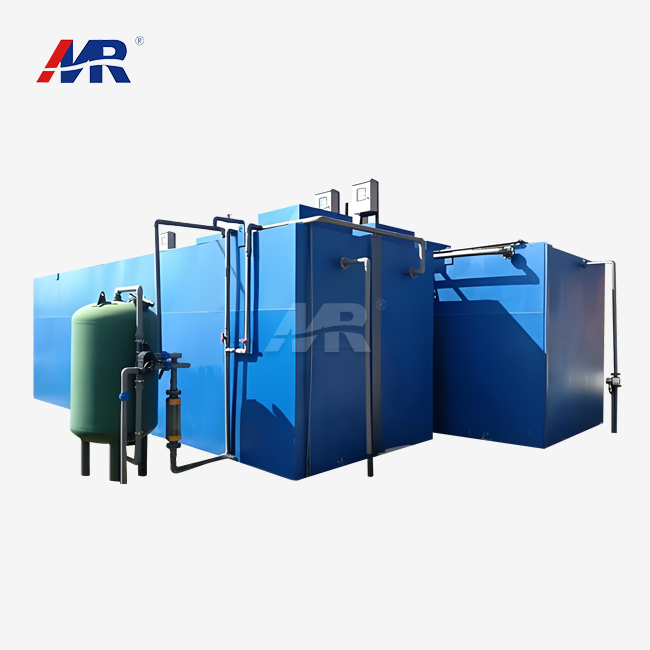 VIEW MOREsewage treatment plant
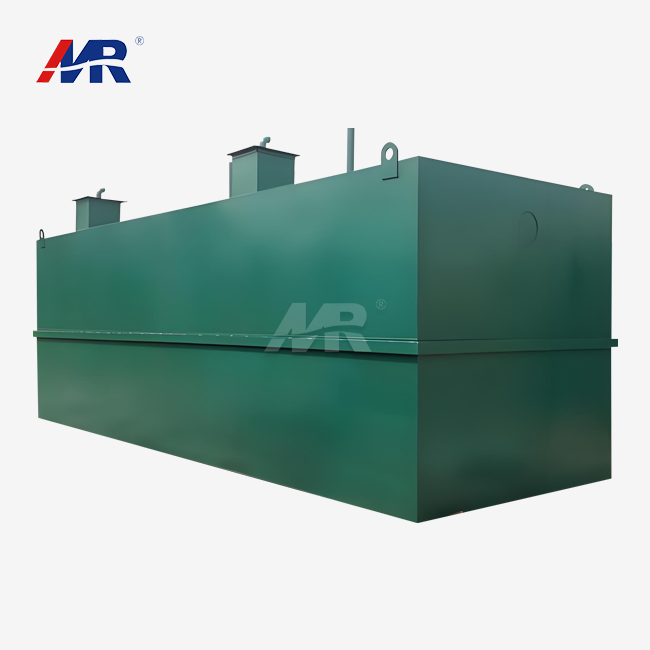 VIEW MOREwaste water treatment system
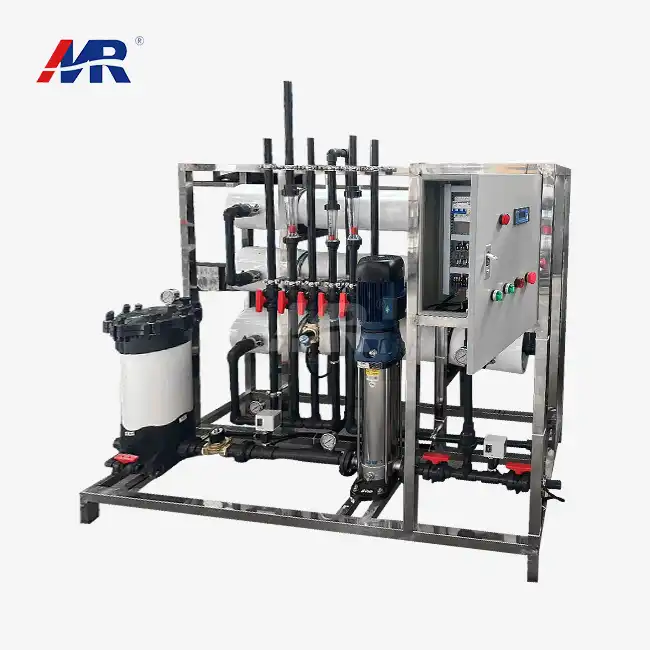 VIEW MORE3T/H reverse osmosis equipment
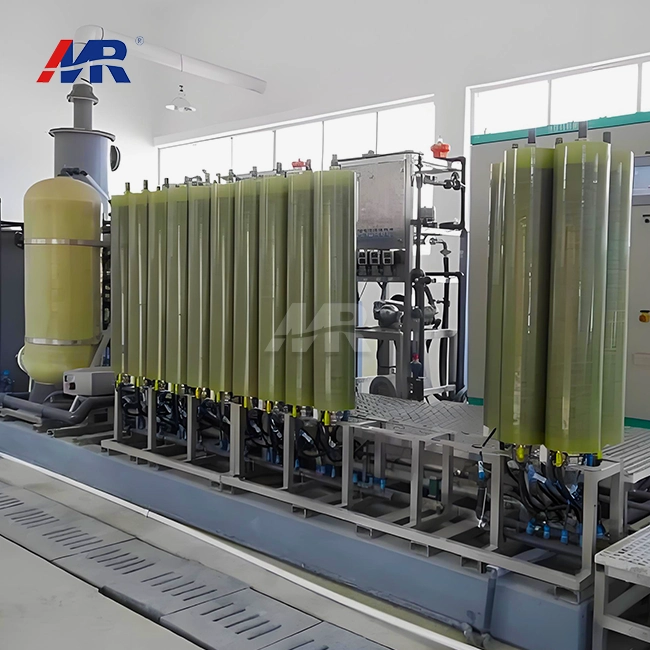 VIEW MOREDTRO Landfill Leachate Treatment
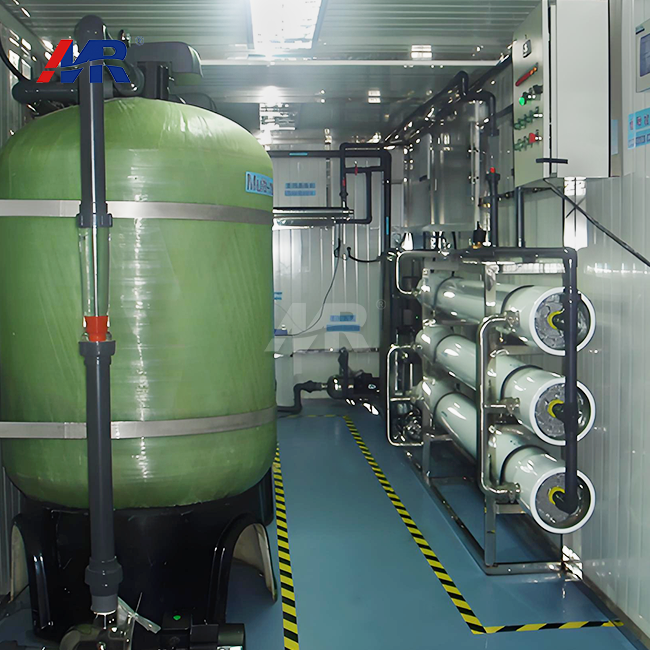 VIEW MOREContainerized Mobile Water Treatment Systems
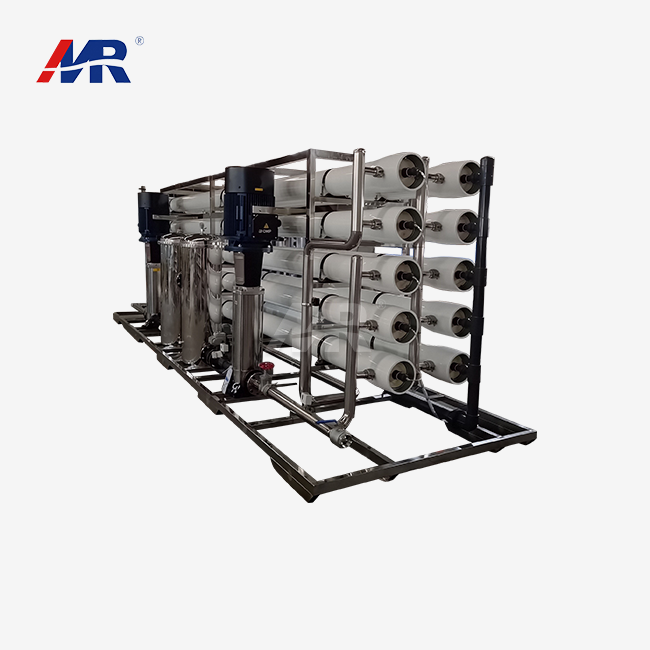 VIEW MORE2 stage reverse osmosis system
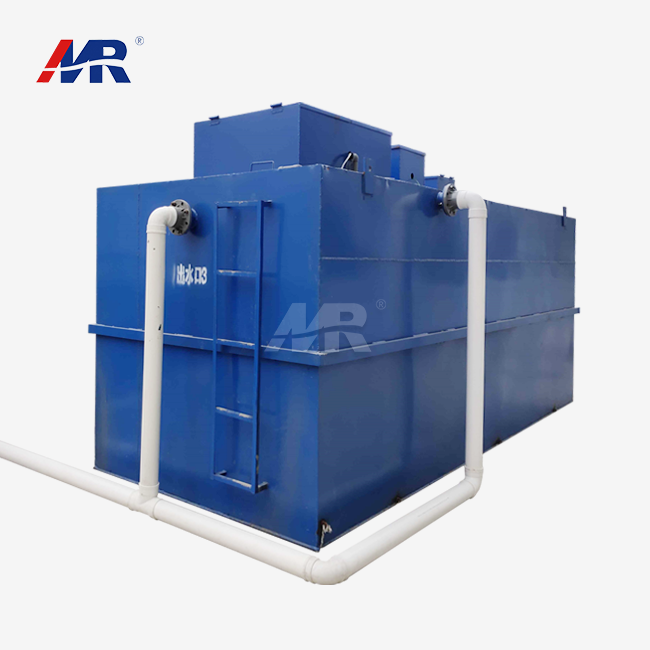 VIEW MOREMBR wastewater treatment plant
 VIEW MOREindustrial ultrafiltration systems
