_1745823981883.webp)

Cost-Effective Leachate Treatment Systems for Landfills: Maximizing Efficiency and Budget
Dealing with landfill leachate requires pricing and environmental regulations for leachate treatment. Effective leachate treatment systems remove pollutants in this toxic liquid, ensuring the safety and compliance of groundwater supplies through leachate treatment. Modern technologies like DTRO (Disk Tube Reverse Osmosis) may enhance concentrations by 6 to 8 times in leachate treatment, reducing effort and company expenses. Consider repair costs, maintenance costs, and long-term costs when choosing a system for leachate treatment. This handbook helps procurement and landfill managers identify eco-friendly and cost-effective solutions for leachate treatment.
Understanding Leachate and Its Treatment Challenges
Learn about handling leachate and its issues. Rainwater soaks into decomposing rubbish to form leachate, a complex combination of heavy metals, ammonia, dissolved solids, and organics. This filthy liquid might endanger groundwater and animals if not cleaned up.
Regulatory Requirements Driving Treatment Decisions
US RCRA. The EPA restricts landfill garbage. Facilities must monitor BOD, COD, TSS, and ammonia nitrogen. Rules violations cost $37,500 to $75,000 per day. European landfills face the same stresses from the EU Landfill Directive. Garbage must be pre-treated before being transported to municipal systems.
Variability in Leachate Composition
As landfills age, leachate varies significantly. Young landfills produce significant leachate with a BOD of 10,000 mg/L. Old landfills produce weaker, harder-to-degrade chemicals. This variation complicates system design and requires flexible treatment strategies. Seasonal rains and waste composition make it tougher for operators to acquire consistent treatment outcomes.
Overview of Cost-Effective Leachate Treatment Methods
Treatments in leachate treatment include biological breakdown, physical separation, and chemical alteration. Different leachate types and disposal requirements benefit different groups in leachate treatment. Some Effective and Cheap leachate treatments for leachate treatment include:
Biological Treatment Systems
Aerobic therapy uses oxygen-rich microorganisms that devour organic waste. Sequencing batch reactors (SBR) and MBBR handle variable flow rates well. These technologies work well with biodegradable organics but struggle with refractory chemical-laden aged garbage. From $2 to $5 per cubic meter, biological approaches are still affordable. They appeal to cost-conscious enterprises. Anaerobic digestion utilizes 60% less energy than aerobic systems to digest wastewater. Methane generation might replenish energy, lowering treatment costs. Slower reaction times require larger tanks, which increases capital costs in small spaces.
Physical and Chemical Treatment Technologies
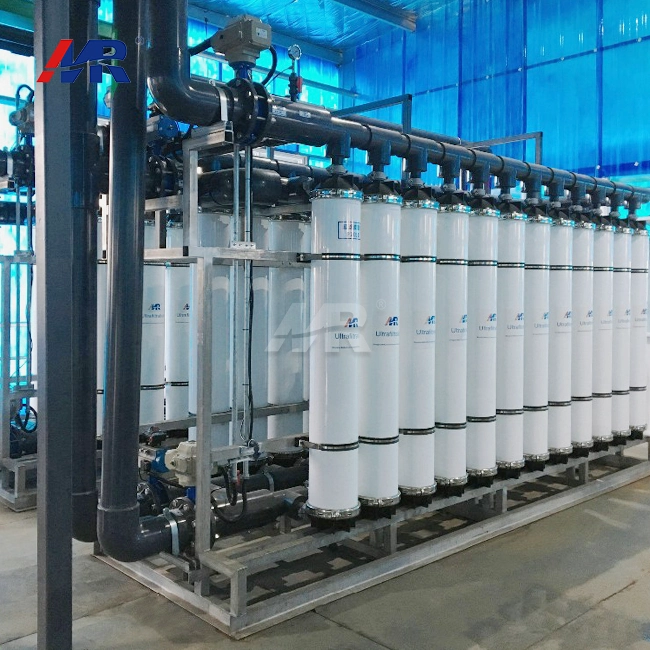
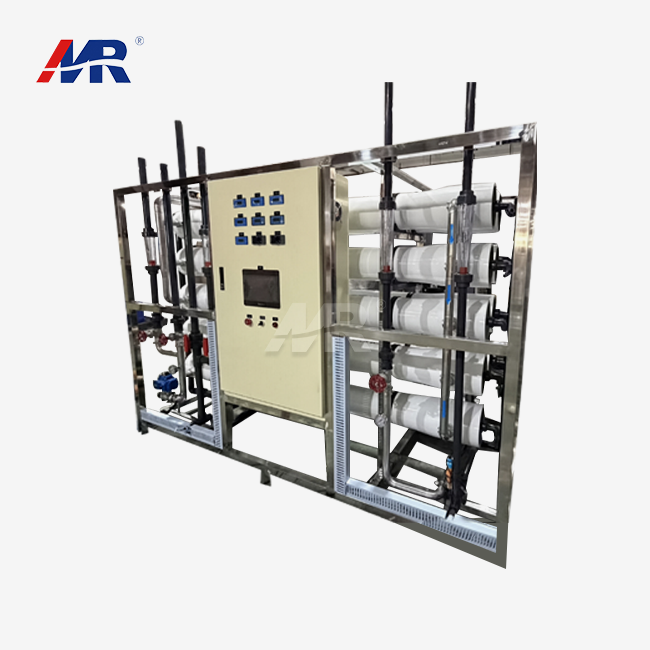
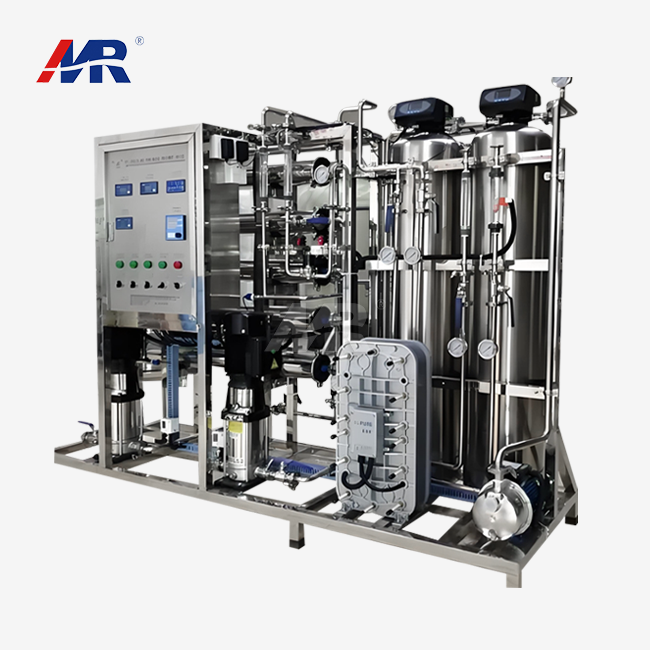
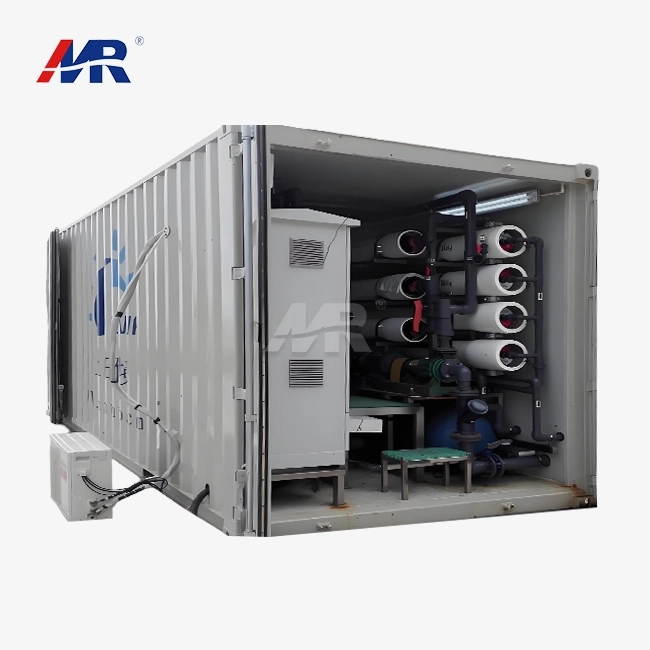
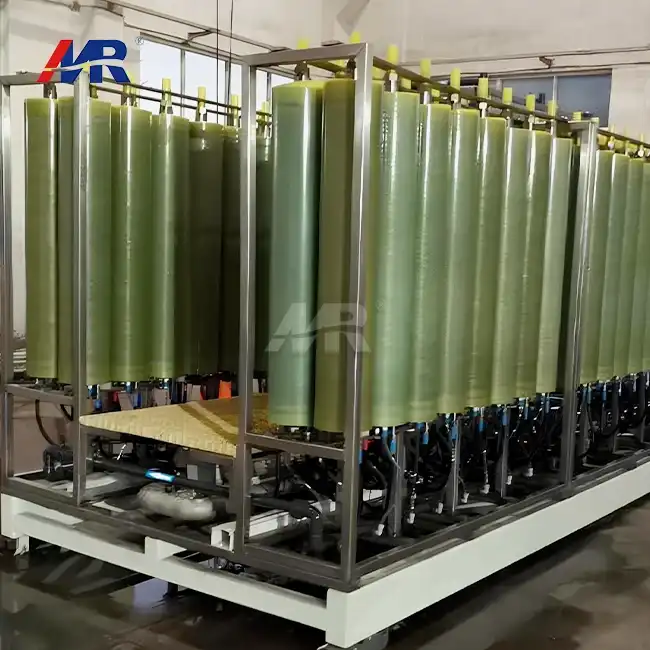
membrane filtration separates pollutants using semi-permeable barriers. DTRO devices employ high pressure to drive water molecules through disk-shaped membrane portions and remove contaminants. It removes dissolved solids, ammonia, and heavy metals 95%–98% of the time. Modern DTRO designs reduce fouling with unique flow patterns, extending membrane life beyond 3–5 years. Chemical precipitation using ferric chloride or lime solidifies dissolved metals and phosphorus for sedimentation. This process works well for high metal quantities, but it generates sludge that must be discarded, increasing expenses. Carbon adsorption removes organic compounds and color via surface contact. GAC tubes smooth the cleaned effluent before discharge. Regular carbon renewal or replacement adds $3 to $8 per cubic meter to company costs.
Decision-Making Guide: Selecting the Right Leachate Treatment System
System selection entails matching technology's powers to the facility's demands and ensuring financial sustainability over its existence.
Evaluating Treatment Performance Metrics
Technical leaders should assess removal performance in key areas. DTRO systems always remove over 95% of ammonia and release less than 5 mg/L. Biological systems can reduce BOD by 80–90%; however, ammonia treatment may be needed. Remembering historical leachate quality data helps you estimate seasonal variations and size your equipment.
Capital and Operating Cost Analysis
CAPEX for leachate treatment approaches varies greatly. A biological treatment facility that handles 100 cubic meters of wastewater per day costs $300,000–$600,000. The equivalent DTRO system costs $500,000–$800,000. DTRO costs $8–12 per cubic meter, compared to $10–15 per cubic meter for biological systems (including chemicals and sludge removal). At high volumes, this can pay for itself in 3–5 years. OPEX includes gasoline, supplies, staff, and repairs. DTRO spends 20–25% of its operating budget on membrane replacement. This makes the membrane's lifespan and supplier's warranty crucial when buying one. Biological systems require experienced people to monitor pH, dissolved oxygen, and nutrition levels, affecting staffing decisions.
Matching Technology to Landfill Characteristics
Small country dumps that handle less than 50 cubic meters of garbage daily can employ simple seasonal biological systems. Hybrid biological-membrane technologies are most cost-effective for mid-sized locations with 100–300 cubic meters of trash daily. Urban landfills with more than 500 cubic meters of rubbish per day need contemporary DTRO or multi-stage treatment trains that always respect the laws. Leachate age greatly impacts technology selection. Young landfills (BOD/COD ratios over 0.5) benefit from biological remediation. If ratios are below 0.3, membrane or sophisticated oxidation procedures are needed to remove non-degradable compounds.
Best Practices for Maximizing Efficiency and Reducing Costs
Strategic design and organizational discipline maintain leachate treatment dependability and minimize lifetime costs.
Design Considerations for Operational Flexibility
Equalization tanks stabilize downstream treatment by absorbing flow and concentration variations. Adding enough water to these tanks for 24–48 hours allows for storms and prevents overfilling. Automation systems can monitor flow rates, pH, and pollutants to enhance chemical dosages and membrane functioning in real time. Remote tracking solutions notify off-site specialists of operations. This enables preventative maintenance and speedy repairs. For companies without full-time experts, this function reduces emergency service calls and unnecessary downtime.
Preventive Maintenance and Training Programs
Membranes should be cleaned every three to six months to maintain flow and avoid salt accumulation. Cleaning with citric acid or alkaline soaps prevents irreparable fouling, extending membrane life. Keep additional pump, valve, and instrument parts on hand to reduce repair delays. Operator training in basic troubleshooting, machine startup, and regular monitoring assures consistent performance. Many tool manufacturers provide on-site training at commissioning and annual refresher seminars to keep personnel trained.
Case Study: Cost-Effective Leachate Treatment System Implementation
A 250-acre Southeast US city landfill faced escalating expenses and disposal permit breaches due to rising ammonia levels in leachate treatment. Daily waste handling for leachate treatment was 180 cubic meters, and ammonia levels ranged from 800 to 1500 mg/L in leachate treatment.
Challenges and Solution Selection
The present aeration basin treatment only removed 60% of the ammonia; therefore, 40% of the leachate had to be disposed of off-site at $95 per cubic meter, which was costly. Regulators required ammonia levels to decline below 10 mg/L in 18 months. Site tests included biological nitrification-denitrification, chemical precipitation, and membrane-based techniques. Due to capital budget constraints, $1.2 million stand-alone DTRO options were unavailable. A technique that combined superior biological treatment with DTRO polishing subsequently balanced cost and performance.
Implementation and Results
An MBBR biological reactor reduced ammonia to 100–150 mg/L, and a single-stage DTRO unit lowered it to 5 mg/L in the $650,000 system. A three-week stoppage allowed modular equipment installation, which kept operations running smoothly. After six months, the facility halted off-site waste disposal, saving $205,000 annually. Only 12–15% of the feed flow contained DTRO concentrate, which could be recycled to active waste tanks regularly. The overall cleaning cost dropped 39% to $11.20 per cubic meter from $18.50. Compliance with release rules saved $180,000 in EPA fines over two years. The study found that biological and membrane technologies enhance treatment efficiency and profitability for medium-sized landfills with rigorous dumping requirements.
Conclusion
Cost-effective landfill leachate treatment requires technical skill and financial reality. When correctly integrated into treatment schemes, DTRO devices remove pollutants effectively and affordably. First-step biological treatments are affordable for treating biodegradable compounds, whereas mixed methods work well for a variety of leachate situations. Project success requires rigorous site inspection, fair cost projections, and collaborations with skilled suppliers that can provide full assistance. Procurement professionals develop facilities that satisfy long-term legal needs and perform effectively when they appreciate flexible and scalable designs.
FAQ
1. What factors most significantly impact leachate treatment costs?
Cleaning expenses depend mostly on leachate and pollutants. Ammonia over 500 mg/L requires more extensive leachate treatment, which costs 40–60% more than low-strength leachate. Pumping and drainage energy expenditures account for 30–35% of operational budgets. How effectively membranes are prepared and cleaned affects their replacement frequency, which affects long-term expenditures. Concentrate or sludge removal might cost $15 to $40 per cubic meter, depending on local laws and options.
2. How do DTRO systems compare to traditional reverse osmosis for landfill applications?
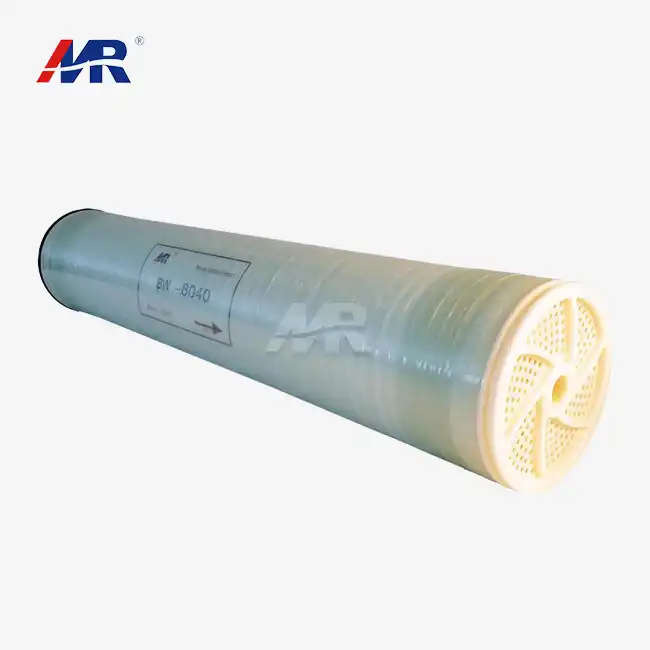
DTRO technology handles high-solids leachate better than spiral-wound ro membranes. The disk shape creates turbulent flow patterns that reduce fouling and increase recovery rates (50–65% vs. 40–50%) for standard RO. DTRO membranes can handle 2,000 mg/L suspended materials without pretreatment, simplifying system design. At 600–800 psi, liquid salts and ammonia are rejected at over 98%.
3. Can small landfills justify advanced treatment investments?
Simple biological systems or off-site disposal contracts are frequently cheaper for facilities that process less than 50 cubic meters of trash per day until the volume is significant enough to justify sophisticated treatment on-site. When small dumps share regional treatment facilities, capital expenses are dispersed across many rate bases. Mobile DTRO systems can be leased for short-term use or testing before installation.
Partner with Morui for Reliable Leachate Treatment Solutions
With over 10 years of expertise in treating water, Guangdong Morui Environmental Technology offers full leachate treatment systems. Our engineers design DTROs for your location's pollutants and discharge demands. Through 14 regional offices that assist installations in a variety of industrial settings, we provide complete services from equipment supply to commissioning and operator training. Suppliers of leachate treatment instruments provide basic packages and custom solutions. These systems can manage 20–500 cubic meters of leachate daily. Making membranes in-house ensures quality and cheap pricing, and ties with leading component brands like Shimge pumps and Runxin valves, assure system reliability. Contact our technical specialists at benson@guangdongmorui.com to discuss your project demands and receive a detailed plan showing how our solutions increase environmental performance and financial efficiency. Visit moruiwater.com to view all our Products and get specifications.
References
1. Renou, S., Givaudan, J.G., Poulain, S., Dirassouyan, F., & Moulin, P. (2008). "Landfill Leachate Treatment: Review and Opportunity." Journal of Hazardous Materials, 150(3), 468-493.
2. Abbas, A.A., Jingsong, G., Ping, L.Z., Ya, P.Y., & Al-Rekabi, W.S. (2009). "Review on Landfill Leachate Treatments." American Journal of Applied Sciences, 6(4), 672-684.
3. Kurniawan, T.A., Lo, W., & Chan, G.Y.S. (2006). "Physico-Chemical Treatments for Removal of Recalcitrant Contaminants from Landfill Leachate." Journal of Hazardous Materials, 129(1-3), 80-100.
4. Wiszniowski, J., Robert, D., Surmacz-Gorska, J., Miksch, K., & Weber, J.V. (2006). "Landfill Leachate Treatment Methods: A Review." Environmental Chemistry Letters, 4(1), 51-61.
5. Trebouet, D., Schlumpf, J.P., Jaouen, P., & Quemeneur, F. (2001). "Stabilized Landfill Leachate Treatment by Combined Physicochemical-Nanofiltration Processes." Water Research, 35(12), 2935-2942.
6. Cath, T.Y., Childress, A.E., & Elimelech, M. (2006). "Forward Osmosis: Principles, Applications, and Recent Developments." Journal of Membrane Science, 281(1-2), 70-87.