_1745823981883.webp)

Advanced Membrane Filtration for Leachate: Innovations in Environmental Wastewater Solutions
Advanced membrane filtering for leachate treatment revolutionizes the management of one of the most problematic environmental hazards. Leachate is toxic dump liquid. Complex contaminants require specialized technology to remove. Modern membrane systems, including DTRO and ultrafiltration, may concentrate 6–8 times as much water as they remove, reducing waste and returning clean water that can be reused or safely discharged. Such firms need them for environmental compliance and operational efficiency.
Introduction
Methane management in landfills worldwide is under increasing strain. When rain or snow soaks through decomposing rubbish, this foul liquid is formed. It harms groundwater and the ecosystem with heavy metals, ammonia, dissolved organic materials, and persistent organic pollutants. Traditional leachate treatment methods struggle with the unpredictability and toxicity, making compliance harder and company costs higher.
Today, membrane filtration is the most prominent leachate management method. These high-tech systems routinely remove many pollutants at high rates, helping facilities satisfy tougher discharge regulations. We've seen membrane technology change waste challenges that appear insurmountable into opportunities to recover resources and protect the environment. This article is for manufacturing, municipal utility, and heavy industry buyers who require proven, scalable solutions with technical expertise and complete service support.
Understanding Leachate and the Need for Advanced Treatment
The Complex Nature of Landfill Leachate
The kind of garbage, weather, and age of the waste affect leachate composition. Young dumps produce leachate with BOD values exceeding 10,000 mg/L and high organic content that breaks down fast. Old dumps emit wastewater with organic materials that don't break down, ammonia exceeding 1,000 mg/L, and dissolved ions that hinder conductivity. Lead, cadmium, and mercury complicate leachate treatment.
Regulatory Drivers and Monitoring Parameters
North America, Europe, and Asia have tight COD, ammonia-nitrogen, and total dissolved solids limits for leachate treatment. Release factors must be monitored regularly under EPA guidelines for leachate treatment, or there may be catastrophic penalties. Leachate-absorbing municipal wastewater treatment plants must meet release limitations that influence their operating permits for leachate treatment. Industrial facilities with landfills must take samples every three months and verify over 30 parameters, including new and priority pollutants, to prove their leachate treatment measures are working.
Limitations of Traditional Leachate Treatment Methods
Biological Treatment Challenges
Traditional activated sludge systems and sequencing batch reactors function well with biodegradable leachate, but ammonia levels above 500 mg/L are problematic. Microbe communities need time to adjust to heavy metals and xenobiotics, and a careful nutritional balance. Large tanks are needed for retention durations above 30 days, increasing capital costs and land utilization for leachate treatment.
Chemical Treatment Drawbacks
Sludge from ferric chloride or aluminum salts in coagulation-flocculation processes is expensive to dispose of. Ozone chemical oxidation or Fenton's reagent decreases COD, but it's dangerous to handle, pH must be monitored, and the reagents are expensive—often over $15 per cubic meter. Still remaining iron and manganese may need to be polished, adding to the challenge without achieving discharge criteria.
Physical Treatment Limitations
Evaporators remove pollutants but take a lot of energy. Thermal evaporators use 600–700 kWh per cubic meter of leachate. Without simple waste heat, company costs rise. Ammonia removal pollutes the air; washing systems are essential. Procurement managers using old approaches must find new tools for performance and cost.
Advanced Membrane Filtration Technologies in Leachate Treatment
DTRO Systems: The Gold Standard
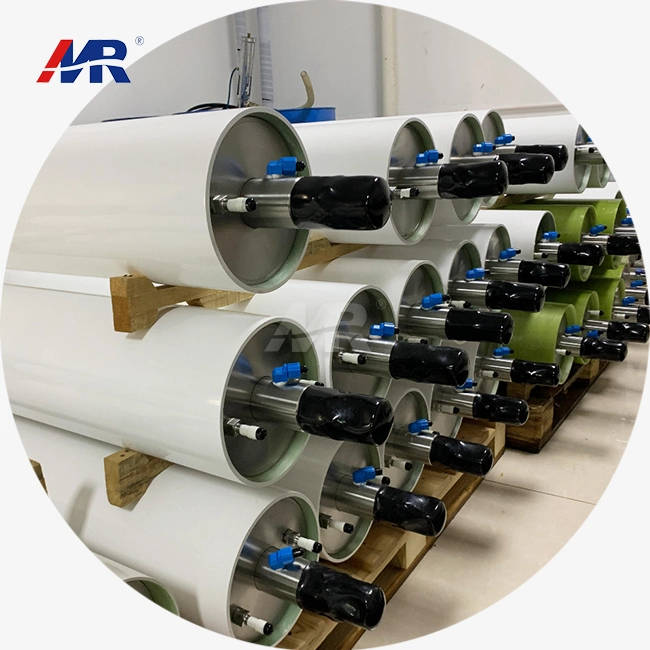
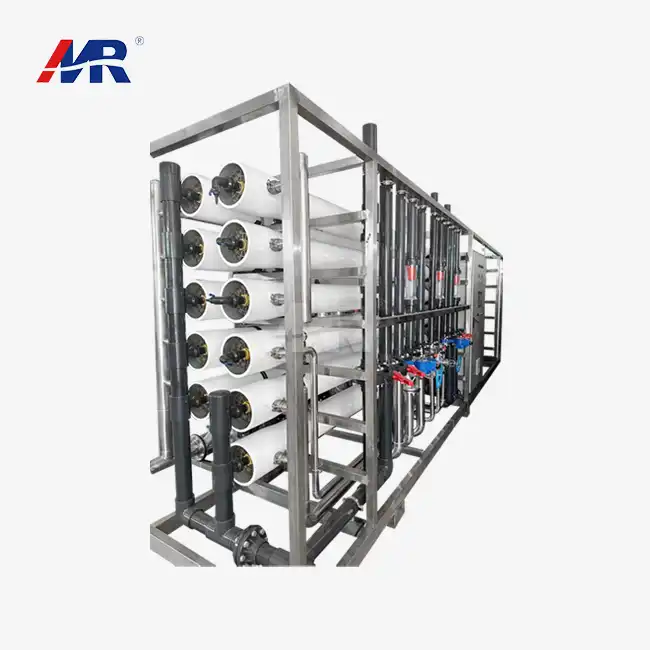
Disk tube reverse osmosis technology has transformed waste runoff management due to its membrane structure. Instead of spiral-wound membranes that clog, DTRO systems employ disc-shaped membrane coverings piled along a central tube. This causes turbulent flow and lowers concentration polarization. Runoff streams with up to 50 mg/L suspended particles can damage ro membranes, but this design can manage them for leachate treatment.
Operating pressures between 60 and 80 bar in leachate treatment can achieve 8:1 concentration factors. This implies 8 cubic meters of raw leachate can become 1 cubic meter of waste concentrate in leachate treatment. This 87.5% volume reduction reduces dumping expenses for leachate treatment. Permeate in leachate treatment always fulfills rigorous discharge criteria with COD below 50 mg/L, ammonia below 5 mg/L, and conductivity above 98%.
Ultrafiltration and Nanofiltration Integration
DTRO works best when membrane surfaces are adequately prepared before usage. Waste management is improved via integrated membrane systems:
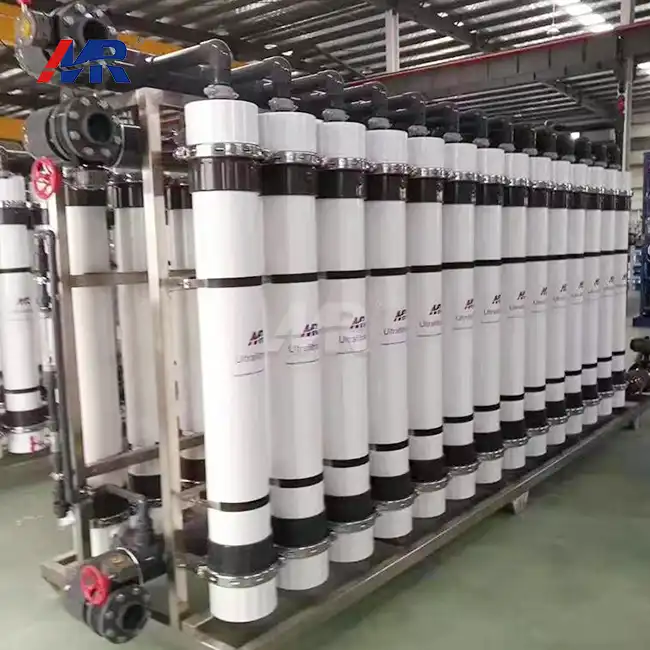
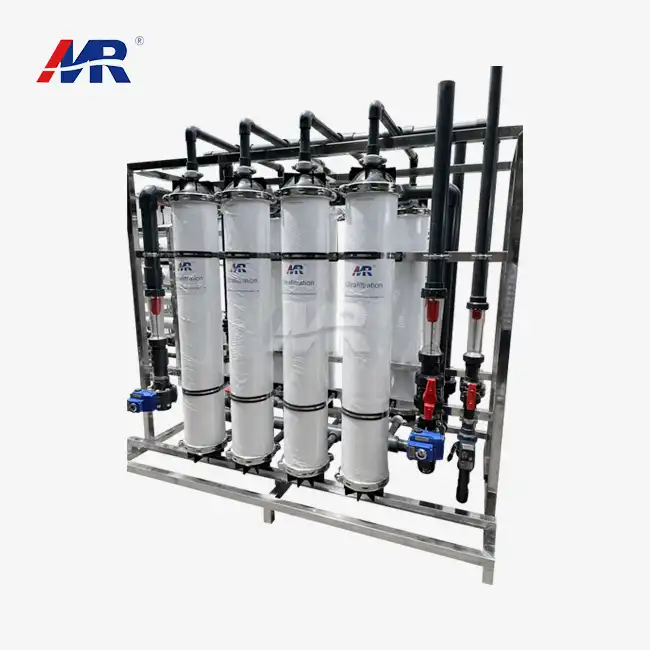
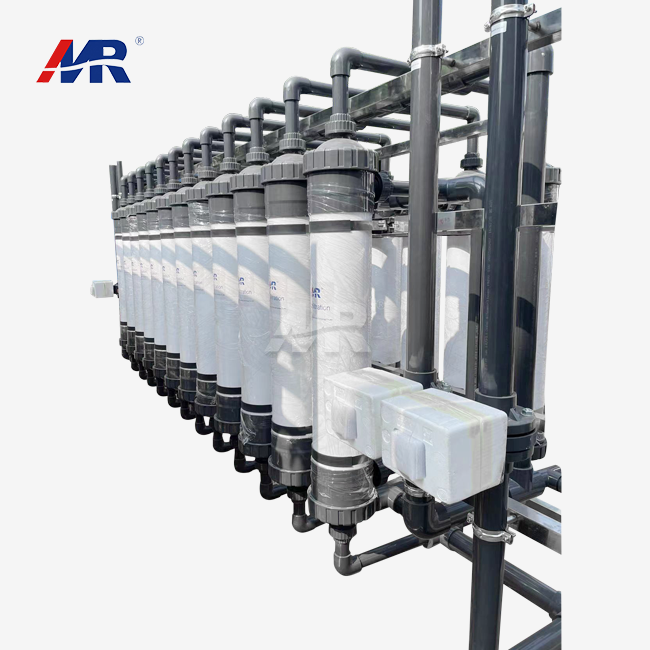
- Ultrafiltration pretreatment eliminates colloids, floating materials, and microorganisms through 0.01-0.1 micron pores. Lowering turbidity to less than 1 NTU prevents particles from accumulating on downstream RO filters. UF systems use less energy and extend DTRO membrane life from 3 to 5–7 years at low pressures (2–5 bar), saving money.
- Nanofiltration alternatives offer a compromise for divalent ion removal while allowing monovalent salts. Selection by NF membranes is between UF and RO. They remove 90% of multivalent ions like calcium, magnesium, and sulfate at lower pressures (15–30 bar), using 30% to 40% less energy than full RO systems when they don't need to remove all the salt.
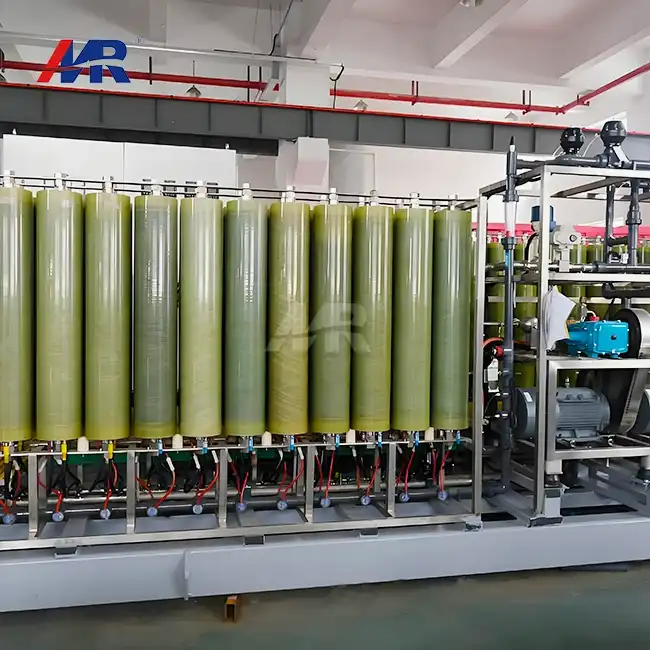
- Membrane Bioreactor (MBR) hybrid systems combine biological treatment with membrane separation to degrade and separate. Active sludge stays in the bioreactor with submerged or side-stream membrane modules. This allows larger biomass concentrations (8,000–12,000 mg/L) to speed up organic matter decomposition and provide clean wastewater for RO polishing.
Selecting the Right Membrane Filtration System for Your Leachate Treatment Needs
Technical Evaluation Criteria
The best membrane designs need careful consideration of efficiency and cost. Start by characterizing feed water. COD, BOD, ammonia, TDS, hardness, heavy metals, and suspended particles are studied to determine system size and filter. Biological pretreatment before membrane cleaning helps handle juvenile waste leachate with BOD/COD ratios exceeding 0.4. However, mature leachate containing hard-to-dissolve organics moves to membrane systems for leachate treatment.
Lifecycle Cost Analysis
The total cost of ownership estimates for 15–20 years of operations aid purchase decisions. Capital expenses include equipment, installation, electricity, and building upgrades. Systems that handle 50–200 cubic meters of garbage daily cost $400,000–$1.2 million. Yearly operating costs include:
- Membrane replacement reserves ($30,000–$60,000 annually)
- Chemical cleaning agents costing $15,000–$25,000
- Energy consumption at $0.08–$0.12 per kWh ($40,000–$80,000)
- Concentrate disposal spending $100–300 per cubic meter on garbage concentration
- Labor for operation and maintenance ($80,000–$120,000)
Vendor Qualifications and Support
Working with professional membrane system suppliers ensures project success in many ways. Look for makers that provide rigorous pilot testing programs to ensure the treatment works with real site leachate before installing full-scale. Planning, manufacturing, installation, and testing are included in turnkey delivery techniques, making projects easier and ensuring accountability. Continued professional help is crucial, including chemical cleaning and testing membrane stability.
Best Practices & Future Trends in Membrane-Based Leachate Treatment
Operational Excellence Strategies
Leachate treatment performance starts with consistent pretreatment. Automated basket strainers, cartridge filters, or media filters remove particles above 50 microns from membrane surfaces. Antiscalant compounds prevent minerals from settling, and pH 6.5–7.5 prolongs membrane life. Watch the turbidity constantly and establish an automated backwash when levels exceed 2 NTU to maximize flux rates. Membranes need alkaline detergent washing once a month, acid cleaning every three months, and biocide sanitization every six months.
Digital Integration and Process Optimization
Real-time data analysis with IoT technologies changes membrane system management. Sensors that detect pressure, flow, conductivity, pH, and temperature throughout the process give data to cloud-based algorithms that predict maintenance, performance changes, and optimal operating conditions. AI applications discover tiny patterns in performance data before membrane fouling. Predictive models provide ways to maintain operations and lengthen membrane servicing intervals.
Circular Economy and Resource Recovery
Forward-thinking companies now view leachate as a resource with recoverable value. Even though the membrane concentrate is smaller, it retains dissolved salts that can be crystallized or electrodialyzed. Stripping and absorbing ammonia yields fertilizer-grade ammonium sulfate. A factory that processes 100 cubic meters of garbage daily may recover 500 to 700 kg of nitrogen compounds per month, retailing for $0.40 to $0.60 per kilogram. Reusing treated permeate closes water loops.
Conclusion
Advanced membrane filter technologies are reliable leachate treatment methods. DTRO systems with concentration factors of 6 to 8 times reduce disposal quantities and costs significantly while fulfilling tight discharge criteria. Treatment trains that manage even the toughest wastewater compositions include ultrafiltration pretreatment, selective chemical conditioning, and computerized tracking systems. Compact, scalable membrane systems outperform standard treatments in performance and cost and are beneficial in heavy industry and local services.
FAQ
1. How does membrane filtration compare to biological treatment for leachate?
Membrane systems perform effectively with ammonia-rich leachate from ancient landfills that doesn't break down quickly. Biological systems require extensive holding durations and close monitoring to eliminate 60–75% COD. Regardless of leachate age or composition, DTRO membrane systems remove over 95% of pollutants. They have minimal footprints and operating expenses. Hybrid approaches that combine biological preparation and membrane polishing usually yield the greatest outcomes for leachate treatment.
2. What maintenance requirements should facilities plan for?
Working pressures, flow rates, and permeate quality are tested daily, and the cartridge filter is replaced weekly as part of membrane system maintenance. Chemical cleaning occurs monthly, and the system is examined every three months. We assess the membrane's durability and repair damaged areas using pressure decay methods every year. Systems that handle 100 cubic meters per day require 4–6 hours of maintenance work.
3. Can membrane systems handle varying leachate volumes and compositions?
Modern membrane systems are modular and may be changed from 10 to 500+ cubic meters per day using parallel trains. High-pressure pumps with variable frequency drives adjust their settings dependent on flow, and automated chemical dosing systems maintain superior pretreatment even when composition varies. Systems can withstand annual landfill leachate output variations without compromising performance. They can be employed when the quantity fluctuates by 200–300% between dry and rainy seasons.
Partner with Morui for Turnkey Leachate Treatment Solutions
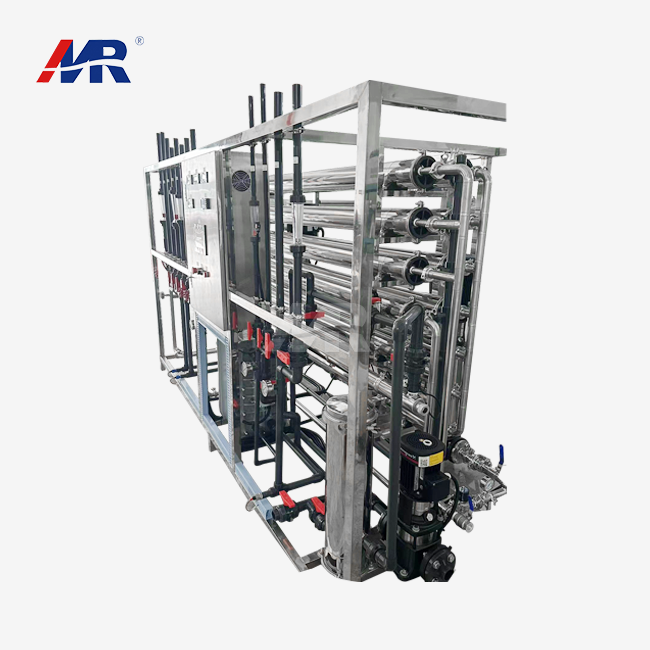
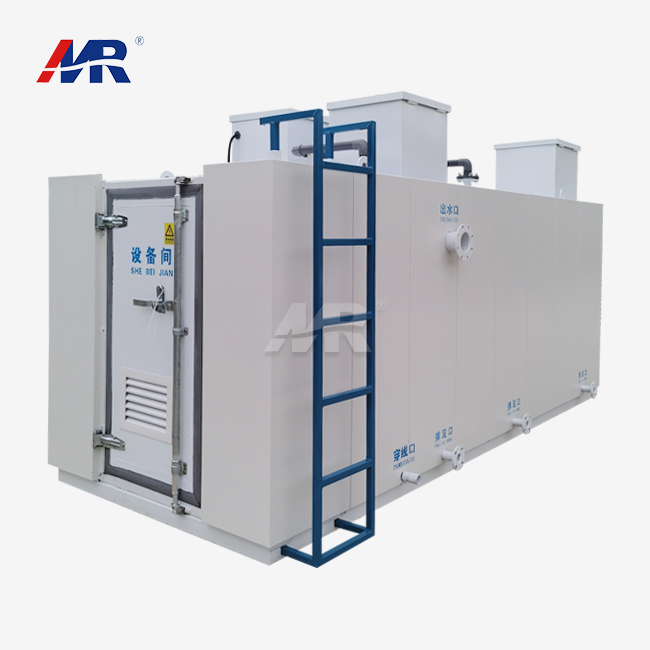
Guangdong Morui Environmental Technology's DTRO landfill leachate treatment systems suit difficult industrial and local demands. Our comprehensive wastewater solutions include our membrane designs, automated pretreatment systems, and digital tracking tools. We help projects from feasibility to installation, testing, and maintenance. We have 14 branches, in-house membrane production, and over 20 skilled engineers.
Our technical staff designs unique configurations to suit your performance and cost requirements. Email our engineers at benson@guangdongmorui.com to discuss your requirements. We'll analyze your water quality data, identify the site's constraints, and recommend the best membrane system designs, supported by pilot testing.
References
1. Renou, S., Givaudan, J.G., Poulain, S., Dirassouyan, F., and Moulin, P. (2008). "Landfill Leachate Treatment: Review and Opportunity." Journal of Hazardous Materials, 150(3), 468-493.
2. Kjeldsen, P., Barlaz, M.A., Rooker, A.P., Baun, A., Ledin, A., and Christensen, T.H. (2002). "Present and Long-Term Composition of MSW Landfill Leachate: A Review." Critical Reviews in Environmental Science and Technology, 32(4), 297-336.
3. Zhao, R., Gupta, A., Novak, J.T., Goldsmith, C.D., and Driskill, N. (2013). "Characterization and Treatment of Organic Constituents in Landfill Leachates that Influence the UV Disinfection in the Publicly Owned Treatment Works (POTWs)." Journal of Hazardous Materials, 258-259, 1-9.
4. Wichitsathian, B., Sindhuja, S., Visvanathan, C., and Ahn, K.H. (2004). "Landfill Leachate Treatment by Yeast and Bacteria Based Membrane Bioreactors." Journal of Environmental Science and Health, Part A, 39(9), 2391-2404.
5. Kurniawan, T.A., Lo, W.H., and Chan, G.Y. (2006). "Physico-Chemical Treatments for Removal of Recalcitrant Contaminants from Landfill Leachate." Journal of Hazardous Materials, 129(1-3), 80-100.
6. Trebouet, D., Schlumpf, J.P., Jaouen, P., and Quemeneur, F. (2001). "Stabilized Landfill Leachate Treatment by Combined Physicochemical-Nanofiltration Processes." Water Research, 35(12), 2935-2942.