

_1745823981883.webp)

Top Advanced Leachate Treatment Plant Technologies for Sustainable Waste Management
Today's waste management facilities must treat sewage while respecting environmental regulations and working effectively, a growing challenge. Modern leachate treatment plants are needed. They use innovative membrane systems, biological processes, and chemicals to handle waste leachate's complexity. These technologies clean the environment and help the circular economy by reclaiming resources and water. They are vital for global rubbish management sustainability.
Understanding Leachate and Its Treatment Challenges
Learn about handling leachate and its issues.
Landfill leachate is one of the hardest kinds of wastewater to treat in environmental engineering. This nasty liquid is formed when precipitation penetrates through solid waste, eliminating a complex mix of organic chemicals, ammonia, heavy metals, and permanent pollution. The composition varies greatly depending on garbage age, rain, and what is dumped.
The Variable Nature of Leachate Composition
Young leachate from abandoned landfills sometimes has COD values of 20,000 mg/L. Because leachate contains biodegradable organic materials. As landfills age, organic content decreases, but ammonia and refractory chemicals remain. This makes cleaning challenging and requires adaptable technology. This variability makes engineering procedures harder and requires treatment systems that can adapt to varying loads without compromising performance.
Regulatory Pressures and Compliance Requirements
Over the past decade, North American and European regulations have made trash dumping difficult. The U.S. limits biochemical oxygen demand, total dissolved solids, ammonia-nitrogen, and heavy metals. Environmental Protection Agency and state agencies. Reliable treatment methods are crucial since facilities risk significant penalties for breaking the requirements.
Top Advanced Technologies in Leachate Treatment Plants
Newer waste treatment systems for leachate treatment plants have been developed to handle leachate's specific features. Understanding these technologies in leachate treatment plants lets procurement managers and engineers pick solutions that suit company goals and benefit the environment. The most advanced leachate treatment plant technology ensures high-quality effluent through several sophisticated approaches in leachate treatment plants.
Biological Treatment Innovations
Activated sludge technologies with ultrafiltration or microfiltration membranes have transformed biological treatment in membrane bioreactors. High biomass levels allow effective treatment in limited spaces and clean effluent for polishing with these combination systems. Bioaugmentation techniques utilize specialized bacterial cultures to break down chemicals that typical microorganisms can't.
Sequencing batch reactors can adapt to changing leachate flows and combinations due to their continual fill-and-draw operation. The high ammonia content of mature waste is reduced by these systems' excellent nitrification and denitrification. Using real-time monitoring data, configurable operation cycles let personnel optimize therapy.
Physical Membrane Technologies
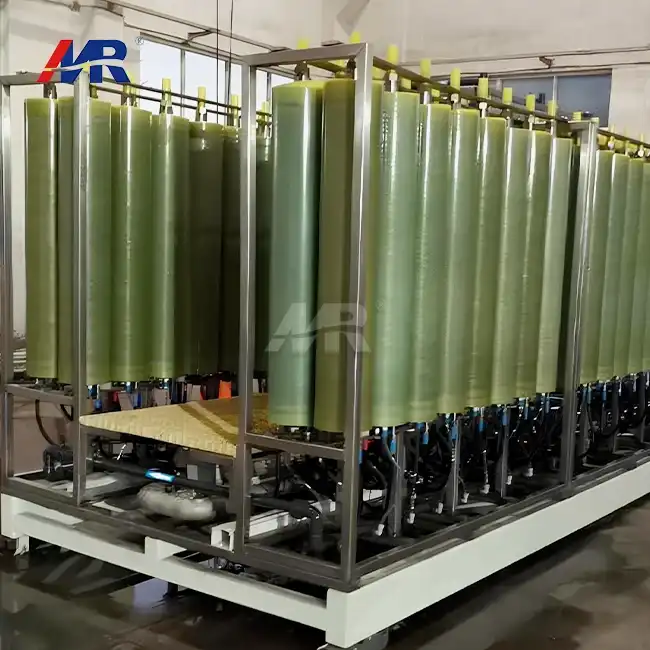
Because its membrane doesn't clog like spiral-wound versions, disk tube reverse osmosis (DTRO) devices are better at handling leachate. DTRO technology multiplies concentration six to eight times, reducing waste. This tiny membrane design can handle high total dissolved solids while maintaining permeate quality. This makes it ideal for cleaning salty mature leachate.
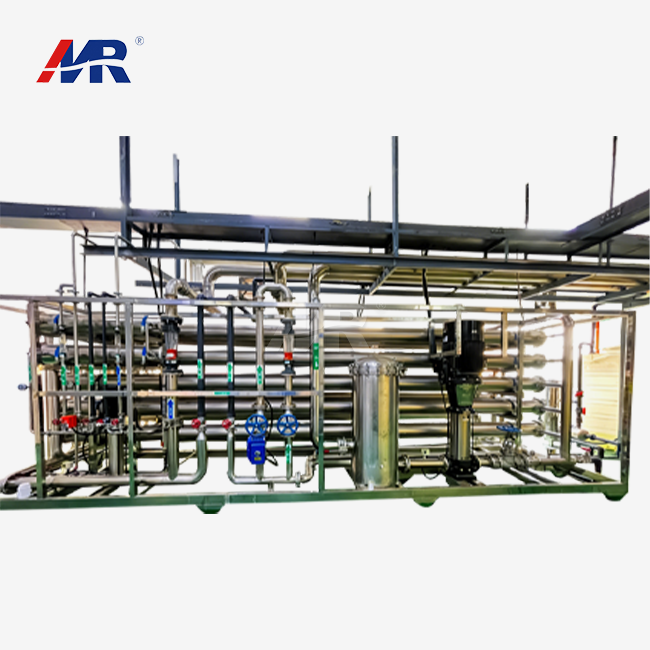
DTRO landfill leachate treatment uses high-pressure pumps to drive water through semi-permeable barriers. This removes dissolved salts, organic debris, and ammonia from pure water. Most systems have two steps, and the first-stage permeate is treated further to satisfy discharge criteria. Depending on site garbage management and restrictions, concentrated streams can be drained, recirculated, or reinjected.
Nanofiltration is between ultrafiltration and reverse osmosis. Monovalent salts pass through, but divalent ions and organic compounds are removed. Partial demineralization consumes less energy than full reverse osmosis, making it ideal for medium-salinity settings. Ultrafiltration membranes filter water well before reverse osmosis (DTRO) or other systems. These technologies prevent fouling-accelerating particles and proteins.
Comparative Analysis of Leachate Treatment Approaches
The location, rules, and long-term operating difficulties must be considered to determine the optimum treatment approach. varied approaches provide varied benefits depending on the leachate treatment plants and building limits.
Biological Versus Chemical Treatment Economics
When cleaning leachate with a lot of organic waste that breaks down fast, biological treatment systems offer reduced operational costs. Advanced oxidation processes employ more energy and chemicals but require longer hydraulic retention durations and larger surfaces. Chemical treatments remove complex chemicals and dangerous substances that prevent living organisms from operating, but they require more reagents and produce sludge that must be discarded.
Biological systems' capital costs vary greatly based on complexity and treatment aims. Membrane bioreactors cost more but produce superior waste in fewer places than simple aerated ponds. Capital expenses for chemical treatment are low. The most expensive parts are holding tanks, dosing tools, and process control equipment.
Scale Considerations in Plant Design
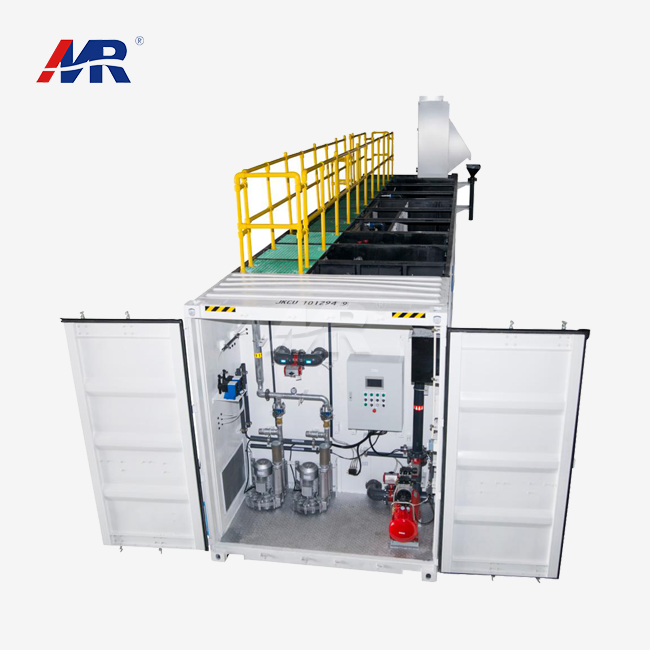
Small locations that cooperate with local landfills or industrial waste operations benefit from modular treatment systems that may be added as waste levels expand. Containerized treatment units are easy to move and set up, so workers may move equipment while waste cells are filled and sealed. These modest solutions cut land use and simplify permission processes in tight spaces.
Large regional facilities that manage leachate from several sources obtain economies of scale through centralized treatment infrastructure. Customized systems optimize biological, chemical, and membrane activities throughout the healing process. Dewatering sludge, controlling concentrates, and monitoring the lab are common functions of these facilities. They may control all wastewater elements with one group of managers.
Key Principles and Best Practices in Leachate Treatment Plant Design
Treatment plant design should combine technical performance and management issues. Follow standard practices to ensure systems run reliably for years. Best Practices for Leachate Treatment Plant Design must reflect evolving environmental standards and operational needs.
Site-Specific Design Optimization
Building a successful treatment plant starts with leachate characterisation studies that reveal seasonal fluctuations, high loading circumstances, and long-term composition patterns. This standard data determines technology selection and size. This prevents compliance-compromising undercapacity. Topographic and geotechnical studies determine equipment placement, gravity-driven flow, and foundations for large mechanical systems.
Modular and Flexible System Architectures
Treatment plants with flexible pieces can adapt to changing demands. Since parallel treatment trains may be maintained without shutting down the system, treatment capacity is always maintained. Standardized equipment dimensions and connection ports simplify future expansions, lowering design costs and speeding construction.
Technology Partner Selection Criteria
The equipment vendors and system integrators you pick affect project success and long-term operating satisfaction. Older manufacturers that have treated leachate can provide application experience and examples of earlier installations. ISO 9001 certification verifies production and quality control consistency. Full warranty coverage and fast after-sales service provide consumers peace of mind, especially in distant areas where Technical support is scarce.
Procurement Guide: Investing in Leachate Treatment Infrastructure
A good treatment infrastructure investment requires comprehensive financial and supplier analysis. Discovering the total cost of ownership lets you make decisions that maximize long-term value. Strategic investment in leachate treatment plants ensures sustainable compliance and reduced environmental risks.
Capital and Operating Cost Structures
Equipment is merely part of the job's cost. Civil works, including foundations, pipelines, and power infrastructure, often cost as much as tools. Engineering design, permits, and finishing costs must be budgeted during project preparation. Instead of crude budget estimates based on limited information, you need detailed recommendations from competent system designers to evaluate costs.
Chemical ingredients, personnel, membrane replacement, and energy utilization are operating expenses for leachate treatment plants. Variable frequency drives and energy-efficient pumping configurations may save a building a lot of money on power during its lifetime for leachate treatment plants. Leachate characteristics and treatment aims determine chemical utilization in leachate treatment plants. Site-specific field testing provides accurate chemical use estimations for leachate treatment plants. Membranes in leachate treatment plants can last three to seven years, depending on feedwater quality and cleaning frequency. The budget must account for this large continuous expense in leachate treatment plants
Turnkey Solutions and Custom Engineering
Skilled system integrators perform whole projects, simplifying execution and clarifying responsibilities. These systems cover plan engineering, tool purchase, building process management, testing, and operator training from one source. Turnkey techniques let firms collaborate and ensure system functionality. Compared to fragmented sourcing techniques, unified project delivery reduces project time and technical risks.
Custom-engineered solutions might meet a location's unique demands and constraints better than packaged systems. Facilities with unusual leachate, difficult climates, or tight release criteria benefit from customized designs. Engineering spending creates reliable, complex-free systems that perform under harsh conditions.
Supplier Evaluation and Partnership Development
Suppliers of leachate treatment plants with extensive references, case studies, and performance guarantees demonstrate their capabilities. Visits to operational sites can reveal equipment quality, usability, and long-term reliability. Technical support from suppliers, such as remote tracking and field service networks, affects operations and issue resolution.
Everyone benefits from long-term service and equipment partnerships. Suppliers receive regular pay and relevant input to improve goods. Better costs, faster service, and technological upgrades await facility owners. These partnerships improve treatment outcomes and corporate efficiency.
Conclusion
Leachate management was formerly an environmental issue, but modern methods may restore resources permanently. DTRO systems, membrane bioreactors, and chemical-physical treatment technologies meet discharge regulations while reducing costs and environmental effects. To deploy successfully, you must carefully pick the technology based on a thorough leachate description, correct capital and operational budget projections, and collaborations with experienced equipment vendors with excellent technical support. Investment in proven treatment technology will position waste management facilities for long-term operational success and environmental responsibility as sustainability criteria change.
FAQ
How does a leachate treatment plant function?
A leachate treatment plant performs what? Treatment plants utilize physical screening, biological breakdown, chemical treatment, and membrane filtering. Equalization tanks stabilize raw wastewater flow and composition. Biological reactors generate nitrifying microorganisms that devour organic pollutants. Membrane systems then separate dissolved salts from impurities. This produces clean water for reuse or discharge. Concentrated streams evaporate more or are treated according to regulatory requirements.
What advantages do biological treatment methods offer?
Chemical-free biological processes handle waste organic matter cheaply. Even over the seasons, microorganisms adapt to modest leachate composition changes, maintaining efficiency. These techniques produce less sludge than chemical drying. Leachate becomes less toxic after biological treatment, making it more compatible with the following treatment processes and reducing environmental harm from treated effluent flows.
How should facilities choose between chemical and biological approaches?
The option depends on age, makeup, and liquid release laws. Young leachate with many recyclable components may be handled naturally, but older leachate with many non-biodegradable chemicals may necessitate chemical treatment. Many sites remove bulk organic waste and contaminants using biological cleaning and chemical polishing. Pilot testing with genuine leachate samples provides precise performance data to pick the correct technology and system size.
Partner with Morui for Comprehensive Leachate Treatment Solutions
Team up with Morui for total leachate treatment. Guangdong Morui Environmental Technology provides ready-to-use wastewater treatment solutions. These systems are built to last. Our all-in-one process uses DTRO technology, innovative biological reactors, and tailored pre-treatment stages to match your leachate and release needs. From inspection to installation, commissioning, and technical assistance, we offer everything. We have around 500 dedicated employees, including 20 engineers. Our membrane factory ensures quality and delivery. Collaborations with industry leaders like Shimge Water Pumps and Runxin Valves ensure component dependability. We understand your business issues as a leading manufacturer of leachate treatment plants for city waste management, petrochemicals, and food processing. Contact our experts at benson@guangdongmorui.com to discuss your project needs and learn how our proven solutions can enhance your building's environmental performance and operating efficiency.
References
1. Renou, S., Givaudan, J.G., Poulain, S., Dirassouyan, F., & Moulin, P. (2008). Landfill leachate treatment: Review and opportunity. Journal of Hazardous Materials, 150(3), 468-493.
2. Kjeldsen, P., Barlaz, M.A., Rooker, A.P., Baun, A., Ledin, A., & Christensen, T.H. (2002). Present and long-term composition of MSW landfill leachate: A review. Critical Reviews in Environmental Science and Technology, 32(4), 297-336.
3. Wiszniowski, J., Robert, D., Surmacz-Gorska, J., Miksch, K., & Weber, J.V. (2006). Landfill leachate treatment methods: A review. Environmental Chemistry Letters, 4(1), 51-61.
4. Zhao, R., Gupta, A., Novak, J.T., Goldsmith, C.D., & Driskill, N. (2013). Characterization and treatment of organic constituents in landfill leachates that influence the UV disinfection in the publicly owned treatment works. Journal of Hazardous Materials, 258-259, 1-9.
5. Kurniawan, T.A., Lo, W.H., & Chan, G.Y.S. (2006). Physico-chemical treatments for the removal of recalcitrant contaminants from landfill leachate. Journal of Hazardous Materials, 129(1-3), 80-100.
6. Amaral, M.C.S., Ferreira, C.F., & Lange, L.C. (2009). Evaluation of membrane bioreactor technology for leachate treatment. Water Science and Technology, 59(12), 2409-2416.
 VIEW MOREreverse osmosis water purification plant
 VIEW MOREhome sewage treatment plant
 VIEW MOREdomestic wastewater treatment plant
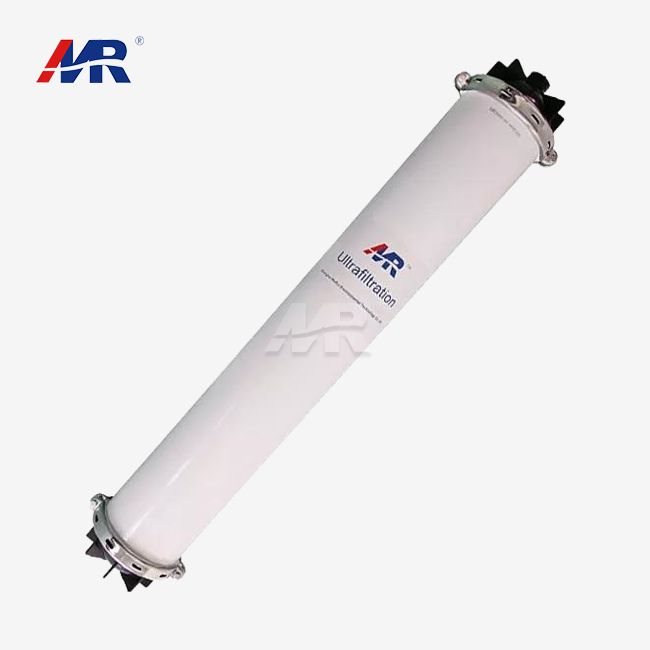 VIEW MOREultrafiltration membranes for water treatment
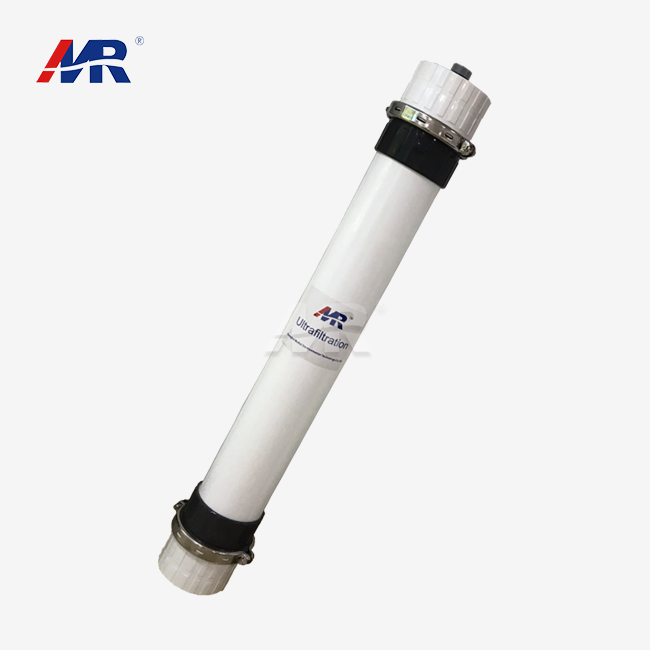 VIEW MOREultrafiltration membrane system
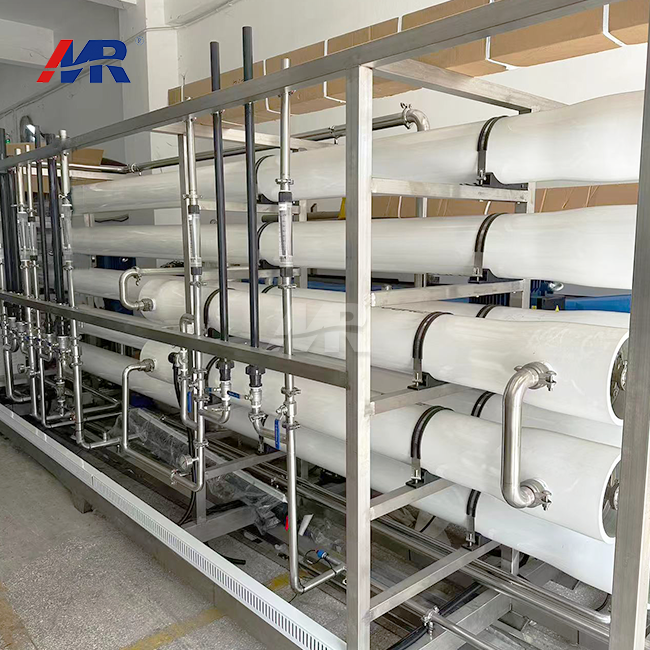 VIEW MOREosmosis drinking water system
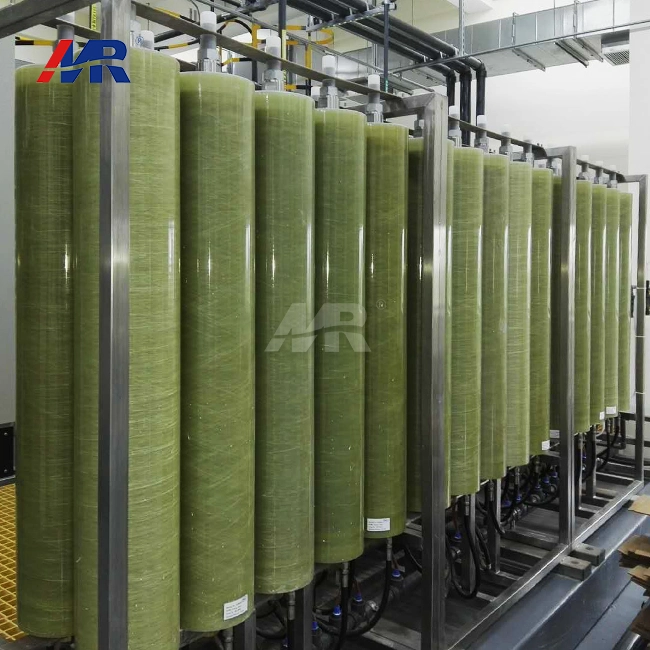 VIEW MOREDTRO Modules
 VIEW MOREnew ro system
