_1745823981883.webp)

Why Choose Water Purified by Reverse Osmosis for Drinking?
For industry professionals, this book covers B2B buying extensively. Businesses that prioritize cleanliness, safety, and profitability should utilize water that has been purified by reverse osmosis. RO removes up to 98% of dissolved solids, pollutants, and pathogens using a semipermeable barrier. Only pure, high-quality drinking water remains. This procedure must be utilized anywhere that creates medications, food, electronics, or healthcare items. This is because water quality affects product purity and compliance.
Introduction
In industries where precision is crucial, water purified by reverse osmosis has supplanted traditional quality control systems. RO water is increasingly crucial for factories, restaurants, OEM facilities, and distribution centers to work smoothly, safeguard product quality, and keep staff healthy. Leaders increasingly realize that water quality impacts everything from equipment lifespan to product reliability. The increase in use shows this. This resource examines the advantages, buying tactics, and supplier selection aspects most significant to buyers in this sector. Learn about RO technology to help your firm invest in safe, compliant, and cost-effective infrastructure. This is true whether you run a pharmaceutical manufacturing line that needs GMP-compliant filtered water, a beverage plant that needs consistent tastes, or a semiconductor fabrication line that needs ultrapure water.
Understanding Purified Water by Reverse Osmosis
The Science Behind Reverse Osmosis Filtration
Hydrostatic pressure pushes water molecules across a selective membrane in Reverse Osmosis. Membrane pores are 0.0001 microns wide. Only water may cross these molecular barriers. Heavy metals, dissolved salts, germs, viruses, and chemicals can't. Water flows via natural osmosis. This approach works differently. Changed the pressure cleaner's water. The membranes remain intact during pre-treatment and taste better after treatment. Managing many hurdles is essential in business.
Multi-Stage Purification Process
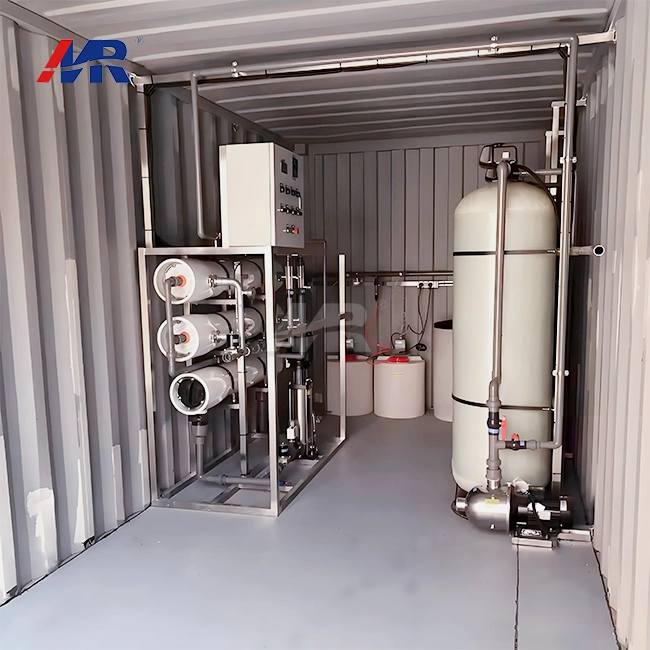
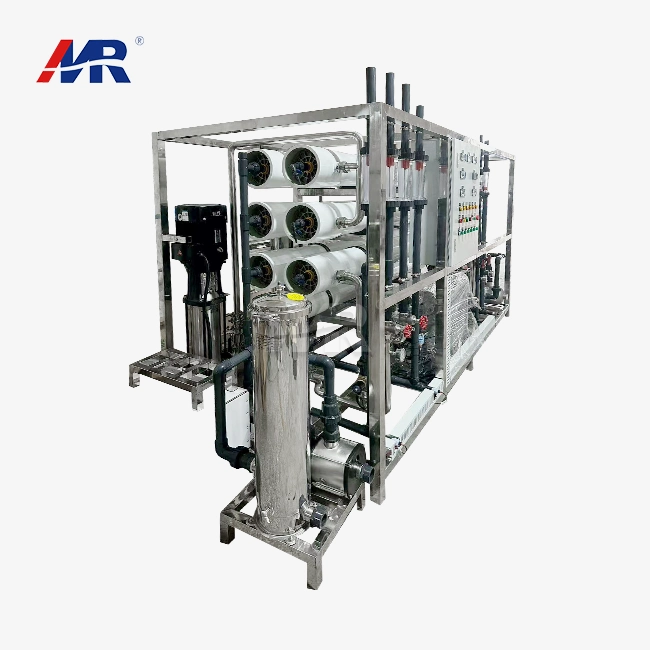
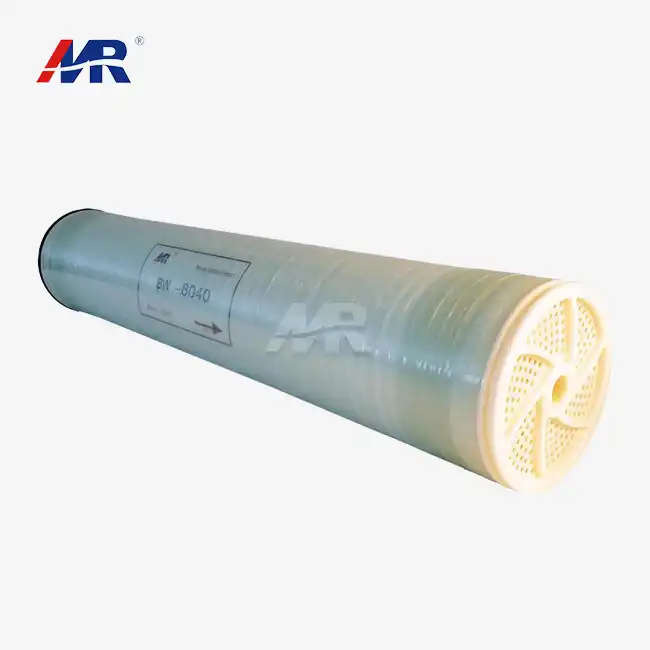
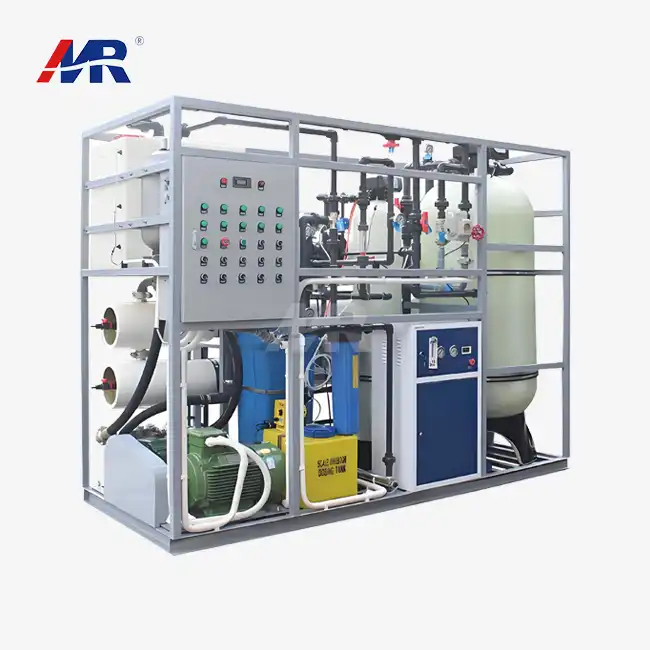
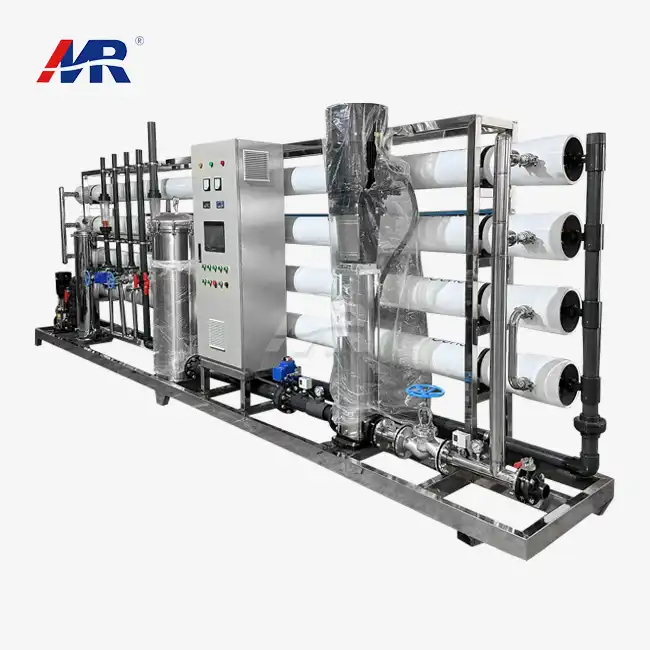
Three to five filter stages are typical for workplace RO systems. Sediment screens remove rust, debris, and sand that may become lodged downstream. Carbon filters remove chlorine, volatile compounds, and membrane-damaging or taste-changing substances. ro membranes separate, remove impurities, and create permeate. It is stored in tanks that contain four gallons for homes and thousands for companies. After post-filtering with activated carbon, the water is cleansed of residual tastes and aromas. This happens before taps or distribution systems get it.
Contaminant Removal Capabilities
Over 95% of liquid solids are rejected by Reverse Osmosis. This method removes lead, arsenic, fluoride, nitrates, sulfates, and excess medication, purified by reverse osmosis. If TDS is low, cleaning is functioning. Effective methods reduce municipal water TDS from 300–500 ppm to 25 ppm. This complete elimination eliminates restricted substances and new contaminants that health-conscious corporations worry about. RO is superior to ordinary filtration because it kills cryptosporidium, giardia, and other pathogens. The findings of water treatment facility tests confirm this.
Comparing Reverse Osmosis Purified Water to Other Options
Conventional Filtration Methods
Most mechanical filters remove dirt, chlorine, and organic pollutants with activated carbon or clay medium. They can't remove heavy metals or dissolved salts. Quality-conscious people worry about these systems since they don't guard against all toxins and are cheaper. Microfiltration can remove 0.1-micron particles, which are too tiny for viruses or broken-down medicines. Ultrafiltration works up to 0.01 microns, which is tiny enough to collect most germs but large enough to pass broken-down materials. These methods are sometimes effective, but RO cleans better.
Ultraviolet Treatment Systems
Cleaning using UV light eliminates germs, viruses, and protozoa without chemicals. Controlling living organisms is easy with this technology, but it doesn't remove heavy metals, sediments, or chemical waste. Many medicinal plants employ UV and RO simultaneously. RO removes contaminants and minerals, and UV destroys living microorganisms. UV removes one sort of pollution, but RO removes multiple since they are connected. Purified by reverse osmosis systems are the key components of comprehensive water treatment.
Alkaline and Mineral-Enhanced Water
Alkaline ionizers and calcium and magnesium remineralization filters boost the pH of safe drinking water. People think this water is healthy. They don't purify the water since they assume the source is clean. Instead, they improve water quality. Industrial uses that need precise chemistry have trouble adding minerals. Drug and technology companies can't manage excessive liquid solids. Before adding ingredients, drinkmakers must check the base's freshness. Some prefer the alkaline technique, although it doesn't always comply with B2B water chemistry regulations.
Why Reverse Osmosis Systems Are the Preferred Choice in B2B Procurement
Capital Investment and Scalability
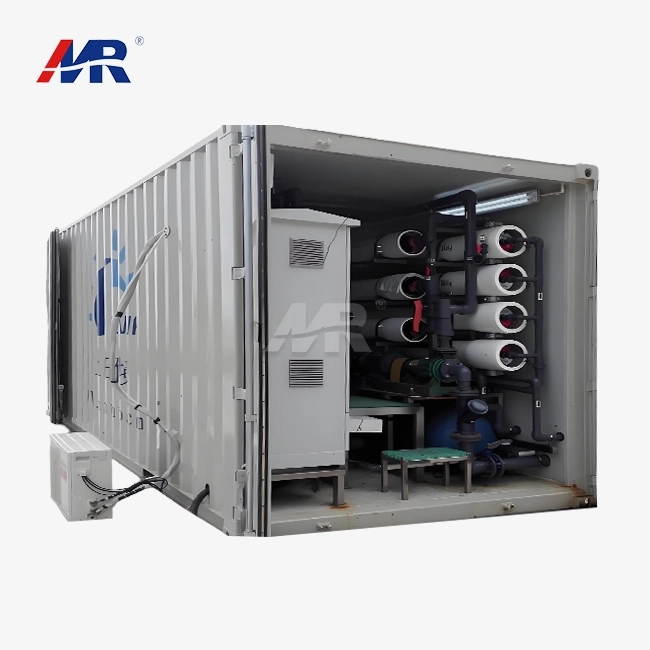
Companies may easily extend RO systems to meet their growing demands. Small firms utilize 50–100-gallon units to create water daily, whereas large organizations employ multi-membrane arrays to make 4,000 gallons per hour. Because manufacturers employ various amounts of the same parts, the approach works well on a large scale. The system works the same on a bench or across the plant. This helps buying teams stage growth or standardization across several locations. Capital costs range from a few thousand dollars for small businesses to several hundred thousand dollars for large industrial systems. But as the system grows, it costs less per gallon to clean, which benefits heavy users.
Maintenance Requirements and Operational Continuity
Change the pre-filter every three months, inspect the membrane annually, purified by reverse osmosis, and clean it every six months. Since these fix times are known, planned downtime may be scheduled to keep things operating smoothly. Pressures, flow rates, and result quality are automatically tracked. This alerts workers to job problems before they grow worse. Basic filters use reactive maintenance, but this approach is different. Unfound defects lower output quality in reactive maintenance. Medicine manufacturers keep records of their compliance. RO systems help regulators track and maintain operations.
Vendor Credibility and Technical Support
Buyers consider the manufacturer's reputation, licensing requirements, and after-sales support. Well-known RO suppliers provide engineering assistance during design, installation, monitoring, operator training, and fast service networks. This support with many things is crucial while establishing or improving water treatment facilities. Membrane autopsy companies assist in pinpointing problems and improving pre-treatment. The supplier's knowledge helps the firm function throughout time, not simply with tools. Stability is more significant to decision-makers than one-time commodities filter transactions.
Purchasing Reverse Osmosis Purified Water and Systems: A Buyer's Guide
Sourcing Options for B2B Buyers
RO systems can be purchased from manufacturers, authorized vendors, or water treatment integrators. For major projects, buying straight from the maker lets you collaborate with them and employ engineering tools and distinctive design. Distributors aid medium-sized enterprises with local assistance, ready-to-ship items, and established service networks. Integrators buy, install, get permits, and switch on the tools. They provide comprehensive alternatives for purchasers without specialists. Consider the work size, your professional skills, and your need for long-term assistance before choosing a path.
Contract Structuring and Bulk Considerations
Big stores offer varied prices, extended warranties, purified by reverse osmosis, and service plans using economies of scale. Multi-site companies discuss master arrangements that specify the same rules, pricing, and conditions. This simplifies purchases and ensures consistency. Leasing to own solutions need less upfront cash, making them ideal for startups and fast-growing companies. A service contract that includes supplies, emergency support, and upkeep makes hard-to-predict expenditures predictable. Both the purchase price and total cost of ownership are discussed. Compare the savings from the original purchase to ownership costs.
Trusted Reverse Osmosis Purified Water Brands and Suppliers for B2B Clients
Industry-Leading Manufacturers
Few firms produce industrial RO equipment. These firms have innovated for decades. These firms have global service networks. They have several Products and are quality-conscious. Their equipment is tested by a third party to ensure safety and functionality. When working with famous makers, you may harness their technical expertise, refined over thousands of setups in many settings. This expertise is utilized to create tools that assist consumers in avoiding issues and acquiring the best setups. The ability to labor 24/7 for years makes corporate image crucial. Help reliability and accessibility impact output consistency.
Certification and Compliance Standards
NSF International ensures RO parts clean drinking water. Safe and dirt-removal materials prove their truth. Outside, the WQA Gold Seal indicates good work. ISO 9001 certification lets you verify product quality and ensure consistency. Pharmaceutical equipment must be cGMP-compliant and have validation documents to support regulatory applications. USP clean water and injectable water criteria are met using medical-grade instruments. The purchasing criteria should state that the necessary licenses are required, and purchasers should examine the paperwork rather than trusting statements without verification.
Conclusion
Water purified by reverse osmosis is clean, stable, and consistent for industrial and commercial usage, where water quality directly influences results. The system removes all impurities, scales up, and functions better, making it environmentally friendly. The buying teams said RO systems are a better value than water treatment plants. They guarantee quality, obey regulations, are versatile, and save money over time. Investment in Reverse Osmosis protects product quality, brand reputation, and business future. Many pharmaceutical, food and beverage, electronics, healthcare, and industrial companies have employed RO technology effectively. This makes it the standard approach to clean vital water.
FAQ
1. Is daily consumption of reverse osmosis purified water safe in industrial quantities?
This water, purified by reverse osmosis, is safe to consume daily in any volume. For years, RO water in public water systems and businesses has been safe for health. RO removes beneficial and harmful minerals, but most individuals get enough from meals. After cleaning, remineralization filters add calcium and magnesium to water if you're concerned about minerals. Purity is more constant and safer for tools, thus most business users choose it over mineral content.
2. How does RO water influence manufacturing equipment and product consistency?
Removes minerals that cause scale accumulation and damage to boilers, heat exchangers, and industrial equipment, extending their lifespan. Pharmaceutical companies don't worry about batch failures owing to contamination, while food makers obtain reliable tastes without risky source water. Electronics manufacturers reduce defects by cleaning precisely. Because the water makeup remains the same, we can better regulate the process with stable low TDS. This eliminates a variable that might affect findings.
3. What certifications should buyers demand from RO suppliers?
If buying a drinking water treatment system, be sure it's NSF/ANSI Standard 58-approved and has independent tests to confirm it lowers toxins. WQA Gold Seal confirms quality work. ISO 9001 certification indicates quality management. FDA-approved equipment documentation is needed for medicinal purposes. Check the USP for medicinal applications. If someone claims to hold a certificate, ask for a copy and confirm its validity on the issuing bodies' websites.
Partner with Morui for Premium Reverse Osmosis Solutions
Water purified by reverse osmosis systems is available in pharmaceutical-grade settings, large-scale desalination, and ultrapure varieties. Our complete solutions include selecting, setting up, activating, and supporting the equipment for as long as it works. Over 14 facilities, 500 people, and 20 devoted engineers make up Our Team. We create membranes and hardware in our facility, so we can monitor quality from parts to the system. Since we operate with Shimge Water Pumps and Runxin Valves, the procedure will function effectively.
Morui is trusted for Reverse Osmosis since we've worked in various sectors. GMP-compliant medicinal water systems, drink cleaning equipment, and semiconductor ultrapure water equipment are available from us. If you're a technical decision maker, buyer, or building manager, chat to our engineers about your needs. Email Benson at benson@guangdongmorui.com for personalized guidance, full specs, and offers from many businesses. Discover why some of North America's leading corporations use Morui to clean their critical water.
References
1. American Water Works Association. (2021). Reverse Osmosis and Nanofiltration: Manual of Water Supply Practices M46. Denver: AWWA Press.
2. Greenlee, L.F., Lawler, D.F., Freeman, B.D., Marrot, B., & Moulin, P. (2009). Reverse osmosis desalination: Water sources, technology, and today's challenges. Water Research, 43(9), 2317-2348.
3. National Academy of Sciences. (2008). Desalination: A National Perspective. Washington, DC: National Academies Press.
4. Pharmaceutical Technology Editors. (2019). Water Systems for Pharmaceutical Facilities: Design, Validation, and Maintenance. London: Pharmaceutical Press.
5. U.S. Environmental Protection Agency. (2020). Drinking Water Treatment Technologies for Household Use: Reverse Osmosis Systems. EPA Publication 816-F-09-004.
6. World Health Organization. (2017). Drinking Water Parameter Cooperation Project: Support to the revision of Annex I Council Directive 98/83/EC on the Quality of Water Intended for Human Consumption. Geneva: WHO Press.