_1745823981883.webp)

Purified by Reverse Osmosis: What Contaminants Are Removed?
Water purified by reverse osmosis across a semi-permeable barrier can remove 98% of its heavy metals, bacteria, viruses, and total dissolved solids. This high-tech process removes lead, arsenic, chlorine, fluoride, nitrates, and drug residues. The clean water remaining may be utilized to make pharmaceuticals, prepare food, make goods in factories, and perform other vital operations that need precise water quality. It's needed anywhere that needs to keep people safe and clean since the technology works so well.
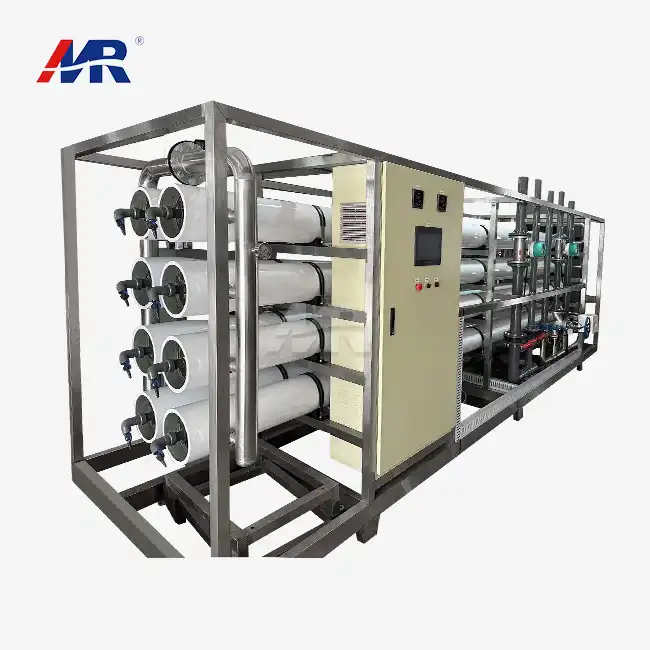
Understanding Reverse Osmosis Purification and Its Filtration Process
Reverse osmosis technology has revolutionized water treatment by addressing contamination challenges that conventional methods cannot adequately solve. At Guangdong Morui Environmental Technology, we've witnessed how industries increasingly rely on this precision filtration to safeguard product quality and equipment longevity.
How the RO Membrane Functions
The center of reverse osmosis devices is a semipermeable substance with tiny pores. The holes are 0.0001 microns wide. Small water molecules flow through these gaps, but not dirt. This barrier separates clean water from wastewater with prohibited impurities under high pressure. A genuine barrier maintains reduction rates throughout the filter cycle.
Multi-Stage Filtration Components
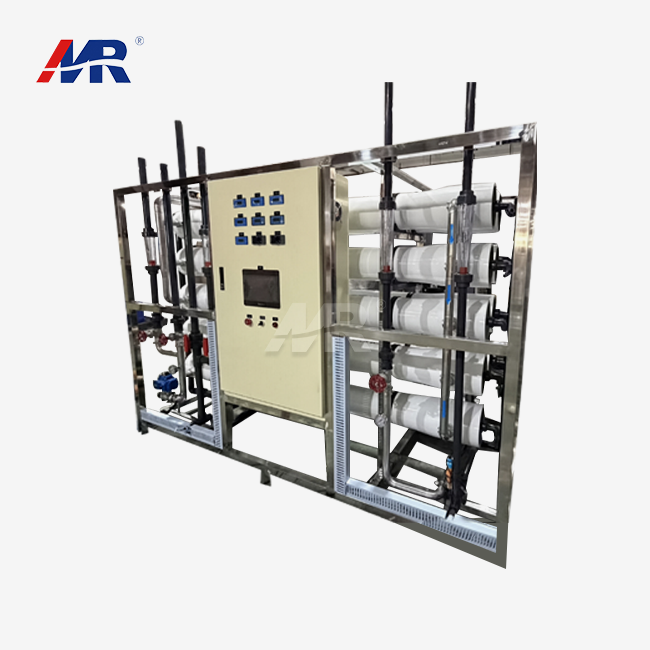
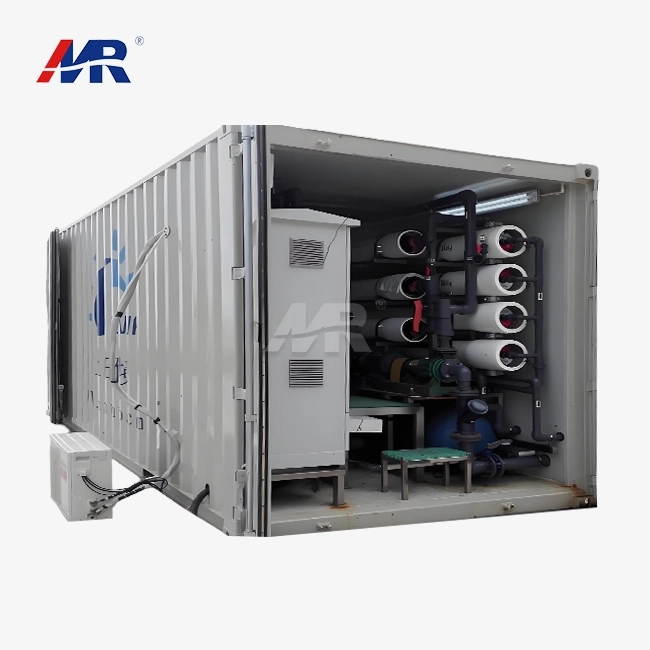
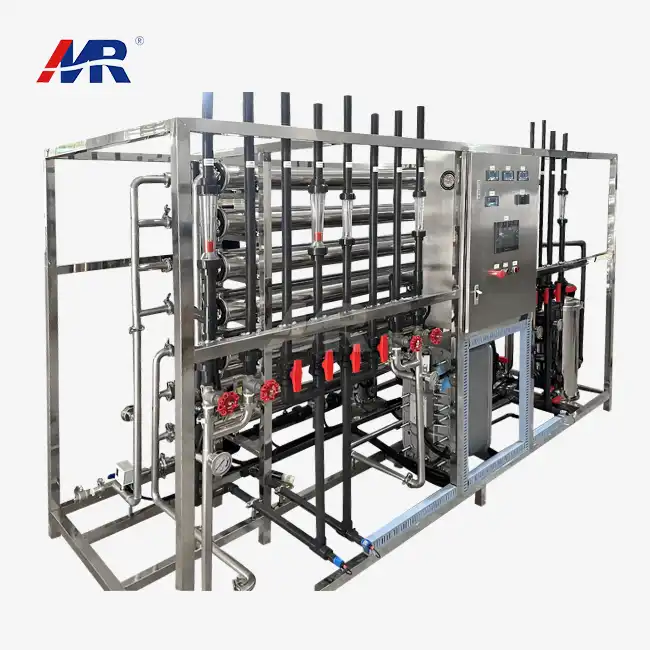
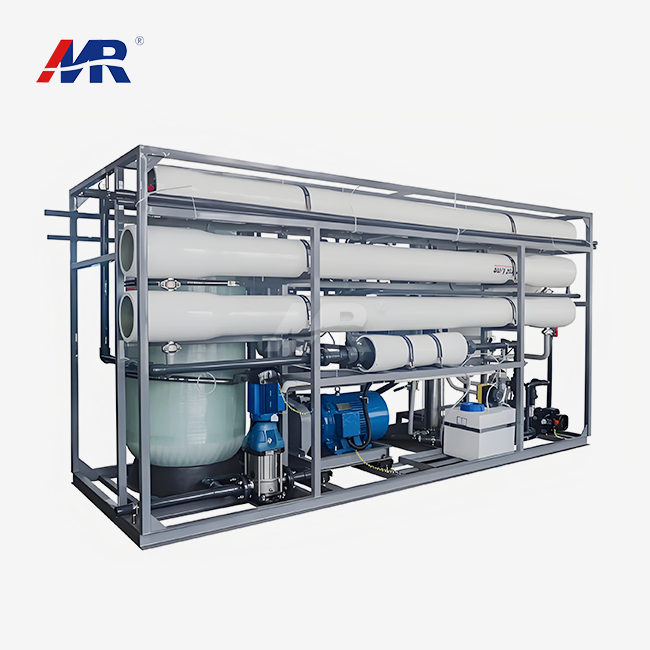
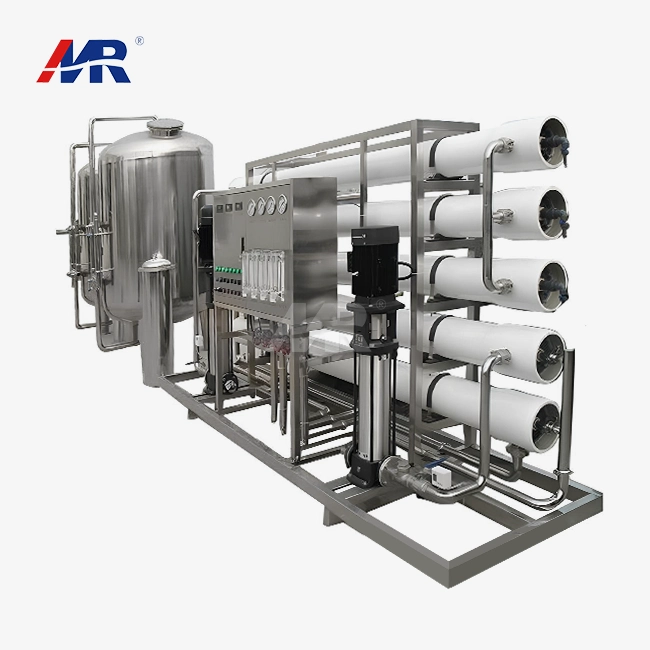
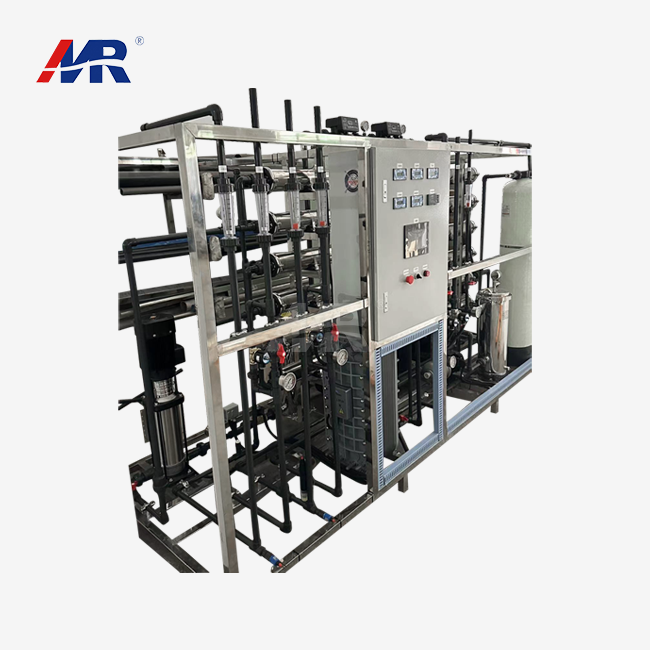
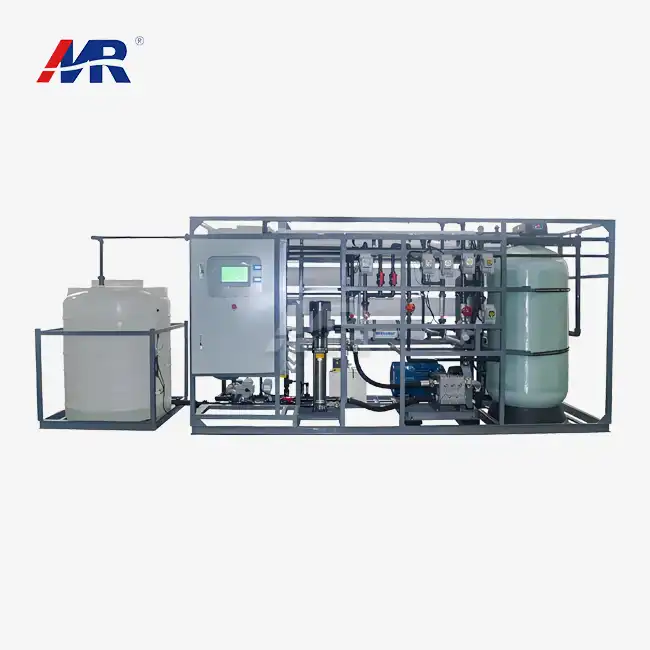
A comprehensive purified by reverse osmosis system has numerous cleaning processes that work together and in order. Dirt, rust, and dissolved solids may harm RO membranes; sediment filters collect them. Carbon filters remove chlorine, volatile organic compounds, and odor- and taste-altering substances. The membrane is also protected against oxidation. ro membranes remove tiny particles, minerals, and dissolved salts. Water is polished through additional carbon material to remove any remaining flavors after filtration. This happens before water enters storage tanks. It removes dirt and prolongs membrane life when layered.
Key Contaminants Effectively Removed by Reverse Osmosis
Understanding which contaminants RO systems eliminate helps procurement professionals match technology capabilities to specific industrial requirements. Our experience at Morui working with diverse manufacturing sectors has confirmed the technology's reliability across contamination scenarios.
Dissolved Salts and Total Dissolved Solids
RO membranes effectively remove dissolved minerals and salts from water. They reject 95%–99% of dissolved solids. This capability is crucial for an electronics facility that uses water that doesn't transport electricity, since even small levels of minerals can disrupt chip production. You can filter calcium, magnesium, sodium, and sulfates. This prevents scale from forming in heating and cooling systems, which would reduce heat transfer and increase maintenance costs.
Heavy Metals and Toxic Elements
Lead, arsenic, chromium, mercury, cadmium, and other harmful heavy metals are primarily eliminated via reverse osmosis (RO). A filter allows some metal ions but not others. No matter how many are in the source water. RO removes these substances, so pharma firms that create injectable therapies and medical companies that need dialysis machine water need it. This expertise is needed in food and beverage kitchens to ensure safety and consumer health.
Benefits and Safety Considerations of RO Purified Water for Industrial and Plant Use
Industries adopting reverse osmosis technology realize multiple operational advantages beyond basic contamination removal. Our installations across manufacturing facilities consistently demonstrate measurable improvements in product quality and equipment performance.
Industrial Process Advantages
Manufacturing methods that use accurate science operate better with clean water. For electronics, you need clean water, which RO systems always provide. This prevents minor chip malfunctions. Pure processing water preserves flavors and extends food and drink shelf life. Every RO system that produces a lot of water fulfills pharmacopeial criteria. This improves pharmaceutical GMP compliance. This method cleans boiler water to prevent scaling. Also saves money on cleaning time and improves heat.
Equipment Longevity and Cost Reduction
Dissolving minerals and acidic pollutants prolong the life of costly purified by reverse osmosis industrial equipment. Low-TDS water is best for heat exchangers, cooling towers, and steam producers. They consume less energy and require less upkeep. Because corrosion slows, pipes, tanks, and processing equipment break down slowly. Despite the higher initial cost of setting up the cleaning apparatus, these benefits decrease the overall cost of ownership.
Maintenance, Cost, and Procurement Insights for RO Systems
Successful long-term operation of reverse osmosis systems depends on planned maintenance protocols and informed procurement decisions. Having installed systems across multiple industrial sectors, we've identified critical factors that determine operational success.
Maintenance Requirements and Schedules
Every three to six months, silt pre-filters should be replaced. The frequency of usage and source water quality determine this. Most carbon filters need to be updated every 6–12 months to maintain performance and membrane protection. RO membranes should last two to five years if treated before use and cleaned regularly. Change the post-filters annually or when the flavor changes. Checking seep water quality, pressure fluctuations, and flow rates daily shows how the system is performing and when it needs to be rectified before the water quality deteriorates.
Cost Considerations for Commercial Systems
Business and factory water purified by reverse osmosis RO systems costs more than household ones. Small setups cost a few thousand dollars, whereas large municipal or industrial ones cost several hundred thousand. The firm must pay for high-pressure pump energy, filter and membrane replacement, and wastewater disposal for water purified by reverse osmosis. Modern methods use 1:1 clean water to waste water, saving water and the environment compared to 1:3. To calculate the total cost of ownership of water purified by reverse osmosis, consider how much electricity the system requires, how long the membrane is guaranteed to last, and how easy it is to purchase new parts.
Comparison of Reverse Osmosis Purified Water with Alternative Water Types
Evaluating reverse osmosis against other water treatment approaches helps clarify when the technology offers optimal value for specific industrial applications.
Purity and Contaminant Removal Effectiveness
Reverse osmosis removes more pollutants than other techniques. This is especially true for dissolving solids that simpler filters can't remove. Carbon-filtered water has less chlorine and organic pollutants. Water-dissolved minerals and salts remain. Bottled water purity depends on its origin and treatment. This means there is no single corporate standard. Alkaline water systems contribute minerals, whereas many industrial operations remove them. Because RO cleans water, you can assess its quality and use it for scientific applications.
Environmental and Energy Considerations
Water loss is a concern with reverse osmosis; today's systems gather more. Though less energy-intensive than distillation, it uses more than basic filter technologies. RO is better for the environment than bottled water since it emits less smog and transportation waste. RO isn't the only option to achieve purity in industrial settings. This indicates that considering global harm is crucial to make things excellent.
Conclusion
For manufacturing, medicine, food preparation, and many other industries where water quality influences product purity and machine efficiency, water purified by reverse osmosis delivers total contamination elimination. Its barrier-based removal of dissolved solids, heavy metals, microorganisms, and chemical waste makes it superior to others. Find out how much multistage filtration costs and requires maintenance. You may balance the initial investment with the long-term working advantages by making sensible purchase selections. Businesses must solve challenges today and in the future as safety and quality requirements tighten. This can be met using reverse osmosis systems.
FAQ
1. What contaminants does reverse osmosis NOT remove effectively?
Reverse osmosis membranes struggle with low-molecular-weight chemicals. These include organic fire-starters and liquids with molecules smaller than water. Membranes easily transfer dissolved gases, including radon, carbon dioxide, and hydrogen sulfide. Bugs and bug killers with particular chemical structures may be reused. RO, activated carbon filters, and pre-treatment can address most of these concerns. To ensure your system removes all dangerous contaminants from source water, test it frequently.
2. How often should commercial RO systems undergo filter replacement?
Carbon pre-filters last six to twelve months, depending on application and water quality. Change sediment pre-filters every 3–6 months. If you clean and maintain them, they should last two to five years. Change the post-filters annually or when the flavor changes. Performance indications like pressure differential and permeate quality might assist you in determining whether to change parts based on system performance.
3. Does mineral removal from RO water affect industrial equipment or processes?
Due to its low salt content, RO water is ideal for business since it prevents scaling and corrosion. RO water is used to create electronics, pharmaceuticals, and boiler feed water due to its low TDS. Remineralization may be needed to adjust water pH for various operations. Post-treatment dosage can aid this. RO systems provide consistent water quality, making process management easier. Source water changes over time.
Partner with Morui for Industrial Reverse Osmosis Solutions
Water purified by reverse osmosis is Guangdong Morui Environmental Technology's specialty. They fully treat water for business, medicines, food, and public usage. Our 14 sites and 20 qualified engineers can help you plan, install, use, and maintain the system. Shimge Water Pumps and Runxin Valves are our top suppliers to ensure product reliability and performance. Email benson@guangdongmorui.com to discuss how you want to clean your water, purified by reverse osmosis, and we'll provide tailored solutions based on our decades of industrial water cleaning experience.
References
1. World Health Organization (2017). Guidelines for Drinking-water Quality: Fourth Edition Incorporating the First Addendum. Geneva: WHO Press.
2. Greenlee, L.F., Lawler, D.F., Freeman, B.D., Marrot, B., & Moulin, P. (2009). Reverse osmosis desalination: Water sources, technology, and today's challenges. Water Research, 43(9), 2317-2348.
3. National Science Foundation International. (2019). NSF/ANSI Standard 58: Reverse Osmosis Drinking Water Treatment Systems. Ann Arbor: NSF International.
4. Crittenden, J.C., Trussell, R.R., Hand, D.W., Howe, K.J., & Tchobanoglous, G. (2012). MWH's Water Treatment: Principles and Design. Hoboken: John Wiley & Sons.
5. American Water Works Association. (2018). Reverse Osmosis and Nanofiltration (M46): AWWA Manual of Water Supply Practices. Denver: AWWA Publications.
6. United States Pharmacopeial Convention. (2020). USP-NF General Chapter 1231: Water for Pharmaceutical Purposes. Rockville: USP Convention.