_1745823981883.webp)

Maintenance Tips for Keeping Your 100 GPD RO System Smooth
Maintaining a 100 GPD RO system will save you headaches, help you meet water quality requirements, and preserve your bottom line. Maintaining your reverse osmosis system will turn it from a danger into a producing asset. This is true whether you operate a pharmaceutical lab that requires ultrapure water or a food manufacturing facility that needs safe beverages. Proper maintenance extends equipment life, prevents costly production stoppage, and meets industry standards. This book provides simple strategies that plant owners, building engineers, and purchasing managers may adopt immediately to enhance system performance and minimize ownership costs.
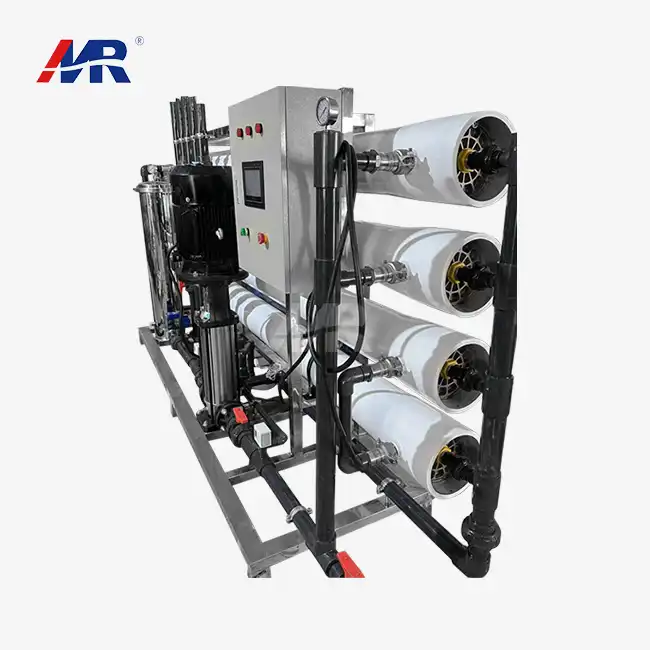
Understanding Your 100 GPD RO System: Components and Operation
The Core Technology Behind Your Water Purification
Every 24 hours, a 100 GPD RO system cleans 100 gallons of water. This much water can supply houses and even industries. It's ideal for small to medium-sized enterprises, laboratories, medical institutions, and other areas where clean water influences product quality.
Source water is pushed through a semi-permeable membrane under pressure. Contaminants are blocked while clean water passes through the membrane. Dissolved sediments, heavy metals, pathogens, and organic compounds are eliminated up to 98%. Businesses need this since even little impurities may impair productivity or make it tougher to follow laws.
Critical Components That Demand Your Attention
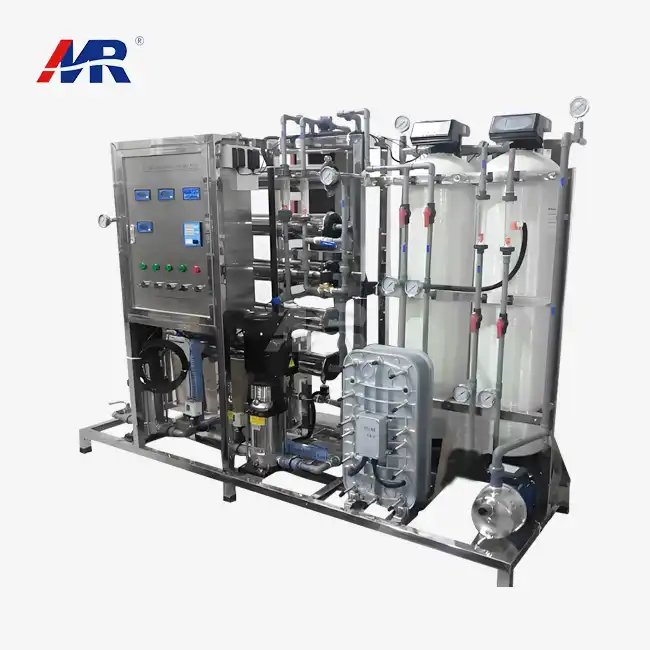
Knowing each portion of your RO system lets you spot faults before they worsen. The silt pre-filter prevents particles above 5 microns, preventing premature wear on downstream elements. Carbon pre-filters remove chlorine and chemical compounds that might harm your ro membrane, the most costly portion.
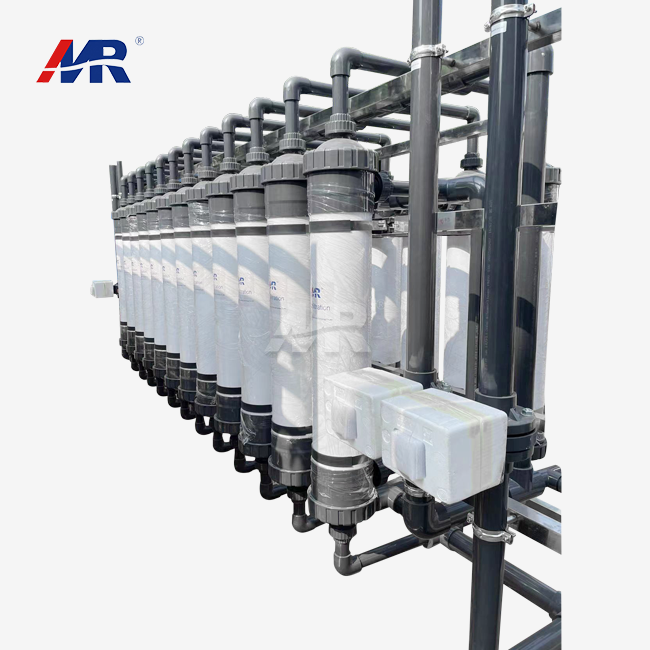
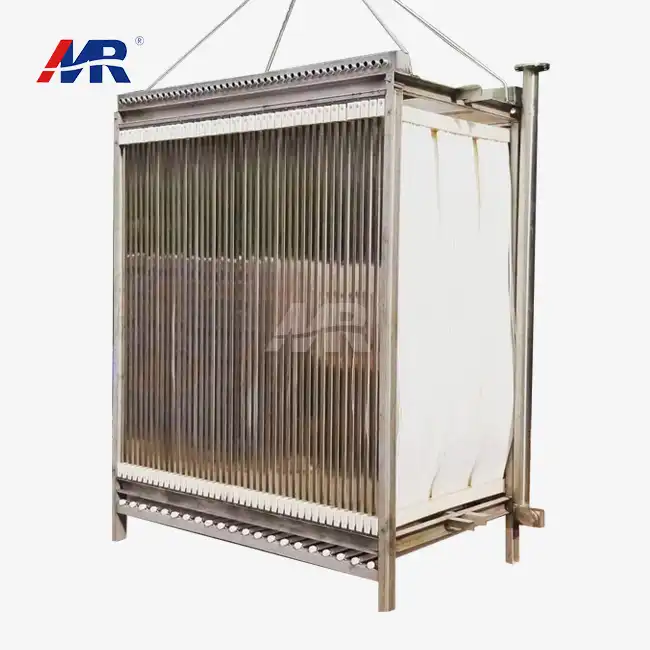
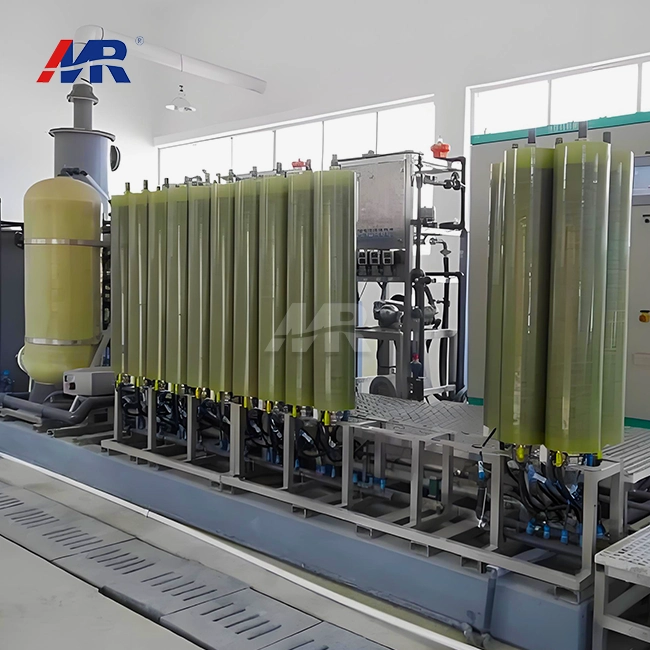
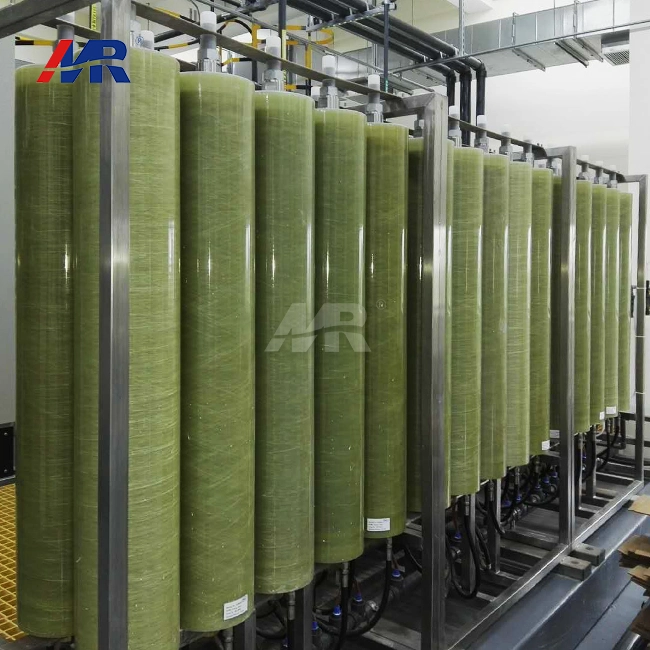
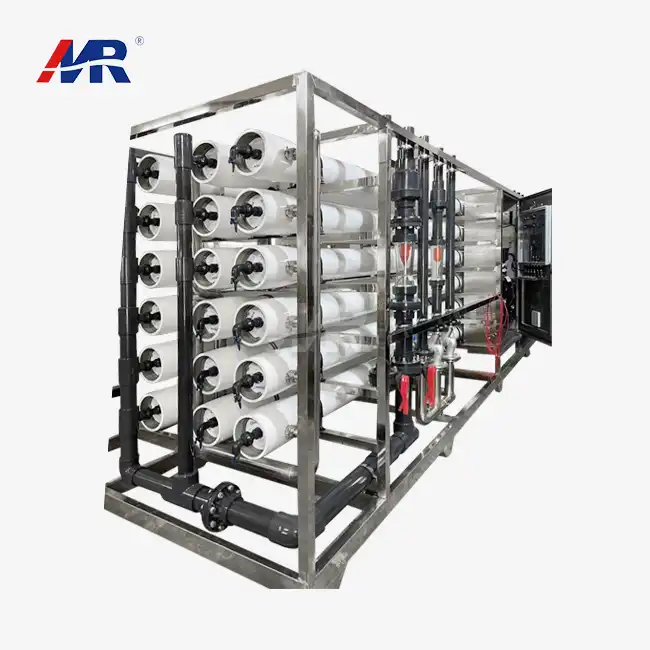
The RO membrane is the most crucial cleaning component. Osmotic pressure separates water from pollutants. Most systems use a booster pump to maintain 50–80 PSI pressure for optimal flow rates. The holding tank stores cleansed water until required. A post-carbon filter enhances flavour and eliminates odours before usage. Each portion operates in sequence, so if one breaks, the entire system is in danger.
Operational Parameters That Signal System Health
Monitor important success measures to discover issues early. How rapidly permeate runs through your membrane indicates sticking or scaling. A 15% decline from the start generally requires membrane cleaning or replacement. TDS levels in product water should remain constant. Gradual TDS increases indicate membrane or seal failure.
A feed pressure exceeding 80 PSI or below 40 PSI indicates a clogged pump or pre-filter. Temperature greatly impacts performance. Membrane effectiveness declines 3% every degree below 77°F. Knowing these relationships helps you distinguish between typical variations and significant problems.
Common Maintenance Challenges and Root Causes
Performance Degradation Patterns You'll Encounter
Our site managers' main complaint is lower water production. Backup plans work when your 100 GPD RO system produces 70 gallons a day, delaying output. When iron, manganese, or organic growth sticks to the membrane, this decrease occurs. This occurs often when well or surface water is treated improperly.
Even modest changes in water flavour or fragrance indicate worn carbon filters or bacteria in the holding tank. Pharma and food processing companies hate these modifications since they impact product regularity and potentially cause batch rejections.
Operation instability results from pressure changes. High pressure wastes energy and accelerates membrane deterioration. Low air slows output and prolongs completion. Check valve failure, flow restrictor blockage, and pump shaft wear and tear often induce these symptoms, which worsen fast.
The Hidden Costs of Reactive Maintenance
Delaying maintenance produces a chain reaction. Clogged silt filters make your pump work harder, consume more power, and last less. Without timely membrane replacement, it will scale and require strong chemicals to clean, assuming it can be preserved.
Punishments for breaking the regulations are severe. If water quality doesn't match documented variables, the FDA will monitor pharmaceutical businesses. Food manufacturers risk returns. Electronics businesses create defective parts. Protection is cheap compared to penalties, returned items, and stock disposal.
Unplanned downtime impacts everything. Emergency repairs and speedy parts cost money when your RO system breaks down mid-shift. Costs include delayed productivity, idle personnel, and unfulfilled delivery promises that damage customer relationships.
Essential Maintenance Tips to Keep Your 100 GPD RO System Running Smoothly
Establishing a Preventive Maintenance Schedule
Scheduled maintenance separates successful from unsuccessful operations. Because water chemistry affects part lifespan, you should combine what the manufacturer recommends with site circumstances.
The maintenance plan Morui offers is based on decades of job experience in several environments. Maintaining these measures protects your investment and improves water quality.
Ordinarily, sediment pre-filters should be updated every 6–9 months. If sediment-rich water is used, they may need to be replaced every three months. Replacement is needed when feed pressure rises or flow rate drops. Carbon pre-filters last 9–12 months before chlorine breakout, as seen on chlorine test strips at the membrane-water interface. Post-carbon filters last roughly the same but degrade more due to flavour than measurable causes.
RO membranes are the most expensive to maintain, but if properly maintained, they may last five or seven years. Monthly TDS testing indicates data changes; steady climbs indicate replacement, while fast jumps indicate physical deterioration that requires immediate repair. Annual professional cleaning removes built-up foulants before they become permanent. Before substantial clogging, this may restore 85–95% flow capacity.
Pressure and Flow Monitoring: The 100 GPD RO system's pressure is tested weekly. This detects issues early. Note the feed, pre-membrane, and permeate pressures for conventional trends. 10% warrant investigation deviations. Cold water travels more slowly; therefore, flow rate observations should be obtained at constant temperatures. Comparing morning and afternoon measurements might cause false alarms.
These rigorous methods prevent surprises, maintain water quality throughout production, and allow you to manage maintenance expenditures.
Environmental Factors That Modify Maintenance Frequency
The source water's characteristics affect maintenance. High hardness accelerates membrane scaling, requiring more frequent cleaning or water softener pre-treatment. Manganese and iron foul fast, requiring upstream oxidation filtration. Free chlorine removes chloramines better than activated carbon; chloramine-contaminated municipal water requires special carbon filters.
Ambient temperature affects system performance beyond efficiency. Membranes are less productive in cold storage and may require warm feed water to flow. Storage tanks near boilers or in warm regions may develop germs more quickly; they should be sanitized every three months instead of once a year.
Operating work cycles matter. Continuous systems wear all their parts uniformly, but irregular operation creates wet-dry cycling that helps living things thrive while they're not doing anything. A preservation process will prevent membrane breakdown and germ growth if your system is not utilized for a long period.
Comparison Insights: 100 GPD RO System vs Other Systems in Professional Settings
Capacity Considerations for Business Applications
The correct system size will affect whether your water purification equipment functions well or hinders output. Considering membrane efficiency and seasonal performance, the 100 GPD RO system design works well for the daily water needs of 70 to 90 gallons.
Although cheaper, 50 GPD units can't keep up with expanding activity. Continuously running undersized systems accelerates part wear and makes it difficult to meet greater output needs. This configuration works for low-water research laboratories or backups for larger systems.
Larger 200 GPD systems offer excellent capacity but need greater feed pressures and space. Extra throughput capacity is vital when production rises during particular seasons or while expanding your facility. Business economics also evolves. Repairing larger membranes costs more, but creating a gallon costs less.
Technology Integration Opportunities
After removing dissolved solids, reverse osmosis can't always remove contaminants. UV sterilization protects against microbes without chemicals, which is vital for medical reasons. This mixture ensures chemical purity and animal safety.
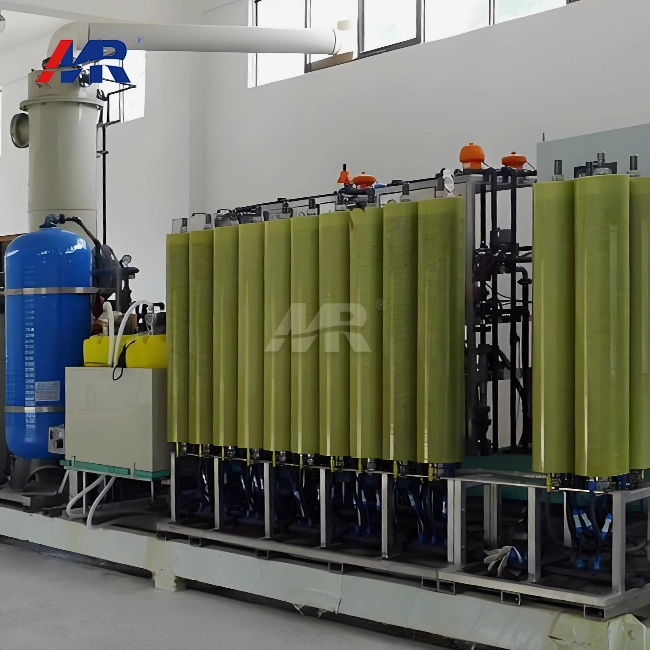
Electrodeionization (EDI) polishes RO permeate to ultrapure standards for semiconductors and complicated medicines. RO-edi systems deliver clean water without handling or disposing of chemicals needed for conventional ion exchange renewal. This integration is the gold standard if the final water resistance is above 10 megohm-cm.
Activated carbon and ceramic filters have distinct advantages. Carbon removes organics and chlorine, but it must be replenished. Because they can be cleaned and reused, ceramic filters are cheaper than RO filters, but they don't remove dissolved solids. Understanding how these technologies function helps you create tiered water treatment strategies that fulfil quality requirements.
Choosing the Right 100 GPD RO System and Supplier for Your Business
Critical Specifications Beyond Flow Rate
When making a procurement choice, you have to look at a lot of factors at once. The membrane rejection rate shows how well the system gets rid of contaminants. When they are brand new, commercial-grade systems should be able to reject 95–98% of TDS. The recovery ratio shows how much of the feed water is turned into product and how much is lost as drain water. Most 100 GPD RO system configurations only recover 20 to 30 percent, which means they waste 2 to 4 gallons for every gallon they make.
The size of the pump and how it controls the pressure are very important. Good systems turn off automatically when the holding tank is full, so they don't run all the time and waste water and energy. Having pressure readings in more than one place makes troubleshooting easier by making it clear where limits happen.
How the frame is built affects how long it lasts and how well it works. In damp places, powder-coated steel frames are better at keeping metal from rusting than bare metal. When maintenance needs to be done during production shifts instead of planned breaks, it's important that the parts can be easily mounted so that filters can be changed quickly without the need for special tools.
Supplier Selection Criteria That Protect Your Investment
A brand's image is based on how well it has been designed and how many happy customers it has had. Manufacturers with a long history, such as APEC, Watts, iSprings, and Home Master, offer Products that have been tested and proven to work. Their systems usually come with detailed instructions, easy-to-reach Technical support, and new parts that are easy to find. These features help keep downtime to a minimum when problems do happen.
Warranty terms show how confident the maker is. Expectations of decent quality are shown by standard one-year coverage on parts and three-year membrane guarantees. When a company offers an extended guarantee, it means they care about building long-term relationships with customers over making quick sales.
Support after the sale is very important for the ownership experience. Quick troubleshooting is made easier by responsive technical support; problems are often solved directly, without service calls. When new parts are easy to find, there is less downtime while waiting for hard-to-find parts to come. Some providers have area service networks that can provide on-site support, which is helpful for businesses that don't have their own water treatment experts.
Streamlining Procurement and Inventory Management
Building relationships with dependable providers makes running a business easier. Setting up regular orders for consumables makes sure that filters come before they run out, so you don't have to buy them at high prices in an emergency. Total acquisition costs can be cut by a large amount by negotiating volume prices across multiple sites or through yearly contracts.
A lot of buyers don't understand how important documentation is. Keeping full records on all of your equipment, including when it was installed, when it was last serviced, and the results of any water quality tests, can help you find trends, defend capital expenditures, and show that you're following the rules during audits. When suppliers offer complete paperwork packages, these routine tasks are made easier.
Customization choices let you meet specific needs. Adding booster pumps to places with low pressure, special membranes for water with tricky chemistry, or connecting the system to building tracking systems can all make it more useful. Suppliers who offer these changes show that they are flexible and willing to meet your specific business needs without pushing you to make concessions.
Conclusion
To keep your 100 GPD RO system in good shape, you need to follow preventative measures, pay close attention to performance indicators, and work with reliable providers. Reliability is built on replacing filters, taking care of membranes, and checking the pressure on a regular basis. If you know how the way your business works affects the regularity of maintenance, you can avoid both wasteful over-maintenance and costly carelessness. When choosing providers and equipment, it's important to look for quality that has been proven, full support, and the ability to customize the equipment so that it fits your needs. When you spend money on good tools and regular upkeep, the system lasts longer, the water quality stays the same, and there are fewer interruptions in production. If facility managers and procurement workers follow these tactics, they can turn water purification from a support role into a competitive edge.
Frequently Asked Questions
1. How often should filters be replaced in a 100 GPD RO system?
Most sediment pre-filters need to be replaced every 6 to 9 months, but this depends a lot on the quality of the water. Source water with a lot of particles may need to be changed every three months. Carbon pre-filters usually work less well at removing chlorine after 9 to 12 months. Every three to five years, based on how well it is maintained and how it is used, the membrane needs to be replaced. Instead of sticking to strict schedules, keep an eye on performance signs such as pressure differentials and TDS readings to figure out when to actually change the parts in your 100 GPD RO system.
2. What causes pressure drops in reverse osmosis systems?
Usually, low pressure is caused by pre-filters that get stuck and stop water from getting to the membrane. Low pressure can also be caused by broken check valves or worn-out pump impellers. If, on the other hand, the pressure is high, it means that the drain flow is limited, usually because of clogged flow restrictors or kinked drain tubes. Systematic pressure measurement at multiple places quickly pinpoints the problem area, allowing focused repair instead of guessing when replacing parts.
3. Can I extend membrane life beyond manufacturer recommendations?
When maintained properly and working conditions stay good, membranes often last longer than their given lifespans. Regular TDS tests and flow rate tracking show the real state, no matter how old the data is in years. When fouling happens slowly, professional membrane cleaning can recover function. But sudden drops in refusal or damage to the membrane mean that it needs to be replaced right away, no matter how old the person is. Trying to stretch membranes that are badly damaged past their useful life can hurt the water quality and possibly other parts of the system.
Partner with Morui for Reliable 100 GPD RO System Solutions
Guangdong Morui Environmental Technology brings its skill in treating water straight to your business. As a well-known provider of 100 GPD RO system solutions, we offer full solutions, from choosing the right equipment to installing it, starting it up, and providing ongoing upkeep support. Our engineering team creates systems that meet your exact water quality needs, and our workers make sure they are installed correctly so they work well and last a long time. With more than 500 committed professionals, 20 specialized engineers, and the ability to make membranes in-house, we offer help that separate equipment providers can't match. Get in touch with benson@guangdongmorui.com to talk about your unique water purification needs and find out how our all-around method cuts down on downtime and increases efficiency while lowering costs.
References
1. American Water Works Association. (2020). Reverse Osmosis and Nanofiltration: Manual of Water Supply Practices M46. AWWA Publications.
2. Greenlee, L.F., Lawler, D.F., Freeman, B.D., Marrot, B., & Moulin, P. (2019). Reverse osmosis desalination: Water sources, technology, and today's challenges. Water Research, 43(9), 2317-2348.
3. Wilf, M., & Bartels, C. (2018). Optimization of Seawater RO Systems Design. Desalination Publications.
4. National Sanitation Foundation International. (2021). NSF/ANSI Standard 58: Reverse Osmosis Drinking Water Treatment Systems. NSF International.
5. Kucera, J. (2019). Reverse Osmosis: Design, Processes, and Applications for Engineers. Wiley-Scrivener Publishing.
6. Water Quality Association. (2022). Membrane Separation Technologies: Technical Application Bulletin. WQA Technical Services.