

_1745823981883.webp)

Unique Applications of Laboratory Ultrafiltration in Modern Research
For laboratory research in pharmaceutical, biotechnology, food science, and environmental fields, ultrafiltration technology delivers precision, purity, and reproducibility. Instead of filters, membrane-based separation lets researchers concentrate protein samples, separate biomolecules, and purify water. Membranes don't degrade or alter substances. This approach works with semi-permeable membranes having molecular weight restrictions. Macromolecules are blocked by these membranes, while solutes and liquids flow through. Ultrafiltration offers concentrated selectivity, making it useful for sample preparation, sterile processing, and analysis. This impacts experiment accuracy and product development time.
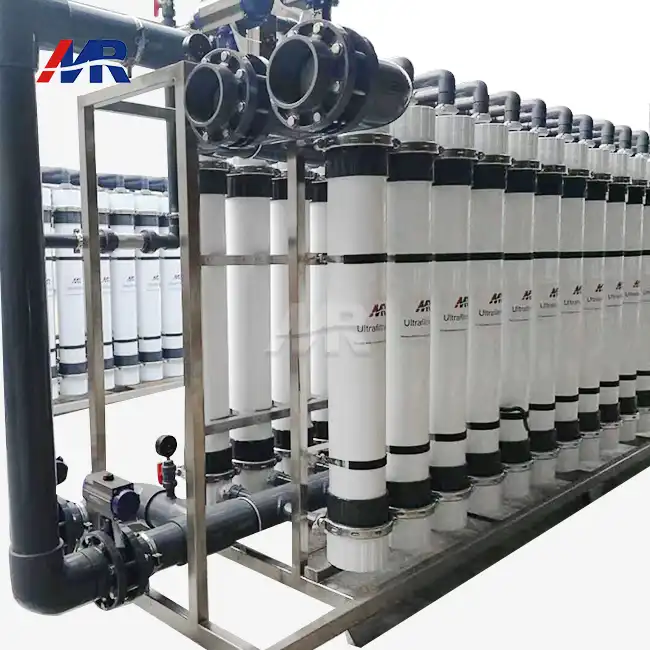
Understanding Ultrafiltration Technology in Laboratory Settings
Ultrafiltration uses pressure-driven membranes to separate molecules by size rather than chemical reaction. This physical barrier approach uses hydrostatic pressure (1–10 bar) to drive liquids through semi-permeable materials with precisely regulated hole diameters.
Core Operating Principles and Membrane Structures
To sort particles, molecular weight cut-off values (in kilodaltons) determine which pass through the membrane and which remain in the retentate stream. Membrane holes average 1–100 nanometres. They permit salts, sugars, and tiny organic molecules through but inhibit bacteria, viruses, colloids, and high-molecular-weight proteins. Operating pressures are substantially lower than in reverse osmosis. This conserves energy and reduces mechanical stress on fragile biological samples. Protein structure and function are crucial for pharmaceutical research and biomanufacturing, thus mild processing is necessary.
Membrane Materials and Configurations Used in Research
Polyethersulfone and polyvinylidene fluoride are the most popular polymers for laboratory ultrafiltration membranes because they are chemically robust, thermally stable, and mechanically durable. Alkaline solutions, acids, and oxidising agents may clean these materials repeatedly without affecting their function. Hollow fibre modules, flat sheet cassettes, and spiral-wound membranes exist. Each has advantages. Hollow fibre membranes can handle vast volumes of biotech material because of their high surface area-to-volume ratio. Research-scale protein concentration experiments benefit from flat sheet membranes' simple viewing. Tubular designs manage high-solids feedstreams and simplify mechanical cleaning in food preparation research.
Distinguishing Ultrafiltration from Other Membrane Processes
Membrane separation includes microfiltration, nanofiltration, and reverse osmosis. Ultrafiltration is elsewhere. Microfiltration removes particles and bacteria but not viruses or proteins due to its 0.1–10 micron pores. Nanofiltration combines ultrafiltration with reverse osmosis. It permits monovalent salts through but blocks divalent ions. At greater pressures, reverse osmosis removes most dissolved particles, including monovalent ions. This is important for ultrapure water but bad for protein recovery since it retains salts. Researchers may pick the proper membrane technology depending on target molecule size, purity, and processing demands by understanding these distinctions.
Unique Applications of Ultrafiltration in Modern Research Labs
In several domains, membrane separation technologies are crucial to study. Size-based molecule separation can solve issues that regular approaches can't.
Pharmaceutical R&D and Biotherapeutic Development
Researchers use tangential flow filters to concentrate protein solutions from diluted cell culture supernatants. Titers increase tenfold while low-molecular-weight impurities are removed. Vaccine production relies on precise filtering using 0.02-micron screens to eliminate 4–6 logs of bacteria and mycoplasma without heat, which could otherwise denature antigenic proteins. Specialized ultrafiltration technology membranes remove endotoxins, reducing pyrogen levels below 0.25 EU/mL to comply with FDA regulations and meet the challenges of novel injectable formulations. Diafiltration, which combines ultrafiltration with continuous buffer addition, swaps formulation components without diluting the target protein. Overall, producing therapeutic proteins in pharmaceutical buffer systems depends heavily on advanced ultrafiltration technology.
Food Science and Dairy Processing Research
Whey protein concentration has altered dairy research and commercial production with ultrafiltration devices that may increase protein content from 0.8% to 35% or more in one pass. Lab-scale studies assess membrane performance under different temperature, pH, and ionic strength settings to determine industrial processing parameters. Membrane filtering removes haze-causing suspended particles, pectins, and polyphenolics from juice, according to research. This produces longer-lasting beverages. Enzyme recovery helps food scientists recover biocatalysts from process mixtures. Enzymes may be employed in several processing cycles, and manufacturing costs are reduced. Lactose-free dairy Products may be made without reducing protein using selective ultrafiltration membranes.
Environmental Analysis and Water Quality Assessment
Water pollution investigations separate dissolved organic materials by molecular weight distribution using ultrafiltration. This tells scientists how contaminants behave and how bioavailable they are in marine environments. Microplastic analysis increasingly involves filtering nanoplastic particles from large quantities of water before spectroscopic examination. Wastewater characterisation studies distinguish particle, colloidal, and fully dissolved pollutants by sequential filtering through membranes with decreasing pore size. This aids treatment technique selection. The pathogen percentage in outdoor samples might reveal low-abundance pathogens like Cryptosporidium and Giardia. This aids epidemiological and water safety research. Researchers analyse membrane clogging in the lab to predict their performance in municipal water treatment.
Choosing the Right Ultrafiltration Systems and Membranes for Lab Research
For membrane separation to work well in research processes, the system's features must be carefully matched to the goals of the experiments. When making procurement choices, people have to think about both short-term study needs and long-term operational needs.
Key Selection Criteria for Membrane Materials and MWCO
The molecular weight cut-off should match the size of the target molecule and the smallest particle that needs to be kept. Proteins with molecular weights of 50 kDa usually need membranes rated at 10 kDa MWCO to make sure they are retained in large amounts while allowing the most permeate flow. It is very important to check the chemical stability of materials before using them with organic solvents, solutions with very high or low pH, or oxidizing agents that can damage cellulose membranes but not fluoropolymer materials. Different types of membranes can handle different temperatures. Polyethersulfone membranes can stay structurally sound up to 80°C, but cellulose membranes break down above 50°C. Fouling resistance is affected by hydrophilicity. Changing the surface to be more hydrophilic lowers the amount of protein that sticks to it and increases the time between cleaning processes.
Comparing Benchtop and Pilot-Scale System Configurations
Benchtop stirred-cell ultrafiltration technology units manage sample volumes from 10 μL to 500 μL, ideal for screening studies, small-batch purification, and university research with limited sample availability. Single-use membrane plates minimize cross-contamination and simplify regulatory compliance. Tangential flow filter systems handle 500 μL to several liters, using recirculation pumps to reduce concentration polarization and maximize flux rates. Modular, cassette-based designs allow additional filtration modules to scale membrane area without redesigning the system. Hollow fiber cartridges provide compact units with large surface areas, making them ideal for biotechnology labs that require high cell recovery.
Evaluating Suppliers and Technical Support Infrastructure
Leading membrane makers offer detailed scientific information, such as flow measurement data, chemical compatibility matrices, and cleaning validation processes that help speed up the development of new methods. Suppliers who offer real agreements are different from those who only sell products: they have application scientists on hand who understand specific study problems. It's important to be able to customize when standard membrane designs can't meet specific study needs, like those that require specific surface chemicals or unique pore size distributions. Demonstration programs let you test real study samples before you buy expensive tools. This lowers the risk of buying something and makes sure the system will work well. Maintenance service agreements and quick membrane replacement supply lines keep experiments running as normally as possible when membranes fail without warning.
Optimizing Ultrafiltration Efficiency and Performance in Laboratory Research
To get consistent results and make membranes last as long as possible, strategic management strategies are needed that take into account the problems that come with pressure-driven membrane processes.
Understanding and Mitigating Membrane Fouling
Concentration polarization, pore blocking, and cake layer creation are some of the fouling processes that need different ways to be fixed. Concentration polarization, which is when molecules that are stuck to the membrane surface build up, lowers the pushing force and flow even when pores are not blocked. Cross-flow velocity optimization keeps the turbulence going, which moves solutes that have built up away from the membrane surface. Backflushing methods change the flow direction every so often to get rid of particles stuck in membrane holes. This works especially well with hollow fiber configurations. Alkaline solutions used in chemical cleaning get rid of protein deposits, acidic cleaners break down mineral scale, and oxidizing agents get rid of biological fouling. Setting the cleaning frequency based on flux drop levels instead of set time intervals makes membranes last longer while keeping their performance stable.
Maximizing Sample Recovery and Reproducibility
By washing retained species with a new buffer and constantly removing permeate, difiltration methods make it easier to recover valuable products. This is done by moving small molecules that are stuck in the retentate volume. To find the right balance between product losses in dead volumes in pipes, membrane housings, and hold-up tanks and concentration goals, volume reduction ratios need to be carefully calculated. Controlling the temperature during ultrafiltration stops proteins from breaking down and clumping together, which can happen when processing times are long. For most biological data, operating at 4–15°C is best. When working with weak viral particles or liposomes, pressure tuning is especially important because it combines the need for high flux with the risk of protein denaturation from too much shear stress.
Emerging Innovations in Laboratory Ultrafiltration
Advanced membrane materials that contain graphene oxide and carbon nanotubes show unprecedented flow rates while keeping sharp molecular weight cut-offs, but they are still not widely available in the market. Real-time process tracking and adaptable control methods that improve separation efficiency are made possible by automated systems that include inline monitors for turbidity, conductivity, and UV absorbance. Single-use technologies get rid of the need to clean and test, and the risk of cross-contamination. This is especially helpful in pharmaceutical research, where products are changed over a lot. Combining ultrafiltration with chromatography or electrophoresis creates hybrid methods that can separate things in ways other than size, which helps researchers in proteomics solve their toughest cleaning problems.
Procurement and Implementation Guidance for B2B Clients
When buying ultrafiltration systems strategically, you need to think about more than just the purchase price. You also need to think about the total cost of ownership over the equipment's lifetime.
Total Cost of Ownership Analysis
The initial investment includes the cost of the ultrafiltration technology system, membranes, feed pumps, pressure gauges, and the necessary water and electrical connections for installation. Ongoing costs mainly involve membrane replacement, which can range from a few hundred to several thousand dollars depending on module size and material type. Additional operating costs include cleaning chemicals, wastewater disposal, and labor for routine maintenance. Energy consumption increases as system size and operating pressure rise, so energy-efficient designs requiring lower pressure are preferred. In research settings where delays can affect publications or regulatory compliance, downtime from membrane fouling or performance decline may cost more than the equipment itself.
Building Effective Supplier Partnerships
Demonstration tools that let you try systems with real study samples are a great way to learn about how well they work, which specs alone can't do. Technical discussions should talk about specific application problems, like samples that are hard to filter, cleaning needs that are very strict, or integrating with existing lab equipment. Training programs that make sure study staff understand how to use technology, fix problems, and follow care instructions get the most out of the money spent on it. When urgent problems threaten important experiments, it's important to have quick expert help through phone calls, emails, and site visits. When sudden membrane failure happens, long delays are avoided when suppliers keep enough membranes in stock so that replacements can be sent out quickly.
Procurement Readiness Checklist
Before choosing a system, the sample should be characterized. This can be done by measuring the material content, molecular weight distribution, and chemical makeup. This will help you choose a membrane. When planning the space, you need to think about not only the filtration system's footprint, but also the space needed for other tools, cleaning solutions, and easy access for upkeep and operation. Coordinating ahead of time is needed for utility needs like electricity service, water for cleaning, and drains for permeate and cleaning effluent. The budget should include the cost of the initial buy, the cost of installation, the cost of stocking up on consumables, and extra money set aside in case upkeep comes up out of the blue. For regulated businesses to meet validation standards, system specs, operational processes, and performance qualification tests must be carefully documented.
Conclusion
Ultrafiltration is becoming more and more important as a separation tool in fields like genetics, food science, environmental studies, and pharmaceuticals. It has been widely used because it can handle a wide range of sample types, can be scaled up from small lab amounts to large production runs, and can be processed in a friendly way. By choosing the right membrane materials, learning about operational factors, and setting up preventative repair plans, you can make sure that equipment works well and lasts longer. As membrane materials get better and technology gets better, ultrafiltration systems will be able to handle more difficult study problems while making them more efficient and repeatable. Research groups can get the most out of their membrane filtration investments by making smart purchasing choices that take total ownership costs and source partnerships into account.
Frequently Asked Questions
1. How do I select the correct membrane MWCO for my research application?
To choose the right membrane, you need to know the molecular weight of your target molecule and the contaminants that need to be removed. To make sure quantum recovery, pick an MWCO that is about one-third to one-half the molecular weight of the smallest molecule you need to keep. The molecular weights of proteins that are 150 kDa usually pair with MWCO membranes that are 50 kDa. You might want to do small-scale screening tests with different MWCO numbers to find the best separation by experience.
2. What distinguishes ultrafiltration from microfiltration and nanofiltration processes?
Larger holes in microfiltration make it good for getting rid of germs, but they can't keep viruses out or concentrate proteins well. Nanofiltration has smaller holes that block multivalent ions and low-molecular-weight organics. It combines the benefits of ultrafiltration and reverse osmosis. Ultrafiltration is great for tasks like concentrating proteins, getting rid of viruses, and buffer exchange, where salt flow is desired.
3. What kinds of care increase the lifespan of a membrane?
Using regular cleaning processes before there is a big drop in flux stops fouling from happening in the first place. Setting up baseline flux readings lets you keep an eye on trends of performance decline. Microbes can't grow on membranes that are stored in protective solutions when they're not being used. By keeping an eye on the transmembrane pressure, you can spot flow problems before they become completely blocked. Keeping full operating logs makes it easier to find problems and make things work better.
Partner with Morui for Advanced Ultrafiltration Technology Solutions
Guangdong Morui Environmental Technology is an expert at providing complete membrane separation systems for study and industry use in the food processing, biotechnology, and pharmaceutical industries. Our engineering team has a lot of knowledge with system design, membrane selection, and process optimization. They can make sure that your investment in ultrafiltration technology gives you the most study output and the best value for your money. We have been making ultrafiltration technology for a long time and have built partnerships with top membrane providers. We also run our own production facilities, which lets us make modifications that fit the features of your samples and the throughput needs you have. Our nationwide service network, which includes more than 500 technical workers and 20 specialized engineers, offers quick help from the first meeting to long-term operating optimization. Whether you need benchtop systems to develop a method or pilot-scale units to make sure the process works, we can help you find the best setups through customized demos and technical discussions. Email our application experts at benson@guangdongmorui.com to talk about your study goals and find out how our knowledge of membrane filtration can help you get more done in the lab.
References
1. Ghosh, R., & Cui, Z. (2020). "Protein Separation and Purification by Ultrafiltration: Process Development Considerations." Journal of Membrane Science Research, 6(3), 238-251.
2. Cheryan, M. (2018). Ultrafiltration and Microfiltration Handbook, 3rd Edition. CRC Press, Boca Raton, Florida.
3. Van Reis, R., & Zydney, A. (2019). "Bioprocess Membrane Technology in Biopharmaceutical Manufacturing." Annual Review of Chemical and Biomolecular Engineering, 10, 459-482.
4. Mohammad, A.W., Teow, Y.H., Ang, W.L., Chung, Y.T., & Hilal, N. (2021). "Nanofiltration and Ultrafiltration Membranes for Drinking Water Treatment: State-of-the-Art Review." Desalination, 509, 115073.
5. Saxena, A., Tripathi, B.P., & Shahi, V.K. (2020). "Advances in Membrane Materials for Water Purification and Desalination Applications." Polymer Reviews, 60(1), 69-122.
6. Peinemann, K.V., Nunes, S.P., & Giorno, L. (2021). Membrane Technology Volume 4: Membranes for Water Treatment. Wiley-VCH, Weinheim, Germany.
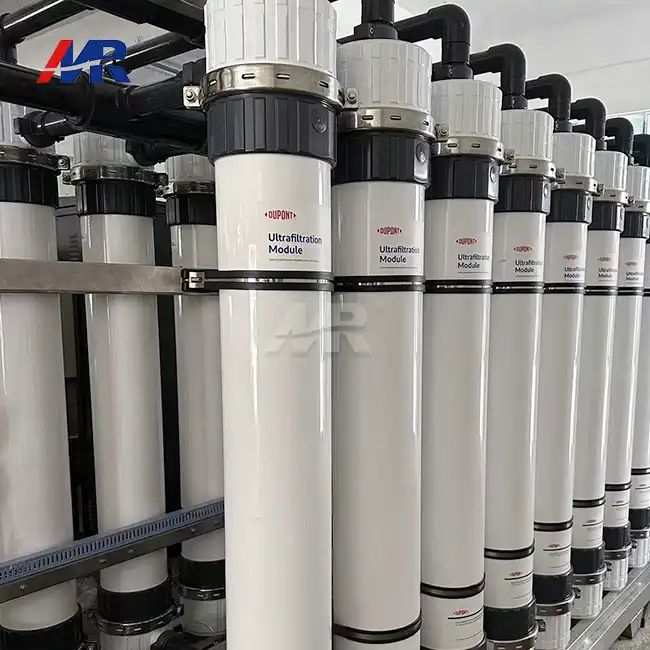 VIEW MORE100T/H ultrafiltration equipment
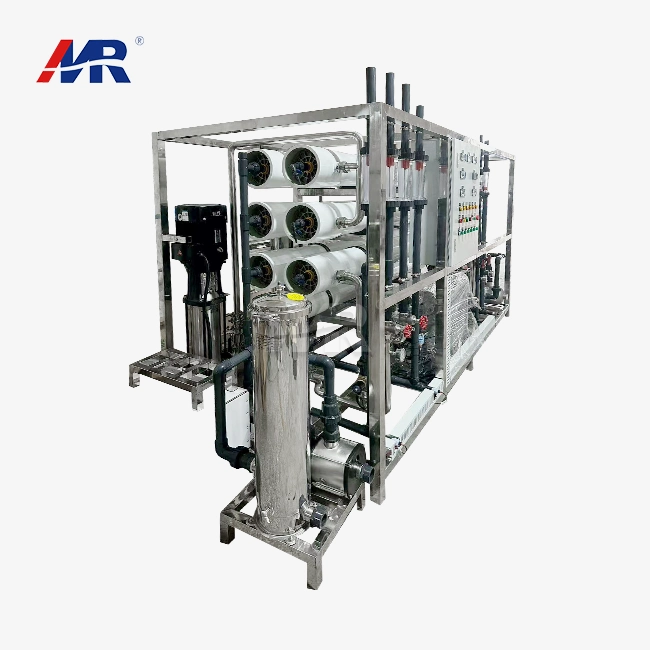 VIEW MOREedi module
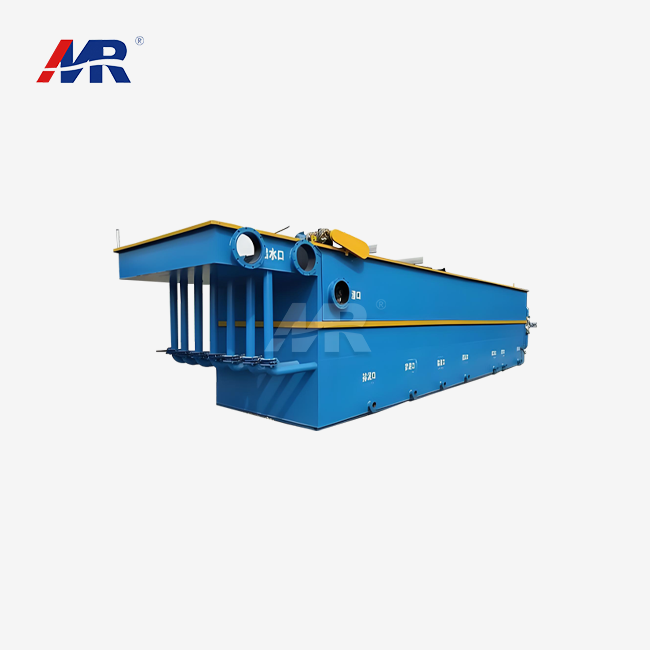 VIEW MOREadvanced wastewater treatment system
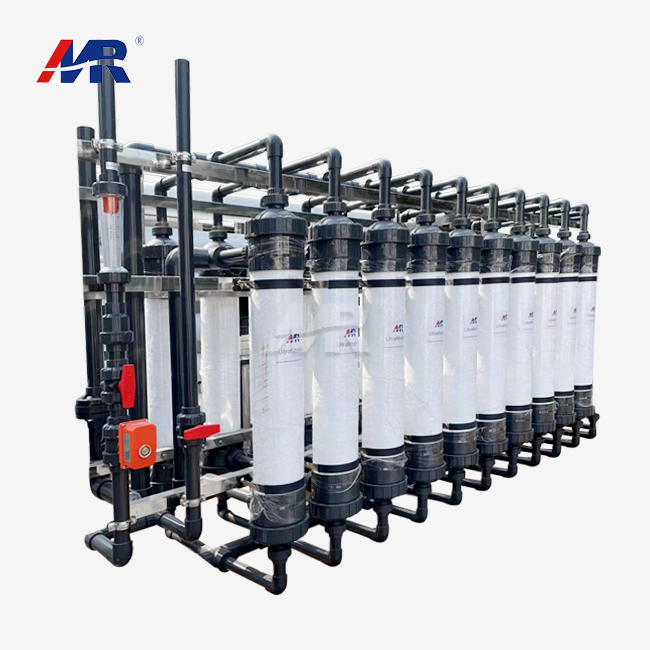 VIEW MOREultrafiltration drinking water system
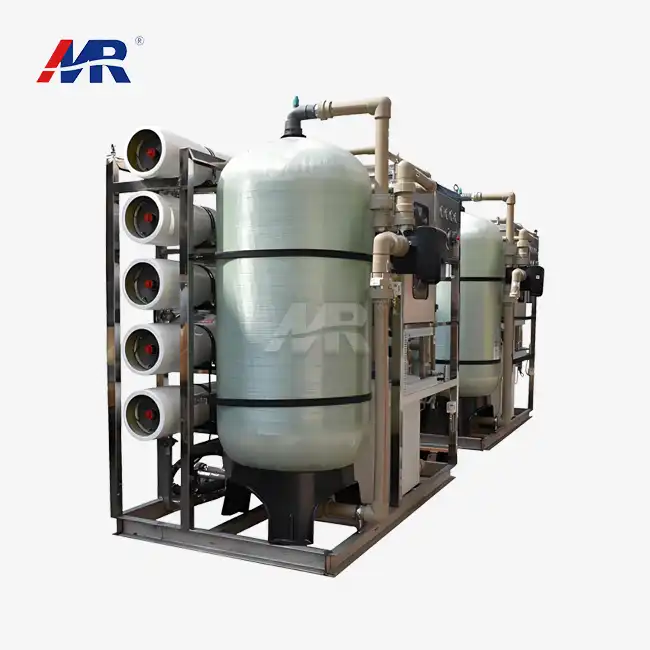 VIEW MORE8m3/hour seawater desalination equipment
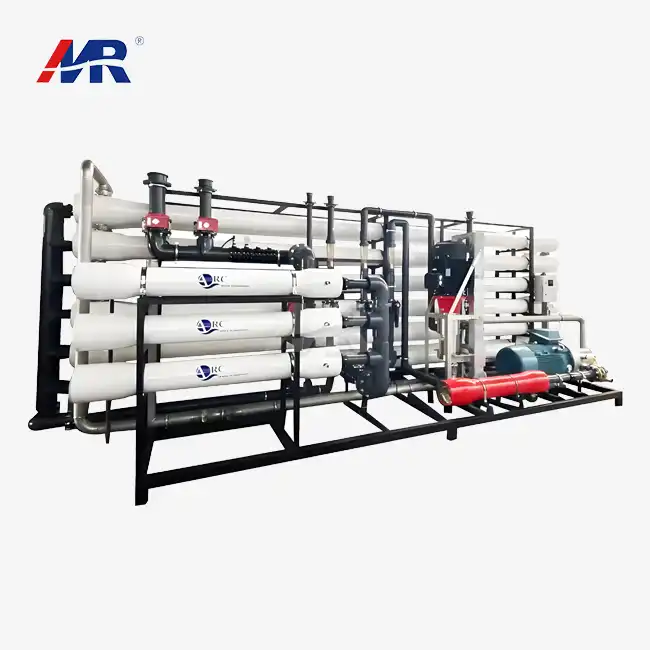 VIEW MORE25m3/hour seawater desalination plant
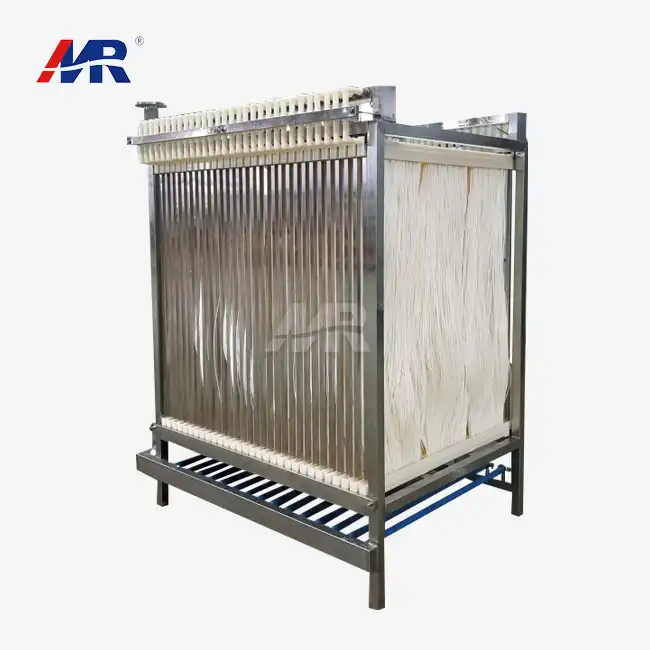 VIEW MOREmembrane mbr
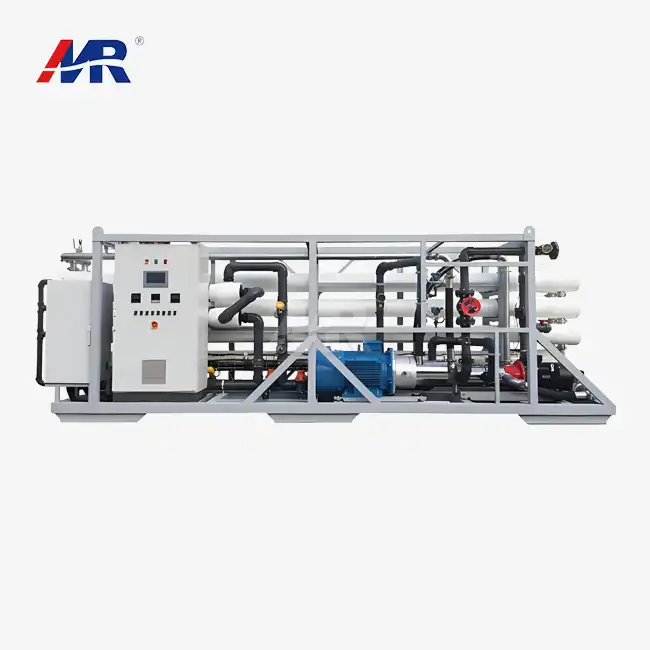 VIEW MORE15m3/hour seawater desalination system
