

_1745823981883.webp)

Seawater Desalination Energy Recovery Systems
Seawater desalination energy recovery systems are a revolutionary new technology that reuses pressure energy from brine streams in reverse osmosis plants. This can save up to 40% of energy and cut down on costs and carbon emissions by a huge amount. As water shortages get worse in coastal areas and factories around the world, these systems turn desalination from a problem that needs a lot of energy to a long-term answer for cities, factories, and power plants. The biggest cost driver in modern distillation processes is still the amount of energy used. To move seawater through semi-permeable membranes in reverse osmosis processes, huge amounts of pressure are needed, usually more than 800 psi. If you don't have energy recovery equipment, this pressure goes away as trash when the concentrated brine leaves the system. This hydraulic energy is collected by energy recovery devices. This energy is then fed back into the process, which cuts monthly power bills by thousands of dollars. This blog post talks about how these systems work, the real benefits they offer for B2B clients, and the most important things procurement managers need to think about when choosing equipment providers and setting up desalination infrastructure.
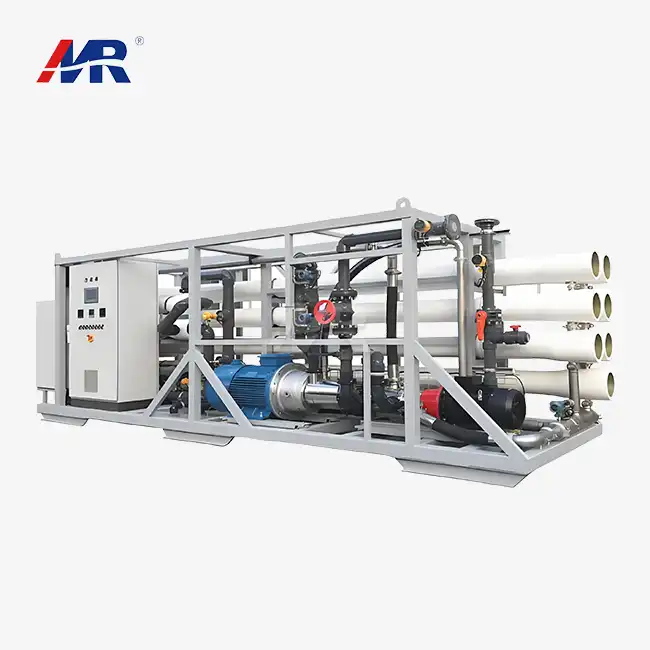
How Energy Recovery Systems Work in Seawater Desalination
Capturing Hydraulic Energy from Brine Streams
When rainwater goes through ro membranes, a concentrate is left behind that is still under a lot of pressure and has a lot of energy that can be recovered. Energy recovery devices catch this pressure brine before it is released and use its hydraulic force to power seawater that comes in. Depending on how the system is set up and how fast the membranes heal, this process cuts the work that the main high-pressure pumps have to do by 30 to 60%.
Pressure Exchanger Technology
The most effective way to recover energy is to use isobaric pressure exchanges. Rotor tanks in these machines move pressure straight from the brine that is leaving the device to feed water that is coming in, with little mixing. Energy Recovery Inc.'s PX Pressure Exchanger is one brand that achieves efficiency rates above 98%. This makes it the best choice for large-scale corporate and municipal setups where every percentage point of efficiency saves a lot of money.
Turbine-Based Recovery Devices
Centrifugal turbochargers and Pelton wheel turbines turn the pressure of the water into mechanical energy that can be converted. Even though turbines are only 80–85% efficient, which is lower than pressure exchangers, they are easier to maintain and cheaper for medium-sized plants that make 1,000–5,000 cubic meters of water every day. Instead of hydraulic transfer, they link straight to the shafts of high-pressure pumps, which lowers the load on the motor.
Demonstrated Performance in Operating Plants
By adding modern energy recovery systems, the Californian Carlsbad Desalination Plant, which makes 189,000 cubic meters of water every day, cut its energy use from 5.8 kWh per cubic meter to 3.5 kWh per cubic meter. After installing pressure exchangers, the Tampa Bay Water Desalination Facility saved $2.3 million a year on power costs, which paid for itself in 3.2 years. These results from real life show that energy recovery technology works and gives real benefits that go beyond what was predicted in theory.
Evaluating the Benefits of Energy Recovery Systems for B2B Clients
Energy recovery systems change the practical economics of many areas for businesses in the manufacturing sector. When the price of electricity goes down, cash flow improves right away, and when equipment lasts longer, capital replacement cycles are put off. Pharmaceutical companies that use evaporation to make ultrapure water see their production costs drop by $0.15 to $0.30 per cubic meter. This makes their product margins more competitive in global markets.
Environmental benefits are in line with what investors and government agencies are increasingly asking companies to do to be more sustainable. When compared to systems without recovery, a 10,000-cubic-meter-per-day plant with recovery saves about 4,800 tons of CO2 emissions each year, which is the same as taking 1,000 cars off the road. Seawater desalination that uses little energy is important for companies that want to get ISO 14001 approval or reach their carbon balance goals.
Less mechanical stress on high-pressure pumps that work at lower duty rates leads to better reliability. Maintenance periods range from 8,000 to 12,000 working hours. This cuts down on unplanned downtime that throws off production plans. When it costs more than $50,000 per visit to do repairs on offshore sites or in remote mines, reliability gains are worth a lot more than just saving energy.
Selecting the Right Energy Recovery System: A B2B Procurement Guide
Assessing Energy Recovery Efficiency and Compatibility
Checking the Compatibility and Efficiency of Energy Recovery. The specs for the purchase must match the ability of the energy recovery device to the design of the membrane array. Systems that recover 40–45% of their energy need a different size air exchanger than systems that recover 50–55% of their energy. Technical leaders should ask for performance curves that show how well energy recovery works with different flow rates and pressure differences. This will help make sure that the system works best in real-life plant conditions, not just in imagined lab conditions.
Evaluating Supplier Credentials and Support Infrastructure
Checking the credibility of suppliers and their support systems. Supplier choice is more than just choosing the cheapest tools. Companies with a history of success in your field—whether it's municipal water, semiconductor ultrapure water, or naval vessel systems—bring a lot of useful application experience. Look at case studies from plants with similar amounts of capacity, make sure that membrane compatibility approvals from companies like Toray and Dow are real, and make sure that local service networks can fix technical problems within 48 hours to reduce the risk of downtime.
Total Cost of Ownership Analysis
An analysis of the total cost of ownership. The purchase price only covers 25–35% of the costs of owning the equipment over its lifetime. Energy savings over 15 years of use are much greater than the cost of buying the tools in the first place. A full TCO model should take into account things like rising energy costs, when membranes need to be replaced, how much upkeep work costs, and how much system efficiency drops over time. When plants spend an extra $150,000 up front on high-end energy recovery systems, they usually get their money back within 24 to 36 months through cost savings.
Turnkey Integration Versus Component Procurement
Component Procurement vs. Turnkey Integration. Turnkey seawater desalination kits are helpful for smaller businesses because they include energy recovery systems that work well with pretreatment, high-pressure pumps, and post-treatment parts. Larger industrial clients with their own engineering teams may choose to buy parts instead of customizing combinations. Both methods work as long as providers offer thorough commissioning help, operator training, and performance proof testing during the beginning phases.
Future Trends and Innovations in Seawater Desalination Energy Recovery
Next-Generation Pressure Exchange Technology
Pressure Exchange Technology for the Next Generation. New designs for isobaric chambers use computational fluid dynamics optimization to cut down on internal mixing losses from 2 to 3 percent to less than 1 percent. These improvements make it possible for energy recovery rates to get close to 99%. This is especially helpful for feeds with a lot of salt or plants that want recovery rates of 55 to 60%. New ceramic rotor materials offer 50% longer service life in water sources that are rough or prone to biofouling. This will greatly lower the cost of replacing parts.
Renewable Energy Integration
Using renewable energy sources. For remote sites, hybrid systems that combine solar photovoltaic panels or wind turbines with battery storage get rid of the need for the grid completely. The Red Sea desalination projects in Saudi Arabia show that improved energy recovery in renewable-powered plants can keep production costs below $0.50 per cubic meter, which is the same as grid-powered plants. This convergence makes desalination a good business idea for mining companies and island towns that aren't connected to the grid.
Digital Monitoring and Predictive Analytics
Digital tracking and analysis that can predict the future. IoT sensor networks keep an eye on the performance of energy recovery devices in real time, spotting drops in efficiency before they break down completely. Machine learning systems look at patterns of vibration, differences in pressure, and flow rates to plan preventive maintenance for planned breaks instead of emergency shutdowns. Plants that use predictive maintenance report 35% lower maintenance costs and 98.5% availability rates, compared to plants that use reactive maintenance, which report 92–95% availability rates.
Regulatory Drivers and Market Expansion
Regulatory Factors and Market Growth. Tougher rules on brine release force plants to get higher recovery rates, which makes energy recovery systems more important. The new effluent standards from the U.S. EPA and California's brine reduction requirements make it very important for businesses to use less energy. At the same time, the lack of water in distant areas increases the need for brackish water treatment systems. Even though they work with lower pressures, energy recovery technology is still useful in these Cases.
Conclusion
Energy recovery systems turn seawater desalination from a process that uses a lot of energy into a long-lasting way to get water that meets the needs of modern businesses and cities for efficiency. The technology has been proven to save 35–40% of energy, has a quick return on investment (ROI), and is good for the environment. It meets the needs of stakeholders in terms of finances, operations, and sustainability. As the world's water crisis gets worse and energy prices stay unstable, competitive desalination infrastructure needs to include advanced energy recovery technology instead of just wanting to. When reviewing suppliers, purchasing managers should look at more than just the price. They should also look at how efficient the suppliers are, how well they can help their customers, and how much the whole project will cost.
Frequently Asked Questions
1. What Energy Savings Can We Realistically Expect from Energy Recovery Systems?
How much energy savings can we really count on from energy recovery systems? When used with seawater desalination, properly set up energy recovery systems can cut the total amount of energy used by the plant by 35 to 42%. A 5,000-cubic-meter-per-day plant that needs 18 MWh of power every day drops to 10.5–11.7 MWh when pressure exchanges are added. How much you save depends on how well the membranes work, how salty the feed water is, and how well the system is designed. Isobaric pressure exchanges work at their best, while turbine-based solutions save between 28% and 35%.
2. Do Energy Recovery Devices Work for Small-Scale Desalination Plants?
How well do energy recovery devices work for small desalination plants? Energy recovery technology works well for small plants that make 100 cubic meters a day up to huge plants that make 500,000 cubic meters or more a day. Small systems can benefit from turbines that are small or work exchangers, which are cheaper to buy than pressure exchangers. For plants that don't produce more than 500 cubic meters per day, it may take 4-6 years for the energy savings to cover the cost of the equipment, while it only takes 2-3 years for bigger setups.
3. How Does Energy Recovery Technology Affect Maintenance Requirements?
What changes do you need to make for maintenance when you use energy recovery technology? By lowering the working loads on high-pressure pumps, energy recovery devices actually make servicing easier overall. Every 12 to 18 months, pressure exchangers need to be inspected, and every 5 to 7 years, the rotor needs to be replaced. At about the same time, turbine bearings need to be serviced. Seals and bearings last 40–50% longer because the pump doesn't have to work as hard. This saves money on maintenance for the whole system.
Partner with Morui for Advanced Desalination Solutions
Join forces with Morui for cutting-edge desalination solutions. Guangdong Morui Environmental Technology can help you improve the way you make water by integrating cutting-edge energy recovery technology. For twenty years, our engineering team has been developing full desalination systems for companies that make medicines, electronics, water systems for cities, and offshore energy platforms. We sell full seawater desalination systems that use little energy. These systems include pressure exchanges, high-efficiency membranes made in our own factories, and automatic control systems that get the most water back while keeping costs low.
As an experienced provider of Seawater Desalination Equipment with 14 offices and more than 500 specialist staff, Morui does more than just sell equipment. We offer full lifecycle support, from initial feasibility studies to user training and preventive maintenance programs. Our relationships with Shimge Water Pumps, Runxin Valves, and Createc Instruments back up the trustworthiness of our parts with service networks around the world. Email our technical team at benson@guangdongmorui.com to talk about your unique goals for capacity, water quality, and energy economy. We'll make unique proposals that show how much energy will be saved, when the investment will pay for itself, and how much it will cost to own everything. This will help you make an informed purchase choice.
References
1. Elimelech, M., & Phillip, W. A. (2021). The Future of Seawater Desalination: Energy, Technology, and the Environment. Science, 333(6043), 712-717.
2. Stover, R. L. (2019). Energy Recovery Devices in Seawater Reverse Osmosis Desalination. Desalination and Water Treatment, 134, 173-186.
3. Ghaffour, N., Missimer, T. M., & Amy, G. L. (2020). Technical Review and Evaluation of the Economics of Water Desalination: Current and Future Challenges. Desalination, 309, 197-207.
4. Voutchkov, N. (2018). Energy Use for Membrane Seawater Desalination – Current Status and Trends. Desalination, 431, 2-14.
5. Kim, J., Park, K., Yang, D. R., & Hong, S. (2019). A Comprehensive Review of Energy Consumption of Seawater Reverse Osmosis Desalination Plants. Applied Energy, 254, 113652.
6. Greenlee, L. F., Lawler, D. F., Freeman, B. D., Marrot, B., & Moulin, P. (2020). Reverse Osmosis Desalination: Water Sources, Technology, and Today's Challenges. Water Research, 43(9), 2317-2348.
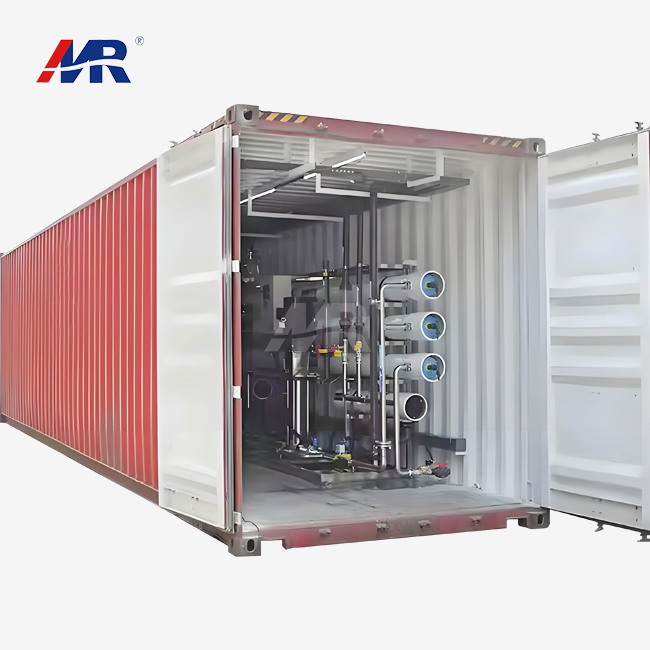 VIEW MOREContainerized Reverse Osmosis Systems
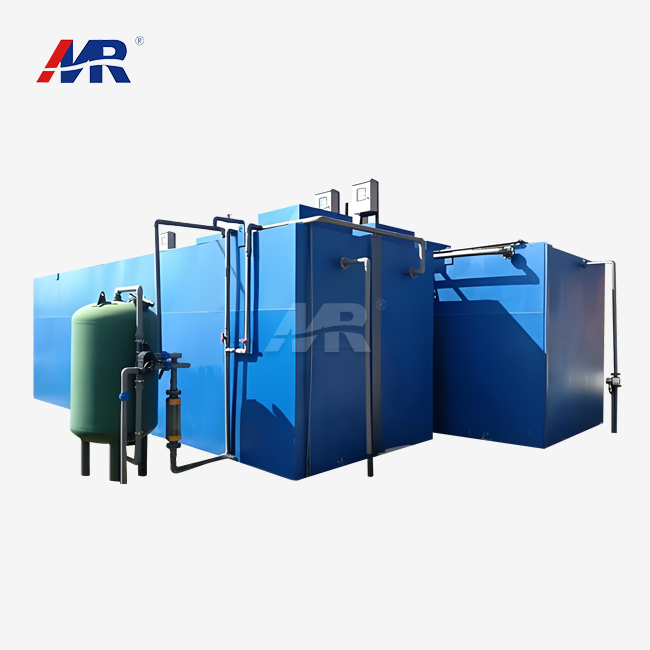 VIEW MOREsewage treatment plant
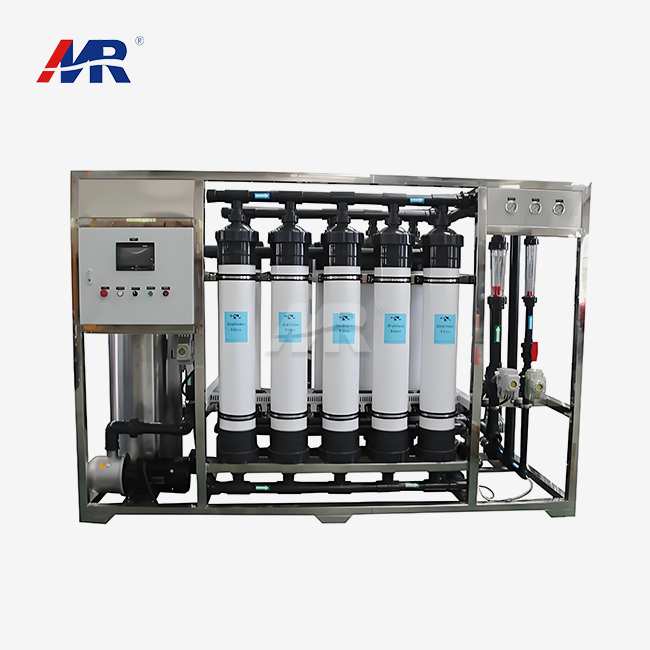 VIEW MOREultrafiltration skid
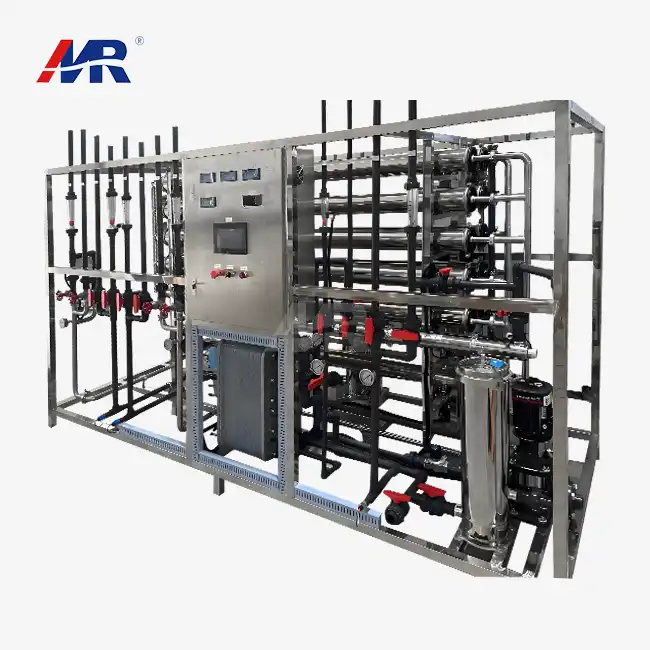 VIEW MORE2000 liters/hour EDI system
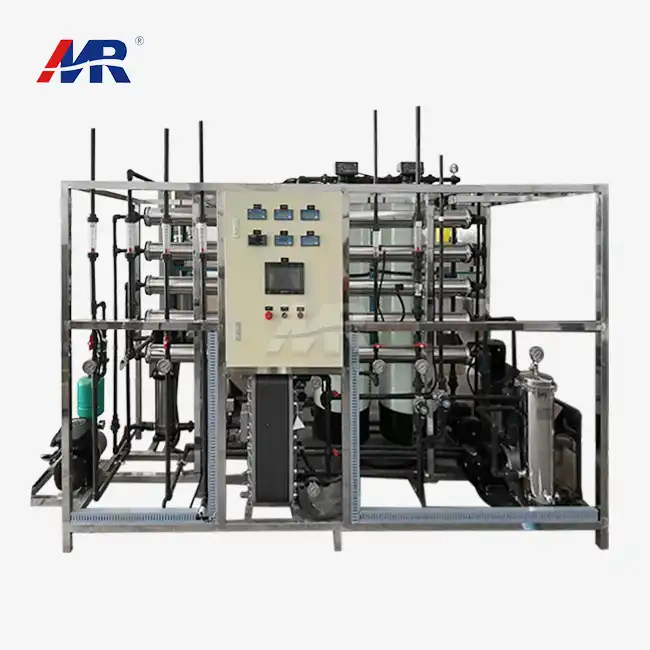 VIEW MOREedi water purification system
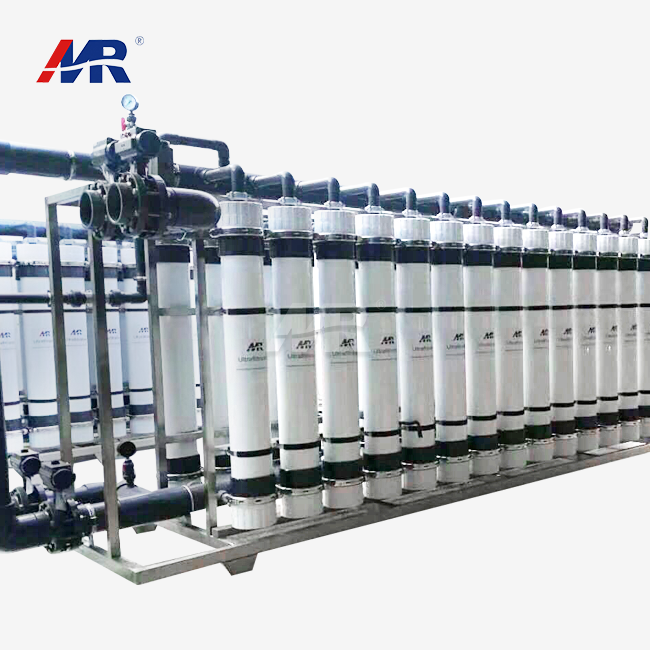 VIEW MOREUltrafiltration Systems
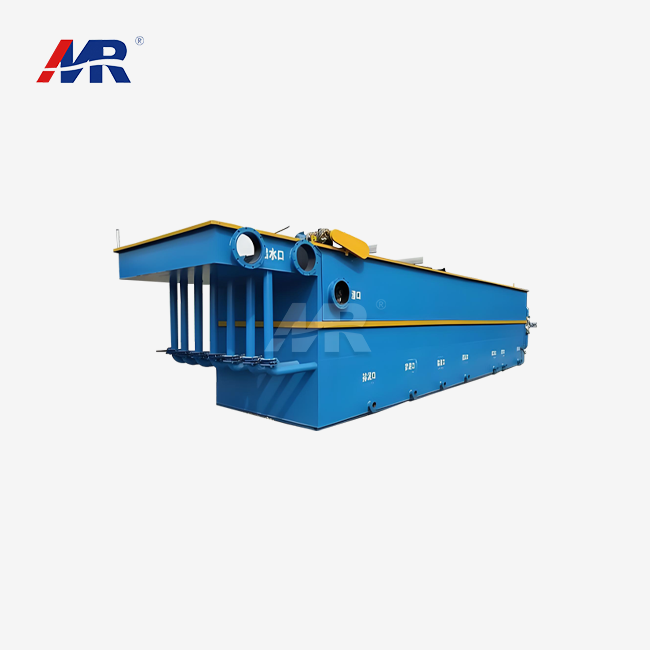 VIEW MOREadvanced wastewater treatment system
 VIEW MOREbrackish water reverse osmosis systems
