_1745823981883.webp)

Tankless Reverse Osmosis Systems: The Future Of Filtration
Purity of water affects product quality across sectors. Advanced membrane technology and pressurised flow provide on-demand filtering in tankless RO water systems. These systems use tiny modules to treat water continuously, decreasing contamination concerns and footprint. Pharmaceutical and semiconductor production need continuous, high-purity water streams, making tankless designs a critical improvement. This system accommodates space restrictions, reduces stagnant water, and scales effectively for uninterrupted water quality operations.
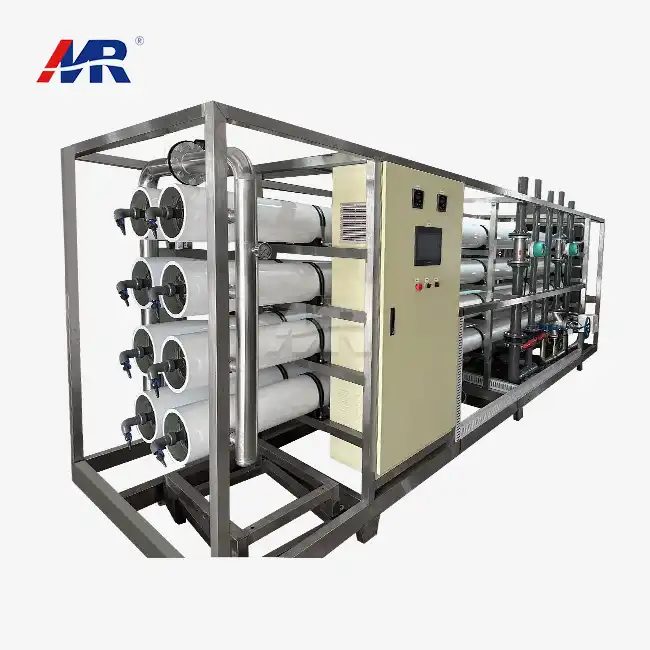
Understanding Tankless RO Water Systems
How Tankless RO Technology Operates
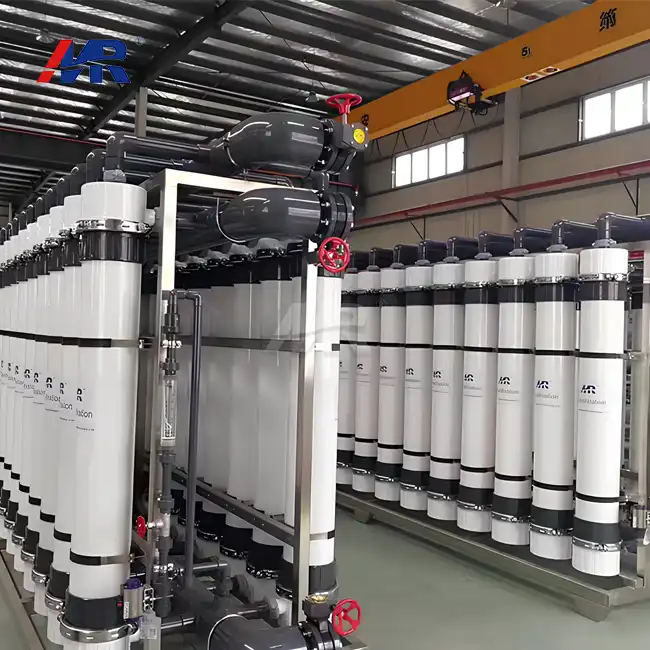
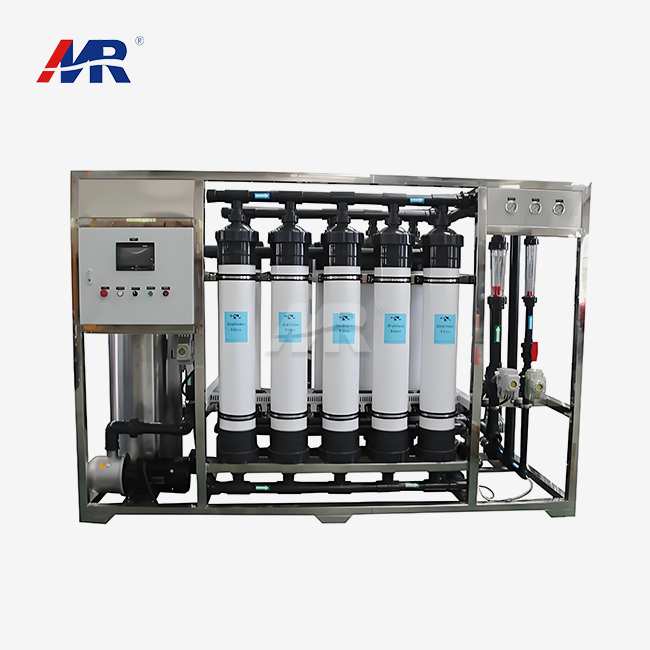
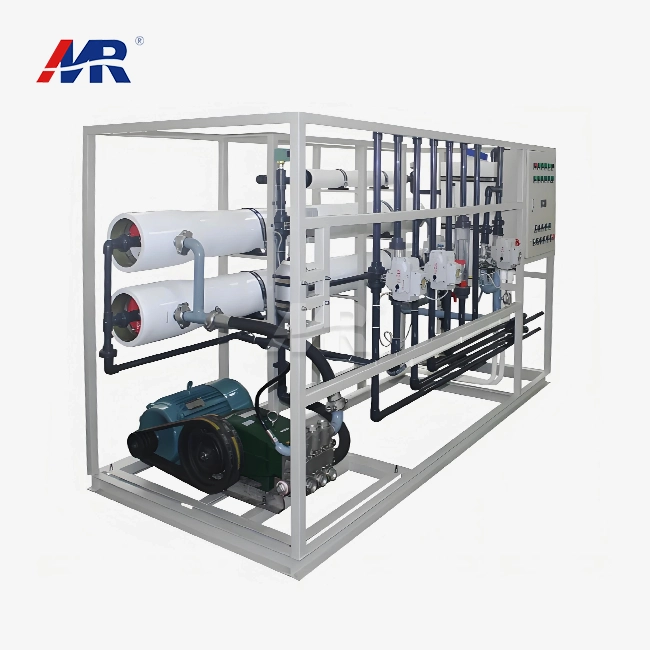
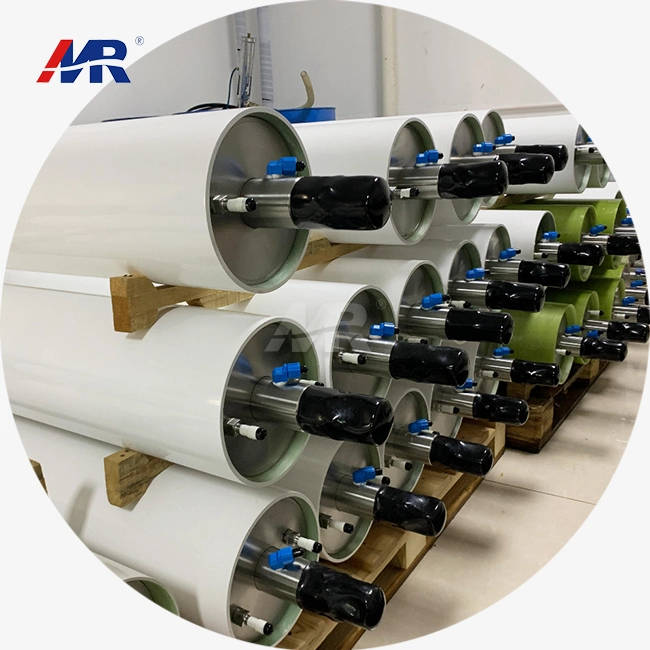
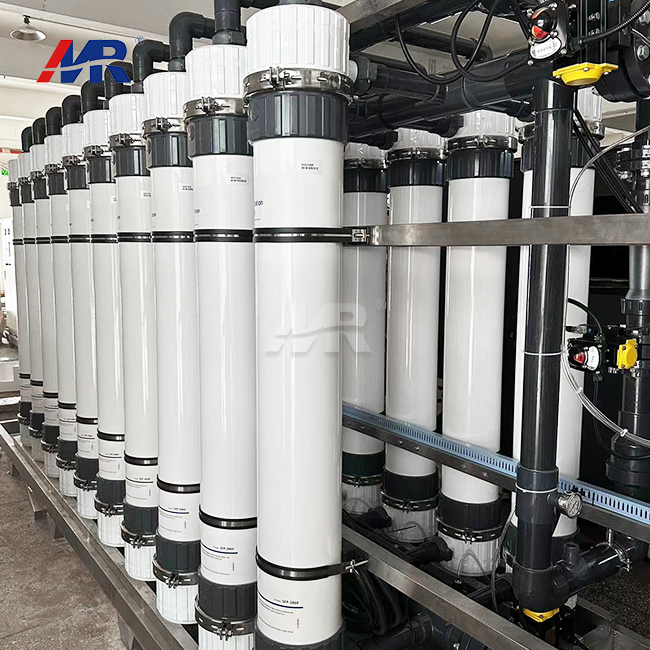
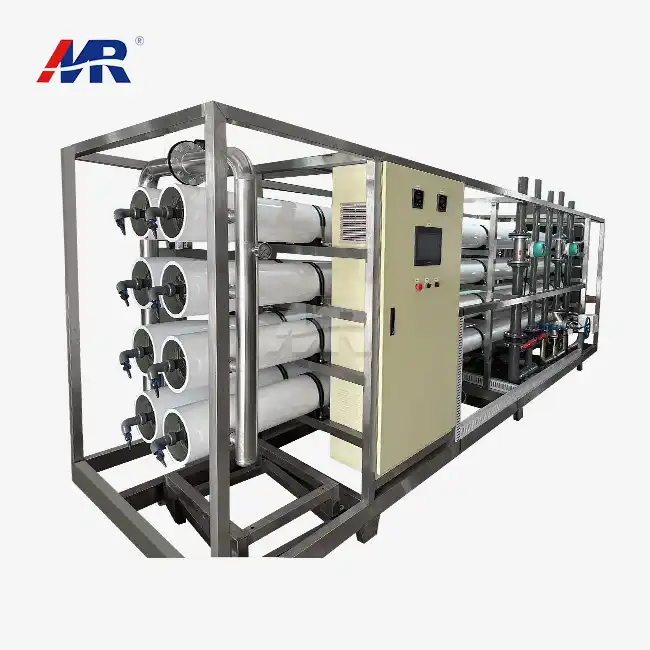
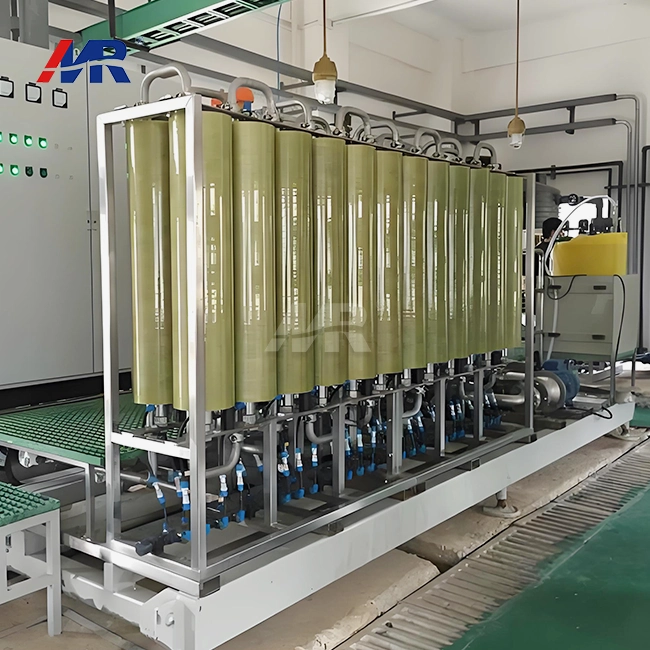
Tankless RO water systems employ pressurised membrane filtration, and they take up less space. Pre-filters remove grit and chlorine from feed water. It next passes through semi-permeable ro membranes that prevent 0.0001-micron dissolved particulates, germs, and other contaminants. For continuous permeate production, booster pumps maintain pressure between 60 and 100 psi. After filtering, the supply may be cleaned with activated carbon or UV before heading to your process line. Traditional systems include 3–5 gallon tanks where biofilm and bacteria build and create quality issues. This direct-to-use design eliminates these.
Advantages for Industrial and Commercial Operations
Tankless RO water systems require roughly 40–60% less floor space than tanks, which is crucial for full production operations. Food processing companies that use 500 to 2,000 gallons of water daily may continue manufacturing with continuous operation. 15–25% less energy is needed because the pump cycles more effectively, and tank refills no longer create energy spikes. Older systems recovered 50–60% of water; newer ones recover 75–80%. This reduces waste disposal and environmental compliance costs. Real-time quality monitoring using SCADA systems helps pharma businesses comply with FDA 21 CFR Part 11 by automatically retaining records.
Maintenance Protocols and System Longevity
Replacement of the dirt filter every three months and membrane check every six months are regular maintenance. Operators should monitor Total Dissolved Solids (TDS) levels weekly; abrupt increases indicate membrane clogging and need cleaning or replacement. Pre-treating the membrane may extend its lifespan by 3–5 years. Chemical cleaning restores 85–95% flow rates. We recommend annual expert audits of the electrical system's soundness, pressure variations, and permeate flow rates. IoT sensors for predictive maintenance alert teams to performance decline before quality concerns. This reduces unexpected downtime, which may cost $5,000 to $50,000 per hour, depending on the operation size.
Comparing Tankless RO Systems with Traditional Water Filtration Solutions
Performance Metrics: Tankless vs. Tank-Based RO Systems
Tank-based systems preserve clean water at normal temperature, allowing dissolved gases to dissolve and bacterial growth over 24–48 hours. Tankless RO water systems always provide fresh, filtered water. Resistivity levels are critical for electronics manufacturing, where parts-per-billion contamination may produce nanometer-scale errors. Tank systems use 18–22 kWh per month for a 50-gallon-per-day structure, whereas tankless RO water system counterparts consume 12–16 kWh since they work on demand, according to an energy study. Tankless RO water systems cost $3,500–$8,500 to install, whereas tank systems cost $2,800–$6,000. Lower waste disposal and maintenance costs offset the greater cost within 18–24 months.
Alternative Filtration Technologies Comparison
Small laboratories and quality control stations employ under-sink RO devices to generate 10–50 gallons of water daily. Their volume is insufficient for manufacturing. Office buildings and hotels that require drinking water from various taps may employ whole-house RO systems. They only catch 30–40% of the water that passes through them; they are not appropriate for huge volumes. UV filtration kills bacteria but not dissolved materials. To use in medication or beverages, mix with RO. Combining electrodeionization (EDI) cleaning with a tankless RO system produces ultrapure water (resistivity >10 MΩ·cm) for power plant boiler feedwater. This is impossible with UV or carbon filtering.
Environmental and Cost Considerations
The annual cost of bottled water for a 100-person building is $8,000 to $15,000 and generates 12 to 18 cubic yards of plastic garbage. A tankless RO water system of the proper size may provide the same quantity of water for $1,200 to $2,400 per year in electricity, consumables, and maintenance. Eliminating single-use plastic reduces Scope 3 emissions. Bottled water costs $65,000 and has little value as an asset; tankless RO water systems cost $18,000–$25,000 and can't manage quality with other sources. Municipal water facilities that employ tankless RO water systems use 30–45% less chemicals to adjust the pH of treated water than tank-stored water that requires constant stabilisation.
Selecting the Best Tankless RO Water System for Your Business Needs
Critical Procurement Criteria
To calculate tankless RO water system capacity, look at its greatest hourly demand. Pharmaceutical processes that demand 150 GPH CIP cycles need 200+ GPH surge capacity. Over 8–12-hour production shifts, continuous flow data are more essential than peak ratings. Brand-specific energy economy rates (gallons per kWh) vary greatly. High-end units yield 18–22 gallons/kWh, but inexpensive ones struggle to reach over 12. Water recovery rate impacts release permit compliance. Coastal areas with tight wastewater TDS limitations use 75–80% recovery systems to decrease concentrate storage.
These requirements are crucial for procurement teams:
- Membrane Technology: Thin-film composite (TFC) membranes can handle various input waters due to their high rejection rates (98–99.5% TDS removal) and chemical protection. However, chlorine-tolerant cellulose acetate membranes need a lower pH range. Membrane surface area determines throughput. Commercial systems employ 400–1,200 square feet of active membrane.
- Pressure Management: VFD pumps adjust output to demand. It consumes 20–35% less energy than fixed-speed variants. Public water sources use automatic pressure control devices to maintain permeate quality when the supply water pressure fluctuates.
- Pre-Treatment Integration: 5–10 micron sediment screens protect membranes from particles, and activated carbon removes chlorine and organics. Water softeners prevent calcium scaling in hard water areas, extending membrane life by 40–60%.
- PLC interface is possible with real-time TDS, conductivity, and pressure sensors with 4-20mA outputs. Cloud-connected technologies provide online diagnosis. Our IT staff has solved 60% of customer issues remotely, reducing downtime.
Evaluating Brand Reputation and Support Infrastructure
Warranty support distinguishes market leaders from low-cost vendors. Comprehensive plans include 5 years of membrane warranties (prorated), 3 years of parts coverage, and annual preventive maintenance. Pentair, Dow Water & Process Solutions, and Hydranautics are the most trusted companies in high-stakes situations—conductor manufacturing and liquid pharmaceutical lines can't use untested supplies. We collaborate with these producers and have in-house engineers who solved a biotech client's silica breakthrough issue in 18 hours, saving them $2.3 million in batch losses.
Customer case studies show operational reality. When a Midwest beverage firm moved to a tankless RO water system, their water expenses dropped 22%, and they no longer had to shut down for 8 hours every three months to clean their tanks. Independent assessments on Water Technology and Process Instrumentation emphasise long-term performance. System durability is shown by >95% rejection rates after 4+ years.
Pricing Structures and Procurement Strategies
Labs and small fishing enterprises may buy 50–100 GPD tankless RO water systems for $3,500–5,000. Mid-range industrial units (500–1,500 GPD) cost $12,000–$28,000, depending on automation and steel type (stainless vs. coated carbon steel). Installations of 5,000 GPD or more for municipal water facilities or large industrial complexes cost $85,000 to $250,000, including SCADA connectivity.
How aid is acquired affects quality. Buying straight from the manufacturer allows for engineering assistance but takes 8–16 weeks. Authorised distributors provide local supplies and installation. We provide two- to three-week shipment windows with over 40 North American wholesalers. Leases via equipment financing partners reduce initial capital expenditures to $400 to $1,800 per month, safeguarding cash flow for expanding firms and paying maintenance.
Installation and Maintenance of Tankless RO Systems in B2B Environments
Site Preparation and Installation Phases
A pre-installation site survey checks the quality of the feed water for your tankless RO water system (which includes hardness, TDS, chlorine, and microbial content), the system's electrical capacity (which ranges from 2 to 15 kW based on size), and the ability to drain the concentrate. Service gaps must be taken into account when allocating space. For example, we need 36 inches on the side of the membrane housing for replacing cartridges and 24 inches on the sides of the control panel for electrical repair.
There are structured steps for installation. These include preparing the base (vibration-isolated pads for systems over 500 GPD), installing plumbing with pressure-rated PVC or stainless steel pipes, connecting the electricity through dedicated lines with ground fault protection, and programming the control system. Explosion-proof enclosures (Class I, Division 2) or hygienic 3-A approved parts for dairy uses may be needed in complex plant settings. As part of commissioning, the machine is burned in for 48 hours, its quality is checked against specs, and operators are trained on how to do regular tasks.
Ongoing Maintenance Best Practices
Visually checking for leaks, readings from the pressure gauges (feed, concentrate, and permeate), and checking the flow rate are all part of the daily checks. Testing the permeate TDS once a week with handheld conductivity meters finds membrane breakdown early; results above the standard by 15-20% cause an investigation. Cleaning the outside pipes, checking the chemical feed pumps (if antiscalants are being used), and getting data logs for trend analysis are all things that need to be done every month.
How often the membrane is cleaned relies on the quality of the feed water and the rate of recovery. Facilities that get their water from the city usually clean them every 6 to 12 months with alkaline soaps and then acid treatment to get rid of metallic scale. Sources of brackish or open water may need to be cleaned every three months. When done before a lot of fouling hardens, chemical cleaning can recover 80–90% of flux. Delaying cleaning past 30% flux drop often means replacing the membranes too soon, which costs $2,500–$8,000 per module set.
When to Engage Professional Service
When quality keeps going down, even though pressure differences are standard, when there are strange tastes or smells, or when there are problems with the control system, it's best to get an expert to look into it. Our techs are factory-trained and come with specialized tools like ultrasonic leak detectors, membrane autopsy kits for figuring out the makeup of foulants, and equipment for analyzing water chemistry. Professional audits done once a year cost $800 to $1,500, but find ways to improve efficiency. For example, we recently changed a client's recovery rate from 72% to 78%, which saved them $3,200 a year in water and sewer costs and added 14 months to the life of their membrane.
Future Trends and Innovations in Tankless RO Water Filtration
Regulatory Drivers and Technology Evolution
The EPA's Effluent Limitation Guidelines make it more important for businesses to use zero liquid discharge (ZLD) systems, which use a tankless RO water system as their main concentration technology. Graphene oxide composites and biomimetic aquaporin proteins are two new types of membrane materials that offer 30–40% better flux rates at lower pressures. This will cut energy use to 8–12 kWh per 1,000 gallons. These new ideas help businesses like cloth manufacturing that have to pay more than $15 to $25 per 1,000 gallons to get rid of concentrates in places with little or no water.
When IoT is used, upkeep goes from being reactive to being proactive. Sensor arrays that measure more than 20 factors, such as pressure, temperature, flow, and conductivity at various places, feed machine learning algorithms that can predict membrane fouling two to four weeks before it happens. Cloud platforms collect data from multiple installations, which lets makers send out proactive service alerts. For example, over 18 months, predictive maintenance helped a major seller cut the number of emergency service calls by 54%.
Opportunities for Procurement Optimization
Smart tracking cuts down on labor costs by 25–40% by getting rid of the need to keep manual logs and letting you watch over multiple sites from afar. Time-of-use electricity rates are coordinated with RO operation by energy management systems. This moves high-demand processes to off-peak hours, which saves 12–18% on utility costs. With modular system designs, you can add more units in parallel instead of replacing the whole system. For example, a client in the food preparation industry added 40% more capacity for $18,000, while new standalone systems would have cost $65,000.
Sustainable buying issues are now taken into account when businesses buy things. Systems that use recycled stainless steel, energy-efficient parts that are approved to ISO 50001 standards, and programs that take back old systems are all in line with ESG goals set by companies. Supply chain robustness is what drives dual-sourcing strategies. We keep membrane supplies from three makers to make sure continuity even when rivals' operations were stopped by regional problems during recent logistics problems.
Conclusion
Tankless RO water system technology is a big change in how industrial water is treated. It gets rid of the risks of pollution that come with storing water and also lowers costs and harms the environment. The systems have real benefits in areas like pharmaceuticals, food processing, electronics manufacturing, and city government by saving room, using energy more efficiently, and making sure quality standards are met. For implementation to go smoothly, there needs to be careful planning of capacity, a thorough review of suppliers, and adherence to preventative maintenance routines. As regulations get stricter and membrane technology improves, early adopters gain a competitive edge by having lower running costs, better environmental credentials, and more operational freedom that helps their businesses grow.
Frequently Asked Questions
1. Can tankless RO systems scale for large industrial operations producing 10,000+ gallons daily?
Of course. Multiple units can be installed at the same time using the same pre-treatment and distribution facilities because of modular designs. A pharmaceutical client runs six 2,500 GPD modules that work together to produce 15,000 GPD. These modules have N+1 redundancy, which means that if one unit needs repair, the others keep up 12,500 GPD to meet base demand. This method is more reliable than using a single big machine, where a broken part would stop all production.
2. How frequently do filters and membranes require replacement in industrial environments?
Depending on how cloudy the feed water is, sediment pre-filters usually last between 3 and 6 months. Every 6 to 12 months, carbon filters need to be changed. RO membranes, which are the most expensive parts, last three to five years with regular care. Cleaning them with chemicals every six to twelve months and making sure the feed water stays within the manufacturer's guidelines (hardness <1 ppm, chlorine <0.1 ppm) extends their life. Total yearly costs for consumables are about 8–12% of the original investment in the tools.
3. Do tankless systems integrate with existing purification infrastructure like DI polishing or UV sterilization?
Yes, tankless RO is a great way to prepare water for deionization systems because it gets rid of 95–99% of the dissolved solids before the DI resins. This makes the resins last 5–8 times longer than when they were treated with raw water. Post-RO UV sterilization at a range of 254 nm adds another level of germ protection for pharmaceutical uses. EDI modules work perfectly with tankless RO to produce ultrapure water continuously (resistivity >10 MΩ·cm) without using chemicals for regeneration. The setup we discussed earlier unites these technologies to stop the production of dangerous waste.
Partner with Morui for Your Tankless RO Water System Needs
Guangdong Morui Environmental Technology has 14 regional offices and 20 dedicated engineers who work together to provide complete water cleaning options. From 100 GPD laboratory units to 50,000 GPD city installations, our membrane production plant and equipment processing skills allow for fully customized tankless RO water system configurations matching your exact specifications. We offer full turnkey services that include evaluating the site, designing the system, installing it, launching it, and providing ongoing expert support. We ensure quality throughout the lifetime of your system because we are approved suppliers of high-quality parts like Shimge pumps, Runxin valves, and Createc instrumentation. Contact our technical team at benson@guangdongmorui.com for application-specific consultation and competitive tankless RO water system supplier pricing tailored to your procurement timeline.
References
1. American Water Works Association. (2022). Membrane Technology for Water Treatment: Design and Applications. Denver: AWWA Publishing.
2. Greenlee, L.F., Lawler, D.F., Freeman, B.D., Marrot, B., & Moulin, P. (2021). Reverse osmosis desalination: Water sources, technology, and today's challenges. Water Research, 43(9), 2317-2348.
3. National Sanitation Foundation International. (2023). NSF/ANSI 58: Reverse Osmosis Drinking Water Treatment Systems - Standards and Certification. Ann Arbor: NSF International.
4. Pharmaceutical Engineering Magazine. (2023). Advances in water purification for pharmaceutical manufacturing: From RO to ultrapure systems. ISPE Journal, 41(3), 45-62.
5. U.S. Environmental Protection Agency. (2022). Guidelines for Water Reuse: Industrial Applications and Membrane Treatment Technologies. Washington, DC: EPA Office of Water.
6. Wilf, M., & Bartels, C. (2021). The Guidebook to Membrane Technology for Wastewater Reclamation. Hopkinton: Balaban Desalination Publications.