

_1745823981883.webp)

What are common problems with UF filters?
Ultrafiltration membrane technology is a reliable way to get rid of pathogens and particles in a wide range of water treatment applications. However, operators often face four problems that keep coming up: membrane fouling from organic and inorganic buildup; declining permeate flux rates that lower system throughput; mechanical membrane damage from changes in pressure or bad handling; and scaling deposits from hardness minerals. When buying, managers and plant engineers are aware of these problems early on, they can take steps to fix them before they cause costly production interruptions. Taking care of these UF filter problems saves your investment and keeps water quality standards constant.
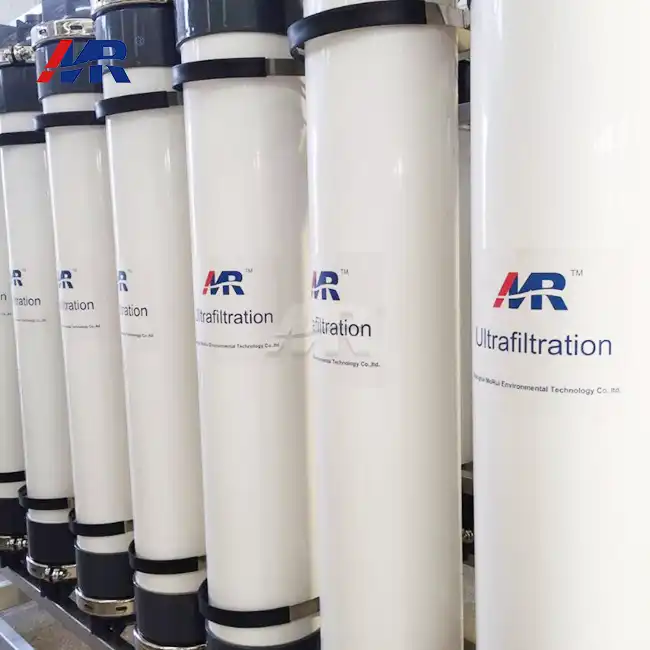
Understanding UF Filters and Their Typical Applications
The Core Mechanics of Ultrafiltration Technology
The membranes used in ultrafiltration have pores that are between 0.01 and 0.1 microns in size and are driven by pressure. Under hydrostatic pressure, water and low-molecular-weight solutes can pass through the semipermeable barrier. However, bacteria, viruses, proteins, and suspended objects cannot. This barrier lowers the number of pathogens by a factor of 4 to 6, so it is necessary in places where bacterial safety must be maintained. Without phase change or chemical additions, the technology works, and heat-sensitive molecules stay intact during processing.
Industrial Deployment Contexts
Ultrafiltration membranes are used by beverage makers to clear up fruit drinks and sterilize them cold without damaging them thermally. Pharmaceutical plants use these systems to make Water for Injection (WFI) that meets strict GMP standards. They do this by getting rid of pyrogens and endotoxins that regular filtering doesn't get. Ultrafiltration is used by municipal water providers before reverse osmosis plants. This lowers the Silt Density Index below 3 all the time, even when the turbidity of the raw water goes up. This technology is used to keep high-pressure ro membranes clean during times of algal blooms at seawater treatment plants. Different uses need different membrane designs, but all of them benefit from the strong particulate removal that keeps equipment further downstream from breaking down.
Strategic Value in B2B Procurement
Technical decision-makers weigh working reliability against lifecycle costs when deciding what capital tools to buy. Ultrafiltration membranes get rid of the need for filter tubes that need to be replaced often. This cuts down on ongoing costs while maintaining steady performance. Their automatic backwash feature reduces the need for human work, which is helpful in high-throughput settings. The small size works well in facilities with limited room, and modular designs let capacity grow in small steps as production increases. These qualities directly lead to a better return on investment for factories, water companies, and process businesses that have to stick to tight budgets.
Common Problems with UF Filters: Identification and Causes
Membrane Fouling Mechanisms
Fouling is the most common problem that all ultrafiltration systems have to deal with. On barrier surfaces, organic matter, colloids in suspension, and living materials build up, making a resistance layer that stops water from passing through. There are different kinds of fouling, such as protein layers in dairy processing, oil emulsions in industrial wastewater, and algae organic matter in surface water treatment. The buildup happens slowly and shows up as a steady drop in adjusted permeate flow, even when the pressure across the membrane stays the same. Operators often think that this slow loss of performance is just part of getting older until the production capacity drops below what is considered acceptable.
Flux Decline Indicators
The main practical sign of a signaling membrane vulnerability is a drop in permeate flux. If left untreated, fouling or scaling in a UF filter system can reduce flow by 20 to 40 percent within weeks. Monitoring the difference in pressure between membrane sections shows how bad the blockage is—rising pressure differences show that restrictions are building up and need to be removed. When the turbidity of the permeate rises, it means that membrane fibers have broken, letting particles get past the filter barrier. With these measurable factors, maintenance schedules can be planned ahead of time instead of being managed in a disaster.
Chemical and Mechanical Stress Impacts
Polymer membrane materials, especially polyethersulfone and cellulose acetate types, can break down when they come into contact with oxidizing agents like chlorine. Polyvinylidene fluoride membranes can handle higher chlorine levels, but they still become less flexible over time. When the pump fails or there are pressure spikes during starting, they cause mechanical fatigue that spreads microcracks that make rejection less effective. Temperature changes above what the maker recommends speed up polymer breakdown and shorten the membrane's useful life. Knowing about these stress factors helps workers take safety precautions when designing and running the system.
Analyzing the Root Causes of UF Filter Problems
Inadequate Feed Water Pretreatment
Many ultrafiltration problems are caused by not enough processing going on before the ultrafiltration. When the raw water has too many dissolved solids (above 50 NTU) or a lot of oil and grease, the membrane surface gets dirty very quickly, even when backwashing is done correctly. When minerals with a high hardness, like calcium and magnesium, are concentrated, they make scale layers that are hard for chemicals to remove. Oxidation of iron and manganese forms tiny fouling that can't be fully removed by mechanical cleaning. Adding multimedia filters, clarifiers, or coagulation systems upstream greatly increases the time between membrane service and decreases the amount of chemicals used.
Operational Protocol Deficiencies
When the transmembrane pressure values are wrong, they make fouling worse by pressing the cake layer into thick deposits that are hard to remove. When systems are run constantly without planned backwash cycles, fouling that can be fixed can change into fouling that can't be fixed. If you use the wrong cleaning chemicals (acids when you need alkaline ones or the other way around), you might damage membrane polymers and not get rid of certain foulants. When operators aren't properly trained, they make mistakes during the start-up and stop processes, which can cause airlocks or pressure shocks. Standardized operating procedures with documented checklists prevent these human-factor issues.
Environmental and Feed Water Variability
Changes in the quality of open water that happen with the seasons create their own problems. Runoff in the spring has more silt and organic matter in it, and algae blooms in the summer add extracellular polymeric substances that quickly block membranes. Industrial sites have to deal with variable feed water because of batch production methods that sometimes increase the amount of contaminants in the water. Coastal desalination plants have to deal with red tides and jellyfish blooms that block the intake screens. These effects on the environment can be lessened by using flexible operating strategies, such as variable flux operation and more tracking during high-risk times.
Effective Strategies and Best Practices to Mitigate UF Filter Problems
Advanced Pretreatment System Integration
Using strong pretreatment greatly lowers the amount of fouling that happens on ultrafiltration membranes. When colloidal particles are mixed with aluminum or iron salts, they become less stable. This lets them be removed in settling pans or dissolved air float units. Larger particles are caught by dual-media filters that use both anthracite and sand before the water gets to the membrane modules. Dosing antiscalant stops minerals from settling during concentration, which is especially helpful when cleaning groundwater with a lot of hardness. These investments upstream lower the number of times the membrane needs to be cleaned from once a week to once a month. This directly lowers the cost of chemicals and labor while increasing the membrane's useful life beyond five years in tough situations.
Proactive Monitoring and Maintenance Protocols
Establishing standard performance metrics during commissioning helps detect early signs of degradation. Recording permeate flow, transmembrane pressure, and feedwater quality daily reveals patterns before major failures occur. Automatic alerts triggered by pressure differentials exceeding 10% of the standard enable timely cleaning. Integrity checks every three months using particle counts or pressure decay methods identify damaged fibers that require replacement. Preventive maintenance scheduled according to manufacturer recommendations strikes a balance between asset preservation and operational reliability. Compared to reactive maintenance, these strategies can reduce unexpected downtime by 30–50% for UF filter systems.
Optimized Chemical Cleaning Strategies
Analysis of the fouling makeup is needed to choose the right cleaning agents. Biological films and organic waste are easily broken down by alkaline cleaners that contain sodium hydroxide and detergents. Salty or acidic liquids (like citric or hydrochloric acid) get rid of mineral scales and metal oxides. Specific proteins and polysaccharides are targeted by enzyme formulas used in food preparation. Cleaning should be done at a frequency that balances membrane healing with chemical exposure limits. Too much cleaning speeds up the breakdown of polymers. Backwashing is usually done after every filter cycle, chemically enhanced backwashing is done once a week, and full clean-in-place methods are done once a month. Controlling the temperature while cleaning makes the chemicals work better and protects the membrane's structure within certain limits.
Real-World Case Resolution
Within three months of adding a new ultrafiltration system that needed to be cleaned every five days, a company that made bottled water saw a rapid drop in flux. An investigation showed that the well water had high levels of iron that turned into oxygen in the pipes that carried the water. Putting in a ventilation tower and a manganese greensand filter upstream lowered the iron level to less than 0.1 mg/L. After this preparation change was made, cleaning times were pushed back to every six weeks, and the membrane's performance stayed at the level specified in the design. Targeted root cause analysis has real economic effects that can be measured. This action stopped production problems and cut chemical costs by 60% every year.
Selecting the Right UF Filter Solutions for Your Business Needs
Critical Specification Parameters
Chemical protection and fouling tolerance are directly affected by the membrane material choice. Polyvinylidene fluoride is better at resisting chlorine up to 200 ppm-hours, making it useful for places that need to be cleaned regularly. Polyethersulfone is very good at attracting water, which makes it good for urban uses that need to keep surfaces clean. The way rejection works is based on the distribution of pore sizes. Tighter distributions make sure that pathogens are consistently removed, but they may slow down flux rates. Choosing between hollow fiber and flat sheet designs for module configurations changes how densely they are packed and how well they clean. These technical factors should be in line with your specific feed water characteristics and quality goals in the procurement specs.
Evaluating Market Solutions
The best ultrafiltration technologies are made with features that reduce typical operating issues. Automatic backwash systems with set times keep performance steady without any help from a person. Cleaning systems that use air help get rid of more foulants from hollow fiber bundles. Chemical changes to hydrophilic membranes make them resistant to organic fouling in sewer use. These advanced features cost more, but they lower the total cost of ownership by lowering the amount of work needed for upkeep and making the membrane last longer. You can trust performance claims when you judge sellers based on detailed case studies in similar applications.
Supplier Partnership Considerations
A supplier's skills have a big impact on the long-term success of a project, not just the specs of the tools. Businesses that give full technical help during system design make sure that the system is the right size and can work with the current infrastructure. Before committing cash, pilot testing programs use real feed water samples to confirm performance promises. After-sales service networks that are responsive cut down on downtime when fixing is needed. Failures that happen too soon can be avoided by giving your operations team training in the right way to do repairs. Reliability in the supply chain for spare parts and new membranes keeps activities going without having to wait longer for parts. When it comes to handling important water treatment assets, these relationship traits are often more useful than small differences in the cost of tools.
Conclusion
Ultrafiltration membrane systems produce very high-quality water when common issues are properly managed. Membrane fouling, flux decline, and mechanical damage are predictable challenges that proactive maintenance and effective pretreatment can mitigate. Identifying root causes—such as inadequate feedwater preparation or overlooked operating protocols—allows targeted corrective actions, extending equipment life and reducing costs.
A properly selected UF filter can transform ultrafiltration from a maintenance concern into a reliable production tool. By choosing the right equipment, collaborating with reputable suppliers, and adhering to best practices, facilities in municipal, process, and industrial sectors can maximize their investment in water treatment while maintaining consistent output quality.
FAQ: Common Questions about UF Filter Problems
1. How often should I clean my ultrafiltration membranes?
How often you clean relies on the quality of the feed water and how fast it fouls. Most systems work better when they are backwashed automatically every 30 to 60 minutes, when they are backwashed with chemicals once a week, and when they are cleaned completely in place once a month. Keep an eye on the transmembrane pressure differentials. If they rise 15 percent above the average, cleaning should begin right away, no matter what the plan says. Applications with a lot of dirt may need to be fixed more often.
2. What signs indicate I need to replace membrane modules?
When cleaning doesn't bring back performance to 90% of the original flux rates, when permeate turbidity regularly goes above specs, or when integrity testing shows fiber breaks, the filter needs to be replaced. Depending on how they are used, most industrial membranes last between three and seven years. Tracking standardized flux over time helps figure out when to change something before it fails in quality.
3. Can upgrading to newer membrane technology reduce problems?
Ultrafiltration membranes made today have hydrophilic coats and strengthened fiber structures that make them more resistant to fouling and mechanical damage than older models. Upgrading improves flow by 20 to 30 percent and makes cleaning times much longer. Compare the cost of present maintenance to the cost of new technology and the money you expect to save by upgrading.
Partner with Morui for Reliable Ultrafiltration Solutions
Guangdong Morui Environmental Technology has more than 14 branches and 20 trained engineers who can help you treat your water problems with ultrafiltration systems that are carefully designed. Our vertically integrated manufacturing includes plants that make membranes and plants that process equipment. This way, we can keep an eye on quality throughout the whole duration of your project. Our expert team creates solutions that are tailored to your feed water's properties and practical needs, whether you need to desalinate seawater, clean up industrial wastewater, or make water safe for pharmaceutical use.
It's important to choose the right UF filter maker because it will affect the quality of your work and your budget for years to come. Our full range of services includes system design, equipment supply, installation, commissioning, and ongoing expert support. This means you don't have to deal with the problems that come with coordinating services from different providers. We use the best parts for your application because we are approved agents for top component names like Shimge pumps and Runxin valves.
Reach out to Our Team at benson@guangdongmorui.com to talk about your ultrafiltration needs. We offer free feed water analysis, choices for pilot testing, and thorough proposals that explain projected performance and lifetime costs. Discover how Morui's experience with 500 finished installations can give you the operational trust you need to make a purchase choice.
References
1. Membrane Filtration Guidance Manual, United States Environmental Protection Agency, Office of Water, 2005.
2. Singh, R., "Hybrid Membrane Systems for Water Purification: Technology, Systems Design and Operations," Elsevier Science, 2006.
3. Crittenden, J.C., et al., "MWH's Water Treatment: Principles and Design," Third Edition, John Wiley & Sons, 2012.
4. Judd, S., "The MBR Book: Principles and Applications of Membrane Bioreactors for Water and Wastewater Treatment," Second Edition, Butterworth-Heinemann, 2011.
5. Membrane Technology and Applications, Baker, R.W., Third Edition, John Wiley & Sons, 2012.
6. Zularisam, A.W., Ismail, A.F., and Salim, R., "Behaviours of Natural Organic Matter in Membrane Filtration for Surface Water Treatment," Desalination Journal, Vol. 194, 2006.
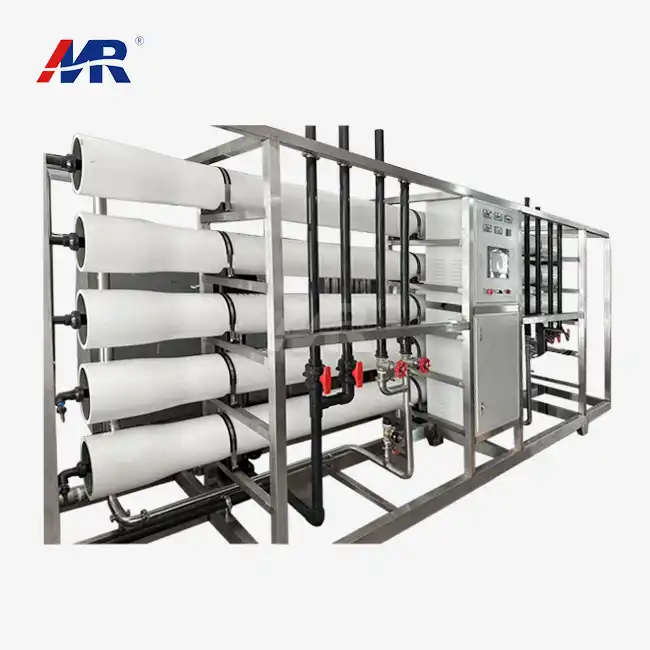 VIEW MORE25m3/hour reverse osmosis equipment
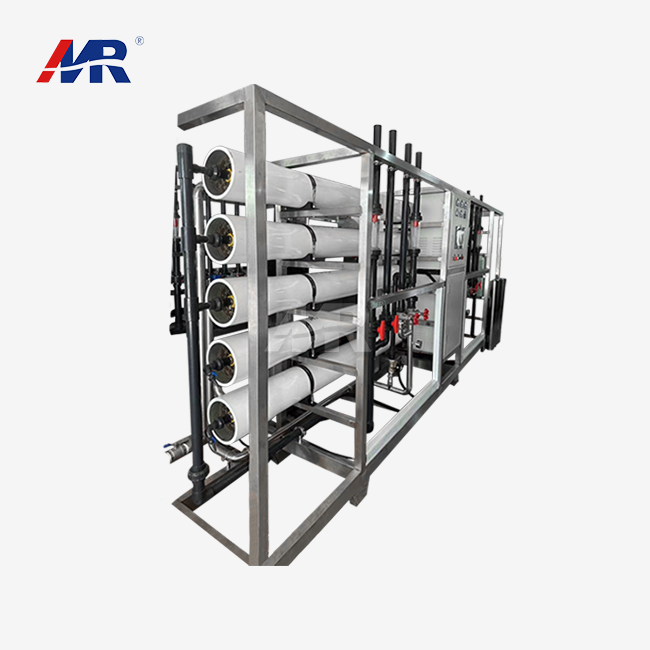 VIEW MOREhighest rated reverse osmosis system
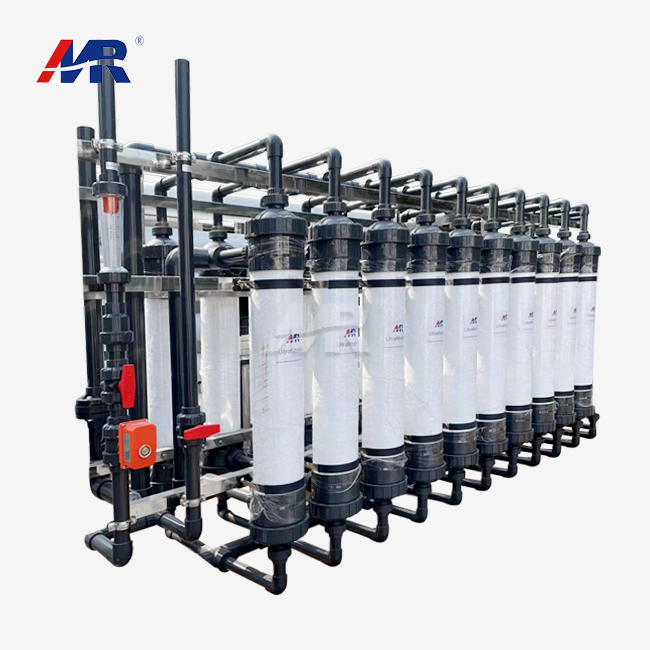 VIEW MOREultrafiltration drinking water system
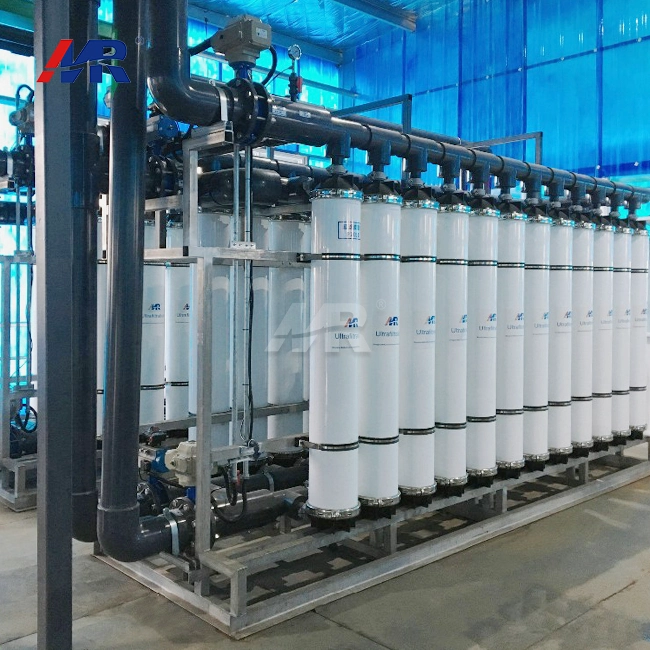 VIEW MOREultrafiltration equipment
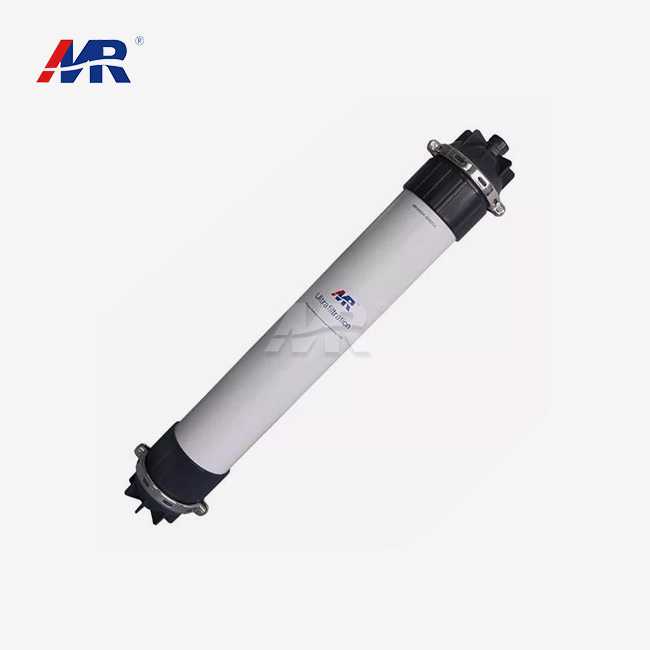 VIEW MOREultra filter membrane
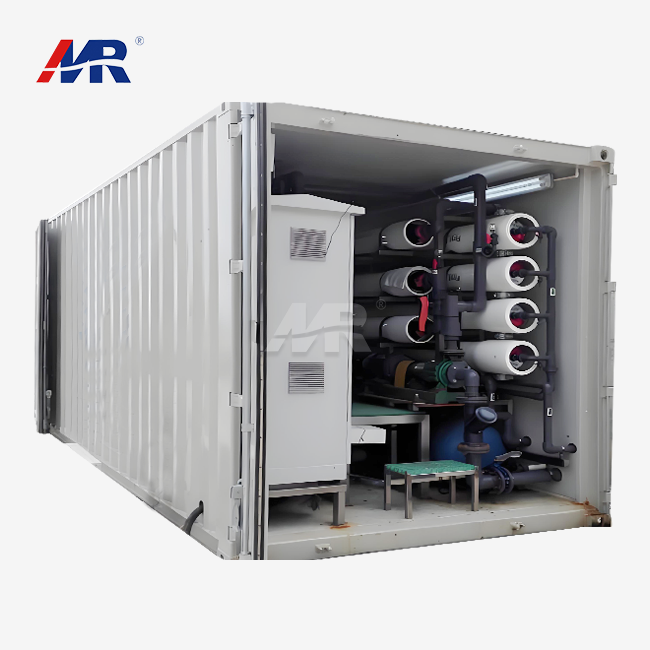 VIEW MOREcontainer seawater desalination equipment
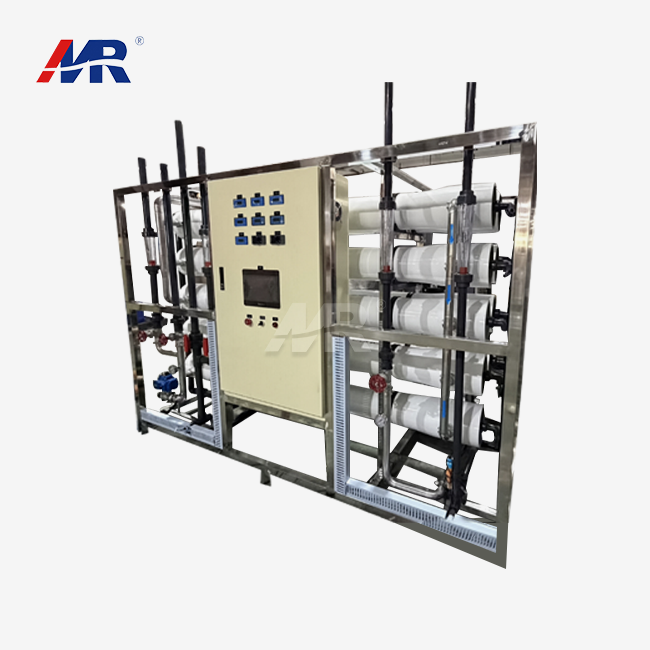 VIEW MORE8 stage reverse osmosis system
 VIEW MOREseawater desalination pre-treatment
