_1745823981883.webp)

The Future of Freshwater: Reverse Osmosis Desalination Plant Systems
Global freshwater shortages can be addressed through reverse osmosis desalination plants. These facilities serve industries, cities, and coastal communities worldwide. Utilizing advanced semipermeable membrane technology, they remove salts and other contaminants from brackish and seawater, producing clean water suitable for drinking, manufacturing, and agriculture. As water stress intensifies globally, reverse osmosis desalination plants provide a sustainable, energy-efficient solution for both small businesses and large municipalities.
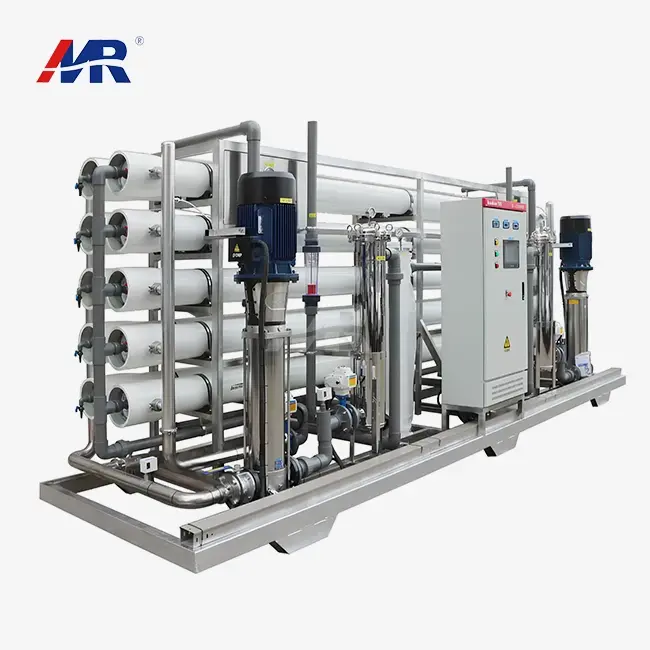
Understanding Reverse Osmosis Desalination Technology
Core Principles of RO Membrane Filtration
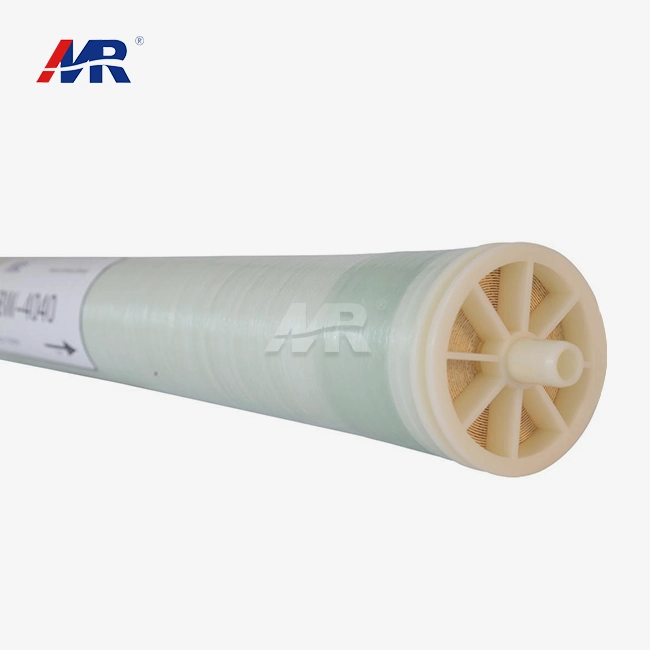
Simple yet efficient desalination of salt water involves pushing water through semipermeable barriers to remove dissolved salts, minerals, bacteria, and other contaminants. Thermal desalination uses evaporation, whereas RO filters water molecularly. The membranes' 0.0001-micron microporous regions allow just water molecules through while blocking 99.7% of pollutants.
Depending on saltiness, feedwater enters at 150–1,200 psi. Seawater desalination requires greater pressures than salty water. As water passes through the barrier layers, concentrated brine containing rejected salts departs. Percolate water TDS levels are below 500 mg/L, and for highly clean purposes, they may be as low as 50 mg/L.
Multi-Stage Treatment Process
Modern desalination facilities clean membranes extensively to increase performance and safety. Pre-treatment removes chlorine, suspended particles, and organic debris via multimedia filtering, activated carbon adsorption, and chemical dosing. Altering pH prevents scaling, while antiscalants prevent mineral buildup on barrier surfaces.
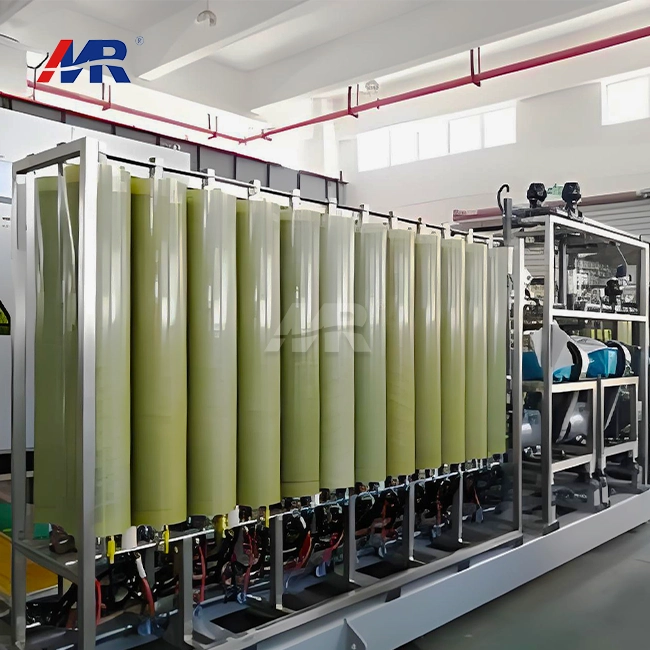
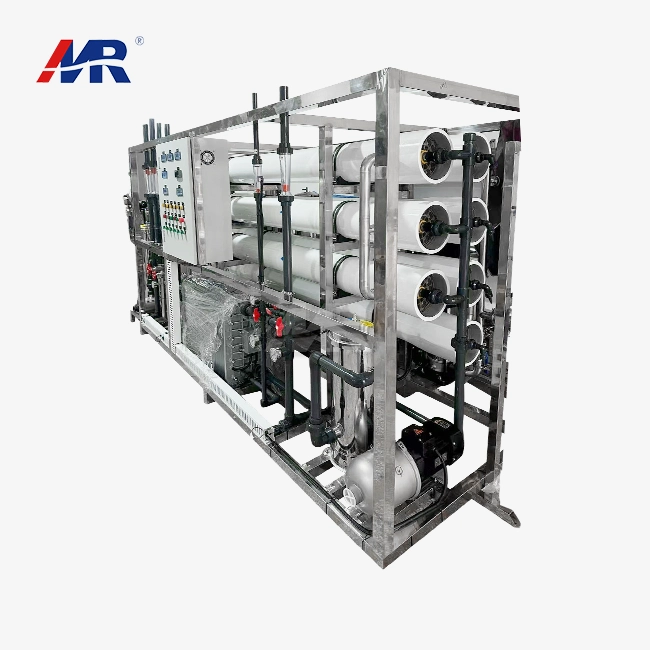
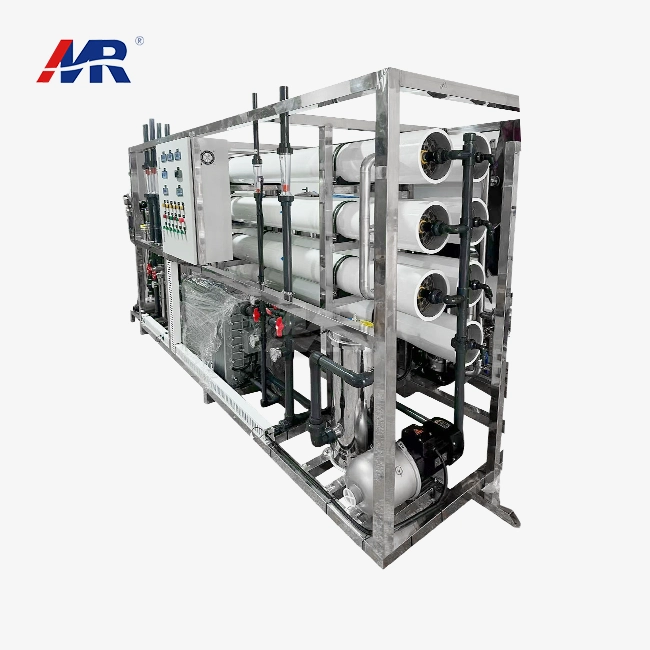
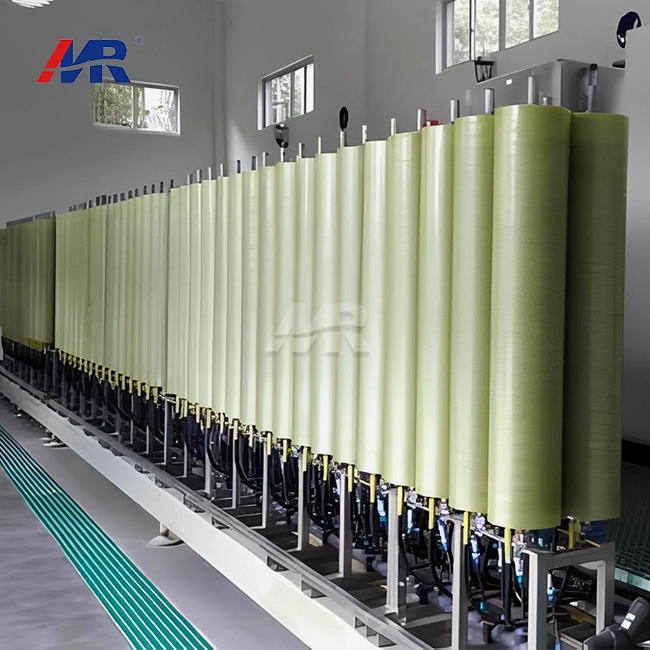
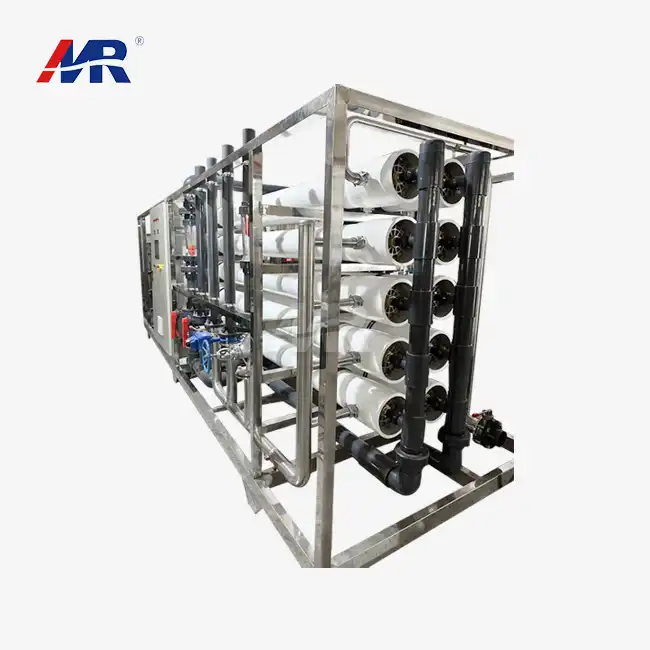
Several pressure tanks are chained or paralleled throughout the RO process. Plant capacity and healing rate depend on the membrane portions in each vessel. Energy recycling devices employ brine stream pressure to save up to 60%. After treatment, the water is remineralised to maintain pH, disinfected with UV radiation or chlorine, and polished to meet usage requirements.
Advantages Over Conventional Desalination Methods
RO technology outperforms steam distillation. Improvements in membrane materials and energy return technologies have greatly reduced energy needs. Modern saltwater RO systems require 3–4 kWh per cubic metre, compared to 8-15 for multi-stage flash distillation.
RO systems are modular and may be assembled to meet varied demands. Facilities may start modest and grow space as required without rethinking their systems. Automated tracking and control systems speed installation and reduce operating complexity. Due to their lower greenhouse gas emissions and better brine flow management, they have less environmental impact than thermal plants.
Evaluating the Future Potential and Trends in RO Desalination
Breakthrough Technologies Enhancing Efficiency
New approaches are changing desalination's prices and efficiency. Next-generation membranes combine graphene oxide, biomimetic aquaporin, and thin-film nanocomposites to increase water flow while maintaining salt rejection. The membranes last longer and need less cleaning because these materials prevent fouling. They may endure 7–10 years under optimal circumstances.
High-efficiency pressure exchange and turbocharger technologies recover practically all saline stream energy with efficiency rates over 96%. Digital automation with industrial IoT monitoring allows real-time membrane performance, pressure variations, and water quality checks. Reduced downtime and maintenance expenses result from predictive maintenance plans.
More hybrid systems combine reverse osmosis (RO) with electrodialysis reversing or forward osmosis for specialised purposes. For enterprises that recycle all their water, these solutions manage tough feedwater conditions cost-effectively and release zero liquid.
Integration with Renewable Energy Sources
To be more ecologically friendly, desalination is being integrated with solar, wind, and other green energy sources. Island communities and rural places without electricity are considering solar-powered RO systems. With batteries, solar panels supply consistent electricity even when generation patterns fluctuate.
At costs comparable to offshore wind farms, co-located desalination facilities may employ green energy. Several test projects demonstrate this combination's technical and economic viability. As renewable energy prices drop, carbon-neutral purification becomes simpler. This increases freshwater and improves the ecosystem.
Global Market Expansion and Regional Growth
The market for reverse osmosis desalination plants is growing rapidly worldwide. The Middle East leads in installed capacity, while North America—particularly California, Texas, and Florida—is accelerating adoption due to storms, droughts, and population growth. Municipal water authorities use desalination to diversify and secure water supplies.
Industrial sectors such as pharmaceuticals, technology, food processing, and power generation drive equipment demand. Companies recognize that water quality affects production efficiency, product quality, and regulatory compliance. Water scarcity also constrains business growth in high-demand regions across Southeast Asia, Africa, and Latin America, further increasing the need for reverse osmosis desalination plants.
Comparison and Decision-Making: Choosing the Right Desalination Solution
RO Versus Thermal Desalination Technologies
When choosing desalination, consumers must consider efficiency and cost. RO systems offer cheaper initial costs per unit capacity than heating solutions. RO costs less to operate since it consumes less energy and requires less maintenance. However, feedwater characteristics strongly influence technology selection.
Thermal desalination can clean up industrial rubbish and cool power plants since it works better with high-salinity and high-temperature feedwater. Salty or brackish water at the proper temperature and saltiness works best for RO. A lifecycle study should look at things like how hard it is to put in, how much land is needed, environmental permits, and how much utilities cost in the area.
Coastline case studies demonstrate that RO systems pay for themselves in 20–30 years when lifespan expenses are included. In cogeneration industries, thermal techniques may be preferable, but membrane-based technologies are always better for standalone desalination.
Membrane Selection and System Configuration
Make sure membrane fouling resistance, salt rejection rates, and flux capacity match feedwater profiles before choosing them. Composite polyamide membranes reject almost 99.5% of salt, making them the most used saltwater membrane. City users who need to clean often benefit from cellulose acetate membranes' chlorine resistance.
Space, data recovery speed, and quality criteria determine it. Single-stage systems perform well for brackish water with low TDS, while multi-stage arrays desalinate saltwater best. Seawater recovery rates are 35–50% and salty sources 75–85%. It does this by correlating membrane lifespan to operating cost.
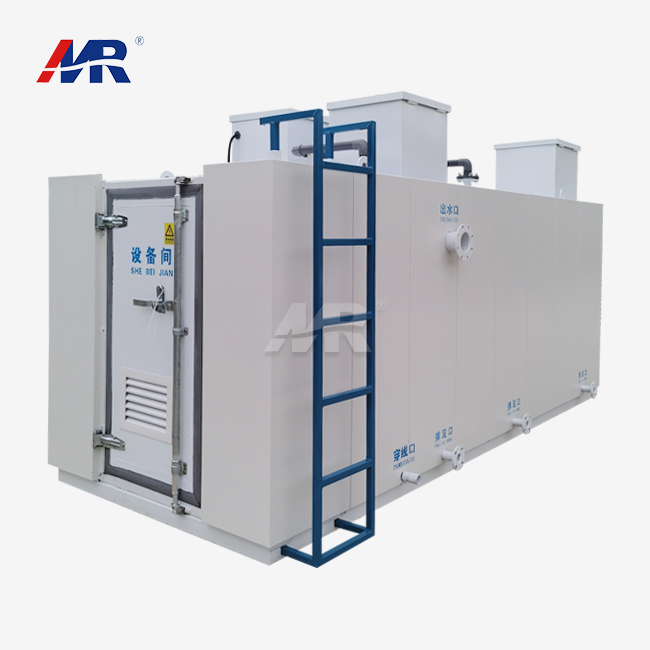
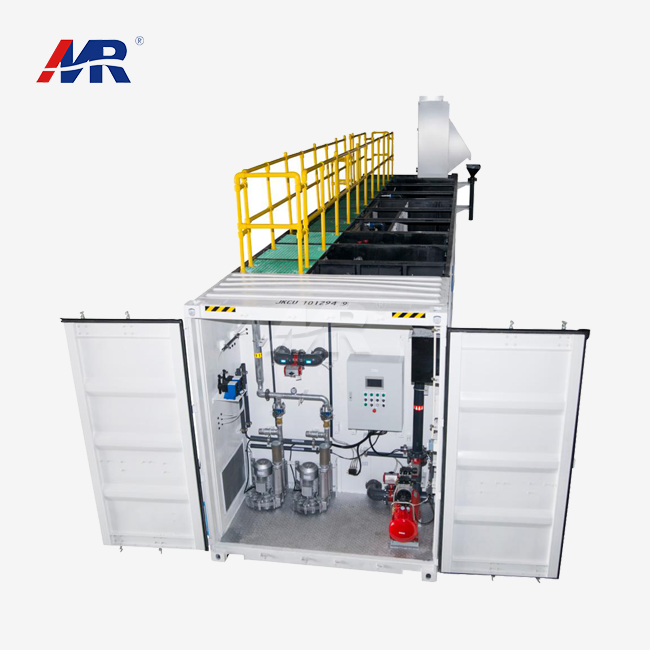
We can customise skid-mounted units for easy transport, containerised systems for rapid setup, and large facilities that can handle over 100,000 cubic meters of material daily. Technical conversations with experienced manufacturers ensure that the optimum standards are utilised to solve local issues and satisfy performance objectives.
Procurement Considerations for B2B Buyers
Suppliers' manufacturing credentials, industry Certifications, and expert assistance abilities should be considered. ISO 9001 and ISO 14001 certifications demonstrate planned quality control. Membrane manufacturers with their own innovations typically test their Products to prove their performance.
Installation difficulty varies depending on system size and location. Turnkey solutions for planning, manufacturing, installation, commissioning, and training simplify project management and accountability. Plan your budget to cover the initial capital expenditure, continuing energy and consumable expenses, membrane replacement, and unexpected maintenance.
Maintenance, Troubleshooting, and Maximizing Efficiency
Routine Maintenance Protocols
Regular maintenance of reverse osmosis desalination plants involves inspecting membranes, system cleanliness, and component performance to ensure optimal operation. Monitoring normalized permeate flow, salt rejection rates, and pressure differentials helps identify early signs of fouling, scaling, or membrane degradation.
Chemical cleanings occur every three to six months, depending on feedwater quality and operation. Cleaning products target distinct filth types. Alkaline solutions remove organic matter and biological growth, acidic treatments remove mineral scales, and specific surfactants remove particle fouling. Membranes become permeable again and last longer when cleaned correctly.
Pre-treatment system maintenance includes filter media, cartridge filter, and chemical feed system adjustment. Check high-pressure pump seals, bearings, and impellers regularly. To perform properly, energy recovery devices require regular maintenance. Comprehensive repair contracts with competent service providers ensure system reliability.
Troubleshooting Common Operational Issues
Too many minerals in the solution cause calcium carbonate, calcium sulphate, or silica crystals on membrane surfaces, producing scaling. Stop scaling by dosing antiscalants, regulating pH, and promoting healing. Biofouling from bacterial development requires tougher cleaning and biofilm removal procedures employing membrane-system-approved biocides.
Unexpected energy usage increases may indicate fouling, pump wear, or membrane stress. Systematic diagnosis employing pressure profiles, flow rates, and power monitoring finds root causes. Dye tracers or conductivity tests reveal membrane stability issues that need replacement.
Temperature affects system performance and barrier permeability. Normalising performance data using compensatory calculations allows reliable trend analysis. Training operators on standard operating procedures, problem-solving, and emergency response may keep production running smoothly.
Strategies for Efficiency Optimization
To make a plant as efficient as possible, it needs to be constantly improved so that it uses less energy, its chemicals work better, and its healing rate goes up. Energy audits find chances to improve tools, make changes to how things work, and add green energy. When only part of the load is being used, variable frequency drives on pumps and fans use less power.
Better pre-treatment lowers the rate of membrane fouling, which means that cleaning times are longer and membranes last longer. Chemical dosing is optimized by advanced tracking systems that use machine learning techniques to look at the characteristics of the feedwater in real time. Operators get useful information that lets them make changes ahead of time that keep performance from dropping and lower running costs.
Comparing performance gaps and ways to make things better to industry standards and related systems is what benchmarking is all about. With the help of complete operating analytics and data-driven decision-making, maintenance can go from being reactive to predictive, which increases uptime and return on investment for both corporate and municipal operators.
Procurement Guide and Partnering with Leading RO Desalination Brands
Sourcing and Purchasing Options
B2B buyers can acquire reverse osmosis desalination plants from multiple channels, including direct purchase from manufacturers, authorized distributors, or through engineering, procurement, and construction (EPC) contractors. Buying directly from manufacturers provides greater control over customization and expert support, but typically requires larger orders. For smaller projects, distributors are advantageous, offering shorter lead times and local assistance.
Leasing and build-operate-transfer contracts lower the amount of money that needs to be paid up front while giving operating duties to specialized water service providers. These models work well for businesses that put their main business tasks ahead of managing water infrastructure. The total cost of ownership should be compared between buying, leasing, and service contracts over the expected lifecycles of the tools.
Evaluating Manufacturers and Suppliers
Assessing a supplier's credibility includes looking at their ability to make things, their professional know-how, their name in the industry, and their after-sales support system. Manufacturers that have been around for a while can show their track records through finished projects, case studies, and customer reviews. When you visit a factory, you can learn about the quality control methods, testing tools, and output standards.
Certifications like NSF/ANSI 61 for drinking water parts, CE labels for European markets, and ASME Boiler and Pressure Vessel Code compliance show that rules are being followed. The fact that membranes, pressure vessels, and control systems are covered by warranties shows that the maker trusts the trustworthiness of the product. Operational continuity is ensured by technical help that includes remote diagnosis, a stockpile of extra parts, and the ability to respond to emergencies.
Location is very important for providing services, training, and continued help. Downtime during maintenance and system changes is kept to a minimum by suppliers with regional offices, authorized service centers, and local parts distribution.
Installation Services and Long-Term Partnerships
Professional installation makes sure that the system is properly set up, that it works, and that operators are trained. Professional contractors plan the preparation of the site, the connection of utilities, the placement of equipment, and the start-up processes according to the manufacturer's instructions. Comprehensive approval includes checking the system's performance, making sure the water quality is good, and delivering paperwork that proves the system meets the requirements of the plan.
Building long-term relationships with suppliers has perks that go beyond just buying tools. Manufacturers that offer lifetime support, such as performance improvement services, membrane replacement programs, and technology updates, make it easier for users to adapt to changing regulations and water needs. Collaboration leads to the sharing of information and constant growth, which is good for everyone.
Quick technical help through many channels of contact, like phone support, email, and online portals, gives operators faith in their ability to run daily operations and deal with problems that come up out of the blue. Setting clear standards and holding people accountable through service level agreements that spell out reaction times and help access is a key part of operational success.
Conclusion
Reverse osmosis desalination plants are at the heart of freshwater solutions that can help towns and businesses around the world deal with growing water shortages. Advanced membrane materials, new ways to recover energy, and digital automation have changed the economy and environmental efficiency of desalination. RO systems offer consistent high-purity water that is needed for production quality and legal compliance. More and more, industries like pharmaceuticals, electronics, food processing, and power generation depend on them. Desalination is being used by cities and towns as a drought-resistant water source to vary their supply stocks. Organizations can ensure long-term water security by making strategic purchasing choices based on thorough technology evaluation, source evaluation, and lifecycle planning.
Frequently Asked Questions
1. What capacity range is suitable for industrial versus municipal applications?
Industrial reverse osmosis desalination plants can handle anywhere from 100 liters per hour for small businesses to 50,000 cubic meters per day for big factories. Small high-purity systems are needed in the pharmaceutical and electronics industries, while medium-sized units are used in food processing and power generation. Depending on the number of people they serve and the pattern of demand in the area, municipal desalination plants usually pump between 10,000 and 500,000 cubic meters of water every day. When choosing capacity, you should think about both your current needs and how much you think they will grow over the next 10 to 15 years.
2. How often do membranes require replacement, and what factors influence lifespan?
When used properly and with the right upkeep and pre-treatment, membrane parts usually last between 5 and 7 years. Lifespan varies a lot on the quality of the feedwater, how it is used, and how it is cleaned. Fouling happens faster when the pre-treatment isn't done right, and the barrier only lasts 3–4 years. Maintenance plans that include regular chemical cleaning and improving how things work can extend the life of a membrane by 8 to 10 years, which greatly lowers the overall cost of ownership.
Partner with Morui for Advanced Reverse Osmosis Desalination Plants
Guangdong Morui Environmental Technology has 14 area offices and more than 500 skilled workers and 20 specialized engineers who work together to provide complete water treatment solutions. As a top maker of reverse osmosis desalination plants, we offer complete systems for treating industrial wastewater, desalinating seawater, and making ultrapure water for use in pharmaceutical, electronics, food processing, and public settings.
Our combined services include making our own membranes, building equipment, designing systems, installing and operating them, and providing ongoing Technical support to make sure they work at their best throughout the lifecycle of your equipment. We work with top component names like Shimge Water Pumps, Runxin Valves, and Createc Instruments to make sure that the systems we sell are stable and meet high-quality standards. Whether your site needs small 100 LPH business units or big municipal plants that produce 100,000 cubic meters of water every day, our engineering team can make solutions that meet your unique operational needs and water quality goals. Get in touch with our technical experts at benson@guangdongmorui.com to talk about your desalination needs and find out how Morui's proven experience can turn water problems into long-term competitive benefits.
References
1. Greenlee, L.F., Lawler, D.F., Freeman, B.D., Marrot, B., & Moulin, P. (2009). "Reverse osmosis desalination: Water sources, technology, and today's challenges." Water Research, 43(9), 2317-2348.
2. Elimelech, M., & Phillip, W.A. (2011). "The future of seawater desalination: Energy, technology, and the environment." Science, 333(6043), 712-717.
3. Fritzmann, C., Löwenberg, J., Wintgens, T., & Melin, T. (2007). "State-of-the-art of reverse osmosis desalination." Desalination, 216(1-3), 1-76.
4. Malaeb, L., & Ayoub, G.M. (2011). "Reverse osmosis technology for water treatment: State of the art review." Desalination, 267(1), 1-8.
5. Voutchkov, N. (2018). "Energy use for membrane seawater desalination – current status and trends." Desalination, 431, 2-14.
6. Kim, J., Park, K., Yang, D.R., & Hong, S. (2019). "A comprehensive review of energy consumption of seawater reverse osmosis desalination plants." Applied Energy, 254, 113652.