

_1745823981883.webp)

Which is better, UF or MF?
Your special water treatment goals will help you choose between an ultrafiltration filter and a microfiltration filter. With pores that are between 0.01 and 0.1 microns wide, UF membranes are great at removing viruses, bacteria, and colloidal particles. This makes them perfect for uses that need to get rid of a lot of microbes, like making medicines and cleaning drinking water. Microfiltration, which has holes that are 0.1 to 10 microns in size, is very good at getting rid of suspended solids and bigger bacteria. It is often used as a first step or clarification process in food processing and wastewater recovery. Your choice will depend on the size of the contaminants, your goals for water quality, and the limitations of your business.
Introduction
Filtration technologies, such as Ultrafiltration (UF) and Microfiltration (MF), are very important in many industries and water treatment processes because they keep things pure and make sure they meet strict quality standards. At Morui, we know that picking the right filtration system is about more than just technical specs. It also affects how well operations run, how well regulations are followed, and how well long-term costs are managed. This guide gives a full comparison of UF and MF technologies so that purchasing managers, plant engineers, and technical decision-makers can make smart buying choices that meet the needs of their industries and meet their performance goals. If you know about these membrane technologies, you can make smart investments whether you're improving water treatment plants for cities, making medicine processes better, or making food and drink production better.
Understanding Ultrafiltration (UF) and Microfiltration (MF)
Ultrafiltration and microfiltration are both membrane-based filtration methods that are different mainly in the size of their pores and how they filter. These differences tell us what kinds of pollution they can get rid of and what kinds of business uses they work best for.
Core Definitions and Pore Size Distinctions
The pores in uf membranes are generally between 0.01 and 0.1 microns (10 to 100 nanometers) wide. They work by screening particles based on their molecular weight cut-off (MWCO), which is usually between 1,000 and 500,000 Daltons. This makes it possible for UF to keep viruses, bacteria, colloids, and high-molecular-weight proteins inside while letting water and low-molecular-weight solutes, like salts and minerals, pass through. On the other hand, MF membranes have bigger holes that range from 0.1 to 10 microns and are made to catch larger germs, particulate matter, and suspended solids.
Key Operational Principles
Compared to reverse osmosis systems, both of these methods use less energy because they work at low pressures, usually between 0.5 and 3 bar. UF works by separating molecules based on their molecular weight and size, which can reduce bacteria and viruses by 4 to 6 logs without using chemicals or heat. MF focuses on physical screening, which successfully clears up liquids and lowers their turbidity. This basic difference affects how they are used in the production of drugs, the treatment of city water, the preparation of dairy Products, and the reuse of wastewater.
Industrial Applications Across Sectors
UF is widely used in the electronics manufacturing industry, where ultrapure water is needed to clean chips, the pharmaceutical and research industries that need GMP-compliant purified water, and the desalination of seawater to protect RO screens further down the line. MF is used in the processing of food and drinks to cold sterilize them, clear up juices and wines, and in the first stages of filtration in wastewater treatment plants for cities. When procurement teams know about these uses, they can better match filtration powers with practical needs and legal frameworks.
Performance Comparison: UF vs MF in Industrial Applications
In order to compare UF and MF for use in factories, you need to look at a number of important factors, such as how well they filter water, the quality of the water that comes out, how they work, and the overall cost of ownership.
Filtration Efficiency and Contaminant Removal
Ultrafiltration filters outperform MF in removing microorganisms and smaller contaminants. They maintain SDI < 3.0, protecting ro membranes downstream, a common failure point in desalination and power plants. MF effectively removes suspended solids and larger bacteria but is less capable against viruses and macromolecules. For industries like dairy, MF is often sufficient for protein concentration and lactose separation.
Operational Parameters and System Design
Transmembrane pressures (TMP) in UF systems are usually between 2.0 and 3.0 bar, and flow rates depend on the quality of the feed water and the membrane material. Polyvinylidene Fluoride (PVDF) and Polyethersulfone (PES) membranes are the most common types used in UF because they are chemically stable and strong. MF systems work at lower pressures, which uses less energy but makes separation less strict. Membrane fouling is a common problem. UF membranes need to be backwashed and chemically enhanced backwashed (CEB) with sodium hypochlorite, acids, and alkalis on a regular basis. MF membranes, on the other hand, tend to have lower fouling rates because their pores are bigger.
Cost-Benefit Analysis
UF systems usually have higher initial capital costs than MF systems because the membranes are more complex and the systems that control them are more automated. But practical costs must include things like how much energy is used, how often the membranes need to be replaced, how much cleaning chemical is used, and the cost of work. The better pretreatment ability of UF makes expensive RO elements last longer, which lowers the total lifecycle costs of combined systems. MF requires less money up front and is easier to maintain, which makes it appealing for uses that don't have strict water quality standards. To find out what the true cost-effectiveness is, procurement managers should look at both capital and ongoing costs over the next 5 to 10 years.
Real-World Performance Scenarios
UF has successfully replaced traditional coagulation, flocculation, and sand filtration methods in municipal water treatment. It removes turbidity and kills pathogens consistently, even when handling surface waters with varying quality. In the food and drink businesses, MF makes it possible to sterilize juices and wines without using heat, which keeps the flavors and nutrients intact. UF is used by petrochemical plants to clean oilfield reinjection water so that it meets strict quality standards for protecting reservoirs. These examples show how the choice of membrane has a direct effect on the quality and dependability of the process.
Selecting Between UF and MF: Decision Criteria for Procurement Managers
Choosing between UF and MF depends on the specific filter needs, the need to follow regulations, the reliability of the provider, and the ability to expand.
Contaminant Profile and Water Quality Objectives
Before making a choice, assess the types of contaminants in your feed water and the quality standards your final product must meet. Pharmaceutical and laboratory companies that require pyrogen- and endotoxin-free water for syringe production or fermentation processes benefit from the contaminant removal capabilities of an ultrafiltration filter. Conversely, MF may suffice and be more cost-effective if your main objective is to remove suspended solids or reduce turbidity, such as during initial wastewater treatment or before beverage clarification.
Industry-Specific Regulatory Requirements
The pharmaceutical industry must follow GMP guidelines, the food and beverage industry must follow FDA rules and HACCP standards, and local water companies must follow EPA Safe Drinking Water Act standards. UF membranes that meet NSF/ANSI 61 standards make sure that drinking water is safe, and MBR systems that use MF or UF membranes have strict limits on how much wastewater they can release. Making sure that the membrane technology you're considering meets the necessary legal requirements can help you avoid costly compliance problems and output stops.
Supplier Reputation and After-Sales Support
Choosing the right supplier has a big effect on how well the system works in the long run. Established makers make membranes that have been tested in a lot of different environments and shown to be durable and have even hole distribution. At Morui, our 14 offices and 20 engineers provide full help, from planning the system to installing it, putting it to use, and keeping it running. We also work with well-known names like Shimge Water Pumps, Runxin Valves, and Createc Instruments to make sure that the parts we use are solid. Service after the sale, such as guarantee terms, spare parts availability, and technical assistance, keeps your investment safe and cuts down on downtime.
Customization and Scalability
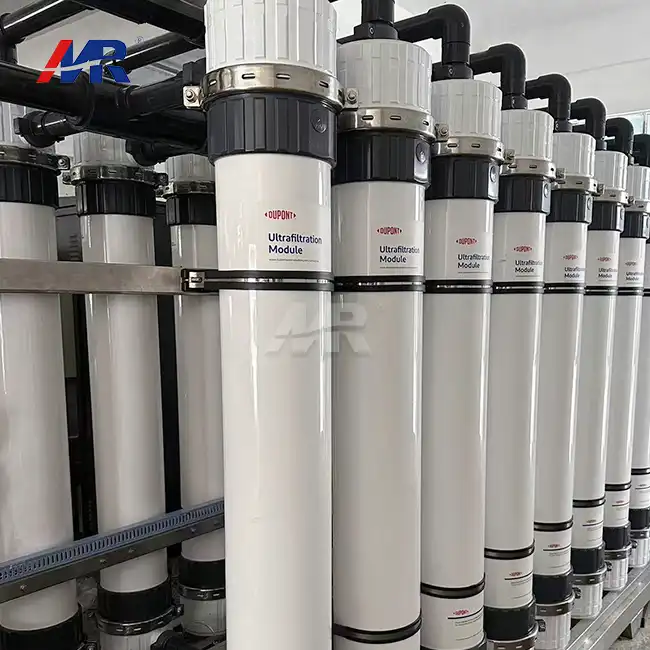
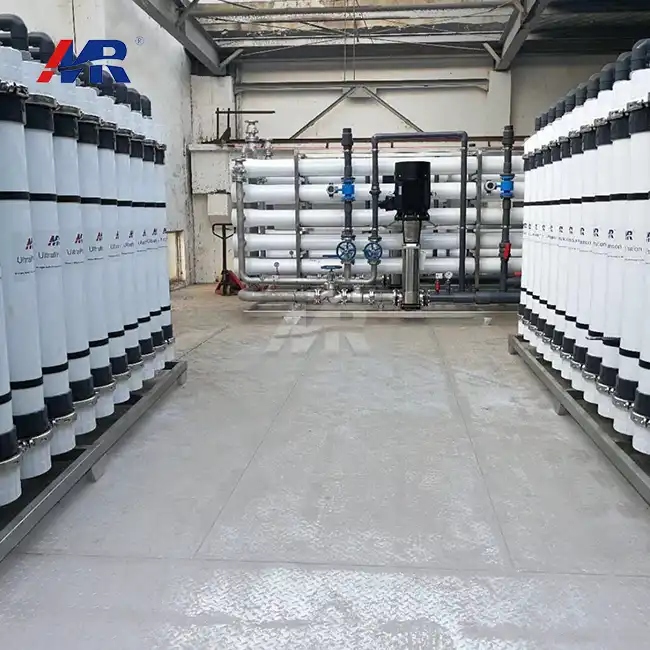
As factories change, so should your filtering system. It should be able to adapt to new processes and more space. Plug-and-play modular ultrafiltration skids make installation easier by removing the need for complicated engineering works on-site and shortening the time it takes to start using the system. These pre-designed systems have UF modules, feed pumps, automatic valving, PLC/HMI control screens, and Clean-In-Place (CIP) subsystems all built onto a single structural frame. This makes it easy to add more units as needed. Choosing adaptable membrane systems ensures operating flexibility, whether you're a small business looking to grow or a global company making the most of the assets you already have.
Practical Insights: Installation, Maintenance, and Support
Choosing the right technology is only one part of a successful filtration system rollout. You also need to plan for installation, follow upkeep procedures, and have a supplier support system in place.
Installation Considerations and System Integration
Planning an installation is affected by things like available room, how well it works with the plant's current equipment, and the availability of utilities. UF skids usually take up less space than other types of clearing systems, which makes them good for places that don't have a lot of room. To connect upstream preparation systems (like cartridge filters) and downstream processes (like RO or edi systems), the hydraulics must be carefully balanced, and the instruments must be coordinated. At Morui, we handle the whole installation and commissioning process, from delivering the equipment to making sure it works well. This way, we can make sure it fits in perfectly with your working setting.
Maintenance Protocols and Membrane Longevity
Regular repair has a direct effect on how long the membrane lasts and how well the system works. UF membranes need to be backwashed every 30 to 60 minutes to get rid of particles that have built up. Chemically improved backwashing should be done once a week or once a month, based on the quality of the feed water. Keeping TMP within the design limits stops membrane compression that can't be undone. By keeping an eye on standardized permeate flow and TMP trends, predictive maintenance can find fouling problems early on, before they get worse. Because their pores are bigger, MF membranes tend to have lower fouling rates, but they still need to be inspected and cleaned on a regular basis.
Warranty Terms and Technical Support
Strong warranty coverage and quick technical help lower operating risks. Good membrane makers offer contracts that last between 3 and 5 years and cover both problems with the way the membrane was made and how well it works. Access to technical help for troubleshooting, optimization suggestions, and emergency reaction ensures that work stops as little as possible. Morui has 500 workers spread out across several branches. This gives them local support, which cuts down on reaction times and makes it easier to change parts quickly when they need to be.
Conclusion
Selecting between UF and MF requires evaluating technical performance, cost, regulatory compliance, and long-term operational goals. Ultrafiltration filters are essential for pharmaceuticals, electronics, and high-purity applications due to superior microbial removal. MF offers a cost-effective method for clarification and particle removal in food processing and preliminary wastewater treatment. Proper installation, maintenance, and supplier support ensure energy-efficient, chemical-free, and reliable water treatment. By analyzing contaminants, industry standards, and scalability needs, industrial operators can implement filtration systems that ensure compliance, process reliability, and long-term growth.
FAQ: Common Questions About Ultrafiltration and Microfiltration
1. Can UF membranes remove viruses and bacteria effectively?
In fact, UF membranes literally block bacteria and viruses with pores that are between 0.01 and 0.1 microns wide. This is possible without adding any chemicals. Because of this, UF is perfect for making drinking water that is safe from microbes and processing water for making drugs.
2. Are these filtration technologies suitable for both industrial and municipal applications?
Of course. UF and MF work with a wide range of industries, such as municipal water treatment plants that are improving the quality of drinking water, pharmaceutical companies that need to make GMP-compliant water, food and beverage processors that need to cold sterilize water, and wastewater treatment plants that are putting in place advanced tertiary treatment. Their flexibility comes from being able to be set up in different ways and using membrane materials that are specifically made for different types of water.
3. What are the typical cost implications when comparing UF and MF systems?
Because their membrane structures are simpler and their working pressures are lower, MF systems usually have cheaper starting capital costs. UF systems cost more up front, but they often save money in the long run by saving expensive equipment like RO filters and reducing the amount of chemicals that are used. When making a purchase choice, you should think about the total cost of ownership over 5 to 10 years. This includes the cost of replacing the membrane, energy, chemicals, and maintenance work.
Contact Morui for Expert Ultrafiltration Filter Solutions
To choose the right membrane technology, you need to know what you're doing, have solid tools, and get full help. Morui is an expert in water treatment systems that handle garbage from factories and homes, purification of seawater, and the production of drinking water. As a well-known company that makes ultrafiltration filters and has its own membrane production center as well as multiple equipment processing plants, we can give you options that are specifically designed to meet the needs of your business. Our 20 engineers and 500 other professionals spread across 14 stores provide quick and helpful service from the first meeting to system setup and ongoing upkeep. Send an email to benson@guangdongmorui.com to talk about your filtering needs and get a full price.
References
1. Membrane Filtration Guidance Manual, United States Environmental Protection Agency, Office of Water, 2005.
2. Singh, R. (2015). Membrane Technology and Engineering for Water Purification: Application, Systems Design and Operation. Butterworth-Heinemann.
3. Judd, S., & Judd, C. (2011). The MBR Book: Principles and Applications of Membrane Bioreactors for Water and Wastewater Treatment. Elsevier.
4. American Water Works Association. (2005). Microfiltration and Ultrafiltration Membranes for Drinking Water. AWWA Manual M53.
5. Baker, R. W. (2012). Membrane Technology and Applications. John Wiley & Sons.
6. Crittenden, J. C., et al. (2012). MWH's Water Treatment: Principles and Design. John Wiley & Sons.
 VIEW MOREultra filter membrane
 VIEW MOREedi water treatment
 VIEW MOREcontainerized water treatment systems
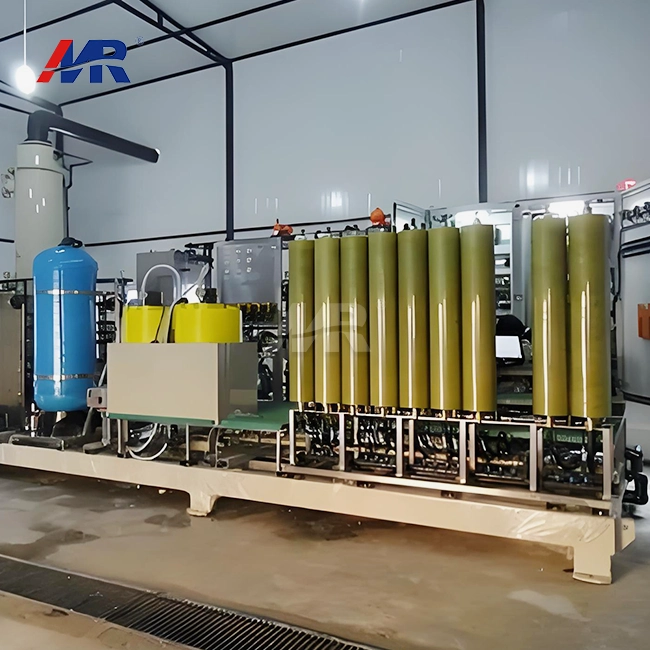 VIEW MOREDTRO Water Treatment
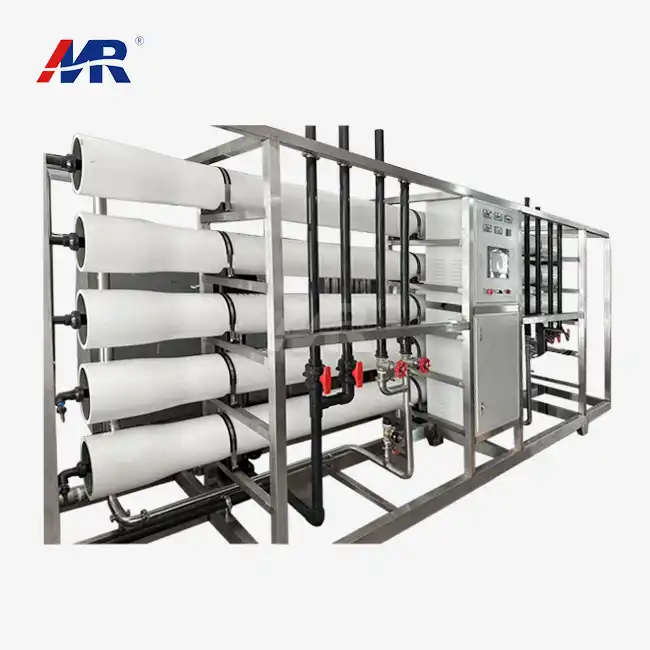 VIEW MORE25m3/hour reverse osmosis equipment
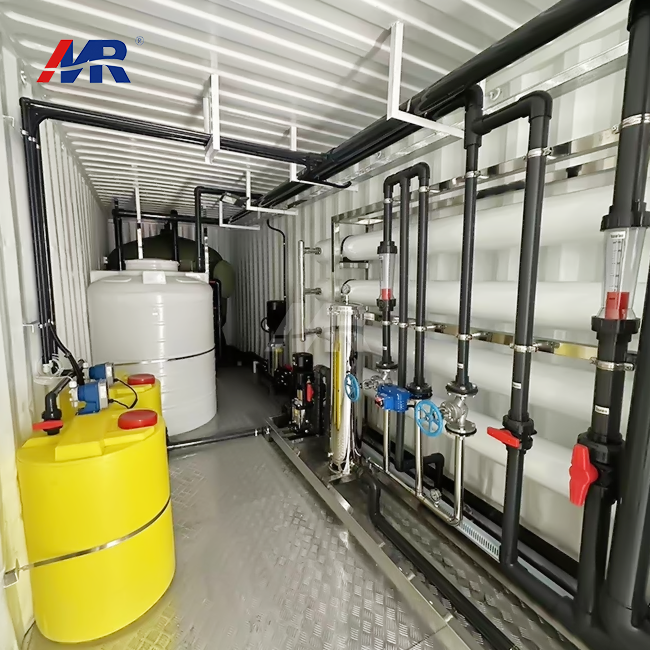 VIEW MOREcontainer reverse osmosis equipment
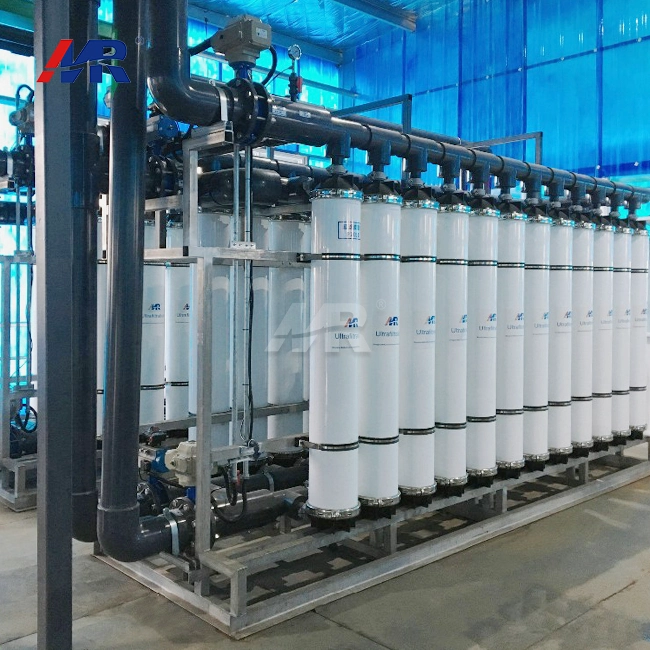 VIEW MOREultrafiltration equipment
 VIEW MORE2000m3/day ultrafiltration equipment
