

_1745823981883.webp)

100 GPD RO Systems for Small Beverage Production Solutions
Small beverage makers have a big problem: they have to keep the quality of their Products constant while also keeping their costs down. Craft breweries, juice bottlers, kombucha makers, and specialty coffee roasters can all benefit from a 100 gpd ro system, which can produce about 100 gallons of pure water every day. Up to 99% of dissolved solids, chlorine, heavy metals, and organic contaminants are removed by these small reverse osmosis units. This makes sure that your drinks keep their taste profile from batch to batch.
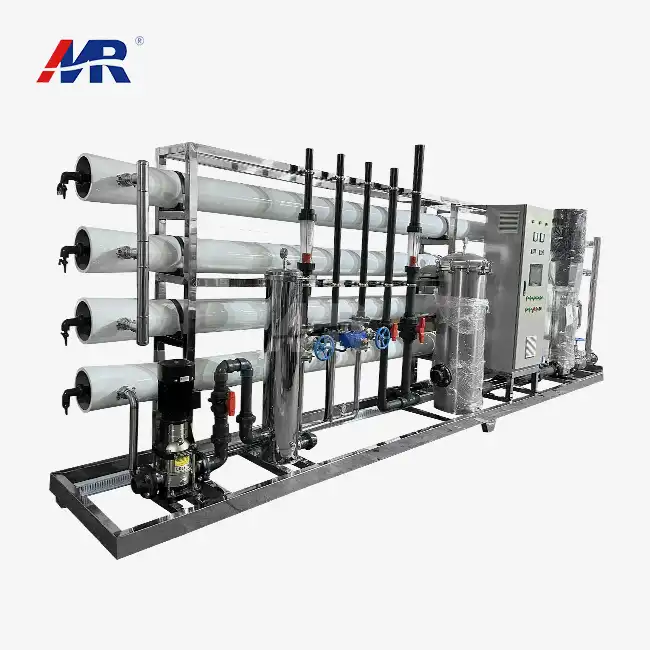
Understanding 100 GPD RO Systems for Beverage Production
What Makes a 100 GPD System Ideal for Beverage Applications
When it comes to small-scale production, the 100 gpd RO system size is excellent. When you're making 50 to 200 liters of drink every day, this method gives you enough clean water without leaving too much of a mark or using too much energy. The method works all the time, filling up holding tanks during off-peak hours so that there is water ready for when production starts.
Core Technical Specifications That Matter
Total Dissolved Solids (TDS) can be lowered from 500 to 1000 parts per million to 10 to 20 parts per million in modern 100 gpd RO systems, which meet FDA guidelines for making drinks. At 0.0001 microns, the membrane filtering process gets rid of germs, viruses, and parasites without using chemicals. Usually, the operating pressure is between 60 and 80 PSI. This is kept steady by built-in booster pumps that can adjust to different input pressures. Temperature ranges from 40°F to 100°F, so it can work in most production settings without extra temperature control.
Water Purity Standards in Beverage Manufacturing
Certain types of water chemistry are needed for certain drink recipes. Alkalinity changes the pH in fizzy drinks, and hardness minerals make clear drinks cloudy. It is possible to identify off-flavors caused by chlorine and chloramines at amounts as low as 0.2 ppm. Multiple stages of filtering are used in a properly set up 100 gpd RO system to deal with these issues. Particles are caught by sediment pre-filters, chlorine and organic chemicals are removed by activated carbon blocks, and dissolved minerals are rejected by the ro membrane. Post-filtration cleaning makes sure that the water is safe from microbes before it goes into the production line.
Maintenance Requirements and Operational Realities
Long-term dependability depends on regular maintenance. Depending on the quality of the source water, pre-filters need to be replaced every six to twelve months. On the other hand, RO membranes should last two to three years if they are used properly. Every year, post-filters should be changed. System sanitization, which involves running food-grade cleaning solutions through the whole water path every three months, stops bacteria from forming. By checking the permeate conductivity once a week, you can catch membrane breakdown early, before the quality of the product goes down.
Comparing 100 GPD RO Systems with Alternative Water Purification Solutions
Capacity Comparison: 50 GPD vs. 100 GPD vs. 150 GPD
Production problems can be avoided by choosing the right capacity. For micro-producers making 20 to 30 liters per day, a 50 GPD method works well, but it has trouble when the business starts to grow. The 100 gpd RO system version grows easily and can handle production rises of up to 150 liters before they need to be upgraded. Meanwhile, 150 GPD units have more space than they need, but when they're not working at full capacity, they use more energy and make more garbage. When systems are running at 70 to 90% of their rated capacity, recovery efficiency (the ratio of clean water to feed water) is at its best.
RO Technology vs. UV Purification Methods
Microbes can be killed by ultraviolet systems very well, but minerals, chlorine, and organic pollutants that are dissolved stay the same. The taste of your drink still comes from the source water. Reverse osmosis physically sorts contaminants, leaving behind neutral-profile water that can be used to make any recipe. When you combine the two technologies, you get full protection: RO gets rid of chemical and mineral impurities, and UV stops any bacterial invasion, but this makes things more complicated and costs more.
Single-Stage vs. Multi-Stage RO Configurations
In single-stage systems, water goes through just one membrane element, which gets rid of 90–95% of the contaminants. In multi-stage setups, a second membrane pass raises the rejection rate to over 98% and lowers the TDS level to less than 10 parts per million. Producers of drinks should think about whether the extra cleanliness is worth the 15-20% drop in water return and higher capital costs. Multi-stage treatment is best for high-end spirits and pharmaceutical-grade drinks, while single-stage methods work well for most juice, tea, and coffee uses.
Energy Consumption and Operational Cost Analysis
A 100 gpd RO system usually uses 0.5 to 0.7 kW of power when it's running, which means it costs about $15 to $25 a month at business rates for energy. Waste water is still an issue—most units have waste-to-product rates of 3:1 to 4:1, which means that 100 gallons of cleaned water are made from 300–400 gallons of feed water. If a city or town has high waste fees, this could affect the total cost of ownership. Payback times for active makers, on the other hand, are usually between 6 and 12 months, compared to buying bottled purified water at $0.50 to $1.00 per gallon.
Selecting the Right 100 GPD RO System for Your Beverage Production Needs
Critical Evaluation Factors for Procurement Teams
When evaluating systems, give NSF/ANSI 58 approval that confirms TDS reduction performance the most weight. Check to see if the membrane can handle the chemistry of your source water. Water with a lot of iron or hardness may need a certain type of membrane or extra cleaning before it can be used. In small production areas, the size of things matters. Before choosing tools, measure the floor space and plumbing entry points that are available. Drainage needs to be confirmed; some buildings don't have floor drains, so drain lines have to go to sinks or outside trash pickup services.
Brand Considerations and Feature Sets
Well-known brands offer written information on how well their products work and when new parts are available. APEC systems have clear housings that let you see the filter, and iSpring systems have high-flow membrane designs that cut down on the time it takes to refill the tank. With twist-and-lock housings that don't need any tools, Home Master equipment makes it easy to change the filters. The warranty terms for each brand are different. The warranty for the membrane lasts between one and three years, while the warranty for the frame and parts lasts between three and five years.
Installation Requirements and Site Preparation
Eighty percent of the practical problems we see in the field can be avoided with proper installation. The water pressure at the inlet must be higher than 40 PSI; if it is lower, a booster pump must be added. To keep membranes from getting damaged, the temperature of the source water should stay below 95°F. With dedicated cold water supply lines, pressure changes from other faucets don't happen. On 115V lines, electrical outlets should have GFCI safety features. Lines for drainage need to have enough air holes to stop contamination from flowing backwards. Wait 24 to 48 hours after installation before using the product water, because the first membrane cleaning gets rid of preservatives that change the taste.
After-Sales Support and Service Networks
When problems happen, the length of downtime is determined by how easy it is to reach technical help. Check with suppliers to see if they offer phone help during your business hours. Keep in mind that makers in other countries may have different time zones. It's important that replacement filters are easy to get. Make sure that parts ship within 24 to 48 hours from warehouses in the United States instead of foreign sites, where delivery can take weeks. Some sellers offer preventative maintenance plans that include yearly visits from a professional, filter replacements, and priority access to troubleshooting. This is helpful for producers who don't have their own water treatment experts.
Maximizing System Performance and Longevity
Installation Best Practices for Optimal Output
Putting the system on vibration-dampening pads cuts down on noise and makes the parts last longer. Putting pressure gauges at the inlet, pre-membrane, and post-membrane places lets you keep an eye on performance. If the pressure drops more than 15% from the standard, it means the filter is loaded too much and needs to be replaced. Temperature sensors help connect changes in water flow with changes in performance over time. Having dedicated lights makes inspections easier during upkeep and cleaning tasks.
Maintenance Schedules and Preventive Care
Failures caused by carelessness can be avoided by writing down repair procedures. Keeping track of these factors is best done in digital or paper logs. Every week, readings of the feed pressure, permeate flow rate, and permeate conductivity show problems as they start to appear before they affect output. At first, you should replace filters according to the manufacturer's instructions. Then, you can make changes based on how well the filters work with your water source. When normalized permeate flow drops 15% or salt rejection drops 10%, the membrane needs to be cleaned. In drinking use, this usually happens once or twice a year.
Troubleshooting Common Performance Issues
Low permeate flow is often a sign of pre-filters that are clogged or membrane surfaces that are scaling. Before you buy membranes, check out filters. They're cheaper. High permeate TDS means that the membrane is damaged or the seal has failed. Check the O-rings and make sure the case is properly assembled. If carbon filters get too old, chlorine can get through, or bacteria can grow in storage tanks and cause strange tastes. Rapid drops in pressure throughout the system are a sign of sediment filters that are clogged or valves that were accidentally closed and left in a closed position.
Real-World Application: Craft Brewery Case Study
A small brewery in Massachusetts that makes 150 liters of specialty beer every day put in a 100 gpd RO system to stop buying bottled water. The source water had 450 ppm TDS and a chlorine taste that could be tasted. The filtered water was checked after installation and found to have 12 ppm TDS and no chlorine. The brewmaster said that the hop aromas stayed in the beer longer and that the fermentation profiles were easier to predict. The average cost of replacing filters was $180 a year, or about $15 a month. This is compared to the $240 a month that was spent on bottled water before. The method paid for itself in five months and got rid of plastic bottle trash, which was in line with the brewery's message about being environmentally friendly.
Procurement and Cost Considerations
Typical Pricing Structure for 100 GPD Systems
Complete systems from reliable brands cost between $400 and $900, based on what features they come with. In this price range, the most basic options have manual flush valves and standard housings. More expensive units with automatic flush controls, permeate pumps for waste-free operation, and quick-change filter cartridges cost more up front but save money in the long run on work costs. If you're not buying a full installation kit, plan to spend an extra $150 to $200 on installation items like inlet adapters, drain saddles, tubes, fittings, and tubing.
Consumable Costs and Replacement Schedules
Usually, three sediment filters, two carbon blocks, and one post-filter refill cost between $120 and 180 a year. Every 24 to 36 months, you need to change a RO membrane, which costs $60 to $120. Find out how much it will cost to own the system for five years, including the purchase price, installation, filters, membranes, and energy. This will give you a fair comparison to other water sources. Even though it costs more up front, many makers find that the cost of pure water drops to $0.05 to $0.10 per gallon, while the cost of bought water stays the same at $0.50 to $1.00 per gallon.
Sourcing Reliable Suppliers and Distribution Channels
Industrial water treatment experts have knowledge that stores that focus on customers can't match. When looking at different providers, find out if they have application engineers on hand to help with specifications, if they can do sample system estimates based on your source water analysis, and if they keep replacement parts in stock in the area. Online markets offer reasonable prices, but they don't offer a lot of technological help. Regional sellers of water treatment systems charge small premiums but offer good value through site studies, skilled installation, and ongoing service relationships.
Warranty Policies and Financial Incentives
Standard guarantees cover flaws in the way the parts were made for one year on parts and three to five years on structural elements. Adding two more years to a warranty usually costs 10-15% of the system price, and it usually covers the membrane that isn't covered by the base warranty. Some cities and towns offer refunds for water-saving tools. Check the websites of your local water authority for information on conservation incentive programs. Financing choices through equipment sellers or third-party lenders help you keep your capital, and the monthly payments are often less than what you used to pay for bottled water.
Conclusion
While keeping costs down, a 100 gpd RO system provides the clean water needed for reliable beverage production. These systems get rid of contaminants that change the taste, lower the concentration of dissolved solids to levels suitable for drinking, and work reliably with simple care instructions. Small makers stop having to buy water, get rid of unnecessary packing, and get their money back within months by not having to pay for supplies. By choosing the right size, knowing what upkeep is needed, and working with experienced providers, you can make sure that your water purification system helps production grow instead of holding it back. A small investment in properly sized RO equipment defends both the quality of the product and the image of the brand, which are both very valuable in the competitive beverage market.
FAQ
1. What daily water output can I expect from a 100 GPD system?
When running nonstop for 24 hours, the machine makes about 100 gallons, which is about 4 gallons an hour. The actual result depends on the temperature, pressure, and TDS amounts of the water that comes in. Water temperatures below 60°F may cut output by 20 to 30 percent, while temperatures near 77°F give the full capacity. Installing holding tanks of the right size guarantees that there is enough water during times of high production.
2. Will this system meet beverage production quality standards?
When properly kept, 100 gpd RO systems regularly get TDS levels below 20 ppm and get rid of 99%+ of chlorine, heavy metals, and organic contaminants, which is more than what the FDA requires for water used in making drinks. Along with the system, there should be regular testing procedures to make sure it is still meeting your product standards and local laws.
3. How often does the system require maintenance?
Based on the quality of the source water, pre-filters need to be changed every six to twelve months. When used properly, RO membranes last for two to three years. Every year, post-filters should be changed. System cleaning every three months keeps microbes from building up. Monitoring output TDS and flow rates once a week lets you know about problems early on, before they affect production.
Partner with Morui for Your Beverage Production Water Solutions
Guangdong Morui Environmental Technology has fourteen branch sites and twenty skilled engineers working for them to support our full range of water treatment services. With food-grade materials and NSF-certified parts that meet strict production standards, our 100 gpd RO system configurations are especially designed for small beverage makers. As a maker and wholesaler, we keep membrane production sites that let us make changes that resellers can't. Our clients in the beverage business can get all the services they need in one place. These services include site inspection, system specification, installation, commissioning, and ongoing expert support. We have equipment that meets the needs of today while also having room for tomorrow's growth, whether you're starting a new craft beverage brand or increasing the amount of what you're already making. Get in touch with our expert team at benson@guangdongmorui.com for help with water analysis and system suggestions that fit your business needs. Price cuts on 100 gpd RO systems for sale include guarantee coverage and repair filter programs that make ownership easier over time.
References
1. American Water Works Association. (2020). Reverse Osmosis and Nanofiltration Manual of Water Supply Practices (M46). Denver: AWWA Publications.
2. Beverage Industry Magazine. (2021). "Water Quality Impact on Beverage Flavor Profiles and Production Consistency." Beverage Industry Technical Review, 112(4), 34-41.
3. National Sanitation Foundation International. (2019). NSF/ANSI Standard 58: Reverse Osmosis Drinking Water Treatment Systems. Ann Arbor: NSF International.
4. Craft Beverage Modernization Act Technical Committee. (2022). "Small-Scale Water Treatment Technologies for Craft Producers." Journal of Beverage Production Engineering, 15(2), 78-89.
5. Water Quality Association. (2021). Commercial RO System Selection and Sizing Guidelines. Lisle: WQA Technical Publications.
6. U.S. Food and Drug Administration. (2020). Code of Federal Regulations Title 21, Part 165.110: Bottled Water Quality Standards. Washington: FDA Regulatory Affairs.
 VIEW MORE2000m3/day ultrafiltration equipment
 VIEW MOREMBR wastewater treatment plant
 VIEW MOREhighest rated reverse osmosis system
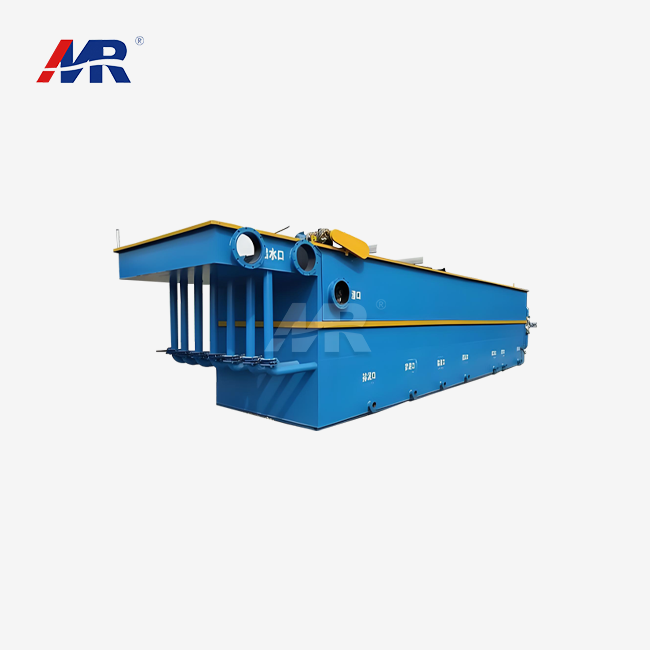 VIEW MOREadvanced wastewater treatment system
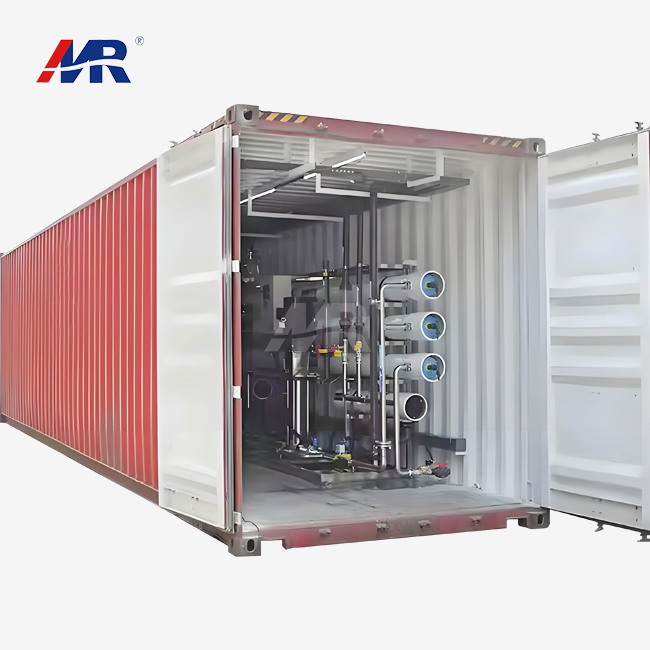 VIEW MOREContainerized Reverse Osmosis Systems
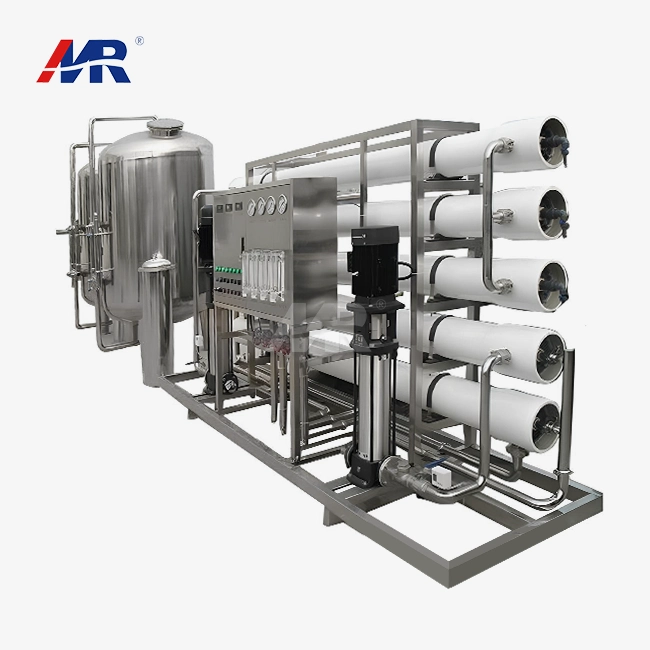 VIEW MOREbrackish water reverse osmosis
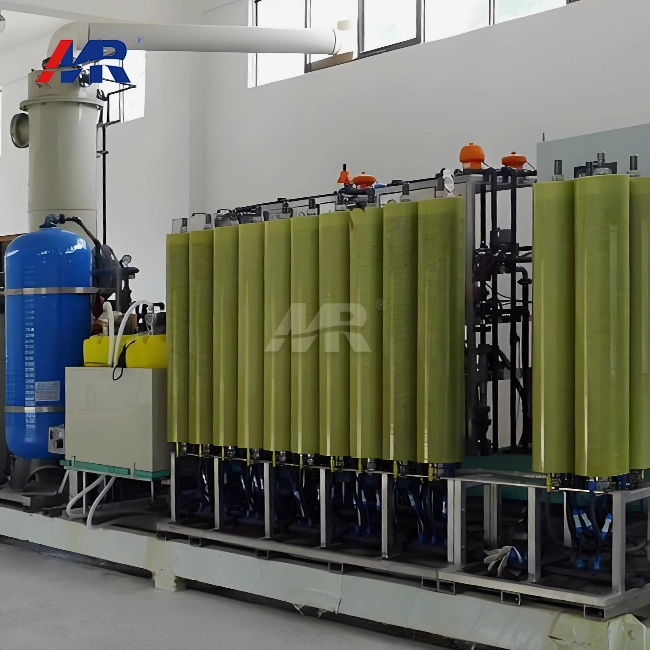 VIEW MOREDTRO membrane
 VIEW MORE2000LPH EDI system
