_1745823981883.webp)

How the Ultrafiltration Process Works in Water Treatment?
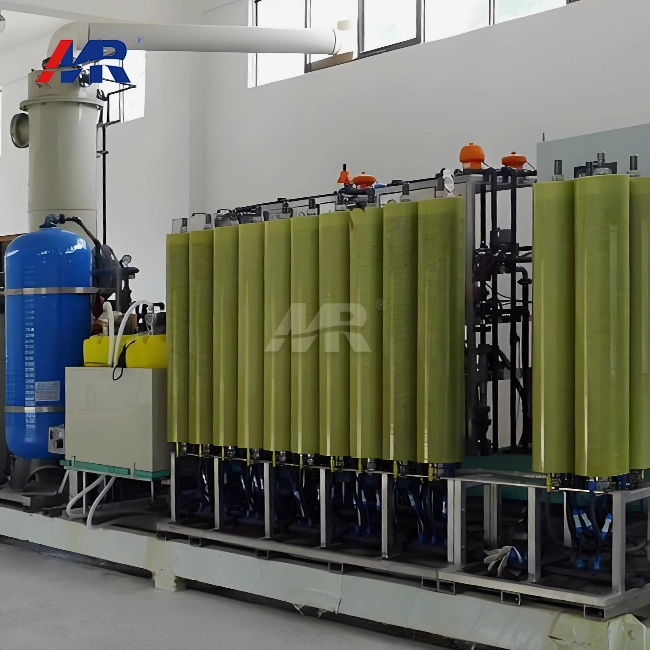
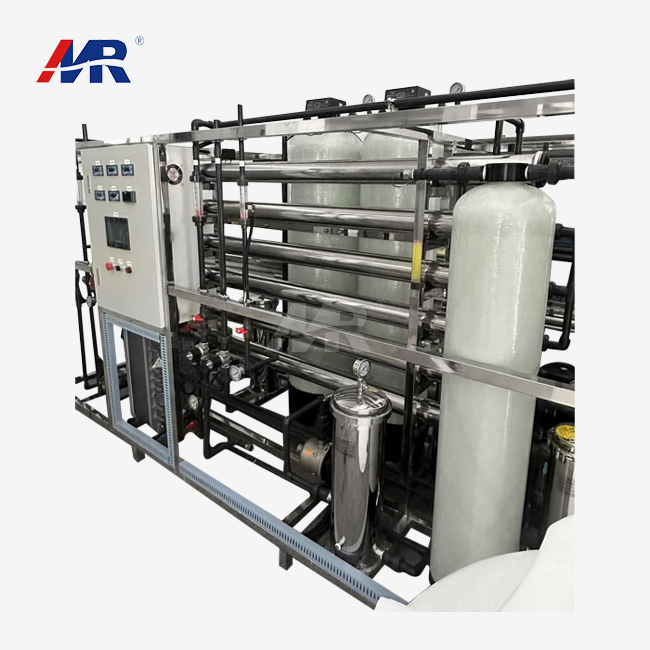
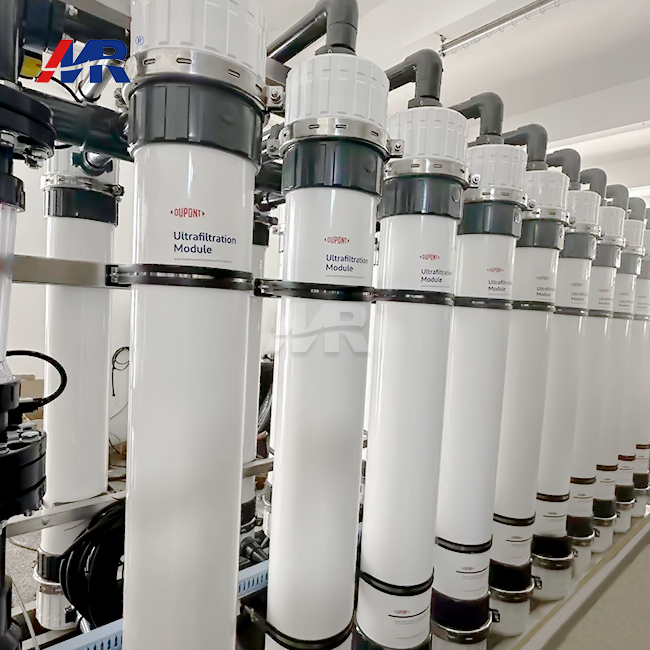
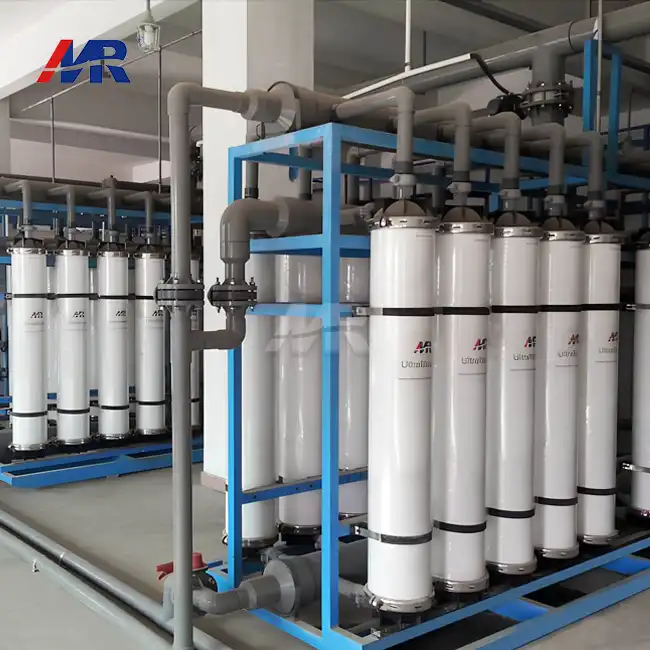
Pressure-driven membrane separation eliminates impurities from water streams in ultrafiltration. uf membranes with 0.01–0.1 micron holes shelter molecules. Water molecules and dissolved minerals pass through, while bacteria, viruses, colloids, large chemical molecules, and suspended solids are blocked. Feed water is pumped through hollow fibre or spiral-wound membrane modules at 0.1–0.5 MPa. Without chemicals, this mechanical filtering device kills 99.99% of germs and 99.999% of viruses. Ultrafiltration water treatment is crucial for producing pharmaceuticals, processing food, supplying city water, and cleaning industrial wastes.
Introduction
Ultrafiltration water treatment and its commercial implications are crucial for buying people in the water treatment sector. Whether you're a semiconductor facility technical decision-maker needing ultrapure water, a beverage plant CFO considering capital expenditures, or a factory owner considering wastewater reuse systems, choosing the right membrane filtration technology is crucial for operational efficiency and regulatory compliance.
Due to water conservation and release restrictions, membrane-based purification is essential in current industrial processes. Energy consumption, maintenance, and water quality are all improved by UF systems over conventional clarifying and filtering techniques. Most significantly, their solutions may be scaled up or down to meet the demands of tiny labs to large municipal treatment facilities that handle millions of gallons of water daily.
Each step of ultrafiltration membrane systems is explained in this tutorial. It also compares UF to other technologies and identifies long-term ROI-affecting purchase variables. We provide technical and commercial information to help you choose water treatment equipment.
What Is Ultrafiltration Water Treatment and How Does It Work?
Ultrafiltration water treatment is an intermediate membrane filtration method. It separates more finely than microfiltration yet transports more fluids more quickly than nanofiltration or reverse osmosis. PVDF, PES, or polyacrylonitrile semi-permeable membranes are used. Each material has unique chemical tolerance and thermal stability.
The Core Filtration Mechanism
The fundamental technique uses dead-end or cross-flow filtration. In cross-flow systems, feed water flows along the membrane. This oblique flow pattern creates shear forces that move particles, slowing membrane clogging. The separation only works with size-based separation. The membrane pores block larger particles, while tiny molecules and dissolved ions may enter the permeate stream.
Water molecules pass through membrane perforations under transmembrane pressure (TMP), while impurities accumulate on the feed side. How effectively TMP is handled affects flow rate and membrane life. The pressure range of most industrial UF systems balances production and membrane stress. They avoid forces that condense or shatter the membrane.
Pre-Treatment Requirements for Optimal Performance
The UF system's performance and cost depend on the raw water. Pre-treatment addresses membrane inefficiency and fouling. Turbidity should remain below 5 NTU to reduce particle burdens. Inline coagulation with pH adjustment helps particles clump together while cleaning surface water with seasonal suspended solids, relieving barrier surfaces.
Permeability increases by 2% to 3% for every degree Celsius increase in water temperature. Operating parameters should accommodate seasonal temperature fluctuations. Different membranes operate well at different pH levels. Cellulose acetate membranes operate best at pH 4–6, whereas PVDF and PAN membranes can withstand pH 2–12. Long-term exposure to chemical oxidants like chlorine may degrade polymer membranes.
Post-Treatment Integration
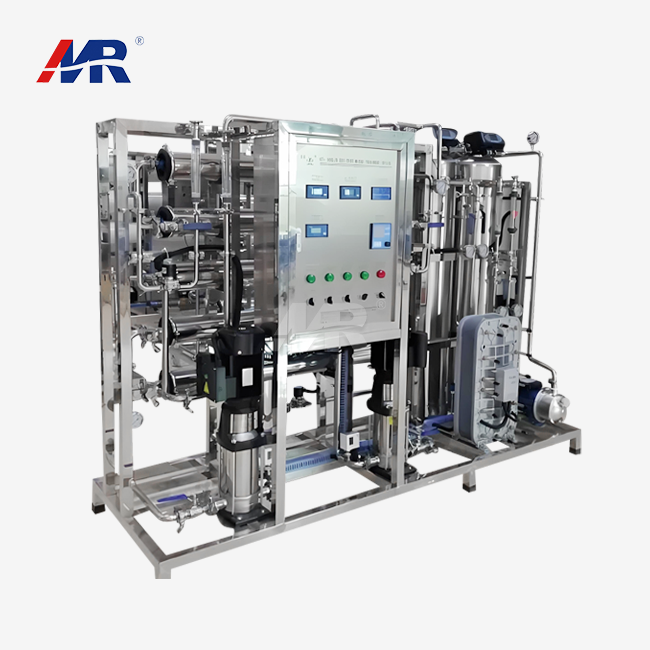
UF permeate normally passes drinking water microbial safety requirements, but its end-use may need further treatment. Pharmaceutical businesses commonly use ultrafiltration (UF), reverse osmosis, and electrodeionization (EDI) to meet USP conductivity criteria. Food and beverage companies may employ activated carbon cleaning to remove flavour and smell compounds from UF membranes.
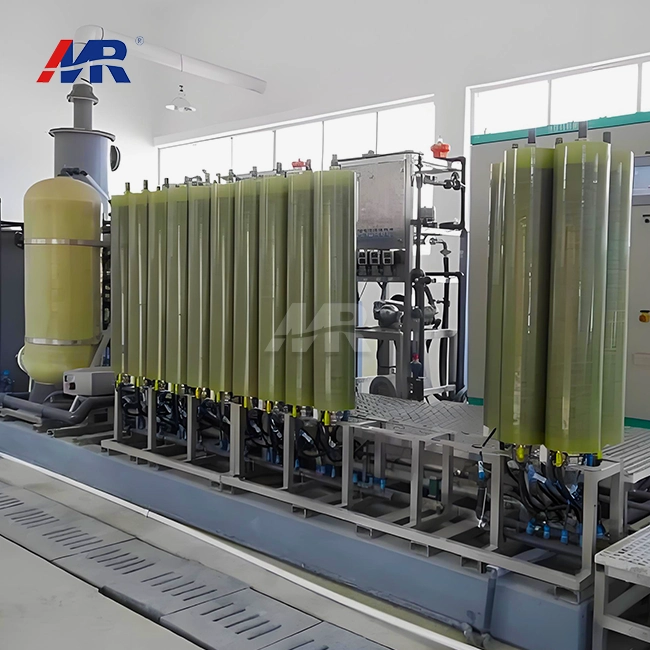
Cities increasingly utilize UF as a pre-treatment step to preserve indirect drinkable reuse RO systems. The more sensitive ro membranes are protected from organic and particle materials by this configuration. They need to be cleaned less regularly, lowering treatment costs.
Critical Performance Metrics
Procurement teams should evaluate UF systems using standard success indicators. Unit membrane area produces this much liquid permeate. GFD or LMH (litres per square metre per hour) is used to measure it. UF flux ranges from 40 to 100 LMH, depending on input water quality and operating pressure.
The rejection rate indicates how many toxins the barrier may block. Good UF systems reduce influent turbidity from above 1 NTU to less than 0.1 NTU in wastewater. Well-designed UF systems recover 85%–95% of feed water as permeate. The concentrate stream must be disposed of or processed.
Comparing Ultrafiltration with Other Water Treatment Technologies
To pick a strategic technology, you must understand how ultrafiltration water treatment fits within the overall treatment options. Each water quality solution has its own upfront and continuing expenses.
Ultrafiltration vs. Microfiltration
Both technologies separate membranes using pressure, but microfiltration removes suspended particles and larger bacteria better than viruses because of its larger pores (0.1 to 10 microns). UF inhibits germs better, making it ideal for germ-sensitive circumstances. Chemicals may not be used since UF can separate things more finely while maintaining operating temperatures.
Ultrafiltration vs. Reverse Osmosis
Minerals, salts, and tiny organic molecules that pass through UF membranes are removed by reverse osmosis at 150–1,200 psi. RO systems often require three to five times more energy than UF installations of the same size. UF maintains natural mineral balance in drinking water by keeping beneficial minerals like calcium and magnesium in the water. Treatment trains often combine both technologies. For instance, UF prevents RO membrane bacterial and particle fouling.
Ultrafiltration vs. Conventional Treatment
Traditional coagulation-sedimentation-filtration trains leave larger tracks, create chemical sludge that must be discarded, and provide less consistent effluent quality as source water varies. Studies show that UF systems utilize 30–50% less energy than multi-stage cleaning processes. Because UF systems are automated, less manual labour is needed. Programmable logic controllers manage backwash cycles, chemical cleaning, and performance monitoring in current systems, so operators are seldom needed.
Technology Selection Matrix
| Technology | Pore Size Range | Primary Removals | Operating Pressure | Energy Intensity | Best Applications |
|---|---|---|---|---|---|
| Ultrafiltration | 0.01-0.1 μm | Bacteria, viruses, colloids, and turbidity | 10-70 psi | Moderate | Drinking water, wastewater reuse, process water |
| Microfiltration | 0.1-10 μm | Suspended solids, large bacteria | 5-30 psi | Low | Pre-treatment, clarification |
| Nanofiltration | 0.001-0.01 μm | Divalent ions, small organics, and hardness | 70-150 psi | Moderate-High | Softening, organic removal |
| Reverse Osmosis | <0.001 μm | Dissolved salts, minerals, and small molecules | 150-1,200 psi | High | Desalination, demineralization |
This method for comparison helps buying teams match treatment goals with the right technology. Most of the time, hybrid methods work best. For example, UF removes particles and living matter, while RO or ion exchange removes contaminants that are dissolved in water.
Benefits and Industrial Uses of Ultrafiltration Water Treatment
The business attraction of ultrafiltration water treatment technology comes from its many practical and financial benefits that have a direct effect on the bottom lines of industrial water users.
Superior Contaminant Removal Without Chemical Dependence
With membrane filtering, pathogen barriers are created physically, so chlorine and other chemical disinfectants are not needed. This is especially helpful when making medicines because leftover disinfectants can hurt the quality of the product, and when making food, because they can ruin the taste. The consistent log-reduction numbers for bacteria and viruses—often more than 6 log removal—give regulators trust in microbiological control applications.
A company in the Southeast of the United States switched from chlorination to UF pre-treatment. This got rid of the disinfectant by-Products and cut the company's yearly chemical costs by $47,000. The installation kept the turbidity below 0.05 NTU all year, even when the source water changed with the seasons. This kept downstream processing stable.
Energy Efficiency and Operating Cost Advantages
Lower working temperatures directly lead to less energy being used. UF systems usually cost between $0.02 and $0.05 per thousand gallons they treat, while RO systems cost between $0.08 and $0.15 per thousand gallons they treat. When used in large amounts, this difference compounds a lot. After replacing traditional treatment with UF membrane trains, a 5-million-gallon-per-day local water treatment plant saw a 40% annual drop in energy costs.
Maintenance needs are kept under control by automatic backwash routines that keep fouling from building up too much. Chemical cleaning times are usually extended to every three or six months, based on the feed water's properties. This cuts down on downtime and cleaning agent use.
Modular Scalability Supporting Phased Investment
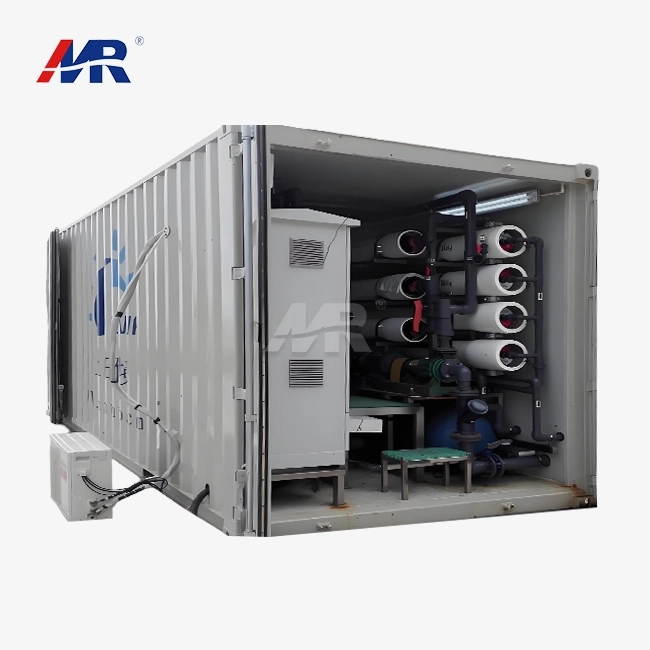
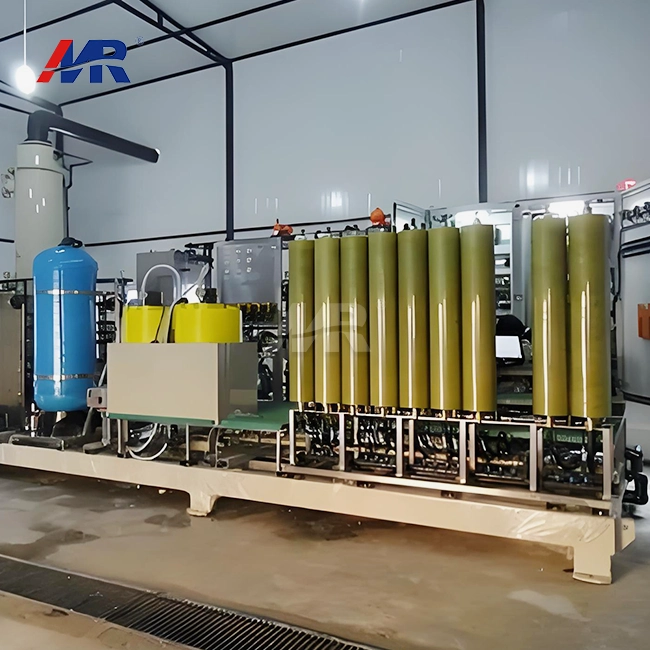
Membrane systems are set up in modular, skid-mounted ways that let you add more modules in parallel to increase capacity instead of replacing the whole system. This architecture works for businesses that are growing but don't know how much power they will need in the future. Semiconductor assembly plants often start out with smaller UF capacities to support their first production lines. As production grows, they can add more capacity without affecting the current treatment infrastructure.
Industry-Specific Applications Driving Adoption
Pharmaceutical and research firms need UF systems to create WFI and clean water. To ensure GMP compliance, they test and certify membrane stability. System designers have greater alternatives since the technology can sterile filter without temperature.
Municipal water utilities are increasingly using UF to treat public water with pathogen barriers that fulfil drinking water regulations. UF pre-treats coastal seawater for RO desalination. This prevents costly RO membranes from clogging and extends their lifespan by 30–50%.
Food and beverage businesses clear, concentrate, and separate using UF. Dairy operations recover proteins from whey streams and reduce waste biological oxygen consumption. Juice manufacturers preserve heat-sensitive flavour compounds using cold sterilization.
Multistage ultrapure water systems make electronics using UF. Germs and microscopic contaminants diminish chip rates. Mixing UF with RO and EDI yields water that fulfils SEMI total organic carbon and resistivity criteria.
Key Considerations for Procuring Ultrafiltration Water Treatment Systems
To buy an ultrafiltration water treatment system successfully, you have to find a balance between long-term performance goals, technical requirements, and budgetary limitations.
Membrane Material and Configuration Selection
The material impacts chemical resistance, heat or cold tolerance, and cleaning procedures. PVDF membranes are chlorine-resistant and can manage a broad pH range, making them ideal for municipal usage that needs frequent reactive agent cleaning. Hydrophilic PES membranes are less likely to foul up with organic matter in high-OM source waters. Cheap cellulose acetate is suitable for minor chemical exposure.
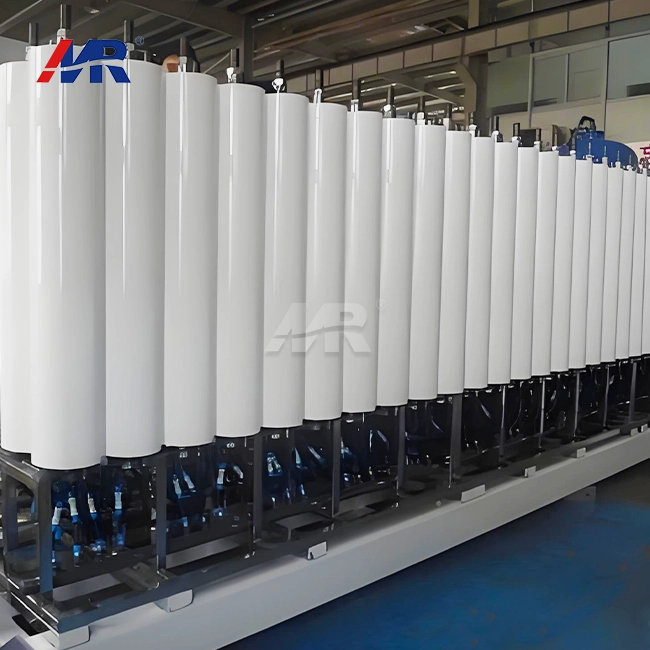
Configuration affects water flow and size. Small vessels and a lot of membrane area make hollow fibre modules ideal for applications with limited space. Spiral-wound parts are simpler to handle and replace in smaller systems. Plate-and-frame systems are good for high-solids feeds and frequent mechanical cleaning.
Capacity Specification and System Redundancy
Right-sizing stops both waste from not being used enough and capacity gaps. Teams in charge of buying things should look at both the current flow needs and the expected growth over the next 5 to 10 years. Changes in water quality have an effect on capacity. Systems that treat stable groundwater need less design space than systems that treat changeable surface water.
When you think about redundancy, you weigh the cost of capital against how important output is. A lot of industrial users choose N+1 configurations, which means that the working capacity meets demand, and one membrane train is taken offline for repair. Mission-critical applications may need N+2 backups, even if it costs more up front.
Supplier Evaluation and Technical Support
Manufacturers of membranes who give full Technical support, such as pilot testing, system design help, and user training, provide value that goes beyond the cost of the equipment. Companies like Morui offer complete solutions, from choosing the right parts to completing the installation, because they make membranes in-house and have their own engineering teams.
Things to think about in the global supply chain include making membranes in the United States and setting up area service networks to reduce the risk of downtime. Suppliers whose finances are stable and who are present in the market show that parts will always be available, and professional help will be easy to get.
Regulatory Compliance and Certification
For uses with drinking water or food, membranes that meet NSF/ANSI 61 approval and show no dangerous extractables are needed. Pharmaceutical applications need systems that have been approved by the FDA. These systems must include materials of building paperwork, integrity testing rules, and sanitization processes.
Different rules in different areas affect the design standards. In Europe, installations may need to have the CE mark, and in some areas, local content amounts or manufacturing in the country are required. Working with experienced sellers who know the rules in your area makes the approval and permit process go more quickly.
Installation and Commissioning Best Practices
The performance and life of a system are greatly affected by how well it is installed. To keep them from getting damaged, membrane units need to be handled carefully. When the system is first turned on, the quality of the feed water should meet or exceed the design requirements. Adding highly dirty water during commissioning can damage membranes permanently before protective fouling layers form.
As part of full commissioning, standard performance testing is done to set the pressure profiles, flux rates, and rejection features. These initial measures serve as starting points for ongoing tracking of performance and planning of maintenance. Consistent system operation is ensured by teaching operations staff routine processes, troubleshooting methods, and how to respond to emergencies.
Total Cost of Ownership Analysis
The purchase price is only one part of the total costs over the life of the product. A comprehensive financial evaluation should encompass energy consumption forecasts, membrane replacement rates, chemical prices for cleaning, wastewater disposal expenses, and work requirements. Systems that cost more up front but don't get fouled as easily may have a lower total cost of ownership over 10 years than cheaper options that need to be maintained often.
The way risks are shared is affected by warranty terms and service agreements. Longer warranties that cover membrane performance degradation help you plan your budget, and service contracts that cover preventative maintenance and emergency action help keep operations running smoothly.
Conclusion
In conclusion, ultrafiltration water treatment technology has been shown to be useful in many corporate and public water treatment situations because it removes contaminants reliably, uses little energy, and can be expanded as needed. Compared to other treatment methods, the membrane-based approach offers constant water quality that meets strict regulatory standards while requiring fewer chemicals and being easier to run. When you do strategic procurement, you have to weigh the strengths and weaknesses of different membrane materials, system configurations, and suppliers' skills against long-term operating goals and water quality issues. Companies that buy and operate UF systems correctly set themselves up for long-term water management, legal compliance, and operational resilience in an industrial world that cares more and more about water.
Frequently Asked Questions
1. What contaminants can ultrafiltration effectively remove from water?
UF membranes are very good at getting rid of biological and material contaminants, such as turbidity, suspended solids, bacteria (99.99% removal), viruses (99.999% removal), protozoan cysts, and colloidal matter. Large organic substances are successfully filtered out, but minerals, salts, and small organic molecules can still pass through. Because it selectively lets certain things through, UF is perfect for uses that need to keep pathogens out while still keeping healthy nutrient content.
2. How long do ultrafiltration membranes typically last before replacement?
How long a membrane lasts depends on the quality of the feed water, how it is used, and how often it is maintained. Well-kept systems that treat relatively clean feed water can last for 5 to 7 years, but systems that are used in tough situations or that are likely to get clogged up often may need to be replaced every 3 to 4 years. Regularly checking the performance and keeping an eye on how the flux drops and the pressure rises helps make cleaning plans better and guess when replacements will be needed.
3. Can ultrafiltration integrate with other water treatment technologies?
UF works well both as a treatment on its own and as part of systems with more than one stage. UF pre-treatment is often used to protect RO membranes later on in desalination processes. UF polishing comes after regular clearing in city plants, and UF is combined with activated carbon for complete organic removal. Because the technology works with different treatment lines, it gives designers more options for how to solve difficult water quality problems.
Partner with Morui for Advanced Ultrafiltration Water Treatment Solutions
Guangdong Morui Environmental Technology brings 20 years of water treatment expertise to clients across pharmaceutical, food and beverage, electronics, and municipal sectors. Our engineering team designs and delivers complete ultrafiltration water treatment systems tailored to your specific application requirements, from initial water quality assessment through final system commissioning. With in-house membrane manufacturing capabilities and partnerships with industry-leading component suppliers, including Shimge Water Pumps and Runxin Valves, we provide integrated solutions ensuring optimal performance and reliability.
Our comprehensive service portfolio includes customized system design, equipment fabrication, onsite installation, performance validation, and ongoing technical support. As an established ultrafiltration water treatment supplier serving over 500 industrial clients, we understand the critical importance of system uptime and consistent water quality to your operations. Whether you're evaluating membrane technology for a new facility or upgrading existing infrastructure, our experienced engineers provide technical clarity and commercial transparency throughout the procurement process.
Contact Our Team at benson@guangdongmorui.com to discuss your water treatment challenges and discover how our ultrafiltration solutions deliver measurable improvements in water quality, energy efficiency, and operational costs.
References
1. American Water Works Association. (2021). Membrane Filtration Guidance Manual. Denver: AWWA Publications.
2. Baker, R. W. (2019). Membrane Technology and Applications (4th ed.). Hoboken: John Wiley & Sons.
3. Environmental Protection Agency. (2020). Membrane Filtration Guidance Manual for Direct and Indirect Potable Reuse Applications. Washington: EPA Office of Water.
4. Judd, S., & Jefferson, B. (2022). Membranes for Industrial Wastewater Recovery and Re-use. Oxford: Elsevier Science.
5. Singh, R. (2018). Membrane Technology and Engineering for Water Purification: Application, Systems Design and Operation (3rd ed.). Oxford: Butterworth-Heinemann.
6. Water Research Foundation. (2020). Design and Operation of Membrane Systems for Water Treatment. Denver: Water Research Foundation Press.