_1745823981883.webp)

Water Reuse: The Potential for Ultrafiltration and Reverse Osmosis
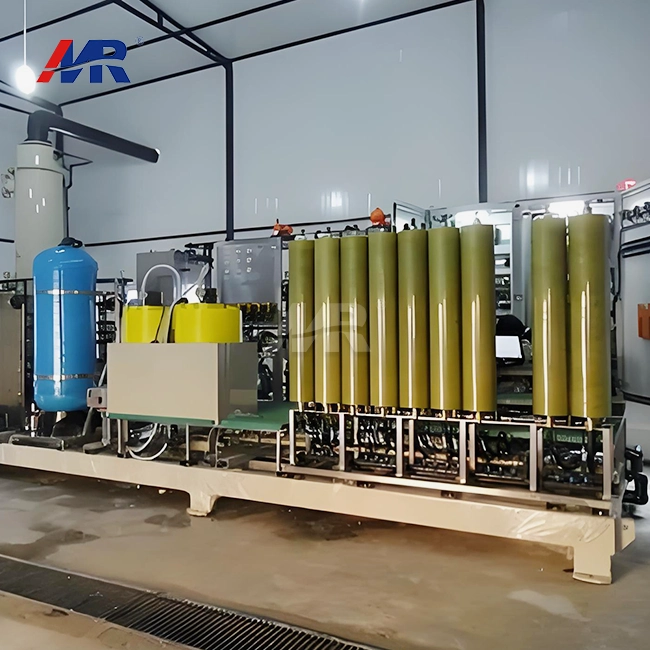
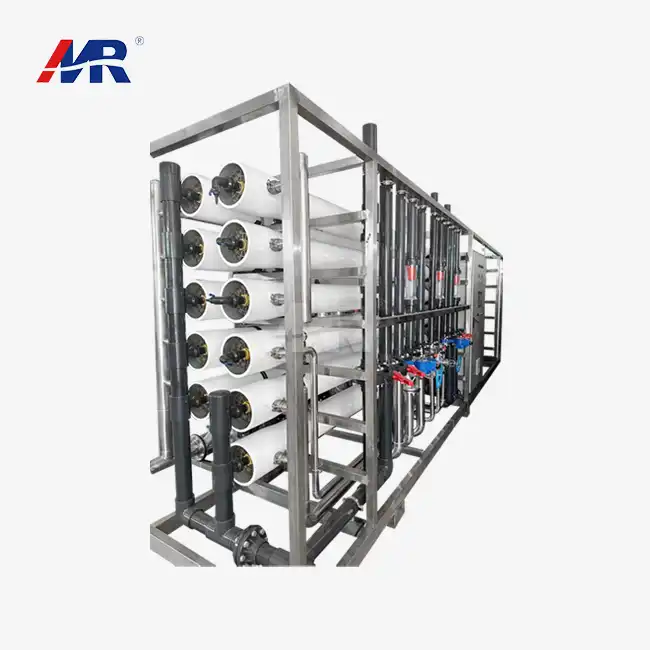
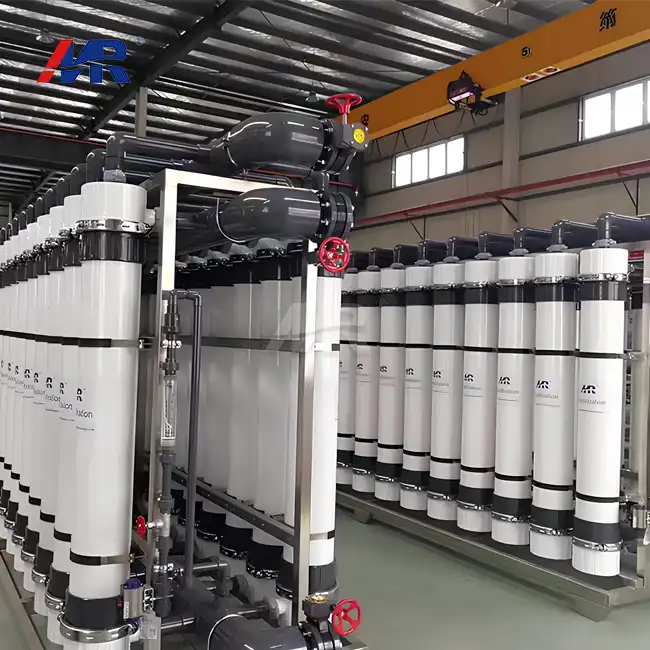
Due to water shortages and rising prices, companies worldwide are changing how they manage water. Water reuse using modern membrane technologies, such as ultrafiltration water treatment and reverse osmosis, is one effective approach. These methods allow facilities to safely recycle wastewater, reducing freshwater consumption while maintaining water quality. Understanding the role of ultrafiltration water treatment and reverse osmosis in industrial water reuse systems helps operators choose solutions that meet both commercial and environmental objectives.
Understanding Ultrafiltration and Reverse Osmosis in Water Reuse
Ultrafiltration and reverse osmosis are two ways to reuse water. They each do different things that work well with each other. The best place for each tool in treatment plans depends on how it works differently.
How Ultrafiltration Works in Water Recycling
Ultrafiltration membranes allow only certain items through. These membranes have 0.002–0.1 micrometre pores. It blocks solids, colloids, bacteria, and viruses, but dissolved salts and smaller molecules may get through. Pressure, usually 0.1–0.5 MPa, powers the process. Ultrafiltration may be used alone or as a powerful step before cleaning, depending on the water quality. Ultrafiltration is used to reduce turbidity below 0.1 NTU and germ survival over 99.99% in municipal wastewater treatment plants. This approach works best in source water with plenty of organic content or harmful bacteria.
The Role of Reverse Osmosis in Advanced Water Recovery
In reverse osmosis, stronger membranes filter away dissolved ions, salts, and low-molecular-weight organic compounds. The operating pressure is 1.5–6.0 MPa, depending on input water saltiness and permeate type. ro membranes remove 95% to 99% of dissolved particles, making them ideal for pharmaceuticals, electronics, and boiler feedwater systems. Reverse osmosis is done after ultrafiltration or other measures to prepare water for reuse, so the membrane doesn't stick. Mixing UF and RO may transform difficult wastewater streams into high-quality process water for critical industrial operations.
Key Performance Metrics for Membrane Systems
The recovery, flow, and energy demands of a membrane system determine its performance. Ultrafiltration devices can move 50–150 litres per square metre per hour and capture 90%–95% of the water. Reverse osmosis recovery rates depend on water type and filter setup. They range from 50% to 85%. Ultrafiltration seldom uses more than 0.2 kWh per cubic metre. However, reverse osmosis systems utilise 0.5 to 3.0 kWh per cubic metre, depending on setup and water salt content. When buying or planning, these processes affect system cost and growth; they must be carefully considered.
Benefits and Applications of Ultrafiltration and Reverse Osmosis in Industrial Water Reuse
The energy, food processing, medicine, and industrial sectors all use membrane technologies to deal with legal and water issues. There are good things about each tool that make it better for certain tasks.
Cost Efficiency and Operational Advantages of Ultrafiltration
Ultrafiltration water treatment safely removes microorganisms at lower costs than chemical methods. It generally eliminates the need for coagulants and flocculants, reducing toxic disposal expenses. Monitoring transmembrane pressure supports optimised cleaning and maintenance schedules. Membrane life typically ranges from 3–5 years. Automatic backwashing systems can resume flow without human intervention, reducing downtime. Ultrafiltration also consumes 30% to 50% less energy than multi-stage treatment systems, offering significant operational savings. Moreover, ultrafiltration water treatment preserves beneficial minerals, making it ideal where mineral retention is required.
Why Reverse Osmosis Excels in High-Purity Applications
Reverse osmosis removes essential solids best. Pharmaceutical companies manufacture US Pharmacopoeia-compliant water using RO systems. Water conductivity must be below 1.3 microsiemens per centimetre. Electronics firms require resistivity over 18 megohm-centimetres to clean semiconductor chips. RO is used with electrodeionization. RO cleans boiler water. This prevents high-pressure steam system scaling and corrosion. These applications allow reverse osmosis to purify water that other methods can't.
Real-World Applications Across Key Industries
Municipal wastewater treatment facilities are increasingly using ultrafiltration and reverse osmosis to recover water for drinking, irrigation, and cooling. Food and beverage firms clean up process pollutants and prepare things. Petrochemical firms purify oil field water for reinjection using membrane systems. This reduces rainwater removal and disposal costs. It maintains water quality in recirculating agricultural systems. This reduces illness and water usage. Business water reuse may be done in several ways using membrane technology.
Comparative Analysis: Ultrafiltration vs Other Filtration Technologies in Water Reuse
You need to know how ultrafiltration compares to other filter technologies and when it's best to use more than one technology together.
Ultrafiltration Versus Microfiltration and Nanofiltration
Microfiltration, nanofiltration, and ultrafiltration vary mainly in hole size and contaminant removal. Microfiltration membranes feature 0.1–10 micrometre pores. They remove bigger particles and certain germs successfully, but leave viruses and broken-down bacteria through. Nanofiltration combines ultrafiltration with reverse osmosis. The holes are 0.001 micrometres thick. Monovalent salts pass, whereas larger organic compounds and divalent ions are blocked. Ultrafiltration is midway. It kills viruses better than microfiltration yet consumes less electricity than nanofiltration. Startup costs for ultrafiltration systems are 15% to 25% lower than those for nanofiltration. When viruses need to be removed but salts may pass, UF works.
Contrasting Ultrafiltration and Reverse Osmosis Economics
Most 3 cubic metre ultrafiltration systems cost $300–$800 per day. However, reverse osmosis systems might cost $600 to $1,500 per cubic metre, depending on their complexity and cleaning requirements. Over time, expenses reflect initial differences. RO membranes need to be changed more regularly, costing $25–50 per element each year. However, UF systems only require $15–30 per element updated annually. For modest volumes of dissolved solids, ultrafiltration is cheaper than reverse osmosis. However, reverse osmosis is cheaper for high purity. Acquisition teams must balance economic trade-offs with water safety objectives and the requirement to follow standards while building these systems.
Integrated Multi-Barrier Approaches
Many facilities that reuse water employ many filters to obtain the greatest outcomes for the least cost. Ultrafiltration precedes reverse osmosis, usually. UF removes big particles and bacteria, preventing RO filter blockage. Because of its design, the RO membrane lasts longer and requires less cleaning, lowering TCO. This approach removes membrane-blocking organic compounds before ultrafiltration. For ultrahigh purity, ion exchange or electrodeionization might be the last cleaning step following RO. Knowing how these technologies function lets engineers design systems that can manage fluctuating feed water quality and real-world demands.
How to Select and Procure Ultrafiltration and Reverse Osmosis Systems for Water Reuse
Before you can buy effectively, you need to be clear on what you need and carefully examine all of your providers. When you match up system standards with real-world needs, you avoid mistakes that cost a lot of money and make sure long-term success.
Defining System Requirements Based on Water Characteristics
System design begins with a detailed feedwater analysis. Parameters such as turbidity, total suspended solids, dissolved salts, hardness, microbial load, and chemical and biological oxygen demand influence membrane selection and pretreatment strategies. Recovery goals and water quality standards further guide system design. Achieving 80% recovery from wastewater with 2,000 mg/L total dissolved solids requires a different RO configuration than 5% recovery from brackish water with 5,000 mg/L. Membrane surface area and module count are determined by capacity requirements in cubic meters per hour or day. Seasonal variations in feedwater quality necessitate flexible designs, including variable-speed pumps or self-cleaning systems for ultrafiltration water treatment.
Evaluating Supplier Credentials and Support Infrastructure
From pilot testing to system setup and maintenance, reliable vendors give competent assistance. Many contracts cover membrane stability for one to three years, and performance guarantees indicate the lowest flux and rejection rates. In your after-sales service, you should be able to acquire additional parts, help out, and educate people. Suppliers that create PVDF, PAN, or cellulose acetate membranes offer superior quality control and more customisation options. Someone in your firm who has utilised a seller's services may tell you about their reliability and response time.
Cost Considerations Beyond Initial Purchase Price
Owning anything costs a lot since you have to purchase it, consume energy, repair membranes, buy cleaning supplies, work, and take breaks. Long-term, a cheaper system that clogs more frequently may cost more. Membrane replacement frequency varies. Ultrafiltration systems may last five years if properly maintained. It may require replacement after two years if not. Whether chemicals are cleaned by hand or machine, their usage influences cost and time. Pumps and drives that use less energy and vary frequency reduce energy costs, particularly in regions that require a lot of electricity and remain on.
Future Trends Impacting Ultrafiltration and Reverse Osmosis in Water Reuse
How businesses recover water is changing because of new rules and better technology. You can change quickly and get ahead of the competition if you follow these trends.
Innovations in Membrane Materials and Design
Next-generation membrane materials are less likely to get fouled because they have nanocomposite forms and changes made to their surfaces. Biofilm can't form because of antimicrobials built into membrane structures and hydrophilic coats that stop organic fouling. Nanocomposite thin-film membranes can handle higher flow rates at lower working pressures. This means they use less energy without losing their ability to filter out particles. More and more people are buying hollow fibre membrane designs because they are easy to backwash and can hold a lot of stuff. Because of these new ideas, membranes will last longer, need less maintenance, and cost less over their whole time. From a business point of view, this makes reusing water more appealing.
Smart Monitoring and Predictive Maintenance
With digital gadgets and an IoT link, you can check on transmembrane pressure, flux, conductivity, turbidity, and other important factors in real time. Real-world data is used by machine learning systems to predict when fouling will begin, figure out the best way to clean the membranes, and spot issues with their strength before they get worse. Using remote tracking tools, operators can keep an eye on several places from one main control room. This speeds up reaction times and cuts down on the need for staff. There is a business reason for investing in new membrane technologies because these smart systems make processes more efficient and cut down on unplanned downtime.
Regulatory Drivers and Water Scarcity Pressures
The World Health Organisation says that a lack of water affects about 40% of the world's people. This means that rules will focus more on saving water. Different parts of the US are making their own rules for both direct and secondary drinkable return, which requires more advanced treatment like membrane filtering. More and more, rules for industrial releases say that preparation must meet very high standards. In other words, it is cheaper to reuse water on-site than to dump it and buy groundwater. Green reporting and carbon pricing rules tell businesses that they should reuse water if they want to have less of an effect on the environment. Firms that work in buying will be able to stay in compliance and be successful in the long run if they make sure that water treatment plans match these legal trends.
Conclusion
Ultrafiltration and reverse osmosis are proven methods for industrial water reuse. Minimal investment in ultrafiltration water treatment effectively removes particles, microorganisms, and viruses. For high-purity applications, reverse osmosis is the preferred method for eliminating dissolved solids. Choosing the right system becomes easier when you understand how each technology works, its cost, and its intended application. As membrane technologies advance and water scarcity intensifies, facilities that implement ultrafiltration water treatment and RO wisely can maintain operations, comply with regulations, and reduce costs in regions facing water shortages.
Frequently Asked Questions
1. What is the typical lifespan of ultrafiltration membranes in industrial water reuse?
Ultrafiltration membranes usually last three to five years in business settings if they are used properly and are taken care of regularly. What you put something through, how much pressure it is under, the type of water it is fed, and how often you clean it all affect how long it lasts. If you clean wastewater that has a lot of organic matter or strong chemicals that make things smell bad, the facilities might not last as long. They might only last two or three years less. Regularly keeping an eye on the drop in transmembrane pressure and flow helps workers plan replacements before the loss of performance hurts the system's efficiency or the quality of the water.
2. Can ultrafiltration alone produce potable water from wastewater?
A very good way to get rid of suspended solids, bacteria, viruses, and high molecular weight organics is to use ultrafiltration. This meets standards for microbial safety for non-potable reuse. But it doesn't get rid of salts that dissolve, organics with a low molecular weight, or some chemicals that give things their taste or smell. This is usually done with ultrafiltration, reverse osmosis, or advanced oxidation to get rid of dissolved toxins and small amounts of organic substances in wastewater before it can be used as drinking water. When it comes to reusing drinking water, different places have different rules, but most of them need both of these ways to be used together.
3. How do operational costs compare between ultrafiltration and reverse osmosis for large-scale reuse?
Ultrafiltration costs about $0.15 to $0.40 per cubic meter per year to run, while reverse osmosis costs about $0.30 to $1.00 per cubic meter per year to run. The costs vary on the type of system used, how much energy costs, and how good the feed water is. The most expensive part of both devices is the power they need to run. RO needs a lot more power because the forces it works with are higher. To change and clean the filters for ultrafiltration and reverse osmosis, it costs an extra $0.05 to $0.15 per cubic meter and $0.10 to $0.25 per cubic meter, respectively. When projects are big, costs per unit go down everywhere. We call this economies of scale.
Partner with Morui for Reliable Ultrafiltration Water Treatment Solutions
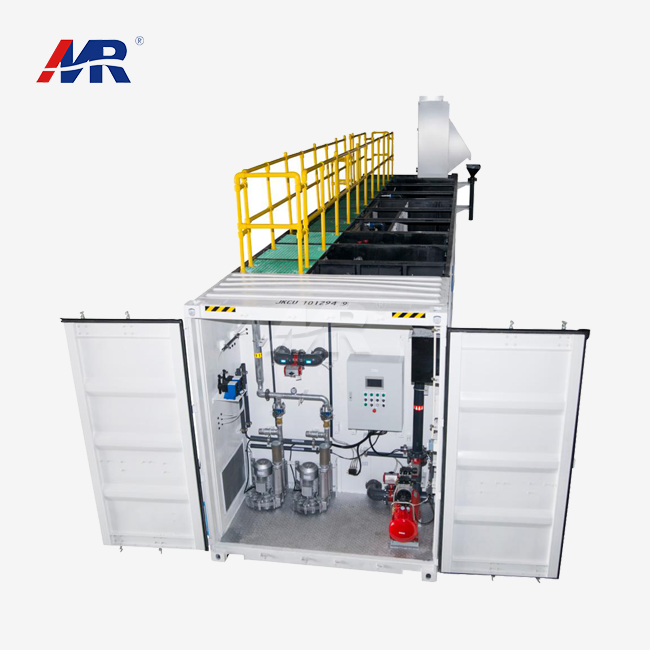
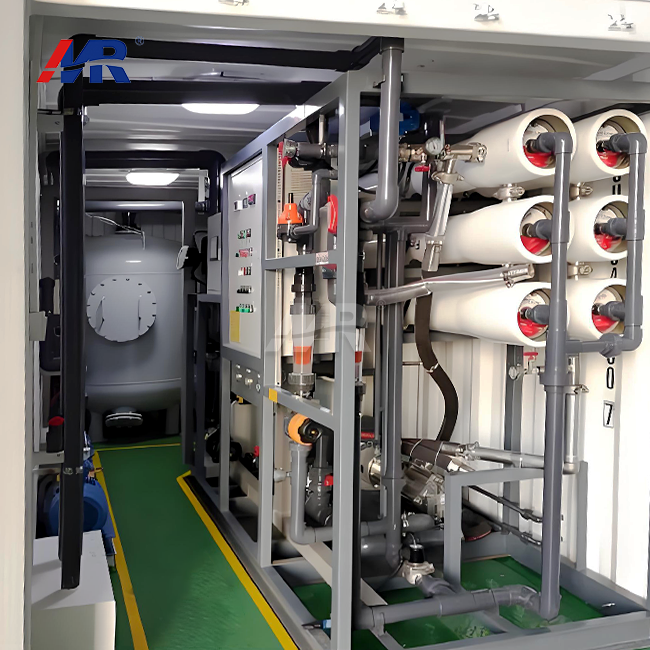
For businesses to reuse water, they need to know how to do it, use tried-and-true technology, and get solid help throughout the whole system. Morui knows how to make and sell full ultrafiltration water treatment systems that are tailored to the needs of your business. We are vertically integrated, which means we make our own membranes, build equipment that is used at different processing sites, and offer full construction services backed by more than 20 experienced engineers. We have 14 branches with a total of 500 employees. We can help you locally and around the world, whether you need stand-alone ultrafiltration for preparation, combined UF-RO systems for high-purity uses, or ways to improve your current infrastructure. Shimge Water Pumps, Runxin Valves, and Createc Instruments are some of the best part makers we work with to make sure the system works well. Get in touch with our knowledgeable staff at benson@guangdongmorui.com to learn more about how our ultrafiltration water treatment provider can help you reach your water recovery goals while also saving you money and protecting the environment.
References
1. Crittenden, J.C., Trussell, R.R., Hand, D.W., Howe, K.J., & Tchobanoglous, G. (2012). MWH's Water Treatment: Principles and Design (3rd ed.). Wiley.
2. Gao, W., Liang, H., Ma, J., Han, M., Chen, Z., Han, Z., & Li, G. (2011). Membrane fouling control in ultrafiltration technology for drinking water production: A review. Desalination, 272(1-3), 1-8.
3. Macedonio, F., Drioli, E., Gusev, A.A., Bardow, A., Semiat, R., & Kurihara, M. (2012). Efficient technologies for a worldwide clean water supply. Chemical Engineering and Processing: Process Intensification, 51, 2-17.
4. Shannon, M.A., Bohn, P.W., Elimelech, M., Georgiadis, J.G., Mariñas, B.J., & Mayes, A.M. (2008). Science and technology for water purification in the coming decades. Nature, 452(7185), 301-310.
5. Van der Bruggen, B., Vandecasteele, C., Van Gestel, T., Doyen, W., & Leysen, R. (2003). A review of pressure-driven membrane processes in wastewater treatment and drinking water production. Environmental Progress, 22(1), 46-56.
6. Zhao, S., Zou, L., Tang, C.Y., & Mulcahy, D. (2012). Recent developments in forward osmosis: Opportunities and challenges. Journal of Membrane Science, 396, 1-21.