

_1745823981883.webp)

Ultrafiltration: Wastewater Treatment Explained
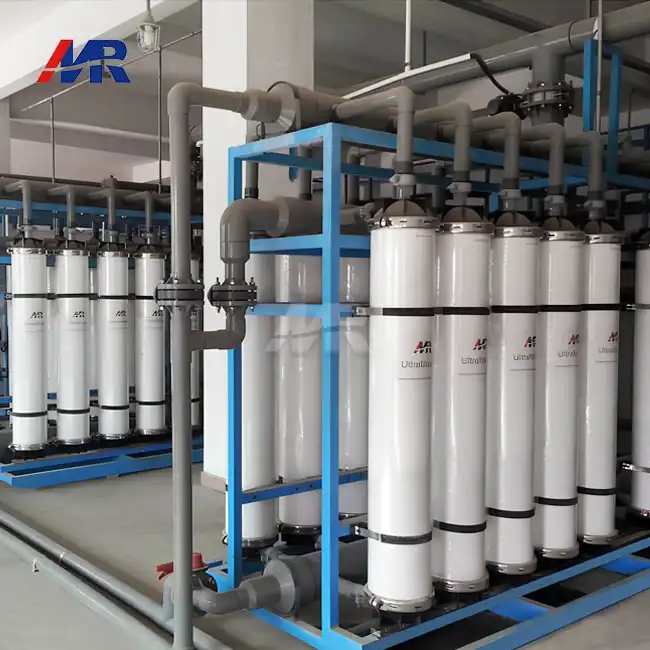
Ultrafiltration water treatment becomes essential when industrial locations face pressure to fulfil tight discharge regulations while lowering costs. Bacteria and floating solids are removed without chemicals using membrane technology. Ultrafiltration systems use physical separation instead of numerous processing stages to treat wastewater. Drug companies, food processing industries, and municipal treatment centers that desire reliable performance and environmental advantages may employ the system with low pressures and pure water.
Understanding Ultrafiltration in Wastewater Treatment
What Is Ultrafiltration Technology
Ultrafiltration employs pressure to separate membranes that remove 0.002 to 0.1 micrometre effluent particles. The method employs semipermeable membranes, which allow water molecules and dissolved salts to pass but block larger pollutants. Selection makes UF systems excellent in removing dissolved solids, colloidal particles, bacteria, and some viruses without changing the chemistry in treated water. The geometry of membrane pores determines molecular weight cutoffs between 10,000 and 500,000 Daltons.
Core Components of UF Systems
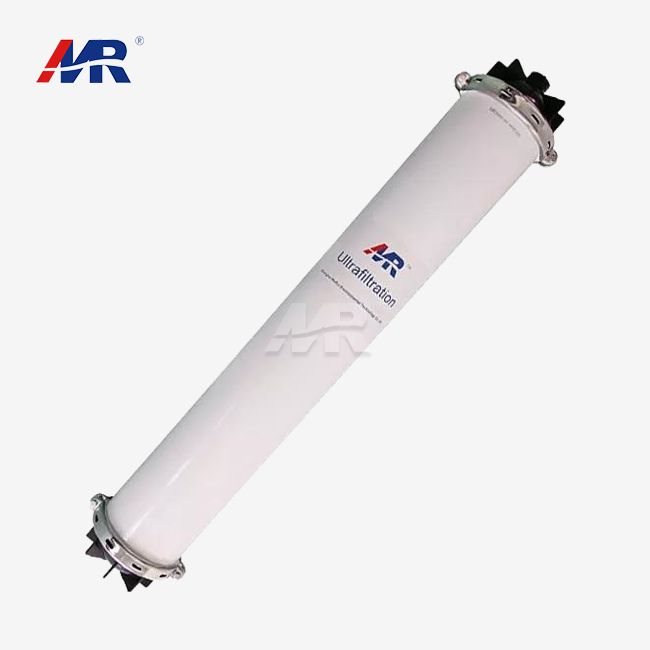
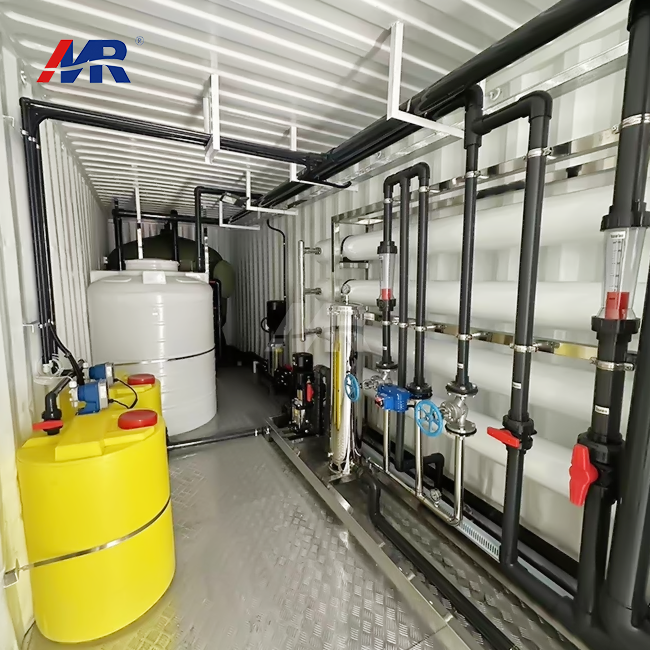
Many pieces work together to cleanse wastewater in a comprehensive ultrafiltration system. The feed pumps drive influent via membrane modules at 0.1–0.5 MPa operating pressure. Each membrane—hollow fibre, spiral wrapped, and tube—works well with a specific waste. Transmembrane pressure, flow rates, and turbidity are monitored via control units. Automatic cleaning begins when performance signals decline. Permeate collecting systems gather filtered water, while concentration release lines remove pollutants.
Modern systems employ polyvinylidene fluoride (PVDF) and polyethersulfone (PES). These materials are chemical-resistant and durable. Although more costly, ceramic membranes persist longer in harsh chemical environments like electroplating and petrochemicals. Materials affect how long the system lasts and how frequently it requires maintenance; they are vital when buying.
Process Flow in Industrial Applications
Before entering the system, wastewater is prepared to remove large particles and alter pH to prevent membrane breakdown. After conditioning, influent enters the membrane modules to separate chemicals. Clean permeate leaves and concentrated retentate are returned to the source or discarded via membrane pores. Crossflow maintains the membrane surface clean by maintaining fluid speed. It prevents rejected items from piling up.
Chemical industries employ UF systems to remove valuable elements from process streams while fulfilling discharge criteria. Ultrafiltration helps food and drink producers concentrate proteins and clarify liquids without heating. Advanced treatment trains at municipal sites employ UF to reduce turbidity to 0.1 NTU, significantly lower than 1 NTU from sand filtration.
Ultrafiltration vs Other Filtration Technologies: Making the Right Choice
Comparing Membrane Technologies
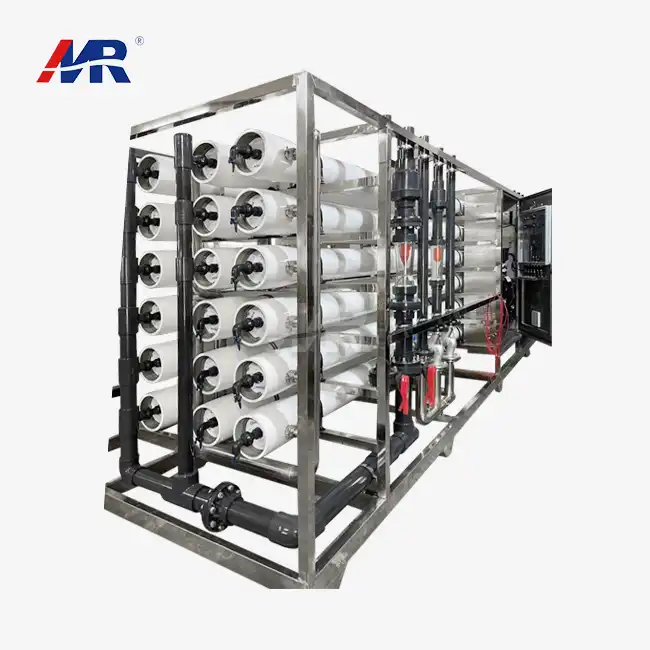
Understanding the differences between ultrafiltration water treatment and other technologies helps purchasing teams make informed decisions. To remove dissolved ions, reverse osmosis (RO) requires denser membranes with smaller pores and operates at 1.5–8 MPa. RO is ideal for desalination but excessive for particle removal. Nanofiltration sits in the middle, targeting 200–1,000 Dalton divalent ions and organic compounds, effectively removing colour and some contaminants.
Microfiltration uses pores between 0.1 and 10 micrometres, which are rougher. Removes germs and larger particles but allows viruses through. This technique works well before UF or RO. Activated carbon adsorption removes dissolved organics and flavour compounds; the medium must be renewed often, and waste is produced. Chlorination kills bacteria but leaves harmful chemicals and doesn't remove particles; additional procedures are required.
Operational and Economic Considerations
Energy consumption significantly impacts long-term expenses. Traditional multi-stage treatment uses 30%–50% more energy than ultrafiltration. Power prices drop straight. These systems utilize smaller pumps and less power than RO systems since they require less pressure. Different technologies need different upkeep. uf membranes may require cleaning, but they don't wear out like media filters.
Capital costs reflect how hard and expensive the system is to create. UF systems are more expensive than sand filters but take up less space and don't need chemical coagulation. Membrane systems are flexible and may be extended as buildings develop. This prevents unneeded infrastructure investments. Many firms increasingly prioritize sustainability, and membrane technologies that use fewer chemicals and produce less sludge are better for the environment.
Selecting Membranes for Specific Wastewater
Barrier material depends on the kind. Hydrophobic barriers are needed to prevent metalworking oil pollution of streams. Power plant output beyond 40°C requires materials that can withstand heat. In extreme chemical environments, ceramic barriers that can withstand pH values 2–12 don't break down. Biotech businesses that deal with cell lines use membranes that can often be steam sterilized.
Fouling resistance influences membrane cleaning frequency and lifespan. Organic fouling doesn't attach to hydrophilic surface-modified membranes, hence chemical cleanings are needed less often. Biofilm forms less in nutrient-rich wastewater due to anti-fouling layers. More costly membranes are worth it due to their extended service life and lower downtime.
Advantages and Challenges of Ultrafiltration in Wastewater Treatment
Key Benefits for Industrial Users
Ultrafiltration kills 99.99% of bacteria and 99.999% of viruses without chemicals, protecting microorganisms. This physical barrier technology eliminates disinfection residues and ensures pathogen elimination regardless of contact duration or chemical dosage. Removing suspended solids clears wastewater below 0.1 NTU. This satisfies tight release regulations and reuses water for cooling towers and irrigation.
The technology's tiny footprint helps in areas with limited space for development. UF systems treat 500 cubic meters of water daily in one-third the area of clarifier-filter mixes. From 10 cubic meters per day pilot plants to 100,000 cubic meters per day metropolis plants, modular designs are straightforward to expand. This allows the system to expand with the company without having to be changed.
Automation requires less effort than conventional care. Sensors monitor performance, altering working conditions and initiating cleaning without user intervention. Remote monitoring solutions alert maintenance workers to issues before they escalate. This helps them schedule maintenance, reducing unexpected downtime. These operational savings reduce personnel expenses and improve service reliability.
Operational Challenges and Solutions
Membrane fouling still hinders UF systems the most. In the initial few hours of operation, organic debris, mineral scale, and bacteria development reduce permeate flow by 30% to 50% on membrane surfaces. Clean this routinely with acid, alkaline, or oxidizing solutions to restore capacity. Chemical cleaning too frequently shortens membrane life and escalates operational expenses by needing more chemicals and money to remove them.
Fighting fouling requires various methods. Alkaline washing removes surface proteins and humic compounds to remove organic fouling. Inorganic calcium and magnesium scaling requires acid treatments to dissolve mineral layers. Biofouling must be cleaned regularly to remove biofilm-forming germs. Good preparation reduces fouling. Coagulation removes colloidal debris, pH change prevents scale, and biocides control microorganisms.
Capital investments delay adoption, particularly for smaller locations on constrained budgets. Start-up expenses for membrane modules, pressure vessels, and automation systems range from $500,000 to several million. To finance these expenditures, you must demonstrate that they will minimize chemical costs, reduce energy usage, and prevent penalties for breaking the law. Within five to seven years, operating savings offset initial expenses, according to life-cycle cost analysis. This makes technology suitable for long-term planning of buildings.
Implementing Ultrafiltration Systems: Procurement and Operational Considerations
Evaluating Suppliers and Equipment
When procuring ultrafiltration water treatment systems, it is essential to look beyond price to identify reputable equipment vendors. Suppliers with prior experience in your industry can provide valuable insights. Pharmaceutical vendors understand GMP standards, while municipal suppliers are familiar with regulatory frameworks. Technical support quality influences how quickly installation and operational issues are resolved. Verify whether suppliers have local support teams or rely on remote resources, which may delay response times.
A quality approval means a product fulfils manufacturing and reliability criteria. ISO 9001 and NSF/ANSI 61 Certifications verify quality management and drinking water safety. Independent membrane performance testing supports manufacturer claims concerning flow rates, rejecting features, and fouling resistance. Request case studies from comparable systems with actual performance figures, not just specifications.
Customization allows systems to address unique trash issues. Standard catalogue systems don't always suit certain sectors. Skilled manufacturers may adjust membrane patterns, preparatory methods, and tracking devices to meet your demands. This adaptability ensures that the system can manage actual wastewater qualities, not just ideal ones.
Support after the sale boosts long-term satisfaction. Comprehensive training programs educate yOur Team on how to accomplish their tasks, reducing your reliance on outside labour. Spare parts impact maintenance downtime. Local vendors can resolve issues more quickly than overseas vendors. Service agreements with response times and problem-solving guarantees forecast costs and efficiency.
Installation and Maintenance Best Practices
Effective functioning begins with proper installation. You must include space for membrane skids, chemical storage tanks, and service access while preparing the site. The electrical system must supply consistent power to the equipment and surge protection to safeguard control systems. The design of pipelines should minimize pressure dips and eliminate dead legs, where germs may develop. Pressure gauges, flow meters, and sample ports must be accessible for frequent tracking.
Membranes and equipment live longer with regular maintenance. Daily tasks include recording operating settings, monitoring for leaks, and testing automatic cleaning actions. Weekly activities include permeate quality and chemical solution checks. Monthly activities include membrane stability checks and trend data analysis to detect how performance is deteriorating. Seals must be changed annually, tools calibrated, and the system thoroughly examined.
When difficulties arise, troubleshooting keeps work going. Flow decreasing without abruptness, permeate quality lowering, and transmembrane pressure are common issues. Root causes are identified via a systematic study. Rapid flux loss indicates membrane clogging and chemical cleaning, whereas a slow drop indicates fouling layers. Poor permeate quality may harm the membrane and require replacement. Complete working instructions with troubleshooting procedures help plant personnel solve issues fast.
Future Trends and Optimization in Ultrafiltration for Wastewater Treatment
Emerging Membrane Technologies
New membrane materials that are being developed offer better resistance to fouling and longer service life. Nanocomposite membranes that contain titanium dioxide or silver nanoparticles are antibacterial and stop biofilm from forming. Graphene oxide coats make surfaces superhydrophilic, which means they don't stick to organic pollutants. This means that higher flux rates are maintained between cleaning rounds. These new ideas solve the most recurring problem in operations, which could cut down on cleaning times by 40% and make membranes last longer, from three years to five years or more.
Chemical resistance and temperature stability are also important goals of progress in material science. Next-generation polymers can handle higher temperatures and a wider range of pH levels, which means they can be used in harsher industrial streams than before, when ceramic barriers were needed. Better production methods have lowered the costs of high-performance membranes, making them available to places that are watching their budgets. This makes premium technology more open to everyone.
Digital Integration and Smart Operation
Automation technologies have changed UF systems from inactive treatment units to smart platforms that can improve themselves. Algorithms that use artificial intelligence look at working data to predict membrane fouling and plan cleanings based on real-world conditions instead of set times. This predicted method cuts down on chemical use by avoiding cleaning that isn't needed and stops flux loss by acting quickly. Machine learning models connect the properties of wastewater to the best working conditions, changing pressure and flow rates automatically to get the most out of them.
Internet of Things connectivity lets you watch and handle things from afar, so operators can keep an eye on many sites from one place. Cloud-based data tools collect performance information from multiple installations and find best practices and ways to make things better. Mobile apps offer tips and diagnostic data in real time, so technicians can quickly respond to problems as they arise, no matter where they are. These digital tools cut down on the need for staff while improving the regularity of operations.
Sustainability and Regulatory Compliance
Tougher rules on release encourage the use of more advanced treatment tools that can adapt to changing standards. Ultrafiltration devices regularly lower levels of turbidity and pathogens that are hard to achieve with other methods. Facilities that use UF technology have a higher chance of following the rules, so they don't get fined when conditions change or the seasons change, which can affect the features of wastewater. Because of this, groups are safe from enforcement measures and the penalties that come with them.
The circular economy focuses on reusing resources and reducing waste. Ultrafiltration makes it possible to recover wastewater, which cuts down on both the amount of freshwater needed and the amount of wastewater that is released. Recovered water is used for things other than drinking, like cooling, gardening, and process uses, which means that cities don't have to buy as much water. Specialized recovery processes can get back valuable materials that are in concentrate streams, like proteins from food preparation, metals from electroplating, and colours from textile operations. These improvements to resource efficiency make being good to the earth and making money at the same time, which makes strong business reasons for UF adoption.
Conclusion
Ultrafiltration technology addresses critical challenges in ultrafiltration water treatment for businesses that must comply with strict regulations while controlling costs. This membrane-based approach consistently removes microorganisms, colloidal matter, and dissolved solids, all while consuming less energy than conventional methods. Successful implementation requires careful supplier evaluation, system design tailored to the specific characteristics of the wastewater, and rigorous maintenance protocols. Emerging advances in membrane materials and digital monitoring systems are expected to further enhance efficiency and reduce operating costs. Ultrafiltration water treatment systems deliver measurable operational and environmental benefits, making them a financially worthwhile investment for organizations seeking reliable, scalable wastewater solutions.
FAQ
1. Can ultrafiltration handle different types of industrial wastewater?
Ultrafiltration is an effective way to clean up a wide range of wastewater streams, such as those from chemical operations, food preparation, manufacturing, and pharmaceutical production. No matter where they come from, the technology gets rid of germs, colloidal materials, and dissolved solids. Different types of contaminants, temperature ranges, and chemical makeups can be handled by different membrane materials and system designs. When prepping is done right, it takes care of tough substances like grease or high pH levels that could hurt membranes. Talking to experienced sellers will make sure that the system design fits the properties of your garbage.
2. How often do membranes require cleaning and replacement?
Cleaning processes usually happen once a day or once a week, but this relies on the quality of the wastewater and how the system is being used. Cleaning with acid, alkaline, or neutralizing treatments gets rid of built-up dirt and grime and brings back the flow. In normal conditions, a membrane lasts between three and five years, but it can last longer with good preparation and regular care. Monitoring performance with flux tracking and integrity tests lets you know when replacement is needed. Building ties with dependable providers makes it easier to get new modules, which cuts down on downtime.
Partner With Morui for Reliable Ultrafiltration Water Treatment Systems
Your business should be able to get wastewater treatment options that are based on knowledge and come with full support. Guangdong Morui Environmental Technology specializes in making custom membrane systems that solve hard problems in the city, pharmaceutical, food processing, and production industries. Our engineering team has designed setups ranging from small systems that handle 10 cubic meters of material every day to big plants that handle 100,000 cubic meters. We offer full turnkey services, from the initial assessment to equipment supply, installation, setup, and ongoing maintenance support. We have 14 regional branches with a total of 500 committed professionals, 20 of whom are specialized engineers.
Since we've been in the ultrafiltration water treatment business for a long time, we have direct relationships with top component makers like Shimge Water Pumps, Runxin Valves, and Createc Instruments. Our integrated membrane production plant makes sure that material is always available and that quality is controlled. We can make solutions that fit your needs and your budget, whether you need systems that meet GMP standards for pharmaceuticals, food-grade processing, or strong industrial setups. Get in touch with our expert team at benson@guangdongmorui.com to talk about your wastewater problems and get thorough plans that include system design, performance guarantees, and investment needs.
References
1. Membrane Technology in Water and Wastewater Treatment, Royal Society of Chemistry, 2020.
2. Advanced Wastewater Treatment Technologies, American Water Works Association Research Foundation, 2019.
3. Industrial Water Treatment Process Handbook, Water Environment Federation, 2021.
4. Ultrafiltration Membrane Systems: Design and Optimization, International Water Association Publishing, 2022.
5. Sustainable Wastewater Management in Industrial Applications, Society of Chemical Industry, 2021.
6. Membrane Fouling Prevention and Control Strategies, Journal of Environmental Engineering Research, 2023.
 VIEW MOREultrafiltration membranes for water treatment
 VIEW MOREsewage treatment plant
 VIEW MORE100m3/hour reverse osmosis equipment
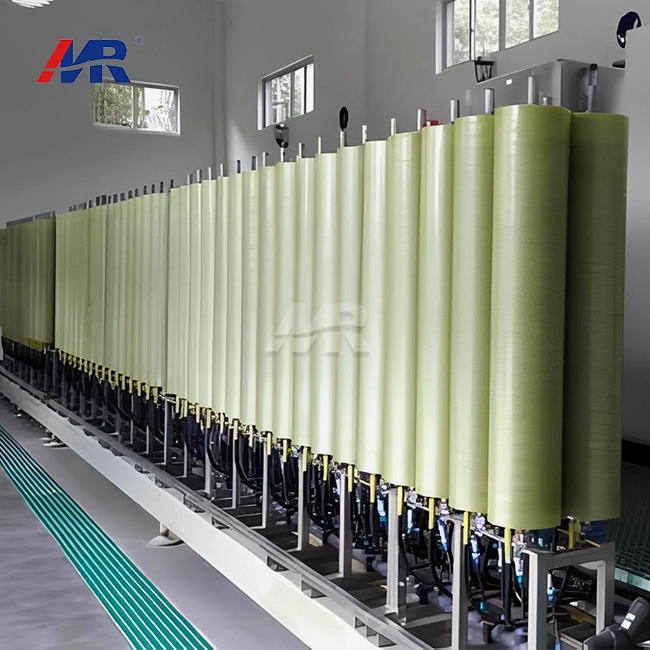 VIEW MORELeachate DTRO Treatment Equipment
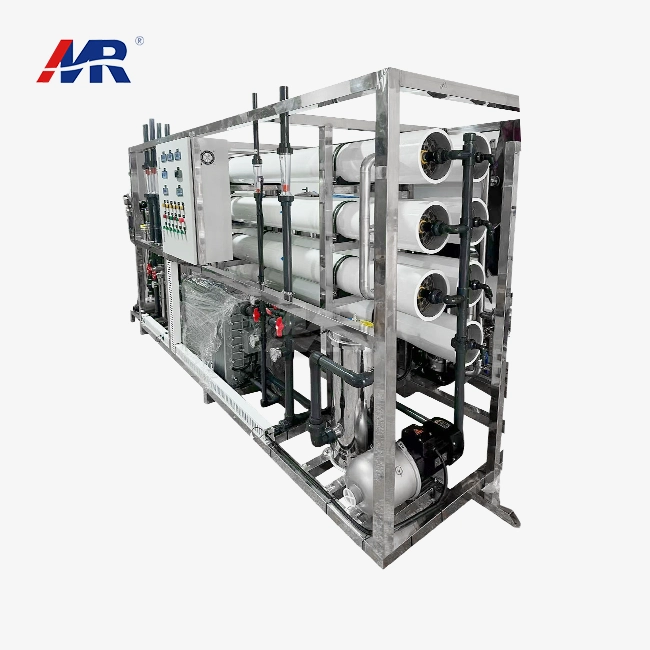 VIEW MOREedi water treatment
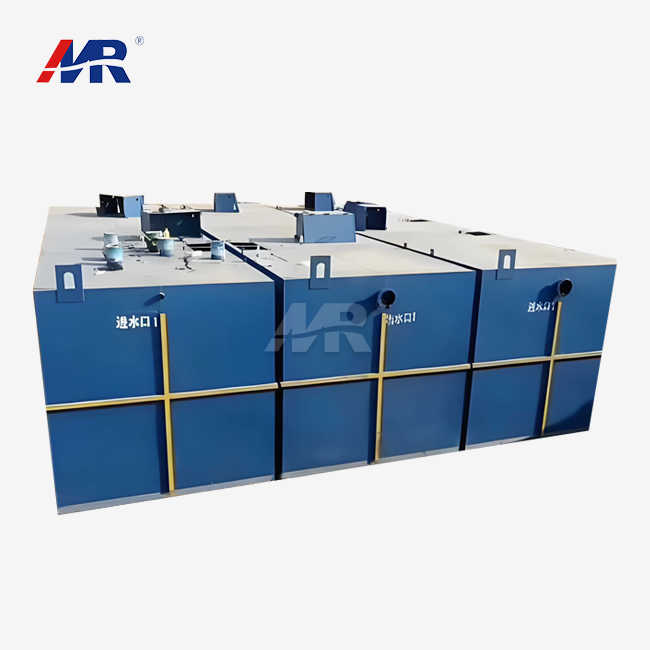 VIEW MOREcommercial sewage treatment plant
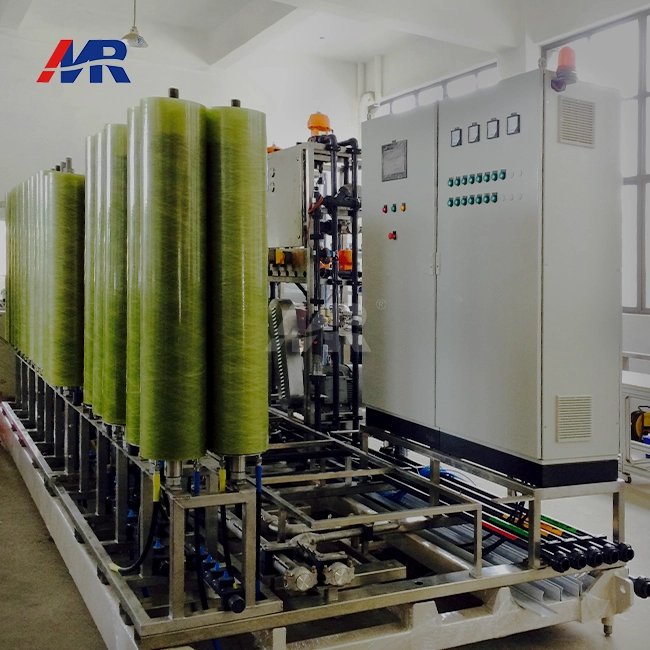 VIEW MOREDTRO Elements
 VIEW MOREcontainer reverse osmosis equipment
