

_1745823981883.webp)

How Reverse Osmosis Improves Household Water Quality
Clean water is still important for health, but public sources often have contaminants that are dissolved and don't get filtered out. Precision membrane technology in reverse osmosis helps with this problem, and modern triple osmosis water filter systems protect even more by using more than one stage of cleaning. With laboratory-level accuracy, these multi-barrier systems target PFAS, heavy metals, and high TDS levels. They protect homes from new water quality threats that single-stage filters can't handle.
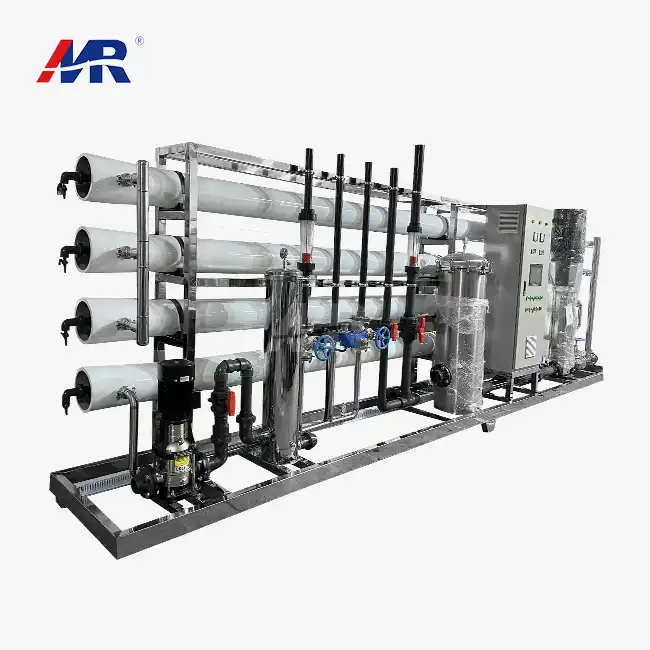
Understanding Reverse Osmosis Technology and Its Role in Water Quality Enhancement
The Fundamental Mechanism Behind RO Systems
Water under pressure is forced through semi-permeable membranes with pores that are about 0.0001 microns wide. This is how reverse osmosis works. Dissolved solids, bacteria, and other molecular contaminants can't get through this barrier, but pure water molecules can. Normal home systems need 40 to 100 psi to beat natural osmotic pressure. This makes two streams: a pure permeate stream for drinking and a concentrated brine stream with impurities that were rejected. Instead of using adsorption to catch particles like activated carbon screens do, ro membranes physically separate contaminants at the molecular level.
Total dissolved solids (TDS) are minerals, salts, and metals that can't be seen with the human eye. This technology is very good at getting rid of them. EPA figures show that more than 15 million American homes get their water from private wells, where TDS levels often go above what is suggested. RO systems lower TDS by 90–99%, which gets rid of problems like scale buildup, a chemical taste, and the risk of arsenic or lead pollution that could be harmful to your health.
Recognized Limitations of Single-Stage RO Systems
Traditional single-membrane designs have trouble with some chemical compounds and need certain conditions for the water coming in. The chlorine in city water hurts polyamide membranes, so carbon media have to be used before the membranes are used. High sediment loads shorten the life of membranes, which raises the cost of running and the number of times they need to be replaced. Changes in temperature have an effect on rejection rates. For example, water below 60°F lowers efficiency by up to 30% compared to the best working ranges.
Another worry is microorganisms. Microbes are not killed by RO membranes, but they do reject bacteria based on size exclusion. Pathogens can get into the product water if the stability of the membrane is weakened by tears or broken seals. Standard methods don't have enough redundancy to fix these problems, which leaves holes in the protection of water safety.
Introducing Triple Osmosis Water Filter Technology: An Advanced Solution
Multi-Stage Architecture Delivers Enhanced Protection
In triple osmosis water filter technology, three membrane barriers are arranged in series, supported by full pre- and post-treatment steps. This builds on the fundamental principles of reverse osmosis (RO). The configuration provides extra layers of defense, compensating for the limitations of individual membranes while addressing a wider range of contaminants. The overall system typically includes sediment pre-filtration, carbon block adsorption, three RO membranes in sequence, and polishing filters before final distribution.
Each membrane stage works at the best possible pressure difference, gradually getting rid of contaminants that might get through earlier barriers. With the combined effect, rejection rates for dissolved inorganics get close to 99.9%, and organic compound reduction is better than with single-stage designs. In industrial settings where water quality has a direct effect on production, like pharmaceutical manufacturing, electronics manufacturing, and lab research settings where contamination limits are measured in parts per billion, this extra check is very helpful.
Health and Safety Benefits Beyond Standard Filtration
The extra steps of cleaning are aimed at toxins that are becoming more of a problem, mainly per- and polyfluoroalkyl substances (PFAS) that are found in groundwater and surface water. A study in the journal Environmental Science & Technology shows that multi-stage RO designs can reject more than 95% of PFAS, which is a lot better than single-membrane systems. These "forever chemicals" build up in human tissue and are linked to developmental diseases and immune system problems, which makes getting rid of them even more important.
Another benefit is that minerals are kept in the body. Advanced post-filtration remineralization steps carefully add back in healthy minerals like calcium and magnesium after contaminants have been removed. This balances health benefits with better taste. Standard RO systems, on the other hand, remove all minerals, which can lead to sour permeate that needs to be adjusted for pH. In the end, the water meets both safety standards and taste demands without needing to be treated again.
Comparative Analysis: Triple Osmosis vs. Reverse Osmosis and Other Filtration Methods
Performance Benchmarking Across Technologies
When choosing a water treatment choice, people make decisions based on a number of technical factors that affect both how well it works right away and how much it costs over its entire life. Triple osmosis arrangements are different from other methods in the following ways:
Contaminant Removal Spectrum: Triple osmosis systems work better in situations with mixed pollution. Testing results show that 99.8% of lead is removed, 97% of nitrates are removed, 99% of fluoride is removed, and 95 to 98% of new toxins, such as pharmaceutical leftovers, are removed. Standard RO systems work about the same way for mineral chemicals, but not as well for complex organic molecules. Activated carbon filters are great at getting rid of chlorine and volatile organic compounds (VOCs), but they can't get rid of heavy metals or minerals that are dissolved in water. Microorganisms can be killed by ultraviolet devices, but they don't affect chemical contaminants or decrease TDS at all.
System Longevity and Maintenance Requirements: The membrane's durability is directly related to the quality of the water and how well it was treated before it goes through the system. Under normal home settings, single-stage RO membranes need to be replaced every 24 to 36 months. By spreading the load of contaminants across multiple barriers, triple osmosis configurations can make the main membrane last up to 48 to 60 months. However, pre-filters still need to be replaced every 6 to 12 months, based on the conditions of the source water.
Certification Standards and Compliance: NSF International sets the main testing rules for water cleaning tools sold in North America. NSF/ANSI Standard 58 talks about RO systems in detail and backs up claims that they reduce contaminants with tests done by a third-party lab. Triple osmosis systems that have this approval have been tested and proven to remove 15 or more specific pollutants, such as arsenic, chromium, copper, and radium. Instead of depending only on what the maker says, procurement professionals should check that systems have current NSF approval. This protects them legally and ensures quality.
Cost-Benefit Analysis for B2B Procurement
Triple osmosis systems are 40–70% more expensive to buy at first than regular single-stage units, which makes buyers on a tight budget hesitant to buy them. Total cost of ownership estimates, on the other hand, show a different economic picture. Longer membrane life means that it doesn't need to be replaced as often, which cuts annual care costs by about 25–30%. In multi-stage configurations, water recovery rates—the ratio of clean water to waste—improve. This lowers energy costs in business settings where thousands of gallons of water are processed every day.
Quality verification costs should also be taken into account. Industries that have to follow rules about water cleanliness, like those that make food and drinks, drugs, and medical facilities, pay a lot of money when their water gets contaminated. Penalties for not following the rules, recalling Products, and shutting down production are much worse than differences in equipment spending. The extra cost of multistage filtration is like operating protection because it lowers risk in a way that single-stage systems can't.
Installation, Maintenance, and Lifespan: Ensuring Optimal Performance
Professional Installation Standards and Requirements
For proper system integration of a triple osmosis water filter, attention must be paid to input pressure, holding tank location, and drain accessibility. Most municipal water sources provide adequate pressure (45 to 70 psi), but well systems may require booster pumps to meet the manufacturer’s specifications. To maintain water safety, plumbing codes mandate air gaps or backflow preventers. Installation must comply with local regulations to avoid code violations.
When used in commercial or industrial settings, extra things need to be thought about, like having backup systems so that the system can keep running while it's being maintained, automating the tracking of permeate quality, and integrating it with other building management systems. At this size, professional work is required instead of optional, and qualified techs who know about process piping, pressure vessel rules, and water chemistry are needed.
Preventive Maintenance Protocols
Regular maintenance keeps technology working well and saves the money you spent on it. Pre-filters that catch grit and carbon media need to be replaced based on how much water they are filtering, not at set times. A home that processes 500 gallons of water every day uses up sediment filters faster than smaller businesses, so they need to be replaced every 4 to 6 months instead of once a year in low-volume settings.
When done right, cleaning membranes increases their useful life. Mineral scaling and bacterial fouling are removed by chemical cleaning, which slows down the rate at which water is produced over time. To keep the membranes from getting damaged, the process includes cycling cleaning liquids at a controlled temperature and pH. A lot of businesses clean their systems every three months, but home systems may only need this service every two to three years, based on how hard the water is and how much organic matter is in it.
Warranty Coverage and Technical Support
Manufacturer guarantees usually cover damage to the membrane for three to five years and problems with parts for one to two years, but the length of coverage varies a lot. The review of the procurement should look at what the warranty doesn't cover. For example, many makers won't cover problems caused by installing replacement filters that aren't allowed by them or by water conditions that are too high or too low. It is important to have access to trained service techs because general plumbers who don't know much about membrane technology can't do the specialized troubleshooting that is needed.
Choosing the Right Triple Osmosis Water Filter for Your Business Needs
Supplier Selection Criteria and Market Positioning
To find trusted tool sources, you need to do more than just compare prices at first. When evaluating a supplier, you should look at their manufacturing capacity, quality control systems, collection of Certifications, and expert support infrastructure. Manufacturers that have been around for a while keep their ISO 9001 quality management certification and go through regular NSF tests to make sure that their product claims are true. These qualifications show a dedication to regular quality that businesses that appear out of thin air can't match.
It's important to be close to technical help, especially for business installations where downtime costs money. When repair needs and warranty claims come up, suppliers with area service networks can handle them faster than those who have to coordinate with suppliers in other countries. Parts availability works the same way: local inventory lets new parts be delivered the same day or the next day, while shipping parts abroad can take weeks.
Customization for Application-Specific Requirements
Different areas have very different water chemistry, so custom solutions are needed instead of goods that work for everyone. Coastal places have salty water with high sodium levels, which means they need stronger rejection barriers. Agricultural areas get nitrate pollution from fertilizer waste that needs to be treated in a certain way. Heavy metal pollution from old factories may happen in industrial areas, and they need special pre-treatment to clean them up.
Capacity planning figures out how big a system needs to be to handle peak demand without being too small, which would make water less available, or too big, which would waste money. Restaurants, medical centers, and small manufacturing businesses need 200 to 500 gallons of daily production capacity, while homes need 50 to 100 gallons. Large-scale industrial users may need custom-built systems that can pump out thousands of gallons of water an hour and have automatic control and tracking systems.
Partnering with Proven Water Treatment Specialists
Expert advice based on real-world experience is helpful when figuring out how to use the complicated world of water cleaning technology. Guangdong Morui Environmental Technology specializes in providing complete water treatment solutions for a wide range of uses, including managing industrial wastewater, setting up city supply systems, desalinating seawater, and fine-tuning for very specific needs. Our engineering team has direct experience from more than 500 successful installations in a wide range of industries. They are also backed by their own unique production skills for membranes, which ensure quality control from the raw materials all the way through to the final system commissioning.
Our unified method includes providing tools as well as full installation and commissioning services. This means that you don't have to worry about coordinating with different workers. With 20 committed engineers and 14 regional branches, we offer quick technical help and maintenance plans that keep systems running at their best. We work with top component makers like Shimge Water Pumps, Runxin Valves, and Createc Instruments, putting together systems using tried-and-true technologies instead of new ones.
Conclusion
Reverse osmosis technology dramatically improves drinking water quality by removing contaminants that conventional filtration methods often miss. This protection is enhanced by a triple osmosis water filter design, which incorporates two sets of membrane barriers to reject emerging threats such as PFAS compounds, heavy metals, and complex organic molecules, achieving rejection rates close to 99.9%. Although the initial investment is higher than that of single-stage options, the total cost of ownership is lower because the membranes last longer, require less maintenance, and more effectively reduce the risk of contamination. Successful adoption depends on carefully selecting a reliable provider, ensuring the system is appropriately sized for the application, and adhering to preventative maintenance schedules to maintain optimal performance over time.
FAQ
1. How often do triple osmosis system filters need replacement?
When to replace parts depends on the type of part and the quality of the water source. Under normal home conditions, sediment pre-filters need to be changed every 6 to 12 months, carbon blocks every 12 to 18 months, and RO membranes every 48 to 60 months. Commercial systems that handle more data may need to be serviced more often. Monitoring the penetrated TDS levels gives a clear sign of membrane performance loss—increases of 20% or more mean replacement is needed, no matter how much time has passed.
2. Can triple osmosis systems effectively treat well water with high mineral content?
Multi-stage RO systems work great for cleaning well water that is very hard, but they need to be properly pre-treated first. If the water is harder than 10 grains per gallon, a water softener should be put in before the RO system so that calcium carbonate doesn't build up on the membranes. To keep the barrier from getting clogged, water with iron and manganese levels above 0.3 ppm needs to go through oxidation filtration first. When systems are properly built, they can handle difficult well water chemistry that would quickly overwhelm single-stage setups.
3. What certifications should buyers verify before procurement?
Certification to the NSF/ANSI Standard 58 ensures that the promises that RO systems reduce contaminants are true. Instead of "tested to NSF standards," which isn't backed by a third party, look for a recent certification. Other important approvals are the WQA Gold Seal and NSF/ANSI 372 for lead-free compliance in wetted components. Commercial buyers should make sure that whole systems are certified, not just parts of them.
Contact Morui for Advanced Water Treatment Solutions
Guangdong Morui Environmental Technology designs and builds water cleaning systems that work well in a wide range of situations and come with full expert support. Our Team can help you find the right triple osmosis water filter provider for your needs, whether you need one for a home project or a commercial system that processes thousands of gallons of water every day. Our equipment processing and membrane manufacturing facilities make sure that quality control is maintained throughout the entire production process. Additionally, our national service network provides quick repair and fixing help.
Contact our technical experts at benson@guangdongmorui.com to talk about your water quality problems and find out how Morui's cutting-edge filter technology can help protect your business.
References
1. Chen, W., & Mahmood, T. (2021). Advances in Membrane Technology for Water Treatment: Applications and Performance Optimization. Journal of Water Process Engineering, 42, 102-118.
2. United States Environmental Protection Agency. (2022). Drinking Water Contaminant Candidate List 5—Draft. Office of Water, Washington, DC.
3. Thompson, R. K., Silva, M., & Garcia, P. (2020). Economic Analysis of Multi-Stage Reverse Osmosis Systems in Commercial Applications. Water Resources Management Quarterly, 34(8), 2547-2563.
4. NSF International. (2023). NSF/ANSI Standard 58: Reverse Osmosis Drinking Water Treatment Systems—Certification Requirements and Testing Protocols. Ann Arbor, Michigan.
5. Petersen, L., & Zhou, H. (2022). PFAS Removal Efficiency in Residential Water Treatment: Comparative Study of Filtration Technologies. Environmental Science & Technology, 56(4), 2834-2847.
6. World Health Organization. (2021). Guidelines for Drinking-Water Quality: Fourth Edition Incorporating the First and Second Addenda. Geneva, Switzerland.
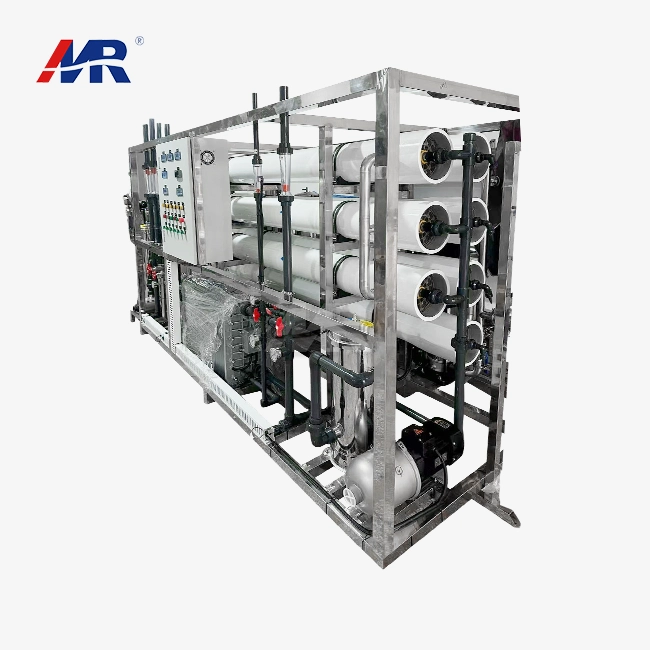 VIEW MOREedi module water treatment
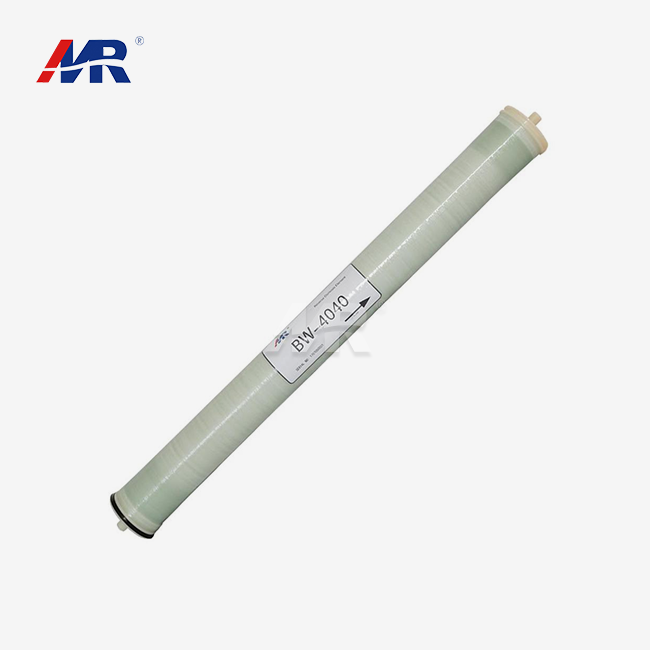 VIEW MOREindustrial ro membrane
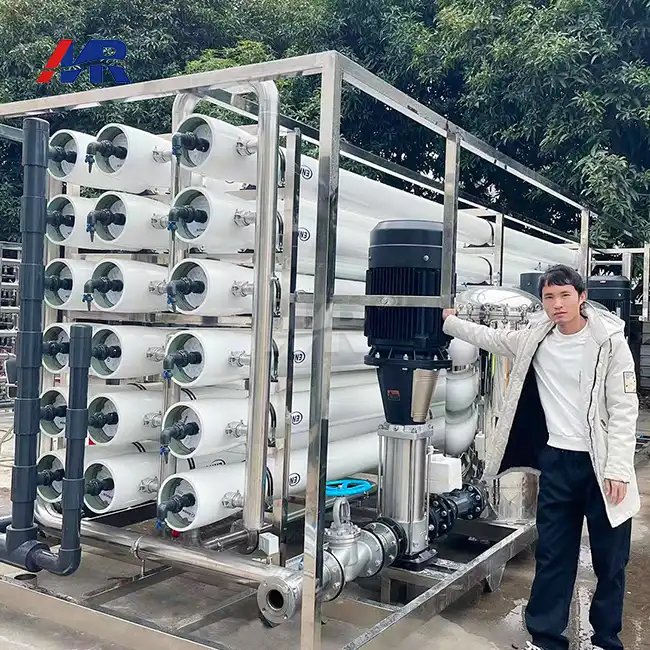 VIEW MORE100m3/hour reverse osmosis system
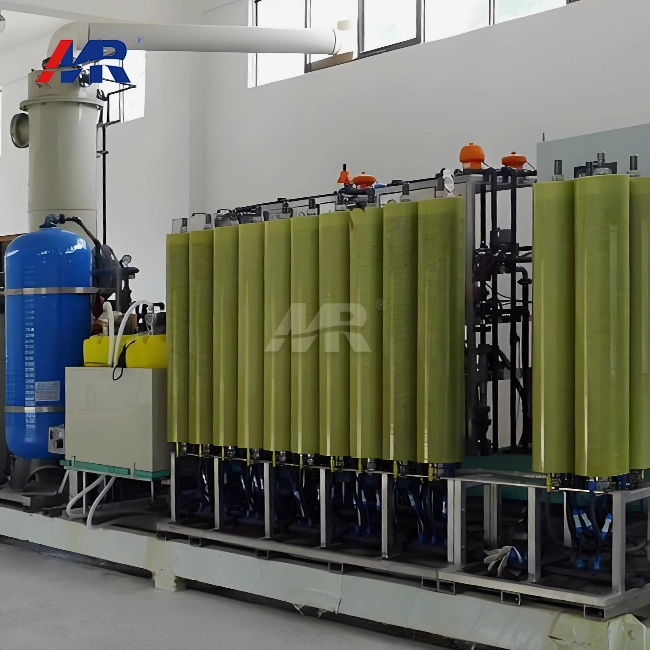 VIEW MOREDTRO membrane
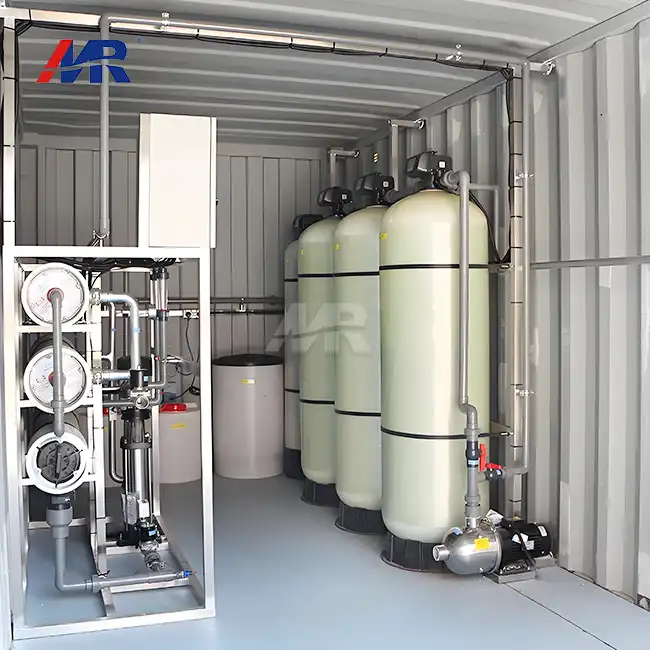 VIEW MOREcontainer type 3m3/hour RO equipment
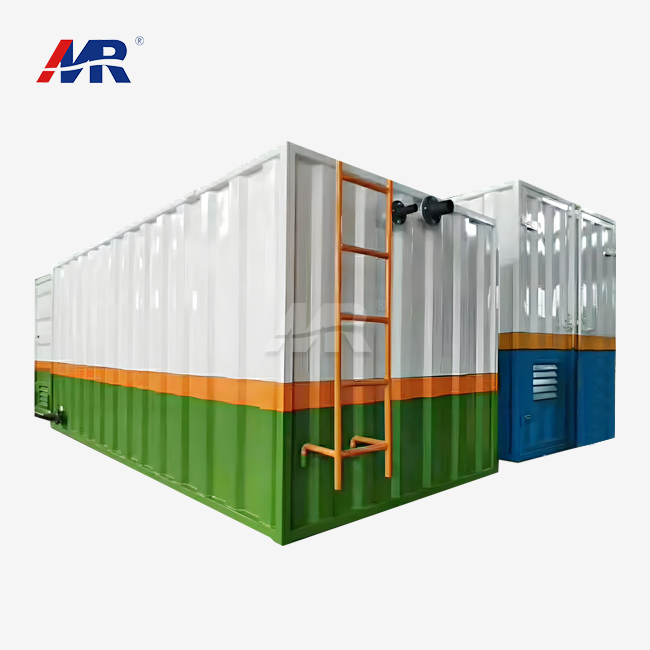 VIEW MOREindustrial sewage treatment plant
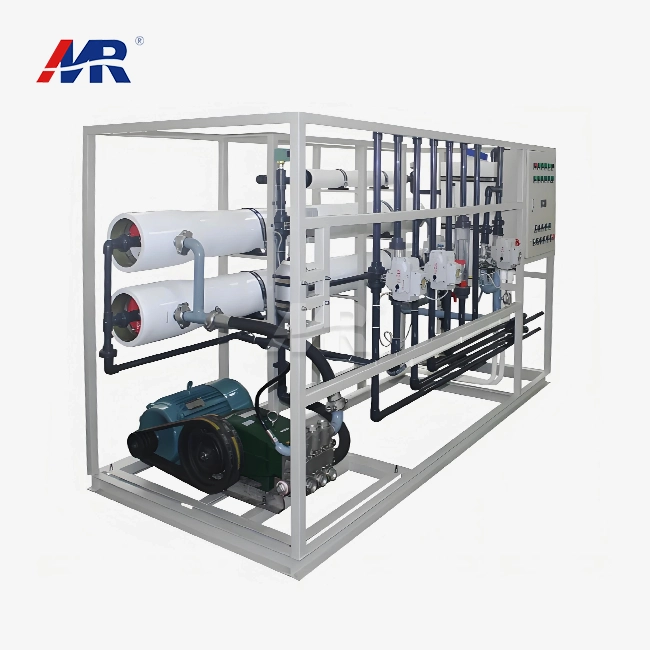 VIEW MOREseawater desalination pre-treatment
 VIEW MORE90T/H ultrafiltration equipment
