

_1745823981883.webp)

Tertiary Wastewater Treatment using Ultrafiltration
Ultrafiltration has become one of the most important technologies in the very important process of tertiary wastewater treatment, which is the last step in cleaning water. UF water treatment uses pressure-driven membrane separation that works within a screening range of 0.001 to 0.1 microns. This gets rid of dissolved solids, bacteria, viruses, and proteins while letting water and solutes with a low molecular weight pass through. This cutting-edge membrane technology consistently produces high-quality effluent that meets strict environmental release standards. This makes it an essential tool for businesses that need reliable, low-cost water treatment options.
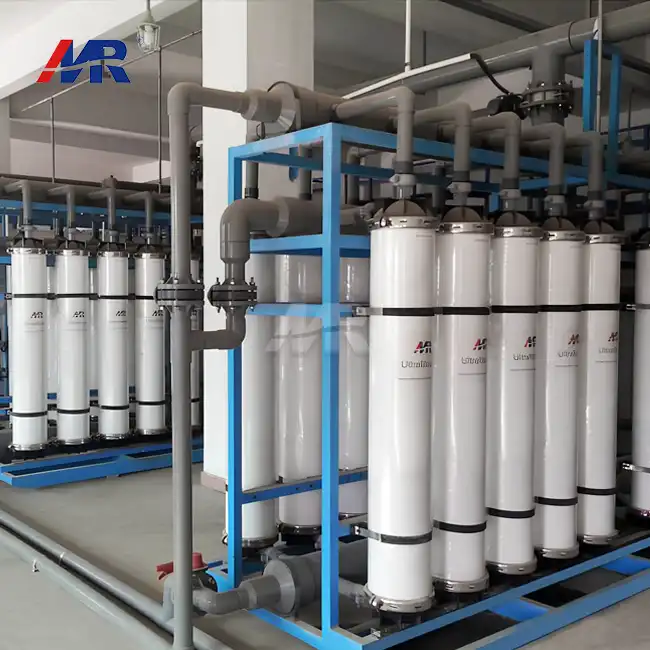
Understanding Ultrafiltration in Tertiary Wastewater Treatment
How UF Membrane Technology Works
Ultrafiltration works like a molecular screen by pushing liquid against a membrane that lets some things through but not others. The structure of the membrane has carefully designed pores that range in size from 10 Angstroms to 1,000 Angstroms. These pores make a physical barrier that rejects contaminants based on size exclusion. When wastewater comes into the system under pressure (10–100 psi), clean water molecules and dissolved salts pass through the membrane walls. Larger particles, colloids, and microbes, on the other hand, stay on the feed side. This process of constant sifting makes high-quality permeate that can be released, used again, or treated further.
Key Benefits for Industrial and Municipal Applications
Modern membrane filtering systems have practical benefits that older ways of clarifying things can't match. When compared to thermal evaporation methods, they still use a lot less energy, which cuts costs by 30 to 50 percent in many setups. The technology works without changing phases, which keeps heat-sensitive chemicals safe in food and drug processes. Chemicals are used much less because the physical separation process only needs small amounts of coagulant. When membrane systems regularly achieve pathogen reduction levels between Log 4 and Log 6, they make it easy to follow EPA rules. This is because they get rid of chlorine-resistant organisms like Cryptosporidium and Giardia that regular filtering often misses.
Step-by-Step Treatment Process
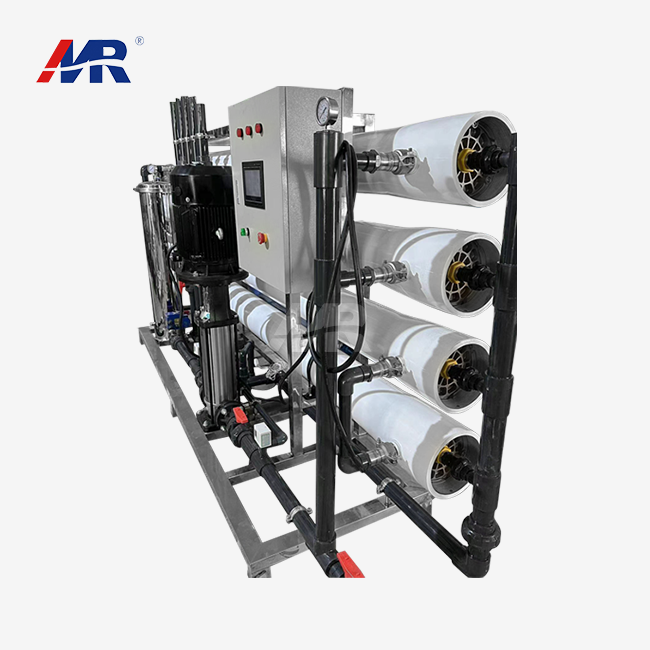
Before going into the membrane modules, the secondary effluent goes through screening to get rid of big particles. This starts the third treatment process. Feed pumps send the cleaned water to hollow fiber or spiral-wound membrane structures at set pressures. During operation, the concentrate stream with the rejected contaminants goes back to earlier stages of treatment or goes through separate processing for removal. Automated backwashing processes change the direction of flow every so often. This removes solids that have built up on the membrane surfaces and keeps the permeate flux rates steady. Advanced control systems keep an eye on transmembrane pressure, flow rates, and water quality factors. They change working conditions to get the best performance and make membranes last longer.
UF vs Other Membrane Technologies: Making the Right Choice
Comparative Filtration Capabilities
Understanding the differences between membrane technologies helps procurement teams select the right solution. Microfiltration uses pores between 0.1 and 10 microns, removing bacteria while allowing viruses and dissolved organics to pass through. Nanofiltration membranes have pores as small as 0.0001 to 0.001 microns, blocking divalent ions and small organic molecules, placing them between ultrafiltration and reverse osmosis in selectivity. Reverse osmosis has the tightest membrane separation, removing dissolved salts but requiring much higher operating pressures (150–1,200 psi) than UF water treatment systems.
When to Choose UF Over RO or NF
People who are trying to save money like membrane filtering because it's a cheap option when total dissolved solids removal isn't needed. As long as operating pressures stay reasonable, energy costs will go down, and machine requirements will go down. When handling secondary effluent, the membranes show better fouling resistance, so maintenance times are longer. A lot of companies that make medicines and gadgets use ultrafiltration as an important step before reverse osmosis systems. This gets the Silt Density Index below 3 and stops expensive membrane fouling further down the line. Protecting expensive RO equipment and keeping production reliable is what this smart setup does.
Common Membrane Configurations and Design Considerations
Because they pack very densely and backwash well, hollow fiber modules are the most common type of installation in public buildings. These systems can handle changes in the quality of the feed water that are common in garbage uses. Spiral-wound elements work well in factories where space is limited, and the quality of the feed water stays mostly the same. Tubular membranes are used in specific situations where there are a lot of solids or fluids that are very thick. The choice of module is based on things like the features of the feed water, the quality of the extract that is needed, the size of the space that is available, and the estimated costs over the 5 to 7 years that the membrane will normally be in use.
Practical Applications and Case Studies of UF in Tertiary Wastewater Treatment
Food and Beverage Industry Implementation
It was hard for a dairy processing plant in the Midwest to meet the limits set by regulators for phosphorus and biological oxygen demand in its discharge permits. The plant was able to get rid of 99.5% of the bacteria and lower the amount of suspended solids to below 2 mg/L after installing a 500 GPM membrane filtering system. Within 18 months, the system paid for itself through avoided fines for improper release and reuse of collected water in cleaning tasks. The automatic process that needed little human input was especially valued by production managers because it freed up staff to focus on core manufacturing tasks.
Pharmaceutical Water Recovery Solutions
Ultrafiltration is used by biotechnology businesses to make clean water that meets US Pharmacopeia requirements. A plant in New Jersey that deals with process wastewater puts in modular membrane skids that separate out valuable protein molecules and clean the water so that it can be used again in cooling towers. The ability to sterilize at low temperatures protects biological materials that would break down at higher temperatures. This installation cut the amount of water that the city had to buy by 40% and got rid of the thermal energy costs that came with old evaporation equipment, making the whole process more environmentally friendly.
Municipal Wastewater Upgrade Projects
Coastal towns are using more and more advanced membrane devices to meet laws that require them to reuse water. A city in Florida improved its 2 MGD wastewater plant by adding membrane bioreactor technology with ultrafiltration as the last step in cleaning. The method makes recycled water that is legal under Title 22 and can be used for commercial and garden irrigation. The performance of removing pathogens goes above and beyond what is required by regulators, protecting public health and boosting community trust. During the summer, the project cut the city's need for drinkable water by 35% while also making a water supply portfolio that can withstand drought.
Troubleshooting Common Operational Challenges
Membrane systems sometimes experience a drop in flow that needs to be looked into. By keeping an eye on changes in differential pressure, you can tell if fouling is caused by particles building up, organic growth, or scale. Most operating problems can be avoided by properly screening, adjusting the pH, and following strategic chemical cleaning routines during pretreatment optimization. When problems happen, systematic diagnostic methods quickly find the reasons. Facilities that keep thorough running logs and performance data can match changes in the process with how the system responds. This lets them make changes before small problems become big ones that stop production.
Procurement Guide for UF Water Treatment Systems
Essential Technical Specifications
When selecting membrane equipment, technical leaders should evaluate several critical factors. Permeate flow rates for UF water treatment systems typically range between 40 and 80 gallons per square foot per day, although these values can vary depending on feedwater quality and operational conditions. The system’s rejection standards must align with water quality goals, removing over 99.99% of microorganisms and reducing turbidity to below 0.1 NTU. Recovery rates generally fall between 85% and 95%, balancing the volume of treated water with the amount of concentrate generated. System resilience ensures continuous operation, even during maintenance or component failures.
Compliance Standards and Certification Requirements
Equipment used in pharmaceutical processes needs to follow current Good Manufacturing Practice standards and show that it can be validated. For drinking water system parts in municipal sites, NSF/ANSI Standard 61 approval is needed. If a provider has ISO 9001 quality management certification, it means they are committed to using consistent manufacturing methods. Certifications for materials, performance test results, and detailed operation instructions should all be included in documentation packages to help with regulatory compliance checks.
Lifecycle Cost Analysis: UF vs RO Comparison
Depending on how complex the machinery is and how much preparation is needed, membrane systems usually cost $300 to $600 per GPM of capacity. Energy use (about $0.10 to $0.22 per 1,000 gallons), membrane repair cycles (every 5 to 7 years at $150 to $300 per membrane element), and chemical cleaning Products on a regular basis are all things that the business has to pay for. Installing reverse osmosis systems costs 40–60% more and uses two to three times as much energy for the same flow rates. When the goal of the secondary treatment isn't to get rid of dissolved solids, ultrafiltration gives the best return on investment over 15 to 20 years.
Supplier Selection Criteria
Choosing reputable partners in membrane technology has a big effect on the success of a project. Established makers with recorded installations in target businesses show that they can do what they say they can do. Aftermarket support infrastructure, such as regional service centers, extra parts availability, and quick responses to technical hotlines, makes sure that operations don't stop. Customization lets the system work best for the variables at the spot, instead of making compromises with stock setups. Equipment warranties that cover one to two years and performance guarantees protect your finances during the setup and beginning operation phases.
Future Trends and Optimization Opportunities in UF for Wastewater Treatment
Emerging Membrane Materials and Designs
Research labs and companies that make membranes are always improving filtering materials. New polymer chemicals show better resistance to chlorine, which increases the number of cleaning methods and membrane life. Surface changes with hydrophilic coats lower the tendency for organic fouling, keeping flux rates higher between cleaning rounds. Thinner membrane wall structures make packing denser while keeping mechanical strength. This lowers the size of the system and the cost of capital. These new ideas set the stage for next-generation goods to perform 20–30% better than current technology.
Digital Monitoring and Automation Integration
Smart sensor networks can now keep an eye on dozens of process factors at the same time in real time. Machine learning systems look at past performance data and guess what maintenance needs to be done before problems show up. With remote tracking, engineering teams can keep an eye on various sites from a central control room, which makes the best use of staffing. Automated cleaning systems change the amount of chemicals used and the time of cycles based on how much fouling is happening, instead of set plans. This cuts down on chemical use while keeping the membrane in good shape. All the processes in the treatment unit can work together more smoothly when they are connected to plant-wide distributed control systems.
Sustainability and Water Reuse Initiatives
As droughts and population growth put more pressure on freshwater supplies, regulations make reusing water more and more necessary. Businesses that follow the principles of the circular economy recycle and reuse process water instead of using fresh sources. These projects are made possible by membrane filter technology, which makes reclaimed water of a quality that can be used in many ways. Goals to lower carbon emissions support low-energy separation techniques, which put ultrafiltration ahead of heat concentration technologies. Forward-thinking procurement teams choose tools with sustainability in mind, knowing that environmental performance has a bigger impact on a company's image and its ability to follow the rules.
Conclusion
Ultrafiltration has been applied for tertiary wastewater treatment in both corporate and municipal settings, demonstrating high effectiveness in removing pathogens while operating more efficiently than alternative methods. UF water treatment technology addresses critical challenges such as regulatory compliance, water reuse, and reducing total lifecycle costs. As barrier materials improve and digital and membrane technologies advance, UF water treatment systems are becoming increasingly vital for long-term water management strategies. When organizations plan treatment upgrades or new installations, partnering with experienced providers ensures support across the entire process—from initial design to ongoing operation and maintenance.
Frequently Asked Questions
1. What distinguishes ultrafiltration from reverse osmosis in wastewater applications?
Ultrafiltration works at modest pressures (10–100 psi) and gets rid of suspended solids, bacteria, viruses, and proteins while letting dissolved salts pass through. Because it needs much higher pressures (150–1,200 psi) and doesn't accept dissolved ions, reverse osmosis is good for desalination or getting rid of dissolved solids. Ultrafiltration is often used as a preparation to protect reverse osmosis systems that come later.
2. How long do UF membranes typically last, and what replacement costs should we budget?
Under normal working conditions, membrane elements should last between 5 and 7 years. However, how long they last relies on the quality of the feed water and how well they are maintained. Replacement costs range from $150 to $300 per part, based on how it is set up and who makes it. Comprehensive care programs that include regular cleaning and performance tracking help membranes last longer and need to be replaced less often.
3. Can ultrafiltration systems handle variable industrial wastewater characteristics?
Modern membrane systems can handle big changes in the quality of the feed water by using automatic control tweaks and strong pretreatment integration. The system can handle the different amounts of suspended solids, chemical loads, and pH levels that are common in industrial settings. As long as the pretreatment design and operating tracking are done right, the performance will stay the same, even if the upstream process changes.
Partner with Morui for Advanced UF Water Treatment Solutions
Guangdong Morui Environmental Technology offers complete membrane filter systems that are made to fit your unique needs for tertiary treatment. For twenty years, our engineering team has worked on projects in the pharmaceutical, food industry, technology, and city government fields. We have a dedicated production site where we make membranes, and we also work with top component sources like Shimge Water Pumps, Runxin Valves, and Createc Instruments. This unified method makes sure that the system is reliable and works at its best.
As part of our services, we offer a free assessment, unique system design, equipment fabrication, on-site installation, and ongoing expert support. We offer responsive local service backed by company resources through 14 regional offices and 500 committed workers, 20 of whom are specialized engineers. Our UF water treatment systems give you measurable operational gains and regulatory compliance trust, whether you're planning new sites or upgrading old ones. Get in touch with our technical experts at benson@guangdongmorui.com to talk about your project needs and get full bids from a reliable UF water treatment manufacturer.
References
1. American Water Works Association. (2021). Membrane Technology for Water and Wastewater Treatment: Manual of Practice M53. Denver: AWWA Press.
2. Environmental Protection Agency. (2020). Membrane Filtration Guidance Manual. Washington, D.C.: Office of Water.
3. Judd, S. & Judd, C. (2019). The MBR Book: Principles and Applications of Membrane Bioreactors for Water and Wastewater Treatment. Oxford: Butterworth-Heinemann.
4. Crittenden, J.C., et al. (2018). MWH's Water Treatment: Principles and Design, Third Edition. Hoboken: John Wiley & Sons.
5. Qasim, S.R., Motley, E.M., & Zhu, G. (2017). Water Works Engineering: Planning, Design, and Operation. Upper Saddle River: Prentice Hall.
6. Membrane Technology and Research, Inc. (2022). Industrial and Municipal Water Reuse: Applications of Membrane Technology. Technical Report Series, Volume 47.
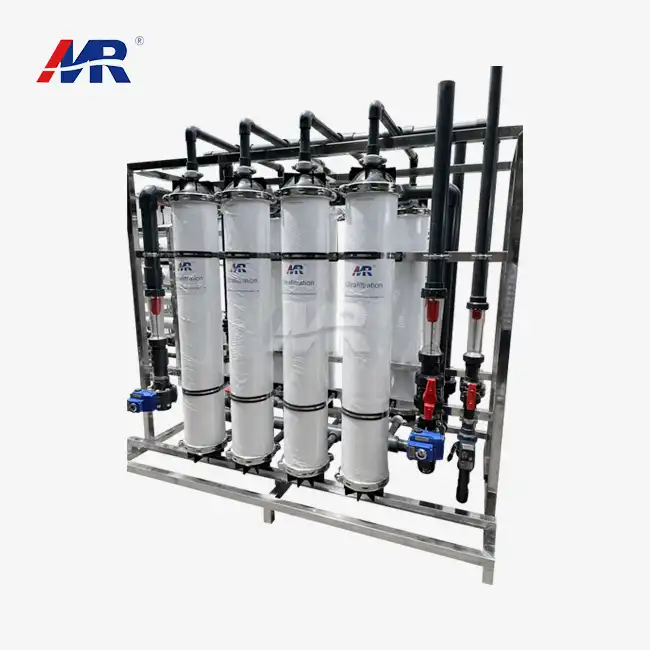 VIEW MORE15T/H ultrafiltration system
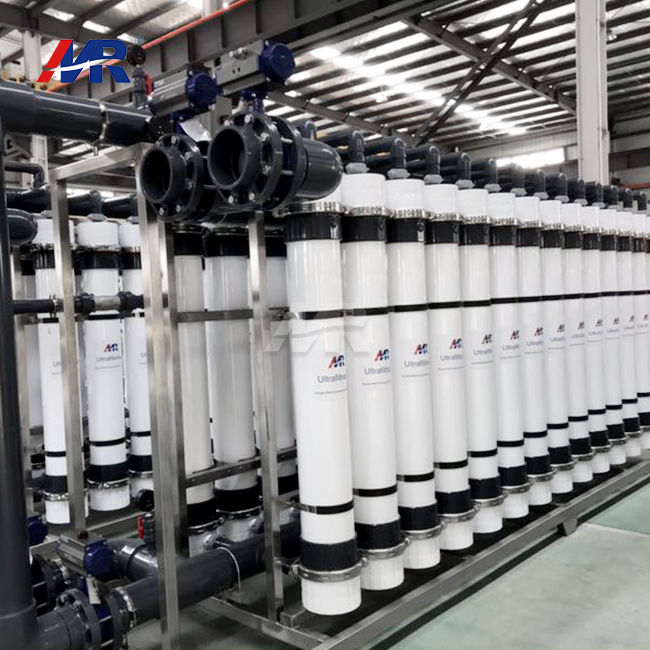 VIEW MOREultrafiltration machine
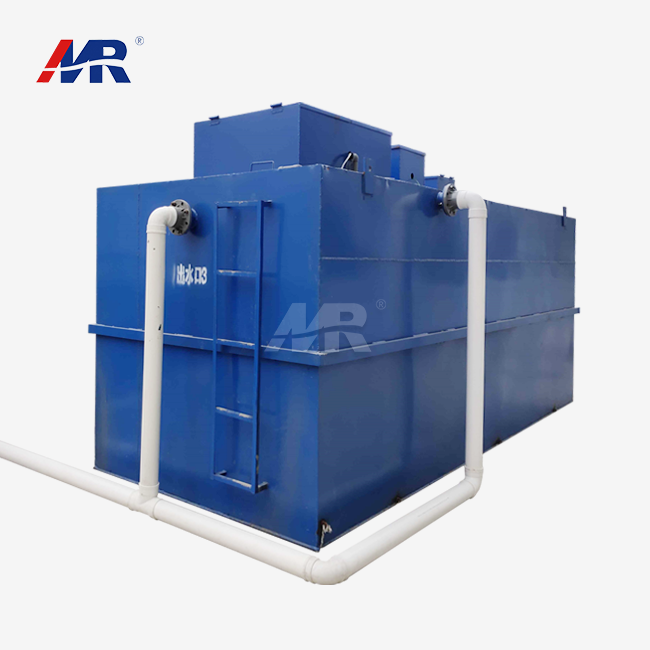 VIEW MOREMBR wastewater treatment plant
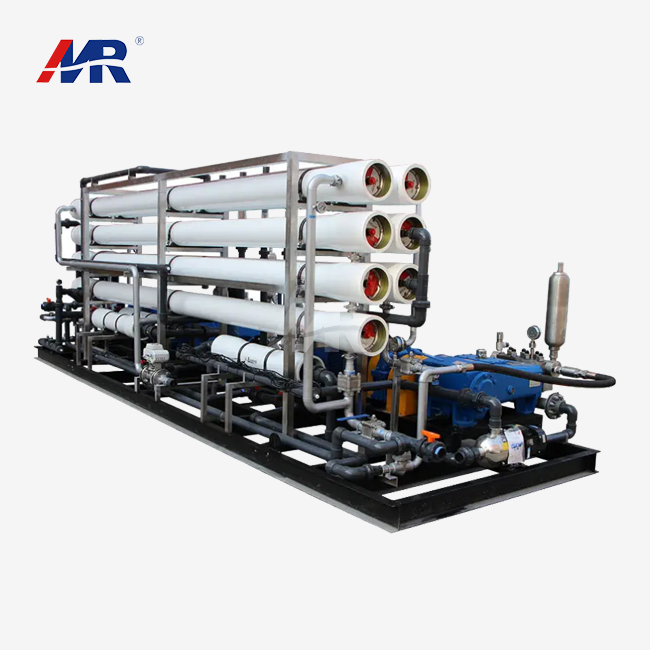 VIEW MOREseawater desalination machine
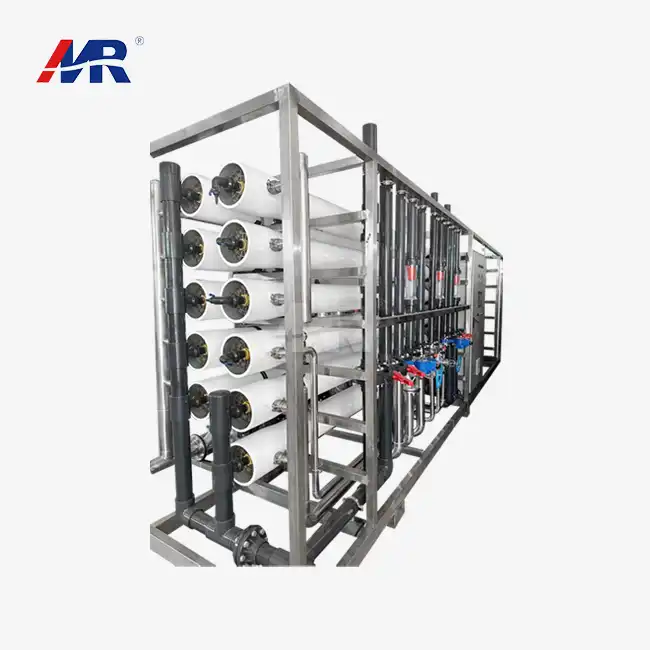 VIEW MORE60m3/hour reverse osmosis plant
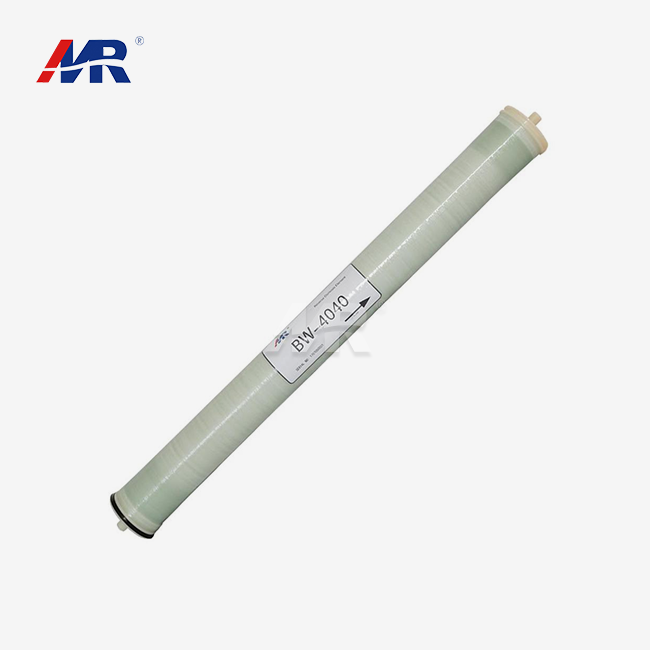 VIEW MOREindustrial ro membrane
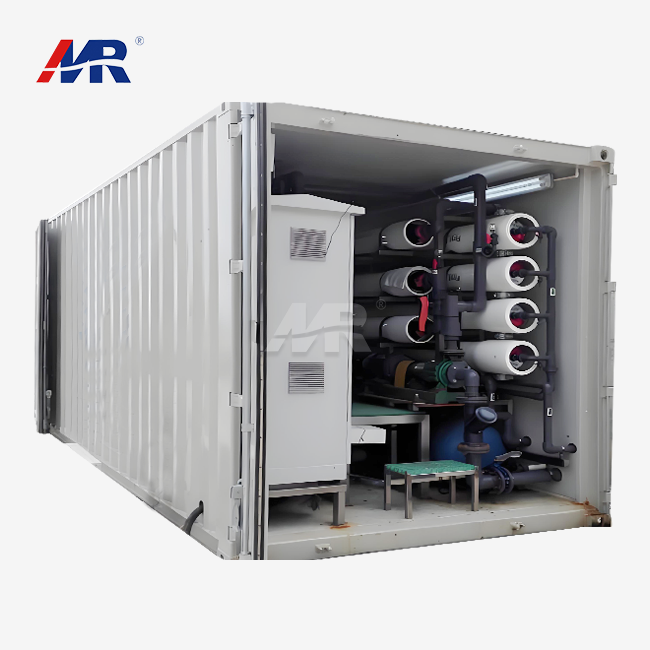 VIEW MOREcontainer seawater desalination equipment
 VIEW MOREunder counter reverse osmosis water system
