_1745823981883.webp)

Maintaining Your Ultrafiltration UF Plant: Tips and Best Practices
Maintaining an ultrafiltration unit is more than just doing regular checks. You need to know how your system works and be able to spot problems before they cause expensive downtime. With regular upkeep, your UF plant will consistently deliver high-quality water, protect the integrity of the membranes, and increase the life of your equipment, all of which will have a direct effect on your bottom line. An organized maintenance plan can turn your UF system from a capital cost into a strategic asset, no matter what industry you're in—pharmaceutical manufacturing, food processing, or public water treatment. This complete guide shows you tried-and-true methods to improve performance, fix common problems, and make smart choices about service partnerships that protect your investment.
Understanding Ultrafiltration Units and Maintenance Basics
How Ultrafiltration Units Work and How to Keep Them in Good Shape
How UF Systems Operate
Ultrafiltration uses semi-permeable filters with pores that range in size from 0.001 to 0.1 microns to physically block water. When raw water comes into the system, it goes through pre-filters that get rid of big particles. Next, it hits the uf membranes, which are working at 2–5 bar pressure. Dissolved salts and low-molecular-weight chemicals can pass through these membranes, but suspended solids, bacteria, viruses, and proteins can't. The end result is a high-quality filter that can be used directly in microbiologically safe uses or sent to reverse osmosis systems further down the line.
Core Components Requiring Attention
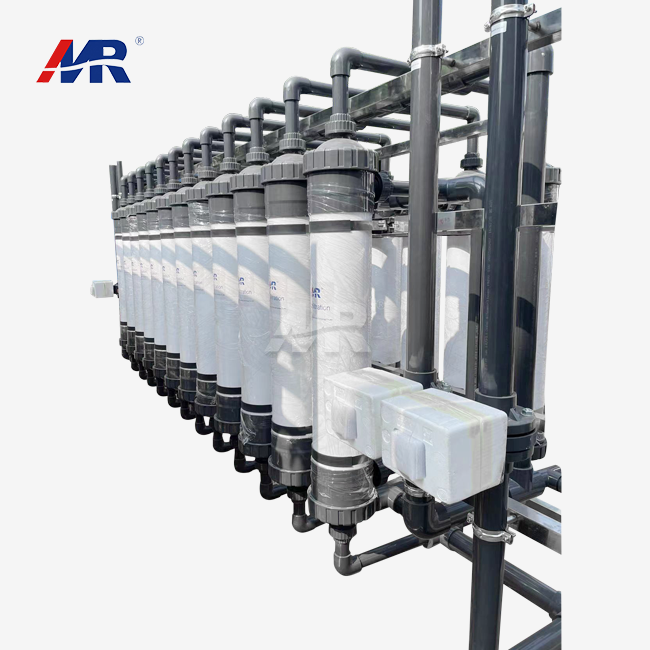
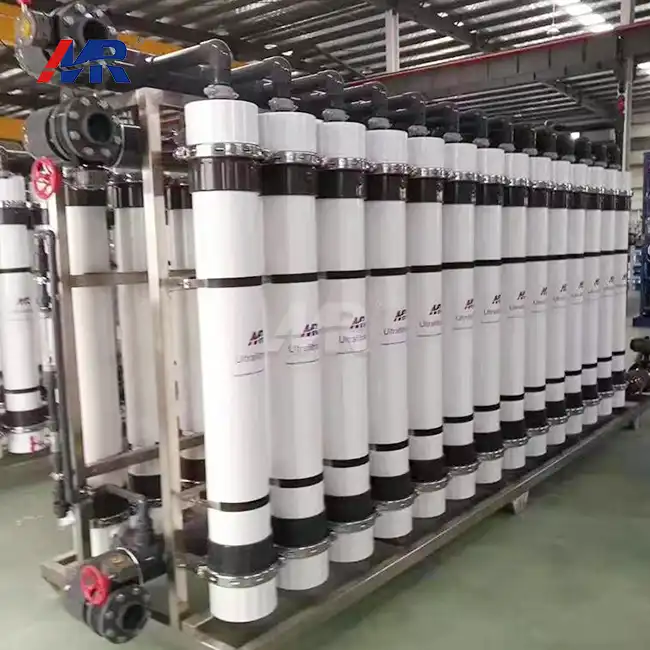
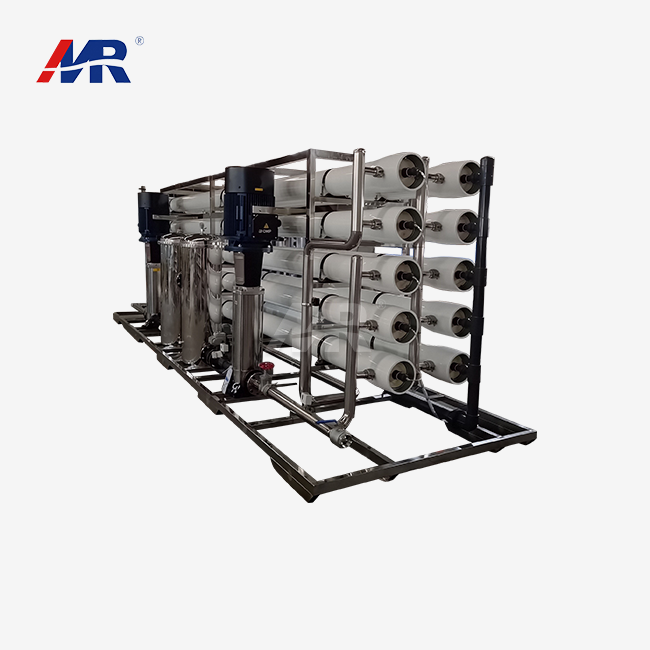
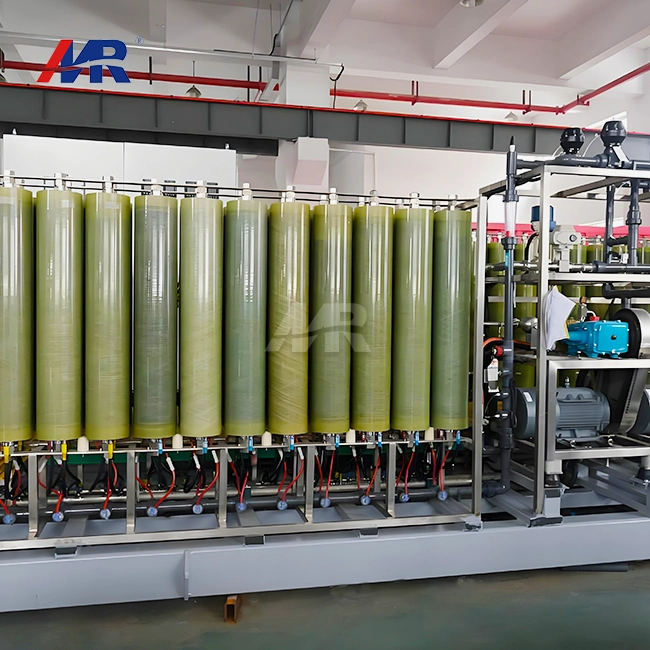
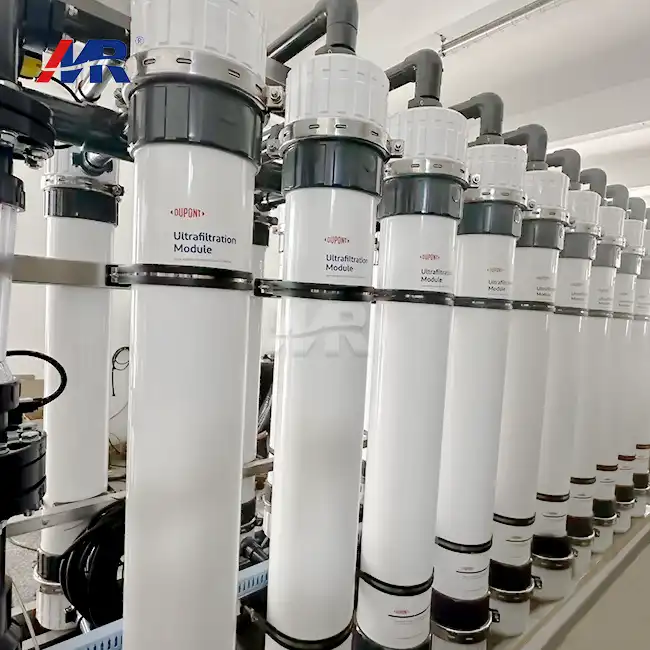
Your ultrafiltration unit is made up of several parts that work together. The separating work is done by hollow fiber or flat-sheet membranes that are housed in membrane modules. Feed pumps keep the pressure even across the membrane's surface, and backwash pumps change the flow direction every so often to get rid of particles that have built up. Filtration cycles, backwash intervals, and chemical cleaning routines are all controlled by the PLC control panel. Flow paths are controlled by valves, and the Clean-In-Place skid brings in chemicals that clean. Knowing how these parts work together helps you figure out where repair work will pay off the most.
Why Maintenance Cannot Be Optional
A chain of trouble starts when you don't do maintenance. Membrane fouling stops the flow of permeate, which makes pumps work harder and use more energy. Scaling causes lasting damage that needs an expensive new membrane. Bacteria growth in still areas lowers the quality of the water, which could be against GMP standards in pharmaceutical settings or taint drink goods. By keeping your Silt Density Index below 3.0 and making sure that flux rates stay steady, regular maintenance stops these problems before they happen.
Common Ultrafiltration Unit Issues and How to Solve Them
Problems that often happen with an ultrafiltration unit and how to fix them
Identifying Fouling Types and Symptoms
Membrane fouling comes in different forms that need different ways to be fixed. Particulate clogging happens when solids in the fluid build up on the sides of membranes, which can be seen by the transmembrane pressure slowly rising. Even if TMP stays the same, organic fouling from proteins, oils, or biofilms makes the flow drop. Scaling from mineral precipitation, like calcium carbonate, calcium sulfate, or silica, causes sudden rises in pressure and loss of performance that can't be fixed. These patterns can be found before they become serious by keeping an eye on differential pressure gauges and flow meters during each shift.
Chemical Cleaning Protocols That Work
Clean-In-Place methods fix membrane capacity without taking the whole system apart. Using sodium hydroxide (pH 11–12) for alkaline cleaning gets rid of biological foulants and biofilms. This is usually done every 7–14 days, but it depends on the quality of the feed water. Mineral scales can be removed by cleaning with citric or hydrochloric acid (pH 2-3) once a month or when TMP goes above baseline by 15%. We've seen that pharmaceutical clients who use ultrapure water need to use caustic washes more often to keep endotoxin from building up. On the other hand, food processors who deal with protein-rich streams do better with enzymatic cleaners because they break down biological residues better than standard alkaline solutions.
Physical Maintenance and Inspection Routines
In addition to chemical treatment, physical treatments keep the system's health. Every 30 to 60 minutes during standard operation, particles are moved around by hydraulic backwashing, which reverses the flow of permeate at high speed. During backwash, compressed air is added to air scouring to create motion that scrubs the membrane surfaces. Leaks that lower system pressure can be avoided by checking O-rings, gaskets, and mechanical seals every three months. Maintenance tasks like lubricating pump bearings, calibrating valve actuators, and checking sensors make sure that control systems react correctly to changing circumstances. By keeping track of every repair task, you can see how things are going and spot any changes that need to be made.
Best Practices for Maintaining Your Ultrafiltration Plant
How to Keep Your Ultrafiltration Plant in Good Shape
Establishing Structured Maintenance Schedules
Maintenance that works well is done at regular times that are in line with how busy the operations are. Here's how we suggest setting up your program so that it's both thorough and effective:
Every day, they have to check the pressure readings across all membrane stages, write down the permeate flow rates, look for leaks around the flanges and connections, and make sure the backwash processes work right. In maintenance journals, operators should write down these findings and any changes from the standard performance.
Chemical tank levels, dosing pump calibration, checking alarm logs for repeated faults, and testing sample points for turbidity and microbial counts are some of the things that need to be done every week. This frequency finds new problems before they affect production.
Deep checks are done once a month and include checking the effectiveness of the CIP system, making sure the membrane is intact using pressure decay methods, making sure the instruments are calibrated correctly, and looking at trends in energy use that show changes in efficiency.
During yearly maintenance, the membrane modules should be fully inspected, worn-out parts like seals and filters should be replaced, the system's performance should be fully tested against the original specs, and the software for the control system should be updated. Planning these for planned production breaks reduces the amount of trouble they cause.
These regular times hold your operations team accountable while spreading the workload in a way that makes it manageable for everyone. This keeps problems from happening by stopping both neglect and too much intervention.
Training Operators for Preventive Success
The skill of the user has a big impact on how well the equipment works. Basic membrane chemistry, the right way to take samples, how to shut down in an emergency, and resolving decision trees should all be covered in training classes. We've found that workers who know why TMP rises are important, not just that they are important, handle upsets better. When you cross-train more than one team member, you make sure that you can cover for gaps and make your organization stronger. Every six months, refresher classes make sure that skills are up-to-date as system settings change.
Leveraging Manufacturer Expertise
Partnering with experienced suppliers provides access to specialized knowledge beyond what in-house teams typically have. Technical support lines staffed by engineers familiar with your type of ultrafiltration unit can remotely diagnose problems. Field service visits often reveal hidden issues—improper valve sequencing, suboptimal pre-treatment, and chemical incompatibilities—that affect performance despite following maintenance protocols. Suppliers also provide updates on improved cleaning methods or feedwater conditions that accelerate fouling. Maintaining this relationship turns your vendor into a strategic adviser, not just a parts supplier.
Comparing Ultrafiltration Maintenance with Other Filtration Technologies
Seeing how Ultrafiltration Maintenance is Different from Other Filtration Methods
UF Versus Reverse Osmosis Demands
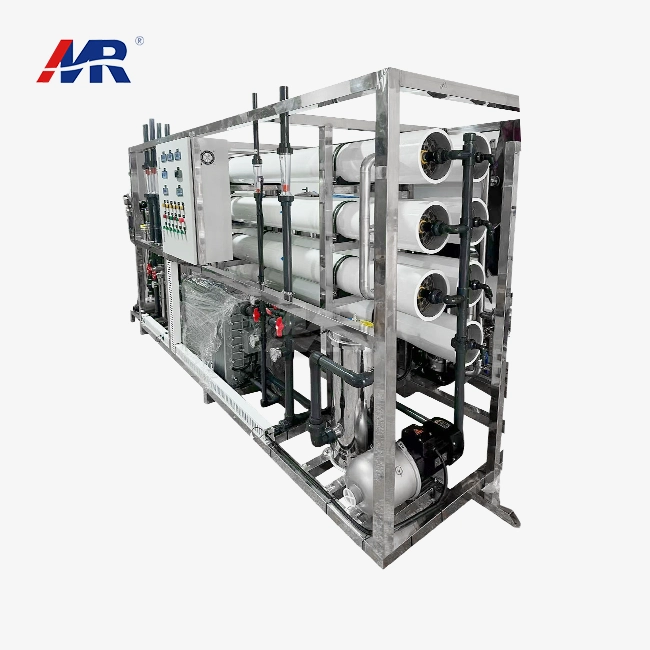
Reverse osmosis systems work at 10–80 bar, which is much higher than UF’s 2–5 bar range. This means that pumps, seals, and pressure tanks are under more stress. ro membranes are very sensitive to chlorine, so they need to be carefully dechlorinated and monitored for oxidants more closely than UF membranes do. Chemical cleaning processes happen every 3 to 6 months for RO, but only every 1 to 3 months for UF. Due to the need for higher pressure, RO uses two to three times more energy per cubic meter of permeate. However, RO's better rejection makes it the only choice for applications that need demineralized water. For UF systems of the same size, the number of maintenance hours needed each year is usually 30 to 40 percent less.
Microfiltration and Ultrafiltration Distinctions
Microfiltration works at even lower pressures than UF (0.5-2 bar) and has bigger pores (0.1-10 microns), which makes it less likely to get clogged but not able to get rid of viruses. Backwashing and CIP practices are similar for MF maintenance, but less harsh chemicals are needed because organic fouling happens less often. But MF can't reach the SDI levels needed for RO protection further downstream, which limits what it can be used for. When pre-treatment needs allow MF to be used, its lower upkeep level is an advantage. When your process needs to get rid of pathogens or prepare RO feed, UF's extra maintenance work gives you the features you need.
Softening and Ion Exchange Considerations
Ion exchange resins in traditional water softeners need to be regenerated with salt every one to three days. This makes dumping difficult and adds to the cost of chemicals over time. When iron, organics, or turbidity build up on the plastic bed, it needs to be cleaned with acid on a regular basis and eventually replaced. Softeners are easier to build than membrane systems, but they add salt to the water they work with and can't get rid of particles or germs. UF upkeep may require more complex steps, but it gets rid of regenerative waste streams and removes more contaminants. Industries that need to smooth and filter often use UF before ion exchange to make the plastic last longer and regenerate less often.
Choosing the Right Ultrafiltration Unit and Service Partner
How to Pick the Best ultrafiltration unit and service provider
Technical Specifications That Matter
Matching capacity to demand, including peak flow situations and growth plans, is the first step in choosing the right equipment. The type of membrane material (polyvinylidene fluoride, polyethersulfone, or polysulfone) changes how well it works with chemicals in your feed water and how easily it gets clogged. Adding parallel membrane trains instead of changing whole systems makes it easier to increase capacity with modular skid designs. There are different levels of automation in control systems, from simple timer-based cycles to complex SCADA integration with predictive algorithms that make cleaning plans better based on real-time fouling rates.
Evaluating Total Cost of Ownership
The purchase price is just the entry fee. To find out how much it really costs to own something, you have to think about how often the membrane needs to be replaced (usually every 5 to 7 years), how many chemicals are used, how much energy costs where you live, how many hours of upkeep work are needed, and how much production is lost during unexpected downtime. A cheaper system with unique membranes that can only be bought from one source might end up costing more in the long run than more expensive equipment with standard membranes that can be bought from more than one source. Risk exposure is greatly affected by warranty terms, plans for keeping spare parts, and service response promises.
Supplier Reliability Indicators
Manufacturers with a good reputation show their dedication by providing thorough operation and maintenance instructions, as-built drawings, and performance warranties with clear acceptance criteria. They have local service centers or approved agents who can help you within 24 to 48 hours. Referrals from clients in the same business can help you figure out how good the long-term support will be. Companies that offer pilot testing before the final design show that they are confident in their technology, which lowers the risk of putting it into action. Clear conversation about the limits of the system and the right ways to use it shows honesty, which leads to trustworthy relationships.
Conclusion
When you take good care of your ultrafiltration unit, it goes from being a hassle to being a competitive edge. Understanding the basics of the system, setting up regular upkeep plans, using chemicals and physical cleaning correctly, and working with reliable suppliers are all strategies that create operating resilience that protects water quality and keeps production going. Product quality, following the rules, and making money are all directly affected by your repair program. As membrane technology improves and finds more uses across many fields, the difference between companies that treat care like putting out fires and those that use preventative, data-driven methods grows. Spending time on proper training, paperwork, and relationships with suppliers pays off in the form of longer-lasting tools, fewer emergency repairs, and consistent process performance that meets quality standards that are getting stricter.
FAQ
1. How often should UF membranes undergo chemical cleaning?
It depends on the quality of the feed water and the number of hours the machine is running. Every 7–14 days, most manufacturing sites clean with caustic solutions, and every month, they clean with acidic solutions. Transmembrane pressure (TMP) monitoring is the best way to tell when cleaning needs to be done—do it when TMP rises 10-15% above baseline, even if your scheduled cleaning time hasn't arrived yet. For example, wastewater treatment may need to be cleaned once a week, while pharmaceutical purified water systems may go 21 days without cleaning.
2. Can ultrafiltration units treat industrial wastewater effectively?
Ultrafiltration units are very good at getting rid of oils, bacteria, proteins, and floating solids from wastewater, killing 4-6 logs of pathogens. After organic processes, it is used as a third cleaning step to make effluent that can be released into the environment or used again. Using the right pre-treatment to get rid of big particles and manage the need for chemical oxygen makes membranes last longer. UF works well for treating wastewater in industries like electroplating, food preparation, and petroleum refining, but each stream needs to be checked for chemical compatibility and fouling potential.
3. What advantages does UF maintenance offer compared to RO systems?
UF works with lower pressures, which lowers mechanical stress and energy use. Membranes can handle chlorine and pH changes better than RO, which makes cleaning easier. During backwash and CIP, fouling usually goes away more fully, but fouling in RO can become permanent. Maintenance tasks need less specialized training, and the cost of consumables is 40–50% less per year. However, RO is still needed to get rid of dissolved solids. Many sites use UF as a pre-treatment for RO because it is easier to maintain and saves the more delicate membranes further downstream.
Partner With Morui for Comprehensive Ultrafiltration Solutions
To keep your water treatment operations running at their best, you need more than just tools. You need a partner who cares about your long-term success. Guangdong Morui Environmental Technology has been in this field for more than 10 years and has 14 branch sites with a team of 500 pros, 20 of whom are engineers who only work on membrane technology. As both a maker of ultrafiltration units and an approved provider for top brands like Shimge Water Pumps and Runxin Valves, we offer complete solutions, from the initial meeting to installation, testing, and ongoing technical support. Our own membrane production plant gives us control over quality and access to parts that independent sellers can't offer. Whether you're expanding a pharmaceutical business, improving public infrastructure, or making the most of industrial process water, Our Team can make ultrafiltration systems that are perfect for your needs. Get in touch with our technical experts at benson@guangdongmorui.com to talk about your needs and find out how our end-to-end services can lower your business risk and increase system uptime.
References
1. American Water Works Association Research Foundation. "Ultrafiltration Membrane Performance and Maintenance Strategies for Drinking Water Treatment." Denver: AWWA, 2019.
2. Baker, Richard W. "Membrane Technology and Applications, Third Edition." Chichester: John Wiley & Sons, 2018.
3. Cui, Z.F., and Muralidhara, H.S. "Membrane Technology: A Practical Guide to Membrane Technology and Applications in Food and Bioprocessing." Oxford: Butterworth-Heinemann, 2020.
4. Judd, Simon, and Judd, Claire. "The MBR Book: Principles and Applications of Membrane Bioreactors for Water and Wastewater Treatment, Second Edition." Oxford: Elsevier, 2021.
5. Li, Nai-Yang, Fane, Anthony G., Ho, Winston S.W., and Matsuura, Takeshi. "Advanced Membrane Technology and Applications." Hoboken: John Wiley & Sons, 2017.
6. Water Environment Federation. "Industrial Water Treatment: Ultrafiltration and Nanofiltration Membrane Systems—Design, Operation, and Maintenance." Alexandria: WEF Press, 2020.