_1745823981883.webp)

Ultrafiltration: Benefits, Applications, and How It Differs from Reverse Osmosis
Selecting the correct membrane filter system might affect water treatment and production costs. Ultrafiltration filters use pressure-driven membranes with 0.01–0.1 micron holes for exceedingly fine separation. This barrier eliminates suspended particles, bacteria, viruses, and macromolecules while allowing beneficial minerals through. Businesses that require dependable water treatment without energy waste or dissolved minerals need it.
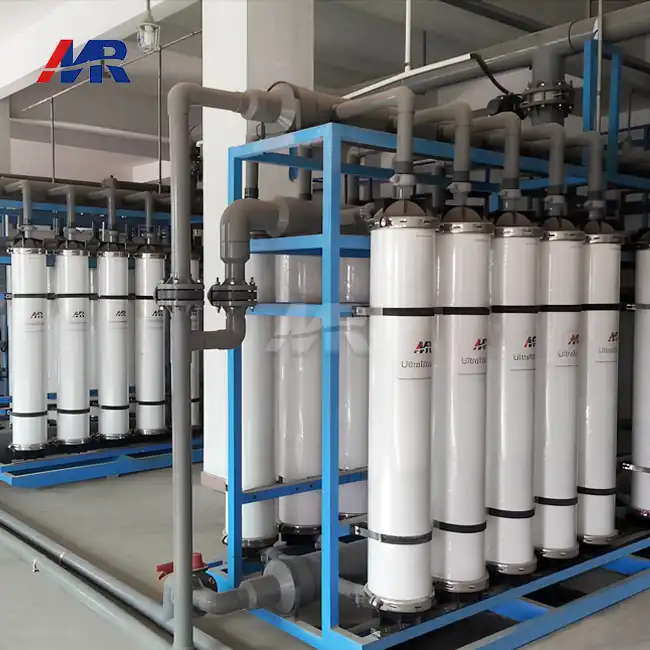
Understanding Ultrafiltration Filters: Technology and Working Principles
The Core Separation Mechanism
Ultrafiltration filters are partly permeable walls pushed by transmembrane pressure (2–5 bar). An uneven membrane features a thick selective layer supported by a porous foundation. This allows large flux rates without affecting separation precision. Molecular Weight Cut-Off values between 1,000 and 500,000 Daltons determine the filter barrier. These ratings indicate which particles pass and which remain.
Adsorption-based devices vary from sieving. Small pores permit water and low-molecular-weight molecules through, but larger pollutants accumulate on the membrane. This physical separation doesn't need chemicals; the original mineral composition is preserved. This is vital for drinking water and food processing.
Positioning Within the Filtration Spectrum
How ultrafiltration fits in with other membrane technologies might help you determine when to employ it. Larger pores (0.1 to 10 microns) in microfiltration remove germs and solids while allowing viruses to pass. Nanofiltration can't remove dissolved salts and organic compounds due to its 0.001–0.01 micron pores. Ultrafiltration is midway. It kills all germs without requiring as much energy as greater filtering.
Reverse Osmosis membranes feature 0.0001-micron holes and perform at higher pressures than ultrafiltration membranes. Reverse Osmosis systems require 15–70 bar, but Ultrafiltration systems may perform at 2–5 bar, depending on feed saltiness. This pressure differential directly affects energy utilization, which is crucial when calculating major system costs.
Key Contaminants Removed
The screen kills germs four to six times better, including E. coli, Legionella, and coli. Hepatitis A and Rotavirus, which are 0.02 microns, are removed similarly. Reducing turbidity always yields permeate below 0.1 NTU, which is required for pharmaceutical-grade water and delicate industrial applications.
Proteins, endotoxins, colloidal particles, and carbohydrates are preserved because their molecular weight exceeds the membrane's cut-off. This function helps separate organic macromolecules in wastewater recycling. This method also reduces the Silt Density Index below 3. This prevents downstream Reverse Osmosis parts from clogging in desalination and purification systems.
Key Benefits and Business Applications of Ultrafiltration Filters
Operational and Economic Advantages
The biggest advantage of filtering techniques may be their energy efficiency. Lower transmembrane pressure systems require 40–60% less pump power than Reverse Osmosis systems with the same flow rates. This disparity grows, particularly at locations that treat thousands of gallons of water daily.
Regular backwashing and chemical cleaning extend membrane life. Chemical-resistant polyvinylidene fluoride membranes can manage pH values from 2 to 11 during Clean-In-Place operations. Certain polyethersulfones attract water and repel organic muck that hinders performance in protein- or oil-rich feed streams. Well-run systems may replace materials every 5–7 years due to these attributes, lowering ownership costs.
Maintenance is simpler than with standard clearing machines. Backwash cycles that employ permeate water to transport sediments automatically remove them. The feed determines whether sodium hypochlorite or citric acid-enhanced backwashing occurs weekly or biweekly. In time-sensitive factories, its simplicity reduces personnel expenses and process disruptions.
Diverse Industrial Applications
An ultrafiltration filter is being used as a third stage in drinking water treatment facilities to boost efficiency. Even while public water turbidity changes with the seasons, municipal systems serving 10,000 to 500,000 people eliminate pathogens. The approach eliminates chlorination as the major cleaning method, reducing disinfection byProducts and protecting bacteria.
Cold-sterilization membrane systems protect heat-sensitive compounds in food and drink. Clarifying juice removes pectin and particles while preserving vitamins and flavour. By concentrating milk proteins, dairy companies generate useful nutrients from waste. Ultrafiltration stabilizes and clarifies wine and beer without oxidation.
Pharmaceutical and scientific industries employ membrane technology to generate USP-compliant, clean and injectable water. Microbial and endotoxin levels below 0.25 EU/mL fulfil Good Manufacturing Practice guidelines. Tangential flow filtration removes viruses from cell culture harvests, cleans proteins, and changes buffers in biopharmaceutical preparations.
Wastewater recovery turns cleansed wastewater into process water for cooling towers, boiler feed, and watering plants. Some membrane bioreactors utilize biological treatment and ultrafiltration to create permeate that may be used directly without further clarifiers or sand filters. Industrial facilities with zero-liquid-discharge requirements or water shortages employ these technologies to reduce freshwater intake and release.
Comparison With Traditional Treatment Methods
While activated carbon filters remove chlorine, taste and odour chemicals, and dissolved organics, they don't kill germs. UV cleansing damages DNA to kill pathogens, but doesn't remove turbidity or dissolved solids or leave a defence. Sand screens catch large particles, but bacteria and viruses get through, requiring further cleaning.
Ultrafiltration, which eliminates rather than inactivates or absorbs, solves these issues. Stability of the membrane provides a quality assurance that UV or chemical disinfection cannot match. Changes in feed do not affect permeate quality. This eliminates performance fluctuations caused by media filter breakthrough near saturation.
Ultrafiltration vs Reverse Osmosis: Making the Right Choice
Fundamental Differences in Filtration Mechanisms
Both systems employ pressure-driven separation and semi-permeable barriers, although they function differently. By solution diffusion, Reverse Osmosis removes dissolved ions, including sodium, calcium, magnesium, and chloride. This is achievable because high pressure beats osmotic pressure. Ultrafiltration only excludes size when the pressure is too low to separate dissolved salts. Minerals enter the permeate stream.
Choose the proper applications depending on your treatment objectives with this difference. Ultrafiltration uses less energy and is simpler to utilize when dissolved solids are not required or wanted, such as when creating drinking water, keeping the minerals in enhances the flavour and is healthy. Reverse Osmosis is more sophisticated yet necessary to remove minerals from water for boiler feed, semiconductors, and saltwater desalination.
Application-Specific Selection Criteria
First, analyze your feed water chemistry to choose a technique. Ultrafiltration is ideal for removing microorganisms and total dissolved solids below 500 mg/L. Membranes that can manage suspended particles can perform in variable turbidity surface water sources. Reverse Osmosis or a combined approach is required to decrease groundwater hardness over 1,500 mg/L TDS.
End-use needs influence decisions similarly. Pharmaceutical processes commonly pretreat Reverse Osmosis and electrodeionization systems with ultrafiltration. This produces ultrapure water with resistivity above 15 megohm-cm. When pathogen removal without demineralization is needed, food manufacturers may employ UF. Municipal drinking water facilities consider regulations, cost, and water quality while choosing membranes.
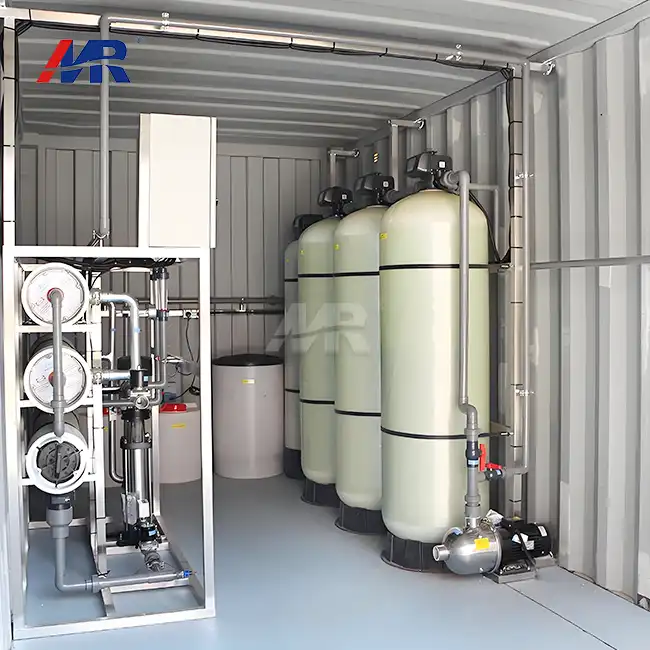
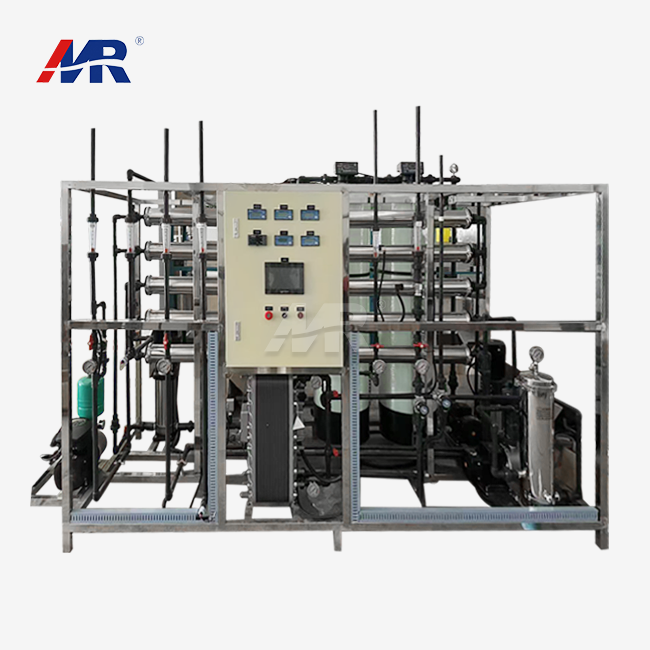
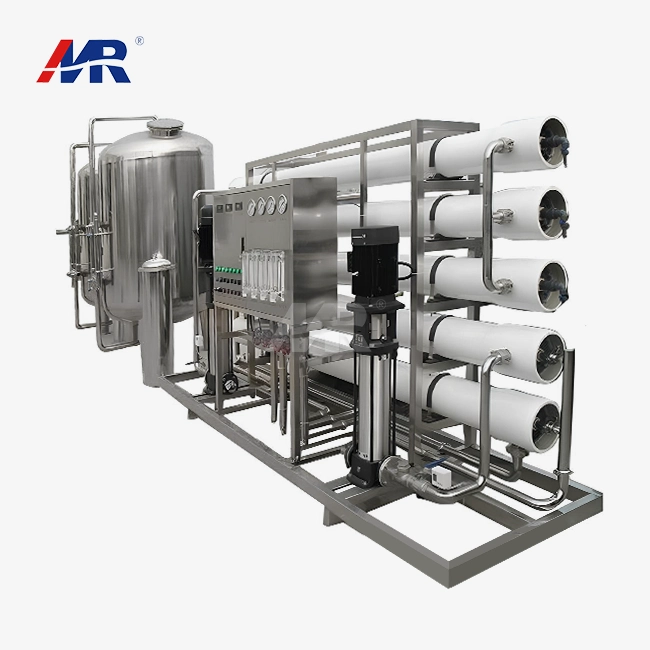
Space constraints affect procedure choice, particularly for existing structures adding treatment capability. Because they employ lower pressures, ultrafiltration skids are smaller and don't require hefty pipelines or pressure tanks. Installations with limited space or structures benefit from the tiny modular shape. Reverse Osmosis systems need pretreatment, high-pressure pumps, and energy return devices for seawater usage, which adds space.
Cost Considerations and Total Ownership Analysis
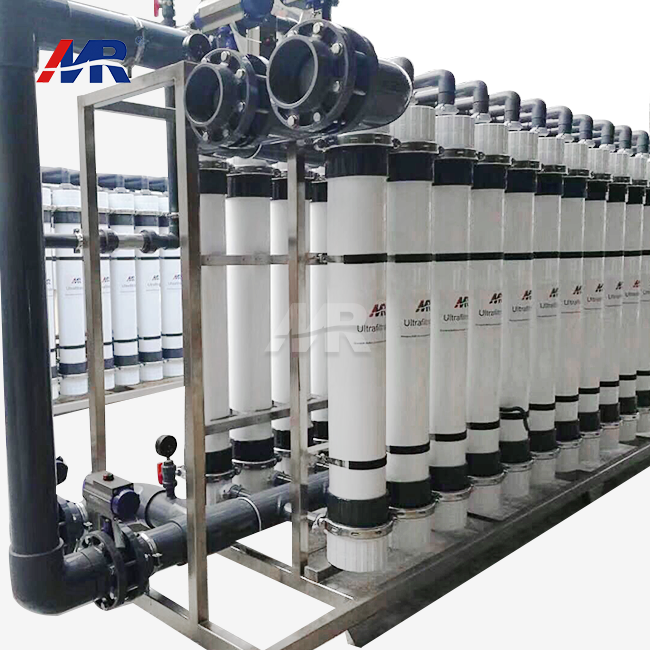
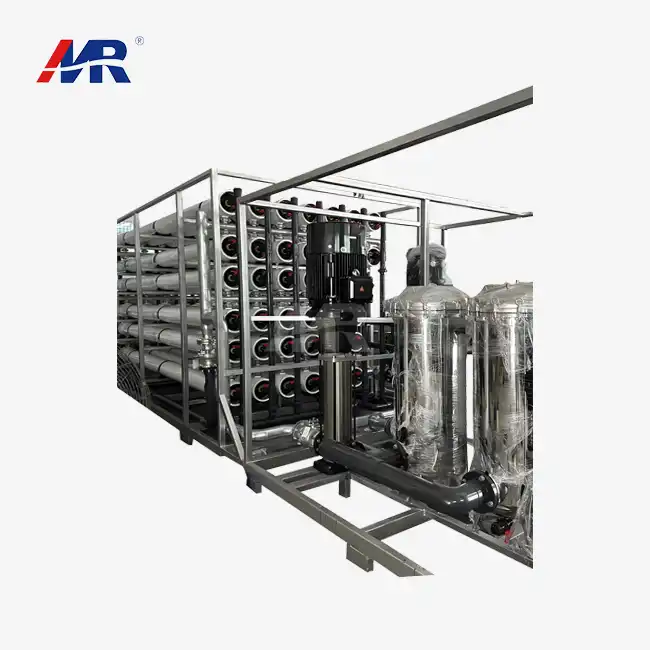
Ultrafiltration systems cost 30–50% less than Reverse Osmosis systems of the same size, depending on daily revenue. To minimize pressure, pumps, pipelines, and building support must be smaller and easier. Hollow fibre membrane modules, which fit many fibres into a tiny area, are still affordable.
Machine running expenses vary considerably over time. Financially, membrane systems' pressure differential matters since 40–65% of their expenses come from energy usage. A factory that processes 100,000 gallons of water per day may spend $15,000 to $25,000 on Reverse Osmosis power and $6,000 to $12,000 on ultrafiltration, depending on local energy costs and system design.
Membrane maintenance frequency and expense impact long-term planning. If you maintain your ultrafiltration filter membranes, replace them every 5–8 years. However, Reverse Osmosis components foul, scale, and break down from oxygen and may need to be changed every 3–5 years. The cost of cleaning and preparation chemicals varies depending on the feed, but Reverse Osmosis systems require antiscalants and pH adjustments to prevent scale buildup.
Procurement Guide: Buying Ultrafiltration Filters for Your Business
Evaluating Suppliers and Manufacturers
To pick membrane suppliers, consider their technical expertise, product quality, and post-installation support. Long-time membrane manufacturers Pentair, Toray, Koch, and 3M have vast libraries of applications and service networks worldwide. NSF/ANSI 61 clearance for drinking water contact and ISO manufacturing conformity ensure batch-to-batch quality.
Regional suppliers and emerging manufacturers may provide affordable rates and acceptable performance for less demanding needs. Compare these choices by carefully reviewing membrane material specifications, fibre geometry stability, and quality control methods. A third party can verify bacterial log reduction, leakage, and chemical compatibility, ensuring the product will perform effectively after installation.
For firms new to membrane technology, Technical support is crucial to long-term success. Suppliers that aid with system design, pilot testing, and on-site setup reduce implementation risks. Troubleshooting fouling, flux loss, and water quality issues with specialists lowers downtime and extends membrane lifetime by making realistic modifications.
Pricing Structures and Procurement Strategies
The price of a membrane module depends on its design, the materials it is made of, and where the seller stands in the market. Each hollow fibre module costs between $800 and $2,500, based on the size of the building and the area of the membrane. Prices for plate-and-frame or spiral-wound designs may vary depending on the use and how often they need to be replaced. When you commit to a multi-year supply deal or a big installation quantity, volume purchasing agreements with manufacturers offer discounts of 15 to 30 percent.
Skid-mounted systems with pumps, valves, controls, and housings cost between $50,000 and $300,000. They can handle between 10,000 and 100,000 gallons of water per day. Turnkey installs, which include planning, transport, commissioning, and training for operators, raise the price of equipment by 20 to 40 percent. By asking for specific quotes that break down equipment, installation work, spare parts, and warranty coverage, you can accurately compare prices from different providers.
Maintenance supplies are ongoing costs that need to be planned for in the budget. Cleaning agents range in price from $500 to $2,000 a year, based on how often they are used and how big the system is. Every year, replacement cartridge prefilters that keep big particles from getting into membrane modules cost $200 to $800. Calibration, integrity testing, and performance verification of instruments should happen every three to six months, which might require special service contracts with equipment makers or outside support providers.
Maintenance Best Practices for Longevity
Routine backwashing stops fouling that damages membrane permeability in a way that can't be fixed. Automatic sequences should start when the transmembrane pressure rises or when a certain amount of time has passed, usually every 30 to 60 minutes when the system is running all the time. Backwashing with permeate or filtered water at reverse flow rates for 30 to 90 seconds gets rid of collected particles before they get compacted.
Chemical-enhanced backwashing removes organic layers and biofilms that are too tough for hydraulic cleaning alone to get rid of, which makes membranes last longer. Every week or every other week, CEB cycles with 50 to 200 ppm sodium hypochlorite, which breaks down proteins and sugars while stopping germs from growing. Using citric acid or hydrochloric acid liquids for cleaning breaks down mineral scaling caused by calcium carbonate or iron oxide precipitation, bringing flux rates back to a safe level.
By keeping an eye on key performance factors, workers can spot problems before they get too bad. Tracking normalized permeability takes into account how weather changes water viscosity, which lets you do correct trend analysis. When transmembrane pressure rises above 20% of normal values, it means fouling needs to be fixed. Measurements of permeate quality that show turbidity is less than 0.1 NTU and no germs present prove the integrity of the membrane. If the integrity of the membrane starts to break down, diagnostic integrity testing is needed.
Conclusion
To choose the right membrane technology, you need to think about your facility's treatment goals, the features of the feed water, and the working limits. The ultrafiltration filter works great for tasks that need to get rid of pathogens, lower the amount of suspended solids, and separate macromolecules without rejecting dissolved minerals. The technology works well for making drinking water, cooking food, and Reverse Osmosis pretreatment because it uses less energy, is easier to use, and has stable performance with varying feed quality.
At Morui, our engineering team looks at your unique needs—whether they're desalinating seawater, making pharmaceutical-grade water, or cleaning up industrial wastewater—and then suggests membrane solutions that will help you reach your practical and financial goals. Our experience in a number of different industries helps us set realistic goals for performance and make lifecycle cost estimates that help people make smart investment choices.
Frequently Asked Questions
1. What contaminants does ultrafiltration remove that reverse osmosis doesn't target?
By physically excluding things of a certain size, ultrafiltration gets rid of suspended particles, bacteria, viruses, proteins, and liquid materials. uf membranes, on the other hand, do not get rid of dissolving salts, minerals, or small organic molecules as reverse osmosis does. This careful removal is helpful when it's better to keep the minerals, like in drinking water, where calcium and magnesium add to the taste and nutritional value. Reverse Osmosis gets rid of these dissolved species, so they need to be remineralized before they can be used in drinking water or when controlling rust requires a certain mineral content.
2. How often do ultrafiltration membranes need to be changed in a business setting?
How long a membrane lasts relies on the quality of the feed water, how it is used, and how well it is maintained. Systems that process city water or prepared industrial feeds that are well taken care of usually last 5 to 8 years before they need to be replaced. Harsh uses with lots of organic matter, harsh chemical cleaning, or not enough preparation may shorten the lives to 3 to 5 years. Regular integrity testing finds membrane fibre breaks early, so only specific modules need to be replaced instead of the whole system being rebuilt. This cuts down on replacement costs and production delays.
3. Can ultrafiltration be used with other types of filtration?
Hybrid methods that use more than one technology improve both the performance and cost of treatment. Ultrafiltration is often used as a pretreatment to keep Reverse Osmosis membranes clean and prevent particulate fouling. This increases the life of Reverse Osmosis elements by 30 to 50 percent. UF and activated carbon work together to get rid of both particles and dissolved organics in drinking water. MBR systems use both bacterial treatment and ultrafiltration screens to make high-quality wastewater in small spaces. These combos make the most of the best features of each technology while minimizing its flaws.
Partner With Morui for Your Ultrafiltration Solution
Morui is an expert at creating and putting in place complete water cleaning systems that are specifically designed to meet the needs of your business. As a top ultrafiltration filter company with more than 14 locations and more than 500 committed workers, we blend decades of experience making membranes with decades of experience using them. Our 20 engineers work directly with yOur Team to figure out the best way to set up the equipment based on the features of the feed water and the goals of the treatment.
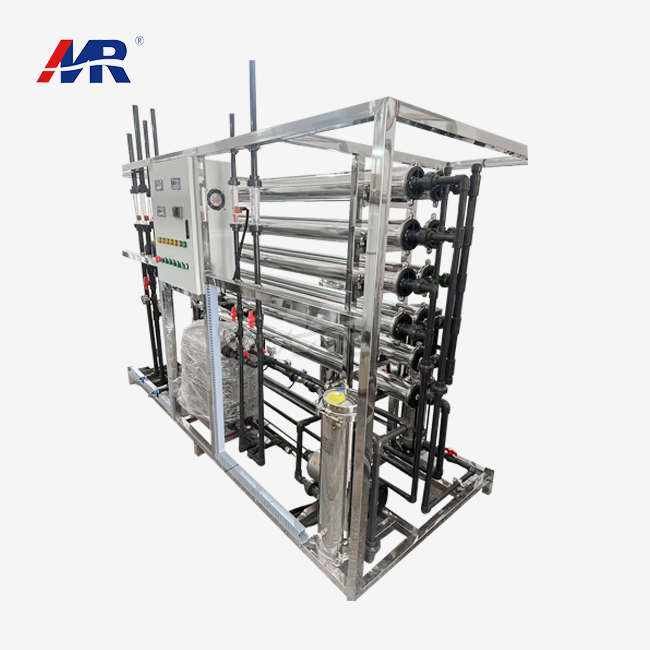
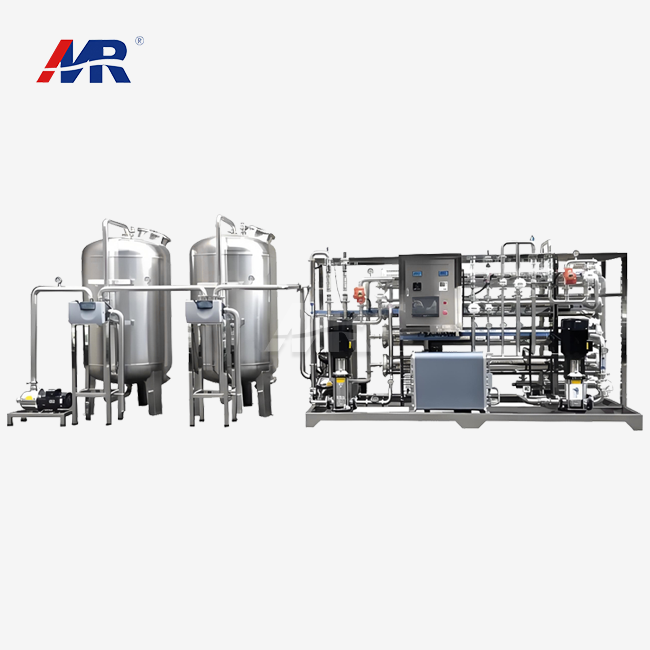
We offer full solutions that include ultrafiltration skids, pretreatment systems, and post-treatment polishing. Our one-stop installation and testing services make sure that our products work well with your current processes. Our plant that makes membranes follows strict quality standards, which ensure consistent performance. Additionally, agreements with top brands like Shimge Water Pumps and Runxin Valves guarantee the reliability of other parts used in the process.
Our expert help goes beyond just delivering tools, whether you're upgrading current infrastructure or starting from scratch. Get in touch with benson@guangdongmorui.com to talk to one of our application engineers about your water treatment needs and find out how our ultrafiltration systems can help you save money while also making the water quality more reliable.
References
1. Crittenden, J.C., et al. (2012). MWH's Water Treatment: Principles and Design (3rd ed.). John Wiley & Sons.
2. Membrane Filtration Guidance Manual (2005). United States Environmental Protection Agency, Office of Water.
3. Singh, R. (2015). Membrane Technology and Engineering for Water Purification: Application, Systems Design and Operation (2nd ed.). Butterworth-Heinemann.
4. Judd, S., & Judd, C. (2011). The MBR Book: Principles and Applications of Membrane Bioreactors for Water and Wastewater Treatment (2nd ed.). Elsevier.
5. Baker, R.W. (2012). Membrane Technology and Applications (3rd ed.). John Wiley & Sons.
6. Water Environment Federation (2016). Membrane Systems for Wastewater Treatment. McGraw-Hill Education.