

_1745823981883.webp)

How to choose the Best Price Ultrafiltration Equipment
To find the cheapest Ultrafiltration Equipment, you have to weigh the original cost against the value it will bring in over time. Quality of the membrane material, system capability, automation level, and supplier name all affect the ultrafiltration price. Smart procurement teams don't just look at the starting costs; they also look at the total cost of ownership, which includes installation, energy use, membrane replacement frequency, and upkeep needs. Even though they cost more at first, equipment with long-lasting PVDF membranes, efficient hollow fiber configurations, and combined skid designs usually ends up being a better deal. By understanding these cost drivers, you can make sure that your investment fits with your production needs and gives you the best return on your money over the life of the equipment.
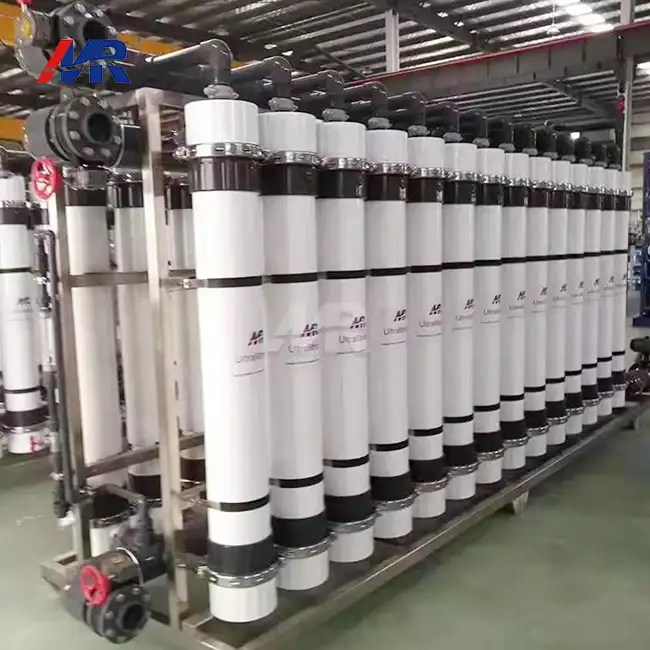
Understanding Ultrafiltration Pricing: Key Factors Explained
Raw Material Quality and Membrane Technology
The choice of membrane material has a big impact on how much the equipment costs and how long it lasts. Polyvinylidene fluoride (PVDF) membranes are very expensive because they are very resistant to chemicals. They can handle up to 2,000 ppm-hours of chlorine exposure, which is important for businesses that need strict Clean-In-Place practices. The out-to-in design of PVDF has become the standard in the industry because it is easier to clean and works with strong disinfectants. Additionally, Polyethersulfone (PES) membranes are a cheaper option for uses with mild chemical exposure, but they need to be replaced more often.
The Molecular Weight Cut-Off (MWCO) standard has a direct effect on the accuracy of the separation and the difficulty of making the membrane. The MWCO ranges usually from 1,000 to 500,000 Daltons. Tougher MWCO requirements raise the cost of production but provide better particle rejection, which is important for pharmaceutical and chip uses. If you know what your water quality goals are, you can avoid over-specification, which drives up costs for no reason.
System Design and Configuration Complexity
Pricing structures are greatly affected by the ability and configuration layout of the equipment. Compared to spiral-wound options, hollow fiber membranes have a higher packing density (up to 1,500 m² of membrane area per cubic meter), which means they take up less space and don't need as many membrane modules. This design efficiency means lower capital costs and less building space needed. This is especially helpful for retrofit projects where treatment equipment has to fit into small spaces.
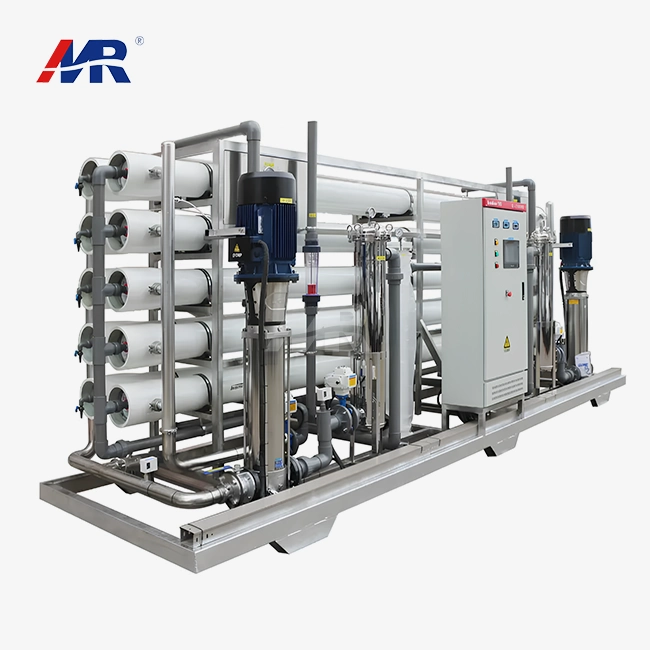
An ultrafiltration skid is a fully integrated, pre-engineered solution that combines UF modules, feed pumps, automatic valving, PLC/HMI control screens, and Clean-In-Place subsystems onto a single stainless steel frame. Skid-mounted systems cost more up front than component-based installs, but they get rid of the need for complicated construction works on-site, cut commissioning times from weeks to days, and cut down on installation mistakes that hurt performance. The economics are directly affected by the membrane surface area inside each module. Larger surface areas treat larger amounts with fewer modules, which lowers both the cost of capital and the upkeep load.
Installation, Integration, and Operational Expenses
What works with the present system and how much customisation is required determines installation difficulties. Modern automated control systems enable adding additional equipment more simply than older facilities, which require extensive maintenance. Procurement teams should request detailed site assessment reports that identify integration issues that might increase project costs.
Operating expenses go beyond energy. Transmembrane pressure (TMP) is commonly 0.5 to 2.0 bar, far lower than reverse osmosis systems' 10 to 60 bar. Thus, pumping uses less energy. The frequency of membrane cleaning, CIP chemical consumption, and membrane replacement determines long-term operating expenses. PVDF membranes cost more initially but last longer and need less maintenance than other materials, lowering their total cost of ownership.
Instead of comparing costs, these cost aspects must be carefully examined since they are interrelated. The lowest pricing sometimes leads to greater running expenses that cancel out any cost savings within a few months after starting up.
Ultrafiltration Price Comparison: How to Evaluate Your Options
Technology Performance Against Alternative Filtration Methods
The process of ultrafiltration is unique in the field of membrane filtration because it can do things that other technologies can't do as well. UF works at much lower pressures than reverse osmosis, which cuts energy use by 60–70% while still successfully getting rid of suspended solids, colloids, bacteria (achieving 4-log removal), and viruses. This makes UF perfect for preparation tasks that keep RO systems further down the line from getting clogged. This is a smart use that makes ro membranes last longer and lowers the overall cost of water treatment, making the ultrafiltration price more cost-effective over the system’s lifetime.
Microfiltration is a cheaper option, but it can't clear dissolved proteins and smaller colloidal particles as well as ultrafiltration can. Nanofiltration can separate things more finely than UF, but it needs higher working pressures and more money. When buying teams know about these differences in performance, they can better match technology skills to real treatment goals instead of over-engineering solutions.
The traditional method is multi-media filtration, but it takes up a lot of room, creates backwash waste streams, and has trouble regularly reaching the sub-0.1 NTU turbidity levels that ultrafiltration does. Even though regular filters are cheaper to buy, they can't always meet strict water quality standards, which is making more people want to use membrane technology.
Brand, Supplier, and Geographic Pricing Variations
Prices for equipment vary a lot between makers depending on how much they make, how they control quality, and how they place their brand. Established global sellers use their extensive certification portfolios, which include NSF, FDA, and CE compliance, to command higher prices. This lowers the risk for sourcing teams by showing that the Products have been approved by regulators. Regional makers may offer reasonable prices while still meeting quality standards. However, buyers should check third-party testing documents and look at examples of setups that were used in similar situations.
The location where a product is made affects its price through things like labor costs, the cost of materials, and trade laws. Buying in bulk can save you a lot of money. When you commit to buying 10 or more systems, you usually get a 15–25% discount. This makes group purchasing appealing for companies with multiple locations or engineering firms that are in charge of many projects. Authorized dealer networks set up local support systems, but they also add layers of profit that direct producer ties don't have.
When buyers show they know about technology and want to work with a supplier for a long time, they have more negotiating power. By asking for specific quote breakdowns that separate membrane modules, automation components, structural elements, and service agreements, you can see how the costs are structured and find places to negotiate. With this analytical method, buying goes from just taking prices to making things better.
Total Cost of Ownership and ROI Analysis
A full financial analysis looks at more than just the buying price; it also looks at the career economics. One way that works for us is to figure out the cost-per-cubic-meter-treated over the equipment's projected 15–20-year life. Capital loss, energy use, membrane replacement cycles, chemical prices, labor needs, and downtime costs are all part of this measure.
Long-term costs are greatly affected by how long a membrane lasts. If you follow the care instructions, PVDF membranes should keep working for 7–10 years, while PES membranes may need to be replaced every 4–6 years. When figuring out how much it will cost to replace something, keep in mind that membrane prices have gone down about 3–5% a year over the last ten years because of gains in production scale. This could mean that future replacement costs will be lower.
The cost of energy needs extra care. Systems that process 100 cubic meters per hour usually use between 0.1 and 0.3 kWh per cleaned cubic meter. With industrial power rates ranging from $0.07 to $0.12 per kWh in the US, a facility that runs for 6,000 hours a year would spend between $4,200 and $21,600 on energy each year. These differences add up over the life of the equipment. Specifications for purchases should require documentation of energy use in real-world operating conditions instead of idealized lab settings.
Step-by-Step Guide to Choosing Ultrafiltration Equipment at the Best Price
Defining Treatment Objectives and Budget Parameters
For a procurement to go well, the needs for water treatment must first be spelled out by expert operations, quality assurance, and financial partners working together. Write down the features of the feed water, such as its turbidity, total suspended solids, bacterial count, and chemical make-up, along with the specs for the goal permeate. For pharmaceutical uses, turbidity levels of less than 0.1 NTU and bacterial reduction to undetectable levels are usually enough. For industrial cooling water treatment, less strict standards are acceptable.
When planning capacity, it's important to think about situations with high demand, plans to increase production, and the need for backups. Production plans are hampered by systems that are too small, and equipment that is too big loses money and doesn't work well when only partially loaded. We suggest that you size for 120–130% of the existing peak demand. This will allow for growth while keeping operations running smoothly.
When making a budget, capital spending and operational amounts should be kept separate. Set reasonable deadlines—hurried buying cuts down on chances to negotiate and limits the number of suppliers that can compete. Projects that can be planned out over 6 to 12 months usually get a 10 to 20 percent better ultrafiltration price than projects that need to be delivered in 30 to 60 days.
Establishing Rigorous Selection Criteria
Technical standards are the basis for comparing suppliers in a smart way. The membrane's pores and MWCO must match the goals for removing contaminants, which are usually between 0.01 and 0.05 µm for commercial water treatment uses. Which hollow fiber, spiral wound, or tube form is best relies on the quality of the feed water and how likely it is to foul the membrane. In municipal and light industry settings, hollow fiber is most common. However, food processing and high-solids environments prefer tubular designs, even though they are more expensive.
Modular system design lets you increase capacity without replacing the whole system, which is very important for places that are growing. Make sure that the control systems you're looking at use standard protocols like Modbus and Profibus instead of proprietary designs that lock you into one provider for future upgrades. Skid-mounted systems should be made of 304 or 316L stainless steel, which is suitable for installation settings.
Worker needs and operational uniformity are directly affected by the amount of automation. Basic manual systems need constant attention from the operator and are prone to errors made by humans. Fully automatic systems with PLC control, automatic backwashing, and CIP cycle management cut down on labor costs and extend the life of membranes by making the cleaning routines more effective. Compare the benefits of technology with your facility's staffing needs and pay rates.
Evaluating Supplier Quotations and Negotiation Strategies
Get price quotes from four to six approved providers to set pricing standards that are competitive. Standardized Request for Quotation papers make it easy to compare different offers by making sure that all of them have the same capacity, membrane material, level of automation, and performance promises. Demand that prices be broken down into separate categories for major parts, installation services, commissioning support, user training, and guarantee terms.
Carefully look over the warranty's benefits. Membrane guarantees usually last between one and five years. Longer coverage means the maker is more sure that the material will last. Make sure you understand what the warranty doesn't cover. For example, many makers won't cover damage caused by chemicals that aren't allowed or operating conditions that are too high. Longer warranties that cost 5 to 8 percent of the value of the tools often pay for themselves by transferring risk and making upkeep costs more predictable.
To negotiate well, you need to use power and plan ahead. Price pressure is caused by competition between several suitable buyers. Long-term relationship possibilities, such as future projects, referrals, and participation in case studies, give you more negotiating power than just the amount of money you can buy right now. Technical buyers should work with procurement experts who know how to negotiate and structure contracts. This way, they can get results that are rarely achieved in talks led by engineers.
Conclusion
To find the cheapest ultrafiltration equipment, you need to look at more than just the original buy price. You also need to think about the long-term operating economics, membrane durability, and the value of a supplier relationship. A successful procurement combines technical requirements, such as the quality of the membrane material, the efficiency of the configuration, and the ability to automate, against budget limits and projected lifetime costs. The case studies show that choosing the lowest ultrafiltration price rarely leads to the best value. Instead, smart partnerships with suppliers and big negotiations can save a lot of money without sacrificing performance. By using the organized method explained in this guide, procurement teams can safely choose equipment, getting systems that provide stable water quality while getting the best return on investment over the course of their useful life.
Frequently Asked Questions About Ultrafiltration Pricing
1. What price range should I expect for industrial ultrafiltration equipment?
Depending on their size, amount of automation, and membrane design, industrial ultrafiltration systems can cost anywhere from $50,000 to more than $500,000. For lab or test projects, small systems that can handle 5 to 10 cubic meters per hour start at around $50,000 to $80,000. Industrial systems in the middle range that can handle 50 to 100 cubic meters per hour and have some automation usually cost between $150,000 and $300,000. Up to two million dollars can be spent on large city or industrial setups that can handle more than 500 cubic meters per hour and have full automation and backups. The cost of replacing the membrane is usually between 15 and 25 percent of the initial cost of the system. This needs to be done every 5 to 10 years, based on how well the system is maintained and how it is used.
2. How does ultrafiltration pricing compare to chemical treatment alternatives?
When compared to chemical coagulation and clearing systems, ultrafiltration has higher initial costs but much lower ongoing costs. Traditional chemical treatment for a 100-cubic-meter-per-hour capacity needs an initial investment of $80,000 to $120,000, but it also costs $40,000 to $70,000 a year for chemicals and costs to get rid of the sludge. Ultrafiltration devices cost between $200,000 and $300,000 to buy and run, but they cost less than $20,000 a year to run. The turning point usually happens within 3–5 years. After that, membrane systems offer better economics while getting rid of the risks of handling chemicals and the costs of getting rid of trash. Applications that need consistent good water quality benefit from ultrafiltration from the start of the project.
3. What factors most significantly impact membrane replacement costs?
The main factor that affects how long a membrane lasts and how often it needs to be replaced is the quality of the feed water. High levels of silt, organic matter, and iron speed up fouling, which can cut the useful life of a membrane from 10 years to 4 to 6 years in the worst Cases. Using the right preparation, like filtering the cartridge and getting rid of oxidants, can protect membranes and make them last longer. Adhering to the CIP routine has a big effect on longevity; facilities that use regular preventive cleaning keep membranes working better for longer than those that use reactive maintenance methods. Membrane prices keep going down because of larger production runs. The cost of a new membrane is now about 40% less than it was in 2010 for the same specs.
Get Competitive Ultrafiltration Price Quotes from an Experienced Manufacturer
To get ultrafiltration equipment that fits your budget and works well, you need to work with sellers who know what your business needs. We at Morui are experts at engineering water treatment systems that work for medicinal, food and beverage, semiconductor, municipal, and industrial uses all over North America. Our integrated method combines our knowledge of how to make membranes with full system planning, installation, and start-up services.
We keep prices low while keeping quality under control at every stage, thanks to our over 500 technical professionals, 20 specialized engineers, and manufacturing skills that include making membranes and other equipment. We offer skid-mounted systems, hollow fiber and spiral wound UF setups, as well as custom-engineered solutions that are made to meet your unique water quality goals. We are also approved dealers for Shimge Water Pumps, Runxin Valves, and Createc Instruments. This means that you can get a single partner you can trust to help you integrate your whole system.
Email our expert team at benson@guangdongmorui.com to get a full ultrafiltration price quote. We make it easy for buying teams to understand the costs of equipment, installation, setup, and lifetime support. This helps them make choices that are based on solid engineering.
References
1. American Water Works Association. (2021). "Membrane Filtration Technology for Drinking Water Applications: Design and Implementation Manual." AWWA Manual M53, Denver, Colorado.
2. Singh, R. (2019). "Membrane Technology and Engineering for Water Purification: Application, Systems Design and Operation." Butterworth-Heinemann, Oxford.
3. Crittenden, J.C., Trussell, R.R., Hand, D.W., Howe, K.J., & Tchobanoglous, G. (2020). "MWH's Water Treatment: Principles and Design, Fourth Edition." John Wiley & Sons, Hoboken.
4. Water Environment Federation. (2018). "Industrial Water Quality: Membrane Filtration Treatment Systems." WEF Manual of Practice No. 37, Alexandria, Virginia.
5. Judd, S. & Jefferson, B. (2022). "Membranes for Industrial Wastewater Recovery and Re-use." Elsevier Advanced Technology, Amsterdam.
6. National Research Council. (2020). "Review of the Desalination and Water Purification Technology Roadmap." National Academies Press, Washington, D.C.
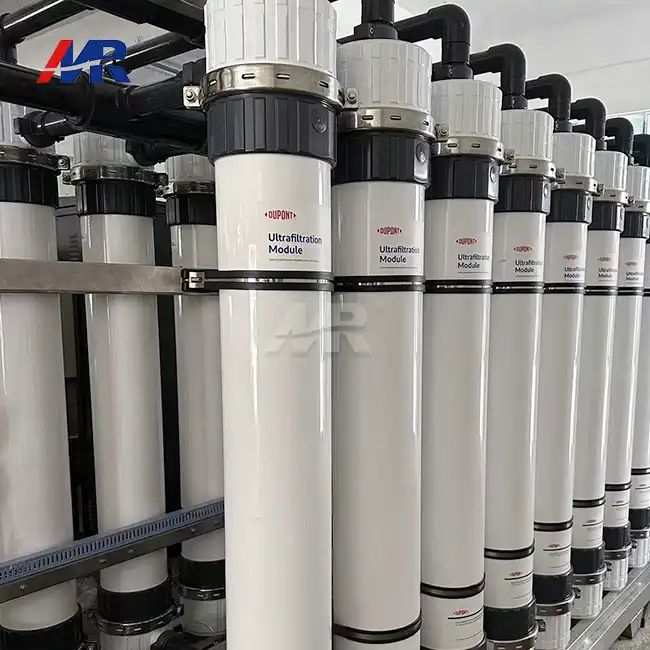 VIEW MORE100T/H ultrafiltration equipment
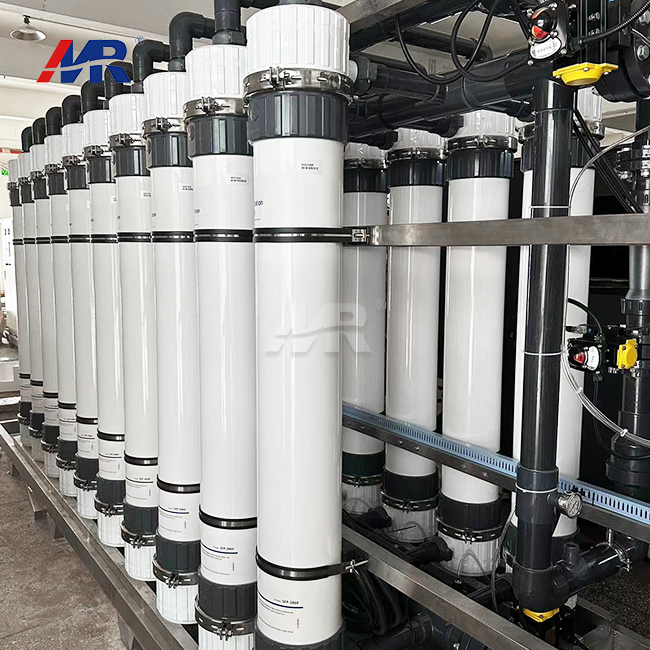 VIEW MOREwater ultrafiltration system
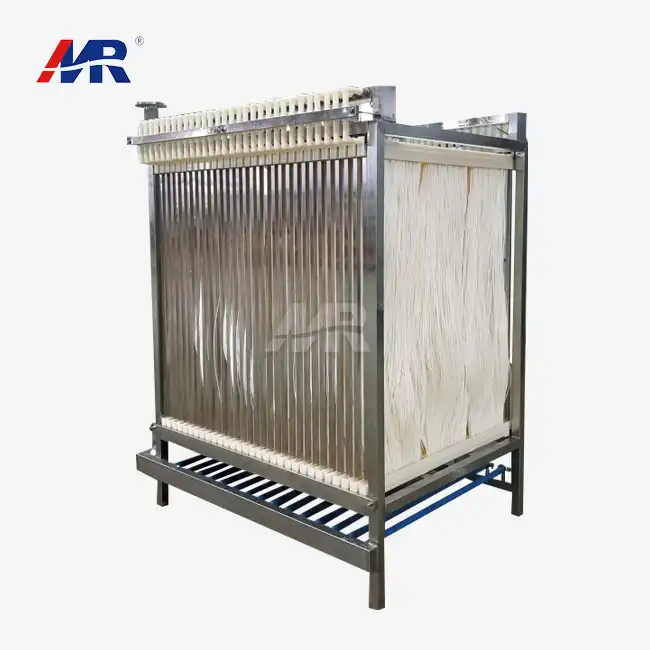 VIEW MOREmembrane mbr
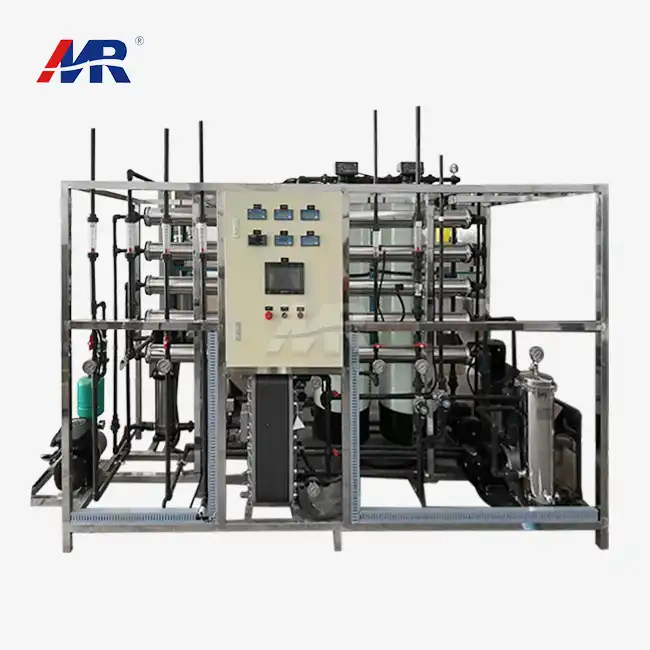 VIEW MOREedi water purification system
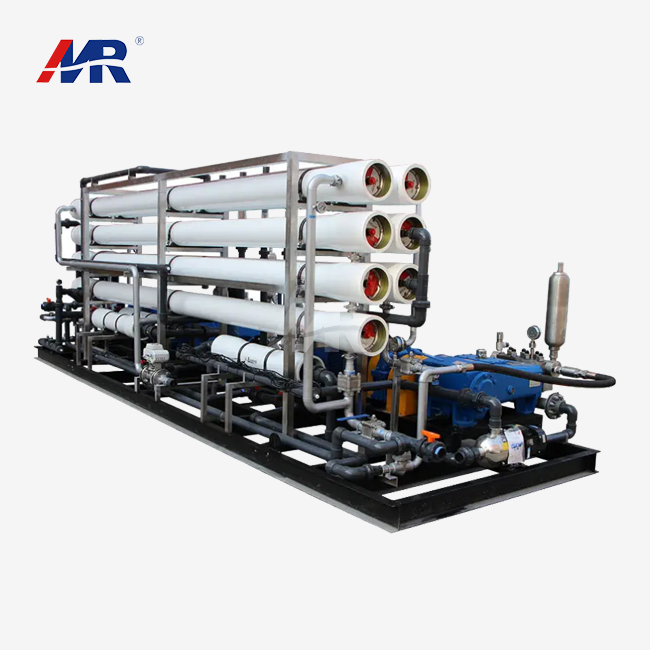 VIEW MOREseawater desalination machine
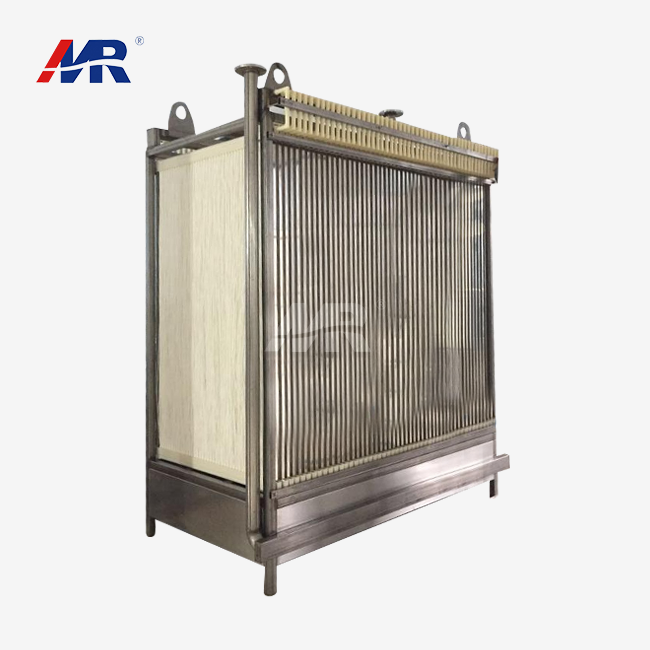 VIEW MOREmembrane bioreactor mbr
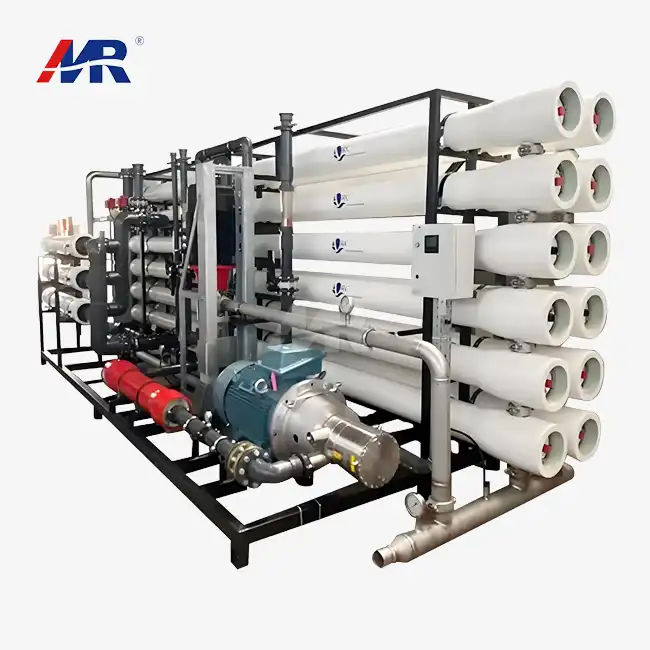 VIEW MORE45m3/hour seawater desalination system
 VIEW MOREreverse osmosis water purification plant
