

_1745823981883.webp)

Triple osmosis water filter vs Others: Which System Works Best?
When looking at water cleaning systems for businesses and factories, triple osmosis water filter technology stands out as a great option that builds on traditional reverse osmosis methods. Three sequential membrane stages in this advanced system remove contaminants very well, solving problems that single-stage or dual-stage systems can't fully fix. When it comes to businesses that need very clean water, like medicines, electronics manufacturing, food processing, and labs, a triple osmosis water filter is the best way to get rid of dissolved solids, heavy metals, PFAS chemicals, and microbiological contaminants. A triple osmosis water filter can get rid of 99.5% or more of impurities, while standard RO systems can only get rid of 95 to 98%. This makes it the best choice when water purity affects product quality, legal compliance, and operating integrity.
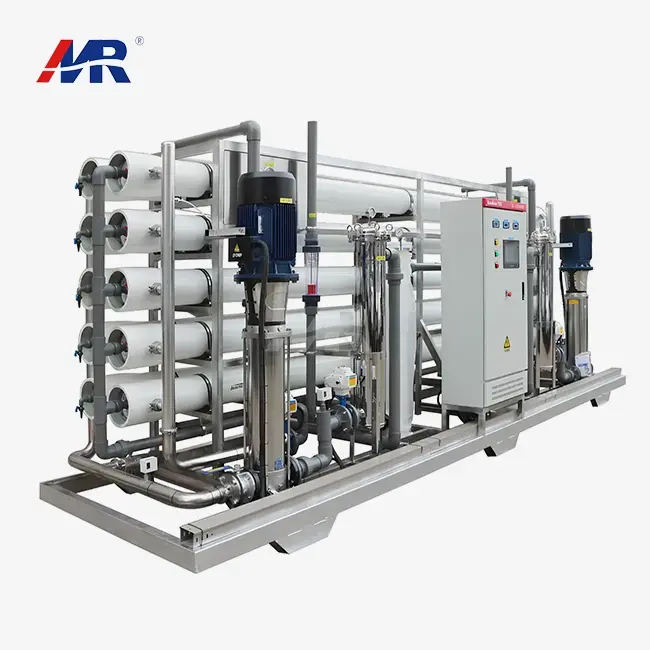
Understanding Triple Osmosis Water Filter Technology
Core Principles and Sequential Filtration Design
Triple osmosis water filter technology is an improvement on regular RO systems because it uses three different membrane steps in a row. Each stage of the membrane targets progressively smaller bits of contamination, making a cleansing effect that builds on itself. The first stage gets rid of the bigger dissolved solids and floating particles, which makes the next layers' jobs easier. The second step cleans the seep water even more by catching any contaminants that got through the first barrier. In the last step, the water is cleaned until it is as pure as water used in a lab. This gets rid of any leftover elements that could damage sensitive industrial processes.
This setup works with controlled pressure, which is usually between 150 and 400 psi based on the quality of the feed water and the output requirements. The pores in the semi-permeable membranes are about 0.0001 microns wide, which means they stop ions, molecules, and particles bigger than water molecules. The filtered impurities are carried away by the rejecting stream, which can be concentrate or brine. The permeate, on the other hand, moves through each stage.
Enhanced Contaminant Removal Capabilities
A triple osmosis water filter is useful because it can handle complicated levels of pollution that are hard for other systems to handle. Heavy metals like mercury, arsenic, lead, and arsenic are lowered to amounts that can't be found. This meets strict safety standards for medical and industrial water systems. Fluoride, nitrates, and sulfates are common toxins in groundwater that affect water sources for farming and industry. They are effectively removed without the need for extra cleaning steps.
New contaminants pose special problems for sites that treat water. PFAS molecules, which are often called "forever chemicals," stay in water systems and can't be broken down in the usual ways. Triple osmosis water filter systems are very good at getting rid of PFAS, which helps regulators ease their worries and protects public health. In the same way, the multi-stage membrane method picks up medicine residues, pesticide traces, and industrial chemical waste.
Operational Advantages and System Longevity
Triple osmosis water filter systems not only clean water better, but they also have practical benefits that lower costs and upkeep frequency over the system's lifetime. The sequential stage spreads the filter work across multiple membranes, which makes each membrane last longer by stopping it from fouling up too soon. Compared to single-stage systems that handle the same amount of contaminants, this design cuts down on the number of times the membrane needs to be replaced.
By optimizing staging, water recovery rates—the amount of feed water that is turned into useful permeate and waste—get better. Standard RO systems usually get back 50–75% of the feed water. Triple osmosis water filter systems, on the other hand, can get back 75–85% of the water by carefully controlling pressure differences and refilling. This efficiency directly leads to less water use and lower costs for getting rid of garbage, which is especially helpful for businesses in areas with limited water supply or high utility rates.
Triple Osmosis vs Other Water Filtration Systems: Technical Comparison
Performance Against Standard Reverse Osmosis
Standard RO systems are used as a standard to compare against because they have been used successfully in business and industry. These one-stage methods get rid of 95–98% of the liquid solids, bacteria, and many organic compounds. But they have trouble with some contaminants at very small amounts, especially when regulatory standards have been lowered below what is normally needed to identify them.
The triple osmosis water filter is better than regular RO in a number of important ways. Total dissolved solids (TDS) reduction hits 99.5%+ compared to 95–98% for single-stage systems. This is a big difference when making ultrapure water for making semiconductors or medicines. Multiple membrane layers make it easier for bacteria and viruses to get through, which makes the production of medical-grade water safer. The extra steps also protect against membrane degradation; if one membrane starts to work less well, the other stages will keep the total output quality high for longer before upkeep is needed.
Comparison with Ultrafiltration and Nanofiltration
Ultrafiltration (UF) systems use membranes with bigger holes (0.01-0.1 microns) that get rid of suspended solids, bacteria, and viruses while letting small molecules and dissolved salts pass through. UF works great for tasks that need to clarify and control microbes without losing a lot of minerals. Examples include pre-treatment for RO systems, public drinking water plants, and reusing wastewater.
In many settings, the triple osmosis water filter works with ultrafiltration instead of against it. UF is often used as a pre-treatment step to keep ro membranes from getting clogged by clearing particles and bacteria before they reach the membranes. The mixture makes the system work better overall and extends the life of the RO membrane. But a triple osmosis water filter is better than ultrafiltration for getting rid of ions from water that needs to be very pure, like in laboratory ultrapure water systems, boiler feed water for power plants, or electronics manufacturing.
Using pores of a medium size, nanofiltration removes divalent ions while letting monovalent ions pass. It acts as a bridge between UF and RO. This selectivity is good for some uses, like cleaning water and getting rid of colors in food processing, but it's not good enough for most high-purity industrial uses because it doesn't get rid of all contaminants.
UV Sterilization and Carbon Filtration Roles
UV sterilization systems kill microbes without using chemicals. They do this by shining ultraviolet light on water, which breaks bacteria's DNA and stops them from reproducing. UV is very good at killing pathogens without making disinfectant chemicals, which makes it useful for making drinking water safe and cooking food. But UV doesn't get rid of heavy metals, dissolved solids, or chemical pollutants, which makes it less useful as a stand-alone option.
Through absorption, activated carbon filters get rid of chlorine, organic molecules, taste, and smell. These systems keep RO membranes safe from the reactive damage that chlorine can do and get rid of organic molecules that make water look bad. Carbon filtering alone can't get rid of dissolved minerals or ions; it needs to be used with other technologies for full cleaning.
The best way to use these tools together is to plan how they will be used. A lot of industrial facilities use carbon pre-treatment to get rid of chlorine and organics, then a triple osmosis water filter to remove minerals and contaminants, and UV post-treatment to finish off the bacterial cleaning. This multi-barrier method makes sure that the water quality meets the strictest standards while keeping costs low by matching the right technologies.
Procurement Considerations for Triple Osmosis Water Filters
Investment Analysis and Total Cost of Ownership
To get a full picture of the finances, you need to look at the prices of major purchases, installation, and ongoing operations. Due to the extra membrane housings, pumps, and control systems, triple osmosis water filter systems cost more to buy at first than normal RO equipment. The price of equipment changes a lot depending on how much it can hold. For example, small lab systems that can handle 50 to 500 gallons per day cost between $3,000 and $15,000. Large industrial installations that can handle 10,000 gallons or more per day may cost between $75,000 and $500,000 or more, depending on the specs and amount of automation.
When making a budget, installation prices should be given a lot of thought. For system integration to work right, the right pre-treatment equipment, upgrades to the electrical infrastructure, changes to the plumbing, and installation of the control system are all needed. These costs usually add 30 to 50 percent to the cost of tools. This process goes more quickly and with less risk when you work with experienced companies that offer "turnkey" construction services.
Operating costs include replacing the membranes every three to five years, based on the quality of the feed water and how well the system is maintained, and the pre-filters every three to twelve months. They also include the power used for the pumps and controls, and the fees for getting rid of the wastewater. The most expensive part of upkeep is the membrane, which can cost anywhere from $500 to $5,000 or more per element. Triple osmosis water filter systems need more membranes, but they spread the work among them, which might make the number of replacements more even than with single-stage systems in the same conditions.
Evaluating Suppliers and Manufacturer Credentials
Choosing trusted equipment sources has a big effect on how well the system works and how happy you are with it in the long run. Established makers with large installation bases offer tested technology, full expert support, and replacement parts that are easy to find. Manufacturing Certifications (ISO 9001 quality management), product certifications (NSF/ANSI standards for drinking water components), and industry-specific approvals (FDA compliance for food and medicine uses) are some of the most important things that are looked at when judging a product.
Warranty coverage shows that the maker of the equipment trusts it to work well. Comprehensive contracts cover membranes that fail too soon, pumps that don't work right, and problems with the control system. Standard warranties on tools usually last for one to two years. Premium systems come with longer membrane guarantees that last for three to five years. Having clear warranty terms, like what normal wear and tear is and what defects are, as well as clear response times for repair calls and coverage of work costs, stops disagreements during the lifespan of the equipment.
Having access to technical help is important, especially for mission-critical uses where changes in water quality can stop production. Manufacturers that give help 24 hours a day, seven days a week, online diagnostics, and local service networks keep device downtime to a minimum. When facilities rely on providers without the right support infrastructure, they've seen long outages that cost a lot more in lost production than the initial equipment cost saves.
Real-World Applications and User Reviews of Triple Osmosis Systems
Pharmaceutical Manufacturing Case Study
A medium-sized drug company in New Jersey had trouble following the rules when it switched to making oral medicines that had to meet Water for Injection (WFI) standards. Their old two-stage RO system didn't always meet USP standards for endotoxin levels and total organic carbon (TOC), which led to batch rejects and resulted in regulatory audits.
The facility got constant WFI-quality water with endotoxin levels below 0.03 EU/mL and TOC levels below 50 ppb after installing a triple osmosis water filter system and following the right pre-treatment and storage procedures. The production boss said that the number of rejected batches dropped from about 8% to less than 1%, which directly increased profits. Under the old method, membranes had to be replaced every 18 months. With the new setup, they had to be replaced every 36 months or more, which made up for the higher starting equipment costs through lower maintenance.
Electronics Manufacturing Water Quality Improvements
For cleaning wafers, a California semiconductor factory needed ultrapure water (UPW) with a resistivity higher than 18 megohm-cm. Their old RO system, followed by electrodeionization (EDI), had trouble keeping the resistivity constant when the quality of the city's feed water changed. It would sometimes make water that could contaminate silicon chips during important production steps.
The plant added a triple osmosis water filter pre-treatment system that feeds their EDI cleaning stage. This change fixed the quality of the water coming into the EDI, which made it less busy and made the whole system more reliable. The person in charge of quality assurance said that after the change, out-of-spec water events dropped by 87%. This meant that fewer wafers were rejected, which saved money. Within 14 months, the investment in the method paid for itself through higher yields and less waste.
Food and Beverage Industry Implementation
A regional company that bottles drinks needed constant low-TDS water to keep the flavors of all of their Products the same. Well water quality changes with the seasons, which led to inconsistent tastes that hurt the brand's image and meant that recipes had to be changed often. Their single-stage RO system made water with 8 to 35 ppm TDS, based on the time of year and the state of the groundwater.
The operations manager set up a triple osmosis water filter system that always supplied water with less than 5 ppm TDS, even when the feed water changed. This stability got rid of the need to change the flavors, sped up production, and raised the quality scores in user tests. The plant also got more use out of less frequent cleaning of the bottling lines because the lower mineral content stopped scale from building up on the sides of the equipment. The plant manager figured out that the investment would pay off in three years by improving quality, cutting down on downtime, and using fewer cleaning chemicals.
Conclusion
When choosing between triple osmosis water filter technology and other cleaning systems, you have to think about your budget, your practical needs, and your goals for water quality. The triple osmosis water filter gets rid of more contaminants, is very reliable, and always works the same way. This makes it worth the money for businesses where clean water directly affects product quality and following the rules. This technology works especially well in making medicines, electronics, using it in the lab, and food handling tasks that need very exact water conditions. Other methods are useful for treating water in some situations, but a triple osmosis water filter is the only way to make sure that all of the contaminants are removed. Total cost analysis, supplier review, and long-term operational factors should all be part of procurement choices to make sure that the systems chosen give long-term value.
Frequently Asked Questions
1. Does triple osmosis effectively remove fluoride from water?
Triple osmosis water filter devices are very good at getting rid of fluoride; they usually get rejection rates of 95 to 99%. Each stage of the membrane helps with the general removal process. This is why multi-stage systems work so well for fluoride and other similar small ions. Based on this feature, a triple osmosis water filter can be used in places where fluoride-containing water is needed for specific industrial processes or where groundwater naturally contains too much fluoride.
2. What maintenance intervals apply to triple osmosis filter components?
Depending on the quality of the feed water, pre-filters usually need to be changed every three to six months. If you take care of your membrane elements, they should last between 3 and 5 years. However, if the feed water is very dirty, this time may be cut short. Biofouling can be avoided by cleaning the system regularly, every three to six months. Monitoring pressure differences and permeate quality lets you know early on when maintenance is needed, so you can plan service instead of fixing problems as they happen.
3. Does treated water meet safety standards for industrial and commercial applications?
When built and kept correctly, triple osmosis water filter systems always meet strict standards for water quality. Pharmaceutical-grade devices meet the standards for USP Purified Water or Water for Injection. Facilities that prepare food meet FDA standards. When triple osmosis water filter and cleaning technologies are used together, electronics makers can get ASTM Type I ultrapure water. Systems that are certified come with paperwork that proves they meet the standards that apply.
Partner with Morui for Advanced Water Treatment Solutions
Morui is an expert in designing water treatment systems that meet the strict needs of the electronics, pharmaceutical, food processing, and industrial production industries. Our triple osmosis water filter systems use tried-and-true membrane technology along with full pre-treatment and tracking systems to make sure the water quality stays at a level that meets your needs. We offer full turnkey services, from the initial water study to system design, equipment supply, installation, and commissioning. Our network of 14 branches, over 500 workers, and 20 dedicated engineers makes this possible.
As a known maker of triple osmosis water filter systems, we can control quality and offer reasonable prices because we have our own facility for making membranes and equipment. We also work with top component names like Shimge Water Pumps, Runxin Valves, and Createc Instruments, which lets us put together the best systems for your needs. To talk about your water cleaning needs, email our expert team at benson@guangdongmorui.com. We'll give you thorough system proposals with clear prices, and we'll be there for you during the whole process of buying, installing, and running the system.
References
1. American Water Works Association. (2022). Reverse Osmosis and Nanofiltration: Manual of Water Supply Practices M46. Denver: AWWA.
2. Crittenden, J.C., Trussell, R.R., Hand, D.W., Howe, K.J., & Tchobanoglous, G. (2021). MWH's Water Treatment: Principles and Design (4th ed.). Hoboken: John Wiley & Sons.
3. National Research Council. (2020). Desalination: A National Perspective. Washington, DC: The National Academies Press.
4. Pharmaceutical Engineering Journal. (2021). ISPE Baseline Guide Vol. 4: Water and Steam Systems (2nd ed.). Tampa: International Society for Pharmaceutical Engineering.
5. SEMI Standards. (2023). SEMI F63: Guide for Ultrapure Water Used in Semiconductor Processing. Milpitas: Semiconductor Equipment and Materials International.
6. World Health Organization. (2022). Guidelines for Drinking-Water Quality: Fourth Edition Incorporating the First and Second Addenda. Geneva: WHO Press.
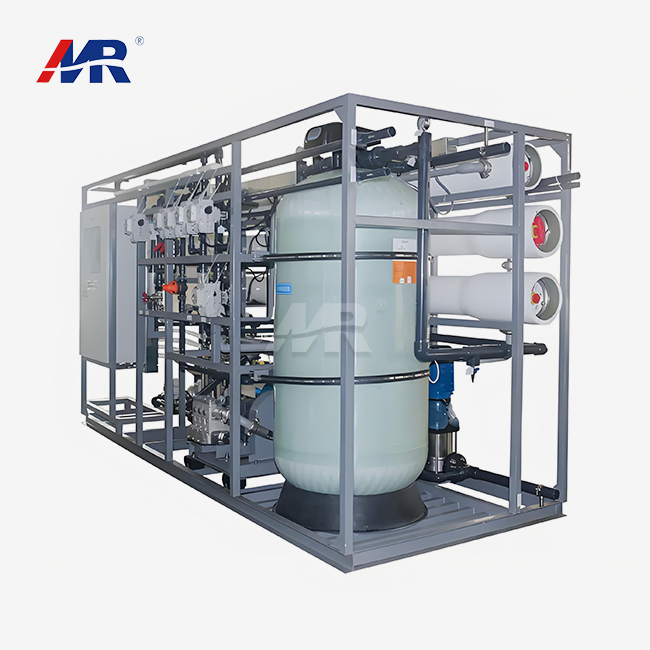 VIEW MOREswro desalination plant
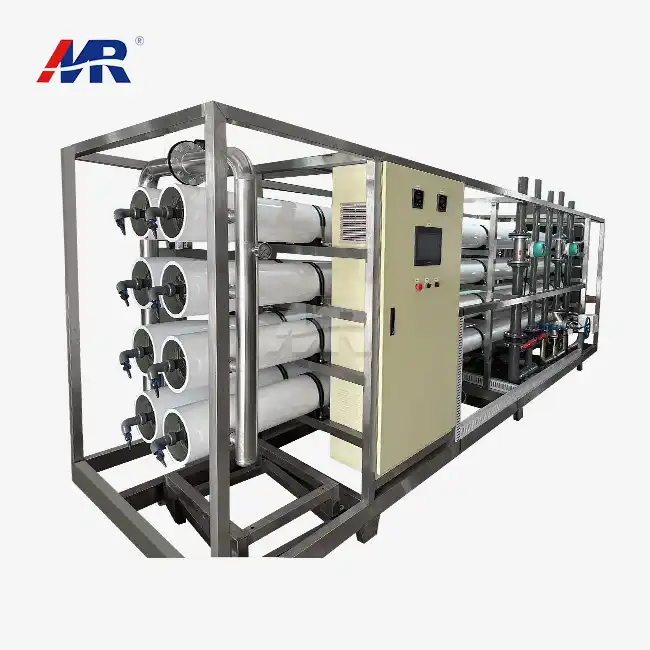 VIEW MORE8m3/hour two pass reverse osmosis system
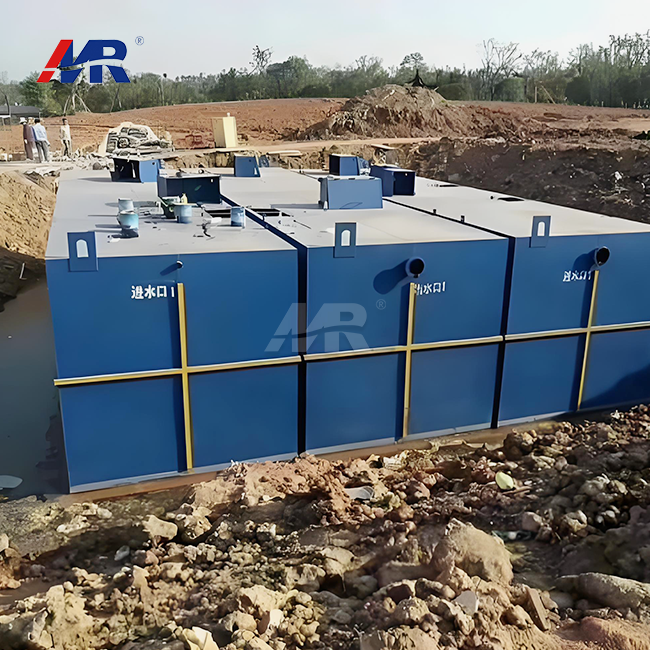 VIEW MOREwastewater treatment plant units
 VIEW MOREseawater treatment system
 VIEW MOREContainerized Mobile Water Treatment Systems
 VIEW MORE4040 reverse osmosis membrane
 VIEW MOREro edi water system
 VIEW MOREwastewater treatment plant
