

_1745823981883.webp)

GPD in RO Water Filter System: Meaning, Impact, and Choice
Understanding GPD—Gallons Per Day—is crucial when buying water filtration systems. A 100 gpd reverse osmosis system generates 100 gallons of filtered water daily, determining operational efficiency and cost-effectiveness. With this parameter, companies can match their water consumption demands with the right filtration equipment, avoiding capacity interruptions and costly overinvestment. Whether you run a pharmaceutical manufacturing line, food processing plant, or municipal water treatment plant, the right GPD rating impacts your system's capacity to fulfil daily needs and preserve water quality.
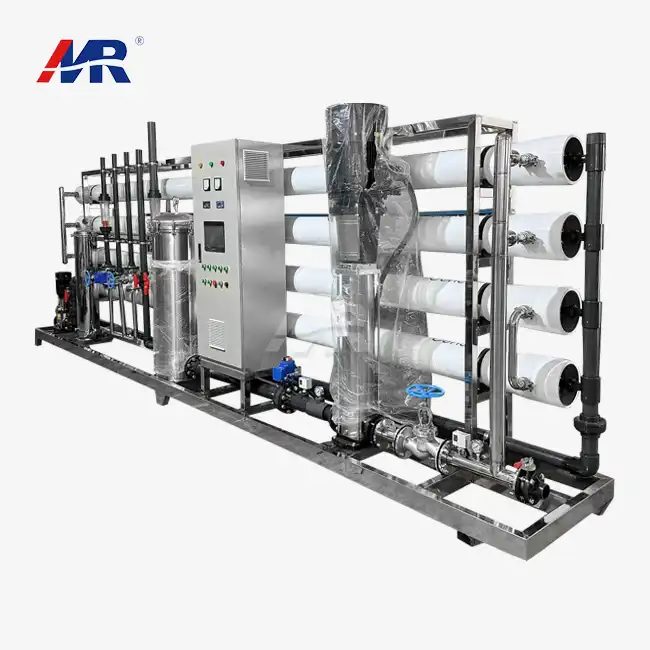
Understanding GPD in Reverse Osmosis Systems
What Does GPD Mean in RO Technology
A RO system may produce filtered water at 77°F and 60 psi, according to the GPD. The firm usually compares system capabilities from various brands and kinds using this assessment. A 100 gpd reverse osmosis system can process 4.2 gallons per hour under ideal circumstances. In practice, output depends on source water quality, temperature, and membrane condition. Knowing these elements helps purchasing teams establish realistic targets and prepare for capacity.
Core Components of a 100 GPD System
The reverse osmosis filter process has numerous interconnected phases. Pre-filtration sediment screens collect dirt, rust, and other particles larger than 5 microns that might harm downstream parts. Carbon filters remove chlorine, volatile organic compounds, and membrane-degrading pollutants. The system's heart is the semipermeable ro membrane with 0.0001-micron holes. High-pressure pumps pass water molecules over this barrier but not salts, heavy metals, or microorganisms. Under pressure, clean percolate collects in a holding tank while concentrated pollutants are flushed as brine trash. After filtering, activated carbon softens water to remove any remaining flavours before it passes through a valve.
These parts remove almost 95% of dissolved solids. USP-grade water systems may need further deionisation for pharmaceutical applications. Electronics manufacturers use electrodeionization devices to satisfy ultrapure conductivity requirements below 0.1 microsiemens.
Membrane Lifespan and Water Quality Factors
Membrane lifespan affects operating costs and system reliability. If utilised properly and maintained before use, quality RO membranes endure 24–36 months. But many factors accelerate deterioration. Calcium and magnesium-rich hard water slows flow and reduces performance, causing scaling. Fouling from iron and manganese blocks the membrane pores. Chlorine damages thin-film hybrid membranes, causing premature failure.
Regularly evaluating permeate conductivity, flow rates, and pressure differential may identify failing systems before they collapse. Many industrial settings include automated flush operations to prevent impurities and increase membrane life. In areas with poor source water chemistry, water softeners or anti-scalant pumps prevent mineral buildup.
Impact of GPD on RO System Performance and Efficiency
Comparing 50 GPD vs 100 GPD Operational Differences
There are larger capacity variations between 50 and 100 GPD systems than output. Smaller 50 GPD units are ideal for coffee shops, dental offices, and small laboratories with minimum daily demands. Booster pumps are seldom used since these systems operate well with municipal water. Holding tanks fill slowly due to decreased flow rates, which might block the supply during heavy demand.
However, 100 gpd reverse osmosis systems offer larger draw rates and quicker tank refills. Medium-sized companies, including restaurant kitchens, fishing facilities, and manufacturing lines that require continuous water, may use this amount. The larger membrane surface area can withstand more contaminants, and performance remains constant regardless of source water quality. Production rates fit enterprises with various shifts or changing use trends.
Energy usage rises with capacity, but not linearly. A 100 GPD reverse osmosis system doesn't usually need twice as much power as a 50 GPD one. Pump curve adjustments and membrane hydraulic improvements usually reduce the energy gap. Comparing energy costs per gallon is better than comparing electricity use.
System Efficiency and Energy Consumption Analysis
Modern RO systems recover 25%–50% of feed water as permeate. A 100 gpd reverse osmosis system with 33% efficiency uses 300 gallons of feed water and spits out 200 gallons as concentrate garbage. This wastewater ratio is crucial for areas with limited water or rubbish disposal.
The energy economy is mostly determined by feed pressure. Desalinating brackish water requires 150–250 psi, whereas saltwater requires 800–1000. Energy recovery systems circulate concentrate stream pressure to reduce pump loads by 30–40% in larger facilities. These solutions become cost-effective when they handle above 500 gallons of water daily.
Maintenance practices affect long-term performance. Clogged pre-filters make fans work harder, using more power and shortening membrane life. Hydraulic conditions are best maintained by changing grit and carbon filters every 6–12 months. Checking the filter housing pressure difference helps you know when they require servicing.
Choosing the Right RO System GPD for Your Business Needs
Assessing Your Water Consumption Patterns
Accurate demand estimates prevent minor installations from delaying production and large installations from losing money. First, calculate the typical daily water usage for drinking, cooling, cleaning, and process water demands. Watch peak demand to see whether storage can support output. A centre that utilises 80 gallons over 24 hours needs different equipment than one that uses it in 8 hours.
Seasonal fluctuations impact many companies. Agriculture requires extra water during growing seasons. Water exchange rates at aquaculture sites depend on animal density and water temperature. Planning for capacity adjustments ensures that systems can manage high demands without continual assistance.
Consider growth estimates while picking tools. The installation of a 100 gpd reverse osmosis system in a new firm that plans to grow by 50% in three years allows for growth without upgrading the system. Modular designs use parallel membrane vessels to expand the room and safeguard your investments.
Technical and Financial Decision Metrics
Besides raw GDP scores, additional criteria impact its performance in certain instances. How thoroughly pollutants are eliminated is shown by rejection rates. Pharmaceutical procedures need 99%+ rejection, whereas general industry may take 95–97%. Recovery ratios impact water waste and concentrate disposal costs. This is particularly significant for firms that pay municipal fees or operate in water-scarce locations.
Installation options are restricted by footprint when space is limited. Small 100 gpd reverse osmosis systems fit beneath desks or in equipment closets and take up 2–3 square feet. Larger setups with longer pre-treatment trains may necessitate equipment rooms.
In a financial analysis, you should include the total cost of ownership throughout the estimated system lifetime, which for commercial equipment is generally 7–10 years. Basic 100 gpd reverse osmosis systems cost $400 to $1,200, while industrial-grade systems with computerised tracking and controls cost $3,000 to $8,000. Annual filter and membrane replacements cost $150–$400. Depending on local electricity prices and daily water production, purifying salty water costs $0.02 to $0.05 per gallon.
Warranty coverage and repair accessibility impact risk. Missed output and the risk of product contamination make equipment breakdowns during critical production periods more expensive than repairs. Working with vendors that give timely professional advice, simple replacement components, and extensive service agreements reduces risk.
Point-of-Use vs Point-of-Entry Applications
The 100 gpd reverse osmosis system capacity sweet spot is ideal for point-of-use systems that filter only high-purity water. Installing equipment near lab chairs, drink machines, and medical dialysis stations reduces distribution pipe recontamination and simplifies installation.
For certain purposes, whole-house or facility-wide RO treatment works best. Saltwater damage to coastal houses requires extensive repairs to safeguard furniture and appliances. All semiconductor factory regions need ultrapure water. Since 100 gpd reverse osmosis system units can't handle flow rates and pressures for loads dispersed over numerous draw points, systems with capacities greater than 500 to 1,000 GPD are commonly required for these purposes.
Facilities with multiple demands utilise a bulk softener or sediment filter at the input point and RO systems at high-quality usage points. This strategy improves water quality and tool costs.
Market Overview: Leading 100 GPD RO Brands and Procurement Options
Established Manufacturers and Their Specialisations
Each of the leading 100 GPD manufacturers has its unique strengths. APEC Water Systems sells full pre-filtration packages and 5-year system part warranties to homes and light businesses. Their solutions employ extra-large carbon blocks to eliminate chlorine better and prolong the public water membrane life.
iSpring offers a competitive price and high performance. This attracts customers who want to save money and distributors who want to earn more. You may customise them by adding UV disinfection or remineralisation. Fast-flow innovations make Home Master stand out for tank filling times. These benefit firms with intermittent high demand.
Pentair and Watts Water Technologies provide durable construction that fulfils corporate building rules and NSF standards for healthcare and food service. These systems contain stainless steel housings, rust-resistant brass parts, and pressure gauges for repair diagnostics.
Certifications matter while assessing a vendor. Independent testing of NSF/ANSI Standard 58 certification verifies pollutant reduction claims. Medical systems must fulfil FDA device safety criteria. Food and drink manufacturers require germ-resistant equipment.
Pricing Structures and Bulk Ordering Benefits
Depending on features and quality, decent 100 gpd reverse osmosis system options cost $450 to $950 per unit. Distributors and contractors pay 30–40% less than retail, while purchases of 10 or more units may save 10–15%. Custom or private label OEM contracts need direct negotiations with the manufacturer. For committed annual quantities exceeding 100 units, this typically yields the best pricing.
With the equipment, you also need to include the $200 to $600 installation cost, depending on the location and labour rate. Complex systems that need electrical connections, drain line adjustments, or pressure booster pumps raise these figures. Many firms provide installation services or networks of skilled installers. This ensures proper setup and clarifies warranty responsibility.
The ease of getting after-sales support greatly affects long-term satisfaction. How easily fresh filters, membranes, and repair parts are available determines whether basic maintenance becomes a burden with extensive downtime. Suppliers that stock enough and provide timely shipment might prevent production delays. For teams new to water treatment, how fast Technical support responds—phone guidance, video troubleshooting, or on-site service—affects long-term company performance.
Morui's Position as Your Trusted Partner
When it comes to treating water, Guangdong Morui Environmental Technology has a wide range of skills. Our range of Products includes small point-of-use systems as well as large setups that handle thousands of gallons of water every day. We offer more than just tools. With more than 500 workers, including 20 expert engineers and 14 regional branches, we provide full turnkey solutions that include planning, installation, commissioning, and ongoing support.
Our vertical merger gives us clear benefits. Having our own membrane production plant gives us control over quality and cost savings that you can't get from resellers. Multiple equipment processing companies make it possible to customise to meet the needs of each application without having to rely on outside makers. Strategic relationships with top component makers like Shimge Water Pumps, Runxin Valves, and Createc Instruments make sure that legitimate parts and expert support are always available.
Our experience in a wide range of industries allows us to suggest the best options, whether you need a single 100 gpd reverse osmosis system for a lab study or dozens of units for distributed manufacturing. We know what it takes to follow the rules for pharmaceutical GMP compliance, food safety regulations, chip purity standards, and city treatment methods. This knowledge means that the right equipment is chosen, which prevents mistakes that cost a lot of money and poor performance.
Conclusion
Choosing the right GPD capacity has a direct effect on the success of operations in a wide range of water treatment tasks. As a middle-ground option, a 100 gpd reverse osmosis system is strong enough for industrial needs but small and affordable enough for smaller companies. Knowing the GPD specs, performance factors, and upkeep needs helps you make smart purchasing choices that balance quality, capacity, and cost-effectiveness.
When you're upgrading current purification infrastructure, choosing tools for new facilities, or looking for trusted supply partnerships, it's important to make sure that the system's capabilities are exactly what you need. The things we've talked about so far—from membrane technology and energy efficiency to best practices for installation and how to fix problems—will help make sure that projects go smoothly and provide years of reliable service.
FAQ
1. How Often Should I Replace Filters in a 100 GPD RO System?
Replacement times rely on the quality of the source water and how much it is used. Every 6 to 12 months, sediment and carbon pre-filters should be changed. The RO membrane lasts between 24 and 36 months if it is used correctly and properly treated before use. Post-filters need to be replaced every year. Filters should be serviced more often in places that process heavily dirty water or are running at full capacity every day. Monitoring differences in pressure and the quality of the product water gives more exact time cues than strict calendar plans.
2. Can a 100 GPD System Purify Well Water Effectively?
Yes, but the type of well water decides how much pre-treatment is needed. To keep the membrane from getting clogged, materials with a lot of iron or manganese need to go through oxidation filtration first. Upstream water softening helps water with a lot of hardness, which keeps it from growing. Bacterial pollution needs UV disinfection after treatment, since RO membranes may kill some germs but not all of them. Testing well water before choosing a method shows what changes need to be made to make sure it works reliably.
3. What Are the Daily Energy Costs for Operating This System?
During busy production, a normal 100 gpd reverse osmosis system with a booster pump uses about 35 to 50 watts, or 0.84 to 1.2 kWh per day if it runs all the time. At normal commercial energy rates in the US of about $0.11/kWh, this means that the costs of running the business are about $0.09 to $0.13 per day, or $33 to $48 per year. The real costs depend on the local energy rates, the amount of production, and the conditions of the feed water, which affect how long the pump runs. Systems that work with the normal air in the city and don't need extra pumps use very little energy.
Partner with Morui for Complete Water Treatment Solutions
We at Guangdong Morui Environmental Technology have built our name on providing dependable water cleaning systems for business, industry, and government use. Because we have a lot of experience in the pharmaceutical, food and beverage, technology, and other tough industries, we can be more than just a supplier of tools. We can be your strategic partner.
We have low prices on high-quality 100 gpd reverse osmosis system solutions, and we can get parts quickly through our national network and offer full expert support. Our in-house engineering team works with your technical staff to come up with the best combinations, whether you need units that work on their own or treatment trains that work with other units. Because we are both a maker and a provider, we can offer custom capacities, specialised pre-treatment, automatic tracking, and OEM branding choices that pure resellers can't.
Email our buying experts at benson@guangdongmorui.com to get personalised advice, full product details, and bulk prices on reverse osmosis systems that meet your exact needs.
References
1. American Water Works Association. (2021). Reverse Osmosis and Nanofiltration: Manual of Water Supply Practices M46 (3rd ed.). Denver: AWWA Press.
2. Greenlee, L.F., Lawler, D.F., Freeman, B.D., Marrot, B., & Moulin, P. (2019). Reverse osmosis desalination: Water sources, technology, and today's challenges. Water Research, 43(9), 2317-2348.
3. National Sanitation Foundation International. (2022). NSF/ANSI 58: Reverse Osmosis Drinking Water Treatment Systems - Certification Standards. Ann Arbour: NSF International.
4. Wilf, M. & Bartels, C. (2020). Optimisation of Seawater RO Systems Design. Desalination, 173(1), 1-12.
5. World Health Organisation. (2021). Desalination for Safe Water Supply: Guidance for the Health and Environmental Aspects Applicable to Desalination. Geneva: WHO Press.
6. Zhao, S., Zou, L., Tang, C.Y., & Mulcahy, D. (2022). Recent developments in forward osmosis: Opportunities and challenges. Journal of Membrane Science, 396, 1-21.
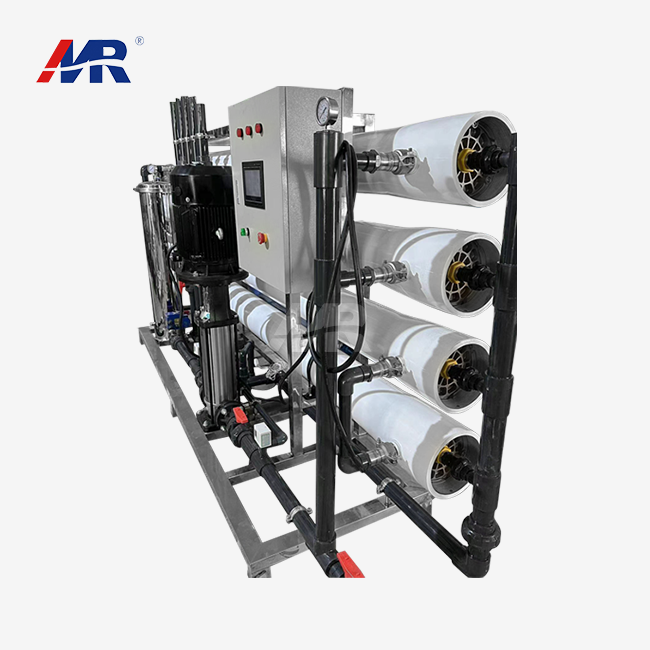 VIEW MOREunder counter reverse osmosis water system
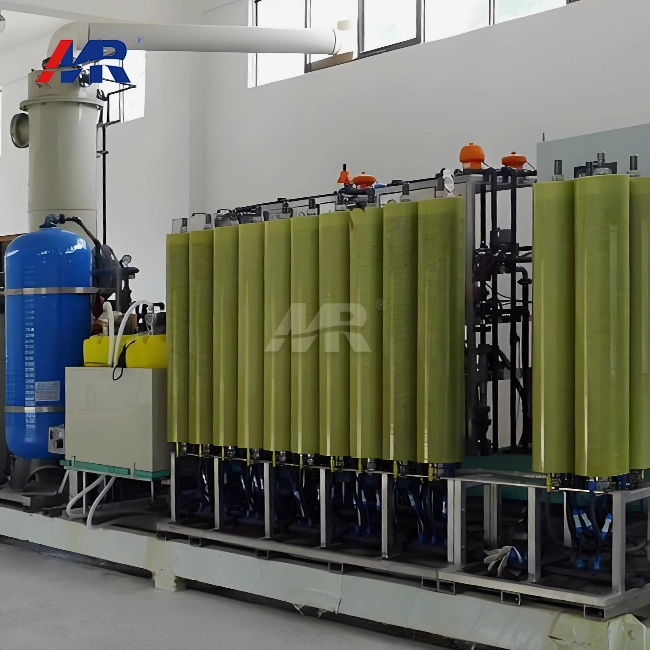 VIEW MOREDTRO membrane
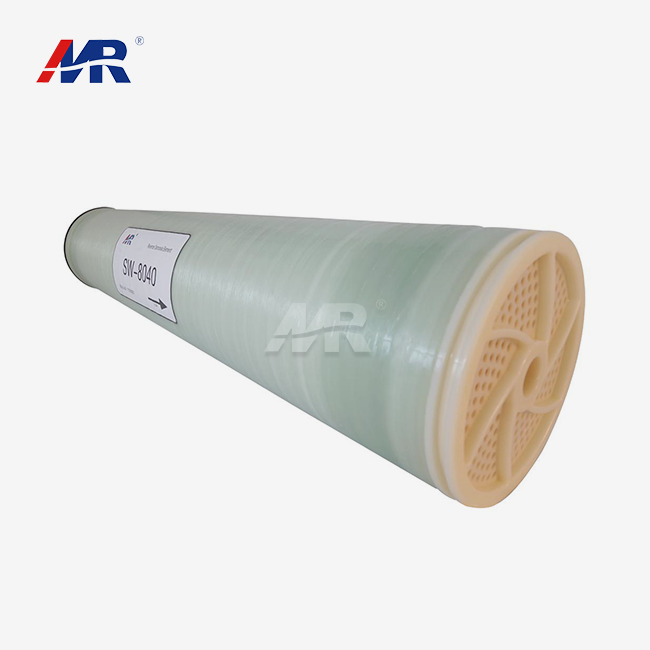 VIEW MOREreverse osmosis membranes
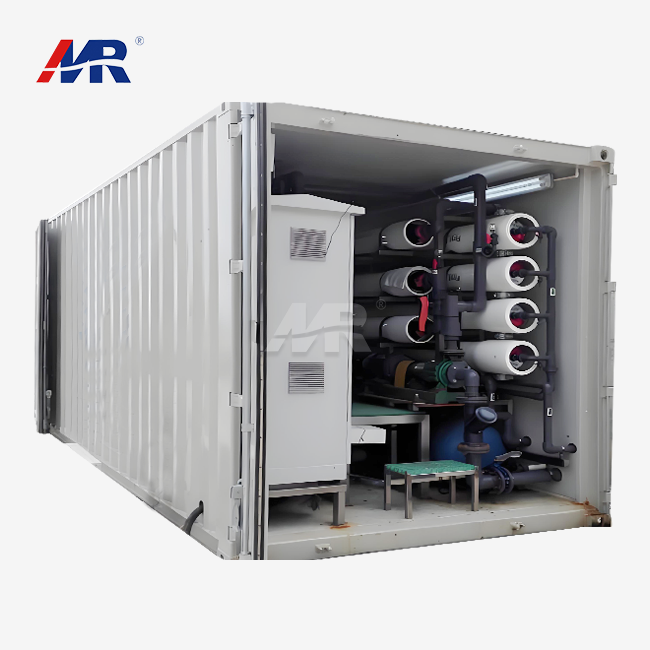 VIEW MOREcontainer seawater desalination equipment
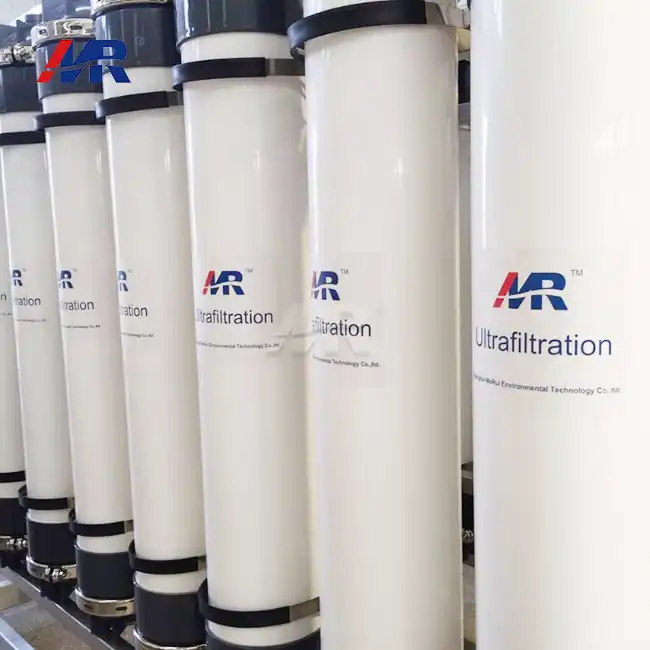 VIEW MORE90T/H ultrafiltration equipment
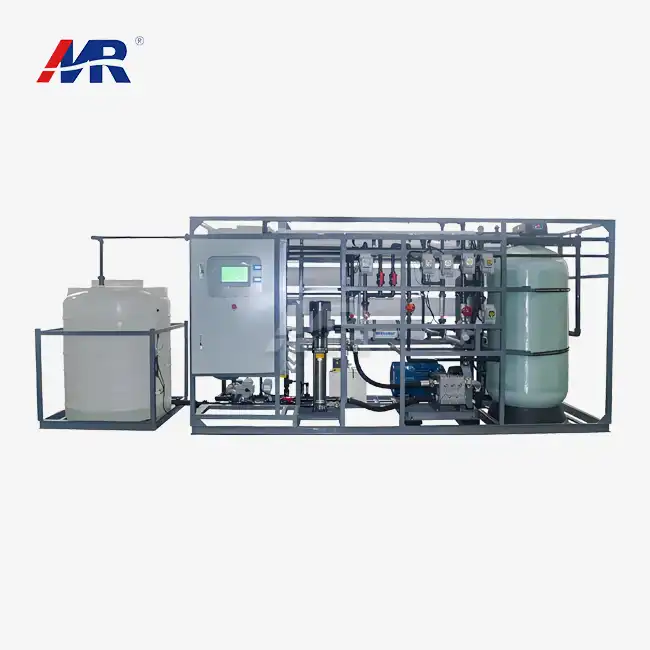 VIEW MORE5m3/hour seawater desalination equipment
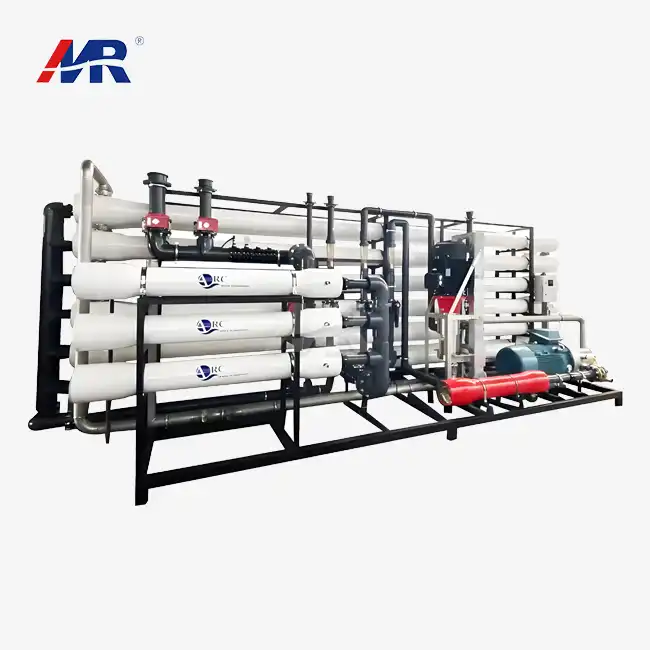 VIEW MORE25m3/hour seawater desalination plant
 VIEW MOREseawater desalination equipment
