

_1745823981883.webp)

Purified by Reverse Osmosis: Benefits for Health and Safety
Water purified by reverse osmosis is safe and healthy in commercial, industrial, and school environments. Up to 99% of heavy metals, pathogens, dissolved solids, and chemical pollutants are removed by RO. This leaves clean, government-compliant water. This effective water cleaning method helps healthcare, food processing, and pharmaceutical companies comply with the law and reduce water quality issues. Knowing these benefits helps people pick the finest water cleaning choices.
Understanding Reverse Osmosis Purification
How Reverse Osmosis Technology Works
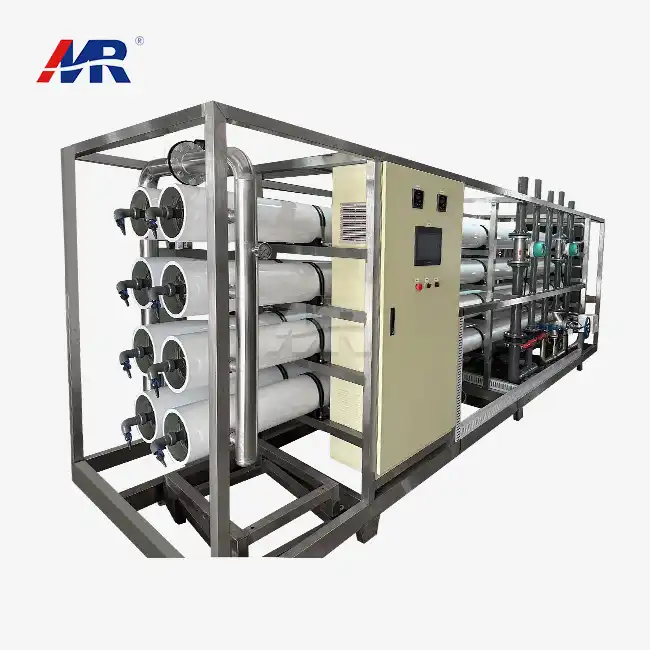
Purified by reverse osmosis works by forcing water across semipermeable membranes to separate unclean and clean molecules. ro membrane pores are 0.0001 microns wide, stopping ions, molecules, and particles larger than water. This layer removes dissolved salts, organic compounds, pathogens, and heavy metals while letting water through. Cleaning out dirt and chemicals usually comes first. These steps maintain and extend RO membrane life.
Multi-Stage Filtration Process
Full RO systems use many filtration stages to provide the clearest water. Sediment screens catch fluid bits, saving downstream parts. Carbon filters remove chlorine, volatile chemical compounds, and other water odor and taste contaminants. After that, the RO membrane removes most of the dissolved solids. After filtering, further carbon filters or UV cleaning can polish the product and ensure it fulfills application specifications. This layered approach cleans water better than a single-stage filter.
Health and Safety Benefits of Reverse Osmosis Purified Water
Removal of Harmful Contaminants
Purified by reverse osmosis technology, removes harmful contaminants from water. Heavy metals, including lead, arsenic, mercury, and cadmium, are removed or introduced in minuscule levels. These metals can cause cancer, nervous system damage, and growth issues. Nitrates from agricultural garbage are harmful to children; thus, they're absent. Fluoride levels are falling, calming individuals in high-fluoride areas. RO screens collect city-treated drug residues, pesticides, and industrial pollutants. This thorough cleaning protects individuals and ensures manufacturers obey safety requirements.
Pathogen Elimination and Microbiological Safety
When employed in food, medications, and hospitals, bugs, viruses, and bacteria are harmful. Water purified by reverse osmosis via RO screens prevents these bacteria since they don't fit. Bots and viruses are far larger than RO membrane pores. Bacteria are 2 microns, and viruses are 0.2. Cryptosporidium and Giardia are removed by water purified by reverse osmosis. These are water bugs that bleach can't kill. This microbe shield enhances chemical cleaning safety for water purified by reverse osmosis. Poisoning is less likely, which might interrupt production, trigger recalls, or endanger patients.
Comparing Reverse Osmosis Purified Water to Other Water Types
RO Water Versus Filtered and Bottled Water
Filtered water passes through carbon filters or sediment screens. These reduce chlorine and enhance flavor but don't affect dissolved solids. Filtered water usually has dissolved solids over 100 parts per million. purified by reverse osmosis water has fewer than 10 ppm. How nice the water is depends on its source and treatment. One brand may bottle RO-treated water, while another may bottle minimally treated spring water. RO systems installed on-site guarantee constant quality, eliminate packaging, and cost less than bottled water. When you consider how much water businesses use annually, this economic advantage is huge.
Alternative Purification Technologies
UV light decontamination destroys bacteria but not water-soluble minerals, chemicals, or pollutants. Some alkaline ionizers adjust pH and provide nutrients. Don't they clean anything? It tastes better and removes some organics, but heavy metals and dissolving salts remain. Distillation produces pure water but costs time and power. Reverse electrodialysis removes ions; it requires special water and attention. Procurement specialists should verify that the technology can manage impurities and water quality demands rather than trusting the company's marketing.
How to Choose and Procure Reverse Osmosis Purified Water Systems
Assessing System Capacity and Specifications
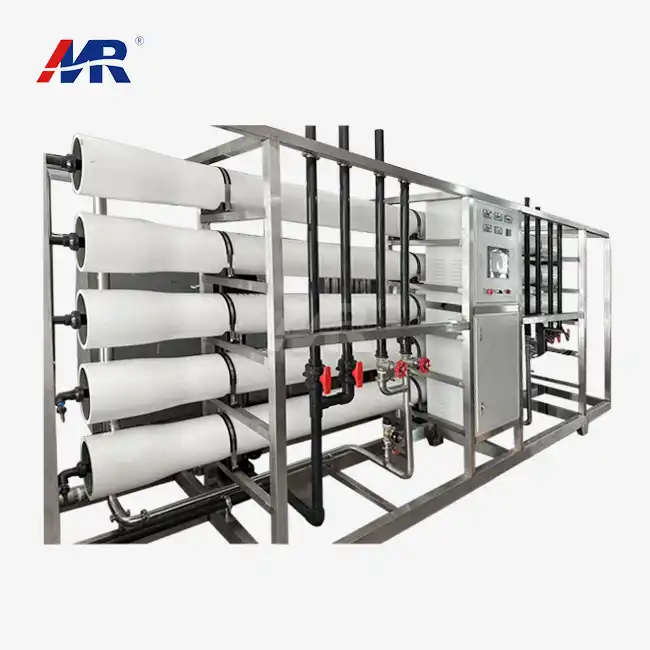
To pick the correct purified water equipment, determine how much water is needed. Track your daily space consumption, peak usage, and future space needs as your business expands. It states its water capacity in gallons per day or cubic meters per hour. Too small systems can't keep up with increased demand, while too huge systems squander money on capital and operational costs. Testing the feed water quality shows how many pollutants it has. This aids filter selection and pre-treatment selection. Water with high iron, manganese, or hardness may need further cleaning before entering the RO system. TDS, pH, temperature, and pressure affect system setup and part manufacturing.
Knowing these things helps decision-makers assess supplier offerings and avoid buying unsuitable instruments. The optimal approach balances cost, effectiveness, and ease of use. These are key features of a good business RO system:
- Multi-stage pre-treatment: Pre-treatment using activated carbon, sediment filters, and water softeners prevents expensive RO membranes from sticking and deteriorating. This prolongs use.
- High-rejection membranes: Business high-rejection membranes are thin-film hybrid membranes purified by reverse osmosis that block 98–99% of dissolved solids, maintaining output quality.
- Automated controls and monitoring: Real-time PLCs, conductivity meters, and pressure monitors ensure smooth operation and alert staff to issues.
- Stainless steel construction: Made of stainless steel: Rust- and corrosion-resistant materials maintain the system clean and durable in industrial situations.
- Recovery optimization: Systems clean 50–75% of feed water when working properly. This reduces waste and expenditures.
Certifications and Compliance Standards
Trustworthy testing groups have approved RO systems. NSF/ANSI Standard 58 confirms that residential and small business RO systems remove pollutants. NSF/ANSI Standard 61 ensures drinking water safety. Medical water systems are monitored by the FDA. CE implies the item is safe by European standards. The company's ISO 9001 license proves they have product quality systems. Ask for licensing confirmation before buying to ensure the equipment is legal and high-quality. Without the necessary licenses, a system might fail testing, lose its warranty, or require expensive repairs.
Practical Applications and Industry Use Cases
Manufacturing and Industrial Applications
purified by reverse osmosis systems provides ultrapure water for wafer cleaning in electronics. This prevents microscopic dirt from ruining chips. For boiler feed, power plants need mineral-free water. So blades don't rust or scale. Electroplating plants employ deionized RO water to maintain finish and top layer quality. Companies paint and rinse autos using clean water. All of them require constant quality, a steady supply, and evidence of purity. RO technology serves these demands more cheaply than buying clean water or resolving water quality issues from poor treatment.
Food, Beverage, and Pharmaceutical Production
Pharmaceutical firms manufacture injectable medications and clean using USP-compliant water. Only modern cleaning methods like RO can achieve this. Clean water is used to clean instruments, produce buffers, and grow cells in biotechnology. RO water is used as a neutral basis to ensure consistency in beverages. Dairy workers need clean water to clean tools and reassemble Products. These firms must obey tight government regulations. When the government checks, they require water quality reports. RO systems monitor and record activity to ensure safe and consistent products.
Emerging Trends and Future Innovations
Better protective materials make pollutant removal easier and less energy-intensive. New thin-film nanocomposite films survive longer if they prevent fouling and chemical degradation. Larger systems have mechanisms that relieve focus line pressure. Operating the system is cheaper. The Internet of Things (IoT) and smart monitors provide remote monitoring and maintenance scheduling, reducing unnecessary downtime. Environmental concerns spur water return rate and concentration control innovations. These changes cut lifetime costs, improve reliability, help companies meet environmental targets, and maintain excellent water quality, making them suitable for buying.
Conclusion
That stated, for many businesses, purified by reverse osmosis water is the cleanest, best, and most dependable. It removes toxins and pathogens and dissolves materials, making it vital in food, healthcare, pharmaceutical, and precision sectors. To choose the finest RO system, you must consider power, water type, regulations, and long-term performance. Working with experienced suppliers ensures the system is built, deployed, and administered effectively. It's worth buying decent RO equipment to meet the rules, address difficulties, and extend equipment life. It also provides you with peace of mind that the water quality is consistent and can support vital activities.
FAQ
1. Is water purified by reverse osmosis safe for long-term consumption?
Is it safe to consume water purified by reverse osmosis? RO water is always safe to reuse. Since most minerals originate from food, not water, removing them doesn't affect anyone. EPA, FDA, and others say RO water is safe and helpful.
2. How often do RO membranes require replacement?
How frequently should RO filters be changed? The membrane's lifespan depends on feed water quality, system setup, and maintenance. Frequently cleaned and prepared industrial screens should last two to five years. Conductivity readings indicate when parts need to be changed, maintaining system quality.
3. Can reverse osmosis remove bacteria and viruses effectively?
They say reverse osmosis kills bacteria and viruses. The size of RO membranes prevents bacteria, viruses, and others from passing through. Germs and viruses are too large for membrane pores. This procedure is safe without chemical disinfectants. This is useful in food and medicine factories.
Partner with Morui for Complete Reverse Osmosis Solutions
Guangdong Morui Environmental Technology offers business-friendly purified by reverse osmosis. We can assist with reverse osmosis planning, installation, and testing. We have our own membrane facility, over 20 experienced engineers, and clever partnerships with leading part manufacturers, including Shimge Water Pumps and Runxin Valves. Our industrial RO systems are utilized in North American pharmaceutical, food, electronics, and healthcare facilities. To receive aid promptly, they have easy-to-find parts. Our firm offers reverse osmosis equipment and employs over 500 people at 14 facilities. We realize your company needs clean water. Contact our technical team at benson@guangdongmorui.com to discuss your specific purified water requirements and receive a customized system proposal.
References
1. World Health Organization. "Guidelines for Drinking-Water Quality: Fourth Edition Incorporating the First Addendum." Geneva: WHO Press, 2017.
2. United States Environmental Protection Agency. "Reverse Osmosis Drinking Water Treatment Systems: Certification and Performance Verification." EPA Technical Report Series, 2019.
3. Greenlee, Lauren F., et al. "Reverse Osmosis Desalination: Water Sources, Technology, and Today's Challenges." Water Research, Volume 43, Issue 9, 2009.
4. American Water Works Association. "Reverse Osmosis and Nanofiltration: Manual of Water Supply Practices M46." Second Edition, Denver: AWWA, 2007.
5. Crittenden, John C., et al. "MWH's Water Treatment: Principles and Design." Third Edition, Hoboken: John Wiley & Sons, 2012.
6. National Sanitation Foundation International. "NSF/ANSI Standard 58: Reverse Osmosis Drinking Water Treatment Systems—Performance Requirements and Test Protocols." Ann Arbor: NSF International, 2020.
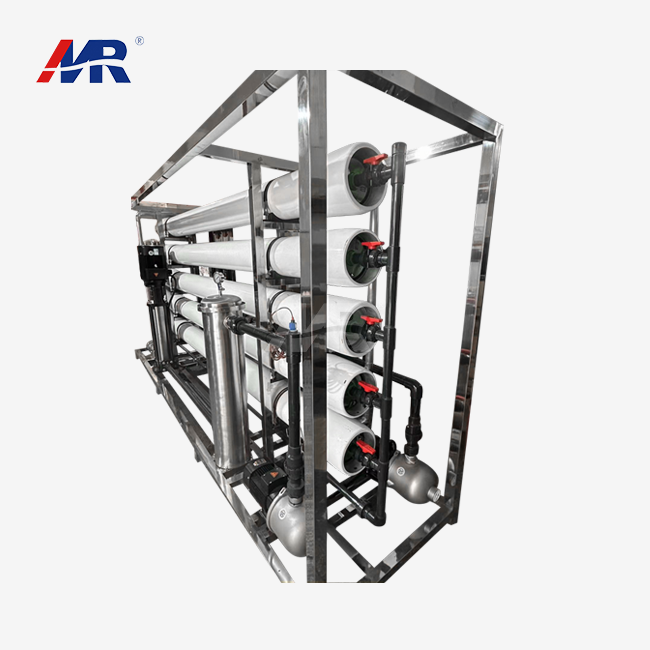 VIEW MOREreverse osmosis water treatment equipment
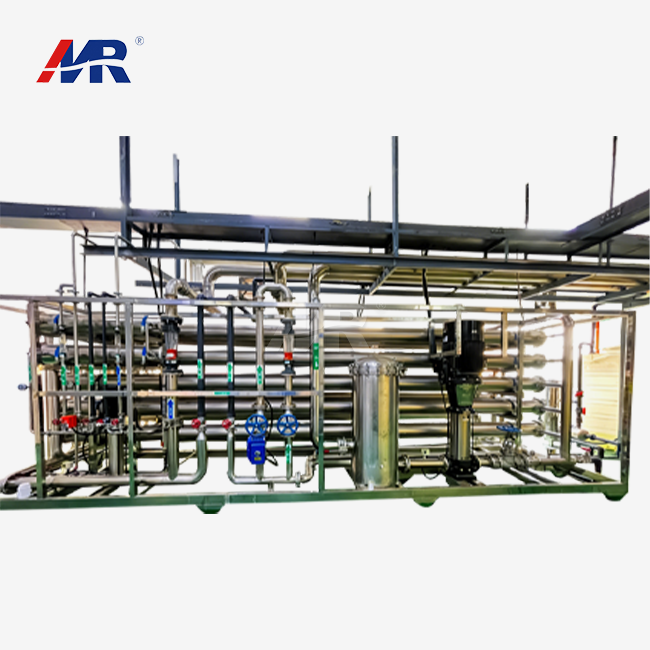 VIEW MOREnew ro system
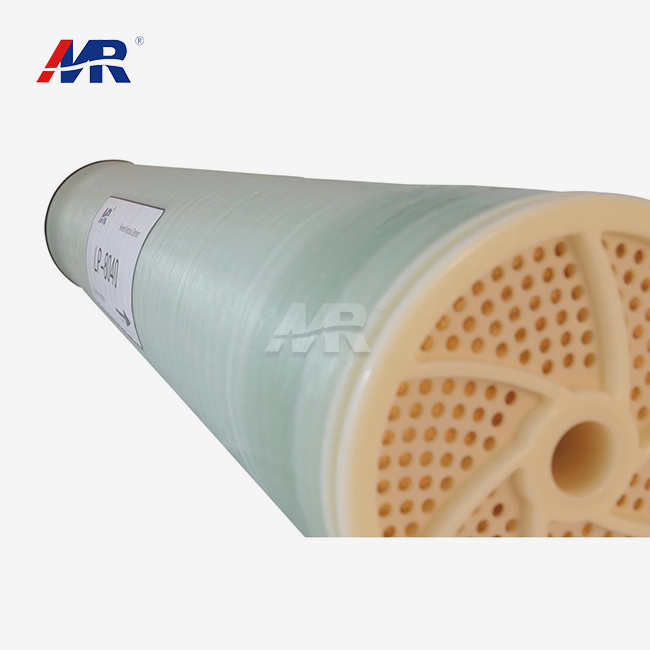 VIEW MOREmembrane used for reverse osmosis
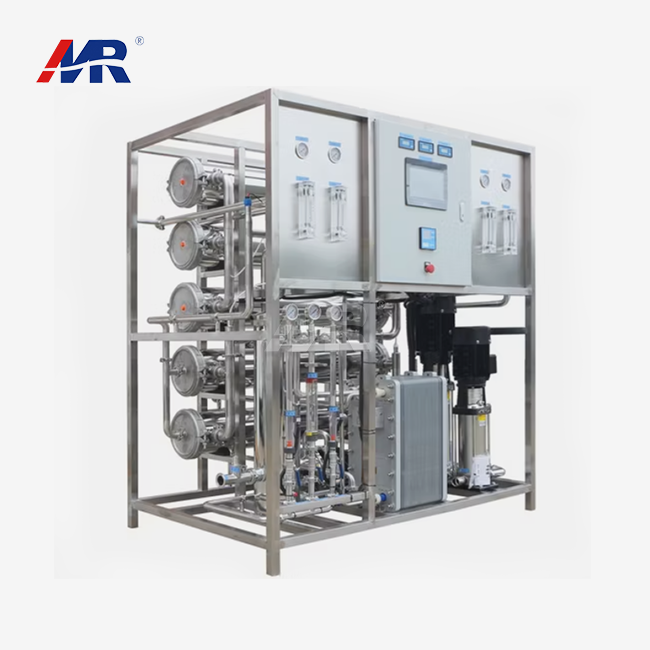 VIEW MOREro edi water system
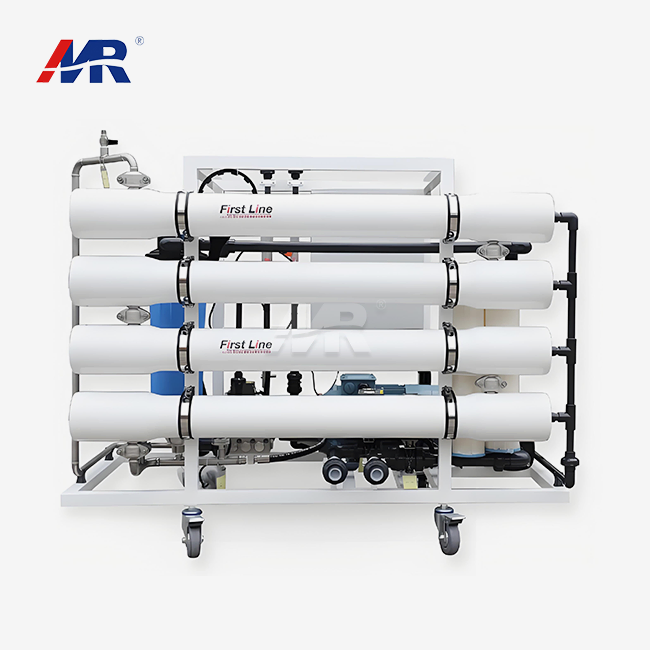 VIEW MOREseawater desalination system
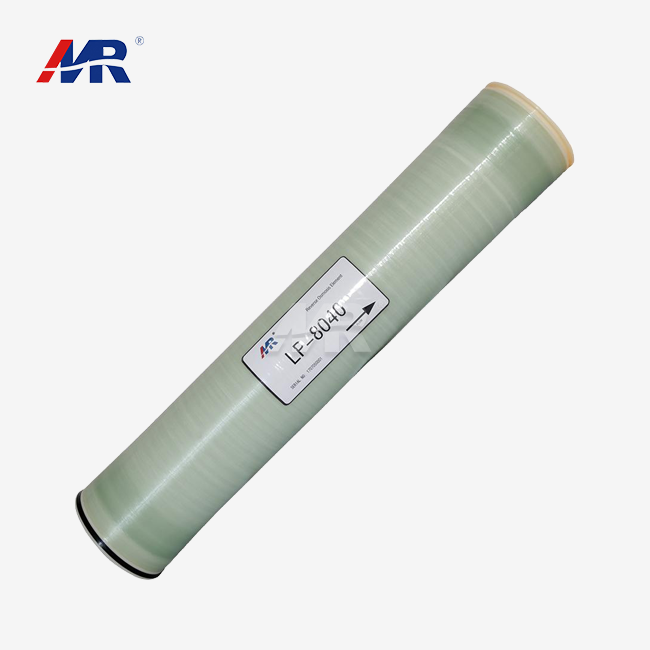 VIEW MOREreverse osmosis membrane
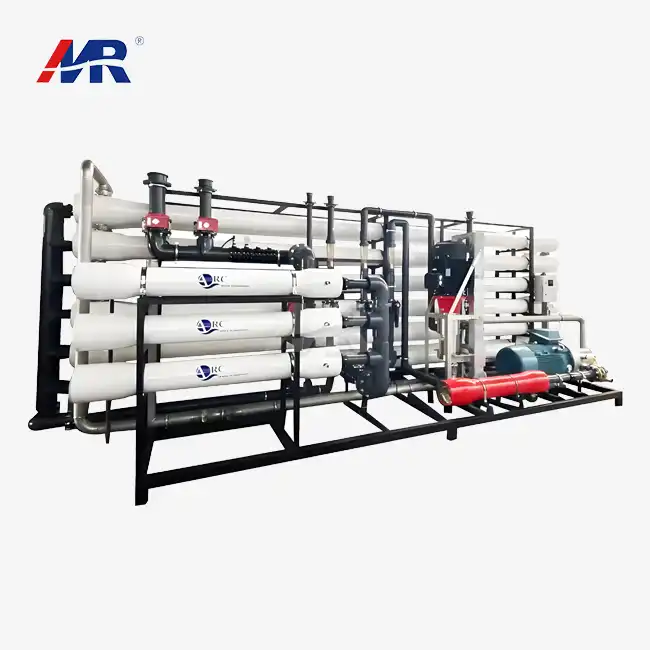 VIEW MORE25m3/hour seawater desalination plant
 VIEW MORE25m3/hour reverse osmosis equipment
