

_1745823981883.webp)

How to Maintain a Reverse Osmosis System With Remineralization
A reverse osmosis system with remineralization requires replacing filters and membranes, cleaning and sanitizing parts, tracking mineral cartridge performance, and changing mineral content based on water quality tests. These measures prevent membranes from getting filthy, keep water pure, increase system life, and provide the correct minerals for flavor and wellness in industrial and corporate environments.
Introduction
To meet the complicated demands of modern enterprises, water treatment technology has evolved. Companies that need clean, nutrient-rich water should invest in reverse osmosis systems with remineralization technology. These systems are increasingly used by manufacturing, medicine, and food processing industries to satisfy rigorous quality requirements and work smoothly.
Many buyers struggle to pick the correct equipment and maintain it over time. Well-kept systems protect your investment, ensure compliance, and prevent costly production breakdowns. This document informs purchase managers, technical decision-makers, and water treatment equipment management teams on these systems' maintenance needs. Understanding these fundamental care themes will help you make sensible purchases that will keep your facility running smoothly and last longer.
Understanding the Reverse Osmosis System with Remineralization
Core Components and Their Functions
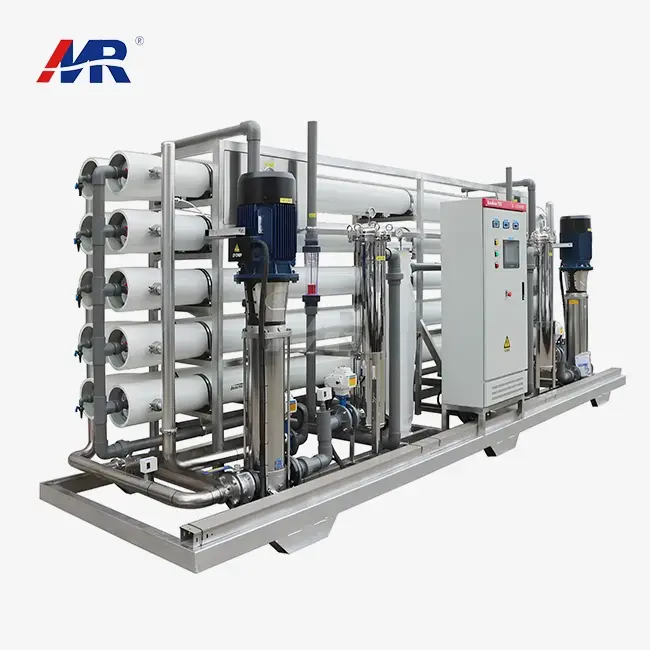
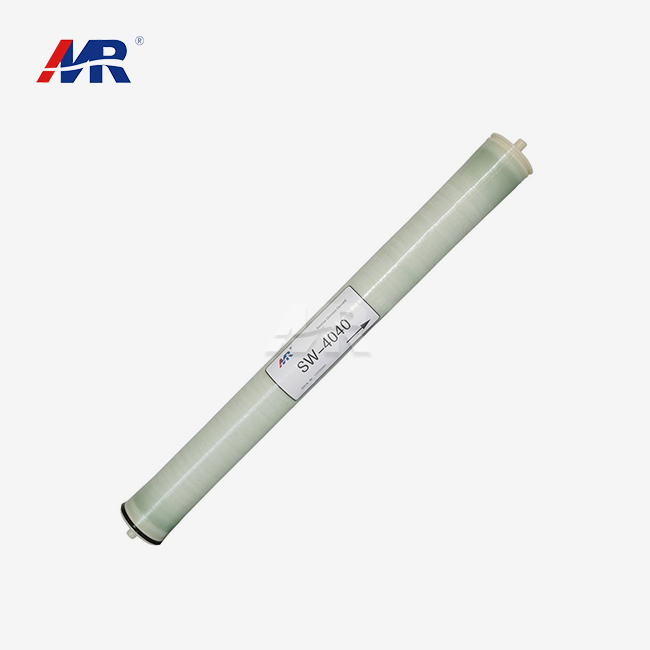
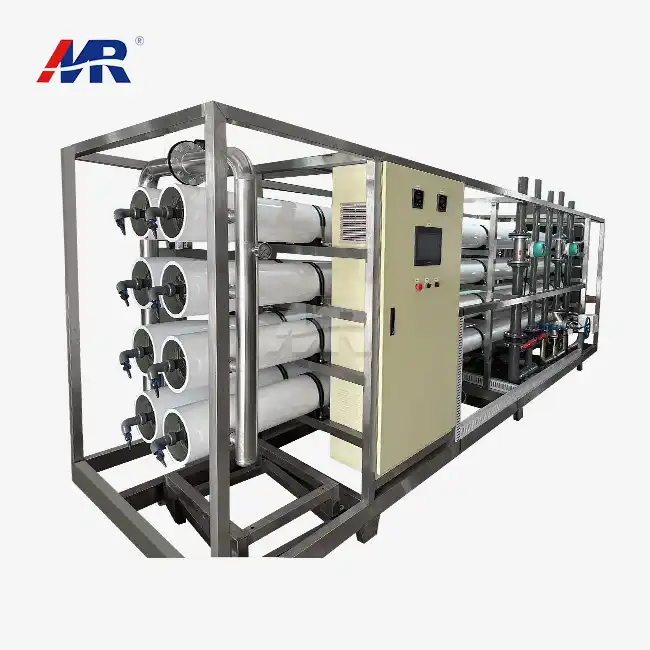
Multiple processes in a reverse osmosis system with remineralization produce clean, mineral-rich water. The ro membrane removes pollutants, suspended particles, and impurities by semi-permeable filtration. Remineralization restores water health using calcium, magnesium, and potassium. Regular RO water has a bland flavor and may lack minerals. This combination solves that. This makes it useful for beverages and medications.
Why Remineralization Matters in Industrial Applications
Standard reverse osmosis removes practically all dissolved chemicals, which might be problematic. Pharmaceutical facilities need minerals for formulation stability. To maintain product flavor, food and beverage facilities need balanced water chemistry. Remineralization restores these elements in the proper proportions, helping firms satisfy product safety and quality criteria. This procedure adds minerals using calcite filters or customized dosage mechanisms. You may customize mineral quantities in these systems.
Common Maintenance Challenges and Root Causes
Membrane Fouling and Performance Degradation
The most prevalent workplace RO system maintenance issue is membrane fouling. Suspended sediments, organic compounds, reverse osmosis systems with remineralization, and biological development delay water flow and reduce filtering efficiency on barrier surfaces. Without appropriate preparation, fouling frequently occurs too fast, especially in iron, manganese, or turbid source water. Fouling is more frequent in factories that utilize well or outside water than local water. Monitoring membrane pressure differential regularly alerts you to performance degradation before it worsens.
Scaling and Mineral Deposits
RO scaling occurs when mineral levels are too high. Membranes typically accumulate heavy layers of calcium carbonate, calcium sulfate, and silica, impeding water movement. Hard water treatment and high rubbish recovery rates worsen this issue. Anti-scalant chemicals prevent precipitation; they must be calibrated after studying the feed water. Sites without frequent water chemistry assessments have scaling issues that limit membrane life by 40–60%, increasing replacement costs.
Practical Steps to Maintain Your Reverse Osmosis System with Remineralization
Establishing a Preventive Maintenance Schedule
Making an orderly maintenance calendar is the first step to system functionality. When to change filters depends on source water quality, production, and manufacturer directions. City water treatment plants must upgrade their sediment and carbon pre-filters every three months, whereas well water facilities may need to do so monthly. RO membranes typically last two to five years under optimal conditions. Cleaning them frequently extends their lifespan. Remineralization cartridges must be replaced based on output volume, not time; schedules must employ flow meter data.
Visual leak checks, pressure gauge readings, and water quality testing at numerous sample locations should be routine inspections. These tasks assist support personnel in spotting issues before they break the system. Keeping records of maintenance operations, test results, and part replacements helps with scheduling and supports preventative measures. We recommend computerized repair records that track performance trends and deliver rapid service notifications depending on operational parameters.
Membrane Cleaning and Sanitization Procedures
Cleaning membranes properly removes pollutants without damaging filter surfaces. Chemical cleaning depends on the kind. Alkaline cleansers remove organic buildup and living organisms, whereas acidic cleaners remove mineral scale. Cleaning the membrane every three months and acting immediately if the differential pressure climbs 15% over normal levels is best for most industrial settings. To avoid irreparable membrane damage, observe the manufacturer's cleaning solution concentration, contact duration, and temperature guidelines.
Microbes accelerate biofouling reverse osmosis systems with remineralization and degrade water quality. Sanitization prevents this. Food-safe hydrogen peroxide or chlorine-based sanitizers eliminate bacteria and algae when used properly. Food and pharmaceuticals production systems need more cleaning than industrial cooling or watering systems. Rinsing correctly after sanitization prevents chemical contamination of industrial streams. This protects tools and final items from contamination.
Monitoring and Adjusting Mineral Content
Remineralization systems must be regularly monitored and improved for consistent water chemistry. Conductivity meters, pH probes, and hardness test kits can readily identify minerals, but lab analysis provides more thorough information for crucial needs. Baseline values specified at system commissioning can influence operating adjustments. Changing the filter or flow rate generally restores chemistry when mineral levels are excessively high or low.
Automatic tracking systems with sensors monitor critical elements 24/7 in modern facilities. These configurations can link to building management systems and alarm when measurements exceed limitations. These abilities are especially essential for the medication and gadget industries, since water quality directly influences product performance and output. Tracking technology usually pays for itself since testing is faster, issues are detected faster, and quality failures are less likely.
Selecting Reliable Reverse Osmosis Systems with Remineralization for Your Business
Critical Evaluation Criteria for Procurement
Current production demands and planned expansion must meet system capacity. Thus, too-small installations will always run at full capacity, while too-large ones will cycle inefficiently. Energy consumption directly affects operational expenses; efficiency is as crucial as pricing when buying something. In brackish water, energy return devices save 30–50% of electricity, saving money during their lifespan. NSF International, the Water Quality Association, and FDA compliance for pharmaceutical purposes certify that the substance is safe and effective.
Evaluating Warranty Coverage and Support Infrastructure
Comprehensive warranties cover early component failures and manufacturing faults, although provider details differ. Membrane warranties are normally three to five years, although other parts may only be one year. Make it obvious when guarantees are invalid, especially regarding chemicals, working conditions, and upkeep records. Critical support infrastructure includes vendors with fast professional assistance, readily available replacement parts, and area service networks that keep things functioning smoothly when issues arise.
Enhancing System Performance and Longevity Through Smart Usage
Optimizing Operating Conditions
Working conditions should be steady to prolong the part life and maintain the product reverse osmosis systems with remineralization quality. The membrane's performance and rejections depend on feed water temperature. The ideal water temperature for most systems is 77°F. Higher temperatures damage membranes faster, whereas cooler water slows filtrate flow. Pressure control is crucial. Too much pressure damages membranes and seals, while too little reduces productivity. Feed pumps with variable frequency motors can accurately adjust pressure and respond to changing conditions. This safeguards equipment and system efficiency.
Membranes' lifespan and maintenance depend on pretreatment quality. Activated carbon reduces chlorine, which chemically breaks down polyamide membranes, and sediment filtering removes particles that degrade membrane surfaces. Water softening prevents hardness in groundwater processing plants, extending membrane life. Strong pretreatment systems pay off many times over since membranes are replaced less often and maintenance is less intense.
Implementing Advanced Monitoring Technologies
Today's monitoring technology allows predictive maintenance instead of reactive repair. Regular monitoring of conductivity, pressure differential, and flow rates reveals modest performance changes that indicate issues before they influence output. Data logging documents the history to detect problems and ensure the maintenance program works. Some advanced systems utilize machine learning to figure out how things should operate and alert you to suspicious circumstances that need additional research.
Linking water treatment equipment to facility management systems lets it be monitored together with other vital services. Operations teams can understand how water quality, energy utilization, and production efficiency are linked with this whole picture perspective. Mobile access to monitoring data allows users to respond outside of office hours and reduces on-site staff checks. These technological abilities are helpful for multi-location operations that require centralized engineering teams to serve geographically dispersed facilities.
Conclusion
To safeguard your water treatment investment and ensure uniform quality for output excellence, reverse osmosis systems with remineralization must be maintained. From pharmaceutical-grade purification facilities to food processing facilities, preventative maintenance programs and enhanced tracking may be employed in many industries. Regularly cleaning the membrane, inspecting the remineralization filter, and monitoring water chemistry prevent costly downtime and quality issues that shut down operations. Combining in-house repair with professional service assistance will make your facility more dependable and efficient, helping you satisfy standards and compete.
FAQ
1. How often should filters and remineralization cartridges be replaced in industrial systems?
Replacement times depend on source water quality and production. Most sediment pre-filters need to be updated every three months, whereas carbon filters last six. Take care of your RO membranes, and they should last two to five years. Flow volume, not time, determines remineralization cartridge replacement. This normally occurs after processing 50,000 to 100,000 liters, depending on mineral content and cartridge size. Regular water tests indicate when a cartridge is empty and has to be changed before product quality degrades.
2. Can remineralization levels be customized for different water requirements?
Remineralization devices modify mineral content in several ways. The dosage pump settings, calcite filter bed depth, and mineral media flow rate determine mineral quantities. Facilities can utilize water with a higher mineral concentration for drinking and a lower mineral content for industrial activities. Working with water treatment professionals to determine goal criteria based on application demands and testing your system regularly will ensure the proper mineral balance.
3. What certifications should be verified when selecting RO systems?
Drinking water treatment systems certified to NSF/ANSI Standard 58 are safe and efficient. NSF/ANSI Standard 61 evaluates materials and parts for health effects. Pharmaceutical firms need USP or European Pharmacopoeia-compliant equipment to filter water. Food manufacturers benefit from food-safe systems. Depending on your application, you may require FDA compliance papers or local health agency clearances. Always ensure Certifications cover your specific usage, not simply product groupings.
Partner With Morui for Advanced Water Treatment Solutions
Guangdong Morui Environmental Technology offers comprehensive reverse osmosis systems with remineralization for severe industrial purposes to help you with your water treatment infrastructure. Our engineering staff has 20 years of experience in medicine, food processing, electronics, and city water treatment. From water analysis and system design to installation, testing, and Technical support, we provide comprehensive solutions. Our 14 regional divisions employ over 500 dedicated experts, including 20 senior engineers.
We maintain our membrane production facilities to ensure quality and supply chain reliability for your business. Multiple equipment processing firms provide capacity, space, and water chemistry modifications. In addition to our own technology, we sell Shimge Water Pumps, Runxin Valves, and Createc Instruments. This offers you access to top-quality parts that improve system reliability and efficiency. Whether you're planning a new installation or optimizing your existing infrastructure, Our Team can provide fast, efficient, and cost-effective solutions. Contact benson@guangdongmorui.com to schedule a consultation to discuss your water treatment issues and demonstrate how our systems can provide purity, mineral balance, and operating dependability.
References
1. American Water Works Association. (2021). "Reverse Osmosis and Nanofiltration: Manual of Water Supply Practices M46." AWWA Press, Denver.
2. Bergman, R.A. (2020). "Membrane Softening: A Treatment Process Comes of Age." Water Quality Products Magazine, Technical Publications Division.
3. Greenlee, L.F., Lawler, D.F., Freeman, B.D., Marrot, B., and Moulin, P. (2019). "Reverse Osmosis Desalination: Water Sources, Technology, and Today's Challenges." Water Research Journal, Vol. 43, Issue 9.
4. National Sanitation Foundation International. (2022). "NSF/ANSI Standard 58: Reverse Osmosis Drinking Water Treatment Systems - Certification Requirements." NSF International, Ann Arbor.
5. Pharmaceutical Engineering Journal. (2023). "Purified Water Systems: Design, Validation and Maintenance Best Practices for Pharmaceutical Manufacturing." International Society for Pharmaceutical Engineering (ISPE).
6. Wilf, M. and Bartels, C. (2021). "Optimization of Seawater RO Systems Design." Desalination Journal, Technical Papers Series, Vol. 173.
 VIEW MORELandfill Leachate Treatment System
 VIEW MOREseawater desalination system
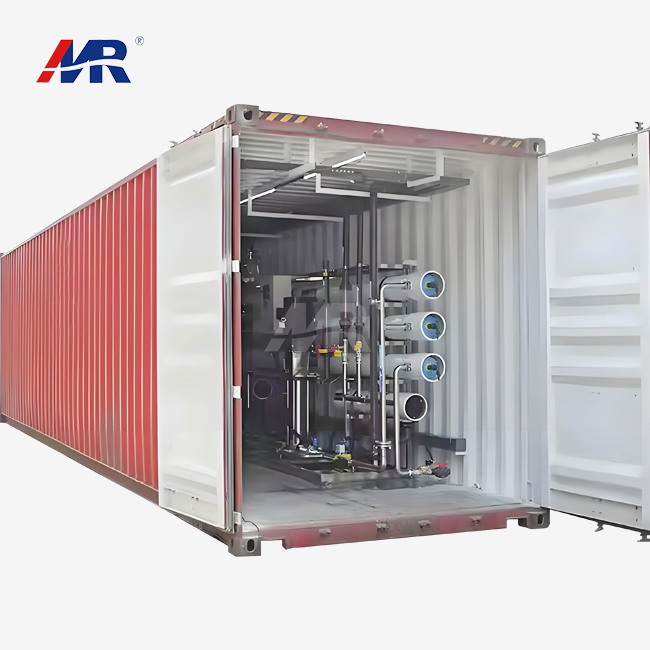 VIEW MOREContainerized Reverse Osmosis Systems
 VIEW MOREswro membrane
 VIEW MORE70m3/hour ultrafiltration plant
 VIEW MOREedi purified water system
 VIEW MOREdomestic wastewater treatment plant
 VIEW MORE8m3/hour two pass reverse osmosis system
