

_1745823981883.webp)

Turnkey Leachate Treatment Plant Services: Streamlining Your Industrial Wastewater Solutions
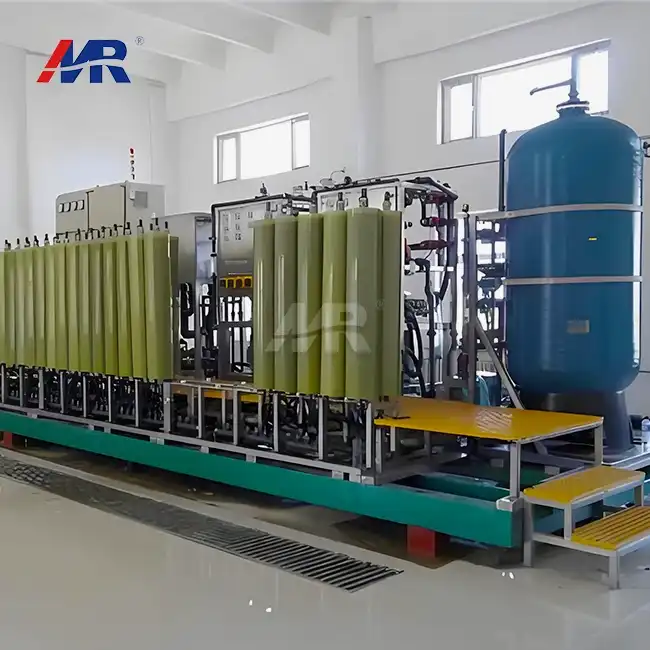
Fully integrated "turnkey leachate treatment plant services" handle polluted wastewater from industry and landfills. A leachate plant must plan, develop, start up, and maintain operations to treat toxic liquid waste. These services simplify provider management and ensure compliance. They decrease downtime and report performance often. Industrial personnel may immediately employ DTRO systems, biological treatment procedures, and sophisticated filters. All of these methods are tailored to wastewater demands and release guidelines.
Introduction
Leachate causes environmental and legal issues in energy, petroleum, manufacturing, and waste management facilities. This unclean liquid contains heavy metals, ammonia, dissolved organic molecules, and long-lasting contaminants. These contaminants endanger groundwater and communities. North America has severe laws. State and EPA authorities monitor them. An institution that breaks the guidelines might be punished heavily and damaged in reputation.
Standard techniques that require separate firms for planning, procuring, setting up, and maintaining equipment produce coordination issues that delay and cost more projects. Turnkey wastewater treatment plant services offer complete solutions from a single source. A united approach ensures project success, consistent care, and decreased operational risk.
The value proposition goes beyond compliance. Resource recovery elements in modern full systems transform waste into water reuse and cost savings. Industrial purchasers are learning that strategically investing in comprehensive treatment infrastructure saves operations and helps firms fulfill environmental targets.
Understanding Leachate Treatment Plants: Fundamentals and Importance
What Defines a Leachate Treatment Facility
Leachate plants use physical, chemical, and biological techniques to remove contaminants from industrial wastewater and landfills in a leachate plant. Complex waste streams with varying biological oxygen demand, chemical oxygen demand, total dissolved solids, and poisonous chemicals are handled by these systems in a leachate plant. The fundamental structure of a leachate plant includes pre-screening, normalization, biological reactors, membrane separation units, and polishing after treatment.
Core Treatment Processes and Technologies
Many leachate systems use biological remediation. Aerobic microorganisms break down organic matter in oxygen-rich environments, or anaerobic microorganisms break down strong trash. Ultrafiltration and biological treatment in membrane bioreactors improve wastewater in fewer areas. Ozone or hydrogen peroxide-based advanced oxidation technologies that break down hard-to-degrade compounds. DTRO technology is being used for waste leachate because its disk tube membrane structure performs better with high suspended particles and growth potential than conventional reverse osmosis systems.
Comparing Leachate Treatment Technologies: Making Informed Choices
Aerobic Versus Anaerobic Biological Treatment
Aerobic treatment methods convert all biodegradable compounds into minerals, reducing organic content in waste. Aerating these systems constantly takes more energy but produces stable biosolids that may be discarded. Anaerobic processes create methane-rich biogas without oxygen. The biogas can reduce a facility's energy expenses and handle increased organic loads. However, hydraulic holding durations are greater, and the material is more temperature sensitive. Industrial locations with high-strength wastewater employ sequential anaerobic-aerobic treatment to fulfill release criteria and save energy.
DTRO Systems for Concentrated Leachate
The powerful disk tube membrane design of DTRO's waste leachate treatment has revolutionized concentrate management. DTRO modules prevent particles from settling by creating unstable cross-flow situations, unlike spiral-wound membranes that easily clog with suspended solids. We typically attain concentrations of 6–8 times, which considerably lowers waste and evaporation. The tiny, adaptable configurations may be moved for short-term or seasonal use. Permeate that fulfills surface water release regulations is produced by separating dissolved pollutants at 60–80 bar.
Why Choose Turnkey Leachate Treatment Plant Services
Comprehensive Project Delivery Model
With turnkey services for a leachate plant, one person handles technical design, equipment purchase, structure construction, machinery installation, power integration, and project startup. This prevents workers in a leachate plant from blaming each other for job issues. We coordinate with vendors, move items, ensure quality, and submit legal documentation for a leachate plant, so yOur Team can focus on what matters most. The single-point responsibility paradigm for a leachate plant reduces project schedules by 25–35% over design-bid-build.
Proven Results Through Case Applications
A Louisiana petrochemical factory was busted for ammonia leak violations from its handling system. Our comprehensive system includes DTRO polishing and biological reactors for nitrification and denitrification. This reduced wastewater ammonia from 45 mg/L to 2 mg/L and allowed 85% of the treated water to be used for the cooling tower. Eight months after signing the agreement, the project satisfied all requirements. A mobile DTRO replaced previous evaporation ponds in another Texas city landfill. This reduced yearly leachate management expenses by 60% and halted smell complaints.
Procurement Considerations for Industrial Buyers
Evaluating Supplier Credentials and Capabilities
Technical expertise distinguishes reliable turnkey organizations from tool sellers. We recommend selecting providers by their in-house technological tools, membrane production, project reference lists, and company viability. ISO 9001, ISO 14001, and OHSAS 18001 Certifications demonstrate the company's excellence. Request detailed case studies with similar pollutants, treatment goals, and long-term success rates. Twenty specialist engineers operate in our 14 regional offices with 500 employees. Our own membrane and equipment manufacturing plant lets us combine our activities across all levels.
Total Cost of Ownership Analysis
The machine costs 30–40% less upfront than during its lifespan. A complete financial analysis must consider installation costs, user time, energy usage, chemical reagents, membrane replacement cycles, biosolids disposal, and maintenance contracts. Energy-efficient designs with variable frequency motors, high-efficiency fans, and heat return systems may save a lot. Choosing the correct membrane impacts replacement frequency. In harsh leachate applications, our DTro membranes endure 3–5 years, whereas RO membranes last 1–2 years. Cash loans and performance-based contracts might help you align treatment costs with rewards while preserving operating cash.
Future Trends and Sustainable Innovations in Leachate Treatment
Emerging Energy-Efficient Technologies
Solar-powered treatment devices for a leachate plant are now available for use in areas without electricity. Photovoltaic panels with battery storage power membrane systems in a leachate plant provide energy independence and diesel engine pollution elimination. Bio-electrochemical systems in a leachate plant clean wastewater and generate power using microbial metabolism. Treatment plants, like a leachate plant, might become net energy generators. Forward osmosis membranes in a leachate plant with appropriate draw solutions use less hydraulic pressure than reverse osmosis membranes. This saves 40–50% of energy in a leachate plant in some Cases.
Digital Transformation and Smart Monitoring
To monitor dozens of operational and water quality aspects, IoT sensor networks constantly provide data to cloud-based analytical tools. Artificial intelligence systems detect subtle performance deterioration trends that people can't identify and offer solutions before they become inefficient. Scenario modeling can determine the appropriate chemical dosages, membrane cleaning frequency, and biological process conditions using digital twins, virtual versions of actual treatment systems. AR apps employ heads-up displays to overlay digital work instructions on real-world equipment to help repair personnel do complex jobs.
Regulatory Evolution and Compliance Strategies
As new contaminants emerge, regulators are focusing on per- and polyfluoroalkyls, microplastics, and pharmaceutical compounds. These compounds will need advanced oxidation or activated carbon cleaning in addition to routine treatment under updated discharge regulations in three to five years. Nutrient release limitations are tightening to prevent eutrophication in receiving waters, forcing biological nutrient removal. Carbon pricing and corporate sustainability reporting criteria incentivize treatment systems to use as little energy and recover as much water as feasible. This ensures firms comply and profit.
Conclusion
Turnkey leachate treatment plant services solve industrial wastewater management's technological challenges, rigorous regulations, and practical issues. Integrated project delivery methods reduce implementation risk and provide uniform performance with continuing operations support. Biological treatment methods combined with modern membrane technologies like DTRO systems meet rigorous discharge regulations and recover a lot of water. Industrial locations can be sure they're obeying the requirements, know their costs, and adjust their approach as needed. A cooperation turns wastewater treatment from a legal duty to a managed service that helps businesses succeed.
FAQ
1. How do I choose between aerobic and anaerobic biological treatment for my facility?
Wastewater type and process goals determine the option. Anaerobic treatment of industrial effluents over 2,000 mg/L COD produces biogas and reduces biosolids. Aerobic systems utilize more energy but create less organic waste that must be immediately released. Progressive therapy maximizes anaerobic energy and polishes it with aerobic energy at several places.
2. What timeline should I expect for turnkey leachate plant installation?
Mobile tools can start treating individuals in two to four weeks. Engineering design, equipment manufacturing, site preparation, installation, and operation require 6–12 months for permanent installations. The most crucial stage is generally securing a regulatory permission, which might take 3–9 months, depending on the location.
3. What ongoing operational costs should I budget for membrane treatment systems?
Average annual operating expenditures are 8–12% of the initial investment. These expenditures include membrane replacement, chemical cleansers and antiscalants, electricity, and frequent service. Every thousand gallons of concentrated leachate a DTRO system processes costs $15 to $25, and unit prices decrease with flow rate.
Partner with Morui for Reliable Leachate Plant Solutions
Guangdong Morui Environmental Technology provides complete leachate treatment plant services with extensive production and building experience. DTRO membrane technology, biological treatment systems, and comprehensive operating support make up our all-in-one technique. This ensures regulatory compliance and lowers treatment costs. We have 14 regional branches, develop our own membranes, and partner with leading component makers like Shimge Water Pumps and Runxin Valves to give leachate plant suppliers reliability and performance. Talk to our experts at benson@guangdongmorui.com about your wastewater issues and learn how our tailored treatment systems can make managing industrial wastewater easier, cheaper, and better for the environment.
References
1. Renou, S., Givaudan, J.G., Poulain, S., Dirassouyan, F., & Moulin, P. (2008). Landfill leachate treatment: Review and opportunity. Journal of Hazardous Materials, 150(3), 468-493.
2. Abbas, A.A., Jingsong, G., Ping, L.Z., Ya, P.Y., & Al-Rekabi, W.S. (2009). Review on landfill leachate treatments. American Journal of Applied Sciences, 6(4), 672-684.
3. Wiszniowski, J., Robert, D., Surmacz-Gorska, J., Miksch, K., & Weber, J.V. (2006). Landfill leachate treatment methods: A review. Environmental Chemistry Letters, 4(1), 51-61.
4. Kurniawan, T.A., Lo, W.H., & Chan, G.Y. (2006). Physico-chemical treatments for removal of recalcitrant contaminants from landfill leachate. Journal of Hazardous Materials, 129(1-3), 80-100.
5. Luo, H., Zeng, Y., Cheng, Y., He, D., & Pan, X. (2020). Recent advances in municipal landfill leachate: A review focusing on its characteristics, treatment, and toxicity assessment. Science of the Total Environment, 703, 135468.
6. Ferraz, F.M., Povinelli, J., & Vieira, E.M. (2013). Ammonia removal from landfill leachate by air stripping and absorption. Environmental Technology, 34(15), 2317-2326.
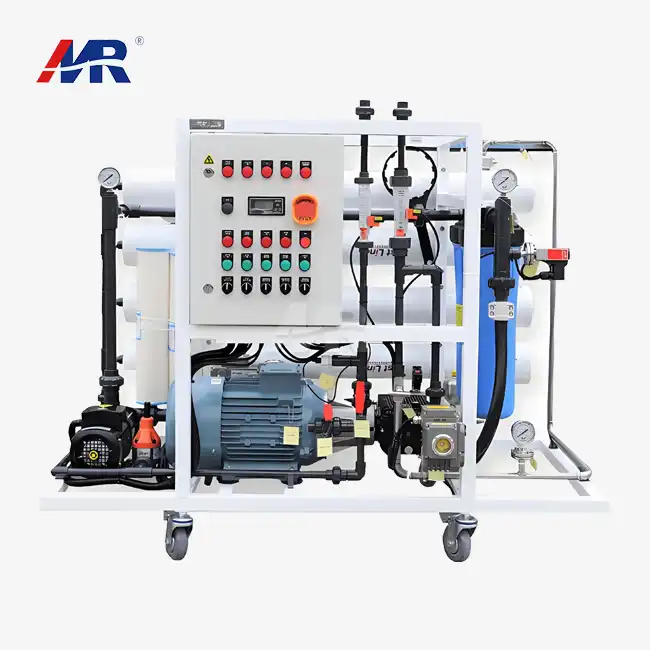 VIEW MORE2m3/hour seawater desalination equipment
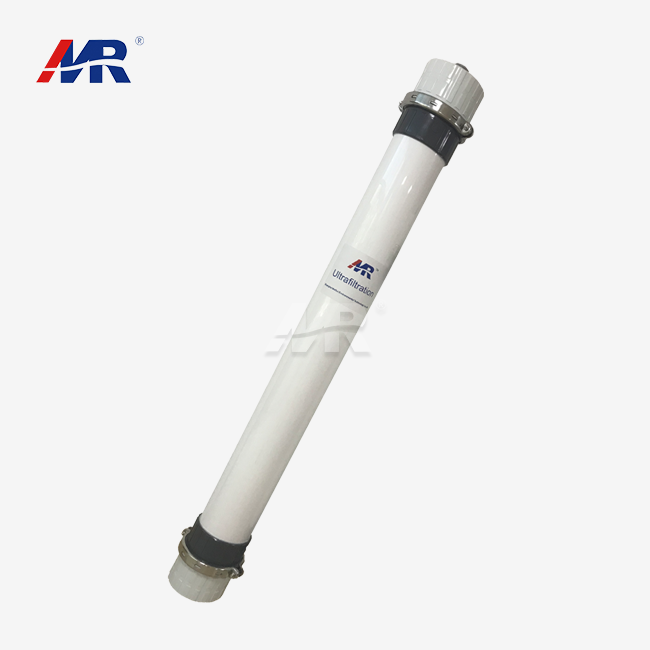 VIEW MOREultrafiltration membrane for wastewater treatment
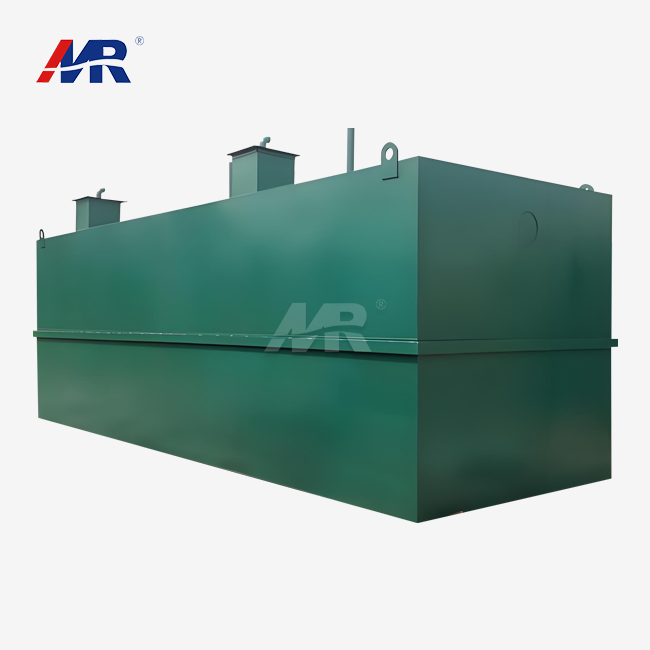 VIEW MOREwaste water treatment system
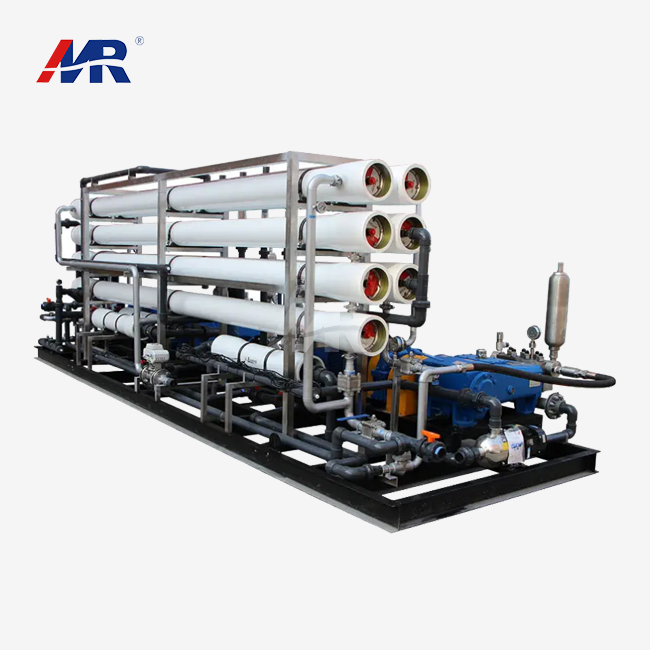 VIEW MOREseawater desalination machine
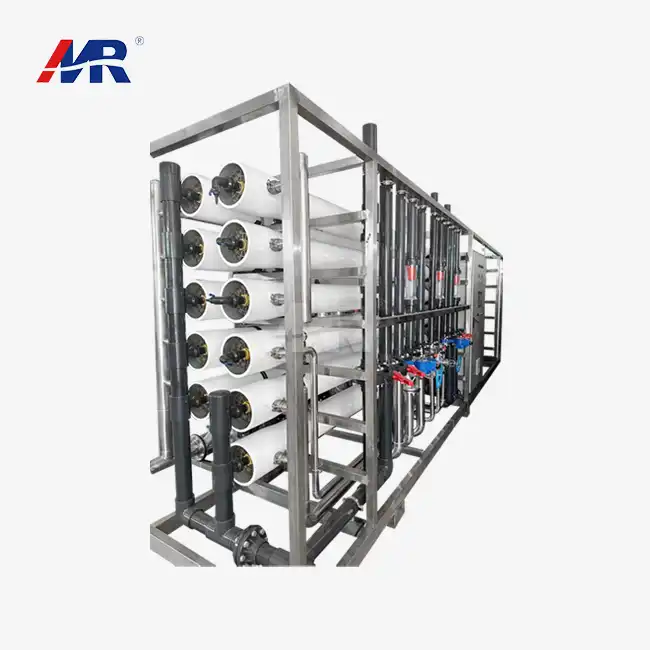 VIEW MORE60m3/hour reverse osmosis plant
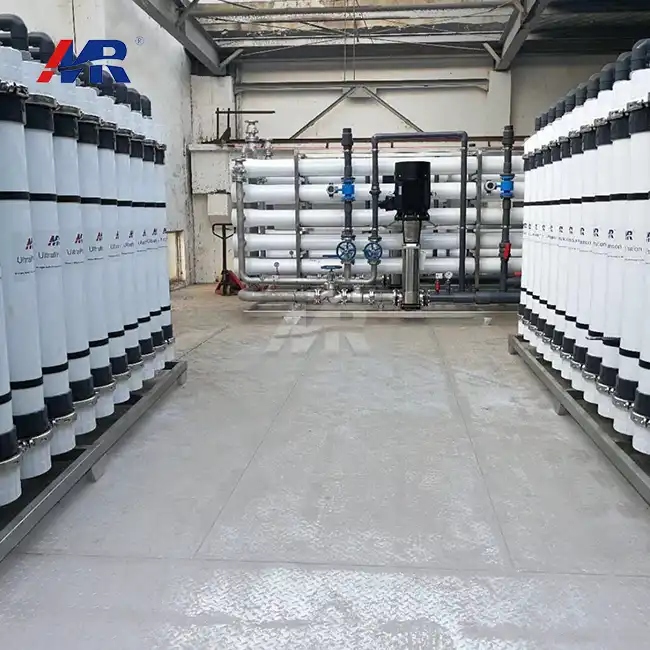 VIEW MORE2000m3/day ultrafiltration equipment
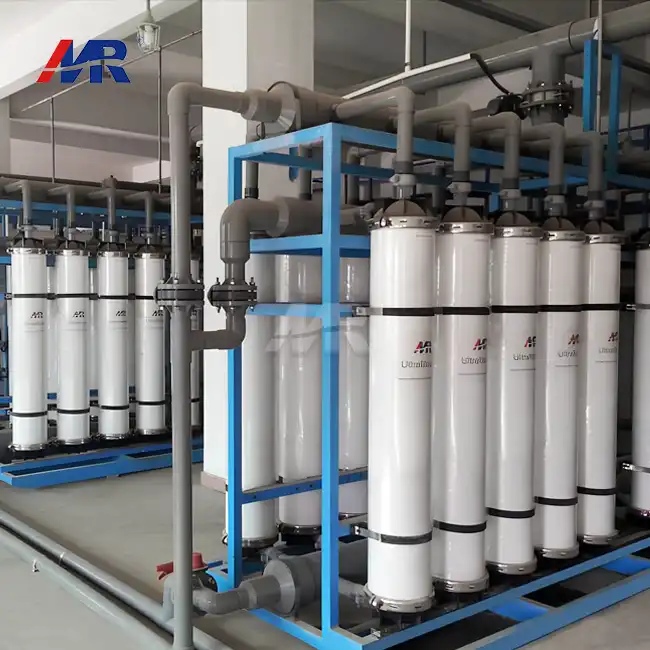 VIEW MORE20m3/hour ultrafiltration equipment
 VIEW MOREElectrodeionization system
