

_1745823981883.webp)

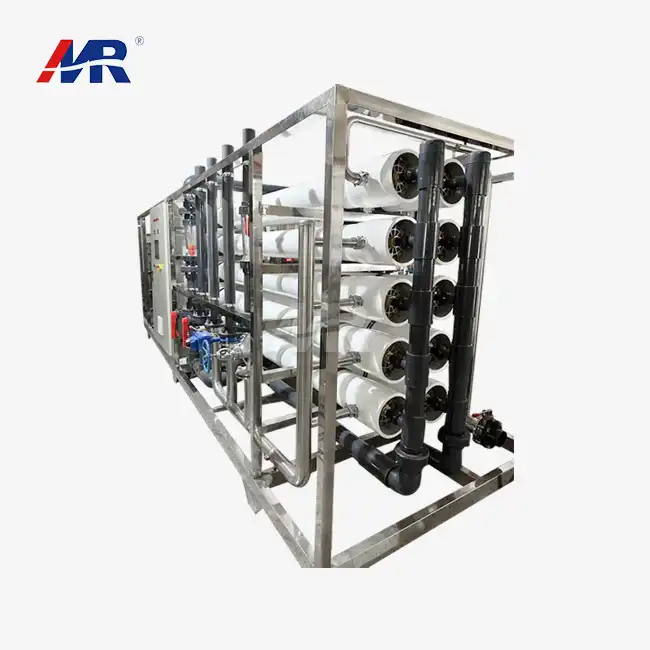
Reverse Osmosis System With Remineralization for Hard Water
A reverse osmosis system with remineralization filters scales-causing dissolved solids and minerals via semi-permeable membranes. It then carefully adds calcium and magnesium. This two-step technique cleans water while maintaining pH and mineral composition, which is crucial for industry operations, equipment life, and product quality. The remineralization stage prevents corrosion in acidic RO water and ensures it fulfills industrial, pharmaceutical, and food processing requirements.
Introduction
Hard water is a major issue for companies. Calcium, magnesium, and other water-soluble minerals produce scale layers in boilers, heat exchangers, and processing equipment, reducing efficiency and lifespan. Mineral accumulation costs industries thousands of dollars in downtime and maintenance, and pharmaceutical businesses struggle to maintain tight cleaning standards without altering water chemistry.
Standard reverse osmosis filtering removes these minerals well, but demineralized water is harsh and can damage pipelines and delicate equipment. Combined remineralization is especially needed here. Adding tiny amounts of beneficial minerals balances water chemistry, preserves infrastructure investments, and fulfills regulatory requirements.
Business customers increasingly realize that choosing the correct water purification equipment affects operating efficiency, product consistency, and long-term ROI. Knowing how RO filters use remineralization technology helps users choose systems that purify water quickly and last.
Understanding Reverse Osmosis Systems With Remineralization
How Reverse Osmosis Technology Works
Water flows through partly permeable membranes with 0.0001-micron holes in reverse osmosis. These membranes filter 99% of dissolved solids, including heavy metals, pathogens, hardness minerals, and organic pollutants. RO separation creates clean permeate water while concentrating pollutants into a garbage stream at the molecular level, unlike particle filtering.
System performance depends on working pressure, recovery rate, and membrane design. Industrial RO systems operate between 150 and 400 psi, depending on source water quality and output needs. Multistage pre-filtration systems prevent filter clogging and maximize water recovery.
The Remineralization Process Explained
Remineralization in a reverse osmosis system with remineralization adds minerals to RO permeate via calcite filters, pills, or injections. The pH in a reverse osmosis system with remineralization shifts from acidic (5.5–6.5 after RO) to neutral or slightly alkaline (7.0–8.5) when the calcite medium gently melts and adds calcium carbonate. Magnesium oxide blends in a reverse osmosis system with remineralization add minerals after meeting scientific criteria.
Water with no minerals is corrosive, but regulated mineral addition stabilizes its chemistry, creating a safe saturation layer in distribution systems. Water scaling and corrosion are measured using the Langelier Saturation Index (LSI). Remineralized water has normal LSI values and does not scale or corrode metal.
Engineers select remineralization processes based on product demands. Food and drink production requires minerals to improve taste, pharmaceutical water systems require exact pH control, and electronics manufacturing requires ultrapure, balanced water that won't damage sensitive equipment.
Comparing Reverse Osmosis Systems With and Without Remineralization
Water Quality and System Performance Differences
Standard RO systems produce clean, chemically unstable water with a pH below 6.0. Acidic profiles accelerate galvanic corrosion in mixed-metal pipelines. It makes drinking water taste terrible and may violate industrial release restrictions. Equipment that follows RO systems but doesn't remineralize requires corrosion-resistant materials, which raises its cost.
Integrating remineralization improves cleaning efficiency and chemical equilibrium. A water chemistry research found that pH stabilization reduces corrosion by 60–80% compared to RO water. Mineral restoration also improves flavor and fragrance, which is vital for businesses like bottled water, beverages, and hotels where water taste influences product quality and consumer satisfaction.
Infrastructure security extends machine life. Pipes, storage tanks, and distribution gear survive decades longer with balanced water instead of hostile demineralized permeate. Food processing facility maintenance records reveal that remineralization reduces equipment replacement costs by 40–50%.
Cost-Benefit Analysis for B2B Applications
Initial remineralization costs 15–25% of a RO system's basic cost, depending on volume and mineral dosage. Media tanks, calcite filter tubes, and mineral injection systems cost the most. However, this initial investment yields lower maintenance, longer equipment life, and improved regulatory compliance.
The system is cheap to run. In mid-capacity systems, calcite media is replaced once a year or less often, depending on throughput, and costs less than $500. Balanced water requires fewer chemicals to prevent corrosion and modify pH, lowering chemical treatment expenses.
When corrosion damage is prevented, chemical consumption is reduced, and membrane life is prolonged in a reverse osmosis system with remineralization. Facilities that handle 50,000 to 100,000 gallons of water daily experience payback times of less than 24 months. Larger organizations using a reverse osmosis system with remineralization generate faster returns because economies of scale increase savings with more equipment.
How to Choose the Best Reverse Osmosis System With Remineralization for Hard Water
Critical Technical Specifications
Capacity matching is the most crucial aspect of solution selection. Calculate daily peak demand and add 20–30% capacity for production plan or annual modifications. Industrial systems carry 1,000 to 100,000 gallons per day, and parallel trains back up key functions.
Studying feed water tells us what pre-treatment processes and membranes to employ. If water hardness exceeds 200 ppm, a water softener pre-treatment may prevent membrane clogging. Before ro membranes, oxidation filtering is needed for iron and manganese over 0.3 ppm. Full testing reveals all impurities that must be eliminated to fulfill quality standards.
The remineralization capacity should match RO extract flow rates, and minerals should dissolve with ample contact time. Calcite contactors take 20–30 seconds to attain pH values. Remineralization stages that are too tiny don't replenish minerals adequately, while too-large units squander media and floor space.
Evaluating Suppliers and Technology Providers
Established manufacturers provide comprehensive expert assistance and have a proven track record. Industrial water treatment firms can handle complex customer demands and provide extensive engineering assistance throughout selection and installation. The overall value of the equipment should include commissioning, operator training, and professional support, not simply its price.
Part quality strongly impacts long-term reliability. Premium membrane manufacturers like DOW, Toray, and Hydranautics guarantee performance and lifespan. Quality equipment from well-known brands ensures precise monitoring and automated control. Building materials, pressure vessels, and valves should fulfill industry requirements and pressure values.
Living near together affects service response and spare parts supply. Suppliers with regional experts can solve issues faster and reduce maintenance downtime. Quality of service after the transaction is frequently more significant than initial cost reductions from remote suppliers without a local presence.
Procurement and Implementation: Practical Steps for B2B Clients
Sourcing Through Authorized Channels
First, contact manufacturers or certified distributors for genuine parts and factory assistance to receive original equipment specs. The buyers should verify that distributors have the necessary permits and technological Certifications. Fake membranes and low-quality parts enter supply lines via gray markets. They have good discounts but poor performance and reliability.
Bulk purchases provide you with negotiation leverage with well-known merchants. Buy many units, sign a long-term service plan, or commit to standards to save 10–20% and get greater support. Smart purchasers negotiate extra parts packages, extended warranties, and priority servicing to cut the total cost of ownership by more than the equipment's MSRP.
Installation Best Practices and Integration
Site preparation for a reverse osmosis system with remineralization needs more than machine size measurement. System parts of the reverse osmosis system with remineralization are protected by adequate power with the proper voltage, drainage holes for concentrate discharge, and climate-controlled spaces. There should be space for installed equipment and service access for membrane repair and maintenance for the reverse osmosis system with remineralization.
Planning for new equipment requires consideration of process water quality, peak demand, and backup power during repair. The storage tank capacity matches output and consumption, providing 4–8 hours of additional room. Automated controls match RO operation to building demands, maximizing energy and membrane utilization.
Installation of big systems takes 4–8 weeks from delivery to final approval. Coordination of utilities, structural preparation, and operator training can prevent delays. When supplier technical teams plan projects together, they may spot issues early and set realistic go-live timeframes.
Real-World Implementation Success
After adding remineralization to their RO system, a Midwest food processing facility reduced equipment rust by 75%. Demineralized water damaged copper process lines and stainless steel mixing tanks, requiring expensive repairs every three months. After remineralization, upkeep costs dropped by $180,000, and product quality improved due to more stable processing conditions.
A pharmaceutical manufacturer used controlled remineralization to alleviate GMP compliance issues. This maintained purity and prevented metal leakage in plain RO water. Regulatory audits indicated greater water quality and fewer non-conformances.
Conclusion
Choosing the correct reverse osmosis system with remineralization to remineralize water is an investment in efficiency and compliance. The method removes dangerous impurities while maintaining water chemistry to save infrastructure and achieve application quality criteria. Knowledge of these systems' technical features and how to put them up allows procurement staff to set up their facilities to be more productive, have reduced upkeep costs, and always manufacture good goods. Working with seasoned manufacturers that provide comprehensive Technical support, genuine parts, and swift after-sales service ensures success and a quantifiable ROI across lengthy equipment lifecycles.
FAQ
1. Does remineralized water meet health and safety standards?
Remineralized RO water meets or exceeds drinking water requirements when properly constructed. Mineral regeneration only adds positive elements like calcium and magnesium to healthy water. Returning pH to normal prevents metal leaks from distribution systems, making things safer. Pharmaceutical, food manufacturing, and urban contexts require remineralization to balance purity and chemical stability.
2. How often do remineralization filters require replacement?
Calcite media lasts 12–24 months, depending on water consumption and mineral levels. High-volume systems may need media replacement once a year, whereas smaller systems might go 18 months. Mineral cartridges should be replaced every 6–12 months in most small systems. Checking pH regularly indicates when the body's mineral remineralization capacity declines. It helps you plan ahead and avoid water quality issues.
3. Can I add remineralization to existing RO systems?
Remineralization is possible with most industrial RO systems. Post-treatment mineral contactors are installed after permeate storage without extensive pipe adjustments. The investment ranges from $3,000 to $15,000, depending on space needs. Retrofit remineralization prevents damage and improves compliance in facilities with rust or pH issues, paying for itself rapidly.
Partner With Morui for Advanced Water Treatment Solutions
Complete water cleaning systems from Guangdong Morui Environmental Technology are designed for harsh commercial situations. Our reverse osmosis system with remineralization uses the greatest membrane technology and precise mineral repair to generate chemically balanced water that fulfills high-quality standards and protects your equipment. Our solutions are trusted by pharmaceutical, food & beverage, electronics, and heavy industry manufacturers.
We provide much more than tools. Twenty skilled professionals optimize system setups for your source water and production needs. Off-the-shelf choices can't match our equipment processing plants and the membrane production center's personalization. As official vendors for Shimge Water Pumps, Runxin Valves, and Createc Instruments, we guarantee original, working parts.
Morui's 14 regional offices install, activate, train, and support operators as part of our "one-stop" solution. Service requests are answered immediately by our 500-person staff, reducing downtime and maximizing equipment capacity. Email our technical specialists at benson@guangdongmorui.com to discuss your water treatment issues and obtain complete specs for a reverse osmosis system with remineralization solutions tailored to your operation. Request a complete quotation to see how our expertise may help manufacturers and industrial water treatment suppliers discover long-term partners by turning water quality issues into competitive advantages.
References
1. American Water Works Association. (2022). Reverse Osmosis and Nanofiltration (M46), Second Edition. AWWA Manual of Water Supply Practices.
2. Buros, O.K. (2020). The ABCs of Desalting, Third Edition. International Desalination Association Technical Publication.
3. National Research Council. (2021). Drinking Water Distribution Systems: Assessing and Reducing Risks. National Academies Press.
4. Water Quality Association. (2023). Technical Application Bulletin: Remineralization of Reverse Osmosis Water. WQA Industry Standards.
5. Wilf, M. & Bartels, C. (2019). The Guidebook to Membrane Desalination Technology. Balaban Desalination Publications.
6. World Health Organization. (2021). Calcium and Magnesium in Drinking Water: Public Health Significance. WHO Press Geneva.
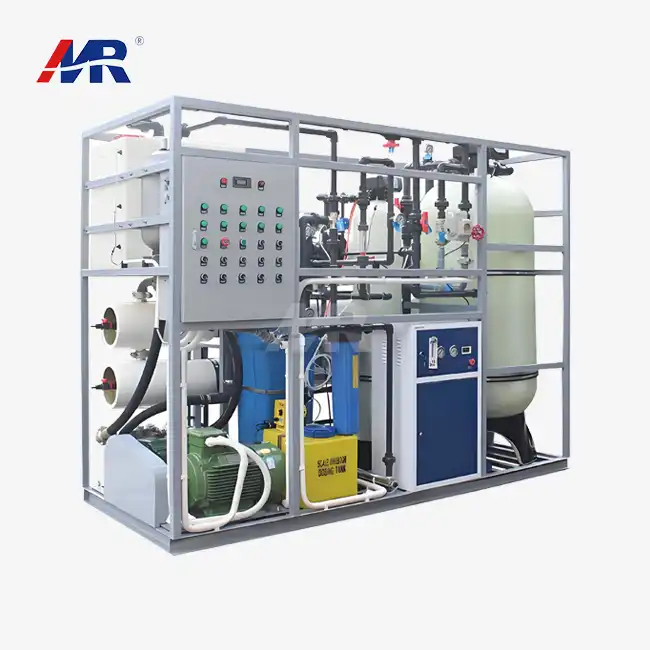 VIEW MORE2T/H seawater desalination plant
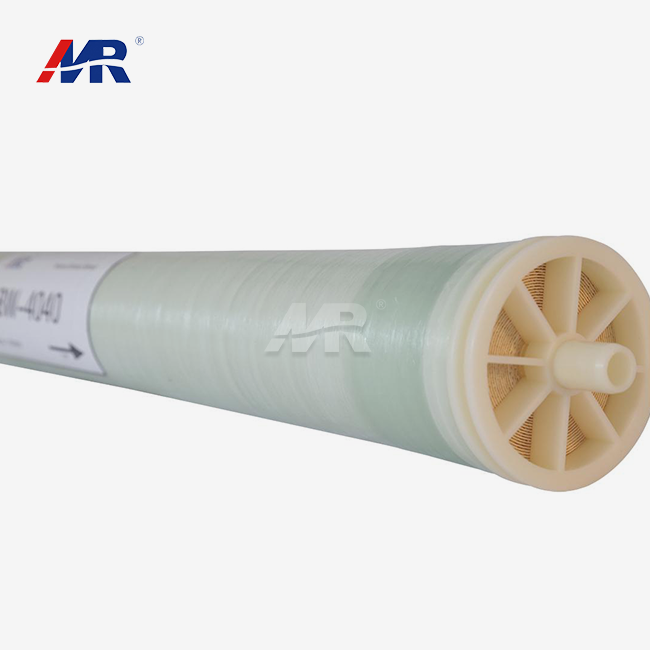 VIEW MOREindustrial reverse osmosis membrane
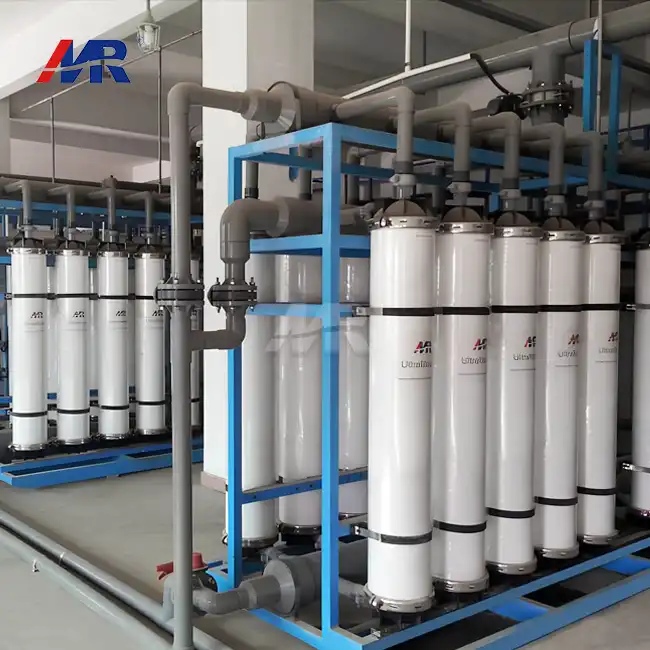 VIEW MORE20m3/hour ultrafiltration equipment
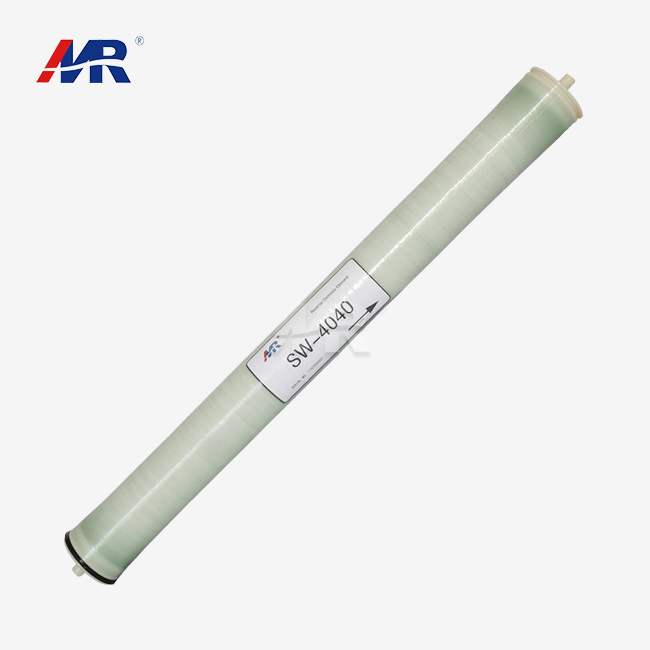 VIEW MORE4040 seawater reverse osmosis membrane
 VIEW MOREwaste water treatment plant
 VIEW MOREwaste water treatment system
 VIEW MOREmembrane mbr
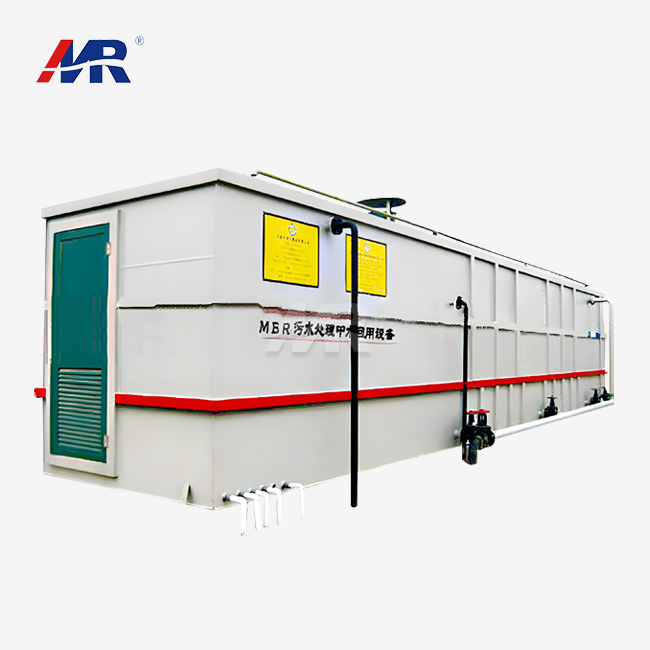 VIEW MOREsewage treatment plant MBR system
