_1745823981883.webp)

Innovative Industrial Leachate Solutions to Prevent Environmental Contamination
Energy, food processing, pharmaceutical, and industrial sectors are struggling to manage waste and landfill liquids. As environmental regulations tighten and people become more environmentally conscious, leachate management becomes impossible. Modern membrane technology, biological treatment, and automation can help industrial executives reduce pollutants and boost productivity. Understanding these emerging technologies may assist building owners, procurement managers, and engineers in preserving environments and meeting evolving standards.
Understanding Industrial Leachate and Its Environmental Impact
What Makes Industrial Leachate Hazardous
Water seeping through waste dissolves and transfers heavy metals, organic compounds, ammonia, and dissolved solids. This is industrial leachate. Chemical, electroplating, medicinal, and food manufacturers create complex leachate profiles. Unhandled liquids leak into the earth, migrate underground, and contaminate drinking water.
Environmental Consequences of Inadequate Treatment
Leachate poisoning of groundwater causes irreparable environmental harm. Environmental scientific journals report that untreated landfill leachate has biochemical oxygen demand (BOD) levels of 20,000 mg/L, 200 times greater than municipal wastewater. Lead and cadmium accumulate in soil and enter food systems, harming humans and animals. Surface water contaminated by runoff eutrophies. Marine life dies, and water becomes useless.
Regulatory Pressures Driving ComplianceThe
Clean Water Act grants the U.S. Environmental Protection Agency rigorous discharge requirements. State-level laws often supplement this. Facilities that supply wastewater to local systems must fulfill pretreatment standards. Direct dischargers must fulfill NPDES guidelines. Noncompliance can result in $55,000 civil fines for each violation day, criminal prosecution for willful offenses, and business closure. To comply with laws, procurement teams must prioritize treatment systems.
Limitations of Traditional Leachate Treatment Methods and the Shift Toward Innovation
Challenges with Conventional Approaches
Biological oxidation ponds, chemical precipitation, and active sludge systems were common wastewater treatment methods for leachate management. These methods in leachate management struggle with strong wastewater containing organic chemicals that don't degrade. Too many chemicals boost operational expenses in leachate management, and leachate composition affects cleaning performance. Dumping chemical sludge from leachate management is terrible for the environment and expensive.
Why Industries Are Embracing Advanced Technologies
Rising expenses and environmental concerns drive innovation. A Midwest medicine business reduced treatment expenses by 40% by moving from biological to a hybrid approach that utilizes anaerobic digestion and Disk Tube Reverse Osmosis (DTRO). Membrane-based systems remove more impurities with fewer chemicals, leaving less residue.
Case Evidence of Performance Improvements
Facilities treating waste leachate with DTRO systems report concentration multiples of 6–8 times, reducing waste. A Texas petrochemical business treated oilfield wastewater with Ultrafiltration and Reverse Osmosis to reduce total dissolved solids by 95%. This allowed cooling towers to reuse water. These findings demonstrate that contemporary technology helps the environment and economy.
Core Components and Working Principles of Modern Industrial Leachate Solutions
Advanced Collection and Pre-Treatment Systems
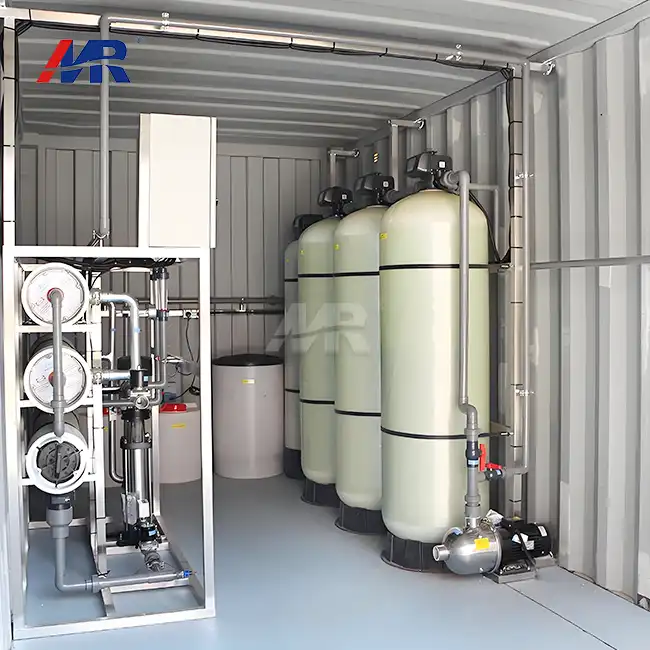
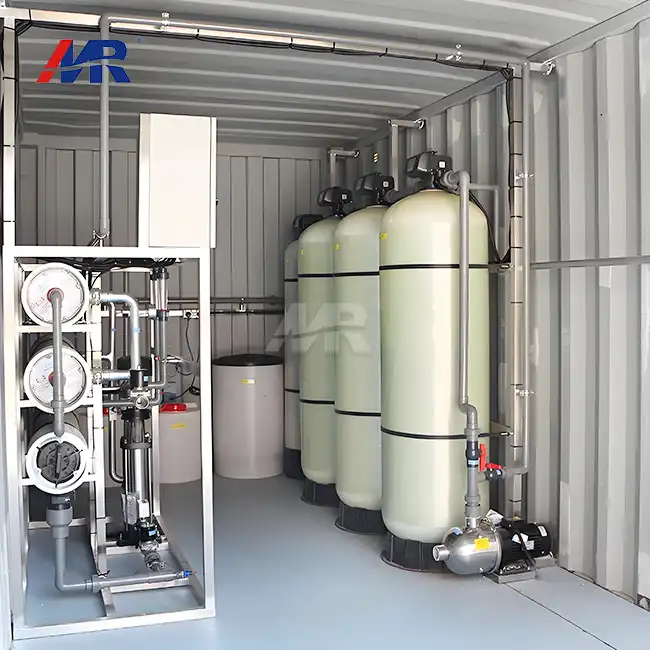
The collecting equipment must be well-designed and manufactured for leachate management to operate. Multi-layer liner systems with HDPE layers clean the ground, and leak detection systems provide real-time monitoring. Basket filters remove large particles, sand filters remove loose materials, and cartridge filters prevent membrane clogging during pre-treatment.
DTRO Technology Explained
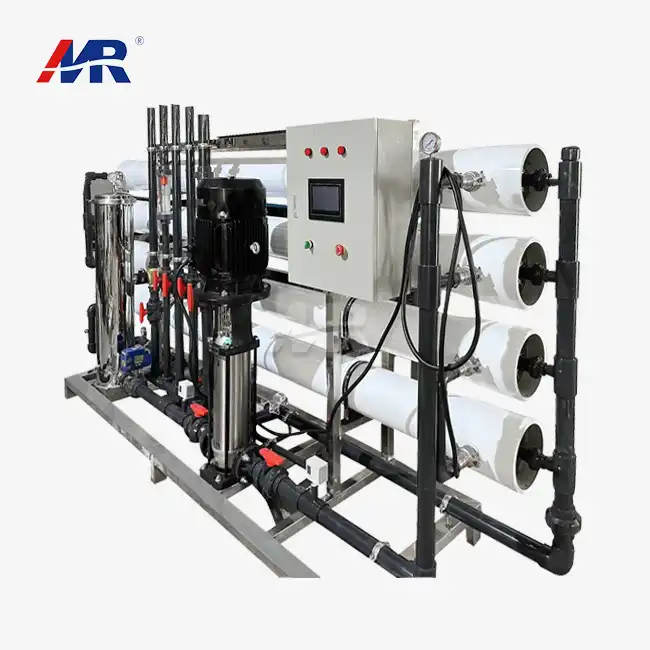
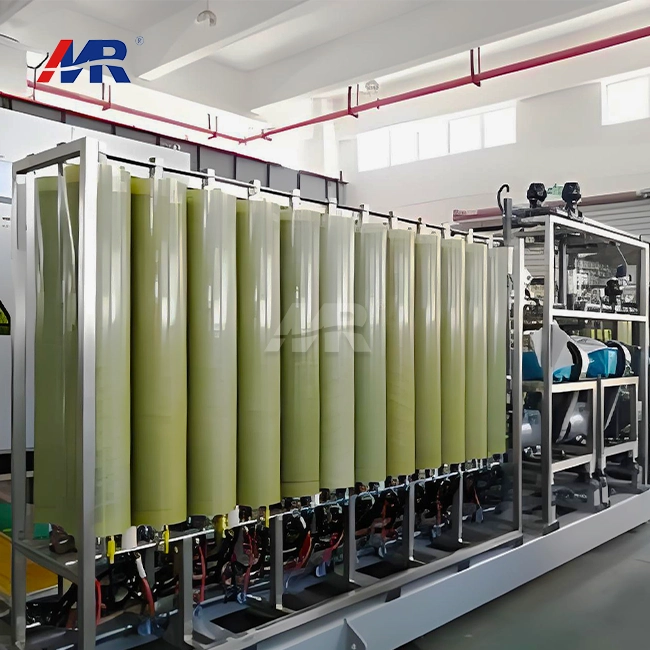
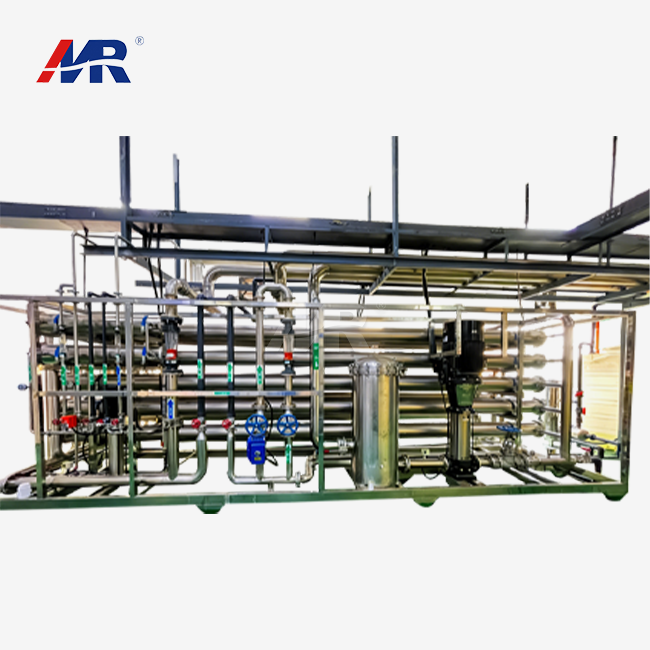
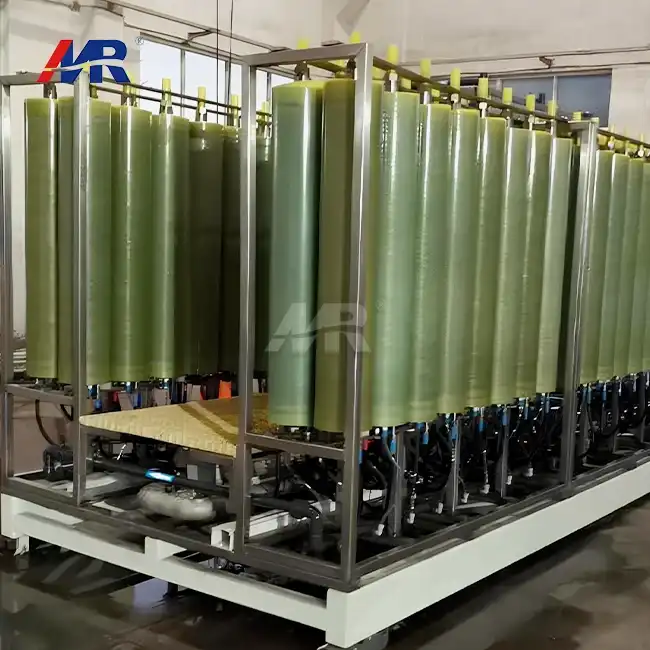
Disk Tube Reverse Osmosis improves industrial runoff treatment in leachate management. High pressure (50–80 bar) drives water past semi-permeable barriers, retaining pollutants for leachate management. DTRO's disk design handles high suspended particles and fluctuating feed quality better than spiral-wound membranes in leachate management. After pH correction in the adjustment tank, leachate passes via pre-filters and enters the first-stage DTRO system for leachate management. First-stage permeate feeds the second stage's system, which produces release-safe water in leachate management. Concentrated rubbish from leachate management returns for processing or safe disposal.
Integration of Biological and Physical Processes
Nowadays, systems employ aerobic and anaerobic bacterial solutions and membrane separation. Anaerobic digestion produces energy-generating biogas from organic materials. Waste is smoothed by aerobic treatment before membrane filtration. The multi-barrier technique ensures good performance even with diverse leachate, preserving fragile membrane parts and extending service life.
Comparing Leading Leachate Management Solutions for Industrial Procurement
Evaluating Technology Options
When picking treatment techniques, procurement professionals must consider:
- Biological Treatment Systems: Microbes degrade organic contaminants. They thrive in naturally decomposing waste streams but struggle with high-strength industrial leachate containing harmful compounds that inhibit microorganisms. The system is cheap to run, although treatment efficiency varies with temperature and season.
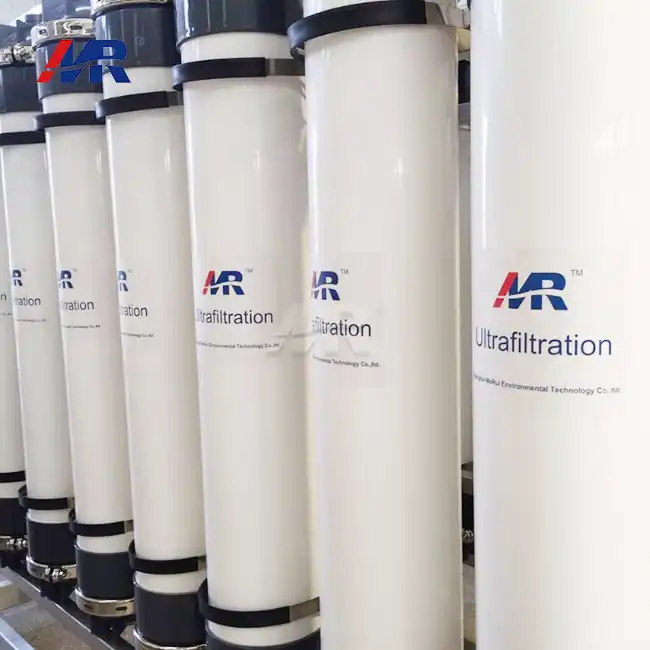
- Membrane-Based Systems (UF/RO/DTRO): Ultrafiltration removes particles and proteins, Reverse Osmosis removes organics and dissolved salts. DTRO is fouling-resistant and suitable for harsh industrial usage. Biological systems need less capital, but operating reliability and consistent effluent quality offset the higher initial expenses.
- Electrochemical Methods: Electrocoagulation and electrooxidation remove stubborn heavy metals and organics without chemicals. These devices function effectively in regions that seldom handle chemicals, but they take a lot of power.
- Hybrid Solutions: Organic pre-treatment and membrane cleansing yield the greatest results. After implementing anaerobic digestion before DTRO, a food processing factory cleaned the membrane 60% less. This significantly reduced annual leachate management operating costs.
Supplier Selection Criteria
Technical decision-makers should verify vendors' ISO 9001 quality Certifications and industry project experience. Three- to five-year membrane part warranties safeguard capital investments. The service network's proximity allows speedy repairs and part replacement. Energy use requirements affect budgets. Energy-efficient designs use concentrated stream pressure exchanges.
Proven Global Applications
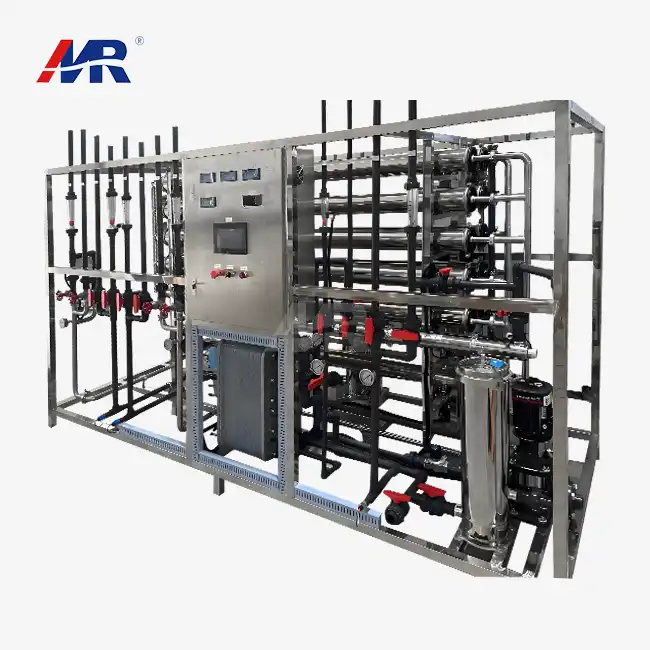
Leading manufacturers have installed thousands of tools in many industries. Integrated RO-edi systems provide ultrapure water with over 18 megohm-cm resistivity for semiconductor factories. Municipal water facilities modernize aging infrastructure with Ultrafiltration, which kills 99.99% of germs. These certified applications reassure procurement managers about technology purchases.
Best Practices for Sustainable Leachate Management in Industrial Settings
Comprehensive Site Assessment
Successful execution of leachate management begins with characterization. Laboratory investigation for leachate management reveals COD, BOD, ammonia-nitrogen, heavy metals, and refractory organics. The correct system size for leachate management relies on future and seasonal production changes. According to a pharmaceutical business, leachate strength varied by 40% depending on the manufacturing strategy for leachate management. They chose a modular design that could be quickly modified to meet varying loads in leachate management
Maintenance and Monitoring Protocols
Regular maintenance improves system performance and equipment life. Chemical cleaning-in-place (CIP) is utilized once a month or three times a year for membranes, depending on feed water quality. Operators monitor normalized permeate flow and salt rejection rates to detect membrane failure before it affects wastewater quality. Preventive maintenance of pumps, valves, and instruments prevents unexpected failures that interrupt operations.
Future-Proofing for Regulatory Evolution
As scientists study how toxins influence the ecosystem, environmental rules tighten. Choose treatment methods with extra polishing phases to respond to changing demands without buying new tools. Power plant deionized water systems can accommodate extra membrane stages. This made adjustments straightforward when flow limitations were dropped five years following installation.
Conclusion
Industrial leachate management has evolved from simple control to complicated cleaning systems that protect the environment and add value. DTro membrane filtration, integrated biological processes, and smart automation help industrial, pharmaceutical, energy, and municipal facilities satisfy demanding discharge criteria safely. Procurement experts should prioritize vendors with tested technology, comprehensive service support, and expandable designs. Climate treatment, business reliability, and cost-effectiveness are needed.
FAQ
1. What treatment technology suits our specific industrial leachate composition?
Contaminants and water discharge determine technology selection. Biological pre-treatment and membrane cleaning can clean organic-rich leachate. Heavy metal or non-degradable chemical streams require electrochemical or advanced oxidation. You may ensure the chosen technology achieves performance goals before investing funds by employing representative samples for bench-scale treatability investigations.
2. How do operating costs compare between treatment options?
Although biological devices cost less, they require greater maintenance. Membrane systems are more expensive but can be automated and reliable. Energy is expensive for businesses. Systems using energy return devices save 30-40% electricity. Full lifespan cost studies that include capital, operations, upkeep, and disposal expenses allow for appropriate comparisons.
3. What certifications ensure regulatory compliance?
Industry-specific requirements for treatment systems include FDA approval for pharmaceutical purposes, NSF/ANSI 61 certification for drinking water equipment, and ASME pressure tank norms. Third-party testing shows effluent quality satisfies release standards. Maintain machine certificates, working logs, and analytical findings to demonstrate compliance during regulatory assessments.
Partner with Morui for Advanced Leachate Management Solutions
Guangdong Morui Environmental Technology designs and builds water treatment solutions for even the toughest industrial leachate scenarios. Our entire leachate management options include biological treatment, DTRO membrane technology, and smart automation adapted to your site. We design, implement, and commission complete systems. Over 500 technical staff, 20 specialist engineers, and a membrane production factory. Chemical and electroplating facilities can use our pharmaceutical GMP-compliant filtered water, ultrapure semiconductor water, and industrial wastewater treatment. We have sold leachate management to large and small enterprises across North America for years. We provide reliable technology and fast assistance. Our staff can help you satisfy environmental regulations and cut expenses at a city wastewater treatment plant, a medicine factory, or an industrial complex. Contact our technical specialists at benson@guangdongmorui.com to discuss your leachate treatment challenges and receive customized solutions matching your performance requirements and budget parameters.
References
1. Renou, S., Givaudan, J.G., Poulain, S., Dirassouyan, F., & Moulin, P. (2008). Landfill Leachate Treatment: Review and Opportunity. Journal of Hazardous Materials, 150(3), 468-493.
2. Kjeldsen, P., Barlaz, M.A., Rooker, A.P., Baun, A., Ledin, A., & Christensen, T.H. (2002). Present and Long-Term Composition of MSW Landfill Leachate: A Review. Critical Reviews in Environmental Science and Technology, 32(4), 297-336.
3. Kurniawan, T.A., Lo, W.H., & Chan, G.Y.S. (2006). Physico-Chemical Treatments for Removal of Recalcitrant Contaminants from Landfill Leachate. Journal of Environmental Management, 129, 80-100.
4. Membrane Bioreactor Processes: Principles and Applications (2010). Advanced Membrane Technology Research Centre, UNESCO Centre for Membrane Science and Technology.
5. U.S. Environmental Protection Agency (2021). National Pollutant Discharge Elimination System (NPDES) Permit Writers' Manual. EPA Office of Water, Washington, DC.
6. Wang, L.K., Graphics, Y.T., & Shammas, N.K. (2007). Advanced Physicochemical Treatment Processes: Handbook of Environmental Engineering, Volume 4. Humana Press, Totowa, New Jersey.