

_1745823981883.webp)

Why Seawater RO System Pretreatment Determines Membrane Life?
The silent guardian of every seawater RO system, pretreatment determines whether membranes last three years or ten. Even the most advanced desalination equipment quickly gets clogged, scales, and damage that can't be fixed if the raw seawater isn't properly treated before it hits the sensitive reverse osmosis membranes. For industrial sites, the difference between good pretreatment and bad preparation means hundreds of thousands of dollars in membrane repair costs and unplanned downtime.
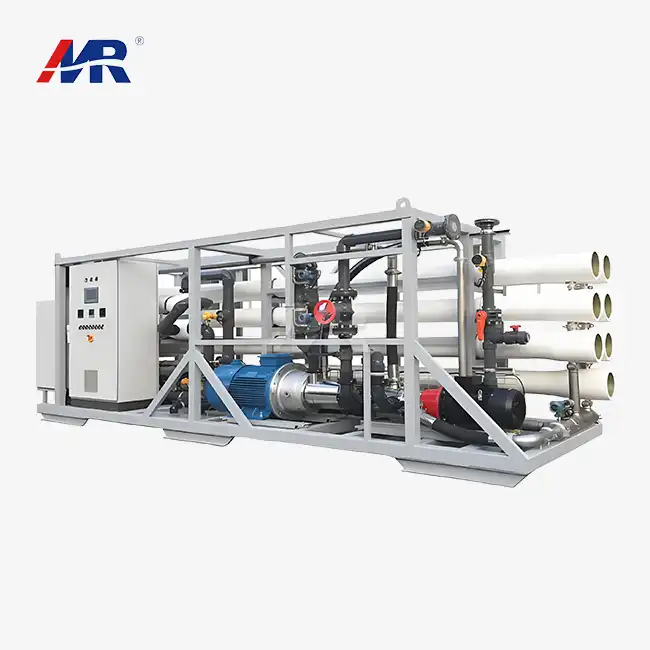
Understanding the Role of Pretreatment in Seawater RO Systems
Although seawater desalination technology has changed a lot in the last twenty years, the basic idea behind it hasn't changed: high pressure is used to push ocean water through semi-permeable screens to remove the salts that are already dissolved in it. Before going into the reverse osmosis stage, the feed water has to meet strict quality standards. Pretreatment systems make sure that these standards are met perfectly.
How Seawater Intake Systems Set the Foundation
Seawater intake devices protect your facility's operations from the ocean. These man-made devices pull in large volumes of saltwater, preventing barnacles, mussels, and jellyfish from entering downstream equipment. Modern intake designs utilize passive screening or active filtering to stabilize flow rates and safeguard marine habitats from impingement and entrainment, which regulators regularly monitor.
The input stage instructs your pretreatment system how many contaminants to handle initially. Water conditions on the shore near industrial ports are different from those on virgin islands; therefore, intake arrangements must be adjusted.
Essential Pretreatment Stages That Protect Membrane Integrity
Modern saltwater desalination systems employ several pretreatment barriers to progressively alter seawater. Multimedia filtering removes particles above 10 microns. This prevents membrane damage from abrasive particles. Then comes chemical therapy. Coagulants and flocculants collect membrane-blocking colloids.
Water chemistry is ideal for membrane performance between 6.5 and 7.5; therefore, changing the pH helps. It prevents acidic corrosion and alkaline scaling. The last chemical barrier is antiscalant injection. It prevents calcium carbonate, calcium sulphate, and other hard-to-solve crystals. High pressure in RO vessels would attach salts to the membrane surfaces.
Before reverse osmosis, ultrafiltration membranes are increasingly utilized to polish. They totally block bacteria, viruses, and colloidal particles while keeping Silt Density Index (SDI) values below 3, the minimal threshold for ro membrane reliability.
Why Does Feed Water Quality Directly Control Membrane Lifespan?
In the seawater RO system, RO membranes endure extreme environments. Seawater pressure ranges from 55 to 80 bar, depending on temperature and salinity. These forces cause feed stream impurities to pile up at the membrane's surface, accelerating fouling and water blockage. Membranes endure seven to ten years when pretreatment maintains feed water turbidity below 0.5 NTU and removes organic substances. If preparation isn't done properly, the membrane may only last 18 months or less, requiring replacement too soon, which damages operational budgets.
Morui tracks the pretreatment train automatically. This keeps all parameters within acceptable limits. Our equipment demonstrates that appropriate pretreatment design results in longer-lasting membranes and consistent water quality that rejects more than 99.7% of salt with daily capacities between 1,000 and 100,000 cubic meters and recovery rates close to 50%.
Key Pretreatment Challenges That Shorten Membrane Life
Membrane failure doesn't usually happen all of a sudden. Instead, it happens in expected ways that are caused by problems with the preparation. By spotting these failure modes early on, you can take action before damage that can't be fixed happens.
Scaling: The Silent Membrane Killer
Minerals in water scale when they can no longer dissolve and create crystal deposits on membrane surfaces. Scaling compounds in seawater include mostly calcium carbonate, calcium sulphate, barium sulphate, and silica. Scale impedes water flow and requires strong chemicals to break down membrane polymers.
Stopping growth requires selecting a recovery rate. Even the greatest antiscalant algorithms can't manage excessive salt buildup in seawater applications at recovery rates exceeding 45%. Minerals dissolve more quickly in warm water and form crystals in cooler water, making this issue worse.
Fouling and Biofouling: Biological Threats to Membrane Performance
If natural oils, organic materials, and biological material pile up on membrane surfaces, they form gel layers that block permeation. Biofouling is even more deceptive since bacteria on membrane surfaces develop biofilm colonies that devour antiscalants and poison membrane materials with acidic waste.
Regular coastal saltwater contains 10,000–100,000 CFU per millilitre of bacteria. In algal blooms, this number soars. Microorganisms easily colonize prefilter medium and membrane elements without appropriate sanitation, such as chlorination and dechlorination or UV therapy.
How Poor Pretreatment Multiplies Energy Costs
Foiled and scaled membranes need greater feed pressures to maintain design flow rates, which uses more energy. Desalination is less economical when membrane permeability drops 10% because it requires 15% more energy. As membrane resistance grows, energy recovery devices that recover concentrate stream pressure become less helpful, increasing operating expenses.
Monitoring in real time lets operations teams spot speed issues early. Normalized permeate flow, salt passage, and pressure decrease across membrane stages indicate whether pretreatment or cleaning cycles are needed.
Comparative Analysis: Seawater RO Pretreatment Versus Brackish Water RO Pretreatment
Understanding the distinctions in saltwater and brackish water pretreatment helps you make better purchase selections that match your operational demands. Both use reverse osmosis, but have distinct water quality issues.
Salinity Influence on Pretreatment Design
Seawater has 35,000–45,000 mg/L total dissolved solids. Systems must combat 28 bar osmotic forces. Brackish water has 1,000–10,000 mg/L TDS and 10–25 bar operating pressure. This fundamental difference affects all pretreatment steps, from pump materials to antiscalant chemicals.
Antiscalant programs must be stronger and recovery rates lower in seawater usage because scaling precursors gather faster at higher salinity. Most brackish systems recover 75–85% of their water, whereas seawater seldom recovers more than 50% without multi-stage designs.
Contaminant Profiles Demand Tailored Strategies
Marine bacteria, boron compounds that must be eliminated, and chloride ions that eat stainless steel parts are unique to seawater. Pretreatment systems must include these factors by using Duplex 2205 or Super Duplex 2507 stainless steels and controlling biological processes.
Iron, manganese, and hydrogen sulphide are abundant in brackish water, mainly well water. These chemicals must be oxidized and precipitated before membrane exposure. These parts are rare in saltwater but may damage brackish water RO systems if not properly prepared.
Performance Data from Industrial Applications
California pharmaceutical firm with a 5,000 cubic meters per day seawater RO system spent a lot on pretreatment, including ultrafiltration, and the membranes now last over nine years. Even though they utilized the same water sources and operated similarly, facilities that just employed conventional media filters had to replace their membranes every three to four years. Better pretreatment made membranes live longer and need less maintenance, paying for themselves in 18 months.
Optimizing Pretreatment to Maximize System Efficiency and ROI
As technology has improved, pretreatment has gone from being a simple step of filtering to an intelligent, flexible process that can adapt to changing water quality conditions. These new ideas make a big difference in how well membranes are protected and how much it costs to run the business.
Advanced Filtration Technologies Enhance Protection
Ultrafiltration membranes have become the best way to pre-treat seawater RO systems because they completely block suspended solids, bacteria, and viruses while keeping the output quality stable, even if the raw water changes. uf membranes provide consistent permeate quality throughout their service life, unlike other multimedia filters that lose effectiveness as the media ages.
When UF pretreatment is used instead of traditional clarification and filtration systems, the building size is cut by 40%. This is a huge benefit for offshore bases and coastal sites that don't have a lot of room. Automatic backwashing cycles keep membranes clean without any help from an operator. This cuts down on work that needs to be done while still ensuring optimal performance.
Automation and Real-Time Monitoring Transform Operations
Throughout the pretreatment train, IoT-enabled sensors send continuous data streams that check for changes in turbidity, pH, oxidation-reduction potential, and pressure. Predictive algorithms look at these factors and look for trends that show fouling is about to happen before the drop in output is obvious. Chemical treatment systems that are automated change the amounts of coagulant, antiscalant, and pH control reagents that are fed in based on real-time readings of the water quality. This keeps things running at their best without any human oversight.
With remote monitoring, engineering teams can keep an eye on multiple installations from a central control room. This cuts down on the need for staff and speeds up response times when changes need to be made. These systems keep detailed operational logs that help with regulatory compliance documentation and help plan when to do maintenance.
Measurable ROI from Modern Pretreatment Investment
The highest ongoing cost of desalination operations is energy use, which usually makes up 40 to 50 percent of the cost of making water. Our systems use about 3 to 4 kWh of energy per cubic metre. This is possible with better pretreatment that keeps the membranes clean, built-in energy recovery devices that can get up to 60% of the energy from the concentrate stream, and high-efficiency membranes that need lower driving pressures.
A coastal town with 50,000 people was served by a local water authority that found that switching from a traditional pretreatment system to an integrated UF-RO system with automatic controls would save them $2.1 million over three years. Compared to their previous setup, the cost of replacing membranes dropped by 65%, the amount of chemicals used dropped by 30%, and the amount of energy used dropped by 18%.
How to Choose and Procure Pretreatment Solutions that Protect Membrane Life?
Choosing pretreatment equipment is a long-term decision that will have an impact on operations for decades. To make sure systems offer long-term value, procurement teams must look at more than just the initial capital cost.
Evaluating Supplier Credentials and Technical Support
It's important to find suppliers you can trust that have installed things in a wide range of settings, including municipal, industrial, and commercial ones. Technical support is just as important as the quality of the equipment. Look for providers that offer emergency service 24 hours a day, seven days a week, complete operator training programs, and local parts inventories that make sure repairs are done quickly.
Guangdong Morui Environmental Technology has more than 14 branches and 500 employees, 20 of whom are specialised engineers. Our in-house membrane production facility and multiple equipment processing plants let us keep an eye on quality the whole time the Products are being made. We have strategic relationships with top component sources like Shimge Water Pumps, Runxin Valves, and Createc Instruments to make sure that every system has the best parts possible.
Customization Ensures Optimal Performance
Because seawater quality changes so much depending on where you are and the time of year, generic pretreatment packages rarely give you the best results. Before offering system setups, good providers do a full study of the feedwater and build pretreatment trains that solve problems that are unique to the site. Pretreatment needs are affected by differences in temperature, patterns of seasonal algal blooms, the effects of industrial discharge, and the make-up of the seabed.
Our process starts with a thorough analysis of the water's chemical properties and pilot tests when projects involve contaminants or situations that are hard to work with. This investment up front keeps changes from being too expensive after the system is installed and makes sure it works as planned from the time it is commissioned onwards.
Installation and Compatibility Considerations
When adding new pretreatment equipment to current seawater RO system setups, it's important to pay close attention to how the hydraulics work, how the control systems connect, and how much room you have. Retrofit projects often face problems that new installations don't have to deal with. These problems need creative engineering solutions that don't interrupt ongoing operations too much.
We take care of the whole installation and commissioning process, from preparing the foundation to testing the system's performance. Our small designs make the best use of space, which is very important for offshore bases, island getaways, and facilities in cities where real estate is expensive. Corrosion-resistant materials used in all of our systems make them last longer in harsh marine environments. This protects capital investments and gives years of reliable service.
Conclusion
How long a membrane lasts in a seawater RO system depends on how well the preparation works. Conditioning the feed water has a direct and measurable effect on the service life of the membrane. Facilities that spend a lot of money on cleaning usually get membranes that last more than eight years, while facilities that don't do as much work change membranes every two to three years. In addition to the cost of replacing membranes, poor pretreatment leads to more energy use, more chemical use, and less system availability due to unplanned maintenance. Modern pretreatment technologies that use ultrafiltration, automation, and predictive monitoring give clear returns on investment by increasing membrane life, lowering operational costs, and making water quality more consistent.
FAQ
Q1: How often should pretreatment systems undergo maintenance?
When to do maintenance depends on the quality of the feed water and how the system is built. Backwashing multimedia filters is usually needed every 24 to 48 hours, and the whole media needs to be replaced every three to five years. In normal situations, ultrafiltration membranes need to be cleaned with chemicals every two to four weeks. Every five to seven years, the membranes need to be replaced. To keep measurements accurate, chemical dosing systems need to be calibrated and checked every month, and sensor tools need to be checked against lab standards every three months.
Q2: What warning signs indicate inadequate pretreatment?
The first sign of pretreatment failure is usually a drop in normalised permeate flow, which happens before salt passage increases. Membrane fouling progresses when the feed pressure needed to keep the design flow goes up. When the cleaning cycle needs to be done more than once a month, this means that there are long-term problems with the pretreatment that need to be looked into. High SDI readings above 4.0 in feed water samples show that the suspended solids are not being removed well and need immediate attention before they damage the membrane in a way that can't be fixed.
Q3: Can older seawater RO systems accept pretreatment upgrades?
Most installations that are already in place can be upgraded to include better pretreatment by making retrofit modifications. The most frequent change is switching from regular multimedia filtration to ultrafiltration, which immediately improves membrane protection. Automation retrofits make manual systems more responsive by adding monitoring and control features. This lowers the workload of operators and speeds up response times. Compatibility assessments find the changes that need to be made to piping, instrumentation, and control systems so that new equipment can work with old ones without any problems. This protects the investments made in RO membrane vessels and high-pressure pumps.
Partner with Morui for Superior Seawater RO System Solutions
Guangdong Morui Environmental Technology offers complete desalination solutions. They have over 20 years of experience in engineering and have shown that their solutions work in a variety of fields, such as pharmaceuticals, food and beverage, power generation, and municipal water supply. Our seawater RO system maker can make small units that can handle 1,000 cubic meters per day for remote areas, as well as big setups that can handle 100,000 cubic meters for coastal towns. We offer complete solutions that include analysing the feed water, designing the system, making the equipment, overseeing the installation, training the operators, and providing ongoing technical support. We don't just supply tools; we work with clients throughout the entire lifecycle of the system to make sure it works well and gives them the best return on their investment. Email our technical team at benson@guangdongmorui.com to talk about your specific desalination needs and find out how our knowledge can help you solve your water security problems in a reliable and cost-effective way.
References
1. Voutchkov, N. (2017). Pretreatment for Reverse Osmosis Desalination: Science and Engineering. Butterworth-Heinemann.
2. Gaid, K. and Treal, Y. (2020). "Seawater Reverse Osmosis Membrane Fouling and Pretreatment Strategies." Desalination and Water Treatment, vol. 185, pp. 42-58.
3. Pearce, G., Talo, S., Chida, K., Basha, A., and Gulamhusein, A. (2019). "Pretreatment Options for Large Scale SWRO Plants: Case Studies of UF Trials at Kindasa, Saudi Arabia, and Conventional Pretreatment in Spain." Desalination, vol. 167, pp. 175-189.
4. Richter, C. P. and Galvez, M. (2018). "Comparative Analysis of Membrane Life Expectancy in Seawater versus Brackish Water Reverse Osmosis Applications." Journal of Membrane Science and Technology, vol. 8, no. 3, pp. 201-215.
4. Sethi, S. and Walker, S. L. (2021). "Advanced Monitoring and Automation in Desalination Pretreatment: Impact on Membrane Integrity." Water Research, vol. 195, 116985.
6. Al-Abri, M., Al-Ghafri, B., and Bora, T. (2019). "Optimization Strategies for Seawater RO Pretreatment to Maximize Membrane Service Life and System Efficiency." Desalination and Water Reuse Quarterly, vol. 29, no. 2, pp. 32-41.
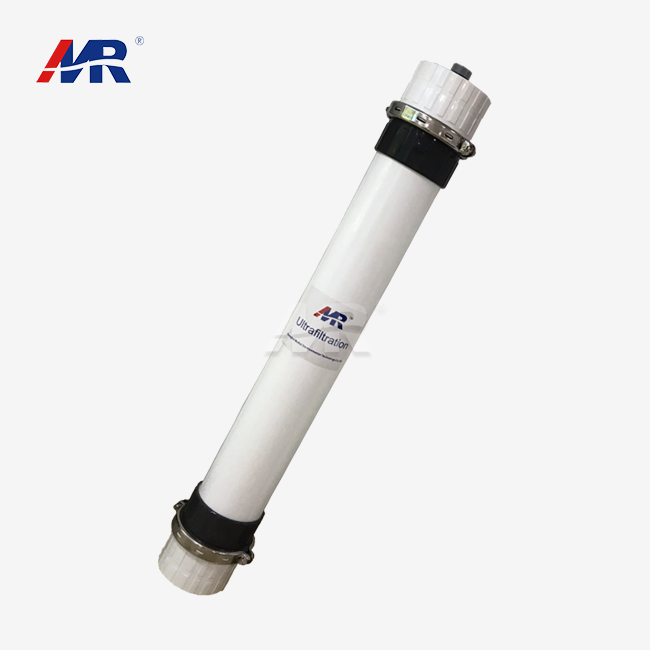 VIEW MOREultrafiltration membrane system
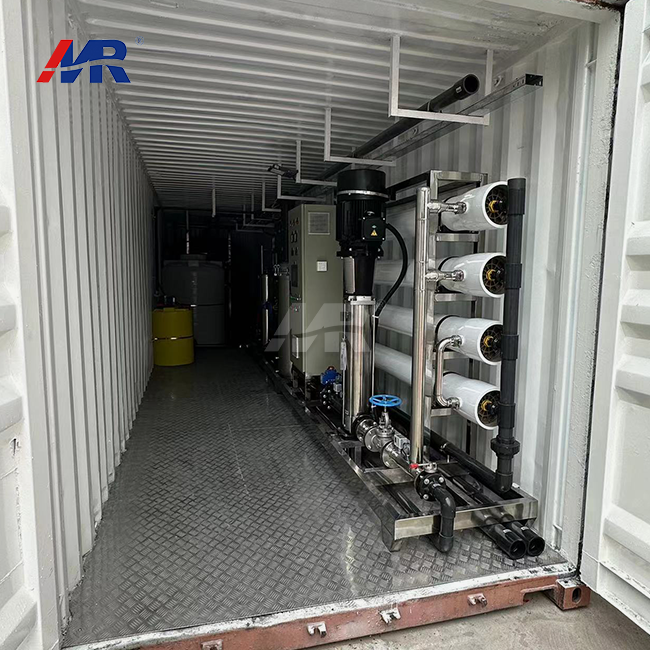 VIEW MOREcontainerized ro system
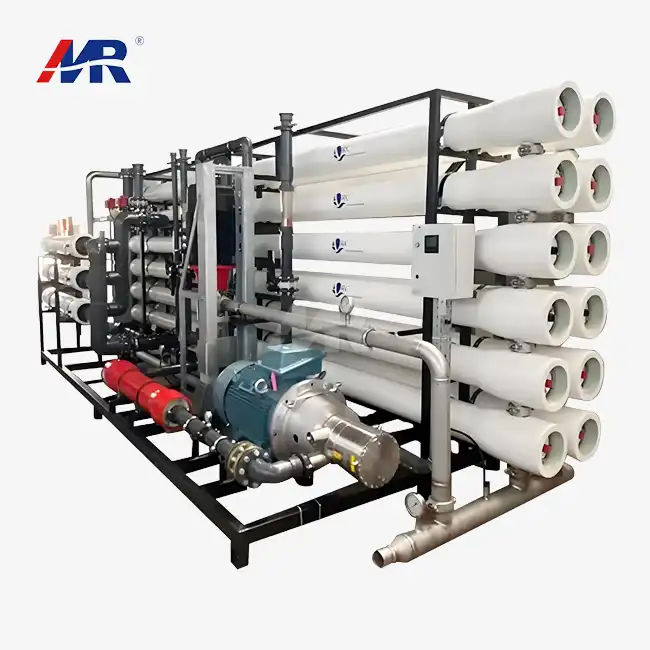 VIEW MORE45m3/hour seawater desalination system
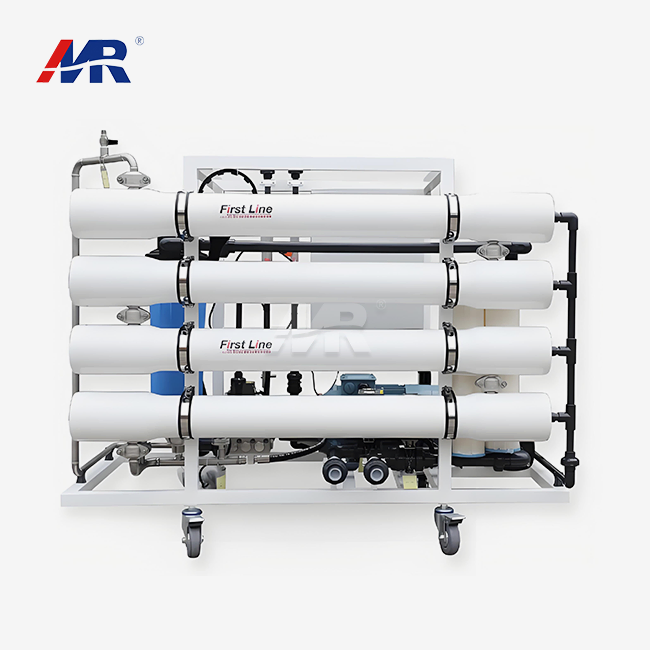 VIEW MOREseawater desalination equipment
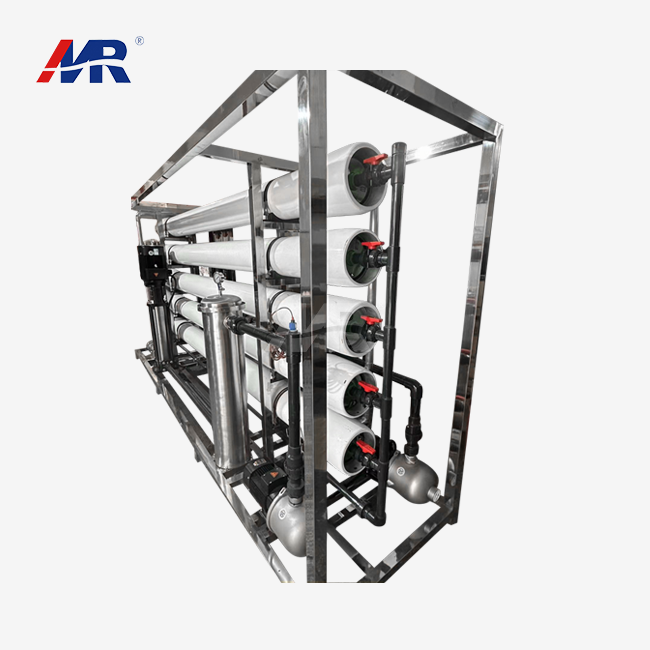 VIEW MOREreverse osmosis water treatment equipment
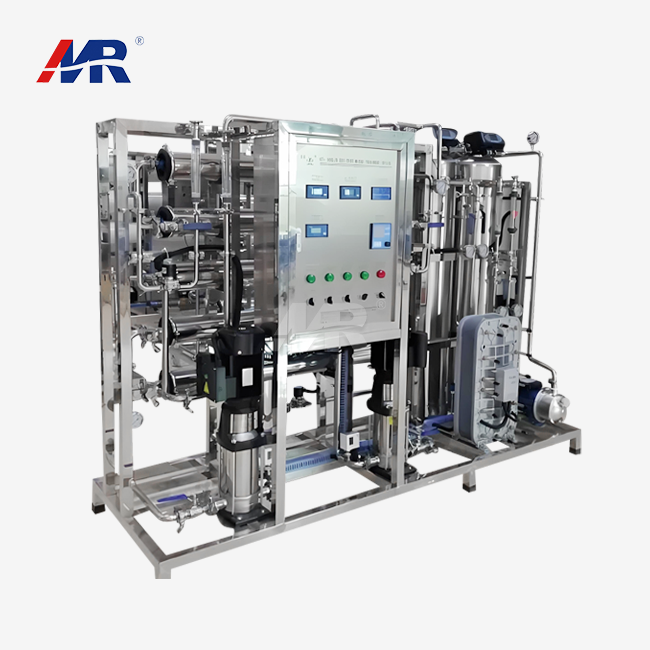 VIEW MORE1000LPH EDI equipment
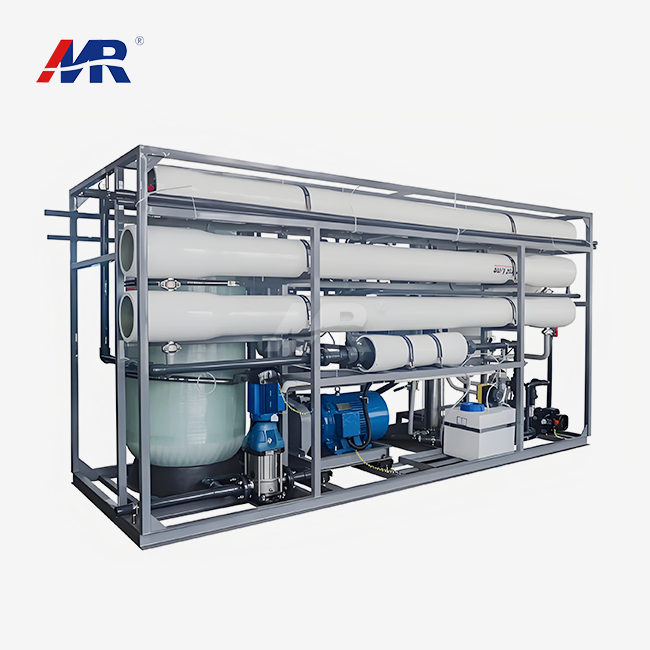 VIEW MOREseawater treatment plant
 VIEW MORE8m3/hour seawater desalination equipment
