

_1745823981883.webp)

How Pure Is Water From an RO Drinking Water System?
Water from an RO drinking water system is extremely pure, removing 95–99.5% of dissolved contaminants on average. Heavy metals, dissolved salts, bacteria, and chemical compounds that regular filtering can't get rid of are removed by semi-permeable membrane technology that works with 0.0001-micron accuracy. Industrial and commercial systems consistently deliver Total Dissolved Solids (TDS) readings below 10 mg/L from feed water with up to 10,000 mg/L. This makes reverse osmosis the gold standard for applications that need consistent, verifiable water quality that meets the needs of pharmaceutical, food-grade, and semiconductor manufacturing.
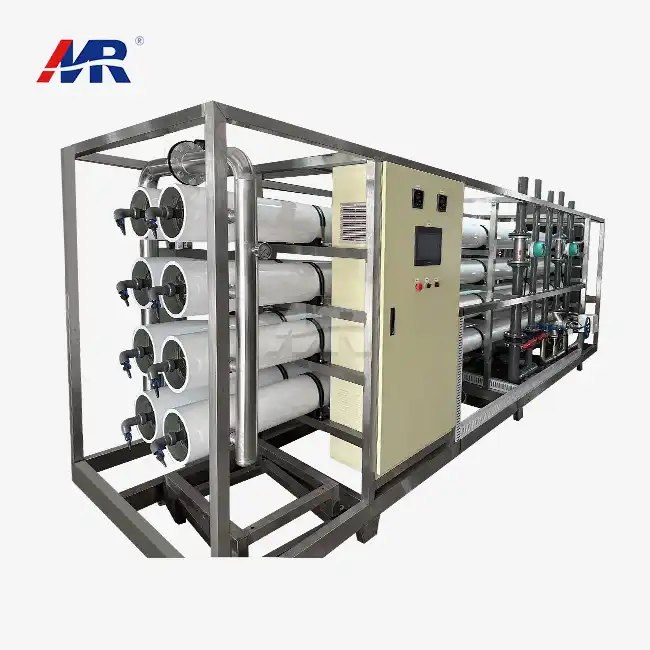
Understanding the Purity of RO Water
How Reverse Osmosis Technology Works
Reverse osmosis works by pushing water molecules through a barrier that lets some through but not others, using pressure—usually 10 to 16 bar in industrial settings. Nanopores in the membrane filter out dissolved solids, organic compounds, and microorganisms, permitting only water and certain small molecules through. This approach differs from chemical solutions that affect impurities without removing them or mechanical filtering that merely catches particles by size.
Core Components of Industrial RO Systems
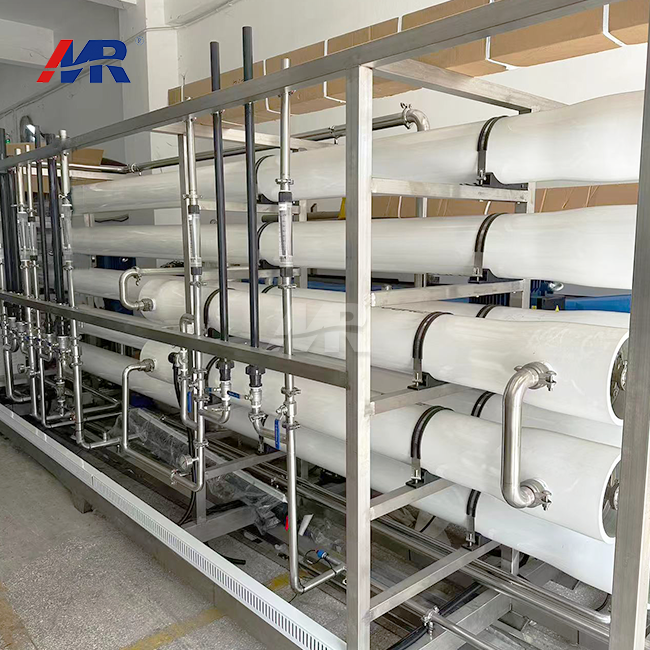
Modern reverse osmosis purification processes have numerous phases to improve performance and durability. High-pressure pumps apply separation force, while pre-treatment modules remove silt and chlorine that could damage membranes. Pressurized containers hold many spiral-wound or hollow-fiber membrane assembly parts. These provide mass-production surface area. Changing the pH and adding beneficial minerals after RO treatment answers the concern that RO removes all minerals in water, even trace minerals.
Contaminant Removal Capabilities
In our factories, advanced systems reject 99.5% of all pollutants, eliminating all forms. The removal of lead, arsenic, and mercury eliminates health issues in aging infrastructure or polluted areas. Scale buildup on industrial equipment is prevented by reducing dissolved inorganic solids such as calcium, magnesium, sodium, and sulfates. The molecular level captures organic chemicals, insecticides, and novel pollutants like PFAS. Bacteria and viruses are physically blocked by the membrane.
Measuring Water Purity Standards
Our purchasing managers and quality assurance teams employ proven purity metrics. System performance is immediately seen with TDS tests. The average feed water from municipal sources has 300–500 mg/L, whereas the quality output is 5–15 mg/L. Conductivity measurements provide real-time monitoring. Very clean water has a value < 10 µS/cm. Nitrates, fluorides, and heavy metals have been eliminated to levels below the EPA and WHO's safe limits, and microbiological testing indicates no coliform bacteria or pathogens.
Benefits of Using RO Drinking Water Systems in Industrial and Commercial Settings
Product Quality and Regulatory Compliance
Clean water affects production in all areas, because even tiny alterations might compromise product integrity. Pharmaceutical businesses need US Pharmacopoeia-compliant water for biotechnology and injectable drugs. Food and drink firms require reliable filtration to maintain tastes and prevent microorganisms from causing costly recalls. Ultrapure water is needed to make electronics because parts-per-billion pollution can harm semiconductors. Therefore, reverse osmosis is not a choice but a required update for RO drinking water systems.
Total Cost of Ownership Analysis
We offer water solutions with solid economics over 5–10 years for money managers. With capacity from 1,000 to 100,000 gallons per day (GPD) and customizable layouts, these systems eliminate the need for bottled water delivery, which can cost mid-sized organizations over $50,000 a year. Only 1.5 to 2.5 kWh/m³ of energy is used, making it more efficient than conventional thermal distillation techniques. Recoveries of 75% or above suggest three-quarters of the feed water is reused. This decreases water prices and environmental release fees. Modular building lets you steadily increase system capacity without replacing it. It safeguards your cash investment as your business grows.
Our equipment offers industrial users several main benefits:
- Advanced membrane technology maintains rejection rates above 99% for 24–36 months. This maintains output quality without affecting performance like in less reliable systems.
- Variable frequency motors and pressure recovery systems reduce power utilization by 20–30% compared to typical configurations, lowering operational expenses.
- Modular construction lets maintenance crews work on individual modules without shutting down the system, keeping production flowing smoothly and extending equipment downtime beyond industry standards.
- Automated control systems monitor important parameters in real time and set programmed alarms, enabling predictive maintenance to prevent unexpected failures and determine filter replacement times.
- Compact footprint maximizes floor space, which is useful for retrofitting when heavy equipment can't fit in existing structures without costly construction improvements.
- These benefits address issues procurement teams commonly raise, such as unpredictable maintenance costs, wasted production time due to damaged equipment, and compliance risks from varying water quality. Our 20 engineers improved each system component based on feedback from the water treatment, medicine, and food processing industries.
Environmental and Sustainability Benefits
Corporate sustainability officers increasingly realize that water treatment infrastructure helps satisfy environmental aims. If people stopped drinking bottled water, thousands fewer plastic bottles would wind up in landfills. In areas with scarce water or high public water costs, our systems' high recovery rates protect water resources. There are no chemical additions, thus there are no toxic residues to handle or dispose of. This simplifies environmental compliance. Alternatives that consume more energy and transportation have a higher carbon footprint. Certified green buildings and business responsibility guarantees benefit.
Key Considerations When Choosing an RO Drinking Water System for B2B Use
Matching System Capacity to Operational Needs
Technical leaders must predict the highest and lowest daily water needs to avoid systems that are too small or too large, failing to fulfill production needs or equipment that wastes money and energy. Manufacturers should track water use during peak output. Process water and CIP cycles are included. For municipal uses, develop population forecasts and observe seasonal changes. Our customizable capacities range from 1,000 GPD units for labs and small enterprises to 100,000 GPD industrial systems for power plants and bottling facilities. The first step in choosing an RO drinking water system.
Feed Water Quality Considerations
Source water qualities dictate pre-treatment demands and membrane choice. Before exposing the membrane, activated carbon must remove 250–500 mg/L of TDS and chlorine disinfectants from most municipal water. Well water has more minerals, iron, and manganese than tap water, requiring more filtration. Near-coast brackish water may contain above 5,000 mg/L TDS. The system requires higher operating pressures and additional maintenance. With the correct pre-treatment design, our systems can handle feed water with up to 10,000 mg/L TDS without compromising performance.
Comparing Filtration Technologies
Normal carbon filters remove chlorine, taste, and odor, but not dissolved minerals or salts that disrupt industrial processes. Ultrafiltration removes pathogens well, but it lets dissolved solids through; thus, it's not adequate for mineral-free water. UV is effective at killing bacteria but not TDS or chemical pollutants. The only way to remove all pollutants is reverse osmosis. RO technology is preferred by pharmaceutical, semiconductor, and precision manufacturing businesses despite its higher upfront cost.
Pre-Treatment and Post-Treatment Integration
The right pre-treatment design protects membranes from fouling and scaling, extending system life. Sediment filters remove membrane-damaging particles over 5 microns. Polyamide membranes degrade with chlorine, whereas carbon blocks remove it. With input water hardness over 200 mg/L, water softeners stop calcium carbonate scaling. RO produces somewhat acidic, mineral-free water; therefore, post-treatment processes accommodate this. Changing pH with calcite filters or injection systems prevents distribution pipe rust. Remineralisation adds calcium and magnesium to water to make it taste better and prevent it from becoming too aggressive in corporate buildings.
Installation and Maintenance for Optimal RO Water Purity
Pre-Installation Site Requirements
Making sure there is enough infrastructure before the equipment arrives is the first step to a successful installation. Feed water pressure must meet basic standards, which are usually between 40 and 60 PSI. If it doesn't, booster pumps are needed. Electrical service needs to be confirmed, and 208–480V three-phase power is needed for industrial systems. Drain connections need to be able to handle concentrated discharge, which has flow rates of about 25 to 50 percent of the feed water volume, depending on how the recovery rate is set. Controlling the temperature is important because the performance of a membrane drops by about 3% for every 1°F that it falls below its ideal operating range. When allocating space, it's important to think about not only the equipment's footprint, but also the space needed for maintenance and replacing membranes in an RO drinking water system.
Professional Installation Versus Self-Installation
Professional installation is always helpful in business and industry, and Our Team offers all-in-one installation and testing services to make that happen. The right way to start up a system includes flushing the membrane with a chemical that protects it, testing the system's integrity at 1.5 times its maximum operating pressure, and adjusting its parameters based on an analysis of the actual feed water. Our engineers do performance validation testing that records baseline flow rates, rejection percentages, and pressure differences. This gives us a way to look back on past problems when we need to fix them. Warranty coverage and safety approval rely on a recorded professional installation. For business uses, doing it yourself is not a good way to save money.
Maintenance Schedules and Performance Monitoring
Maintaining clean water requires strict maintenance compliance, which is made easier by our user-friendly interfaces, which include automated reminders and performance tracking. Depending on the quality of the feed water, pre-filters need to be replaced every 6 to 12 months. Pressure differential gauges show when the flow restriction goes beyond what is acceptable. Most membrane elements keep working at the right level for 24 to 36 months, but feed water with a lot of fouling potential may shorten this time. Most of the time, post-treatment filters need to be replaced every year. Performance monitoring should keep an eye on the permeate flow rate, TDS readings, and pressure differentials every week. Trending analysis can show when water quality is slowly getting worse before it affects production or threatens water quality.
Troubleshooting Common Performance Issues
Dropping flow rates generally mean that the membrane is getting clogged up because of bad pre-treatment or putting off maintenance, but temperature drops can cause the same symptoms without any real equipment problems. If the permeate TDS goes up, it means that the membrane is damaged by chlorine, mechanical stress, or just normal wear and tear that needs to be replaced. If product water has an odd taste or smell, it's probably because the post-treatment filters are worn out or germs are growing in the holding tanks, not because the membranes have failed. Issues with the feed pump, clogged pre-filters, or dirty membrane surfaces can all cause pressure problems. With 500 employees spread across more than 14 branches, our Technical support team can quickly get things back to working at their best through remote diagnostics and on-site service.
Evaluating RO Systems: Brand Insights and Procurement Tips
Quality Components and Manufacturing Standards
When you buy from well-known companies, you can be sure that you'll get tried membrane technology instead of options that haven't been tested and might not work as expected. Our own plant for making membranes keeps an eye on quality throughout the whole process. Additionally, our roles as agents for Shimge Water Pumps, Runxin Valves, and Createc Instruments make sure that key parts meet the highest standards of reliability in the industry. Certification to NSF/ANSI Standards 58 and 61 checks both performance claims and the safety of the materials. This makes sure that system parts don't leak contaminants into clean water. ISO 9001 approval means that the manufacturing process is controlled in a way that ensures quality across all production runs for any RO drinking water system.
Warranty Terms and After-Sales Support
A full warranty protects the investment and shows that the manufacturer trusts the product's dependability. Most membrane guarantees are good for 12 to 24 months, which is how long the membrane should last if it is properly maintained. Building materials and housing should be guaranteed to be free of flaws for 5 to 10 years. Long-term operational success depends a lot on the availability of after-sales support, especially for facilities that don't have their own water treatment experts. Our engineering team offers technical advice on how to make the system work better, help with troubleshooting when performance problems happen, and original replacement parts that keep the system's integrity instead of putting it at risk with parts that don't work with it.
Procurement Considerations for Industrial Buyers
When a facility needs more than one unit or the same specifications across all of its locations, bulk purchasing and original equipment manufacturer (OEM) agreements can help get better prices. Financing choices help spread out the cost of capital over the life of the equipment, which makes it easier for the project to get approved when it has to compete with other capital allocation goals. When planning a project, lead times are important. Custom-capacity systems take 8–12 weeks to deliver, while stock setups can be delivered within days. When you buy from certified dealers and authorised suppliers, you can be sure that you are getting real Products and not fake ones that might break down early or put facilities at risk of not following the rules because they are made with non-certified materials.
Conclusion
With rejection rates above 99% for dissolved solids, heavy metals, and chemical contaminants, reverse osmosis systems clean water to a level that normal filtering can't match. This technology is used by businesses and factories in the pharmaceutical, food processing, electronics, and municipal sectors to meet strict quality standards and keep costs low. When choosing a system, it's important to make sure that the volume, pre-treatment design, and maintenance options are all right for the job and the water that will be going into it. With the right installation by trained professionals and regular maintenance, these systems provide reliable, high-purity water for many years, helping with the quality of production, compliance with regulations, and being environmentally friendly, which are important for modern businesses to be successful.
FAQ
Q1: How often should membranes be replaced in commercial RO systems?
How often the membranes need to be replaced depends on the quality of the feed water and how well the pre-treatment works. With the right pre-filtration, industrial systems that process municipal water usually last between 24 and 36 months before their rejection rates drop below what is required. Because of a higher chance of fouling, operations that use well water or water from salty sources may have shorter gaps of 18 to 24 months. Every 6 to 12 months, pre-filters need to be replaced to keep membranes from breaking down too quickly. Monitoring the permeate TDS and flow rates lets you know quickly when the membrane's performance starts to decline, so you can replace it before it breaks down unexpectedly.
Q2: Does reverse osmosis remove beneficial minerals from water?
During the process, dissolved minerals are removed without preference. These minerals include calcium and magnesium, which make water harder and offer health benefits when used for drinking. A lot of industrial systems have remineralisation stages that add these minerals back in at controlled levels. This balances the pH and makes the taste better. Mineral reduction is still being discussed in terms of its health effects, since people get a lot more minerals from food than from drinking water. For process water specifications, this property is helpful because it makes the water completely demineralised, which is what is needed for many industrial uses.
Q3: Can the wastewater ratio be adjusted in industrial systems?
In industrial setups, valve sets that combine water recovery with membrane longevity and fouling prevention let you change the concentrate flow. Higher recovery rates, like the 75% that our systems reach, lower the volume of wastewater but raise the concentration of dissolved solids at membrane surfaces, which could speed up scaling. The best settings depend on the chemistry of the feed water; sources with lower TDS can handle higher recovery. Fixed flow restrictors are used in residential systems so that users can't change them. This protects the membrane. In order to get the best recovery rates in commercial installations, water conservation goals must be balanced against the cost of maintenance and the number of times the membrane needs to be replaced.
Partner With Morui for Superior Water Treatment Solutions
More water purification options are available from Guangdong Morui Environmental Technology. They offer tested RO drinking water system solutions that get results that can be measured. We know how to make complete systems that can handle up to 100,000 GPD. We also have our own membrane production plant and equipment processing companies that make sure quality control is done at every step of the supply chain. As a well-known supplier with more than 14 locations and more than 500 committed workers, we can help with everything from the initial design to installation, commissioning, and ongoing upkeep. Technical leaders value the 20 engineers' ability to customise systems for a wide range of uses, such as pharmaceutical-grade water, food processing, and municipal supplies. You can email our team at benson@guangdongmorui.com to talk about your specific needs, get detailed quotes, or set up system demonstrations that show how our technology can help you solve your operational challenges while staying within your budget.
References
1. Greenlee, L.F., Lawler, D.F., Freeman, B.D., Marrot, B., and Moulin, P. (2009). "Reverse Osmosis Desalination: Water Sources, Technology, and Today's Challenges." Water Research, Volume 43, Issue 9, pp. 2317-2348.
2. Crittenden, J.C., Trussell, R.R., Hand, D.W., Howe, K.J., and Tchobanoglous, G. (2012). "MWH's Water Treatment: Principles and Design, Third Edition." John Wiley & Sons, Hoboken, New Jersey.
3. World Health Organization (2017). "Guidelines for Drinking-Water Quality: Fourth Edition Incorporating the First Addendum." WHO Press, Geneva, Switzerland.
4. National Research Council (2008). "Desalination: A National Perspective." The National Academies Press, Washington, DC.
5. Wilf, M. and Bartels, C. (2005). "Optimization of Seawater RO Systems Design." Desalination, Volume 173, Issue 1, pp. 1-12.
6. American Water Works Association (2007). "Reverse Osmosis and Nanofiltration: Manual of Water Supply Practices M46, Second Edition." AWWA, Denver, Colorado.
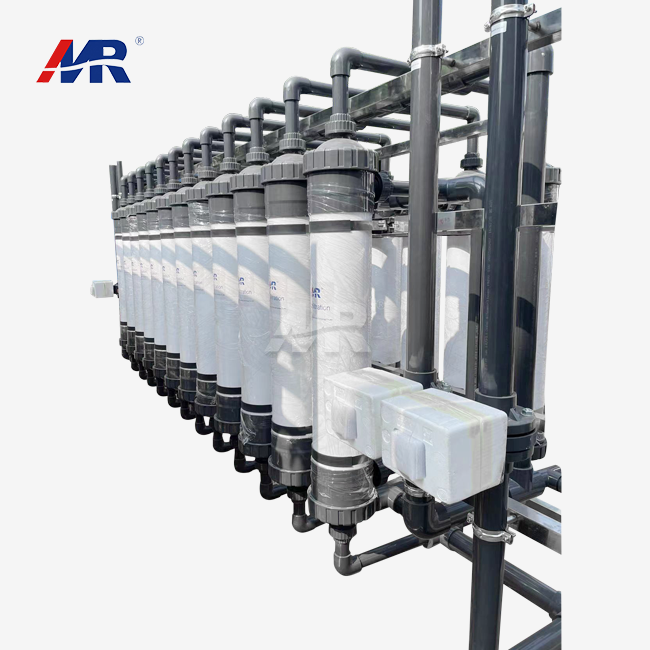 VIEW MOREindustrial ultrafiltration systems
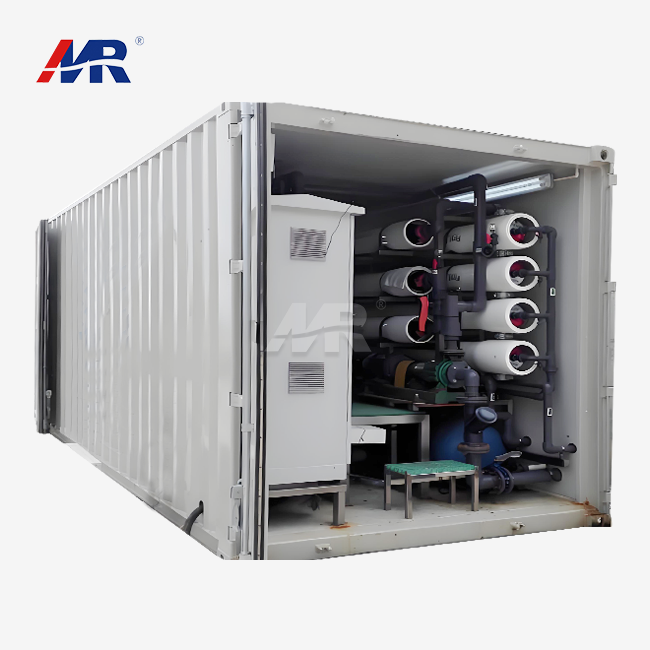 VIEW MOREcontainer seawater desalination equipment
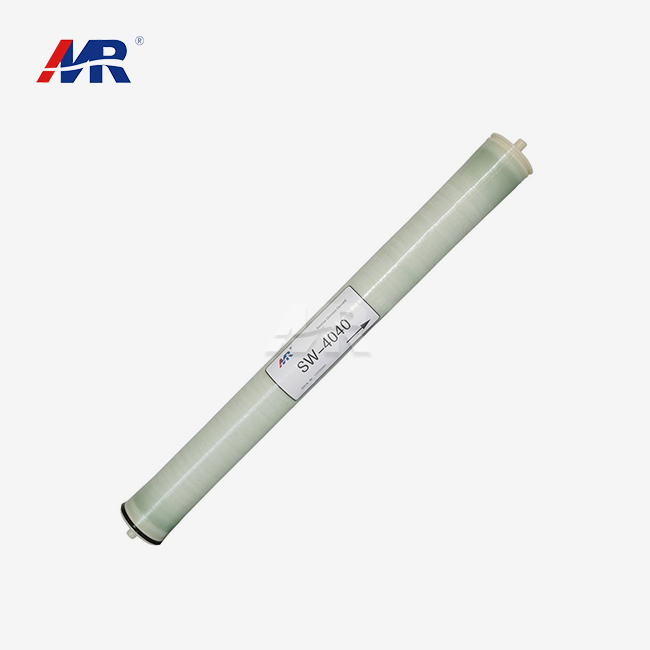 VIEW MOREswro membrane
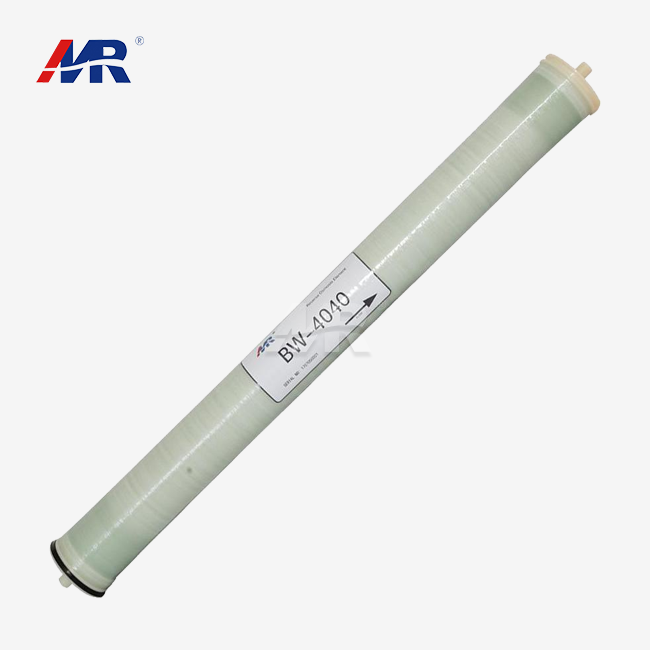 VIEW MORE4040 reverse osmosis membrane
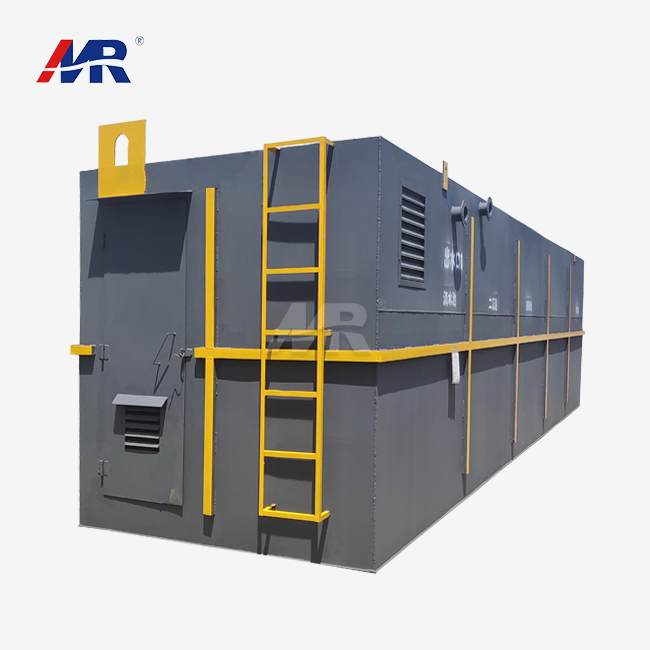 VIEW MOREhome wastewater treatment plant
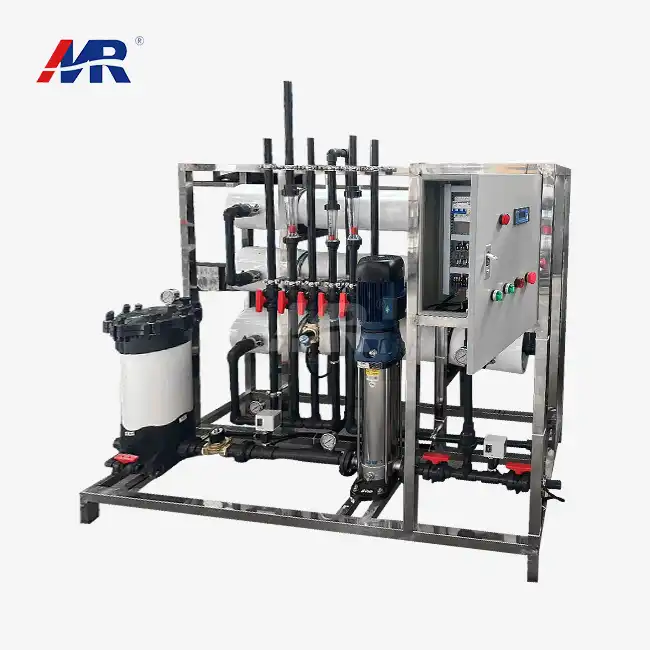 VIEW MORE3T/H reverse osmosis equipment
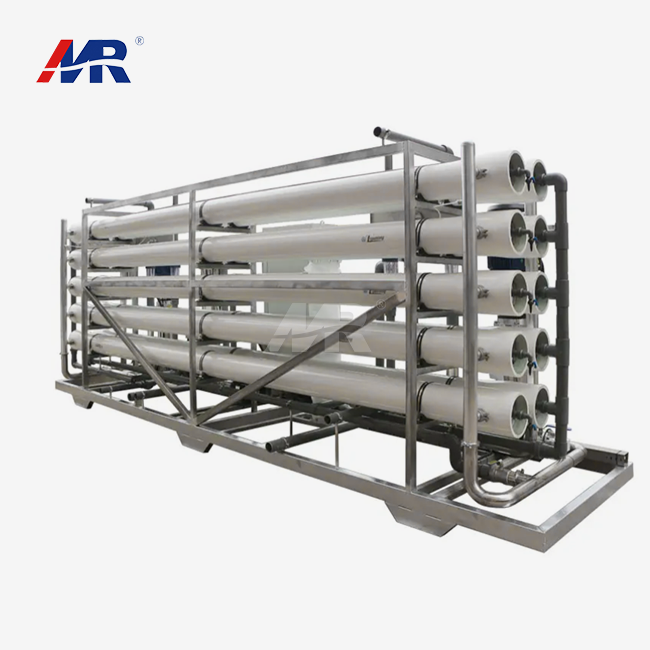 VIEW MOREbrackish water reverse osmosis systems
 VIEW MOREosmosis drinking water system
