

_1745823981883.webp)

What Makes EDI Electrodeionization Superior to Mixed Beds?
In contrast to conventional mixed bed systems, EDI electrodeionization is a cutting-edge, continuous deionization method that does not require chemical renewal. This advanced process uses ion-exchange resins and electrically driven ion movement through selected membranes to produce ultrapure water with a resistivity of up to 18.2 MΩ·cm without using dangerous acids or caustics. The result is less operational complexity, less damage to the environment, and uninterrupted production. These are all very important benefits for procurement professionals in the pharmaceutical, semiconductor, power generation, and other high-purity water industries who want to save money over the long term and follow the rules.
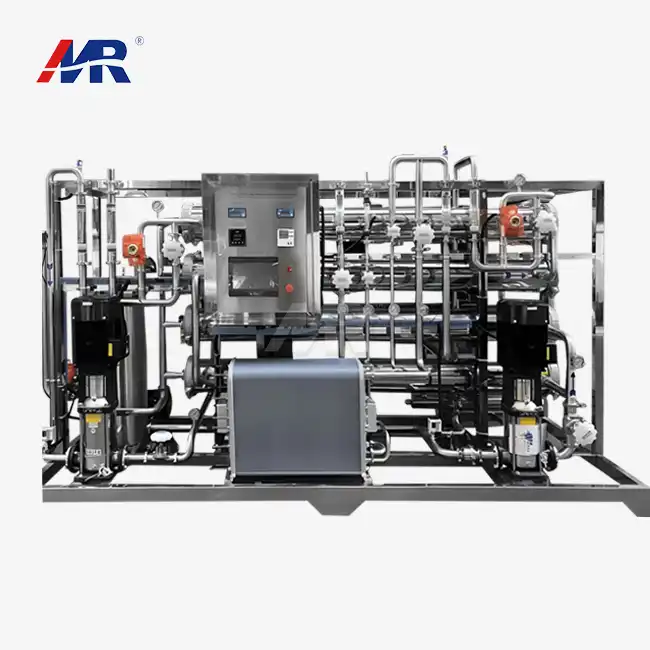
Introduction
Making high-purity water has become an important part of business growth in many areas. From making medicines that need USP-grade water to making semiconductors that need ultrapure water for chip cleaning, the technology chosen has a direct effect on the quality of the product, the cost of running the business, and the impact on the environment. EDI electrodeionization and mixed-bed deionization systems have been the most popular deionization methods in the past.
Industries have relied on mixed bed deionization for decades, which uses both cation and anion exchange materials to get very pure water. However, this traditional method has a lot of operating problems. For example, the regular regeneration of chemicals stops production, handling dangerous chemicals raises safety concerns, and changes in water quality during resin exhaustion cycles can harm sensitive industrial processes.
Electrodeionization technology is being used more and more because of the growing focus on environmentally friendly and cost-effective processes. This piece looks at why more and more people in charge of buying things in the industrial, pharmaceutical, electronics, power generation, and municipal sectors choose continuous electrodeionization systems over traditional mixed beds. To help us make smart buying choices, we look at technical ability, total cost of ownership, environmental compliance, and proof of real-world use.
Understanding the Basics of EDI and Mixed Bed Deionization
How EDI Electrodeionization Works?
Ion-exchange materials, ion-selective membranes, and a DC electrical field are all used in EDI electrodeionization, an electrochemical method for treating water. The feed water, which is usually treated first with reverse osmosis, goes into the EDI module. Ions move through compartments that are divided by membranes that share cations and anions. Ionic species are pushed toward their correct electrodes by the applied electrical potential, which also constantly renews the resin. This device for self-regeneration gets rid of all chemical regeneration processes, so it always makes high-purity water without stopping operations.
Traditional Mixed Bed Deionization Mechanics
In mixed bed systems, cation and anion exchange resins are mixed very closely together in a single tank. As water moves through, cations swap places with hydrogen ions and anions swap places with hydroxyl ions. This makes deionized water. When the resin is full, the system needs to be regenerated offline using sulfuric acid and sodium hydroxide. This regeneration process divides the resins, returns their exchange capacity chemically, and mixes them again. This takes several hours and creates a lot of chemical waste that needs to be neutralized before it can be released.
Critical Differences Impacting Operations
The main difference is in how the healing is done. Mixed beds work in batches, switching between service and regeneration modes. As the resin runs out, production breaks and changes in water quality happen. Electrodeionization keeps the process going with stable output quality because the electrical field keeps renewing the glue on-site. These uninterrupted operations directly translate into reliable manufacturing, which is especially helpful in pharmaceutical validation processes and semiconductor production, where consistent water quality is a must.
Core Performance Comparison: EDI vs. Mixed Beds
Water Purity Consistency and Output Quality
The main way to tell if water is pure is by its resistance, and both methods can make water that is purer than 15 MΩ·cm. Mixed bed systems have very high purity right after renewal, but their quality goes down over time as the resins run out, making a decreasing quality curve. EDI electrodeionization keeps the resistivity between 16 and 18.2 MΩ·cm throughout operation, always passing ASTM D5127 Type E-1.2 and ISO 3696 Grade 1 standards. This stability gets rid of quality-related production risks and makes process validation easier, which is a big plus for pharmaceutical GMP compliance and improving semiconductor output.
Technical data shows that electrodeionization is a good way to get rid of weakly ionized species like reactive silica and boron that are hard for reverse osmosis to handle on its own. Often, more than 99% of the silica is removed, which stops scaling in high-pressure boilers and pollution in the production of microelectronics. Total organic carbon levels stay below 5 ppb, which is very important for cleaning semiconductor wafers because organic contamination has a direct effect on production rates.
Chemical Consumption and Environmental Impact
A mixed bed regeneration process needs a lot of strong sulfuric acid and sodium hydroxide—about 100 to 200 pounds per cubic foot of resin per regeneration cycle. This makes operations harder in many ways, including the need to store and handle dangerous chemicals properly, give workers safety training and protective gear, and create wastewater that needs to be neutralized and disposed of. Many sites are having to deal with stricter rules and higher costs for getting rid of chemical waste streams.
Electrodeionization doesn't use any chemicals after the initial setup, so these worries are completely gone. This means big environmental benefits, like not having to buy or store any dangerous chemicals, not having to dump any neutralization trash, and having a smaller carbon footprint from moving chemicals around. This alignment is especially helpful for companies that want to get sustainability approvals and meet ESG goals, since electrodeionization directly helps green production efforts without hurting water quality.
Energy Efficiency and Operational Costs
Comparing energy use is more complicated than it seems. In service mode, mixed bed systems don't need much electricity, but hot regeneration solutions and longer rinse processes use a lot of electricity. Electrodeionization needs constant DC power, usually between 0.1 and 0.5 kWh per cubic meter of water made, but this depends on the quality of the feedwater and the goal resistance. Modern power sources with improved energy economy cut this use down by a large amount.
A study of the total operating costs shows that the benefits of electrodeionization get stronger over time. In most Cases, the costs of chemicals, labor for tracking and carrying out regeneration, fees for getting rid of wastewater, and production breaks are higher than the costs of electrodeionization energy. Facilities that work multiple shifts benefit the most because constant operation gets rid of the problems that come with planning recovery schedules and makes the best use of production capacity.
Maintenance Requirements and System Longevity
Mixed bed systems need to have their plastic replaced on a regular basis, usually every two to four years, but this depends on the quality of the feedwater and how often the system regenerates. Equipment used for separating resins, cleaning them, and mixing them again needs to be serviced every so often, and systems that send chemicals for regeneration also need care. The people who work there must be trained in how to handle chemicals and follow the renewal process.
Electrodeionization units usually last between 5 and 7 years if they are properly prepared, and they don't have any moving parts inside the stack itself. Maintenance is mostly about taking care of the main reverse osmosis system and doing clean-in-place procedures every so often if fouling happens. Individual stacks can be replaced without shutting down the whole system because of the modular design, and tracking automation makes it much less necessary for a person to be involved. This edge in reliability lowers the cost of repair labor and raises the general uptime of production.
Advantages of EDI Electrodeionization for B2B Procurement
When procurement professionals look at capital investments for water treatment, they have to weigh the original costs against the long-term costs of running the business, meeting legal requirements, and achieving strategic operational goals. EDI electrodeionization has a lot of great benefits that are in line with how things are bought today.
Lower Total Cost of Ownership
Even though electrodeionization systems may have higher start-up costs than mixed beds, a full lifetime study always shows that they are a better investment. Just getting rid of the need to buy renewal chemicals saves a lot of money every year. Facilities that use mixed beds spend between $10,000 and $50,000 a year on these chemicals, based on the size of the system and how often it cycles. The costs of running the business are largely made up of labor costs for things like regeneration, quality control during resin burnout cycles, and garbage management.
Another financial benefit is that water collection rates are high. Electrodeionization usually gets 90–95% recovery, which is a lot more than mixed-bed systems, which need a lot of water for regeneration rinse cycles. This improvement in efficiency saves a lot of money for facilities that have to deal with high water costs or limited supplies. Even though electrodeionization costs energy, it is stable and getting cheaper as electricity rates level off compared to unpredictable chemical prices.
Enhanced Production Uptime and Flexibility
More and more manufacturing companies are using lean concepts to cut down on inventory gaps and get the most out of their assets. Downtime for mixed bed regeneration gets in the way of these goals, so either extra capacity needs to be invested or output has to be planned around regeneration cycles. Electrodeionization continuous operation gets rid of this problem completely, making it easier to plan output and freeing up cash that would have been used for unnecessary equipment.
Because electrodeionization systems can be expanded in stages, buyers have more options when it comes to buying them. Facilities can set up basic capacity with room for more modules as production rises. This way, they don't have to make a big starting investment but can still grow as needed. This flexibility is especially helpful for businesses that are growing and for places where demand changes with the seasons.
Regulatory Compliance and Documentation
Pharmaceutical and science centers are closely watched by regulators, who need a lot of paperwork and proof to do their jobs. Validation is hard with mixed bed operation because the water quality changes over the service cycle and the recycling process changes things that affect the uniformity of the output. Electrodeionization steady-state operation makes validation methods a lot easier to follow—continuous tracking shows long-term compliance without the need for cyclic variation evidence.
Environmental permits are making it harder to use chemicals and dump garbage. When facilities replace mixed beds with electrodeionization, they often get rid of big permit requirements, lessen the work of reporting, and avoid the risk of future regulatory tightening. This governmental relief cuts costs right away and lowers risks in the long term as environmental standards continue to change.
Workplace Safety Improvements
Handling concentrated acids and caustics comes with its own safety risks that need to be addressed with special training, protective gear, emergency plans, and regular safety checks. When these poisons are used in accidents, they can cause serious injuries and put people at risk of being sued. Electrodeionization completely gets rid of these dangers, making workplaces safer and sometimes even lowering insurance rates.
Because electrodeionization (EDI electrodeionization) is so easy to use, it requires less skill for regular tracking. This means that specialized technical staff can be put to work on more important tasks. Automated tracking systems let you know right away when performance changes, so you can plan maintenance ahead of time instead of having to fix problems as they happen.
Conclusion
The change from EDI electrodeionization to mixed-bed deionization is a big step forward in the technology used to clean water in factories. Continuous production of ultrapure water, stable quality output, and better removal of difficult contaminants are some of the technical performance benefits. There are also operational benefits, such as the elimination of chemicals, lower upkeep needs, and higher production uptime. A good total cost of ownership is always shown by financial research. This is because chemicals are saved, labor is cut, and manufacturing speed is increased.
When purchasing decisions are being made about investments in water treatment, electrodeionization should be seen as the current standard for high-purity uses. The technology solves important problems in the industry, like meeting environmental standards, keeping workers safe, and making operations easier, while also providing excellent technical performance. Electrodeionization is a tried-and-true way for production companies to balance environmental responsibility with economic success while still meeting their operational excellence and sustainability goals.
FAQ
1. Can electrodeionization completely replace mixed-bed systems?
When the right process is in place, EDI electrodeionization can be used instead of mixed beds in most high-purity water uses. It is necessary to use reverse osmosis to get rid of 95–99% of the ions before EDI cleaning. Applications that use water that is very hard or has a high growth potential may need more preparation optimization. The technology works really well in areas like pharmaceutical purified water, semiconductor ultrapure water, power plant boiler feedwater, and lab work where constant quality and chemical-free operation are very important.
2. What maintenance does electrodeionization require compared to mixed beds?
Instead of chemical regeneration processes, electrodeionization upkeep is mostly about keeping an eye on things and cleaning them every so often. Operators keep an eye on factors like DC current, stack pressure drop, and product water resistance. These give them early warnings when performance changes. When needed, Clean-In-Place methods with mild cleaning solutions get rid of fouling. This is usually only needed once a year or less often with good preparation. When compared to mixed bed regeneration, which needs chemicals to be handled, resin to be separated, and long periods of shutdown every few days or weeks based on capacity and water quality, this is not the case at all.
3. Why does electrodeionization require reverse osmosis pretreatment?
Reverse osmosis gets rid of 95–99% of the dissolved ions, which makes EDI stacks much less electrically demanding. Without this main limit, the EDI ion-exchange capacity would quickly become too high, which would cause scaling from hardness ions and a quick drop in performance. The quality of the RO permeate directly affects how long and how well an edi system works. If the preparation is done right, the module can last for 5 to 7 years, but if it's not done right, fouling and replacement needs will happen faster. This two-step process makes the most of each technology's strengths by combining RO's ability to remove bulk with EDI's ability to polish.
Partner with Morui for Advanced Electrodeionization Solutions
Guangdong Morui Environmental Technology Co., Ltd. is an expert at providing complete water treatment solutions that are specifically designed to meet the needs of the pharmaceutical, electronics, power generation, and industrial production industries. Our EDI electrodeionization systems use tried-and-true module technology and expert process design to make sure they work perfectly in your application. As a well-known EDI electrodeionization supplier with more than 500 workers, including 20 dedicated engineers, we take care of the whole project, from the initial inspection to installation, commissioning, and ongoing Technical support.
In addition to selling equipment, we can also make membranes in our own facility, handle equipment in various factories, and work with top component makers like Shimge Water Pumps, Runxin Valves, and Createc Instruments to offer a full range of services. This vertical merger makes sure that your capital projects have quality control, low prices, and reliable delivery schedules. Email our expert team at benson@guangdongmorui.com to talk about your high-purity water needs and find out how electrodeionization can help your business run more efficiently while having less of an impact on the environment.
References
1. American Society for Testing and Materials. "Standard Specification for Reagent Water (ASTM D1193-06)." ASTM International, 2018.
2. Ganzi, Gary C. "Electrodeionization for High-Purity Water Production: Operating Principles and Performance Characteristics." Ultrapure Water Journal, vol. 26, no. 4, 2009, pp. 22-31.
3. International Organization for Standardization. "Water for Analytical Laboratory Use - Specification and Test Methods (ISO 3696:1987)." ISO Standards, 1987.
4. Pharmaceutical Inspection Convention. "Guide to Good Manufacturing Practice for Medicinal Products - Annex 1: Manufacture of Sterile Medicinal Products." PIC/S, 2022.
5. SEMI International Standards. "Guide for Ultrapure Water Used in Semiconductor Processing (SEMI F63-0307)." SEMI Standards, 2007.
6. Strathmann, Heiner. "Electrochemical Membrane Processes for Water and Wastewater Treatment: Electrodeionization Technologies." Membrane Science and Technology Series, Elsevier, 2015.
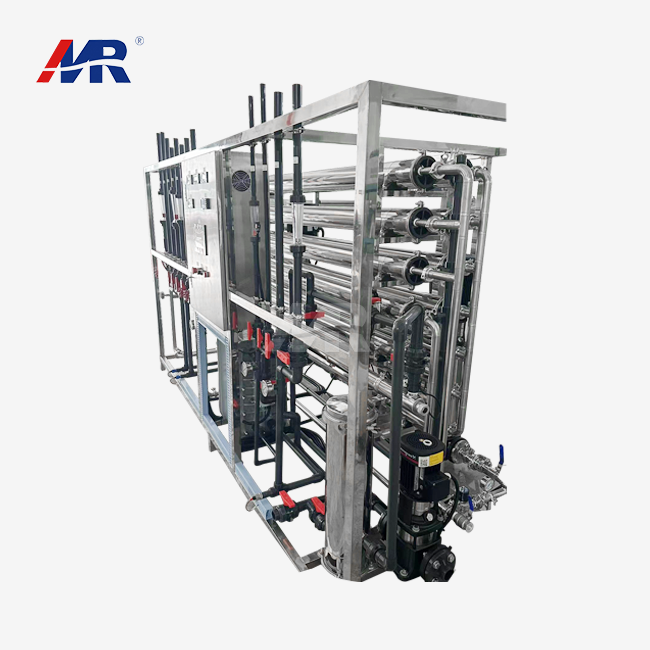 VIEW MOREedi water plant
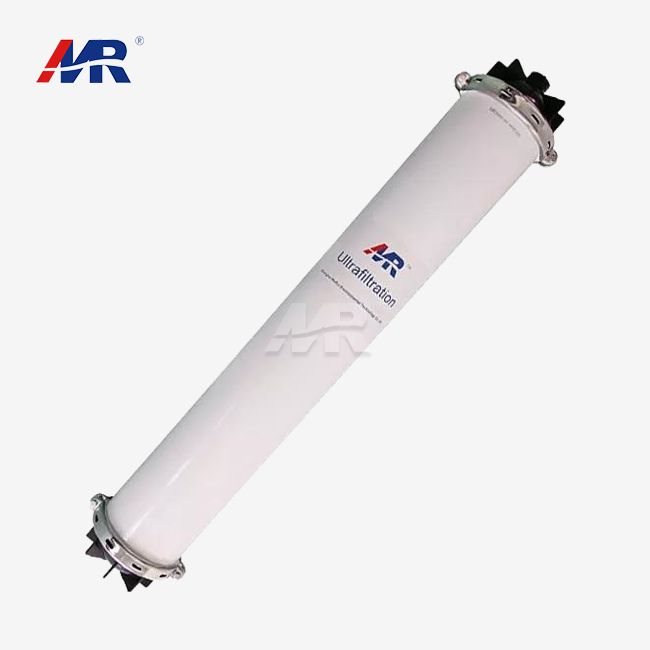 VIEW MOREultrafiltration membranes for water treatment
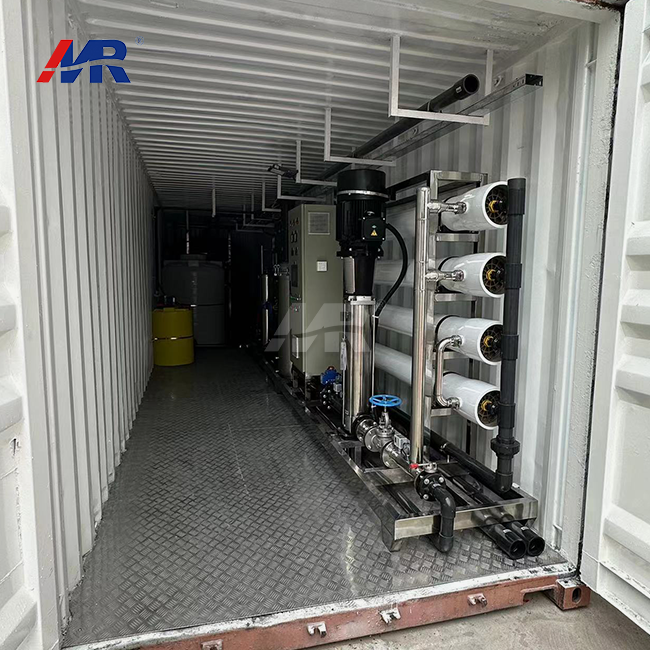 VIEW MOREcontainerized ro system
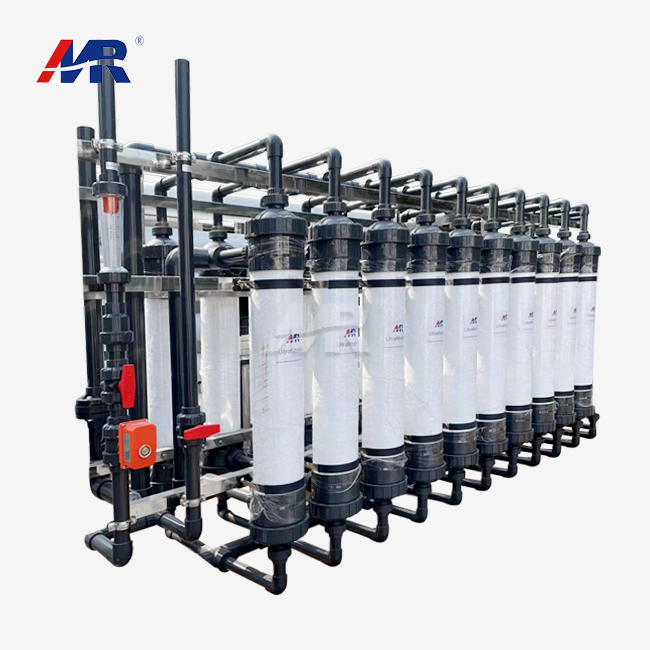 VIEW MOREultrafiltration drinking water system
 VIEW MOREro edi system
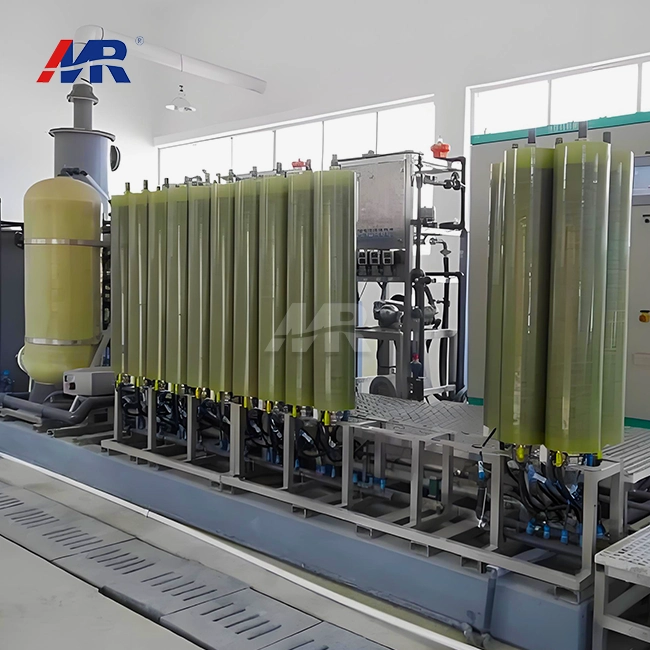 VIEW MOREDTRO Landfill Leachate Treatment
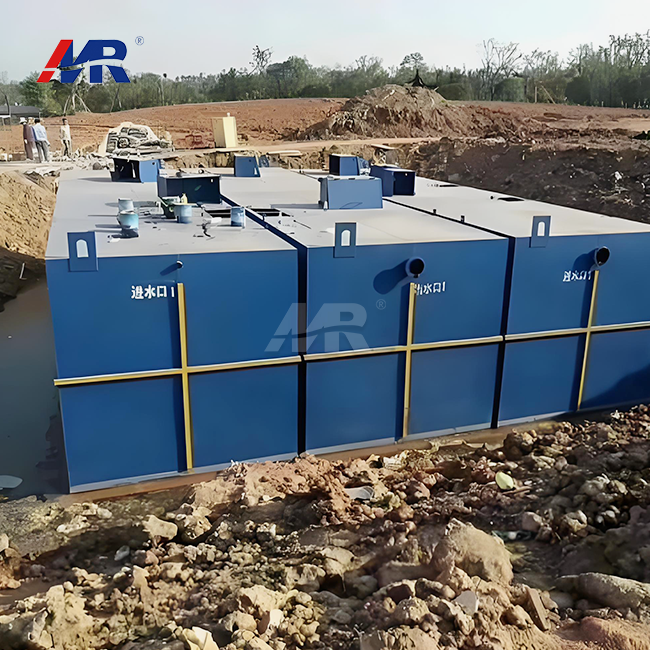 VIEW MOREwastewater treatment plant units
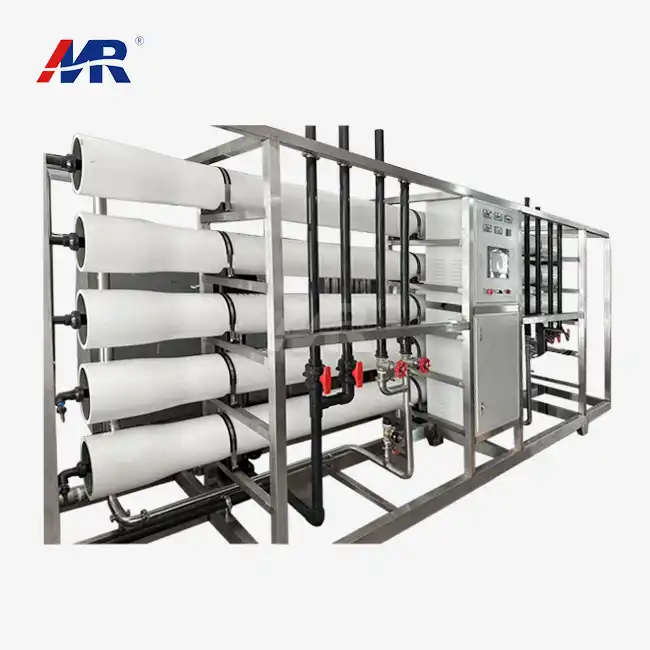 VIEW MORE25m3/hour reverse osmosis equipment
