

_1745823981883.webp)

Does an EDI System in Water Treatment Need Pre-RO Filtration?
A simple yes or no answer: yes, pre-RO filtration is required before an edi system in water treatment. For EDI technology to work, the feed water needs to have very low conductivity (usually less than 40 µS/cm). Without preparation with reverse osmosis, raw water with a lot of dissolved solids would be too much for the EDI module, leading to fast scaling, current overload, and system failure before it should have. Pre-RO filtration is an important cushion that gets rid of more than 95% of ionic contaminants and keeps the EDI unit's electrochemical integrity.
Introduction
Getting ultrapure water is now a must in the pharmaceutical industry, the electronics industry, and lab studies generally. As businesses strive for purer water—often hitting 18.2 MΩ·cm resistivity levels—combining several water treatment methods has become the most reliable way to go. At the heart of this combination is electrodeionization, a technology that doesn't use chemicals and keeps getting rid of leftover ions without needing dangerous renewal chemicals.
However, procurement managers, plant engineers, and technical decision-makers are always asked if an EDI system in water treatment really needs pre-RO filtering or if it can work on its own. This question is very important because it affects how much money is spent on capital, how efficiently operations are run, and how reliable the system will be in the long run. This piece looks at how EDI modules and reverse osmosis preparation work together technically. It gives decision-makers who are in charge of improving industrial water purification infrastructure evidence-based advice that fits their needs.
Understanding EDI Systems and Their Role in Water Treatment
What Is an EDI System and How Does It Work?
Ion-exchange resins, ion-selective membranes, and a direct current electrical field are all combined in an EDI system in water treatment to constantly deionize water. EDI modules renew themselves by electrochemically splitting water molecules into hydrogen and hydroxide ions. This is different from standard mixed-bed deionizers, which need to be regenerated with acids and caustics on a regular basis. This self-regeneration gets rid of the risks of handling chemicals, cuts down on downtime, and allows for 24/7 operation.
Leading pretreated water through sections filled with ion-exchange resin beads is what an EDI module does for a living. Ions move toward the cathode and anions move toward the anode because of the electrical field. These ions pass through selective membranes and into concentrate chambers, where they are flushed out. The end result is ultrapure water with a resistance of 10 to 18.2 MΩ·cm. This process gets rid of any remaining salts, dissolved carbon dioxide, and weakly ionized substances like boron and silica.
Industries Relying on EDI Technology
EDI devices are needed by pharmaceutical and biotechnology companies to make purified water that meets US Pharmacopoeia standards. The total organic carbon level in the water must stay below 500 parts per billion. Semiconductor makers need very pure water to rinse wafers because even very small amounts of ionic pollution (parts per trillion) can lower yield rates. For power plants, EDI is used for high-pressure boiler feed water. To keep turbine scaling from happening, silica levels must stay below 5 parts per billion. This technology is also used in the food and drink industry to make sure that Products are safe and consistent, especially when making bottled water and beverage concentrates.
The Function and Importance of Pre-RO Filtration in Water Treatment
Pre-Treatment Stages Protecting Reverse Osmosis Membranes
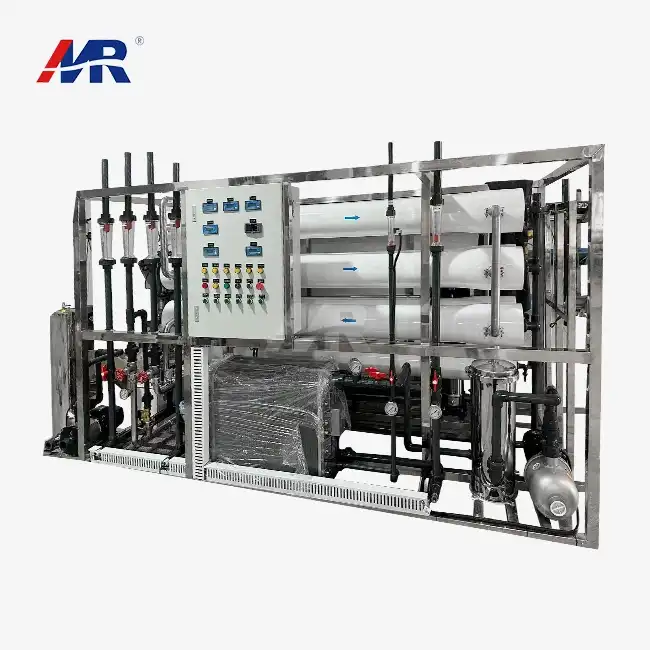
Water usually goes through multimedia filters with layers of anthracite, sand, and garnet before it gets to an ro membrane. These screens get rid of turbidity, suspended solids, and colloidal particles that would normally stick to membrane surfaces. The next step is activated carbon filters, which get rid of chlorine, chloramines, and organic chemicals that damage polyamide RO membranes by attacking them with oxygen. Calcium carbonate and other hardness crystals don't stick to membrane surfaces when water softeners or antiscalant dose systems are used.
This multiple-barrier method, an EDI system in water treatment, protects the RO system, making the membrane last up to seven years longer and keeping the quality of the permeate stable. Without the right preparation, membrane fouling speeds up, which raises the transmembrane pressure, slows down flow rates, and uses more energy. Industrial RO membrane replacement costs can be anywhere from a few thousand to tens of thousands of dollars per module. This means that investing in cleaning is a smart way to save money.
How does Feed Water Quality Impact EDI Performance?
The quality of the feed water has a direct and harsh effect on how well the EDI system in water treatment works. EDI modules are made to be polishing units, not tools for main treatment. If the conductivity of the feed water is higher than 40 µS/cm, the amount of electricity needed to move the ions rises very quickly, which creates too much heat and speeds up the breakdown of the resin. When there is a lot of hardness, silica, or organic matter in the resin cells, it scales and fouls up, making it harder for fluids to move and ion exchange to happen.
We have a lot of data from the field that shows that EDI units that receive RO permeate with conductivity below 20 µS/cm reliably get product water resistivity above 15 MΩ·cm while only using 0.1 to 0.3 kWh per cubic meter. On the other hand, systems that don't get the right pretreatment have resistance drops, need to be serviced often, and need to change modules every two to three years instead of every five to seven years.
Evaluating the Necessity of Pre-RO Filtration Before EDI Systems
Technical Thresholds for Optimal EDI Operation
EDI technology needs very special feed water conditions to work. The conductivity should be less than 40 microsiemens per centimeter, and the total dissolved solids should stay below 25 milligrams per liter. To stop calcium and magnesium scaling, the hardness needs to be lowered to almost zero. The amount of silica should not be more than 1 milligram per liter, and all chlorine must be taken out to keep the membrane and glue from oxidizing. These values are not ideas; they are engineering standards based on electrochemical principles and proven by decades of use in industry.
Reverse osmosis membranes consistently meet these requirements, blocking 95 to 99 percent of dissolved ions, though this depends on the type of membrane used and the pressure at which it is working. This huge drop in ionic load makes it possible for the EDI system in water treatment to work exactly as it is supposed to, getting rid of any leftover contamination without using too much electricity or running out of resin.
Comparing EDI with Alternative Purification Methods
Traditional mixed-bed ion exchange systems can make ultrapure water without RO preparation, but they need to be regenerated regularly with sulfuric acid and sodium hydroxide, which are dangerous to handle and create trash when they neutralize. The regeneration cycle also needs batch operation, which stops output and needs holding tanks to keep supplies flowing continuously.
Standalone RO systems can get very pure water, but the water they make usually has a resistance of only 0.5 to 1.0 MΩ·cm, which is too low for semiconductor or pharmaceutical uses. Two-pass RO systems make the water purer, but they cost more to set up and run, and the membranes can break down, and bacteria can grow in the second pass.
This gap was filled by EDI, which got rid of the need for chemical renewal and allowed constant operation, but only when it was combined with strong RO pretreatment. This combined method strikes a better mix between cost, speed, and ease of use than either technology could do on its own.
Comparative Analysis: EDI System with and without Pre-RO Filtration
Performance Metrics Demonstrating the Value of Pre-RO Integration
Our engineering team has been in charge of projects at power plants, drug plants, and factories that make electronics. It is very stable when multimedia filtering, activated carbon treatment, and RO preparation are all used together before EDI systems in water treatment. These setups keep the water resistance of the product above 16 MΩ·cm while using only about 0.2 kWh per cubic meter. The modules always last between six and seven years, and the only care they need is to be inspected and cleaned every year.
The results are very different for installations that try to skip RO preparation (EDI system in water treatment). After six months, the electrical resistance goes up because the plastic ducts get clogged up with scale. Power use goes up to at least 0.6 kWh per cubic meter. The product's water resistance falls below 10 MΩ·cm, which means it doesn't meet the requirements. Within two to three years, modules need to be replaced, which more than doubles the lifecycle costs compared to systems that were properly treated at the start.
Operational Cost Implications and ROI Considerations
When people are deciding whether to spend money, they often look closely at the extra cost of RO prep. A full cleaning train with RO membranes, carbon filters, and multimedia filters can make up 40 to 50 percent of the total cost of the system. But practical costs show a different picture. Systems that don't get the right pretreatment use 200 to 300 percent more energy, need module replacements more often, and have unexpected downtime that throws off production plans.
Our product is a great deal because it has a combined design. The system can recover more than 90% of the water that goes through it, making water with a resistance of up to 18.2 MΩ·cm and sand removal below 1 part per billion. Flow rates range from 0.5 to 50 cubic meters per hour, and power use is between 0.1 and 0.3 kWh per cubic meter. The chemical-free process gets rid of the costs of reagents, lowers the cost of treating trash, and makes it easier to follow the rules. The small, modular design makes the placement area smaller, and since the system runs all the time, there is no need for holding tanks like there are in batch regeneration systems.
Procurement and Installation Considerations for EDI Systems with Pre-RO Filtration
Selecting Reliable Equipment Suppliers
When technical decision-makers are looking at water treatment providers, they should give more weight to companies that show they have deep application knowledge, wide product portfolios, and strong customer service after the sale. Guangdong Morui Environmental Technology has 14 locations and more than 500 workers. It also has a specialized engineering team of 20 experts. Our vertically integrated skills include plants that make membranes and plants that process tools. This makes sure that quality control is done at every step of the manufacturing process.
System stability is improved by working together with well-known component makers. As official sellers for Shimge Water Pumps, Runxin Valves, and Createc Instruments, we put together full setups with the best parts in their classes. This multi-brand method lets you customize the product to fit the needs of a specific application while keeping prices low by using established supply relationships.
Key Specifications for Procurement Documentation
Technical buyers should include details about the features of the feed water, such as its total dissolved solids, conductivity, hardness, silica content, and organic carbon levels, when they send out requests for quotes. Peak and average flow rates, accepted product water resistivity ranges, and any industry-specific standards, like GMP compliance for medicinal uses or SEMI standards for semiconductor manufacturing, must be spelled out in the production requirements for an EDI system in water treatment.
The installation factors for an EDI system in water treatment should include the amount of room that is available, the needs for the power supply, and how the new system will work with the current ones in the plant. Our all-in-one installation and commissioning services include preparing the site, mounting the equipment, connecting the pipes, integrating the electrical system, setting the control system, testing its performance, and training the user. This all-around method cuts down on project timelines and gets rid of problems that come up when working with various subcontractors.
Conclusion
There is a lot of technical proof that says pre-RO filtration should be used before any EDI system in water treatment. This setup keeps EDI units from breaking down too soon, lowers energy use, increases operating lifespan, and ensures constant production of ultrapure water. Even though the original investment is higher than with standalone EDI, the lower running costs, easier upkeep, and higher reliability make the total cost of ownership higher. Pharmaceutical companies and chip factories that need ultrapure water know that thorough cleaning is the first step in designing a good system. The decision to invest in strong RO prep infrastructure is a smart technical move that will pay off for the life of the system.
FAQ
1. Does removing the RO stage reduce total system cost significantly?
Getting rid of the reverse osmosis pretreatment might lower the original capital costs by 35 to 45 percent, but the savings are quickly lost as the ongoing costs rise. When EDI systems in water treatment don't have RO pretreatment, they use two to three times more power, need to be replaced every two to three years instead of every five to seven years, and have a lot of unexpected downtime. The total cost of ownership over five years is usually 150 to 200 percent higher than properly planned combined systems.
2. Can EDI handle variations in source water quality?
When working within their design parameters, EDI systems can handle small changes in the quality of the feed water. When the right pretreatment is put in place, seasonal changes in city water sources or slow changes in the chemistry of well water usually stay within acceptable limits. EDI units can be damaged by sudden changes in quality, like hardness breakthrough from softener resin that is running out or chlorine breakthrough from carbon filters that are running out. Key factors like conductivity, hardness, and oxidation-reduction potential are constantly monitored. This allows for proactive repair that stops problems further upstream from affecting EDI performance.
Partner with Morui for Optimized Ultrapure Water Solutions
Guangdong Morui Environmental Technology sells water treatment systems that combine modern EDI modules with tried-and-true preparation technologies. Chemical-free electrodeionization systems from our company are used by study labs, power plants, companies that make medicines and semiconductors, and power production facilities all over the world. We offer customised solutions that meet your unique water quality problems and production needs as an expert EDI system in water treatment provider. Our engineering team analyses the feed water in great detail, creates treatment trains that work best, and then installs and starts up the systems, all while providing ongoing Technical support. Get in touch with us at benson@guangdongmorui.com to talk about how our combined RO-EDI systems can improve your water cleaning infrastructure while lowering costs and harming the environment.
References
1. American Society for Testing and Materials. (2018). "ASTM D5127-18: Standard Guide for Ultra-Pure Water Used in the Electronics and Semiconductor Industries." West Conshohocken, PA: ASTM International.
2. United States Pharmacopeia Convention. (2020). "USP 43-NF 38: General Chapter 1231 - Water for Pharmaceutical Purposes." Rockville, MD: USP.
3. Ganzi, G. C., Jha, A. D., & Wood, J. H. (2019). "Electrodeionization: Principles and Applications for Ultrapure Water Production." Journal of Water Process Engineering, 32, 100943.
4. Semiconductor Equipment and Materials International. (2021). "SEMI F63-0307: Guide for Ultrapure Water Used in Semiconductor Processing." Milpitas, CA: SEMI.
5. Alvarado, L. & Chen, A. (2017). "Electrodeionization: Recent Developments and Applications in Water Treatment." Electrochimica Acta, 240, 202-220.
6. Electric Power Research Institute. (2019). "Guidelines for High-Purity Water Treatment Systems in Power Generation Facilities." Palo Alto, CA: EPRI Technical Report 3002015376.
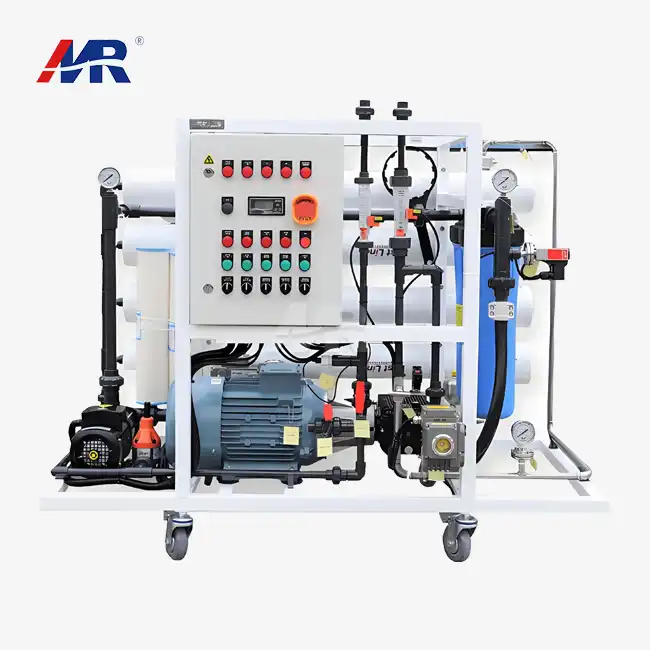 VIEW MORE2m3/hour seawater desalination equipment
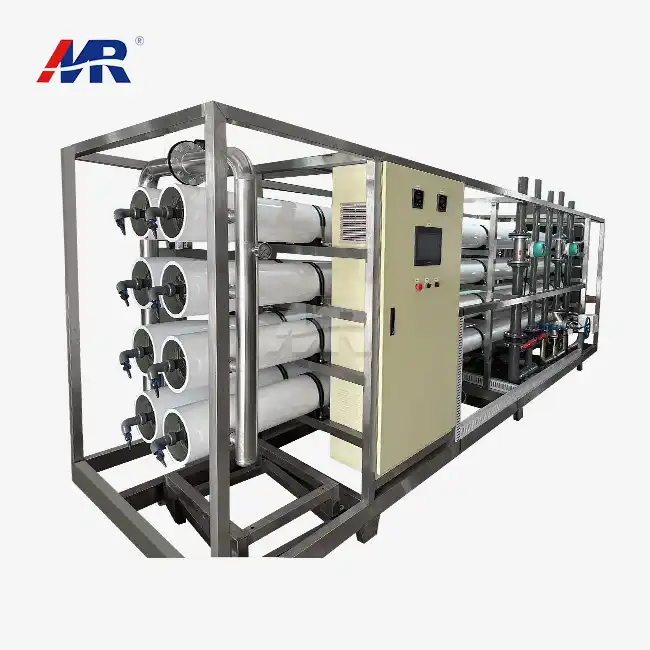 VIEW MORE8m3/hour two pass reverse osmosis system
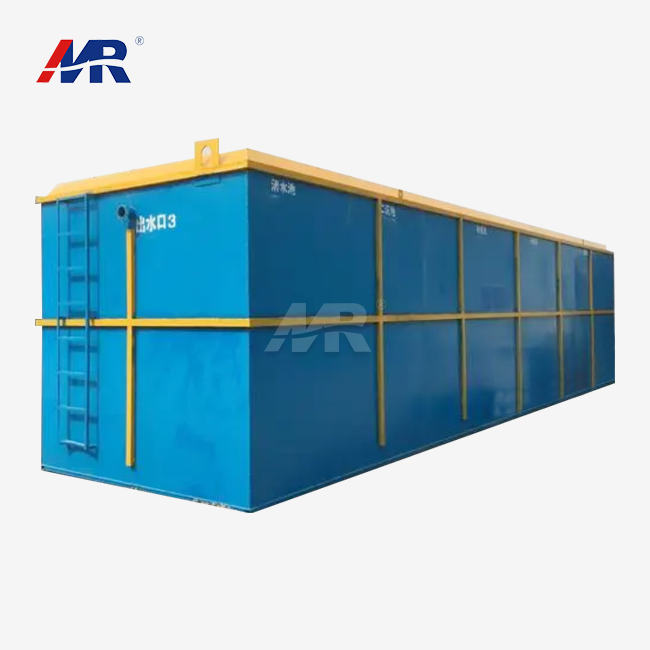 VIEW MOREwaste water treatment plant
 VIEW MOREcontainer ro equipment
 VIEW MOREcontainerized UF+RO system
 VIEW MOREContainerized Reverse Osmosis Systems
 VIEW MOREcontainer type 3m3/hour RO equipment
 VIEW MORE8040 reverse osmosis membrane
