_1745823981883.webp)

Can a Water Sewage Plant Treat Industrial Mixed Sewage?
Yes, a water sewage plant can clean up mixed industrial sewage, but how well it works will depend a lot on how the technology is set up and how the sewage is treated first. The complex mix of pollutants in industrial wastewater can be handled well by modern facilities that have advanced biological reactors, membrane filtration systems, and real-time tracking. These newer systems use tailored chemical doses and multiple treatment steps to get rid of heavy metals, neutralise toxicity, and break down organic materials before biological treatment stages. The key is to create a system that can handle changing loads of contaminants while keeping the balance of microbes. A lot of different industries now work together with specialised treatment providers. These providers make sure that local or dedicated plants meet both environmental discharge standards and operating efficiency goals.
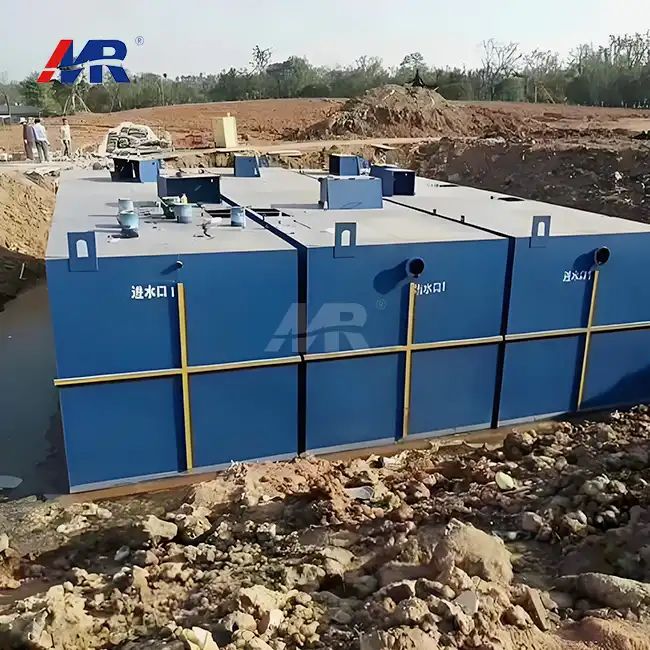
Understanding Industrial Mixed Sewage and Its Challenges
What Defines Industrial Mixed Sewage?
One of the most difficult types of wastewater that cleaning experts have to deal with is industrial mixed sewage. This wastewater mixes chemical solvents, heavy metals like chromium and nickel, petroleum derivatives, and synthetic organic substances that come from industrial processes with regular household wastewater from kitchens and bathrooms in the building. Antibiotic leftovers and active pharmaceutical chemicals come from the pharmaceutical industry, and food processing plants add a lot of biochemical oxygen demand (BOD) loads from organic matter. Fluoride chemicals and trace metals from circuit board cleaning processes are used by companies that make electronics. This mixed-up mix makes chemical reactions that are hard to predict, which can stop normal biological treatment methods that are mostly made for household waste streams from working.
Regulatory Pressures Driving Treatment Innovation
Through the National Pollutant Discharge Elimination System (NPDES), the U.S. Environmental Protection Agency sets strict limits on effluent. There are different pretreatment guidelines for each business. Toxic pollutants from chemical factories are limited in parts per billion, and food makers have to lower BOD and TSS to amounts that keep receiving waters from running out of oxygen. Penalties for not following the rules can be as high as tens of thousands of dollars per day of violation. This puts company owners and site managers at a very high risk. In addition to federal rules, many states also put limits on the release of nutrients, especially nitrogen and phosphorus, to protect local waters from becoming too acidic. Because of the way regulations work, buying teams have to spend money on treatment technologies that offer regular compliance margins instead of just getting minimum-standard solutions.
Operational Challenges in Mixed Sewage Treatment
When treating industrial mixed waste in a water sewage plant, there are practical challenges that aren't present in normal residential treatment situations. Activated sludge communities can become unstable very quickly when the influent's pH changes (from 3 to 11) or when there are sudden spikes in organic load or toxic shock loads. It can take days or weeks for the microbes to recover. Heavy metals build up in biological sludge, which makes it hard to get rid of because it usually needs to be handled as toxic trash instead of being used in agriculture. Surfactants cause foaming, which affects the effectiveness of clarifiers. Resistant chemicals, such as PFAS, don't break down normally. Plant managers have to weigh the costs of adding chemicals against how well they work as a treatment. They have to keep track of coagulants, pH adjusters, and nutrition supplements while keeping running costs low. Because of these factors, the process needs to be carefully controlled and monitored in a way that goes beyond the basic facilities for city treatment.
Can Water Sewage Plants Effectively Treat Mixed Industrial Sewage?
Limitations of Conventional Treatment Infrastructure
Traditional water sewage plants work in three steps: first, they settle the wastewater to get rid of big solids and grit; then, they use activated sludge or trickling filters to break down organic matter; and finally, they clean the water with chlorine or UV light. When treating relatively stable household wastewater with predictable BOD and TSS levels, this setup works reliably. But commercial mixed sewage adds chemicals that stop this process from working as it should. Microbes that are used to dealing with home trash have a hard time with industrial chemicals like chlorinated solvents and phenolic compounds because they are toxic and make treatment less effective. Heavy metals build up in biomass, making sludge that fails toxicity characteristic leaching procedure (TCLP) tests and costs a lot to get rid of. Also, conventional plants don't have enough hydraulic retention time to break down complex synthetic molecules. This means that treatment isn't full, and there is a chance that disposal rules will be broken.
Proven Adaptation Strategies and Upgrades
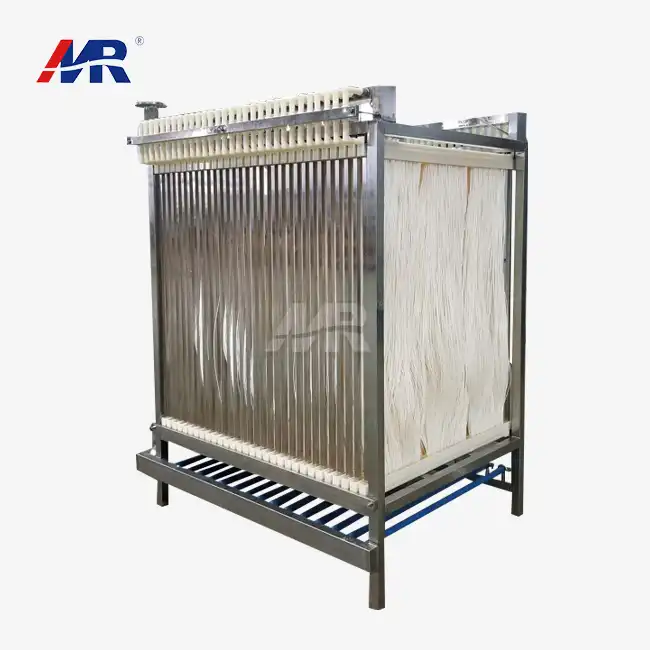
A lot of city and corporate water sewage plants have successfully changed their systems to handle mixed waste streams. Putting in equalisation tanks at the headworks creates a buffer that reduces concentration spikes and flow changes, which keeps the working conditions stable for biological systems. Ozone or hydrogen peroxide is used in advanced oxidation processes to break down chemicals that are hard to break down into harmless intermediates before they reach the biological stages. Membrane bioreactor (MBR) technology blends activated sludge treatment with ultrafiltration membranes to get better separation of solids and removal of pathogens while working at higher amounts of mixed liquor suspended solids, which makes treatment more effective. Chemical precipitation systems go after specific contaminants; adding lime gets rid of fluoride, and sulphide precipitation grabs heavy metals. These systems turn liquid pollutants into solids that can settle. With these changes, regular plants become strong treatment systems that can handle the complexity of industry while still meeting disposal requirements.
Real-World Performance Data
Treatment sites in a wide range of industries have had measurable success with modified systems (water sewage plants). A textile factory complex in North Carolina added an anaerobic prep stage to its regular activated sludge plant. This cut COD by 75% before aerobic treatment, and biogas recovery cut energy costs by 40%. A drug factory in New Jersey used MBR technology along with improved oxidation to get rid of more than 85% of the nitrogen in the air, even though the input from antibiotic production changed. In California, a food processing company set up dissolved air flotation (DAF) to get rid of fat, oil, and grease. This was followed by sequencing batch reactors, which kept the BOD output below 10 mg/L, which is less than the 300 mg/L permit limit. These recorded Cases show that treatment systems can safely handle industrial mixed sewage while keeping working efficiency and regulatory compliance margins, which is important for people who make procurement decisions.
Advanced Wastewater Treatment Plant Technologies for Industrial Mixed Sewage
Biological Treatment Process Selection
To choose the right biological treatment methods, you have to make sure that the bacteria's metabolism matches the types of contaminants and how they are loaded. When they are run correctly, aerobic systems with long aeration or oxidation pits are great at getting rid of high-strength organic waste from food processing or beverage production. They can remove more than 95% of the BOD. These methods keep the amount of dissolved oxygen above 2 mg/L, which helps bacteria that break down carbonaceous compounds quickly. On the other hand, anaerobic digestion works best with high-COD industrial streams from chemical factories or pulp mills because bacteria can turn organic matter into methane without air. Compared to oxygen treatment, this method cuts down on sludge production by 60–80% while also making green energy. The benefits of both methods are combined in moving bed biofilm reactors (MBBRs), which allow attached microbial growth on suspended plastic media that can handle toxic shock loads better than suspended-growth activated sludge. This toughness comes in handy when dealing with changing industry waste that could sometimes stop normal biomass from growing.
Physical-Chemical Treatment Integration
Adding specific physical-chemical processes to biological cleaning helps get rid of contaminants that can't be broken down by living things. Molecular size exclusion makes membrane filtration technologies, such as microfiltration, ultrafiltration, and reverse osmosis, completely block floating solids, bacteria, and dissolved organics. Ion exchange resins are used in industrial plants to clean up wastewater from electroplating or metal finishing. These resins specifically catch heavy metals like chromium, nickel, and copper, releasing valuable materials for reuse and protecting biological treatment stages from harm. Activated carbon adsorption gets rid of small amounts of drugs, endocrine disruptors, and organic substances that are still present after biological treatment. This makes the effluent clean enough to meet strict release limits. Electrochemical oxidation creates hydroxyl radicals that break down difficult molecules into minerals. This is an option to adding chemical oxidants that lowers the cost of using chemicals. These technologies work with biological systems in a flexible way to make multi-barrier treatment trains that consistently meet discharge requirements in a wide range of industrial settings.
Automation and Intelligent Monitoring Systems
Automated control and data analytics are being used more and more in modern water sewage plant treatment to improve performance and stop problems. Supervisory control and data acquisition (SCADA) systems constantly check dozens of factors, such as turbidity, pH, dissolved oxygen, oxidation-reduction potential, and specific contaminant concentrations. They do this by changing chemical dosing, aeration rates, and recycle flows in real time as conditions change. Within minutes, online analysers find harmful shock loads, which automatically send the materials to emergency storage before they reach biological reactors. Predictive algorithms look at trends in past data to predict problems with treatment. This lets them make changes ahead of time that stop compliance violations. IoT-enabled sensors send information about performance to cloud platforms, which lets tech teams watch and fix problems from afar. This combination of technologies cuts down on the amount of work that needs to be done, keeps treatment costs low by using precise dosing, and keeps treatment effectiveness high even when industry discharge trends change. When looking at treatment systems, procurement teams should give more weight to sellers who offer complete automation packages that make operations simpler and increase long-term dependability.
Conclusion
For industrial mixed sewage treatment, you need complex engineering methods that go beyond what most municipal facilities can do. When different types of industrial wastewater are mixed with household wastewater, it causes practical problems that need advanced biological processes, focused physical-chemical treatments, and smart tracking systems. To get good results from treatment, you need to carefully describe the trash, choose the right technology, and work with skilled equipment providers who know what industrial treatment needs. Modern membrane bioreactors, automatic control systems, and modular designs help factories in the chemical, pharmaceutical, food processing, and industrial sectors follow rules consistently while keeping costs low. As rules on pollution get stricter and industrial production rises, it's important to invest in cleaning technologies that have been shown to work to protect the environment and keep the permits that businesses need to keep running.
FAQ
1. Can existing municipal plants be upgraded to handle industrial mixed sewage?
Yes, industrial preparation systems, equalisation storage, and better biological or membrane processes can be added to most city treatment plants after the fact. The ability to make the upgrade relies on how much room is available on the spot, how good the current infrastructure is, and what kinds of industrial pollutants need to be removed. A lot of successful conversions add anaerobic processing, chemical precipitation, or MBR technology to regular activated sludge plants. This makes them much better at treating waste and getting rid of contaminants.
2. What are the typical costs for industrial wastewater treatment systems?
How much a treatment system costs depends on its size, how complicated its technology is, and the types of contaminants it treats. Small package plants that process 50,000 gallons of water every day might cost between $200,000 and $500,000. Large industrial plants that process millions of gallons of water every day and have to remove a lot of contaminants can cost over $10 million. During 15 to 20 years of use, operational costs like energy, chemicals, labour, and upkeep make up 40 to 60 per cent of the total lifetime costs.
3. How do discharge standards influence treatment technology selection?
Limits on effluent directly affect the level of cleaning needed and the complexity of the technology used. Facilities that release wastewater into sensitive water bodies have to follow strict rules on nutrients, metals, and toxics. This means that the wastewater has to go through secondary treatment, membrane filtering, or advanced oxidation. Industrial parks that clean wastewater on-site before it goes into the sewer system may be able to get by with simpler systems that focus on specific contaminants that cause problems instead of washing everything.
Partner with Morui for Industrial Wastewater Treatment Excellence
To solve problems with treating mixed water from factories, you need people who know both process engineering and how to make sure that equipment works well. Guangdong Morui Environmental Technology offers complete wastewater solutions with the help of 500 committed pros, 20 specialised engineers, and manufacturing skills that include the ability to make their own membranes. Our range of Products includes infrastructure for cities, methods for cleaning up industrial waste, and specialised uses in the electronics, food processing, pharmaceutical, and chemical industries. We offer full turnkey services, starting with figuring out what kind of trash it is and continuing with system design, equipment supply, installation, testing, and training for operators. We make sure that the parts we sell are of high quality and will last a long time because we are a reputable water sewage plant seller that works with top brands like Shimge pumps and Runxin valves. Our 14-branch network across China lets us provide quick technical help and extra parts, which keeps operations running as smoothly as possible. Get in touch with Our Team at benson@guangdongmorui.com to talk about your unique industrial wastewater problems and get treatment proposals that are tailored to meet regulations, improve business efficiency, and protect your capital investments.
References
1. Metcalf & Eddy. (2014). "Wastewater Engineering: Treatment and Resource Recovery." Fifth Edition. McGraw-Hill Education.
2. United States Environmental Protection Agency. (2021). "Industrial Wastewater Treatment Technology Database." Office of Water, Washington, DC.
3. Water Environment Federation. (2018). "Industrial Wastewater Management, Treatment, and Disposal." Manual of Practice No. FD-3, Alexandria, Virginia.
4. Tchobanoglous, G., Stensel, H.D., Tsuchihashi, R., and Burton, F. (2014). "Wastewater Engineering: Treatment and Resource Recovery." McGraw-Hill Professional.
5. American Water Works Association. (2020). "Water Treatment Plant Design." Fifth Edition. McGraw-Hill Education.
6. National Research Council. (2012). "Water Reuse: Potential for Expanding the Nation's Water Supply Through Reuse of Municipal Wastewater." National Academies Press, Washington, DC.