_1745823981883.webp)

How a Containerized Desalination Plant Works: Guide
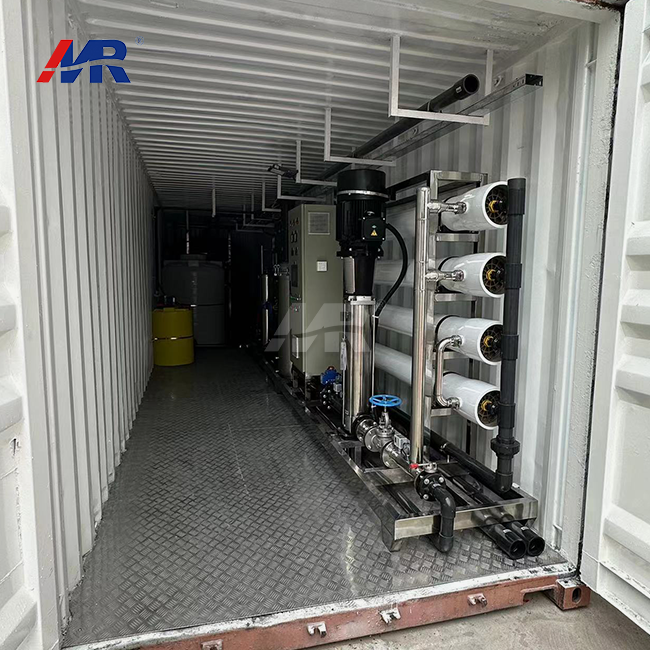
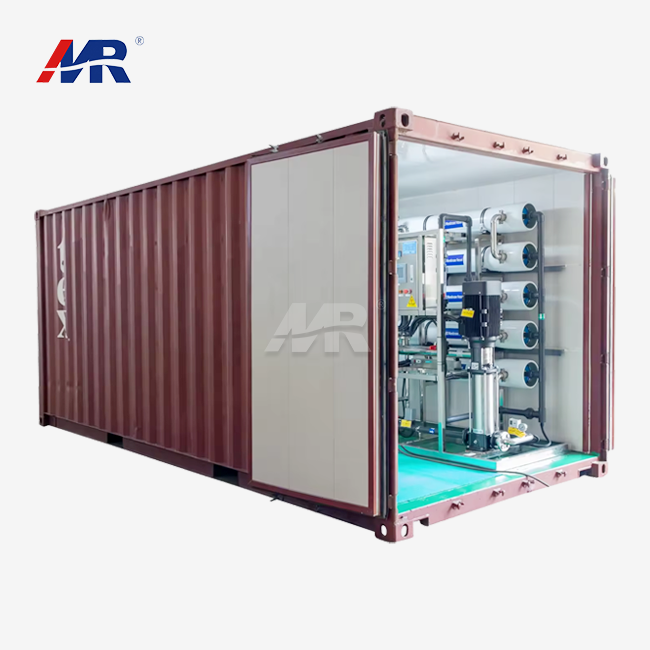
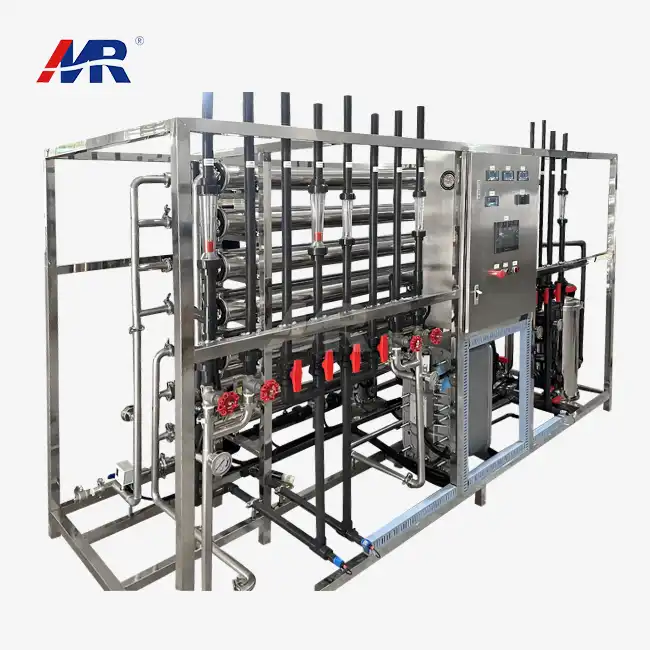
Imagine opening a box that contains a whole water treatment plant that is already set up and ready to make clean, drinkable water in just a few hours. A containerised reverse osmosis plant is a mobile, self-contained desalination system that is built into a standard shipping container. To turn seawater or brackish water into clean drinking water, these systems use membrane technology, high-pressure pumps, pre-treatment filters, a containerized reverse osmosis plant, and automatic control systems. The whole process, from input to output, happens inside a small, weatherproof enclosure that can be quickly and easily moved to places around the world where water shortages pose a threat to activities.
Why Businesses Are Turning to Mobile Water Solutions
Water security no longer represents a future concern—it affects operations today. Manufacturing facilities in coastal regions face increasing salinity in groundwater supplies. Remote mining sites struggle with logistics costs for trucked-in water. Island communities watch traditional sources dwindle during extended dry seasons.
Traditional infrastructure for desalination needs a lot of money, a long time to build, and long-term responsibilities for real estate. More and more, leaders at power plants, electronics factories, and drug companies are questioning whether traditional methods meet the needs for operating flexibility.
The modular design idea of portable water treatment systems helps with these problems. Depending on how it is set up, a 40-foot container can hold tools that can make between 50,000 and 1,000,000 gallons of oil every day. Technical leaders who are looking at solutions for operations ranging from new beverage companies to global semiconductor factories like this are looking for scalability.
Similar problems arise when farming is done in dry areas. Seasonal changes cause more irrigation to be needed, but permanent systems aren't used for months at a time. Mobile water plants can move from field to field or rent out to nearby businesses during off-peak times, turning water treatment from a fixed cost to an asset that can be used in different ways.
Core Components That Power Desalination Performance
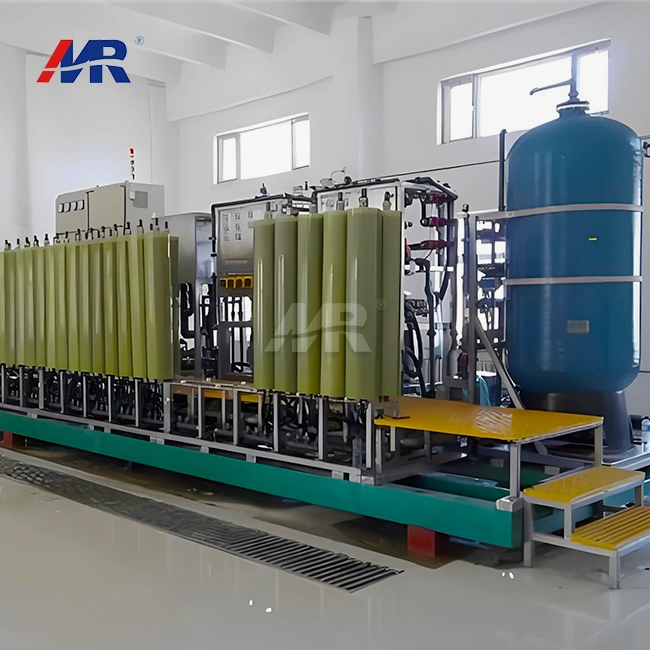
The first step in figuring out what makes these systems work is to look at how they are put together. Unlike built equipment that is spread out across several buildings, containerised units make the best use of space to connect parts.
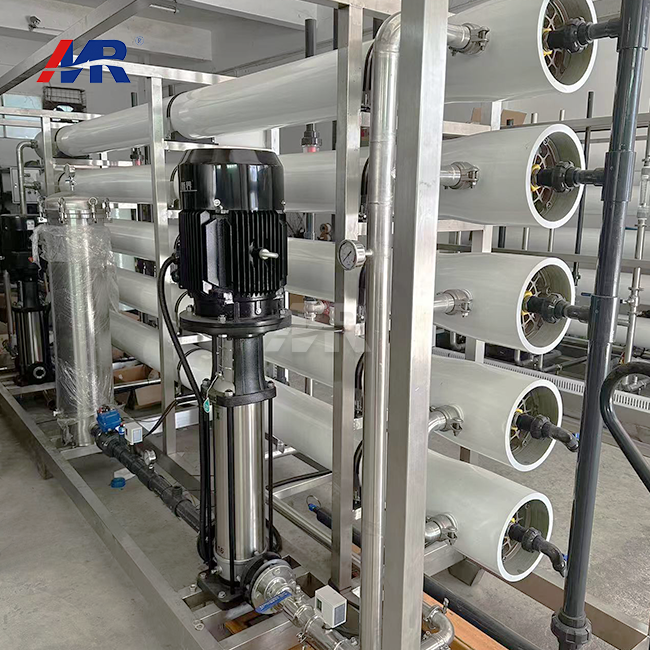
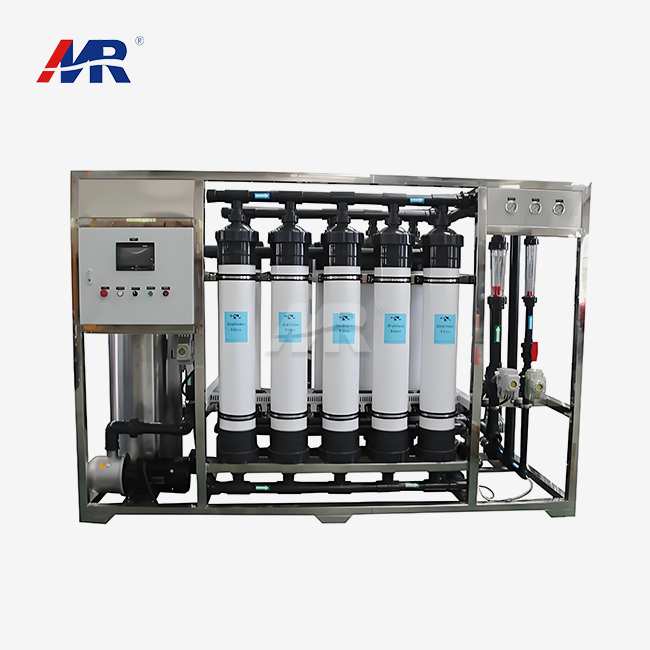
Filtration before treatment is the first line of defence, which is very important. Multimedia filters get rid of organic matter, turbidity, and dissolved solids that would otherwise clog membranes further down the line. Activated carbon units get rid of chemical and chlorine pollutants. This step keeps the pricey reverse osmosis membranes from breaking down too quickly, which is something that keeps plant managers up at night when the cost of repair hits six figures.
High-pressure pumps create the force needed to move water molecules through containerized reverse osmosis plant barriers that only let some of them through, leaving behind dissolved salts. Modern variable frequency drives change output based on real-time feed water conditions, making energy-efficient RO pumps much better than they used to be. This adaptability cuts energy use by 30–40% compared to fixed-speed predecessors. This has a direct effect on operational budgets, which CFOs look over every three months.
Chemical dosing systems add antiscalants to keep minerals from building up, pH changes to make membranes work better, and disinfectants to kill living things. Precision dosing protects both the life of the equipment and the quality of the output. This is especially important for clients in the food and beverage business, where contaminated Products can lead to huge liability risks.
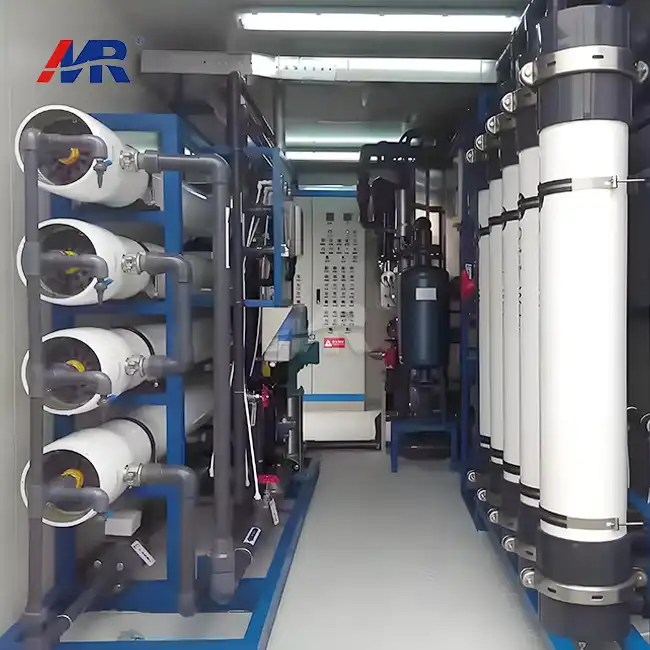
The container itself does more than keep out the weather. Insulation keeps working temperatures stable in harsh weather. Lighting and air flow make the repair easier to get to. Some designs have built-in storage tanks that get rid of the need for external infrastructure. This ability to provide for oneself is very helpful during emergency deployments after natural disasters.
The Reverse Osmosis Process: From Saltwater to Drinking Water
Raw water enters the system through intake screens that block debris and marine life. Sensors immediately assess salinity, turbidity, and temperature—parameters that influence subsequent treatment stages.
Particles as small as 5 to 10 microns are taken out by pre-filtration. This is like the rough cut before the fine work starts. It is the last step before water gets to the expensive membrane arrays, and cartridge filters catch anything that got through earlier.
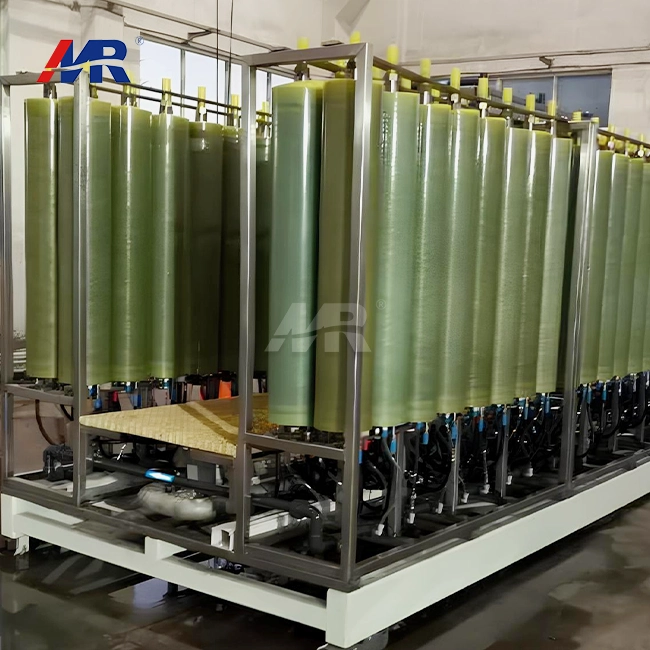
High-pressure pumps push water against membrane surfaces at 800-1,200 PSI for treating salt water and 150–400 PSI for treating brackish water. This raises the pressure. Pores that are 0.0001 microns wide let only water molecules pass through them. The concentrate stream still has iron, calcium, magnesium, sodium, and other pollutants that have been dissolved.
Water recovery optimisation matches the amount of concentrate that is made with how it is disposed of. There is less waste when recovery rates are higher, but membranes get closer to their growth limits. Seawater can be recovered by sophisticated plants 45–50% of the time, while brackish systems can do it 75–85% of the time. This efficiency has a direct effect on both the yield of freshwater and the costs of managing concentrates.
The concentrate stream, which has refused minerals and salts, needs to be disposed of in a responsible way. Coastal plants dump their waste into the ocean, where it is diluted and has less of an effect. For inland operations, evaporation ponds, deep well injection, or, more and more, zero liquid discharge systems that crystallise salts for recovery are being used. People who care about the environment and are dealing with stricter discharge rules like the idea of reusing wastewater.
Advantages That Make Financial and Operational Sense
Plant managers evaluating capital equipment investments weigh multiple factors, including the containerized reverse osmosis plant beyond purchase price. Containerized solutions deliver compelling advantages across these decision criteria.
Deployment speed transforms project timelines. Traditional water treatment facilities require 18-36 months from design through commissioning. Modular RO units arrive factory-tested, pre-wired, and pre-plumbed. Connecting utilities and starting production happen within days rather than years. A power plant facing unexpected boiler feedwater contamination can restore operations quickly, avoiding millions in downtime costs.
Space efficiency matters intensely in land-constrained environments. A 40-foot container occupies just 320 square feet yet houses equipment requiring 2,000+ square feet in conventional layouts. Urban water plants serving dense populations maximize output per acre. Offshore platforms allocate every square meter carefully—compact layouts prove essential.
Relocatability provides strategic flexibility. A mining company develops deposits sequentially across regions—equipment moves as ore bodies deplete. Marine aquaculture operations follow seasonal patterns or test new locations without stranding infrastructure investments. Even permanent installations retain resale value since used systems redeploy elsewhere.
Scalability accommodates changing demands. A beverage bottling operation starts with one container, then adds capacity as distribution expands. Multiple units operate in parallel, providing redundancy—if one requires maintenance, others continue production. This modular growth pattern aligns capital deployment with revenue generation.
Standardized maintenance simplifies training and parts inventory. Technicians master one system design rather than facility-specific configurations. Component replacement follows documented procedures applicable across the fleet. Remote water supply locations benefit particularly, as local staff handle routine tasks while specialists handle complex diagnostics virtually.
Industry-Specific Applications Driving Adoption
Different sectors leverage containerized technology to solve unique challenges. Understanding these applications helps decision-makers envision possibilities.
Electronics and semiconductor manufacturers demand ultrapure water for chip fabrication processes. Ionic contamination at parts-per-billion levels ruins production yields. Sustainable water solutions combining reverse osmosis with electrodeionization achieve 18.2 megohm resistivity consistently. Containerized systems serving clean rooms maintain pharmaceutical-grade environmental controls, preventing particle introduction during equipment servicing.
Power generation facilities consume massive water volumes for cooling and steam cycles. Boiler feedwater requires near-total dissolved solids removal to prevent scale buildup that reduces heat transfer efficiency and causes catastrophic tube failures. Nuclear plants face especially stringent purity standards. Mobile water plants provide temporary capacity during maintenance outages or bridge new capacity online.
Petrochemical operations treat produced water for reinjection into oil fields, maintaining reservoir pressure while disposing of drilling byproducts responsibly. High salinity and hydrocarbon contamination challenge conventional systems. Robust designs withstand harsh conditions while achieving discharge permits. Remote sites across Alaska, the Middle East, and offshore platforms rely on self-contained treatment requiring minimal operator intervention.
Agricultural irrigation in coastal regions treats brackish groundwater that would otherwise damage crops through salt accumulation. Greenhouse operations recirculate irrigation runoff after treatment, conserving water while preventing fertilizer pollution. Mariculture facilities' containerized reverse osmosis plant purifies intake water and recycles aquaculture system water, reducing disease transmission between tanks while lowering freshwater demands.
Critical Considerations Before Procurement
Selecting appropriate equipment requires matching technical specifications to operational requirements. Oversizing wastes capital; undersizing creates production bottlenecks.
Feed water analysis drives system design. Salinity, temperature, pH, turbidity, and biological activity all influence the treatment approach. Seawater presents different challenges than brackish wells or municipal effluent. Reputable manufacturers provide pilot testing to validate performance assumptions before final engineering.
Production volume targets should account for peak demands, not just averages. A hospital might operate comfortably on 10,000 gallons daily under normal conditions, but requires 15,000 during summer census peaks. Membrane technology selection balances initial cost against operational efficiency across anticipated load ranges.
The supply of energy affects how the system is set up. Energy recovery devices that take in pressure from concentrate streams can cut net power use by 30 to 50 percent in places where electricity is expensive or not stable. Solar integration works for remote sites where the cost of connecting to the grid is higher than the cost of renewable equipment.
The weather affects the specs of containers. For work in the Arctic, you need heated shelters and pipes that are insulated. Installations in the desert need better cooling and safety from dust. Materials that don't rust and temperature controls are needed in tropical areas.
Maintenance infrastructure should be evaluated honestly. In remote areas, systems need to be simpler so that workers can handle them with just a little training. Advanced configurations can improve performance in complex processes with dedicated engineering staff. System complexity should be matched with available knowledge to avoid frustration and downtime.
Conclusion
Containerised desalination technology has grown from a niche use to a common way for many businesses to deal with water security issues. Putting pre-treatment, membrane filtration, and automated controls in normal shipping containers gives you more deployment options than ever before. With relocatable assets, decision-makers can increase production without having to wait for the building to finish. They can also protect their capital through flexible financing. As the world's water shortage gets worse, businesses that invest in portable, scalable water purification facilities set themselves up to stay ahead of the competition.
Partner With a Proven Containerized Reverse Osmosis Plant Manufacturer
Guangdong Morui Environmental Technology delivers turnkey desalination solutions backed by a containerized reverse osmosis plant and comprehensive engineering capabilities. Our 500-member team includes 20 specialized engineers designing systems for clients across pharmaceutical, power generation, electronics, and municipal sectors globally. With 14 branches and proprietary membrane production facilities, we control quality from component manufacturing through final commissioning. Whether your facility requires a compact 50,000 GPD unit or a multi-container 1,000,000 GPD installation, our experience with containerized reverse osmosis plant projects ensures optimal performance. Contact our technical team at benson@guangdongmorui.com to discuss feed water characteristics, production targets, and site-specific requirements. We'll engineer a solution matching your operational needs and budget constraints.
References
1. Wilf, M. & Bartels, C. (2020). Optimization of Seawater Reverse Osmosis Systems Design. Desalination Engineering Journal, 487, 124-139.
2. Greenlee, L.F., Lawler, D.F., Freeman, B.D., Marrot, B., & Moulin, P. (2018). Reverse Osmosis Desalination: Water Sources, Technology, and Today's Challenges. Water Research Institute Publications, 43(9), 2317-2348.
3. Kucera, J. (2019). Reverse Osmosis: Industrial Processes and Applications (2nd ed.). Beverly: Scrivener Publishing.
4. Voutchkov, N. (2017). Desalination Project Cost Estimating and Management. CRC Press Water Resources Engineering Series.
5. Fritzmann, C., Löwenberg, J., Wintgens, T., & Melin, T. (2021). State-of-the-Art of Reverse Osmosis Desalination Systems: Containerized and Modular Approaches. Membrane Technology Quarterly Review, 356, 60-76.
6. Al-Karaghouli, A. & Kazmerski, L.L. (2018). Energy Consumption and Water Production Cost of Conventional and Renewable-Energy-Powered Desalination Processes. Renewable and Sustainable Energy Reviews, 24, 343-356.