

_1745823981883.webp)

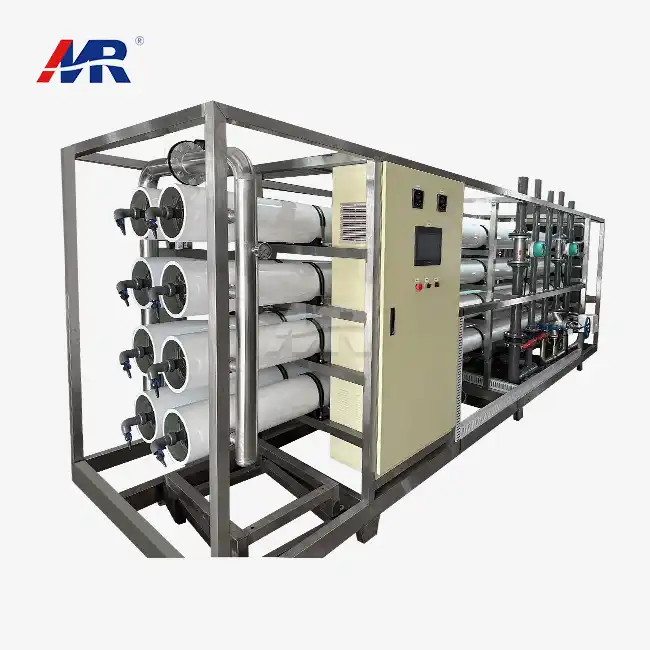
Reverse Osmosis System With Remineralization Buying Guide
To choose a reverse osmosis system with remineralisation, you need to carefully think about your water quality goals, the system's operational ability, and the standards set by the industry. Normal RO units remove all minerals from water, but remineralisation systems add minerals like calcium and magnesium back into the water after it has been cleaned. This balanced method produces a clean, healthy reverse osmosis system with remineralization water that can be used for drinking, making food, and sensitive manufacturing. If you know exactly what your facility needs, from the amount of throughput to the minerals that need to be present, you can be sure that the tools you buy will give you the best purity and beneficial mineral content.
Why Remineralisation Matters in Water Treatment
Reverse osmosis water is clean, but it doesn't have the minerals that are naturally found in water. A lot of businesses and places that care about health know that water that doesn't have enough minerals can taste flat and might not be healthy enough to drink. Remineralisation filters fill in this gap by carefully putting back good minerals after the water has been cleaned.
This technology is especially helpful for companies that make food and drinks. Companies that bottle water have to find a balance between how pure the water is and how good it tastes. Beverage processors, on the other hand, need uniform mineral profiles to keep the flavours consistent. Remineralisation is only used in certain situations in the pharmaceutical industry. For example, the cleaned water used in manufacturing processes does not contain any minerals, but the drinking water systems for staff often do. This is done to improve health.
Mineral-rich water is good for you in more ways than one. Calcium is good for your bones, magnesium is good for your heart, and trace minerals are good for your general health. More and more hospitals that are building water purification systems ask for remineralisation features so that patients and staff can drink healthier water.
Understanding the Core Technology Behind Remineralisation Systems
A reverse osmosis membrane is like a very thin wall that keeps out contaminants as small as 0.0001 microns. Bacteria, viruses, heavy metals, and dissolved solids are all taken out by this thorough filter. The remineralisation stage comes right after, and it uses special filter media that has calcite, calcium carbonate, or custom mineral mixes in it.
Controlled breakdown is how the remineralisation filter works. When clean water flows through mineral media, it takes in certain amounts of minerals based on how long it stays in contact with the minerals and how fast it flows. These systems are made by engineers to reach certain mineral concentrations, which can be found in terms of total dissolved solids (TDS) or particular mineral content.
Minerals are added to more advanced devices that also change the pH balance. As a part of rreverse osmosis system with remineralization emineralisation technology, alkaline water systems raise the pH level and add minerals. This makes water that might be good for your health and appeals to markets that are interested in fitness.
Sediment filters and activated carbon are often used as pre-filters in reverse osmosis units to keep the ro membrane from getting clogged. Some systems add UV sterilisation or extra polishing screens after remineralisation to make sure the water is safe for microbes without taking away the minerals that were added.
Critical Factors When Selecting Equipment for Your Facility
System sizing choices are based on how much capacity is needed. A small lab might need 50 litres of water every hour, but a drinks plant might need 10,000 litres or more every hour. Accurately predicting demand keeps companies from either undersizing, which slows down production, or oversizing, which loses money on capital and operating costs.
The quality of the source water has a huge effect on how the system is set up. Seawater or brackish water with a high TDS needs more membrane layers and pumps with higher pressures. Agricultural irrigation projects that use brackish water need strong pre-treatment to deal with solids in the water and changing water chemistry. Changing how drinking water is cleaned at municipal water plants is not the same as changing how drilling reinjection water is cleaned at petrochemical plants.
Long-term running costs are greatly affected by how energy efficient a building is. In bigger systems, energy recovery devices take back the pressure from the concentrate stream, which cuts the total amount of power used by 30 to 60 per cent. Variable frequency drives on pumps make the best use of energy during different demand cycles.
Industrial-grade systems are different from basic units because they can be automated and monitored. Monitoring TDS, pressure differences, and flow rates all the time allows for planned repair. Automated cleaning processes for membranes make them last longer and cut down on downtime. Data logging and validation features help with GMP compliance documentation for food and medicine uses.
Industry-Specific Applications and Requirements
Electronics companies that need very pure water mix RO systems with electrodeionization (EDI) modules to get 18 megohm-cm of resistivity. Remineralisation of process water is usually not done at these sites, but separate remineralisation systems may be put in for staff bathrooms.
Desalination projects that use seawater are the most difficult RO uses. Island and coastal governments spend a lot of money on big systems that process millions of litres of water every day. These systems use a lot of pre-treatment, high-pressure membranes that reverse osmosis system with remineralisation are rated for the salinity of seawater, and carefully planned remineralisation stages to turn ocean water into drinkable water.
Medical facilities that build water systems for dialysis have to follow strict rules set by the government. To keep patients safe, dialysis water must not have any minerals in it. However, hospitals often set up two systems, one for medical treatments and the other for general use that adds minerals.
Agricultural businesses that use brackish water to water crops face special problems. Crops that can handle higher TDS levels may be able to handle them, which means that less treatment strength is needed. Mariculture facilities that clean the water that flows through them have to find a balance between cleanliness and the trace minerals that marine life needs to stay healthy.
Evaluating Suppliers and Total Cost of Ownership
Component quality determines system longevity and reliability. Premium membranes from established manufacturers deliver consistent performance and longer service life than economy alternatives. The remineralisation filter media quality affects mineral release rates and replacement frequency.
Technical support capabilities vary dramatically among suppliers. Operations in remote locations or specialised industries need manufacturers offering 24/7 technical assistance, remote diagnostics, and rapid spare parts delivery. Installation and commissioning services ensure systems achieve design specifications from day one.
Warranty terms reflect the manufacturer's confidence in their equipment. Comprehensive warranties covering membranes, pumps, and control systems for 2-5 years indicate quality construction. Service agreements providing scheduled maintenance visits prevent unexpected failures and optimise system performance.
Total cost analysis extends beyond purchase price. Calculate membrane replacement costs over five years, energy consumption expenses, chemical costs for cleaning cycles, and labour requirements for operation. A higher initial investment in energy-efficient components often delivers lower total ownership costs.
Training programs for operational staff protect your investment. Well-trained operators identify developing issues before they become failures, optimise system performance, and maintain compliance documentation. Suppliers offering comprehensive training—from basic operation to troubleshooting—add substantial value.
Operational Considerations and Maintenance Planning
How long a membrane lasts depends a lot on the quality of the feedwater and how it is used. If you take care of your systems, the membranes will last for three to five years. If you don't, you may have to change them every year. Regular chemical cleaning gets rid of foulants before they damage membrane performance forever.
Based on the throughput amount, the remineralisation filter needs to be replaced every so often. Most mineral media slowly lose minerals, which slows down the rate at which minerals are added over time. Keeping an eye on the TDS levels in finished water lets you know when it needs to be replaced.
Water system maintenance must account for sanitisation cycles, particularly in food, beverage, reverse osmosis systems with remineralisation, and pharmaceutical applications. Chemical sanitisation or thermal disinfection procedures eliminate biofilm formation without damaging system components. Proper documentation of these cycles supports regulatory compliance.
Getting rid of concentrates needs to be carefully planned. The discard stream from RO systems has a lot of contaminants that were taken out of the feedwater. Local environmental laws say that facilities must handle this waste stream in a certain way, such as by using sewers, evaporation ponds, or specialised dumping services.
Making the Purchase Decision with Confidence
Pilot testing takes away the guesswork when working with difficult feedwater or important applications. Pilot units from reputable manufacturers can be used to test your actual water source and give you information about how well it works in your particular case. This expense stops mistakes that cost a lot when setting up or sizing the system.
Comparing things is easier when you ask for detailed proposals from more than one seller. Brands and amounts of membranes, pump specs, automation options, warranty terms, and expected running costs should all be included in the specifications. Technical teams can evaluate ideas more objectively when they use standardised evaluation criteria.
Reference installations show that what a provider says is true in the real world. By going to places where similar equipment is used in similar ways, you can see how well it works, what problems it has with stability, and how much it really costs to run. Talking to current users can help you find out about a supplier's strengths and flaws that aren't clear from sales pitches.
Finance leaders should look at the different loan choices and the lengths of time needed to pay them back. Investments in water treatment often pay off in the form of lower costs for bottled water, higher quality Products, compliance with regulations, or new ways to make things. Making a thorough business case helps the process of getting cash approved.
Conclusion
When you buy a reverse osmosis system with remineralisation, you get water that is both clean and good for you. This water meets both safety standards and quality goals. To do a good job of procurement, you need to carefully look at things like capacity needs, source water characteristics, industry rules, and long-term operating costs. Working with skilled manufacturers who offer full help from the beginning of the design process to ongoing maintenance will protect your investment and make sure it keeps working well. If you properly specify your remineralisation systems, they will offer measurable value across all applications, whether your facility needs to desalinate seawater, make ultrapure water for manufacturing, or improve drinking water for employees and customers.
Partner with Guangdong Morui for Reliable Water Treatment Solutions
Guangdong Morui Environmental Technology combines manufacturing expertise with a reverse osmosis system with remineralisation and comprehensive service capabilities as a leading reverse osmosis system with remineralisation supplier. Our integrated approach includes equipment manufacturing, membrane production, and complete installation services across diverse industries. With 14 branches, 500 dedicated employees, and 20 specialised engineers, we deliver customised solutions matching your exact specifications. Our partnerships with premium brands like Shimge Water Pumps and Runxin Valves ensure component reliability. Contact our technical team at benson@guangdongmorui.com to discuss your water purification requirements and receive a detailed proposal tailored to your operational needs.
References
1. World Health Organisation. "Nutrients in Drinking Water: Health Implications of Low Mineral Content." WHO Press, Geneva, 2005.
2. American Water Works Association. "Reverse Osmosis and Nanofiltration: Manual of Water Supply Practices M46." Second Edition, AWWA, Denver, 2007.
3. Wilf, M. and Bartels, C. "Optimisation of Seawater RO Systems Design." Desalination Journal, Volume 173, Issue 1, 2005, pp. 1-12.
4. National Sanitation Foundation International. "NSF/ANSI Standard 58: Reverse Osmosis Drinking Water Treatment Systems." NSF International, Ann Arbor, 2019.
5. Greenlee, L.F., Lawler, D.F., and Freeman, B.D. "Reverse Osmosis Desalination: Water Sources, Technology, and Today's Challenges." Water Research, Volume 43, Issue 9, 2009, pp. 2317-2348.
6. Kozisek, F. "Health Risks from Drinking Demineralized Water." Rolling Revision of the WHO Guidelines for Drinking Water Quality, World Health Organization, 2004.
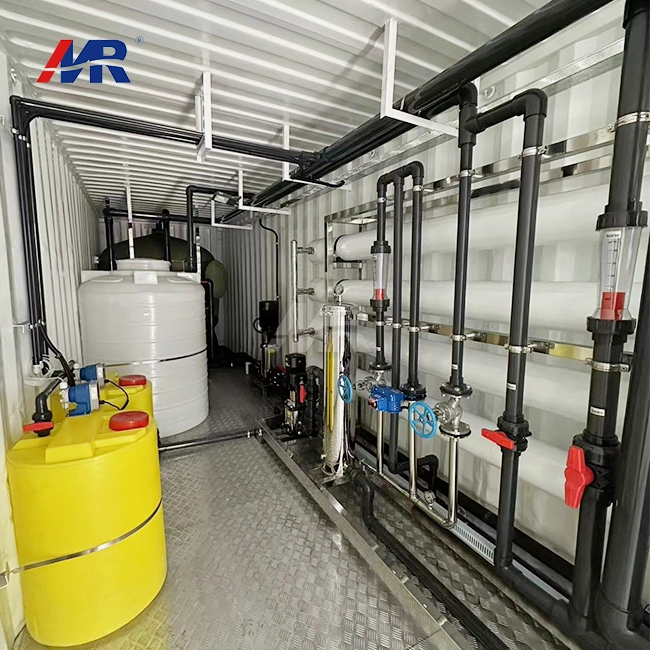 VIEW MOREcontainerized desalination plant
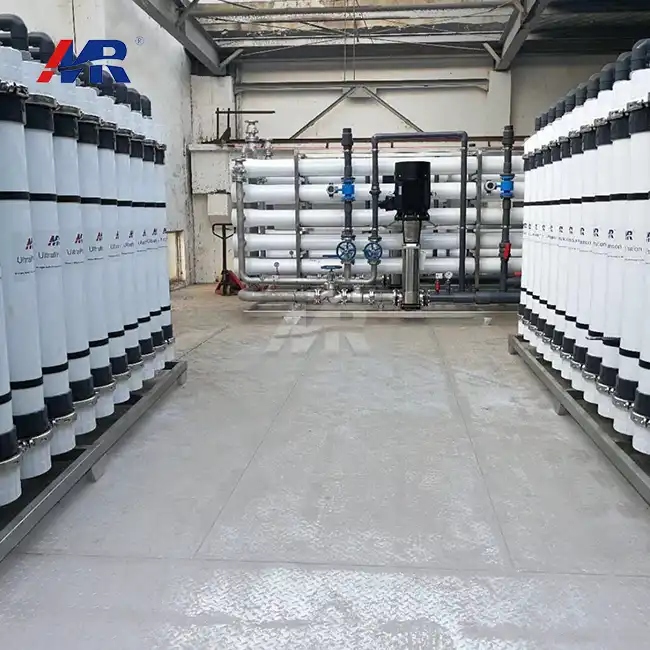 VIEW MORE2000m3/day ultrafiltration equipment
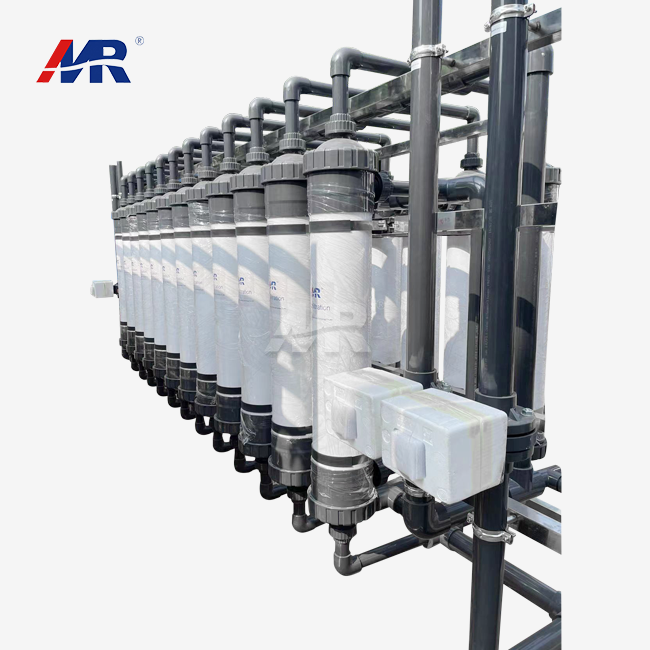 VIEW MOREindustrial ultrafiltration systems
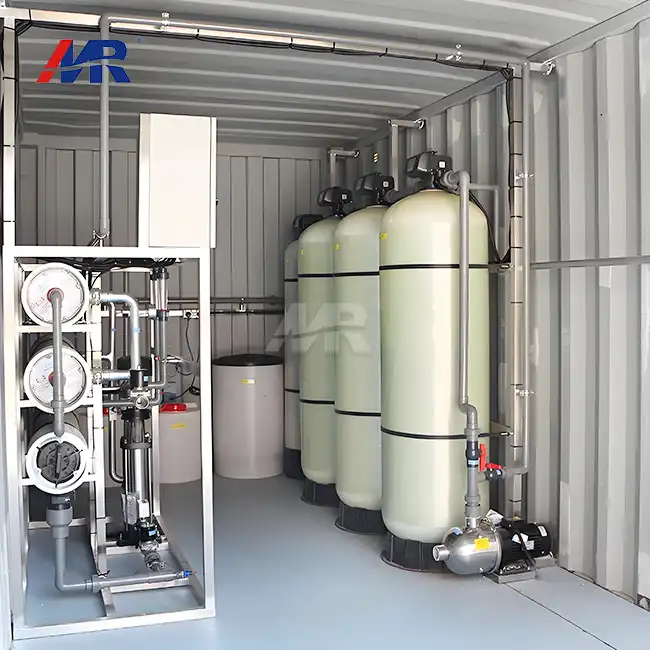 VIEW MOREcontainer type 3m3/hour RO equipment
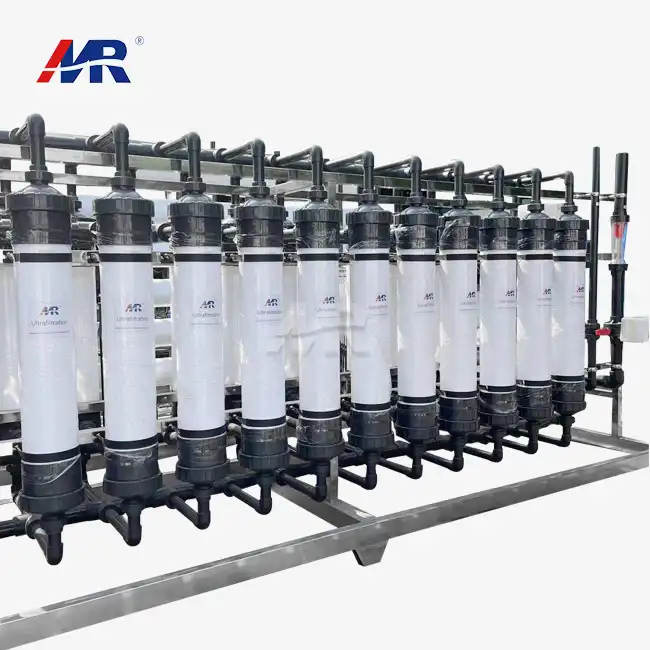 VIEW MORE30m3/hour ultrafiltration equipment
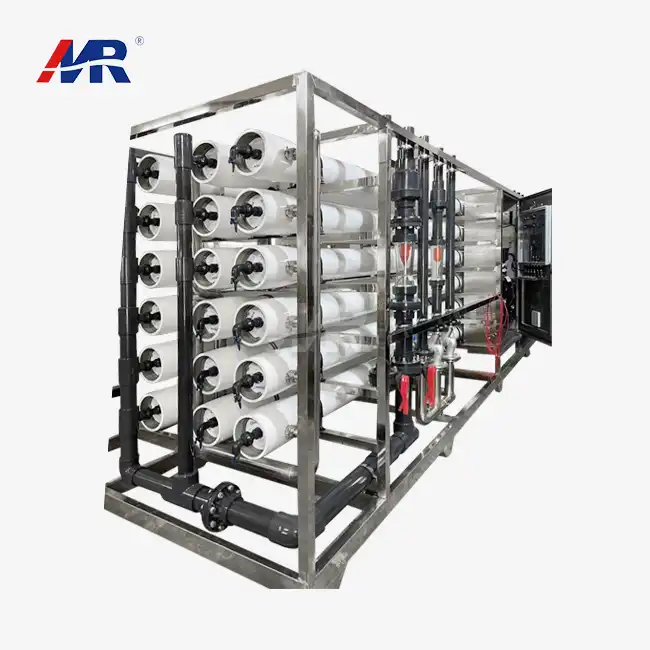 VIEW MORE100m3/hour reverse osmosis equipment
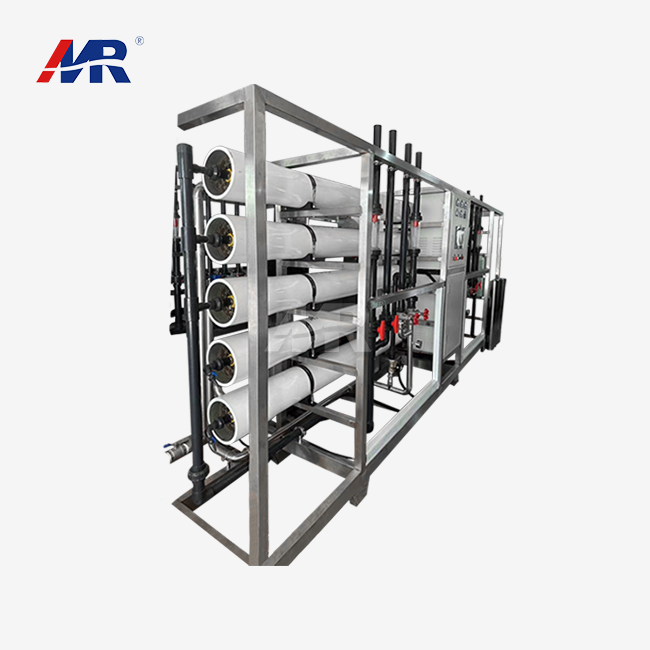 VIEW MOREhighest rated reverse osmosis system
 VIEW MOREadvanced wastewater treatment system
