_1745823981883.webp)

How to Choose the Best Reverse Osmosis Water Filter for Your Home
To choose the best reverse osmosis water filter system, you should first know what your worries are about water quality and what you need to drink every day. Up to 99% of dissolved solids, heavy metals like lead and arsenic, the best reverse osmosis water filter system, and new toxins like PFAS can be taken out of your tap water by a good RO system. The right system balances filtration capacity (measured in gallons per day, or GPD), certification standards like NSF/ANSI 58, and efficient water-to-waste ratios to solve problems with hard water, protect vulnerable family members from municipal water inconsistencies, or make sure drinks taste their best. This guide shows you the technical details, real-world uses, and buying options for water cleaning technology so that you can make a smart investment.
Understanding Reverse Osmosis Water Filter Systems
The advanced multi-stage filter method used by reverse osmosis technology gets rid of water pollution at the molecular level. RO systems get rid of dissolved impurities that can be harmful to your health and make it harder for homes and businesses to run. This is different from simple carbon filters, which only improve taste and smell.
How RO Technology Works
For the main idea to work, water has to be pushed through a semi-permeable barrier that has tiny holes about 0.0001 microns wide. This membrane is a very thin wall that only lets water molecules pass through. Any other substances are sent to a different trash stream. To get past the natural osmotic pressure, the process needs pressure from the outside, between 40 and 100 psi. This basically turns osmosis on its head. This pressure-driven separation gets rid of dissolved salts, minerals, and tiny bacteria that are too small to see but still make the water unsafe for drinking. It does this better than sediment filters and activated carbon.
Essential Components of RO Systems
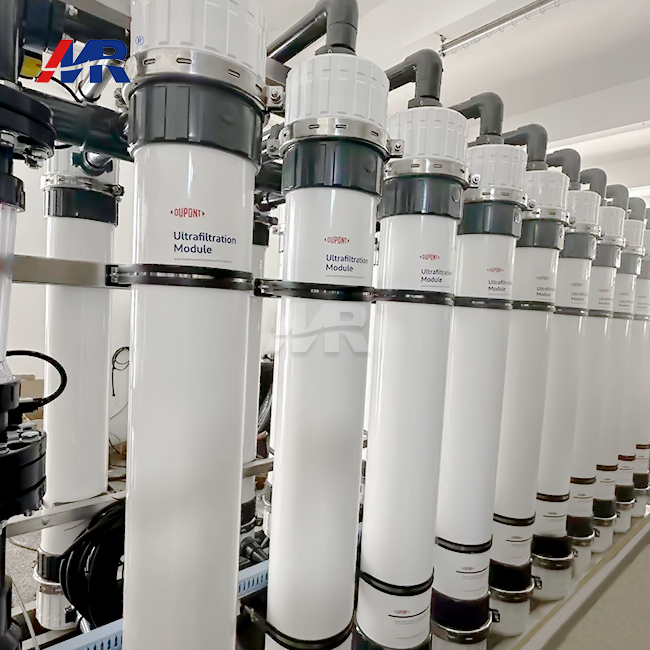
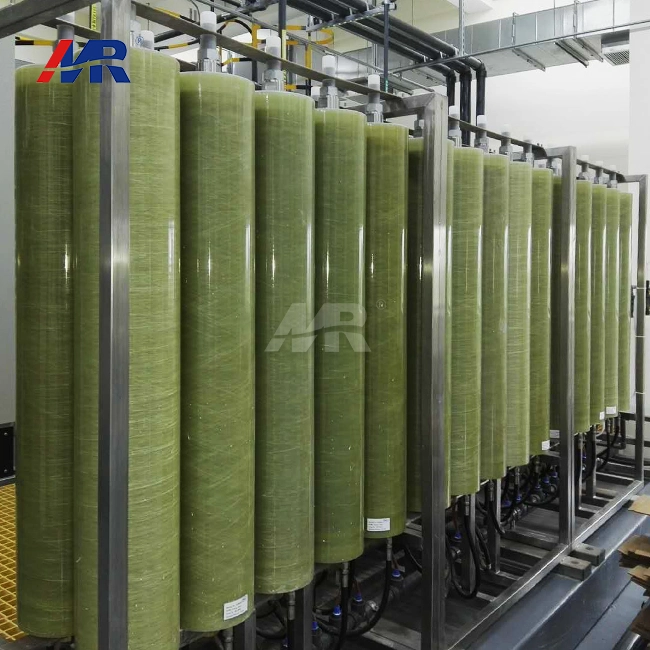
Multiple filtration steps work together in a planned order in modern reverse osmosis systems. In the pre-filtration steps, sediment filters are often used to get rid of rust, dirt, and sand particles that are 5 to 1 micron in size. This keeps the ro membrane from getting damaged physically. The next step is carbon filters, which get rid of volatile organic compounds (VOCs), chlorine, and other chemical contaminants that change the taste. They also protect the membrane from chlorine damage. The thin-film composite (TFC) polyamide material wound in a circular shape makes up the RO membrane, which is the heart of the system. Between 95% and 99% of dissolved salts and minerals are blocked by this membrane, while almost all bacteria and viruses are also blocked. Post-filtration steps polish the clean water before it is delivered. They often include extra carbon filters to get rid of any tastes that were absorbed during storage. Treated water is kept in storage tanks until it is needed. This lets the system run continuously during times of low demand and makes sure that the best reverse osmosis water filter system water is ready right away when the taps open.
Why RO Systems Outperform Basic Filtration
Normal filtering methods can't fill in some important gaps that reverse osmosis can. In places where infrastructure is getting old, lead leaks from old lines into drinking water, which is very bad for kids' brains. RO filters do a good job of blocking these heavy metal ions. On the same note, nitrates are released into groundwater sources by farming runoff, and chemicals from industry (PFAS) stay in the environment forever. These dissolving contaminants don't get caught by regular filters, but RO technology does, and the water is then flushed away, leaving only laboratory-grade cleanliness for home use.
Key Criteria for Choosing the Best Reverse Osmosis System
When choosing the right RO system, you need to carefully look at the technical specs and compare them to your individual needs. Instead of buying something on the spur of the moment based only on price or name knowledge, it's better to do a systematic review.
Assessing Your Water Quality and Volume Needs
Start by checking your source water to learn about its properties. Municipal water reports show TDS levels, hardness readings, and the presence of contaminants. Well water, on the other hand, needs to be tested by a separate lab. When the TDS level is above 500 ppm, it means that there are a lot of chemicals dissolved in the water, which requires strong filtering. Places with a lot of calcium and magnesium in the water cause scale to build up, which hurts appliances and pipes. This is why RO systems are a good investment for protection. The right system capability is based on how much energy is used each day. Units for living in usually run from 50 GPD for small homes to 100 GPD for families with four or more people. For commercial use in coffee shops, restaurants, or small offices, 400 to 1000 GPD units are needed to keep up with peak demand. Systems that are too small cause annoying wait times and empty storage boxes, while systems that are too big waste resources and raise upfront costs for no reason.
Critical Performance Specifications
The most important statistic is filtration effectiveness, which can be measured as a rejection rate or a removal percentage. Quality systems that are approved by NSF/ANSI 58 show that they work well against certain toxins like fluoride, lead, chromium, and arsenic. Look for systems that can prove a 95% or higher drop in TDS, which means the membranes are working well. Some more advanced units can reduce the water level by 98% to 99%, which is very close to ultrapure water quality and can be used in sensitive places like tanks or hydroponic growing systems. The recovery ratio shows what percentage of source water is turned into clean output and what percentage is sent to the environment as garbage. The old methods had poor 1:3 or 1:4 ratios, which meant that three to four gallons were wasted for every gallon that was made. Modern designs that are more efficient reach 1:1 ratios by using better membrane technology and optimizing pressure. This wastes a lot less water and lowers the costs of running the system. This standard is very important in places that are prone to drought or for businesses that care about the environment.
System Configuration Options
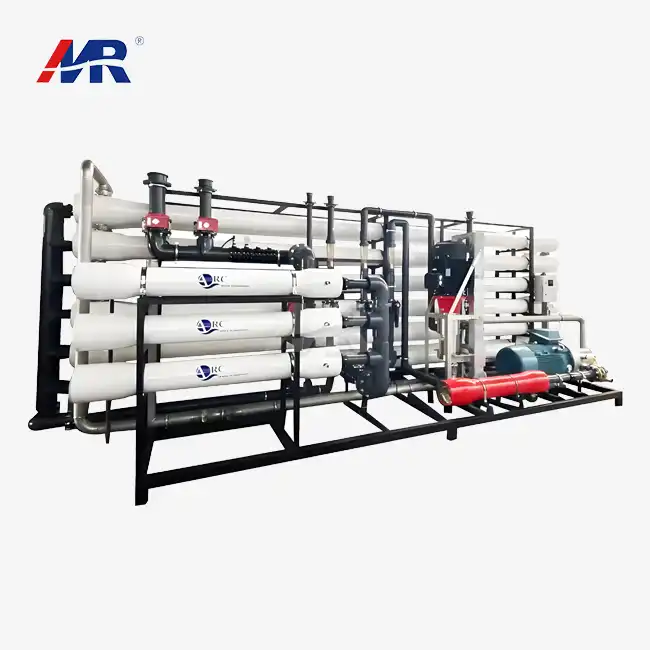
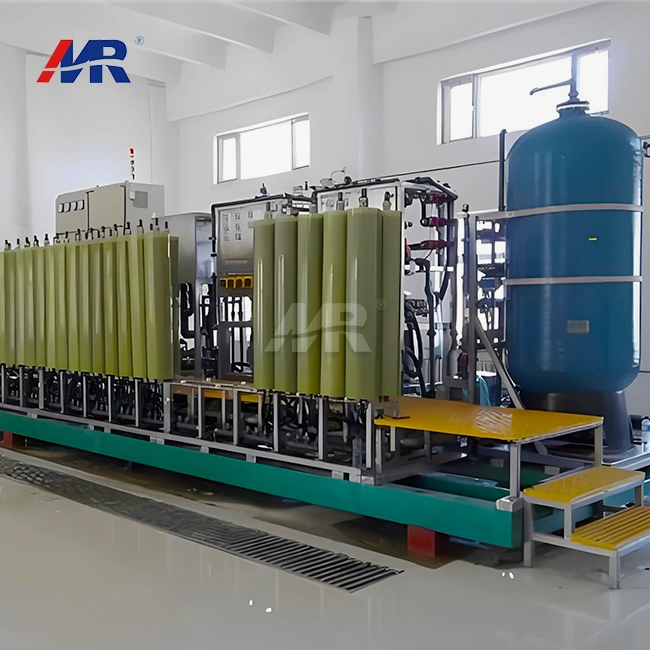
Under-sink reverse osmosis systems are the most popular for homeowners to best reverse osmosis water filter system install because they hide them under kitchen cabinets and give you direct access to the tap. These small units do a good job of point-of-use filters without needing a lot of wiring changes. Whole-house RO systems clean the water at the main supply line, which protects all of the home's features and appliances. This setup works well for homes with very polluted water sources or people who are very sensitive to contaminants, but it costs a lot more to install and needs a lot more upkeep. Portable RO units are useful for RVs, boats, and temporary work sites, among other places. Countertop types give renters options when they can't change the water forever. Each setup comes with pros and cons that procurement teams have to weigh against practical goals. These cons include ease of use, capacity, installation difficulty, and cost.
Certification and Quality Assurance
Third-party approvals from NSF International and the Water Quality Association (WQA) back up what the maker says. NSF/ANSI Standard 58 tests the structural soundness, material safety, and contaminant reduction performance of reverse osmosis devices. Systems that have this approval have been through a lot of testing and continue to meet strict quality standards. The WQA Gold Seal approval gives the same kind of assurance, showing that a product goes above and beyond industry standards for safety and efficiency. Warranty coverage shows that the company that made the product is sure that it will last. Comprehensive warranties that cover three to five years for major parts and lifetime promises on housings and faucets are signs of good building. Longer repair times are possible because of advances in material science that lead to longer warranties on membranes. Make sure you understand what the warranty really covers, since some don't cover work costs or need to be installed by a professional for them to stay good.
Installation, Maintenance, and Procurement Insights
Choosing the right Products is only half of the implementation process. You also need to know how to put things correctly and plan for long-term upkeep. These practical issues have a direct effect on how well and how cheaply something works in the long run.
Installation Considerations for Different Applications
Most under-sink installs can be done in two to four hours by someone with average skills who follows the manufacturer's directions. The filter unit has to be mounted, cold water supply lines have to be connected, a drain saddle valve has to be installed so that wastewater can be released, and a dedicated faucet has to be mounted through the sink or tabletop. Having enough space under the sink is important because it's harder to change filters and keep an eye on the system when there isn't enough room. Professional installation gets rid of any leak risks and makes sure everything is set up correctly. This can cost anywhere from $200 to $400, based on the cost of work in your area and how complicated your plumbing is. Because they connect to the main water lines, pressure tanks, and drainage systems, whole-house systems need to be installed by a professional. Installation costs range from $1,500 to $5,000, based on the size of the system, how easy it is to get to, and how the wiring is already set up. For these systems to work, they need enough room in utility rooms or basements, as well as good ventilation. Before committing to whole-house solutions, procurement teams should set aside money for experienced plumbers to inspect the site. This is because unexpected problems can make the total cost of the job much higher.
Maintenance Requirements and Filter Replacement
Depending on the quality of the water source and how often the device is used, pre-filters usually need to be replaced every six to twelve months. When the water has a lot of particles, sediment filters get clogged up faster. On the other hand, carbon filters wear out faster when the chlorine or VOC levels are high. Watching the pressure gauges helps you figure out when filters get clogged and need to be replaced. RO membranes normally last between two and five years in home use. However, they may need to be replaced more often in business settings with higher flowEventually, germs will grow or sediment will build up in storage tanks, best reverse osmosis water filter system which means they need to be cleaned every two years. As part of this upkeep, the tank must be drained, flushed with a weak bleach solution, rinsed well, and then the system must be filled up and flushed again. Post-filters should be changed once a year or whenever you notice a change in the taste. Setting up regular maintenance plans keeps systems running at their best and makes them last a lot longer than reactive methods that only fix problems after they break.
Strategic Procurement Approaches
When you buy a lot of RO systems from a well-known distributor, you can get expert support, help with guarantee service, and sometimes even better prices. Suppliers who know about business uses can help buyers find the right specs and put them in touch with installers who have worked on similar projects before. Large companies with procurement teams that can handle shipping, warranty claims, and part inventories on their own can benefit from having direct relationships with makers. Online markets have reasonable prices and lots of customer reviews that show how things work in real life, in a variety of situations. This openness makes it easier to find models that you can trust and goods that keep having problems. When organizations with multiple locations or property management companies buy in bulk, they can get big savings and make logistics easier. By negotiating service agreements that include installation, upkeep, and filter supply, you can be sure of stable costs and steady operation. You can also give the technical details to service providers who are experts in that area.
Conclusion
To pick the best reverse osmosis water filter system, you have to weigh the technical performance requirements against the needs of your business and your budget. You can find systems that actually solve your water quality problems instead of over-engineered ones that waste time and money if you know about membrane technology, filter steps, and capacity needs. Certification standards from NSF and WQA back up what manufacturers say, and guarantee terms show that the company is sure the product will last. Whether you're trying to keep your family safe from lead contamination, make sure the quality of drinks in a business setting stays consistent, or meet very specific purity standards for a specific purpose, RO technology works reliably when it's set up and kept correctly.
FAQ
1. How long do reverse osmosis membranes actually last?
The RO membrane's lifespan depends a lot on the quality of the source water, how much it is used, and how well it is maintained. In residential settings using city water, this lasts three to five years on average. But in tough situations with high TDS, hardness, or sediment, this only lasts two years. Commercial systems that run all the time may need to have their membranes replaced once a year. Monitoring the TDS levels in the product water lets you know early on when performance is going down, so you can replace the system before it fails completely.
2. Do RO systems waste too much water to be practical?
When compared to older forms, modern RO systems are much more efficient. The new technology allows for 1:1 recovery ratios, which means that one gallon of clean water makes one gallon of trash. This is a huge improvement over the old 1:3 or 1:4 ratios. The concentrated output can be used for other things besides drinking, like watering plants or washing cars. This makes even better use of resources. When you think about how much it would cost to treat polluted water or fix broken equipment caused by mineral buildup, the investment in water is still a good one.
3. Can I install a reverse osmosis system myself?
Homeowners with average skills can install under-sink RO systems by using simple tools and following the manufacturer's detailed directions. To finish the job, you need to connect the drains, connect the cold water supply lines, and place a special faucet. Problems that could happen include not having enough room, having trouble getting to the supply lines, or not having enough drains. Professional installation, which costs $200 to $400, gets rid of the risk of leaks and makes sure that the system is set up correctly so that the guarantee is honored.
Partner with Morui for Your Water Treatment Solutions
Guangdong Morui Environmental Technology has 20 years of experience in water treatment engineering and can help you make difficult choices about filters. As the best reverse osmosis water filter system manufacturer, we create and make cutting-edge membrane technologies in our own production sites. We also work with top component brands like Shimge Water Pumps and Runxin Valves to make sure that our products meet the highest standards. In addition to selling equipment, we also offer skilled site assessments, custom system configurations, full installation services, and ongoing Technical support through our network of 14 regional branches filled by more than 20 certified engineers. Our Team can provide full water purification systems that meet strict quality standards and operating reliability requirements. This includes home point-of-use systems, business setups up to 1000 GPD, and industrial-scale solutions for manufacturing uses. Email our technical team at benson@guangdongmorui.com to talk about your unique water treatment problems and get thorough proposals that are made to fit your needs in terms of application, price, and timing.
References
1. American Water Works Association. (2021). Water Quality and Treatment: A Handbook on Drinking Water (7th ed.). McGraw-Hill Education.
2. National Sanitation Foundation International. (2023). NSF/ANSI Standard 58: Reverse Osmosis Drinking Water Treatment Systems - Certification Requirements and Testing Protocols. NSF International.
3. Environmental Protection Agency. (2022). Drinking Water Contaminants: Standards and Regulations for Public Water Systems. EPA Office of Water.
4. Water Quality Association. (2023). Technical Application Bulletin: Reverse Osmosis Technology for Point-of-Use Water Treatment. WQA Technical Services.
5. Membrane Technology Research Institute. (2022). Advances in Thin-Film Composite Membranes for Residential and Commercial Water Purification Applications. Journal of Membrane Science, 45(3), 234-267.