_1745823981883.webp)

Why Ultrafiltration Is Vital for Modern Industries
The ultrafiltration machine is now used in all modern businesses because it solves important problems with water quality that regular filtration can't. In order to successfully remove germs, viruses, suspended solids, and proteins as small as 0.01-0.1 microns while using very little energy, an ultrafiltration machine uses advanced membrane technology. This technology is used in many fields, from medicine to food and drink production, to meet strict legal standards, cut costs, and make sure that product quality is always the same. As environmental laws get stricter and water shortages get worse, ultrafiltration is a reliable and cost-effective way to protect downstream equipment, reuse water, and keep people healthy. This makes it a smart investment for procurement managers and technical decision-makers.
Understanding Ultrafiltration Technology and Its Industrial Relevance
The Core Principles of Membrane Filtration
Ultrafiltration is a membrane separation method that works with a screening range of 0.001 to 0.1 microns. It is driven by pressure. Ultrafiltration membranes work differently from traditional media filters. Instead of using depth filtration to catch contaminants, they create a physical barrier that lets water and low-molecular-weight chemicals pass but not bigger particles. Compared to reverse osmosis systems, which need pressures above 1.5 MPa, this process usually works at relatively low pressures between 0.1 and 0.3 MPa. This means that it uses a lot less energy. The filtration process is based on size exclusion rather than chemical reactions. This means that the shape of the pores in the membrane decides how well it separates things. To get rid of pathogens, including chlorine-resistant organisms like Cryptosporidium and Giardia that regular chlorination can't get rid of well, modern ultrafiltration systems go above and beyond 99.9% filtration efficiency.
Industrial Applications Across Diverse Sectors
Ultrafiltration technology has completely changed many different types of industries. An ultrafiltration machine is used in city water treatment plants either as a separate system for cleaning the water or instead of the more common coagulation, flocculation, and sedimentation methods. Turbidity removal helps water treatment plants stay in line with Safe Drinking Water Act standards, even when the quality of the raw water changes with the seasons. Ultrafiltration is used by the pharmaceutical and biotechnology businesses to make water that meets Good Manufacturing Practice guidelines. These industries need pyrogen-free water to make injectable drugs and clean tools. Ultrafiltration can sterilize things very quickly and cold, which protects heat-sensitive proteins and enzymes from the risks of denaturation that come with heat processing.
How Ultrafiltration Solves Critical Industry Pain Points
Supply chain managers and plant engineers constantly name three main problems that ultrafiltration solves well. According to industry performance data, the technology improves pre-treatment for reverse osmosis systems by lowering the Silt Density Index below 3.0. This stops membrane fouling before it starts and increases ro membrane lifespan by 40–60%. This safety immediately leads to lower replacement costs and fewer breaks in production. Ultrafiltration also effectively gets rid of pathogens without leaving behind chemical disinfectants. Trihalomethanes and haloacetic acids are made by traditional chlorination, but the government is putting more and more controls on them. Membrane filtering creates a physical barrier that kills microbes as well as or better than other methods without leaving behind any chemical leftovers. This makes following the rules easier and lowers the cost of buying chemicals.
Ultrafiltration vs. Alternative Filtration Technologies: Making an Informed Choice
Comparative Analysis of Membrane Technologies
Knowing the differences between membrane filtering methods helps you make smart decisions about what to buy. Microfiltration works on a larger scale, with pores that are 0.1 to 10 microns wide. It removes germs and floating solids but lets viruses and dissolved organics pass through. Ultrafiltration is a type of filtration that falls between microfiltration and nanofiltration. It removes viruses and colloids while still letting dissolved salts and small organic molecules pass through. Nanofiltration membranes have pores that are 0.001 to 0.01 microns wide and start to reject divalent ions and organic molecules with a low molecular weight. Reverse osmosis is the most thorough way to filter water. It gets rid of monovalent ions and turns brackish or seawater into clean water. Each technology has its own place on the filter spectrum, and choosing the right one relies on the features of the feed water and the quality of the water that needs to be produced.
Advantages of Hybrid Filtration Systems
Leading industrial facilities are using mixed systems more and more, which combine ultrafiltration with technologies that work well together to improve total performance. Ultrafiltration works great as an RO pre-treatment system because it provides stable, low-SDI feed water that makes RO membranes work better and reduces the number of times they need to be cleaned with chemicals. By making the membranes last longer in both steps of filtering, this integration lowers the total cost of ownership. Electrodeionization devices, ultrafiltration, and reverse osmosis work together to make ultrapure water that is used in the lab and to make semiconductors. The ultrafiltration stage gets rid of particles and bacteria that could clog up membranes further down the line. The RO stage gets rid of dissolved ions, and the EDI stage polishes everything to get a resistance higher than 18 megohm-cm. This three-step process makes water that is good enough for cleaning precise chips and scientific instruments.
Designing and Maintaining an Ultrafiltration System for Industrial Use
System Configuration and Component Selection
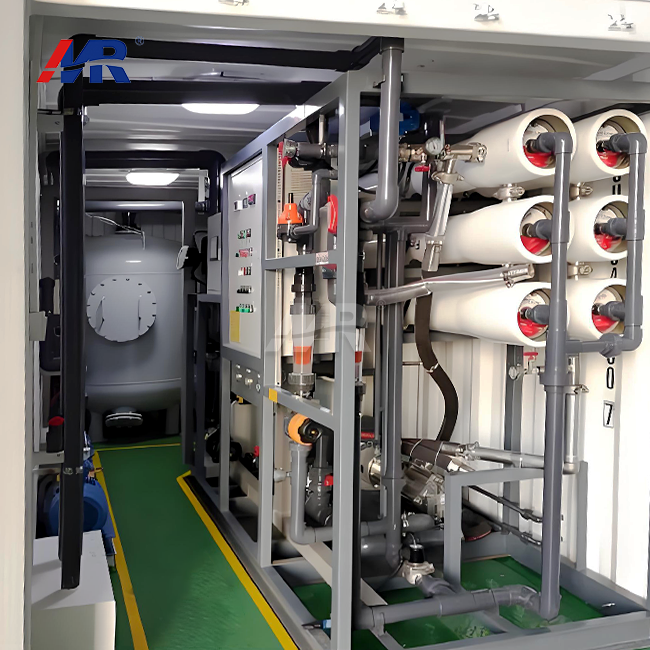
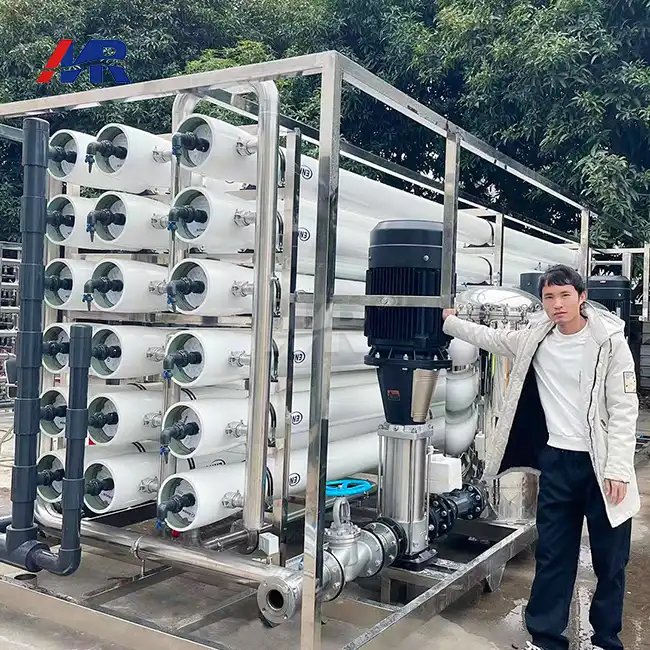
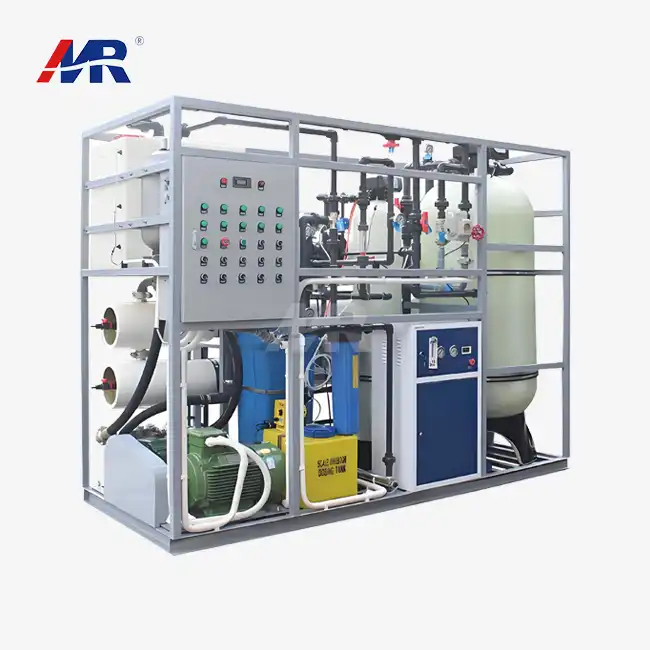
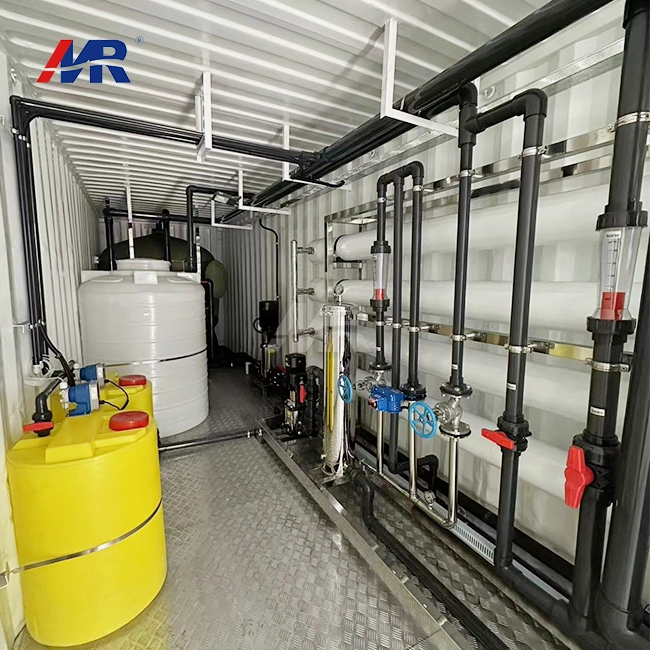
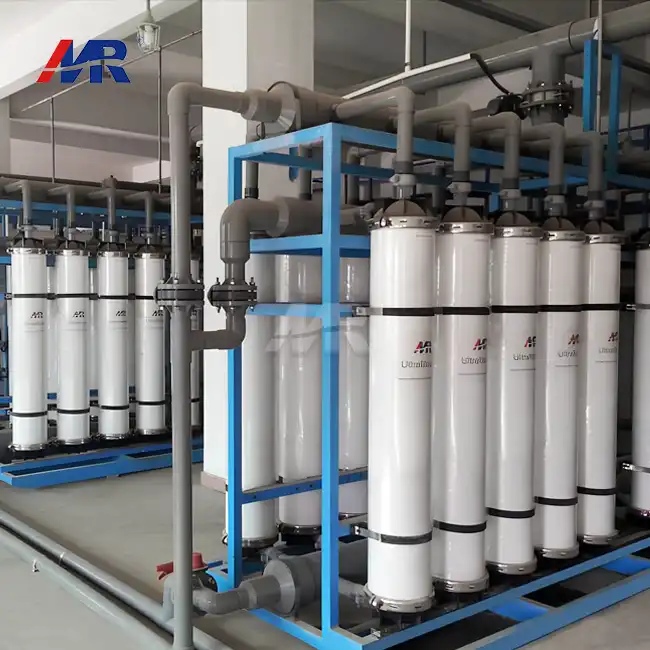
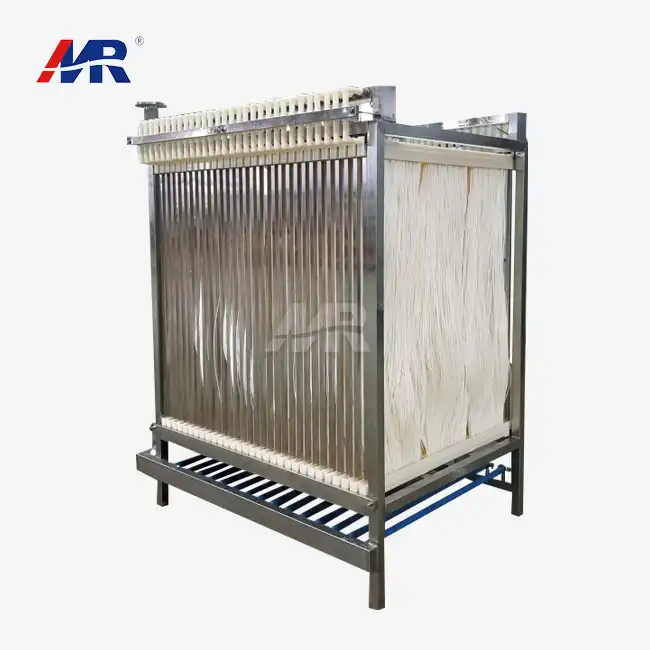
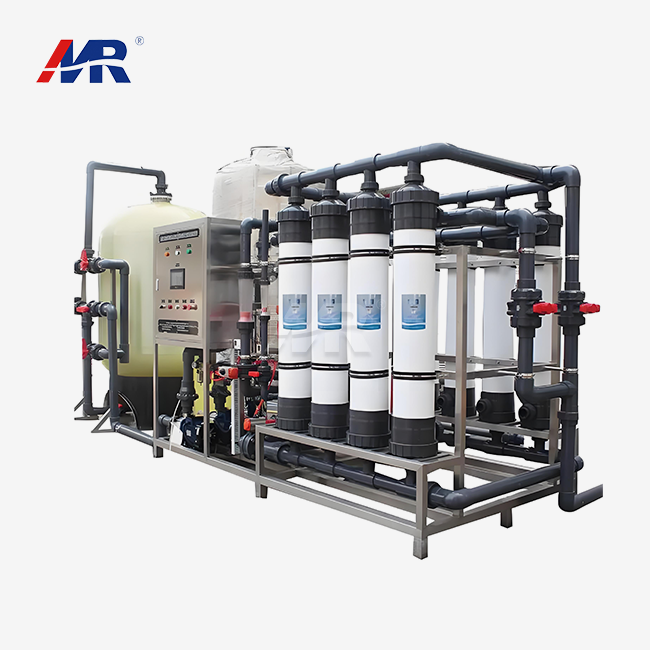
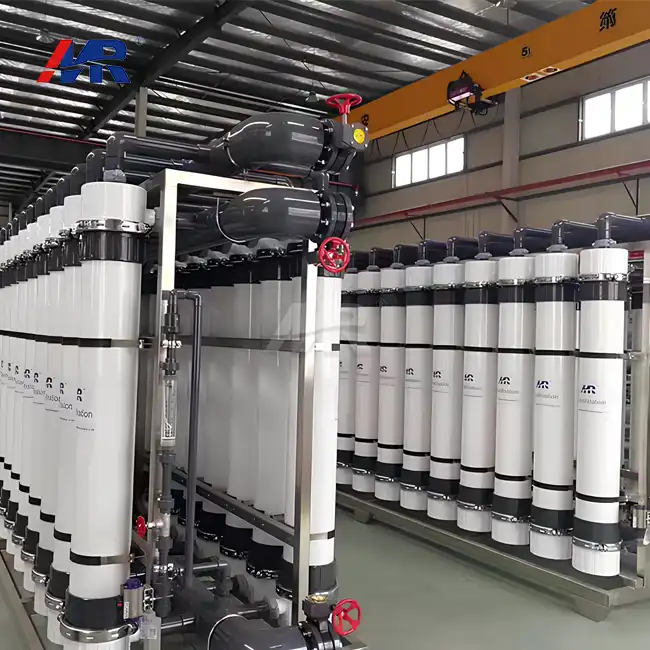
To make a good ultrafiltration system, you must first do a full study of the ultrafiltration machine of the feed water and figure out how much it can produce. Flow rates of 50 to 1,000 cubic meters per hour can handle a wide range of sites, from small factories to big municipal plants. Hollow fiber, spiral wound, and tube forms are all possible for membrane configurations, and each has its own benefits for different uses. Hollow fiber membranes have a high packing density and a structure that supports itself, which makes them perfect for treating surface water to remove pollution and making drinking water for cities. Spiral wound designs work well in situations where they need to reject a lot of dissolved organics, and they are often used to treat industrial wastes. Tubular membranes can handle feeds with a high viscosity and a lot of suspended solids. They are used to treat wastewater from pulp mills and food processing plants.
Proactive Maintenance Strategies for Sustained Performance
Establishing systematic maintenance protocols ensures long-term ultrafiltration system reliability. The main way that cleaning works is by backwashing, which changes the direction of flow to remove particles that have built up on barrier surfaces. Modern systems use controlled backwash cycles that are set off by a difference in transmembrane pressure or by the passage of time. These cycles usually happen every 30 to 60 minutes when the system is working normally. Chemical cleaning becomes necessary when backwashing alone cannot restore membrane permeability. Most cleaning methods switch between acidic and caustic solutions, with the acidic solutions getting rid of biofilms and organic foulants and the caustic solutions breaking down inorganic scale layers. How often you clean it depends on the quality of the feed water, but it's usually done once a week to once a month. Using the right cleaning plans stops membrane fouling that can't be fixed and keeps the design flow rates.
Performance Monitoring and Troubleshooting Techniques
Continuous monitoring of key performance indicators enables early detection of operational issues before they escalate into costly failures. Transmembrane pressure trends show how membranes get clogged. Gradual rises show clogged membranes that can be cleaned, while sudden jumps show damaged membranes or equipment failure upstream. Monitoring the flow rate of product water indicates that production capacity is stable and shows that membrane permeability is decreasing. The success of filtering is shown by water quality metrics like turbidity, particle counts, and total organic carbon in the permeate stream. Testing for microbes using heterotrophic plate counts or specific pathogen research proves that biological removal works. Setting standard performance measures during commissioning gives you a place to start when you're evaluating and fixing problems in the future.
Procurement Strategies for Ultrafiltration Machines in the B2B Market
Evaluating Suppliers and Market Positioning
In the global ultrafiltration market, there are both well-known international companies and local experts who offer competitive solutions. Big companies like Pall Corporation, Koch Membrane Systems, and SUEZ Water Technologies can do a lot of studies, have service networks around the world, and have a history of success in many different industries. These companies usually charge a lot, but they offer full expert help and efficiency guarantees that lower the risk of implementation. Regional makers, especially those in China and other Asian markets, offer cheaper options that have gotten much better in terms of quality and dependability of the ultrafiltration machine over the last few years. Companies like Guangdong Morui Environmental Technology offer reasonable prices and regional service. They keep membrane production sites and equipment handling operations that allow for quick delivery and customization. This production connection lets you set up the system in a way that fits the needs of your industry.
Financial Considerations and Total Cost of Ownership
The initial cash cost is only one part of the total cost of an ultrafiltration machine. For a full financial study, operational costs like energy use, chemical use, membrane repair, and labor needs over the expected equipment lifespan must be included. Systems that cost more up front may use less energy or have membranes that last longer, which lowers the total cost of ownership over 10 to 15 years of use. Leasing equipment and performance-based contracts are two types of financing that can help with limited capital while keeping cash flow for other business goals. Some providers offer "turnkey" solutions that include equipment, installation, commissioning, and service agreements. These solutions come with fixed monthly payments that are based on promised success metrics. These agreements give the seller the performance risk while giving the customer spending certainty.
Compliance and Certification Requirements
Depending on the purpose and location, industrial ultrafiltration systems must meet different legal standards. Municipal drinking water systems must follow the rules set by the Safe Drinking Water Act and get approval from groups like NSF International. For pharmaceutical uses, you need equipment that meets the standards of Current Good Manufacturing Practice and comes with documentation that backs up the validation procedures. Food and beverage applications require materials meeting FDA food contact standards and 3-A Sanitary Standards for areas that come into close touch with the product. Equipment used in dairy handling must be able to handle Clean-In-Place processes without letting bacteria grow. During buying, checking the Certifications of suppliers and asking for proof of compliance keeps legal issues from happening during installation and commissioning.
Conclusion
Ultrafiltration technology has grown from a specialized way to separate things into an important part of many modern businesses' infrastructure. The mix of reliable performance, low running costs, and a moderate capital investment makes ultrafiltration a great choice for businesses that need to balance technical needs with limited budgets. As the lack of water gets worse and government rules get stricter, membrane filtration will become more and more important for businesses. Procurement workers and technical decision-makers who learn how to choose and set up ultrafiltration systems will be able to help their companies deal with these problems while also making the business more efficient and environmentally friendly.
FAQ
1. How often do ultrafiltration membranes require replacement?
The membrane's life depends on the quality of the feed water and how well it is maintained, but systems that are run correctly usually last between 5 and 7 years. Chemical cleaning and backwashing on a regular basis greatly increase operational times. Keeping an eye on the normalized flux decrease over time lets you know when replacement is needed.
2. Can ultrafiltration systems handle high-temperature applications?
Standard plastic screens work effectively up to 40°C, and some materials can handle temperatures as high as 90°C. For tough chemical processing jobs, ceramic membrane options can handle constant use above 100°C. Specifying the temperature needs during the building of the system makes sure that the right materials are chosen.
3. What pre-treatment does ultrafiltration require?
As part of minimal pre-treatment, big particles are usually removed by coarse screening, and chemicals are sometimes changed to make the membrane work better. Ultrafiltration, on the other hand, can handle higher amounts of dissolved solids and doesn't need a lot of clearing upstream, which lowers the costs of both capital and operation.
Partner with a Trusted Ultrafiltration Machine Supplier
To choose the best ultrafiltration option, you need to think about how well it works technically, how much it costs, the ultrafiltration machine, and how well it can be supported in the long run. Guangdong Morui Environmental Technology specializes in custom water treatment systems and has a lot of resources for making them, such as specialized membrane production sites and multiple equipment processing operations. Twenty engineers and 500 other trained workers on Our Team provide a wide range of services, including designing systems, making equipment, installing it, and starting it up. Morui offers low prices and reliable service across a wide range of businesses through its more than 14 branches. Email our technical team at benson@guangdongmorui.com to talk about your unique needs and get a thorough plan that fits your business. You can look at all of our commercial water cleaning options at moruiwater.com.
References
1. Membrane Filtration Guidance Manual, United States Environmental Protection Agency, Office of Water, 2005.
2. Baker, R.W., Membrane Technology and Applications, Third Edition, John Wiley & Sons, 2012.
3. American Water Works Association, Microfiltration and Ultrafiltration Membranes for Drinking Water Manual of Water Supply Practices M53, 2005.
4. Judd, S. and Judd, C., The MBR Book: Principles and Applications of Membrane Bioreactors for Water and Wastewater Treatment, Elsevier, 2011.
5. Singh, R., Membrane Technology and Engineering for Water Purification: Application, Systems Design and Operation, Butterworth-Heinemann, 2015.
6. Zeman, L.J. and Zydney, A.L., Microfiltration and Ultrafiltration: Principles and Applications, Marcel Dekker, 1996.