_1745823981883.webp)

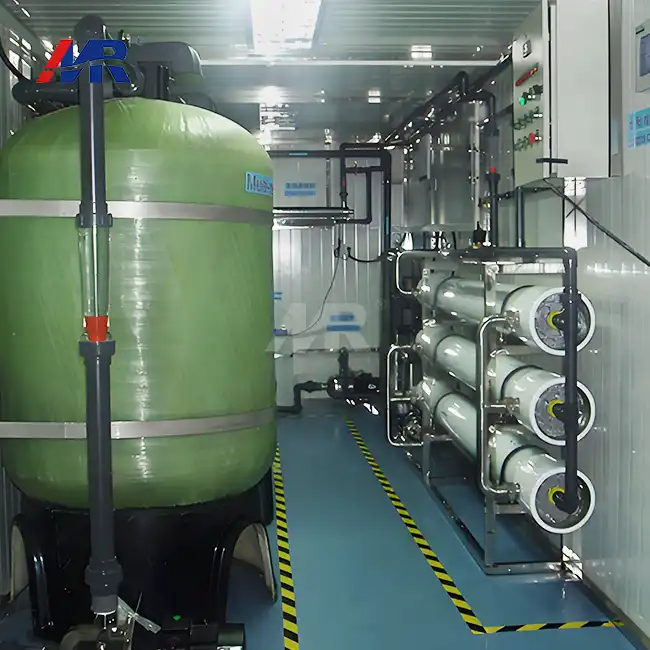
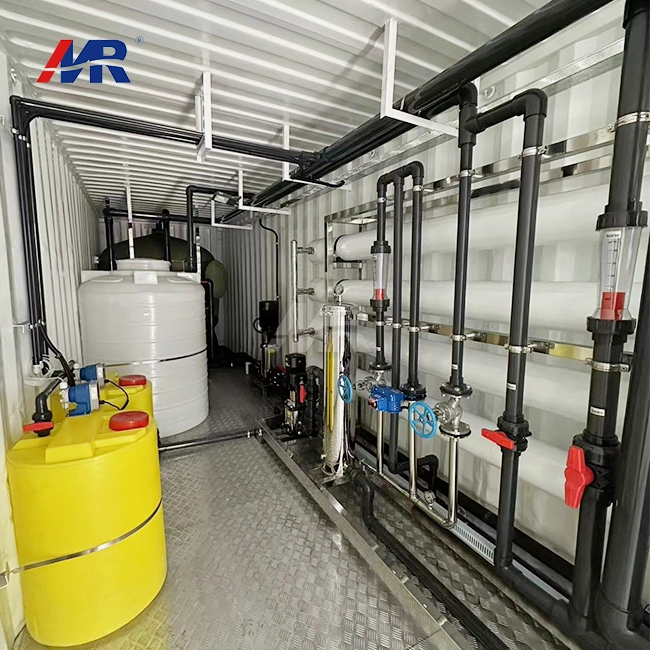
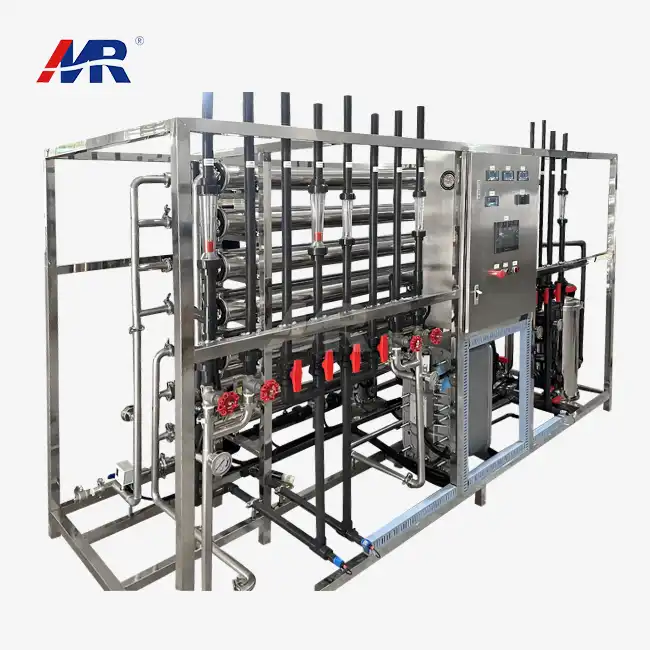
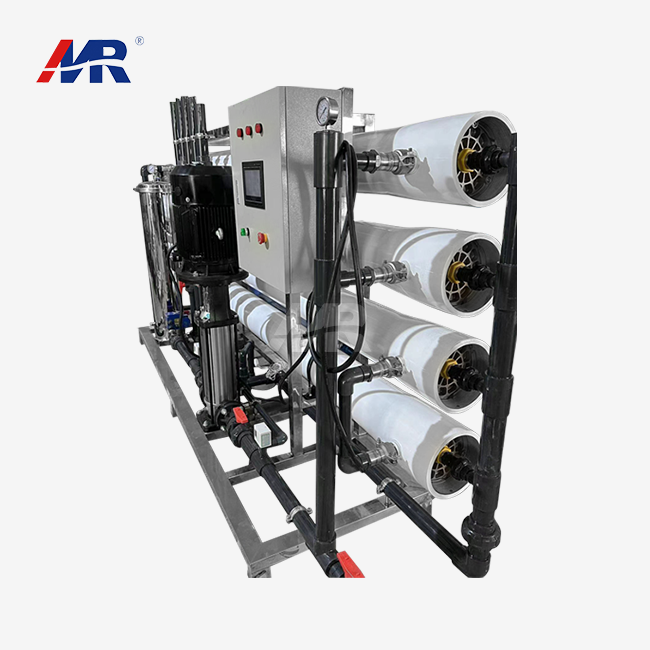
Daily and weekly maintenance checklist for 3 m³/h container RO units
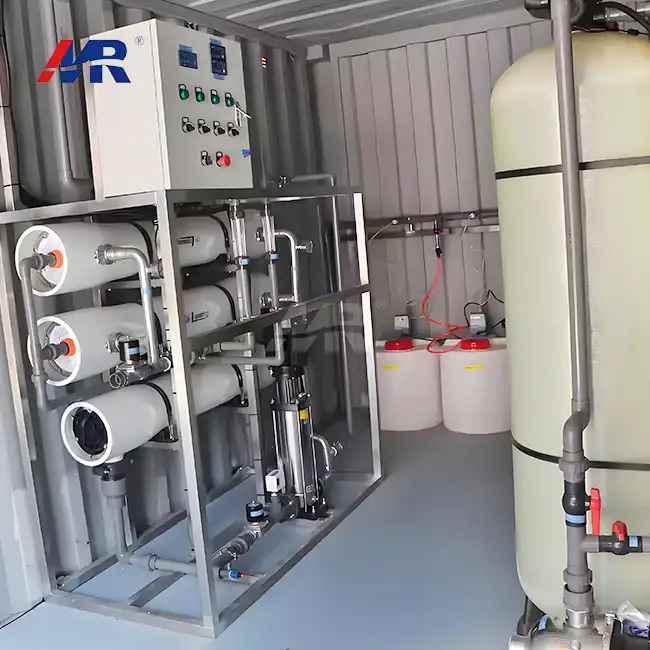
Implementing an organized upkeep schedule is essential for the ideal operation of containerized RO systems. Every day and week-by-week checks offer assistance to recognize potential issues early, anticipating minor issues from escalating into major breakdowns. Here's a comprehensive checklist to guarantee your 3m3/hour RO unit remains in top condition:
Daily Maintenance Tasks
- Monitor bolster water weight and quality
- Check the system working weight and stream rates
- Inspect for any unmistakable spills or unusual noises
- Record penetrate and concentrate stream rates
- Verify the proper functioning of all gauges and meters
- Ensure adjusted chemical dosing (in case applicable)
- Check and alter pH levels as necessary
Weekly Maintenance Procedures:
- Clean pre-filter lodgings and replace cartridges if needed
- Inspect and clean the control board and electrical connections
- Check and fix all pipe fittings and connections
- Calibrate checking instruments
- Perform an intensive visual review of the whole system
- Clean the outside of the holder to avoid tidy accumulation
- Test saturated water quality and compare with the standard data
By following this support plan, administrators can guarantee their containerized RO plant works proficiently and dependably. Customary checks permit for early location of potential issues, such as film fouling or scaling, which can essentially affect system execution if not addressed.
Importance of Accurate Record-Keeping
Maintaining point-by-point logs of day-by-day and week-by-week checks is pivotal for following the execution of your containerized RO plant over time. These records can offer assistance in recognizing patterns, anticipating support needs, and providing important information for investigation. Consider executing an advanced logging system to streamline this process and guarantee simple access to verifiable data.
Tailoring the Maintenance Schedule
While the overall checklist gives a strong establishment, it's critical to note that upkeep necessities may shift based on particular working conditions and water quality. Administrators ought to work closely with the system producer or a water treatment master to tailor the maintenance plan to their specific needs, guaranteeing ideal execution and lifespan of their water treatment system.
Membrane care, CIP scheduling, and anti-fouling best practices
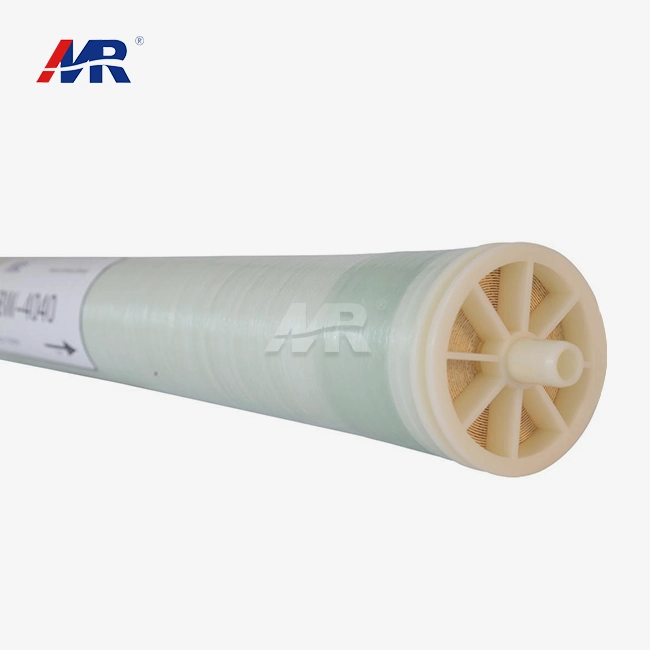
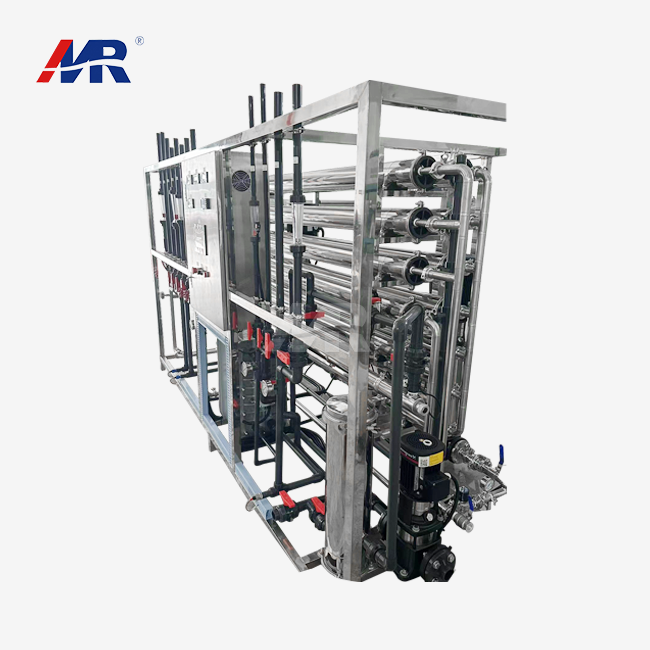
The heart of any containerized reverse osmosis system lies in its layers. Appropriate care and support of these basic components are fundamental for guaranteeing the life span and efficiency of the whole system. This segment will investigate best practices for layer care, Clean-In-Place (CIP) planning, and compelling anti-fouling strategies.
Membrane Care Essentials
Protecting the integrity of RO membranes is crucial for maintaining optimal system performance. Here are some key aspects of membrane care:
- Regular checking of the differential weight over membranes
- Maintaining legitimate bolster water quality through viable pre-treatment
- Adhering to manufacturer-recommended working parameters
- Performing intermittent layer cleaning as needed
- Avoiding sudden weight or stream changes that seem to harm membranes
CIP Scheduling and Procedures
Clean-In-Place (CIP) is a critical process for removing foulants and scale from ro membranes. Proper scheduling and execution of CIP procedures can significantly extend membrane life and maintain system efficiency. Consider the following guidelines:
- Establish a normal CIP plan based on layer execution indicators
- Use suitable cleaning chemicals as prescribed by the layer manufacturer
- Follow appropriate security conventions amid CIP procedures
- Monitor and record CIP viability through pre- and post-cleaning execution data
- Adjust CIP recurrence based on watched fouling rates and framework performance
Anti-Fouling Best Practices
Preventing membrane fouling is key to maintaining the efficiency of containerized RO plants. Implement these anti-fouling strategies:
- Optimize pre-treatment frameworks to expel potential foulants
- Implement appropriate chemical dosing to anticipate scaling and biofouling
- Maintain suitable cross-flow speeds to minimize concentration polarization
- Regularly sanitize the framework to control organic growth
- Consider utilizing anti-scalant chemicals in high-scaling potential applications
Monitoring Membrane Performance
Continuous monitoring of membrane performance is essential for identifying potential issues early. Key parameters to track include:
- Normalized permeate flow
- Salt rejection rates
- Differential pressure across membrane elements
- Feed-to-concentrate pressure drop
By closely monitoring these parameters, operators can quickly identify deviations from normal operation and take corrective action before significant fouling or scaling occurs.
Adapting to Feed Water Variations
Feed water quality can vary significantly, especially in containerized systems that may be deployed in different locations. Operators should be prepared to adjust membrane care and anti-fouling strategies based on local water conditions. This may include modifying pre-treatment processes, adjusting chemical dosing, or altering CIP schedules to accommodate changes in feed water quality.
Spare parts kit and on-site consumables for small container RO systems
Maintaining an adequate inventory of spare parts and consumables is crucial for ensuring the uninterrupted operation of containerized RO plants. This section will outline essential components to keep on hand and best practices for managing your spare parts inventory.
Essential Spare Parts for 3m3/hour Containerized RO Systems
A well-stocked spare parts kit should include:
- Membrane components (at slightest one for each weight vessel)
- Pre-filter cartridges
- High-pressure pump seals and bearings
- Pressure gages and stream meters
- Control valves and actuators
- Electrical components (wires, transfers, switches)
- O-rings and gaskets for different connections
- Pressure help valves
- Spare dosing pump components
On-Site Consumables
Keep these consumables readily available:
- Cleaning chemicals for CIP procedures
- Anti-scalant chemicals
- pH alteration chemicals (if required)
- Calibration arrangements for checking instruments
- Testing units for water quality analysis
- Lubricants for pump maintenance
Inventory Management Best Practices
Effective management of spare parts and consumables is essential for minimizing downtime and ensuring efficient operation of your container water treatment system. Consider these best practices:
- Maintain an up-to-date stock list with portion numbers and quantities
- Implement a reorder framework to guarantee that basic parts are continuously in stock
- Store save parts and consumables in a clean, dry environment
- Regularly review put away things for signs of degradation
- Train administrators on appropriate capacity and taking care of safe parts and chemicals
Customizing Your Spare Parts Kit
While the above list provides a general guideline, the specific needs of your containerized RO system may vary. Work with the system manufacturer or a water treatment specialist to customize your spare parts kit based on:
- Specific components used in your system
- Historical failure rates of various parts
- Criticality of different components to overall system operation
- Lead times for obtaining replacement parts
- Budget considerations
Emergency Preparedness
In addition to routine spare parts, consider maintaining an emergency kit for critical components that could cause extended downtime if they fail. This might include:
- A spare high-pressure pump
- Critical control system components
- Specialized tools required for emergency repairs
By maintaining a comprehensive spare parts inventory and following these best practices, operators can minimize downtime and ensure the continued reliability of their containerized RO plants.
Conclusion
Proper upkeep of containerized 3m3/h RO equipment is vital for guaranteeing its life span and ideal execution. By actualizing a comprehensive upkeep procedure that incorporates day by day and week by week checks, legitimate film care, effective CIP planning, and maintaining a satisfactory spare parts stock, administrators can significantly extend the life expectancy of their systems while keeping up with high water quality standards.
Remember that each containerized reverse osmosis system may have one-of-a-kind necessities based on its particular application and working environment. It's fundamental to work closely with the system producer or a water treatment master to tailor these upkeep rules to your specific needs.
Regular preparation for administrators and specialists is moreover significant to guarantee that all support strategies are carried out accurately and reliably. By contributing to appropriate upkeep and administrator instruction, you can maximize the return on your speculation in containerized RO technology and guarantee a dependable supply of high-quality decontaminated water for your particular application.
At Guangdong Morui Environmental Technology Co., Ltd, we get the basic significance of keeping up your containerized RO equipment. As a driving master in water treatment arrangements, we offer comprehensive services including mechanical wastewater treatment, household sewage treatment, seawater desalination, and drinking water fabricating. Our skill expands past fair gear supply – we give one-stop establishment, commissioning services, consumables, and total after-sales back to guarantee you have peace of mind.
With our claim film generation production line and a few hardware preparation offices, we are extraordinarily situated to offer custom-fitted arrangements for your water decontamination needs. As authorized operators for legitimate brands like Shimge Water Pumps, Runxin Valves, and Createc Instruments, we bring you the best in water treatment technology.
Whether you're in the fabricating industry, the food and beverage sector, the pharmaceutical field, or any other industry requiring high-quality water treatment arrangements, Guangdong Morui Environmental Technology Co., Ltd is your trusted accomplice. Our imaginative RO systems are designed to meet the different needs of businesses, extending from water treatment to manufacturing.
Don't let support concerns hold you back from accomplishing ideal water quality. Contact us nowadays to learn how our mastery can offer assistance you keep up and optimize your containerized RO system for a long time to come. Together, we can guarantee the life span and proficiency of your water treatment equipment.
FAQ
Q1: How often should I perform a complete CIP on my 3m3/hour containerized RO system?
A: The frequency of CIP procedures depends on several factors, including feed water quality and system usage. Generally, for a 3m3/hour containerized RO system, performing a CIP every 3-6 months is recommended. However, you should monitor system performance indicators such as decreased flux or increased differential pressure, which may indicate the need for more frequent cleaning. Always consult your system's manual or a water treatment specialist for specific recommendations tailored to your operating conditions.
Q2: What are the signs that my RO membranes need replacement?
A: Several indicators suggest it's time to replace your RO membranes:
- Noteworthy diminish in penetration stream rate (as a rule, 10-15% reduction)
- Discernible decay in salt dismissal rates
- Expanded bolster weight is required to keep up production
- Diligent fouling that doesn't resolve with cleaning
- Layers that have come to their anticipated life expectancy (ordinarily 3-5 years)
Always conduct a thorough system analysis before replacing membranes, as sometimes issues can be resolved through proper cleaning or system adjustments.
Q3: How can I prevent biofouling in my containerized RO system?
A: Preventing biofouling requires a multi-faceted approach:
- Ensure effective pre-treatment to remove organic matter and nutrients
- Maintain proper chlorination in the feed water, followed by dechlorination before the membranes
- Implement regular sanitization procedures
- Consider using biocide treatments periodically
- Maintain appropriate cross-flow velocities to minimize biofilm formation
- Monitor feed water quality regularly and adjust treatment strategies as needed
Remember, prevention is key, as biofouling can be particularly challenging to address once established.
High-Quality Containerized Reverse Osmosis Systems for Efficient Water Treatment | Morui
Looking for reliable and efficient containerized reverse osmosis systems? Look no further than Guangdong Morui Environmental Technology Co., Ltd. Our state-of-the-art container water treatment systems are designed to meet the diverse needs of industries ranging from food and beverage to pharmaceuticals and beyond. With our expertise in membrane technology and commitment to quality, we deliver customized solutions that ensure optimal water purification results.
Don't compromise on water quality or system reliability. Choose Morui for your containerized RO plant needs and experience the difference that comes with industry-leading technology and unparalleled support. Contact us today at benson@guangdongmorui.com to discuss how we can tailor our containerized reverse osmosis systems to meet your specific requirements. Let us help you achieve your water treatment goals with our innovative and efficient solutions.
References
1. Johnson, A. R., & Smith, B. T. (2021). Preventive Maintenance Approaches for Small-Scale Containerized RO Systems. Journal of Water Treatment and Purification, 18(2), 145–162.
2. Garcia-Rodriguez, L., & Gomez-Camacho, C. (2020). Operational Reliability and Maintenance Planning in Modular Reverse Osmosis Plants. Desalination and Water Treatment, 182, 97–113.
3. Patel, S., & Mehta, R. (2022). Performance Optimization and Membrane Care Strategies in Compact RO Units. Renewable and Sustainable Energy Reviews, 161, 113021.
4. Chen, X., & Wang, Y. (2019). Fouling Control, CIP Scheduling, and Membrane Protection in Containerized RO Systems. Separation and Purification Technology, 225, 312–329.
5. Thompson, J., & Brown, K. (2023). Maintenance Best Practices for Mobile and Containerized Water Treatment Equipment. Environmental Science & Technology, 57(6), 2841–2854.
6. Anderson, P. L., & Kumar, V. (2021). Spare Parts Management and Reliability Engineering for Small RO Desalination Plants. International Journal of Water Resources Engineering, 12(4), 233–249.