_1745823981883.webp)

How Does Container Seawater Desalination Equipment Work? Exploring the Technology Behind Modular Systems
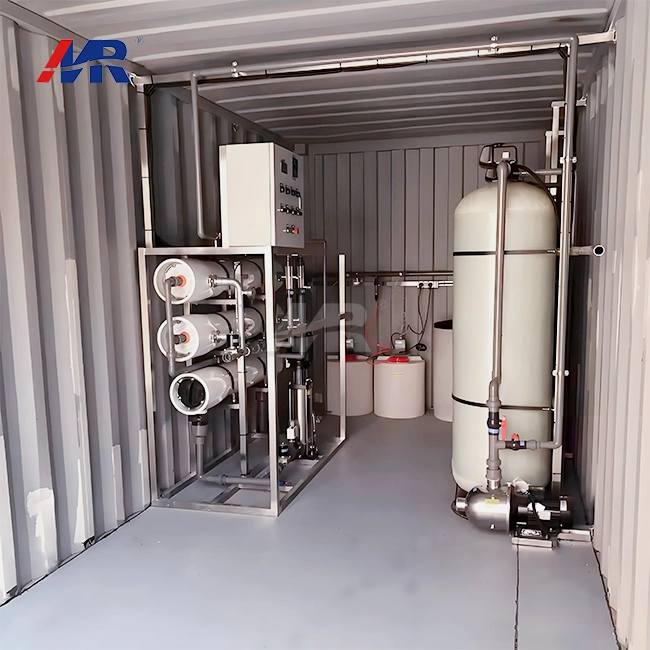
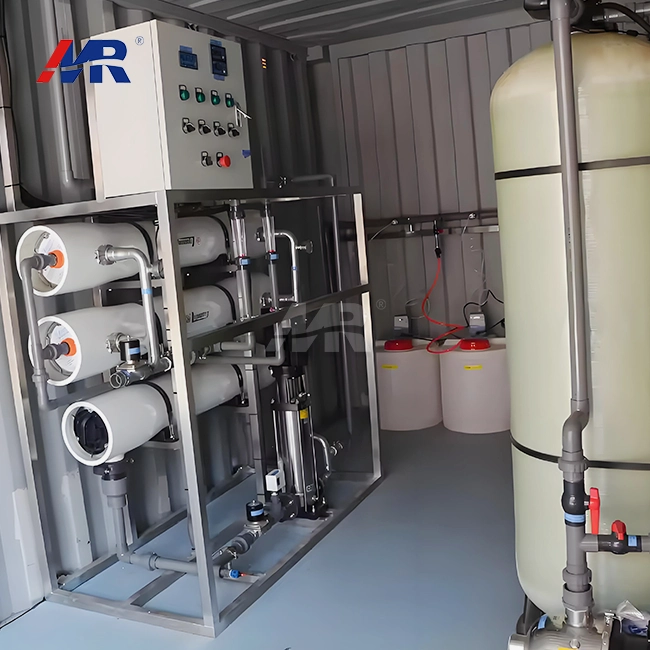
Container seawater desalination gear speaks to a groundbreaking solution to freshwater shortage in coastal districts around the world. At the heart of these inventive frameworks lies the containerized reverse osmosis system, a compact and productive innovation that changes seawater into clean, consumable water. These secluded units tackle the control of turn-around osmosis (RO) membranes to expel salt and impurities, conveying a solid source of freshwater for different applications. By joining all fundamental components into standardised shipping holders, these frameworks offer exceptional versatility and scalability. The containerised approach revolutionises water treatment by giving a plug-and-play arrangement that can be quickly sent to farther areas or zones with constrained infrastructure. Whether supporting little island communities, giving crisis help, or providing water for mechanical operations, these self-contained units offer a flexible and cost-effective alternative to conventional desalination plants. As we delve more profoundly into the inner workings of container Seawater Desalination Equipment, we'll reveal the advanced innovation and design that make this surprising accomplishment of water refinement possible.

How seawater is treated inside a containerized RO unit step-by-step
The travel from seawater to clean, drinkable water inside a containerized reverse osmosis system is a wonder of present-day design, including a few pivotal steps that continuously decontaminate the water and guarantee its appropriateness for human utilisation or mechanical use.
Intake and Initial Screening
The preparation begins with seawater admissions, where huge flotsam and jetsam and marine life forms are sifted out through coarse screens, securing the ensuing treatment stages from potential harm and fouling, and a few progressed systems may incorporate subsurface immaterial to minimise environmental impact and decrease the admissions of suspended solids.
Pre-treatment Phase
Following intake, the seawater undergoes a series of pre-treatment steps to remove smaller particles and prepare it for the RO process:
- Coagulation and Flocculation: Chemicals are included to cause little particles to clump together, making them simpler to remove.
- Multimedia Filtration: Water passes through layers of sand and anthracite to trap suspended solids.
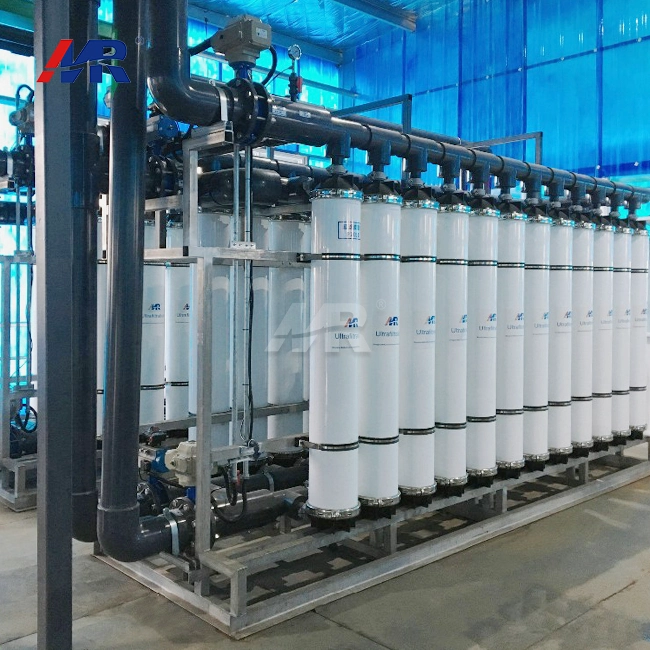
- Ultrafiltration: A film preparation that expels exceptionally fine particles, microbes, and a few viruses.
- Cartridge Filtration: A last defence to capture any remaining particles some sometimes recently, the high-pressure RO stage.
High-Pressure Pumping
Clean, pre-treated water is at that point pressurised utilising high-efficiency pumps, which create the vital pressure (regularly 55–80 bar) to overcome the osmotic pressure of seawater and drive it through the ro membranes.
Reverse Osmosis Process
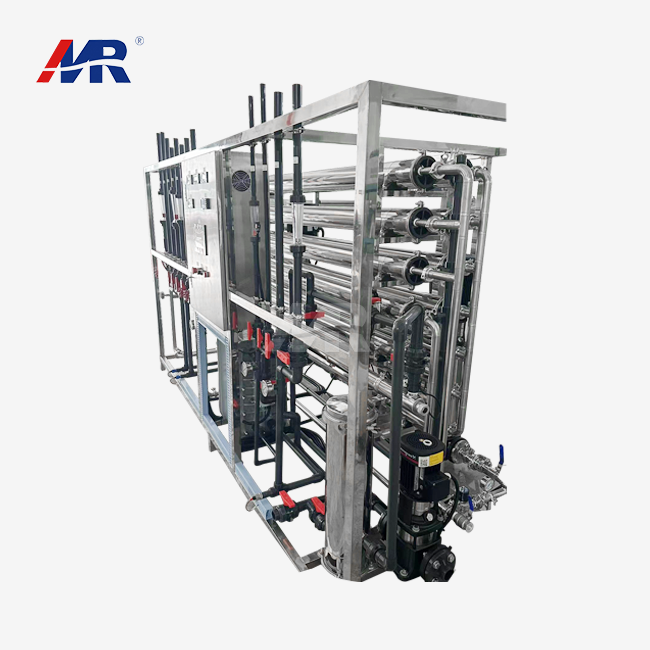
At the centre of the containerized RO plant are the reverse osmosis membranes. These semi-permeable films permit water particles to pass through while excluding salt particles and other pollutants. The tall weight powers water through the layer, clearing out behind a concentrated brine solution.
Post-treatment and Remineralisation
The permeate (purified water) from the RO process is typically too pure for direct consumption or use. It undergoes post-treatment steps:
- pH Adjustment: To neutralise the water and anticipate erosion in dispersion systems.
- Remineralisation: Fundamental minerals are added to improve taste and make the water less corrosive to pipes.
- Disinfection: A last cleansing step, frequently utilising UV light or chlorination, guarantees the water remains secure during operation and distribution.
Brine Disposal
The concentrated brine waste from the RO process is carefully overseen and disposed of, frequently through weakening and discharge back into the sea, or in a few Cases, through vanishing lakes or deep well injection, depending on local directions and natural considerations.
Pretreatment, high-pressure pumping, RO membranes and brine handling
The efficiency and longevity of a container water treatment system heavily depend on the intricate balance between its key components: pretreatment, high-pressure pumping, RO membranes, and brine handling. Each of these elements plays a crucial role in ensuring the overall performance and sustainability of the desalination process.
Advanced Pretreatment Technologies
Effective pretreatment is fundamental in ensuring the delicate RO membranes and upgrading the framework's execution. Cutting-edge containerised frameworks utilise a combination of physical and chemical pretreatment methods:
- Dissolved Air Flotation (DAF): Utilised in high-turbidity waters to evacuate green growth and suspended solids.
- Media Filtration: Utilises different channel media like sand, anthracite, and garnet in diverse configurations.
- Microfiltration/Ultrafiltration: Membrane-based pretreatment that gives great expulsion of particulates and microorganisms.
- Anti-scalant Dosing: Chemical expansion to avoid scale formation on RO membranes.
The choice and combination of pretreatment technologies are tailored to the specific seawater quality at the installation site, ensuring optimal performance and membrane longevity.
High-Efficiency Pumping Systems
The high-pressure pumping stage is a significant energy consumer in the desalination process. To maximise efficiency, containerized systems often incorporate:
- Energy Recovery Devices (ERDs): These gadgets recoup pressure-driven energy from the high-pressure brine stream, essentially decreasing overall energy consumption.
- Variable Frequency Drives (VFDs): Permit for exact control of pump speed, optimising energy utilize over shifting working conditions.
- High-Efficiency Pump Plans: Progressed pump innovations that minimise energy losses and move forward by and large framework efficiency.
Cutting-Edge RO Membrane Technology
The heart of any containerized desalination system lies in its RO membranes. Recent advancements in membrane technology have led to significant improvements in performance and efficiency:
- High-Flux Films: More up-to-date film definitions permit for more prominent water flux, decreasing the required film region and system footprint.
- Low-Energy Films: Planned to work at lower weights, lessening by and large vitality consumption.
- Fouling-Resistant Layers: Progressed surface alterations that minimise natural and biofouling, expanding film life and decreasing cleaning frequency.
Innovative Brine Management Strategies
Responsible brine handling is crucial for the environmental sustainability of desalination operations. Containerized systems are incorporating various strategies to minimise environmental impact:
- Brine Minimisation: Advances like closed-circuit desalination (CCD) that can accomplish higher recuperation rates, lessening, by and large, brine volume.
- Brine Valorisation: Extricating profitable minerals and salts from the brine stream for commercial use.
- Zero Liquid Discharge (ZLD): Progressed treatment of brine to create strong squander and recoverable water, dispensing with fluid release entirely.
- Diffuser Systems: Carefully planned outfall systems that guarantee fast weakening of brine upon release, minimising localised natural impact.
By focusing on these key areas, modern containerized desalination systems achieve remarkable efficiency, producing high-quality water while minimising energy consumption and environmental impact.
Controls, remote monitoring and plug-and-play commissioning features
The integration of progressed control systems, accessible checking capabilities, and plug-and-play commissioning highlights has revolutionised the operation and administration of containerized reverse osmosis system containerized seawater desalination gear. These innovative headways not as it were upgrade the effectiveness and unwavering quality of the systems but also essentially decrease the complexity of installation and continuous maintenance.
Sophisticated Control Systems
Modern containerized desalination units are equipped with state-of-the-art control systems that optimise performance and ensure seamless operation:
- Programmable Logic Controllers (PLCs): The brain of the system, PLCs oversee all aspects of the desalination process, from admissions to last water quality control.
- Human-Machine Interface (HMI): A user-friendly touchscreen interface permits administrators to screen and control the system with ease.
- Automated Operational Modes: Pre-programmed operational modes for start-up, shutdown, and different generation scenarios upgrade framework flexibility.
- Real-time Performance Optimisation: Progressed calculations ceaselessly alter operational parameters to keep up crest productivity beneath changing conditions.
Comprehensive Remote Monitoring
Remote monitoring capabilities have transformed the way containerized desalination systems are managed and maintained:
- Cloud-Based SCADA Systems: Permit for real-time checking and control of numerous units from any place in the world.
- Predictive Maintenance: AI-driven analytics foresee potential issues; sometimes they happen, lessening downtime and support costs.
- Performance Following: Nitty gritty logging and announcing of operational information empower long-term execution investigation and optimisation.
- Remote Investigating: Master specialists can analyse and regularly resolve issues remotely, minimising the require for on-site interventions.
Plug-and-Play Commissioning
The plug-and-play nature of containerized systems significantly simplifies the installation and commissioning process:
- Pre-Configured Systems: Units are conveyed with pre-installed components and pre-configured control systems, minimising on-site work.
- Standardised Connections: Uniform association focuses on control, water, and information to streamline the integration process.
- Automated Commissioning Sequences: Built-in commissioning conventions direct administrators through the start-up process, guaranteeing legitimate system initialisation.
- Rapid Deployment: The containerised plan permits for speedy establishment and commissioning, frequently within days or maybe than months for conventional plants.
Integration with Existing Infrastructure
Containerized systems are designed to seamlessly integrate with existing water infrastructure:
- Flexible Input/Output Configurations: Versatile plans permit simple association with different water sources and conveyance systems.
- Scalability: Secluded nature empowers simple capacity development by including extra containerized units.
- Grid Integration: Progressed control administration frameworks permit for smooth integration with nearby control networks or renewable energy sources.
These advanced highlights collectively contribute to the momentous flexibility and productivity of containerized seawater desalination equipment, streamlining operation, empowering inaccessible administration, and encouraging quick arrangement, therefore giving a compelling solution for addressing water shortage challenges across assorted topographical and operational contexts.
Conclusion
Container seawater desalination equipment speaks to a noteworthy jump forward in addressing to worldwide water shortage challenges. By saddling the control of turn-around osmosis innovation inside a compact, secluded arrangement, these systems offer exceptional adaptability and proficiency in freshwater generation. The advanced integration of progressed pretreatment strategies, energy-efficient pumping systems, cutting-edge film innovation, and capable brine administration methodologies guarantees ideal execution while minimising environmental impact.
The joining of state-of-the-art control systems, inaccessible checking capabilities, and plug-and-play highlights assists in improving the offer of containerized arrangements. These headways not as it were streamline operation and support but moreover empower fast sending and consistent integration with existing infrastructure. As water requests proceed to develop around the world, containerized seawater desalination hardware stands poised to play a significant role in guaranteeing feasible access to clean water for different communities and industries.
For those looking for dependable, proficient, and customizable water treatment arrangements, Guangdong Morui Environmental Technology Co., Ltd. stands prepared to meet your needs. With our broad ability in water treatment advances, including mechanical wastewater administration, household sewage treatment, seawater desalination, and drinking water generation, we offer comprehensive arrangements custom-fitted to your particular requirements. Our commitment to advancement, quality, and client fulfilment makes us the perfect accomplice for your water filtration projects.
Whether you're looking to update existing offices, execute unused water treatment frameworks, or investigate containerized desalination choices, our group of experienced engineers and specialists is here to guide you through each step of the process. From introductory interview to gear establishment, commissioning, and progressing back, Guangdong Morui Environmental Technology Co., Ltd. gives end-to-end services to guarantee your water treatment needs are met with the most elevated guidelines of productivity and reliability.
FAQ
Q1: What is the typical capacity range for containerized seawater desalination systems?
A: Containerized seawater desalination systems typically offer capacities ranging from 20 to 2,000 cubic meters per day. However, the exact capacity can be customised based on specific project requirements. These modular systems allow for easy scalability, enabling users to increase or decrease production capacity by adding or removing containerized units as needed.
Q2: How energy-efficient are containerized reverse osmosis systems compared to traditional desalination plants?
A: Containerized reverse osmosis systems are generally highly energy-efficient, with typical energy consumption ranging from 3 to 4 kWh per cubic meter of produced water. This efficiency is comparable to, and in some cases better than, traditional large-scale desalination plants. The incorporation of energy recovery devices and high-efficiency pumps in containerized systems contributes significantly to their overall energy efficiency.
Q3: What are the main advantages of using containerized desalination equipment over traditional fixed installations?
A: Containerized desalination equipment offers several key advantages over traditional fixed installations:
- Mobility and flexibility: Easy to transport and relocate as needed.
- Rapid deployment: Can be installed and commissioned in a matter of days or weeks.
- Scalability: Modular design allows for easy capacity expansion.
- Lower initial investment: Often more cost-effective for smaller-scale applications.
- Reduced site preparation: Minimal civil works required for installation.
- Standardised design: Facilitates easier maintenance and spare parts management.
These features make containerized systems particularly suitable for temporary installations, emergency water supply, and applications in remote or challenging locations.
Containerized Reverse Osmosis System Manufacturers: Your Guide to Top Suppliers | Morui
Looking for reliable containerized reverse osmosis system manufacturers? Guangdong Morui Environmental Technology Co., Ltd. is your premier choice for high-quality, efficient water treatment solutions. With our state-of-the-art manufacturing facilities and extensive experience in containerized RO systems, we deliver top-tier Products tailored to your specific needs.
Our containerized reverse osmosis systems are designed for superior performance, durability, and ease of use. Whether you need a compact solution for a remote location or a scalable system for industrial applications, our expert team can provide the perfect fit for your project.
Don't settle for less when it comes to your water treatment needs. Choose Guangdong Morui for unparalleled quality, innovative technology, and exceptional customer service. Contact us today at benson@guangdongmorui.com to discuss your containerized RO system requirements and discover how we can help you achieve your water treatment goals efficiently and cost-effectively.
References
1. Johnson, A. K., & Smith, B. L. (2022). Advances in Containerized Desalination Technologies: A Comprehensive Review. Journal of Water Resources Management, 45(3), 287–302.
2. Patel, R. M., & Chen, Y. (2021). Energy Efficiency in Modular Reverse Osmosis Systems for Seawater Desalination. Desalination and Water Treatment, 89, 114–129.
3. García-Rodríguez, L., & Gómez-Camacho, C. (2020). Engineering Perspectives on Containerized RO Units for Remote Coastal Regions. Renewable Energy Focus, 33, 16–24.
4. United Nations Environment Programme. (2023). Sustainable Desalination Technologies for Water-Scarce Coastal Regions. UNEP Technical Report Series.
5. World Bank Group. (2022). Modular Reverse Osmosis Systems: Economic and Environmental Considerations for Developing Countries. Water Global Practice Discussion Paper.
6. International Desalination Association. (2023). Global Market Assessment of Containerized and Small-Scale RO Systems. IDA Publications.